













Pork has been a cornerstone of European cooking for centuries, showing up in everything from street food stalls to fancy restaurant menus. Every country has its own way of preparing it, using local spices, cooking traditions, and secret family recipes passed down through generations.
From slow-roasted cuts in Spain to crispy knuckles in Germany, the variety is truly incredible. Get ready to explore some of the most delicious pork dishes Europe has to offer.
1. Cochinillo Asado - Spain
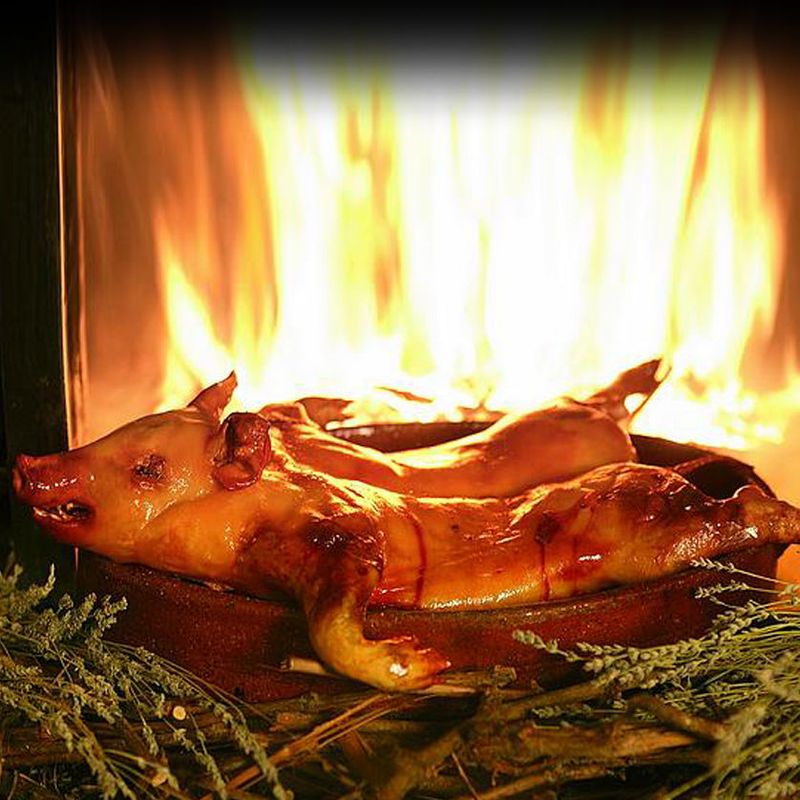
Crackle, sizzle, and golden perfection — that is what Cochinillo Asado is all about. This Spanish roasted suckling pig is so tender that chefs in Segovia traditionally cut it with the edge of a plate to show off its softness.
The skin turns paper-thin and crispy while the meat stays incredibly juicy inside. It is a celebration dish, often served at weddings and fiestas.
The secret is slow-roasting the young pig with just lard, salt, and water.
2. Schweinshaxe - Germany
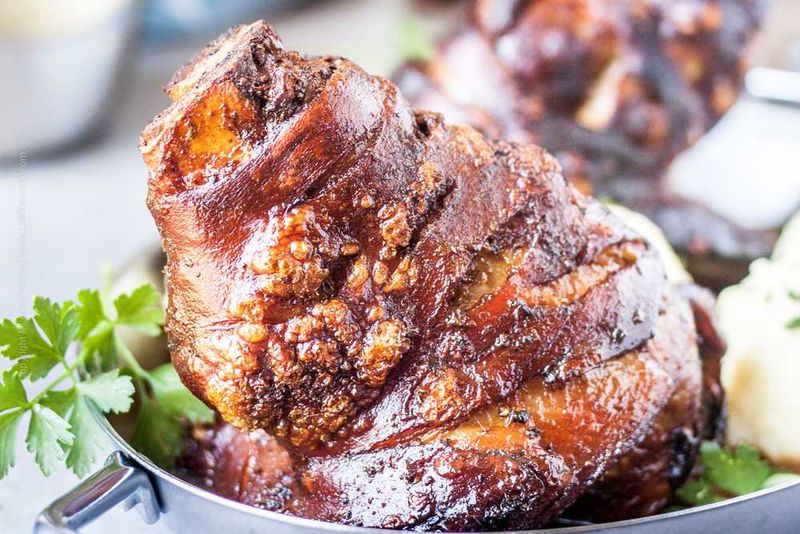
Walk into any Bavarian beer hall and the smell of Schweinshaxe will stop you in your tracks. This roasted pork knuckle has a crackling, caramelized skin on the outside and fall-off-the-bone meat hiding underneath.
It is typically served alongside sauerkraut and bread dumplings, making it a hearty, filling meal. The pork is often marinated in dark beer and spices before roasting, which gives it a deep, rich flavor that is hard to forget.
3. Porchetta - Italy
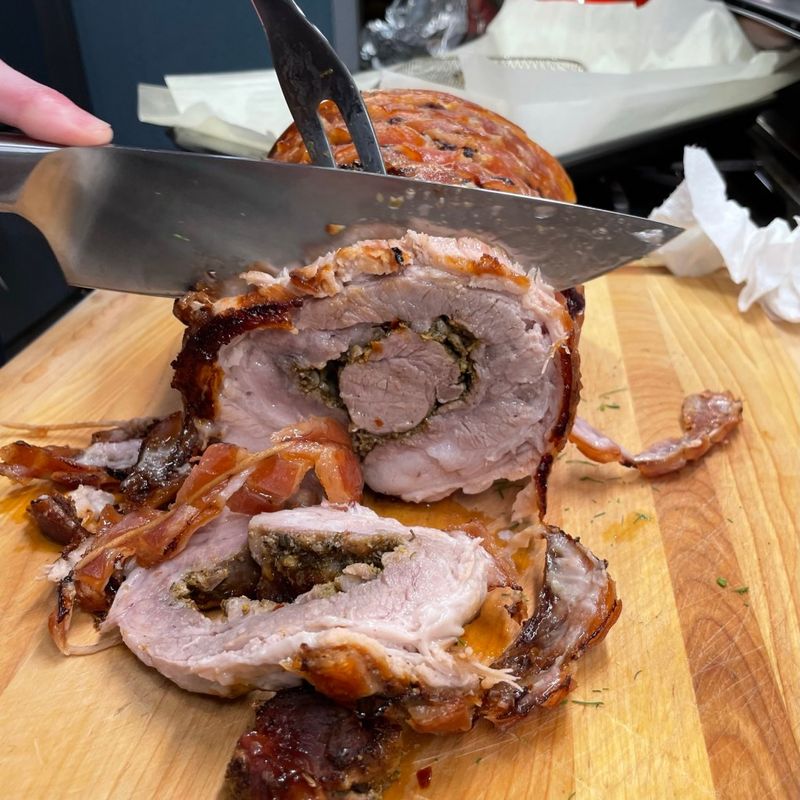
Porchetta is Italy's answer to the ultimate street food experience. Sold from roadside vans and market stalls across central Italy, this slow-roasted pork roll is packed with wild fennel, rosemary, garlic, and black pepper.
The outside is shatteringly crispy while the inside is moist and bursting with herby aroma. Originating from the Lazio region, it has been a staple at Italian festivals for hundreds of years.
One bite and you will understand why locals line up for it.
4. Bigos - Poland
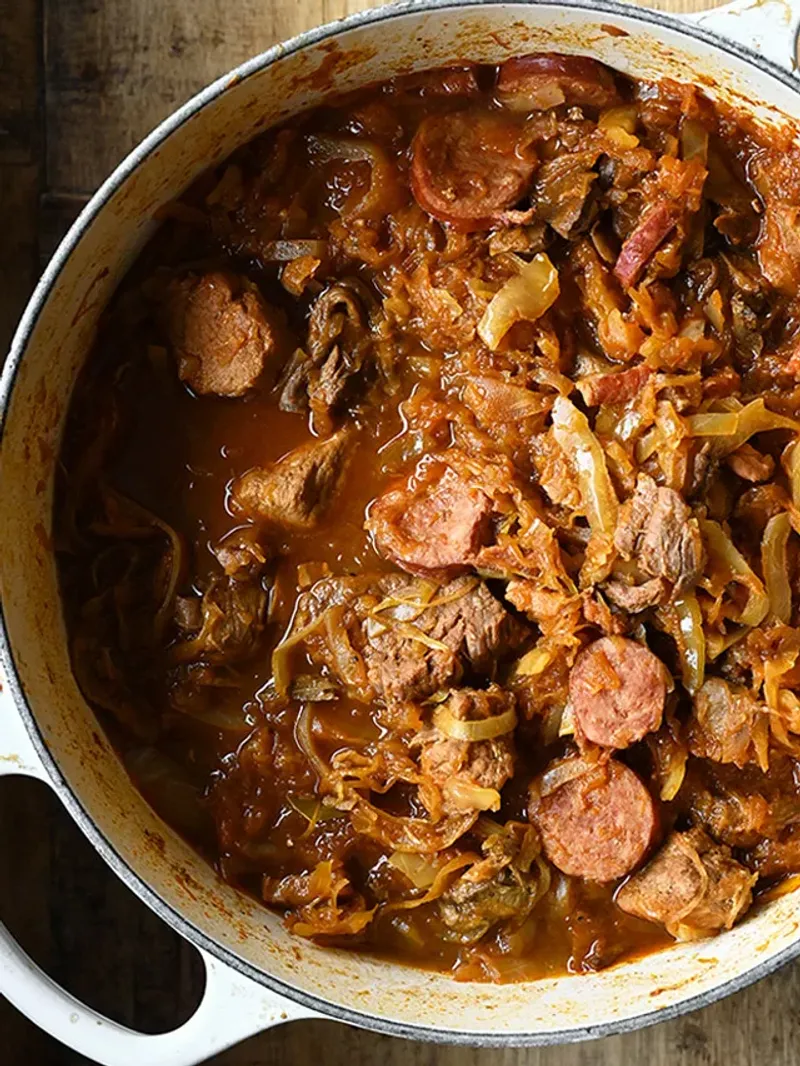
Known as the national dish of Poland, Bigos is a hearty hunter's stew that tastes even better the next day. It combines sauerkraut, fresh cabbage, various cuts of pork, and smoky kielbasa sausage into one rich, deeply satisfying pot.
Hunters traditionally made it over open fires during long trips into the forest, tossing in whatever meat they had. The longer it simmers, the more complex the flavors become.
Some Polish families have been perfecting their Bigos recipe for generations.
5. Lechon - Portugal
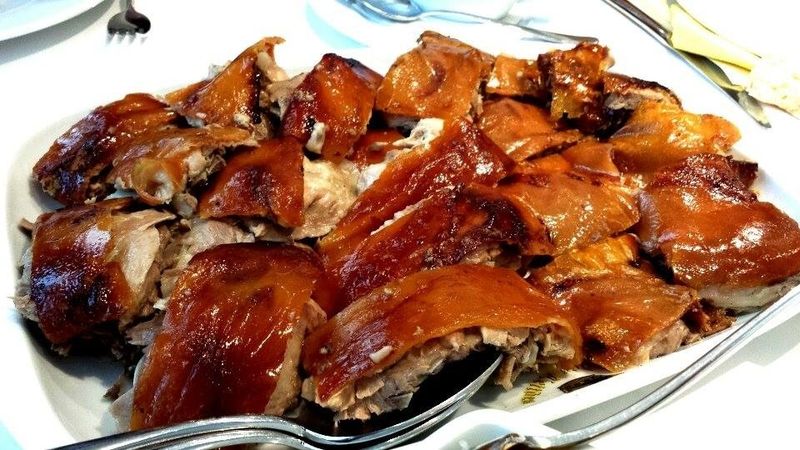
Portugal's version of whole roasted pig is called Lechon, and it is every bit as spectacular as it sounds. The skin roasts into a gloriously crispy shell while the meat inside stays moist and tender, often seasoned with garlic, bay leaves, and paprika.
It is a dish built for celebrations — think Christmas, Easter, and village festivals. The Bairrada region is especially famous for its leitao, a younger, milk-fed version that is considered one of Portugal's greatest culinary treasures.
6. Jambon-Beurre - France
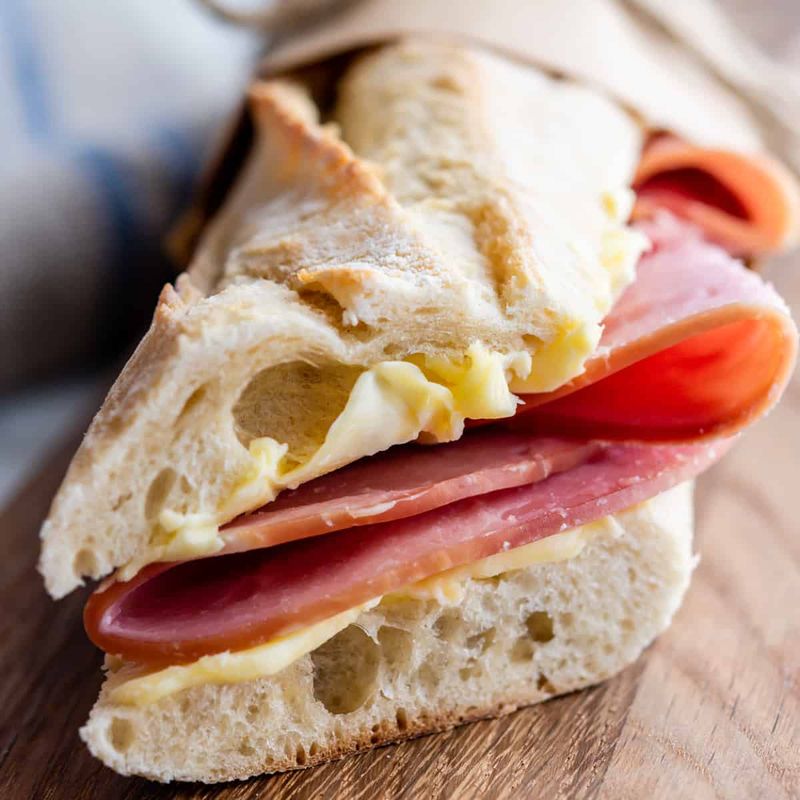
Simple, satisfying, and utterly French — the Jambon-Beurre is a baguette sandwich that has fed Parisians for over a century. Thin slices of quality cured ham are layered with generous amounts of salted butter inside a fresh, crusty baguette.
No fancy sauces, no complicated toppings — just three ingredients done perfectly. It remains the best-selling sandwich in France, outselling even the croque-monsieur.
Sometimes the most beloved foods are the simplest ones, and this sandwich proves that point beautifully every single day.
7. Cevapcici - Bosnia and Herzegovina
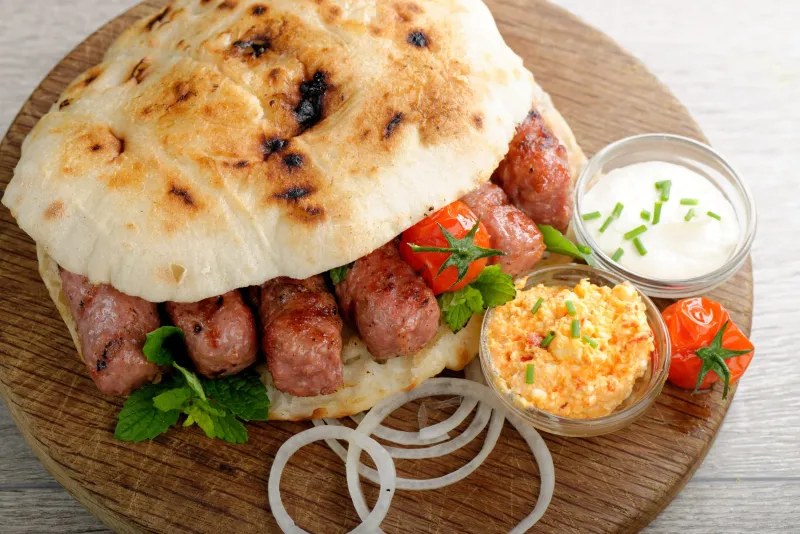
Cevapcici are small, skinless grilled sausages made from a mix of minced pork and beef, and they are absolutely addictive. Seasoned with garlic, paprika, and baking soda for that signature springy texture, they are grilled over an open flame until charred and juicy.
Traditionally served inside a soft somun flatbread with raw onions and ajvar, a roasted red pepper relish, this dish is Bosnia's pride and joy. Street vendors across the Balkans sell them by the dozen.
8. Fleskesteg - Denmark
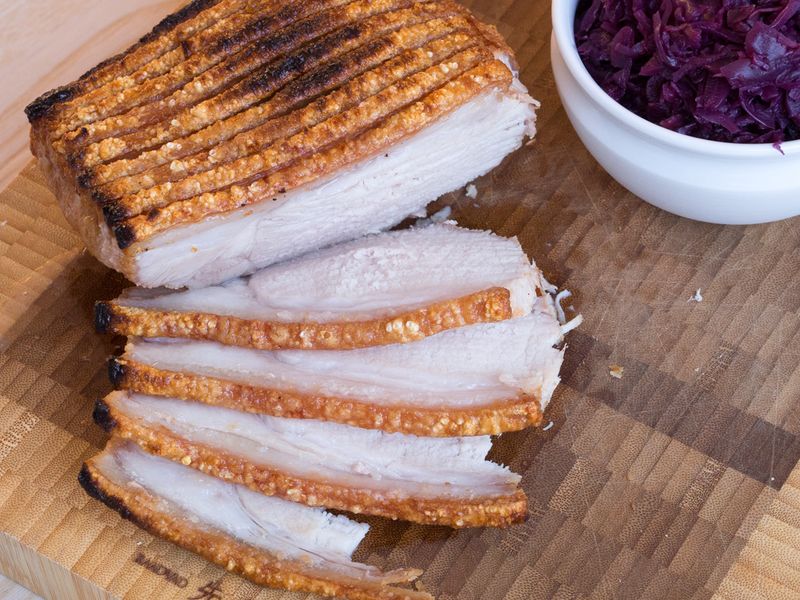
Fleskesteg is Denmark's beloved Christmas roast, and Danes take their pork crackling very seriously. The key to a perfect Fleskesteg is scoring the pork rind deeply and salting it generously so it puffs up into crunchy, airy bubbles during roasting.
Served alongside braised red cabbage and caramelized sugar potatoes, this dish is the heart of a Danish Christmas dinner. Families gather around the table and argue good-naturedly about who gets the crispiest piece of skin — a true holiday tradition.
9. Tonkatsu-style Schnitzel - Austria
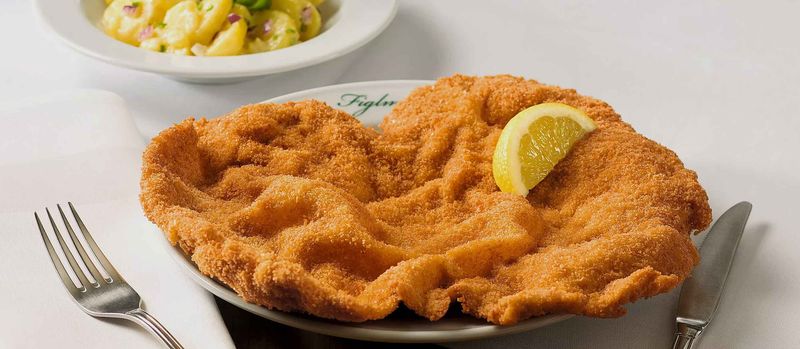
Austria's Wiener Schnitzel is one of Europe's most iconic breaded dishes, and while the classic version uses veal, the pork version — called Schnitzel vom Schwein — is just as popular and arguably more affordable. Thin pork cutlets are pounded flat, coated in breadcrumbs, and fried in clarified butter until golden.
The result is a crispy, lacy coating with juicy meat inside. Squeeze a bit of lemon over the top and serve with lingonberry jam for the full Viennese experience.
10. Morcilla and Chorizo Stew - Spain
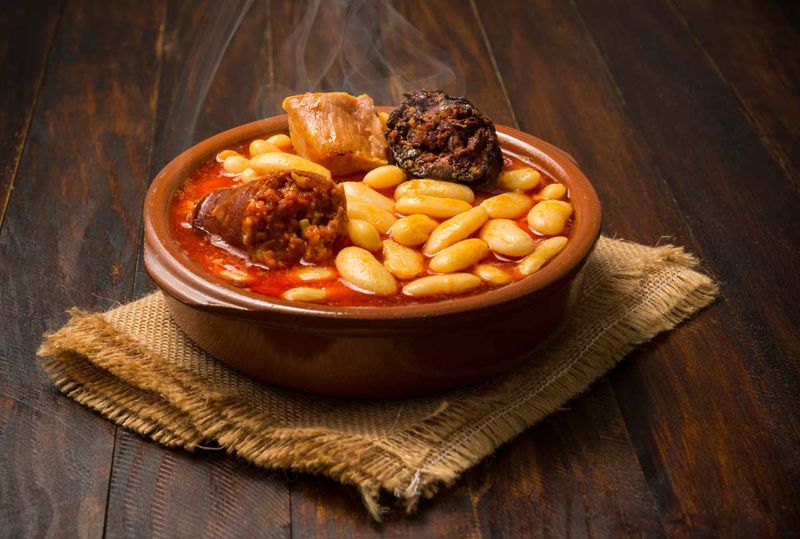
Spain's love for cured and spiced pork products runs deep, and nowhere is that more obvious than in a bubbling pot of Cocido Madrileno or a simple chorizo and morcilla stew. Morcilla is a blood sausage spiced with cinnamon, cloves, and rice, while chorizo brings smoky paprika heat.
Together in a stew with white beans and vegetables, they create something magical. This is cold-weather comfort food at its finest, the kind of dish that fills the whole kitchen with an irresistible aroma.
11. Vepro Knedlo Zelo - Czech Republic
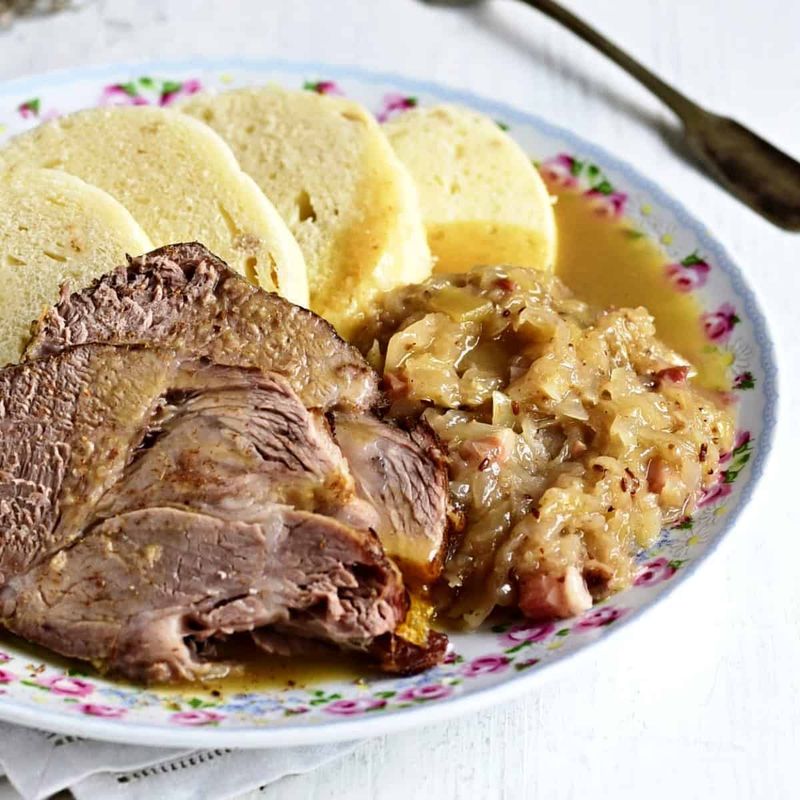
Vepro Knedlo Zelo might be a mouthful to say, but it is the unofficial national dish of the Czech Republic for very good reason. Roasted pork shoulder, soft bread dumplings, and tangy braised sauerkraut come together on one plate in pure, satisfying harmony.
The pork is seasoned with caraway seeds and roasted slowly until deeply flavorful. Czech grandmothers have been making this dish for centuries, and it remains the most ordered meal in traditional Czech pubs and restaurants today.
12. Jamon Iberico - Spain
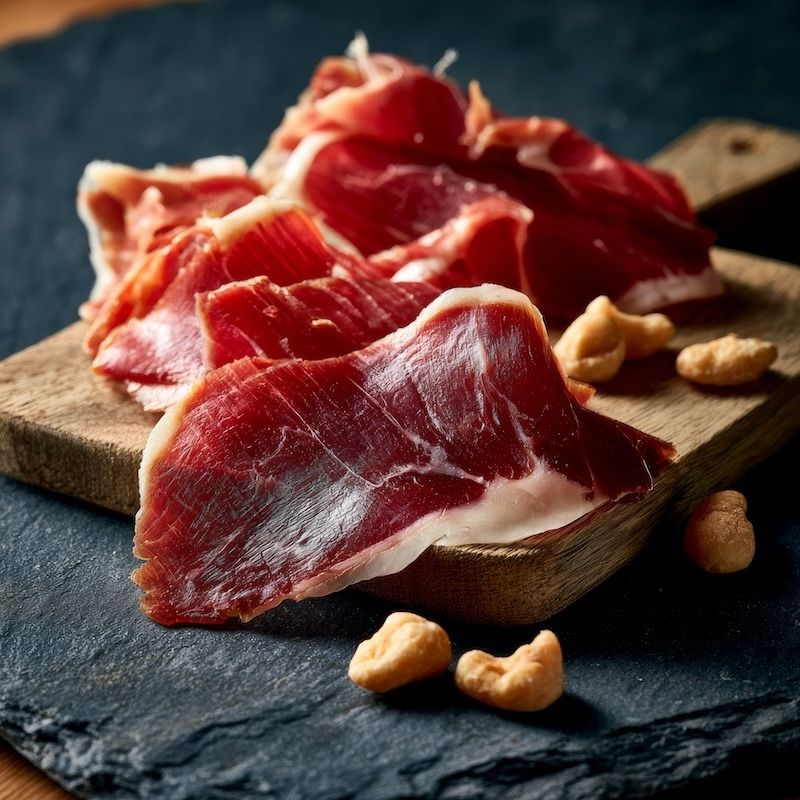
Jamon Iberico is not just food — it is an art form. Made from black Iberian pigs that roam oak forests and feast on acorns, this cured ham develops an extraordinary nutty, buttery flavor over 24 to 48 months of careful aging.
The fat melts at room temperature, creating a silky texture unlike any other ham in the world. Spain produces several grades, with Jamon Iberico de Bellota being the most prized.
Even a small plate feels like a luxury experience worth savoring slowly.
13. Gulyas - Hungary
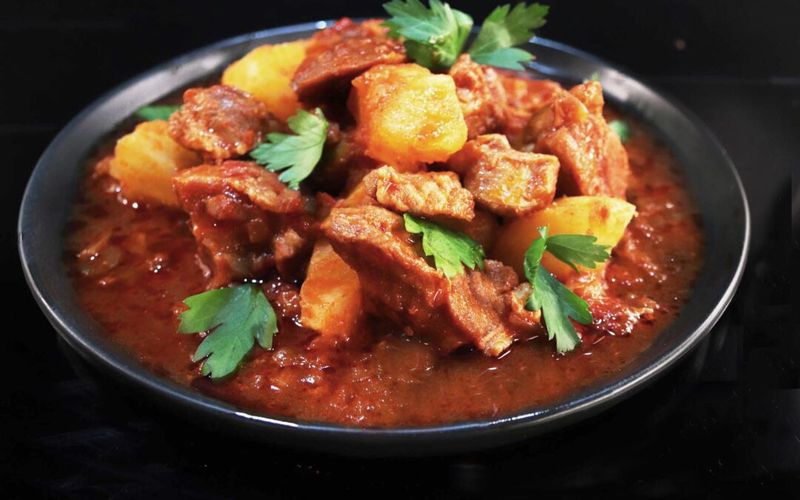
Hungarian Gulyas — or goulash — is a paprika-powered stew that warms you from the inside out. While beef versions are common, pork Gulyas is equally beloved, featuring tender chunks of pork simmered with onions, sweet Hungarian paprika, caraway seeds, and potatoes.
Originally a dish of Hungarian cattle herders cooked over open fires on the Great Plain, it has evolved into a national symbol of comfort and culture. The vivid red color and smoky aroma make it impossible to resist on a cold evening.
14. Roast Pork with Apple Sauce - United Kingdom
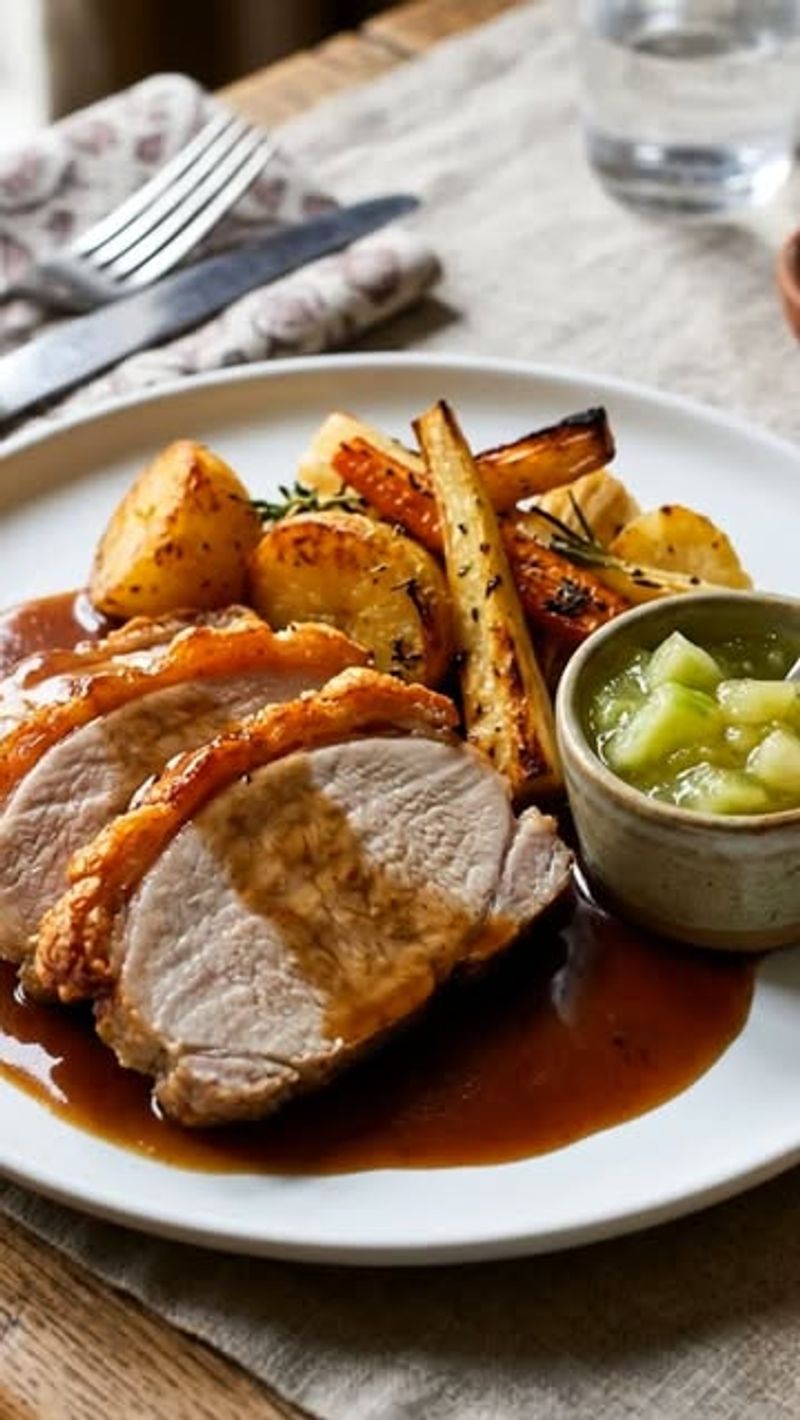
Sunday roast is practically a religion in Britain, and roast pork with crackling and apple sauce is one of its most beloved forms. A well-prepared pork loin or shoulder with blistered, salty crackling is served alongside roasted potatoes, stuffing, and a bright, tangy apple sauce that cuts through the richness beautifully.
The contrast of textures and flavors makes every bite exciting. Families across England, Scotland, and Wales have gathered around this meal for Sunday lunch for generations, and the tradition shows no signs of slowing down.
15. Torta Ahogada-style Carnitas - Mexico via Spain
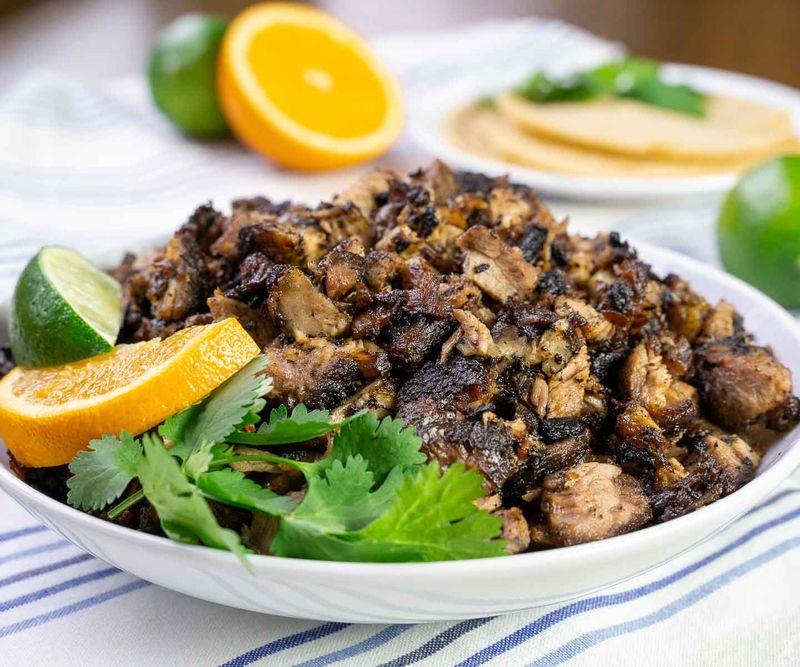
Spain's colonization of the Americas brought European pork-cooking traditions to new lands, and carnitas — slow-braised then crisped pork — carries that Spanish heritage proudly. Though perfected in Mexico, the technique of simmering pork in its own fat traces back to Spanish lard-cooking methods.
The result is pork that is simultaneously tender and crispy, rich and savory. Michoacan-style carnitas, seasoned with orange, milk, and spices, represent one of the most delicious cross-cultural pork dishes born from European culinary roots.
16. Kotlety Pozharski - Russia
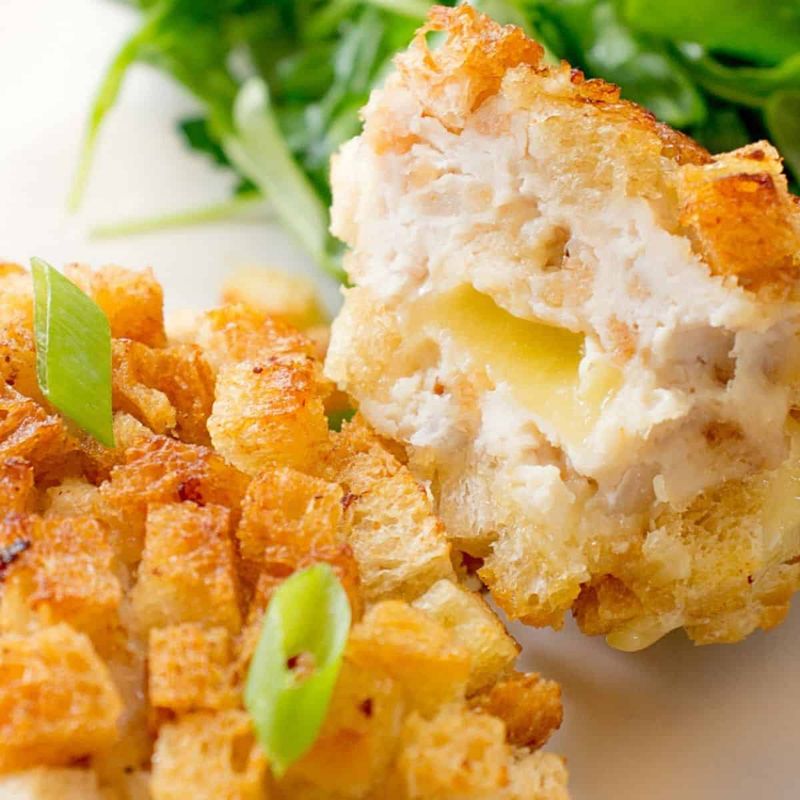
Kotlety Pozharski are Russian pan-fried cutlets with a surprisingly delicate, cloud-like texture that sets them apart from ordinary meatballs. Made from finely minced pork mixed with soaked white bread, cream, and cold butter, they are shaped into oval patties and fried until golden.
Named after a 19th-century innkeeper who reportedly impressed Tsar Nicholas I with this dish, they have been a staple of Russian home cooking ever since. The buttery crumb crust and juicy interior make them genuinely hard to stop eating.
17. Fejoada - Portugal
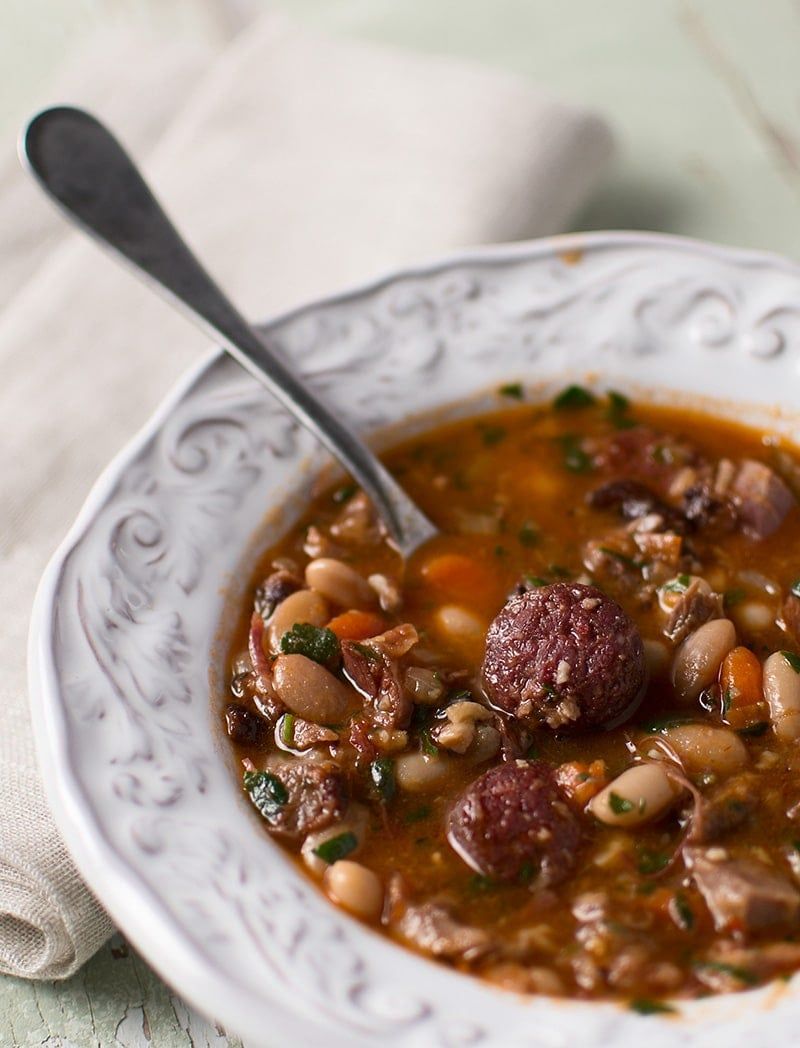
Portugal's Feijoada is a slow-cooked black bean and pork stew that is pure soul food. Unlike its Brazilian cousin, the Portuguese version tends to use a mix of pork ribs, chourico, morcela, and salted pork belly, all simmered together with beans until thick and deeply flavored.
It is traditionally served on Fridays in many Portuguese homes, accompanied by white rice and sauteed greens. The stew gets better as it sits, making leftovers something to genuinely look forward to the next morning.
18. Smoked Ribs - Serbia
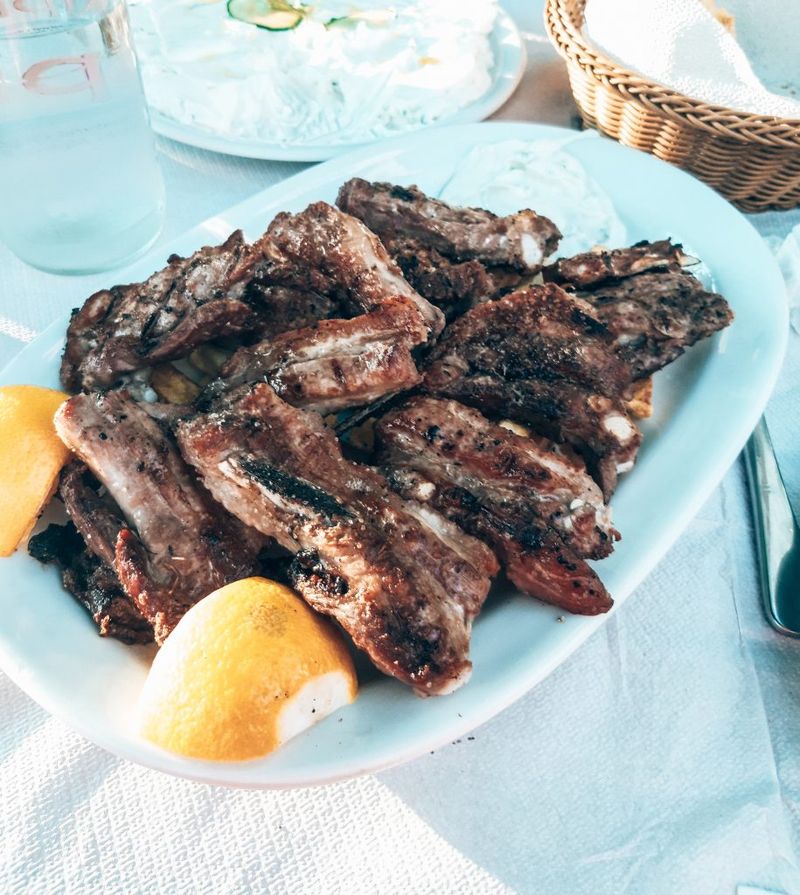
Serbia has a deep, proud tradition of smoking and slow-cooking pork, and nowhere is that more evident than in their smoked ribs. Pork ribs are dry-rubbed with salt, paprika, and garlic, then cold-smoked over hardwood for hours before being finished over a wood-fired grill.
The smoke penetrates deep into the meat, giving it a flavor that is complex, earthy, and completely unforgettable. Served with kajmak — a creamy, slightly fermented dairy spread — and roasted peppers, this is Balkan barbecue at its absolute best.
19. Rullepølse - Denmark
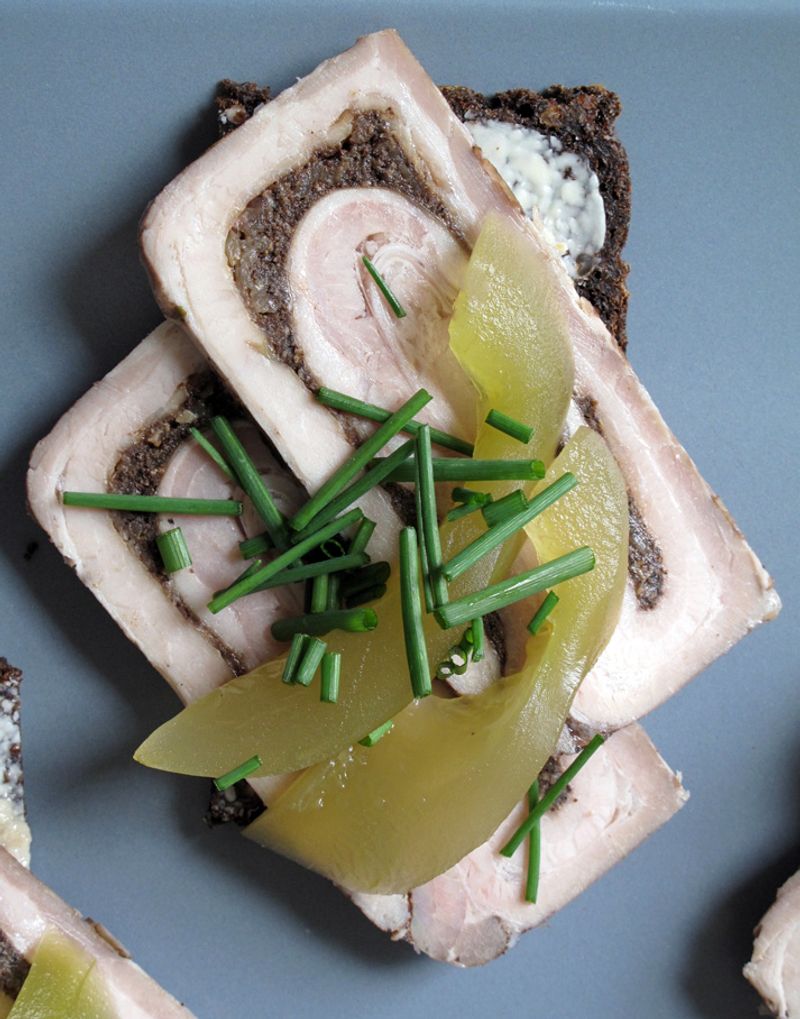
Rullepølse is a traditional Danish cold cut that looks as impressive as it tastes. A flat piece of pork belly is seasoned with allspice, onion, and thyme, then tightly rolled and pressed before being boiled and sliced into beautiful spirals.
It is served on dark rye bread as part of the beloved Danish open-faced sandwich tradition called smorrebrod. The combination of spiced, tender pork with tangy pickles and grainy mustard on chewy rye is a flavor combination that Danes have been enjoying for well over a century.




Comments
No Comments