













Spring is the perfect time to refresh your plate with foods that are bursting with vitamins and natural goodness. As the weather warms up, fresh produce starts filling farmers markets and grocery stores with bright colors and bold flavors.
Eating more vitamin-rich foods can boost your energy, strengthen your immune system, and help your body feel its best. From leafy greens to zesty citrus, these spring staples make healthy eating easy and delicious.
1. Strawberries

Few things say spring like a handful of sweet, ruby-red strawberries. Packed with vitamin C, these berries help your body fight off illness and keep your skin looking healthy.
Just one cup gives you more than your daily recommended amount of vitamin C.
Toss them in a salad, blend them into a smoothie, or eat them plain with a little yogurt. They are low in calories and high in flavor, making them one of the easiest healthy swaps of the season.
2. Spinach
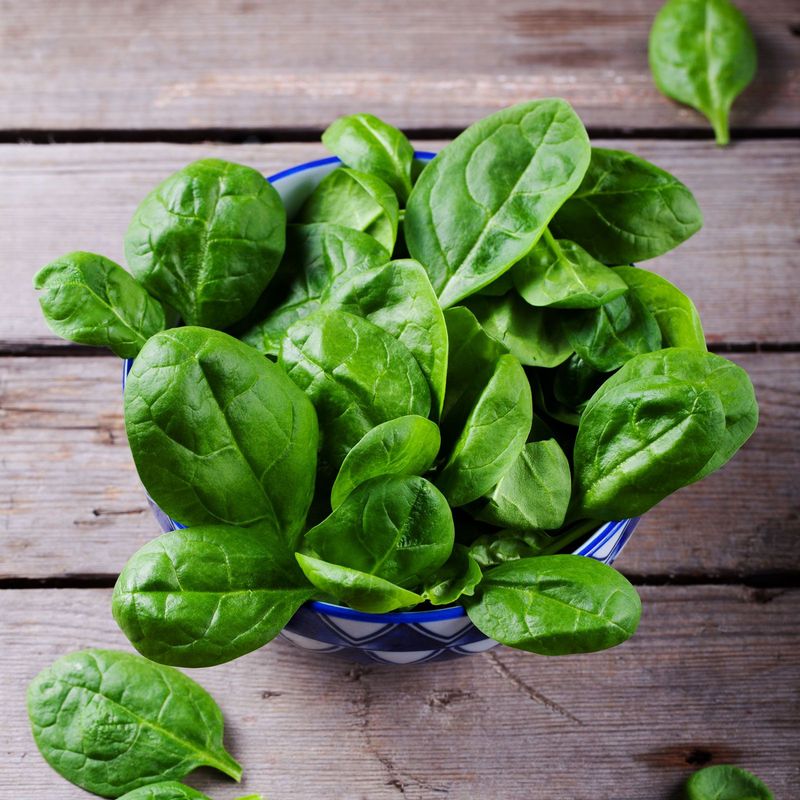
Spinach might not look exciting, but this leafy green is basically a multivitamin in disguise. It is loaded with vitamins A, C, K, and several B vitamins that support everything from your eyesight to your energy levels.
The best part? You can sneak spinach into almost anything.
Blend it into a smoothie and you will barely taste it. Saute it with garlic for a quick side dish that pairs with just about any meal.
3. Asparagus

Asparagus is one of those vegetables that feels fancy but is surprisingly simple to cook. It is a springtime staple that delivers folate, vitamin K, and vitamin C in every crunchy bite.
Folate is especially important for cell growth and keeping your energy steady throughout the day.
Roast it in the oven with a drizzle of olive oil and a pinch of salt, and it transforms into something truly delicious. Even picky eaters tend to enjoy it prepared this way.
4. Kiwi
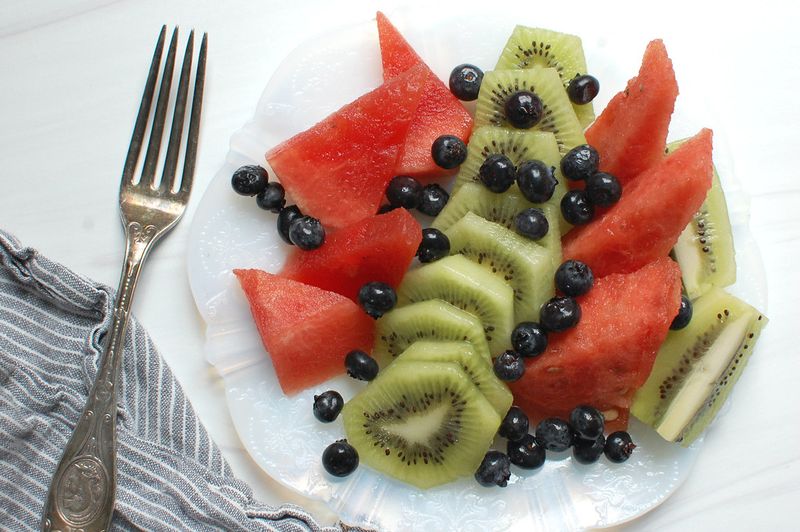
Do not let its small size fool you. Kiwi is one of the most nutrient-dense fruits you can eat, packing more vitamin C per ounce than an orange.
It also contains vitamin K and vitamin E, which support healthy blood and skin.
Slice one in half and scoop it out with a spoon for a quick snack. Kiwis are also amazing in fruit salads, adding a bright, tangy punch that wakes up every other flavor around them.
5. Peas
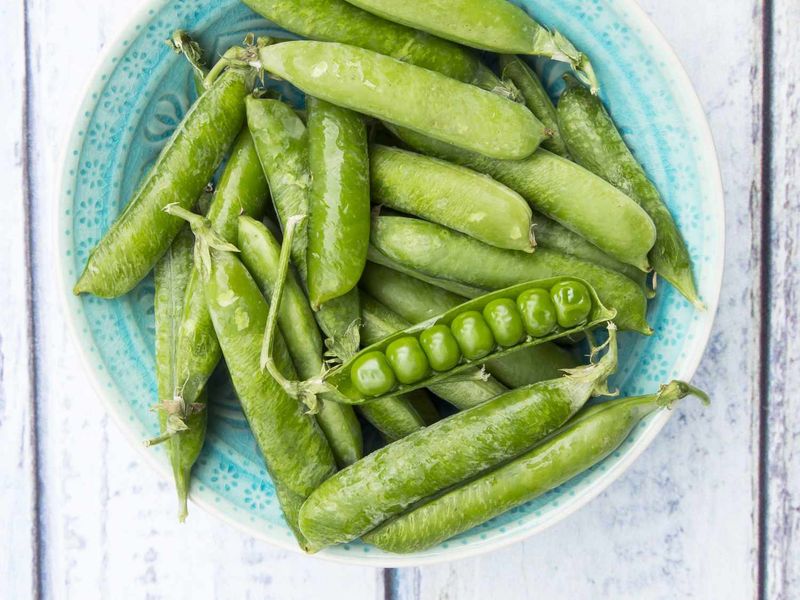
Fresh spring peas are sweet, crisp, and surprisingly nutritious. They contain vitamins C, K, and several B vitamins including thiamine, which plays a big role in converting food into energy your body can actually use.
Toss them into pasta, stir them into rice, or simply eat them raw straight from the pod. Their natural sweetness makes them a hit with kids and adults alike.
Plus, they are one of the best plant-based sources of protein around.
6. Oranges
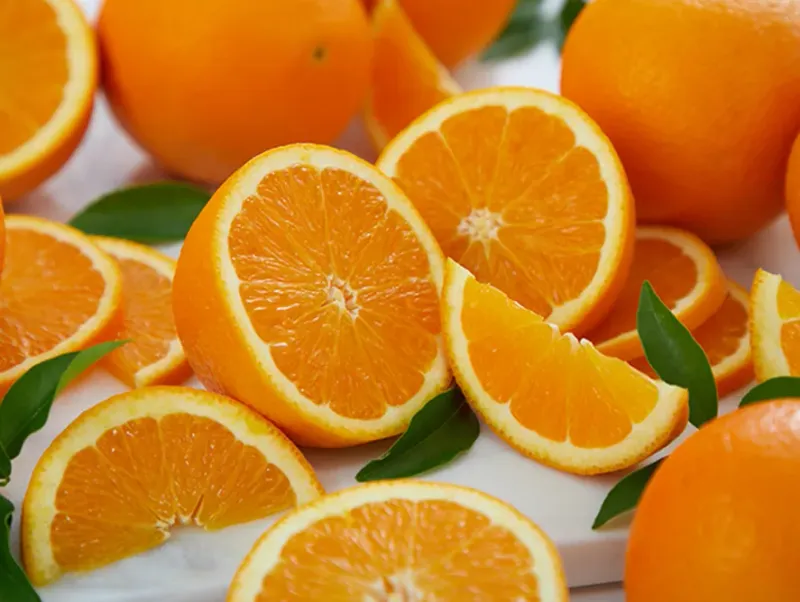
Oranges have earned their reputation as the ultimate vitamin C food. A single medium orange gives you about 70 milligrams of vitamin C, supporting your immune system and helping your body absorb iron from other foods you eat.
Eat one as a midday snack, squeeze fresh juice for breakfast, or add orange segments to a spring salad with some arugula and almonds. The combination of sweet citrus and peppery greens is surprisingly addictive and refreshing.
7. Broccoli

Broccoli is basically a superhero vegetable. It is rich in vitamins C, K, and A, along with folate and a range of antioxidants that help protect your cells from damage.
Eating it regularly has been linked to better heart health and a stronger immune system.
Steam it lightly to preserve the most nutrients, or roast it until the edges get crispy and caramelized. Either way, broccoli is one of the most versatile vegetables you can keep in your kitchen this spring.
8. Carrots
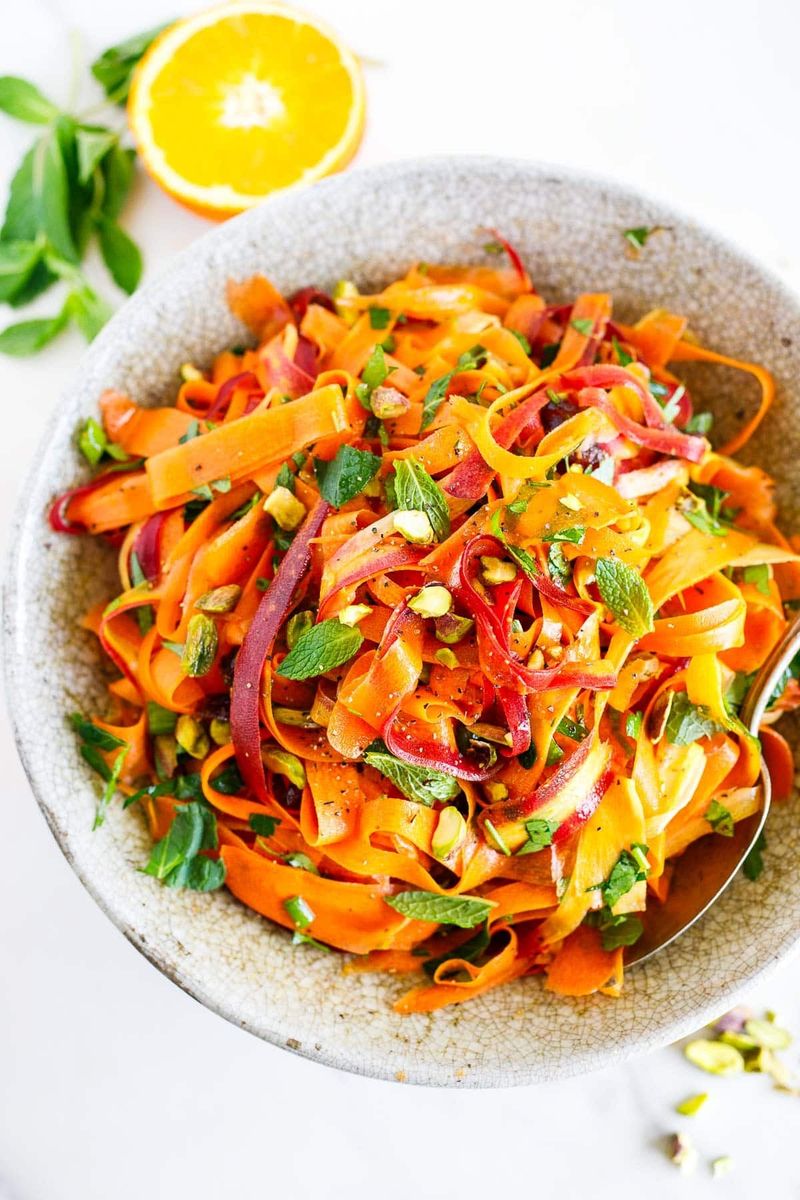
Crunchy, colorful, and naturally sweet, carrots are one of the best sources of beta-carotene, which your body converts into vitamin A. Vitamin A keeps your eyes sharp, supports your immune system, and helps your skin stay healthy and clear.
Snack on them raw with hummus, roast them with a little honey and thyme, or shred them into a coleslaw for a spring cookout. Carrots are incredibly versatile and hold up well in both sweet and savory recipes.
9. Bell Peppers
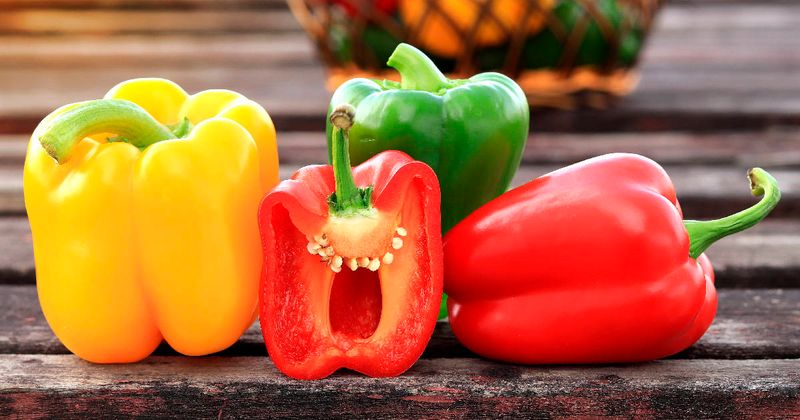
Red bell peppers contain nearly three times more vitamin C than an orange. That stat alone makes them worth adding to your spring meals.
They also provide vitamin B6 and vitamin A, supporting brain health and healthy vision at the same time.
Slice them raw for a satisfying crunch in salads or with dip. Roast them for a smoky, sweet flavor that works beautifully in wraps and sandwiches.
Either way, their bold color makes every meal look more appetizing.
10. Avocado
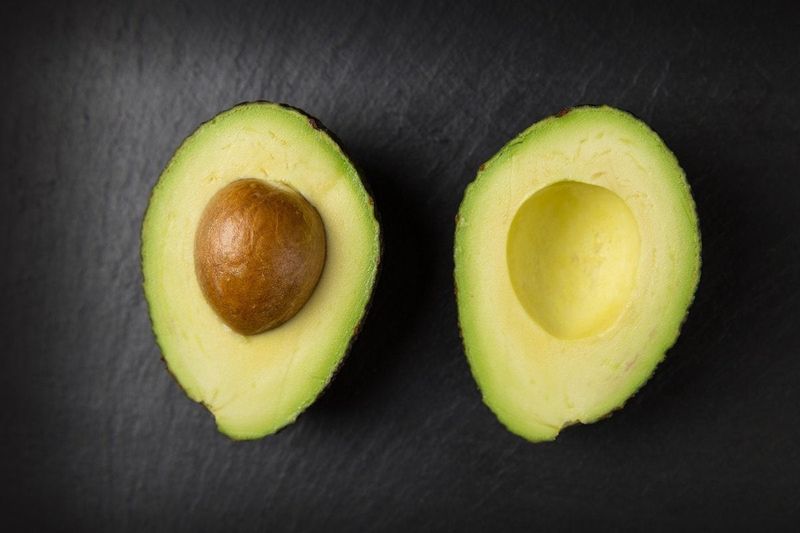
Avocado is the creamy, satisfying food that keeps on giving. Unlike most fruits, it is rich in healthy fats and loaded with vitamins E, K, and several B vitamins including folate.
These nutrients work together to support brain function, energy production, and heart health.
Spread it on toast, mash it into guacamole, or slice it over a grain bowl. Avocado also helps your body absorb fat-soluble vitamins from other foods you eat alongside it, making it a smart addition to any spring meal.
11. Mangoes
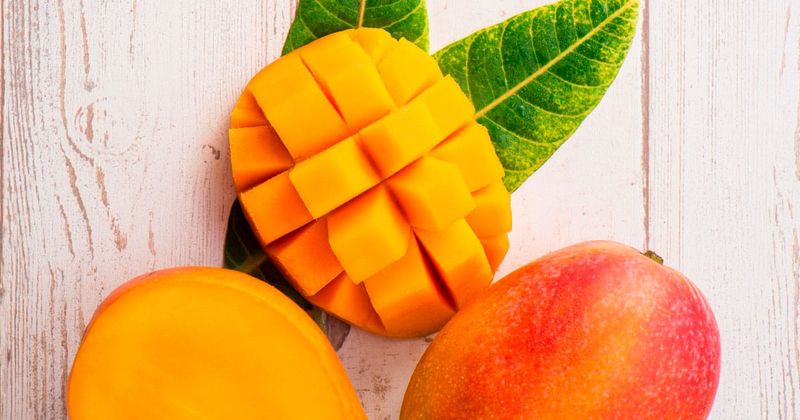
Mangoes taste like sunshine in fruit form, and they back that tropical energy with serious nutrition. One cup of mango provides a full day's worth of vitamin C and a generous dose of vitamin A, both of which keep your immune system running strong.
Blend mango into smoothies, dice it into salsa for grilled fish, or freeze it for a refreshing warm-weather treat. As spring temperatures climb, having frozen mango on hand is one of the smartest snack decisions you can make.
12. Swiss Chard
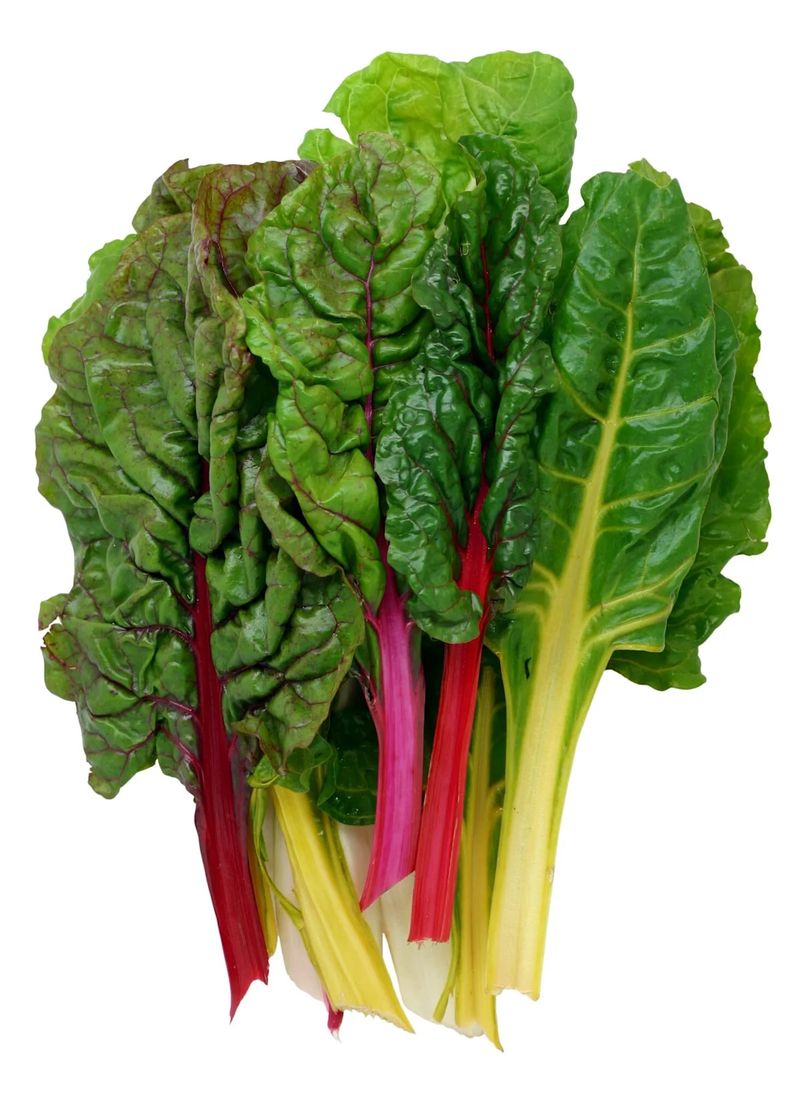
Swiss chard might be one of the most underrated greens at the farmers market. Its rainbow-colored stems are not just pretty.
This leafy vegetable is packed with vitamins K, A, and C, making it a powerhouse for bone health, immunity, and skin repair.
Saute it with garlic and a squeeze of lemon for a quick and flavorful side dish. It wilts down quickly in a hot pan, so even a large bunch becomes a perfectly portioned serving in just a few minutes.
13. Eggs

Eggs are one of the few foods that naturally contain vitamin D, a nutrient many people do not get enough of. They also provide vitamins A, B12, and riboflavin, which all play roles in keeping your nerves, eyes, and energy systems working properly.
Hard-boil a batch at the start of the week for easy grab-and-go snacks. Scramble them with spring vegetables like asparagus and spinach for a nutrient-packed breakfast that keeps you full and focused well into the afternoon.
14. Salmon

Salmon is one of the richest natural sources of vitamin D and vitamin B12 on the planet. These two nutrients are essential for strong bones, a healthy nervous system, and steady energy throughout the day.
Fatty fish like salmon also deliver omega-3s that reduce inflammation.
Grill it with lemon and dill for a light spring dinner, or flake it over a green salad with a citrus vinaigrette. Wild-caught salmon tends to have higher nutrient levels compared to farmed varieties, so look for that label when shopping.
15. Radishes
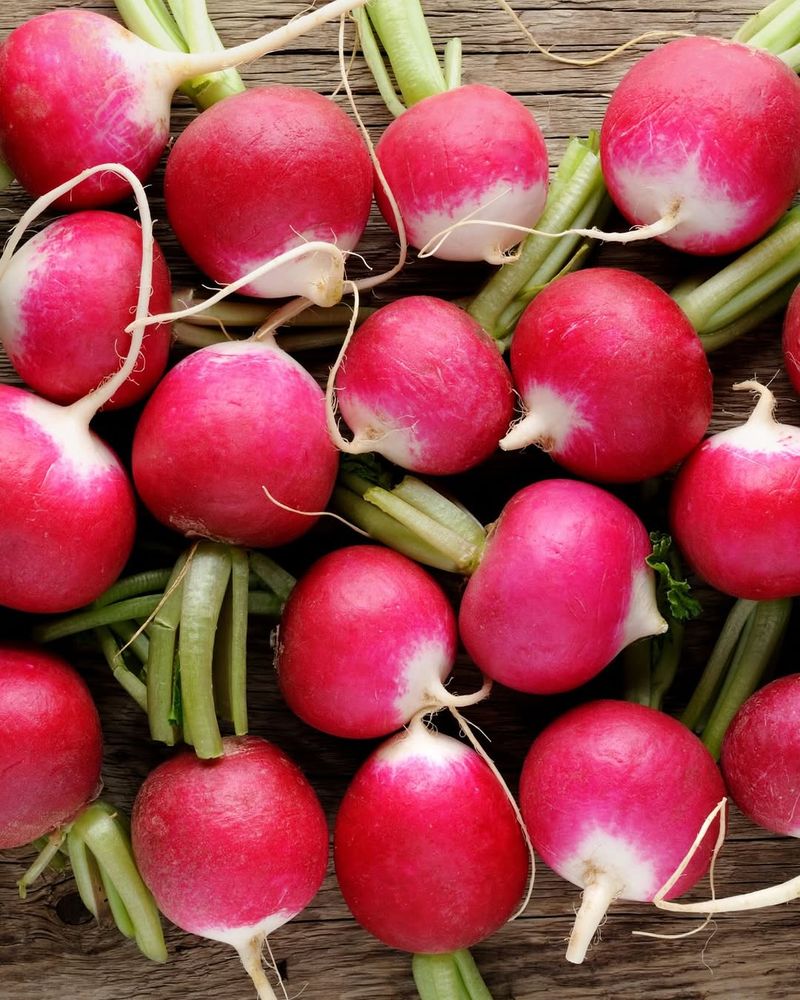
Radishes are the little vegetables with a big personality. Their peppery crunch adds excitement to spring salads, and they are a solid source of vitamin C along with folate and potassium.
Eating radishes may also support liver health and healthy digestion.
Slice them thin and layer them on tacos, grain bowls, or open-faced sandwiches. Pickling radishes is another easy option that mellows their bite while keeping their nutrients mostly intact.
They turn a gorgeous pink color that makes any dish look extra appealing.
16. Apricots
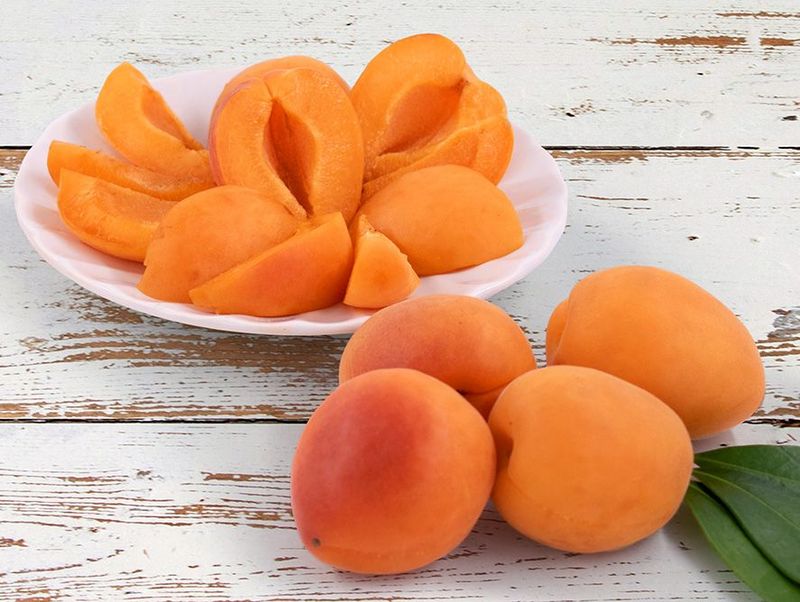
Apricots are one of spring's most underappreciated fruits. Their warm golden skin hints at the vitamin A and vitamin C hiding inside, both of which support healthy eyes, glowing skin, and a strong immune response.
They are also a good source of fiber for digestive health.
Eat them fresh as a sweet snack, slice them over oatmeal, or pair them with cheese for a simple and sophisticated appetizer. Their flavor is somewhere between a peach and a plum, making them incredibly easy to enjoy in all kinds of ways.
17. Watercress
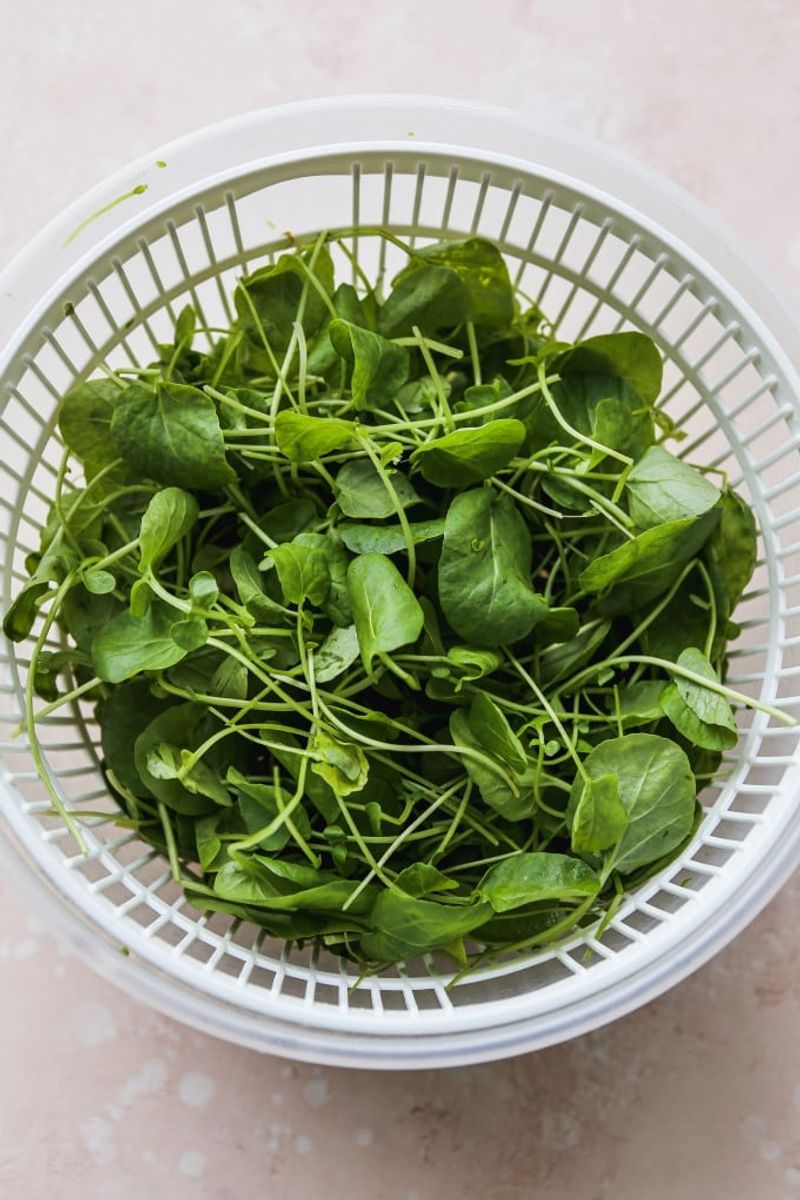
Watercress has been called one of the most nutrient-dense foods on Earth, and the research backs that up. This peppery green is rich in vitamins K, C, and A, and studies suggest it may help reduce inflammation and support heart health over time.
Use it as a base for salads instead of romaine, pile it onto sandwiches for a spicy kick, or blend it into a light spring soup. Its bold flavor stands out without overpowering other ingredients, making it a surprisingly easy green to cook with.
18. Lemons
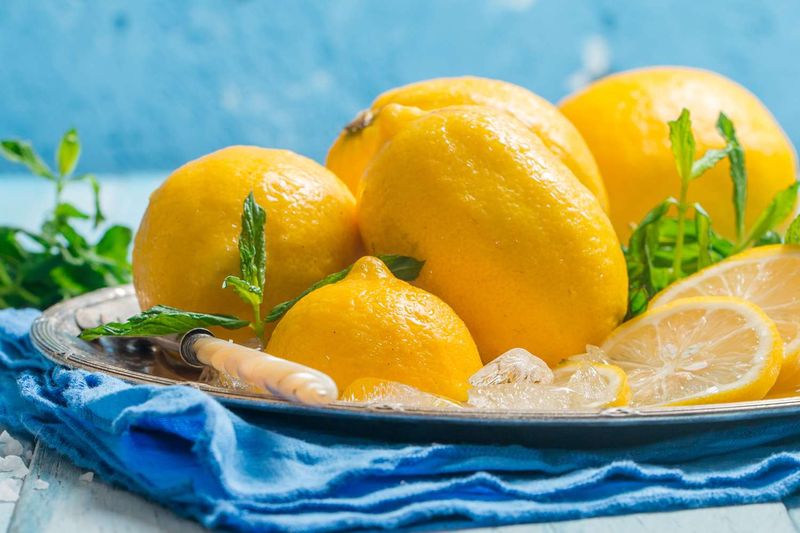
Lemons are one of the most hardworking ingredients in any kitchen. Beyond their sharp, refreshing flavor, they provide a steady hit of vitamin C that supports immune function and helps your body produce collagen for healthy skin and joints.
Squeeze lemon juice over roasted vegetables to make them pop, add it to water for a simple detox drink, or use the zest to brighten up baked goods. Even a small amount of lemon juice can dramatically improve the flavor of almost any spring dish.




Comments
No Comments