













Turkey is a country with a rich culinary tradition that stretches back thousands of years, and its food culture is full of habits and rituals that might catch a British visitor off guard. From the way meals are shared to the unexpected timing of certain dishes, eating in Turkey is a whole experience in itself.
If you have ever sat down at a Turkish table and felt a little unsure about what to expect, you are not alone. Here are some of the most surprising food customs you might encounter.
1. Breakfast Is the Biggest Meal of the Day
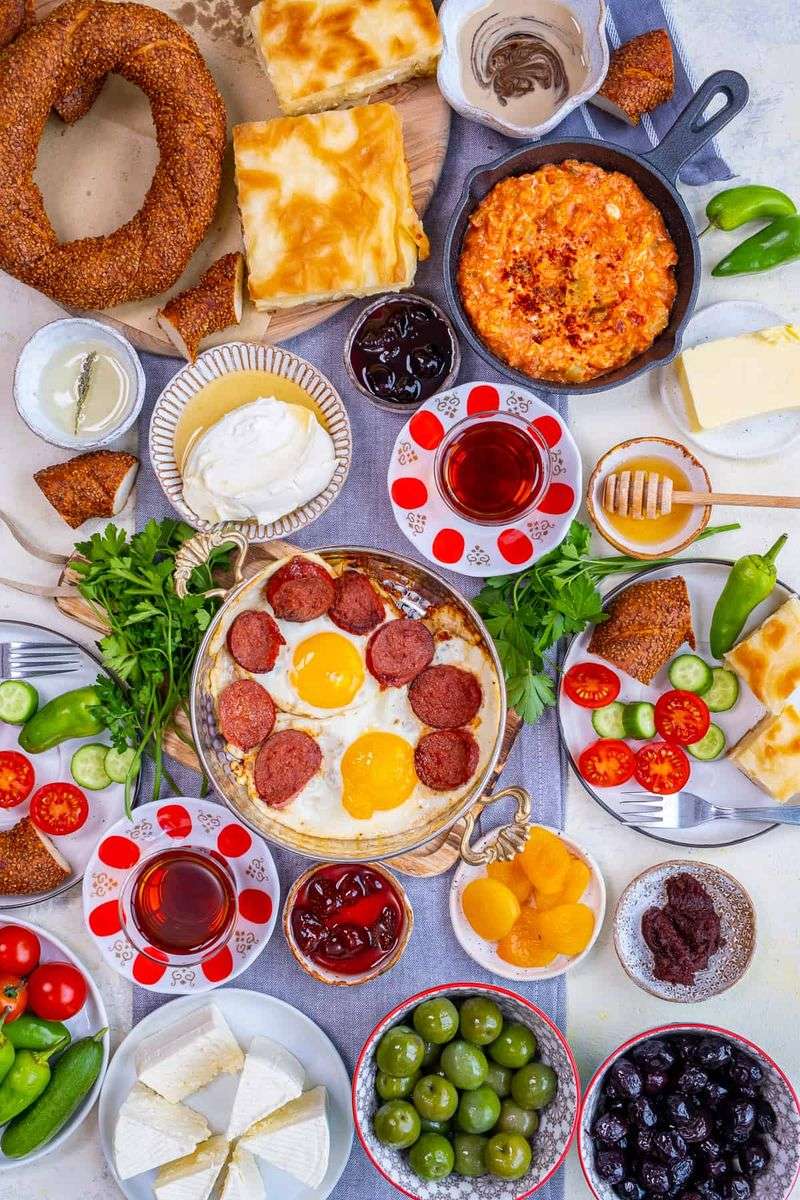
Forget a quick bowl of cereal or a slice of toast. In Turkey, breakfast is a grand, leisurely affair that can take up to two hours to finish.
Known as kahvalti, it typically includes olives, white cheese, tomatoes, cucumbers, eggs, honey, clotted cream, and a variety of jams.
Bread is always present, and strong black tea is poured continuously throughout. Britons used to a speedy morning bite might be wonderfully overwhelmed by just how seriously Turks take the first meal of the day.
2. Tea Is Offered Absolutely Everywhere
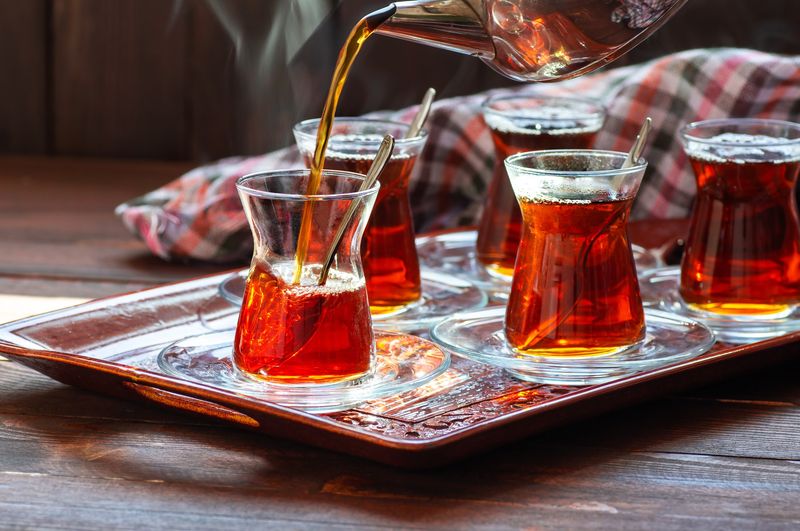
Walk into a carpet shop, a barber, or even a government office in Turkey, and someone will almost certainly offer you a glass of tea within minutes. Refusing can sometimes feel a little awkward, as hospitality is deeply woven into Turkish culture.
The tea itself is served in small tulip-shaped glasses, strong and dark, with sugar cubes on the side. Unlike British builders tea with milk, Turkish tea is always served black.
It is less a drink and more a social ritual.
3. Soup Is Eaten for Breakfast and Late at Night
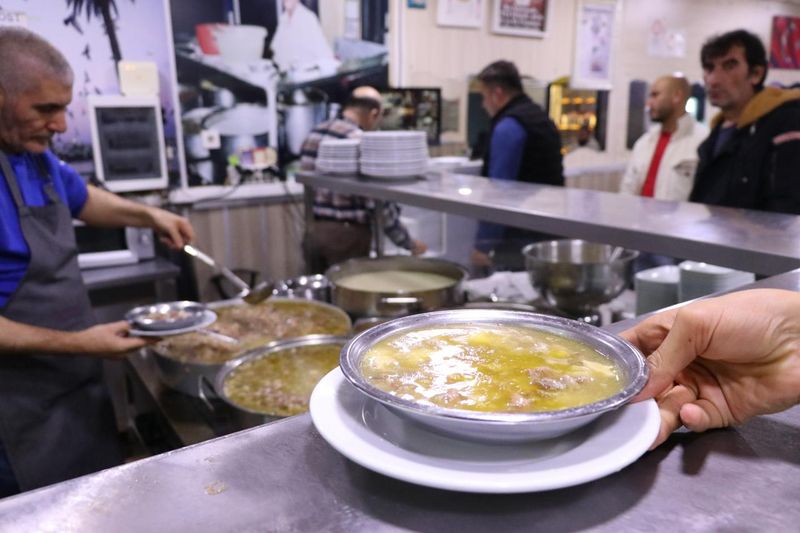
Soup for breakfast might sound unusual to British ears, but in Turkey it is completely normal. Lentil soup, tripe soup, and lamb broth are all popular morning choices, especially in rural areas or after a long night out.
Late-night soup restaurants called corbaci are also a beloved tradition, staying open until dawn to serve revellers heading home. Think of it as the Turkish equivalent of a post-pub kebab, just far more wholesome and warming.
4. Sharing Plates Are the Default, Not the Exception
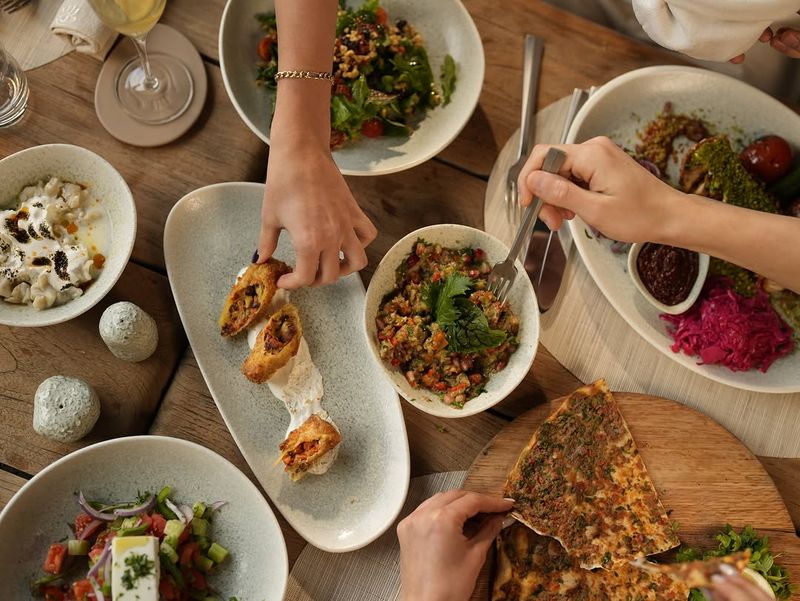
Ordering your own individual dish and eating it alone is not really the Turkish way. Meals are meant to be shared, with multiple dishes placed in the centre of the table for everyone to pick from.
This communal style of eating encourages conversation and connection.
Britons who are protective of their own plate might need to loosen up a little. Nobody will judge you for reaching across, and in fact, not sharing could come across as slightly standoffish to your Turkish hosts.
5. Ayran Is Served with Almost Every Meal
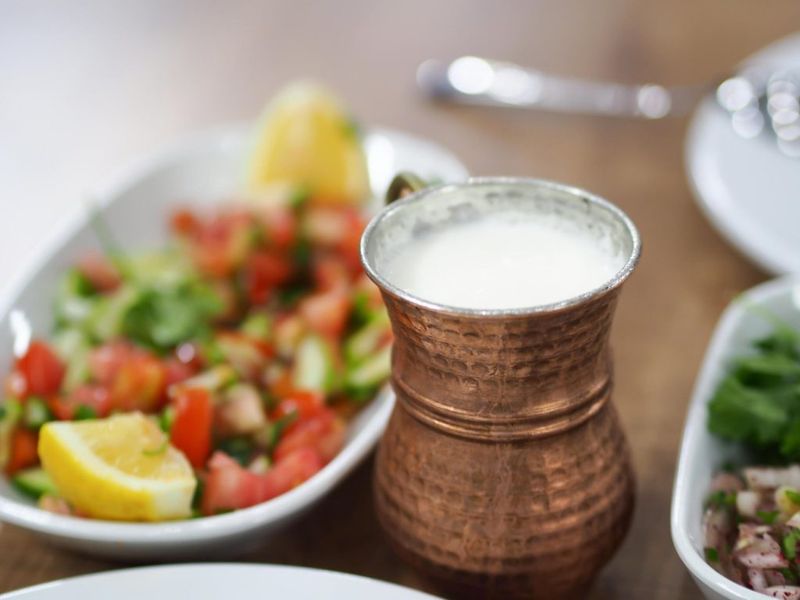
Ayran is a cold, slightly salty yogurt drink that is wildly popular across Turkey. It gets served alongside kebabs, pide, and all sorts of savoury dishes in a way that might puzzle visitors expecting fizzy drinks or water.
The salty, tangy flavour is genuinely refreshing, especially in summer heat, and Turks swear by it as the perfect companion to a heavy meal. Give it a fair try before dismissing it.
Many Britons who were sceptical at first end up loving it.
6. Bread Is Never Wasted or Thrown Away
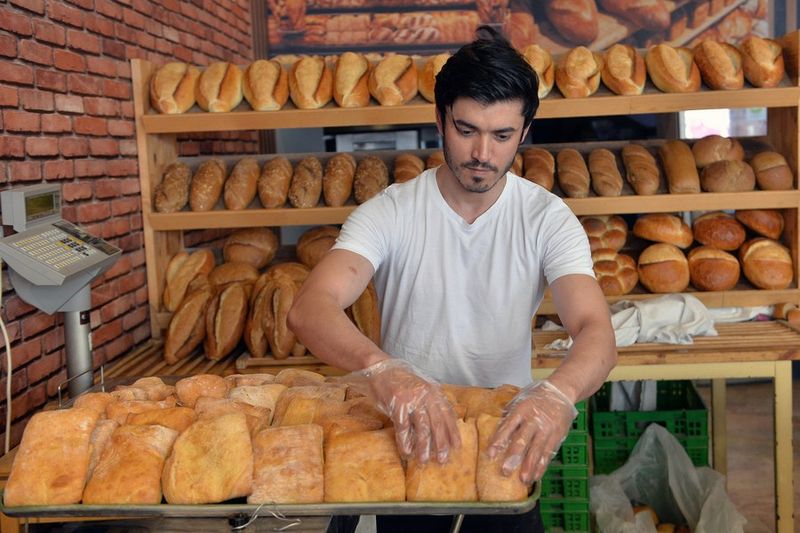
Bread holds a sacred place in Turkish culture. Throwing it in the bin is considered deeply disrespectful, almost sinful by many.
Leftover bread is often wrapped and left on a hook or ledge outside the home so that animals or those in need can eat it.
You might notice small bags of bread hanging from railings in Turkish cities, which is a beautiful expression of this respect. For Britons who casually toss stale crusts, this custom offers a genuinely humbling perspective on food and waste.
7. Meals Often Start with Soup, Then Salad, Then Mains
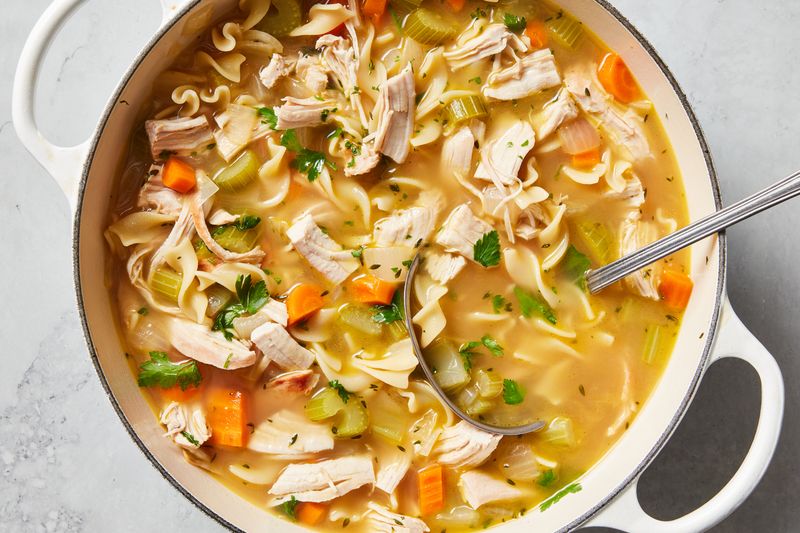
The British habit of eating a salad before the main course does not quite translate to Turkey. Here, meals often begin with soup, followed by a fresh salad, and then the main dish arrives last.
Dessert and tea come much later, as a separate, unhurried event.
Restaurants rarely rush you through courses, and it is perfectly normal for a full meal to stretch across a couple of hours. The pacing itself is part of the pleasure, which is a concept worth embracing wholeheartedly.
8. Coffee Comes After the Meal, Never During
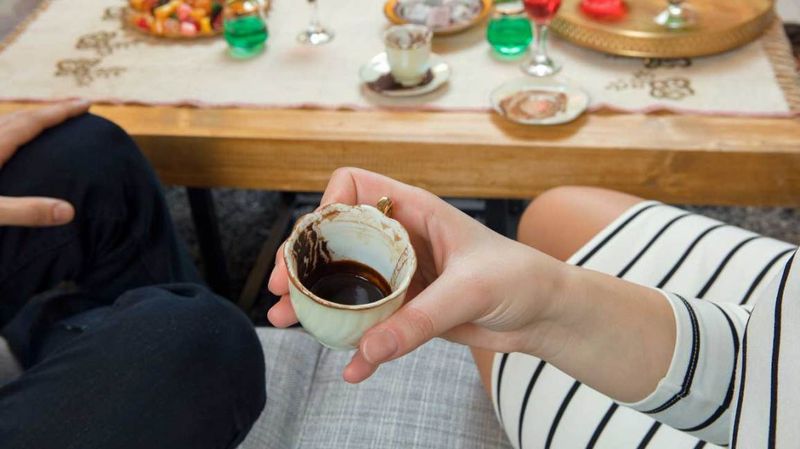
Asking for a coffee with your meal in Turkey will likely earn you a puzzled look. Turkish coffee is a post-meal tradition, enjoyed slowly once the food has been cleared away.
It is thick, strong, and served in tiny cups that may look disappointingly small to a British coffee drinker.
The grounds settle at the bottom and are never drunk. Some Turks will even read your fortune from the dried grounds left in the cup, which makes for a charming end to any dinner.
9. Desserts Are Intensely Sweet and Proudly So
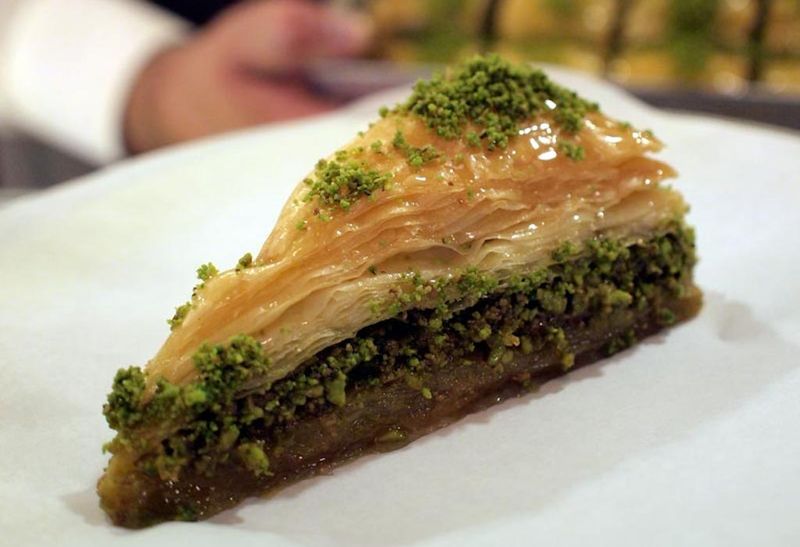
British desserts tend to be on the milder, subtler end of the sweetness scale. Turkish sweets, however, are unapologetically, gloriously sweet.
Baklava is soaked in sugar syrup. Künefe is drenched in it.
Even rice pudding gets a generous treatment.
Sweet shops called pastanes are everywhere, and locals visit them regularly, not just for special occasions. If you have a sweet tooth, Turkey will feel like paradise.
If you prefer things less sugary, just approach with small portions and an open mind.
10. Eating with Your Hands Is Sometimes Encouraged
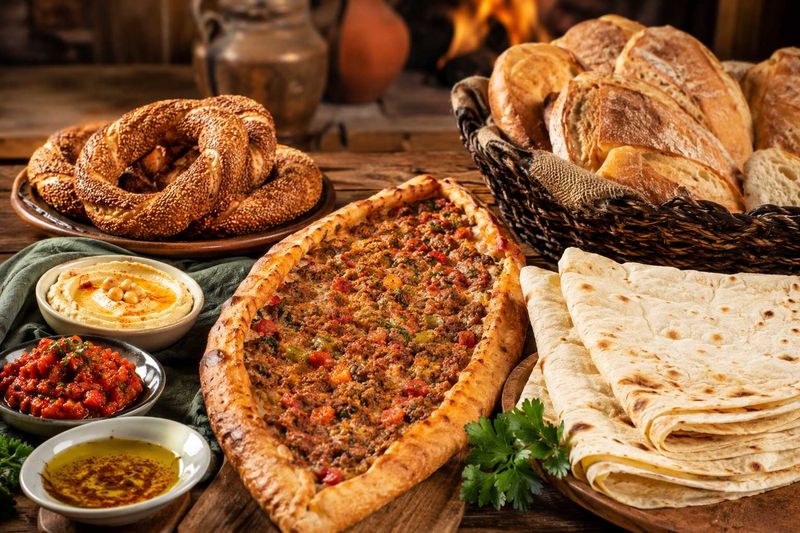
Forget the strict cutlery etiquette that British diners often follow. In Turkey, using bread to scoop up dips, stews, and sauces is not just acceptable, it is encouraged and even expected.
Flatbreads like pide and lavash serve as edible utensils throughout the meal.
Street food like simit or gozleme is naturally eaten by hand without a second thought. The emphasis is on enjoying the food rather than performing table manners, which makes Turkish meals feel wonderfully relaxed and unpretentious.
11. Hospitality Means You Will Always Be Offered More Food
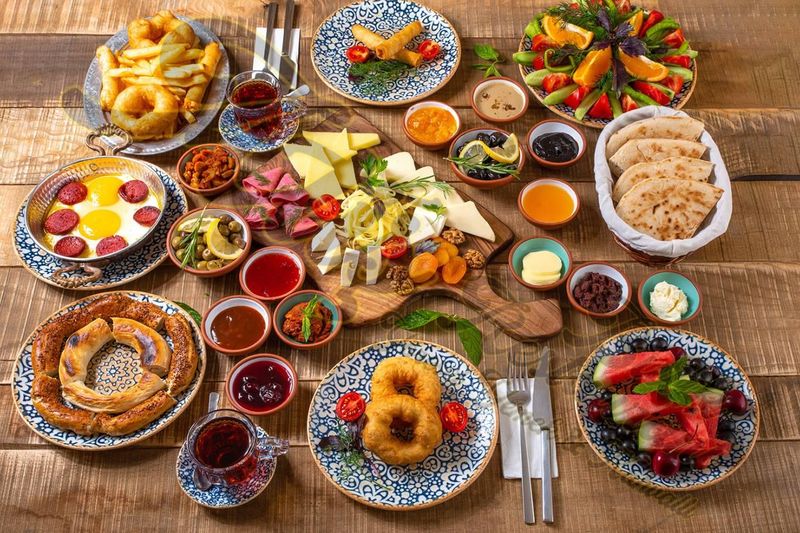
Saying you are full in Turkey does not necessarily mean the food stops coming. Turkish hospitality is famously generous, and a good host will almost always insist on offering you more.
Saying no once is rarely enough, and a polite second or third refusal is usually needed.
First-time visitors often end up eating far more than intended simply because declining feels rude. The trick is to genuinely pace yourself from the start, because the food keeps arriving and every dish seems better than the last.
12. Kebabs Are Nothing Like the British Takeaway Version
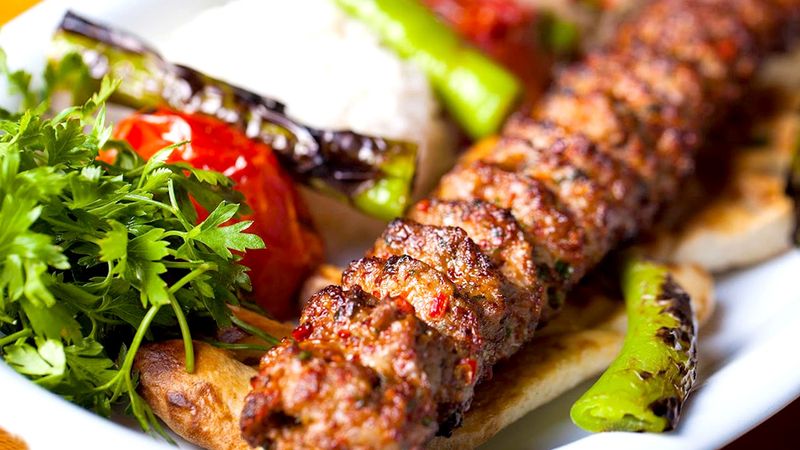
The late-night doner kebab in a pitta that British people know and love is a very distant cousin of what kebab actually means in Turkey. Across the country, kebab refers to a huge family of grilled meat dishes, each with its own regional identity and preparation method.
Adana kebab, Urfa kebab, shish kebab, and beyti are just a few examples. They are served with flatbread, grilled vegetables, and fresh herbs, rather than chips and garlic sauce.
The difference in quality and variety is genuinely eye-opening.
13. Meze Culture Means the Starter Can Become the Whole Meal
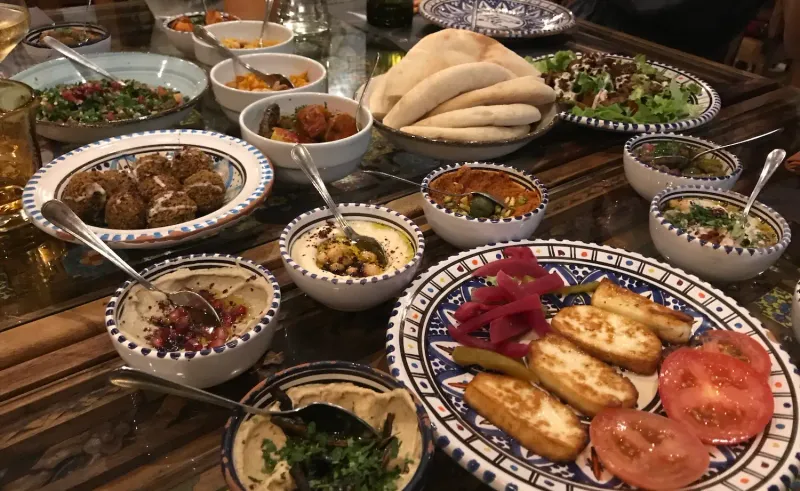
At a traditional Turkish meyhane, which is a kind of tavern, the meze dishes arrive in such abundance that many diners never even get to the main course. Plates of cold and hot starters keep coming, each one more tempting than the last.
This is actually intentional. Meze is meant to be enjoyed slowly alongside conversation and raki, the anise-flavoured national spirit.
Britons used to a starter being just a small preamble to the main event may find this wonderfully liberating and delicious.
14. Raki Is Sipped Slowly, Never Rushed
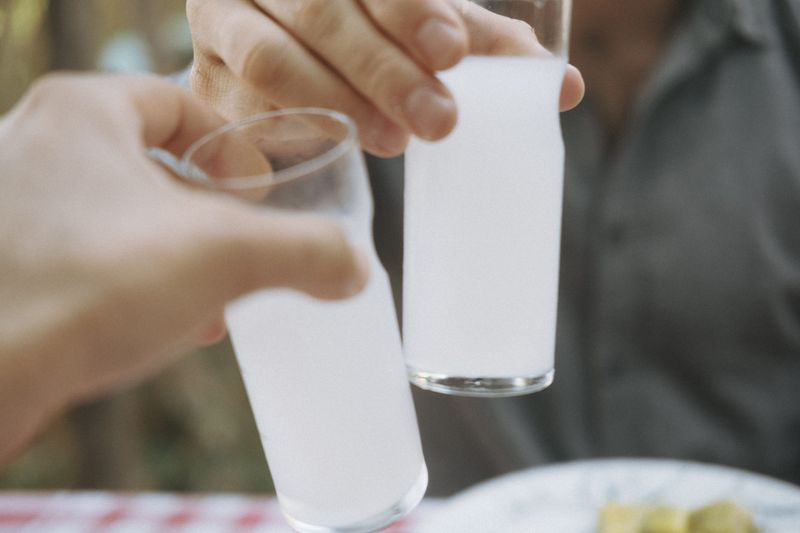
Raki, Turkey's beloved anise spirit, is not a shot. It is never knocked back quickly or used as a party drink.
Instead, it is poured into a tall glass, mixed with cold water that turns it a cloudy white, and sipped very slowly over many hours.
It is always paired with food, particularly white cheese and melon, and the combination is considered a classic. Drinking raki is more about the atmosphere and the company than the alcohol itself, which gives it an almost ceremonial quality.
15. Street Food Is a Serious and Respected Part of Cuisine
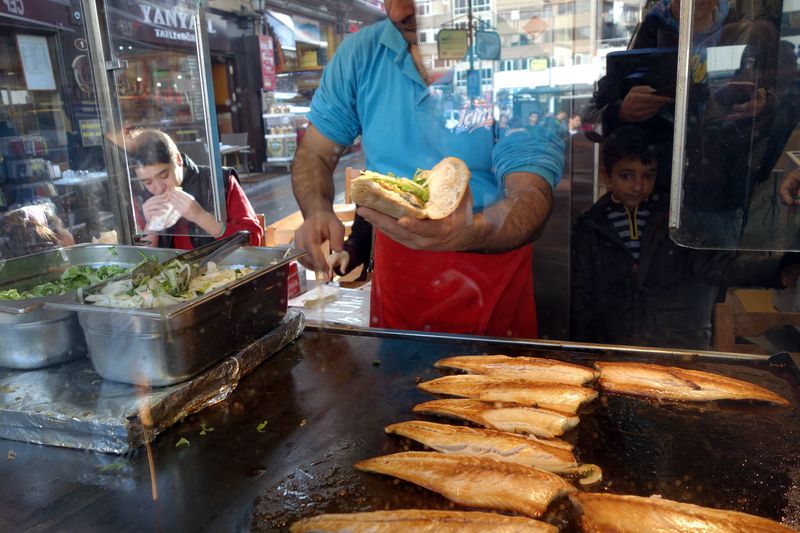
Street food in the UK is often seen as a casual, festival-type treat. In Turkey, it is a cornerstone of daily eating life and taken very seriously.
Simit sellers, corn roasters, mackerel sandwich boats, and mussel stuffers all operate as respected food vendors with loyal customers.
The quality is frequently outstanding, and locals eat street food without any sense of it being a lesser option. Grabbing a freshly grilled corn cob by the Bosphorus is as satisfying as any sit-down restaurant experience you will find.
16. Salad Dressing Is Almost Always Just Lemon and Olive Oil
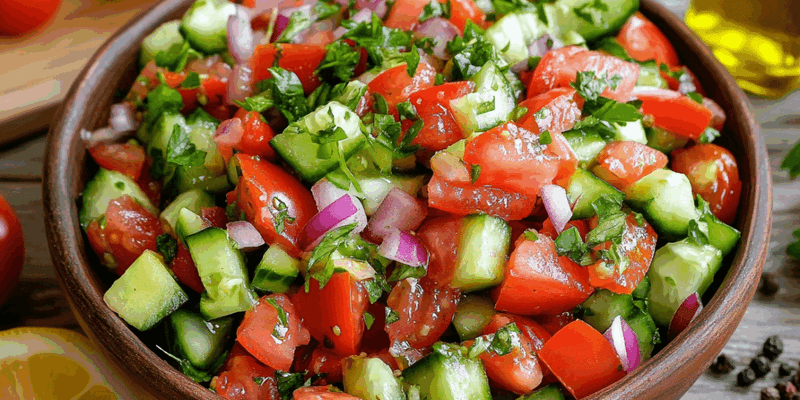
Britons are used to a wide range of salad dressings, from creamy Caesar to tangy balsamic. In Turkey, salad dressing is refreshingly simple.
A squeeze of fresh lemon and a drizzle of good olive oil is the standard approach, and it works beautifully.
The freshness of the vegetables means they rarely need anything more. Sumac, a tangy red spice, is sometimes sprinkled on top for an extra layer of flavour.
Once you try it this way, bottled dressings might start to feel unnecessarily complicated.
17. Finishing Your Plate Signals You Want More
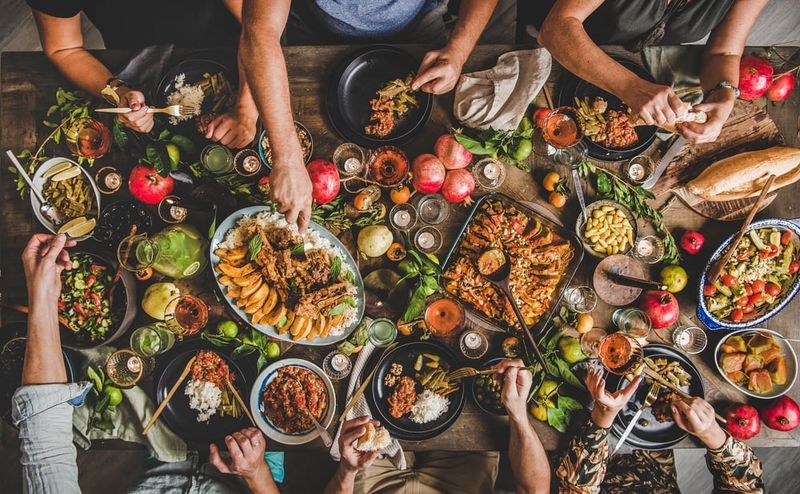
In many Western dining situations, finishing everything on your plate is seen as polite. In Turkey, it can send the wrong message entirely.
Clearing your plate often signals to the host that you are still hungry and would like another serving.
Leaving a small amount of food behind is sometimes the unspoken way of saying you are satisfied and have had enough. It takes a little getting used to, especially for Britons raised to eat everything served to them without leaving scraps behind.
18. Meals Are a Social Event, Not Just Fuel
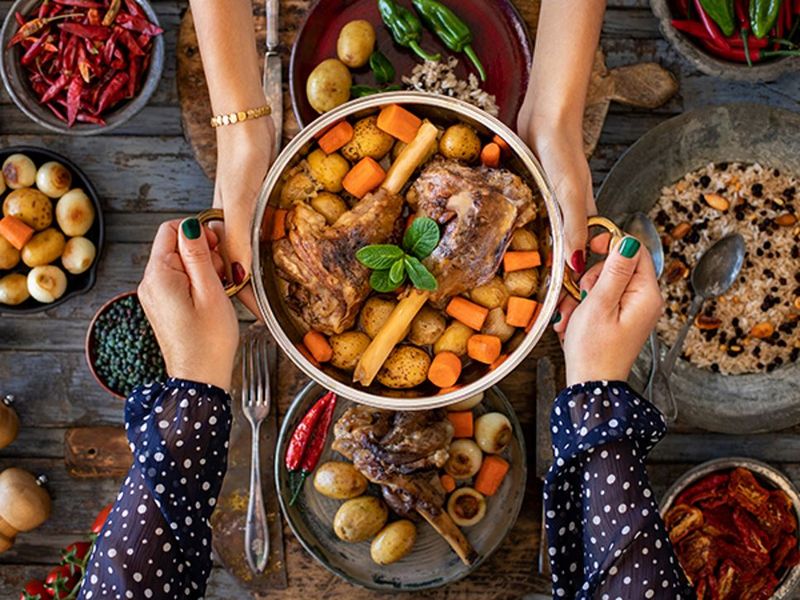
Perhaps the biggest cultural shift for British visitors is realising that food in Turkey is never just about eating. Meals are long, unhurried social gatherings where conversation, laughter, and connection matter just as much as the dishes on the table.
Eating quickly and leaving is considered odd. Lingering over tea, sharing stories, and simply enjoying each other's company around a table is the whole point.
It is a reminder that slowing down and being present can transform even the simplest meal into something genuinely meaningful.




Comments
No Comments