













Some of the most beloved foods in the world started out in a single small bakery, sold to a handful of loyal locals. Word spread, travelers tasted them, and suddenly these little treats were popping up on menus and in shops thousands of miles away.
It is amazing how something as simple as a pastry or a cookie can carry so much history and flavor. Here are 18 tiny bakery treats that grew from neighborhood favorites into global sensations.
1. The Cronut – New York City, USA
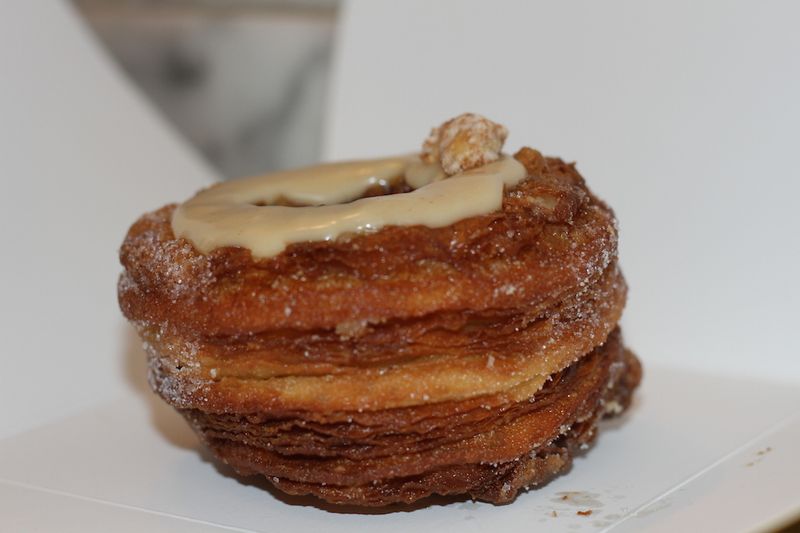
When Dominique Ansel first sold his croissant-doughnut hybrid in 2013, people lined up around the block before sunrise. The cronut combines buttery, flaky layers with the satisfying chew of a doughnut, then gets filled with cream and glazed on top.
It became so popular that knockoffs appeared in bakeries worldwide within months. Ansel even trademarked the name.
Nothing quite captures that mix of crunch and softness the way the original does.
2. Pastel de Nata – Lisbon, Portugal
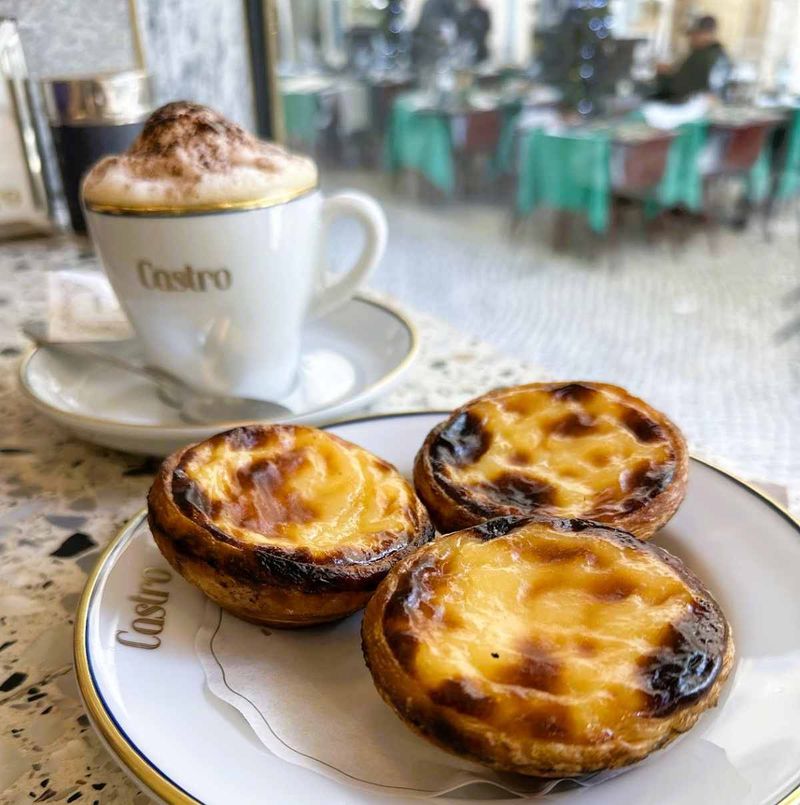
Monks at the Jerónimos Monastery in Belém created this creamy egg custard tart back in the 1800s, and the recipe has been guarded ever since. The crispy, caramelized shell gives way to a silky, slightly sweet filling that melts on your tongue.
Today you can find pastel de nata at airports, cafes, and bakeries from Tokyo to Toronto. Still, nothing beats eating one warm, straight from the oven at Pastéis de Belém in Lisbon.
3. Canelé – Bordeaux, France
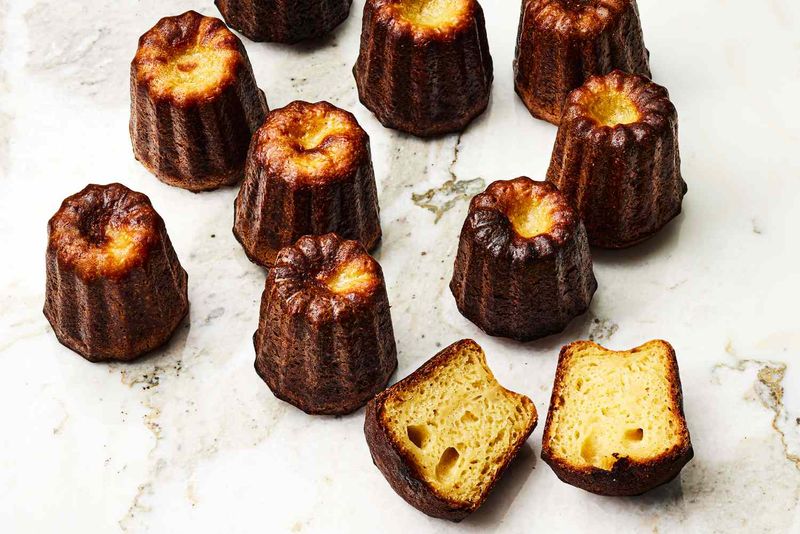
Small, dark, and a little mysterious, the canelé looks like it might be burnt at first glance. But that deeply caramelized crust is exactly the point, hiding a custardy, rum-and-vanilla-scented interior that is almost pudding-like.
Bordeaux wine merchants used egg yolks to clarify wine, leaving behind whites that local nuns used to create this pastry centuries ago. Now specialty bakeries from Seoul to San Francisco dedicate entire menus to perfecting this one tiny French treat.
4. Kouign-Amann – Douarnenez, France
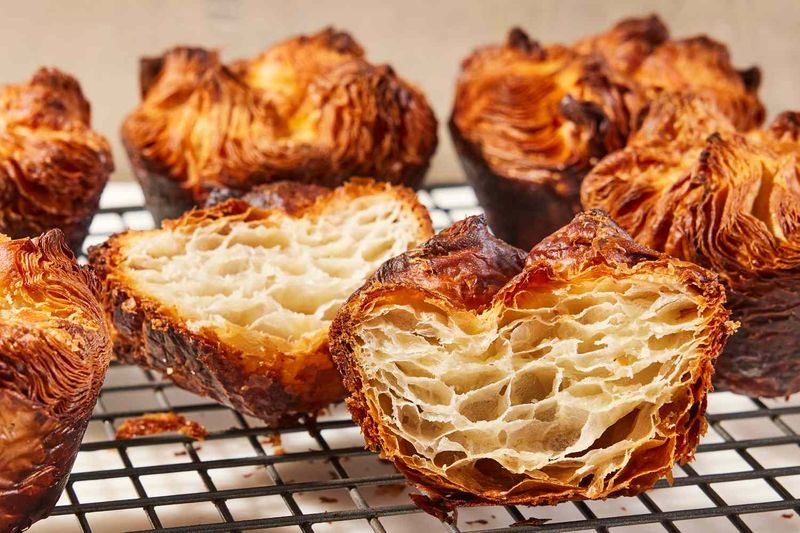
Accidentally invented in 1860 by a Breton baker named Yves-René Scordia who had very little dough left and even less time, kouign-amann is essentially a buttery, sugary bread cake. The name means "butter cake" in the Breton language.
Its crunchy caramelized top and chewy, pull-apart inside have made it a darling of artisan bakeries worldwide. San Francisco bakers in particular embraced it, sparking a full-blown kouign-amann craze across American cities in the 2010s.
5. Bolo de Mel – Madeira, Portugal
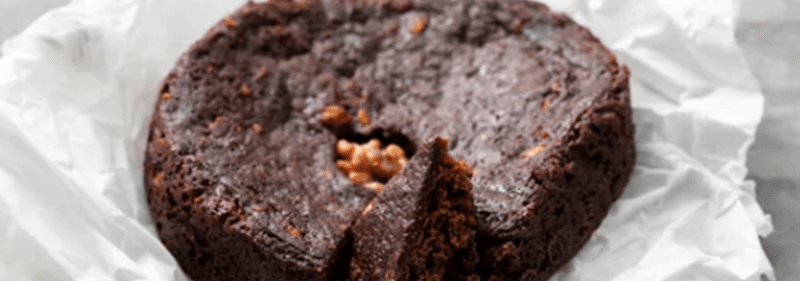
Rich with molasses, spices, and dried fruit, bolo de mel has been baked on the island of Madeira for over 500 years. Families traditionally make one large cake at Christmas and break it apart by hand, never cutting it with a knife.
Its dense, dark crumb and warming spice blend remind people of a cross between gingerbread and fruitcake. Tourists who discover it on the island often spend years trying to recreate it at home or order it shipped internationally.
6. Tim Tam – Melbourne, Australia
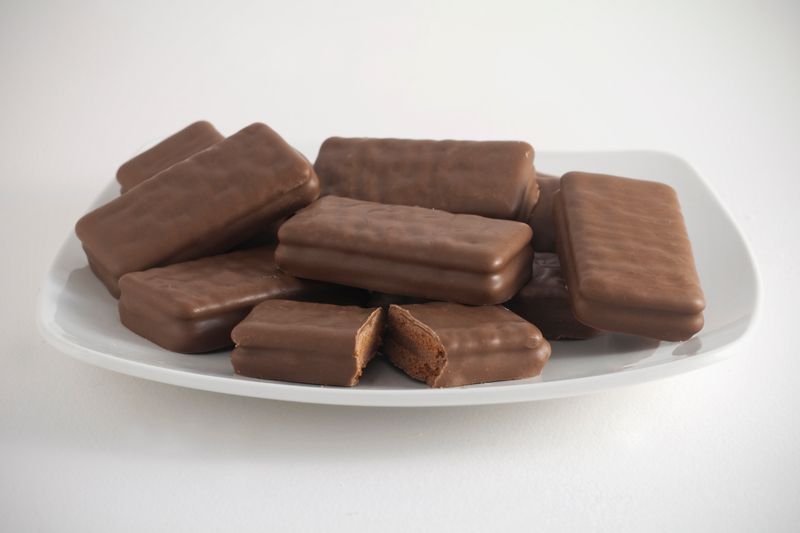
Two chocolate malted biscuits, a chocolate cream filling, and a full coating of milk chocolate — that is all it takes to create one of Australia's most iconic snacks. Arnott's launched the Tim Tam in 1964, and Australians immediately claimed it as their own.
The "Tim Tam Slam," where you bite off both ends and sip hot coffee through it like a straw, became a global internet sensation. You can now find Tim Tams in Asian supermarkets, American Target stores, and specialty shops worldwide.
7. Alfajor – Buenos Aires, Argentina
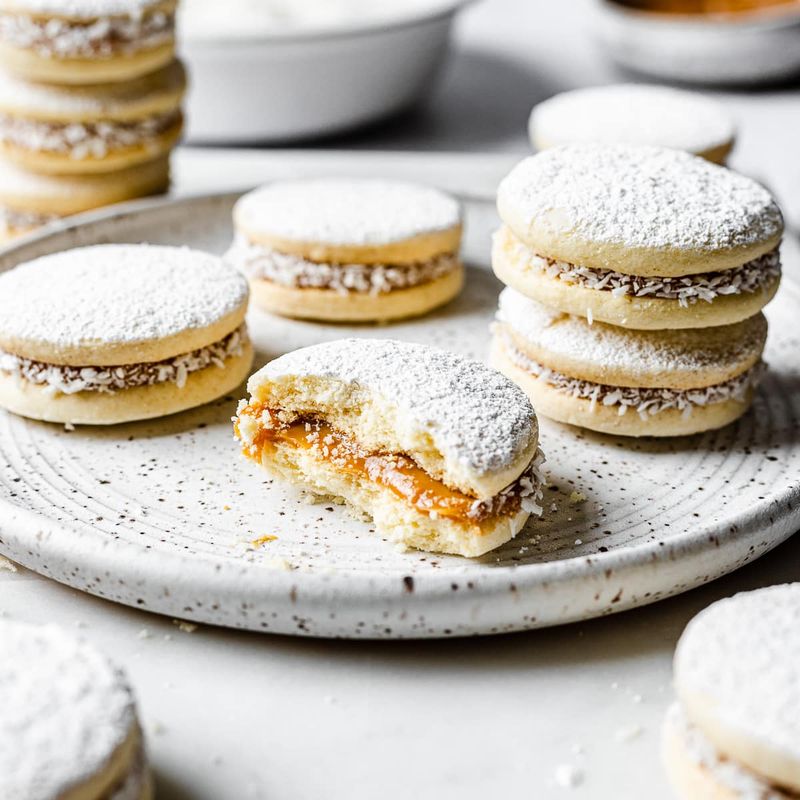
Soft, crumbly cornstarch cookies sandwiching a thick layer of dulce de leche — the alfajor is Argentina's most beloved sweet. Bakeries and corner stores across Buenos Aires sell them by the millions every single day.
Travelers who stumble upon their first alfajor often describe it as a revelation. The cookie practically dissolves on your tongue before the caramel filling takes over.
Brands like Havanna and Cachafaz now ship alfajores internationally, and they remain one of Argentina's most popular edible souvenirs.
8. Stroopwafel – Gouda, Netherlands
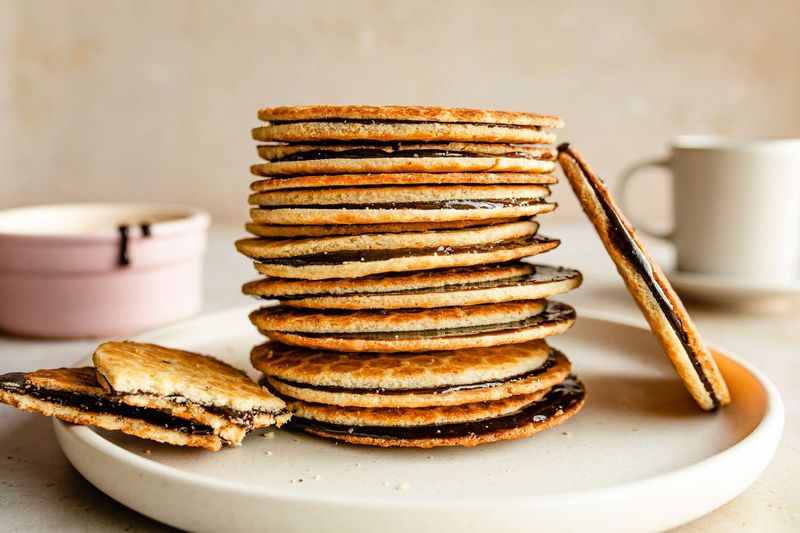
A Dutch baker named Gerard Kamphuisen is credited with creating the stroopwafel in Gouda around 1810. Two thin waffle wafers sandwiching a gooey caramel-syrup filling — it sounds simple, but the result is completely addictive.
The tradition of resting a stroopwafel on top of a hot drink so the steam softens the caramel is a ritual millions of people now follow worldwide. United Airlines even served them as in-flight snacks, sending global curiosity about this Dutch treat into overdrive.
9. Anzac Biscuit – Australia and New Zealand
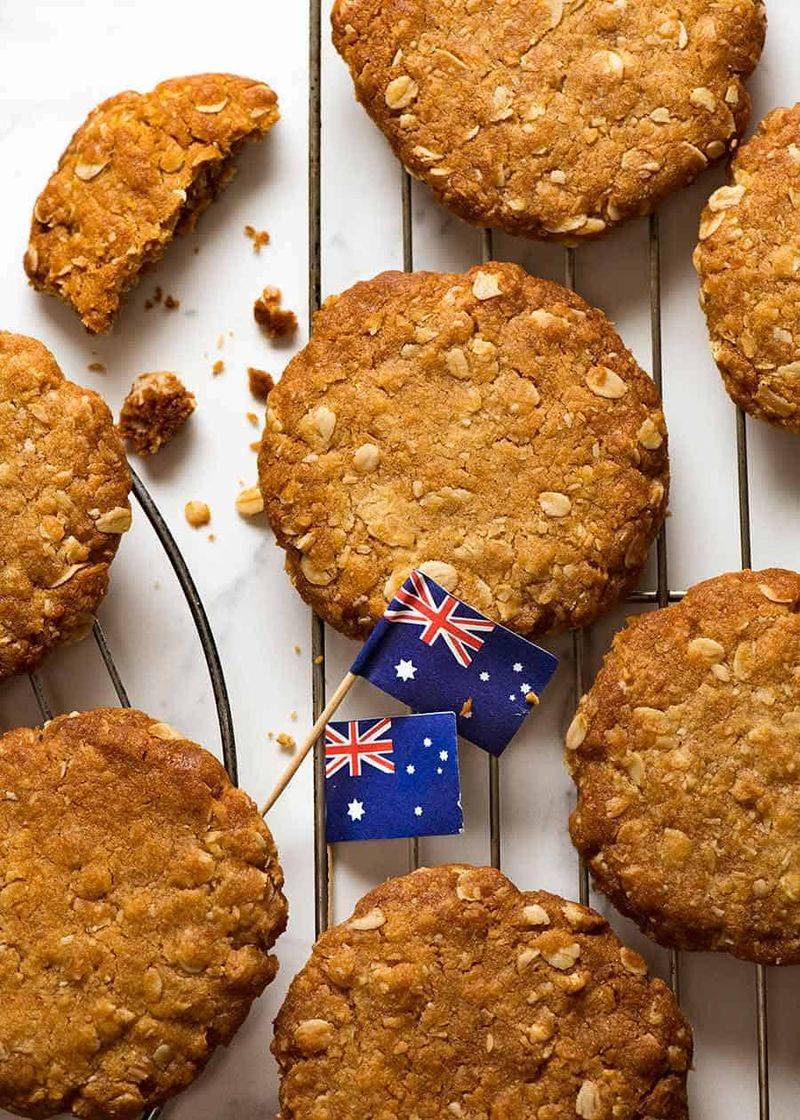
During World War I, wives and mothers baked these oat-and-coconut biscuits to send to soldiers overseas because they stayed fresh during long sea voyages. The name honors the Australian and New Zealand Army Corps, and the biscuit carries genuine emotional weight.
Today they are baked every April 25 for Anzac Day commemorations, but their buttery, golden-syrup sweetness has won fans far beyond memorial occasions. Specialty food shops in Europe and North America regularly stock them for curious snackers.
10. Rugelach – New York City, USA (originally Eastern Europe)
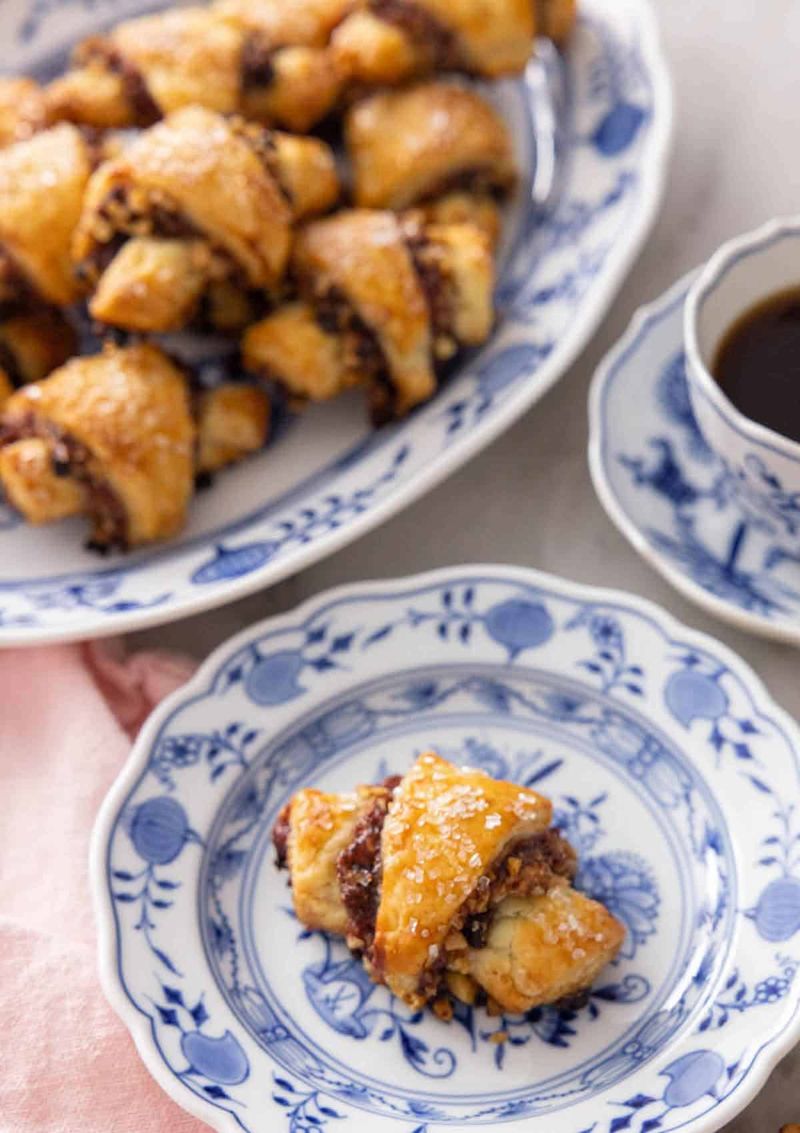
Brought to America by Jewish immigrants from Eastern Europe, rugelach found its spiritual home in New York delis and bakeries. These crescent-shaped pastries are made with a cream cheese dough that bakes up impossibly tender, wrapped around fillings like cinnamon, jam, or chocolate.
Zabar's on the Upper West Side and Russ and Daughters have both made their rugelach famous enough to inspire mail-order businesses. Food writers regularly name rugelach among the best pastries in the United States.
11. Sachertorte – Vienna, Austria
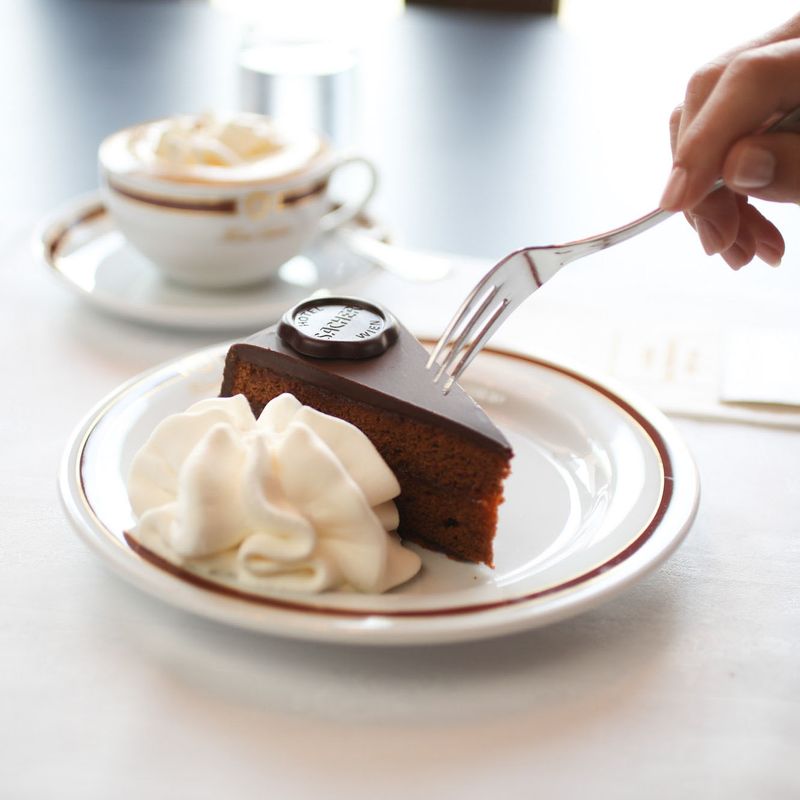
In 1832, a 16-year-old apprentice chef named Franz Sacher created this dense chocolate cake for an Austrian prince, and it has been a point of Viennese pride ever since. The Hotel Sacher in Vienna still sells the only cake that can legally be called the "Original Sachertorte."
A thin layer of apricot jam separates the chocolate sponge from its glossy dark chocolate glaze. Tourists visit Vienna specifically to taste it, and the hotel ships thousands of cakes worldwide every year.
12. Lamington – Queensland, Australia
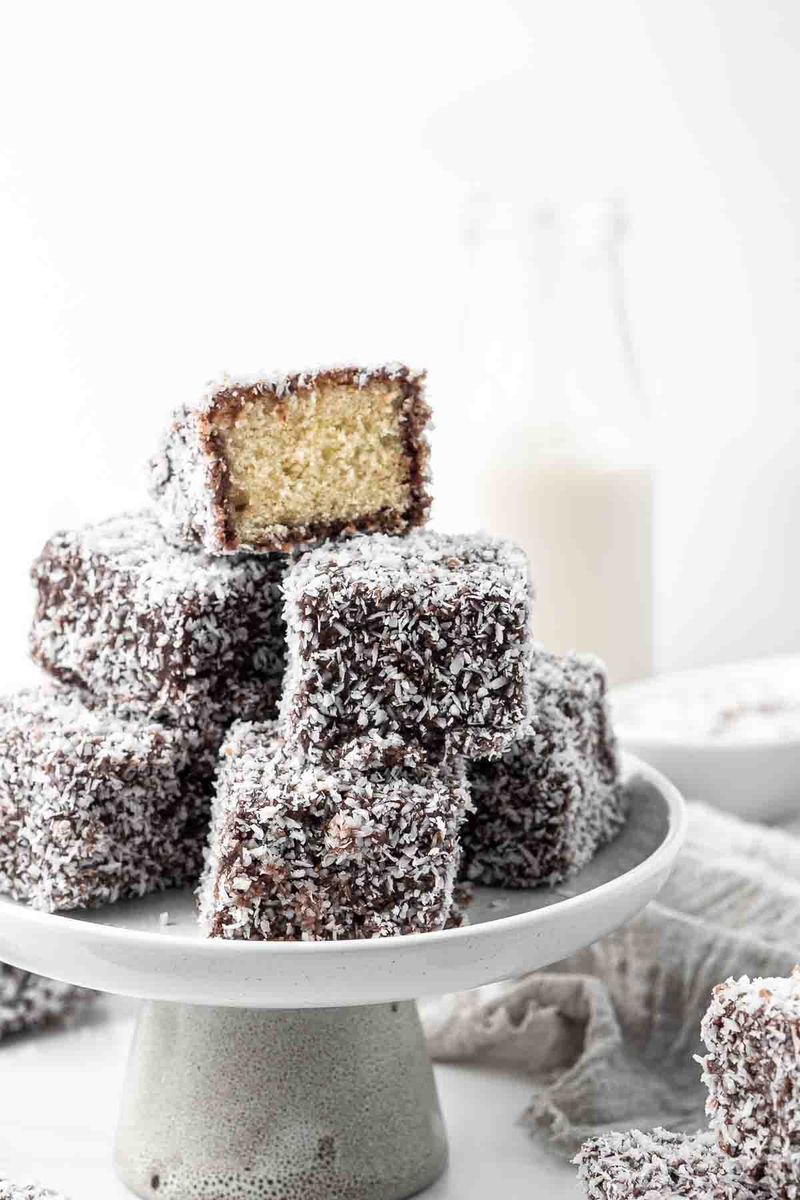
Named after Lord Lamington, Governor of Queensland in the late 1800s, this sponge cake square dipped in chocolate and rolled in coconut has become Australia's unofficial national cake. Legend says the governor's chef invented it to use up stale sponge cake.
Whether that story is true or not, Australians are fiercely loyal to their lamingtons. School fundraisers, bakery windows, and Australia Day celebrations all feature them prominently.
British and American food bloggers have been recreating them enthusiastically for years.
13. Malasada – Honolulu, Hawaii, USA
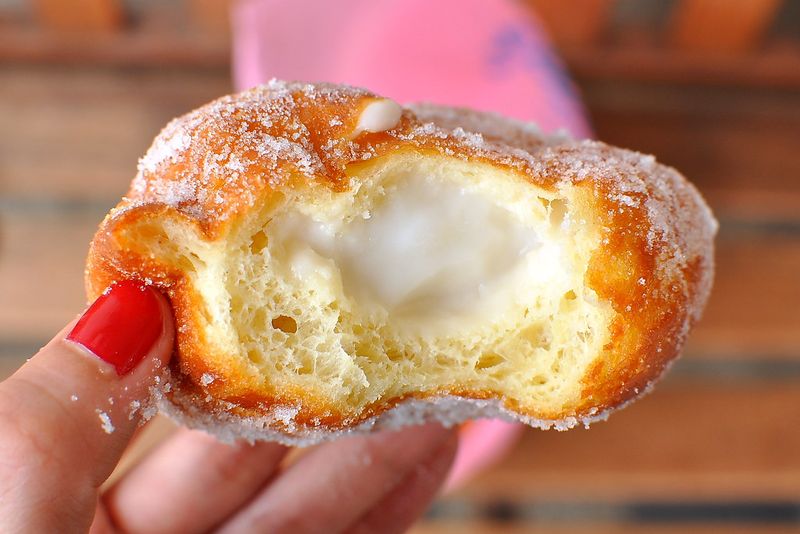
Portuguese immigrants brought malasadas to Hawaii in the 19th century when they came to work on sugar plantations. These deep-fried, sugar-rolled doughnuts have no hole, and they are pillowy soft in a way that regular doughnuts rarely achieve.
Leonard's Bakery on Kapahulu Avenue in Honolulu has been serving them since 1952 and regularly draws lines stretching down the sidewalk. Visitors who try one fresh out of the fryer often say it ruins all other doughnuts for them permanently.
14. Beignet – New Orleans, USA
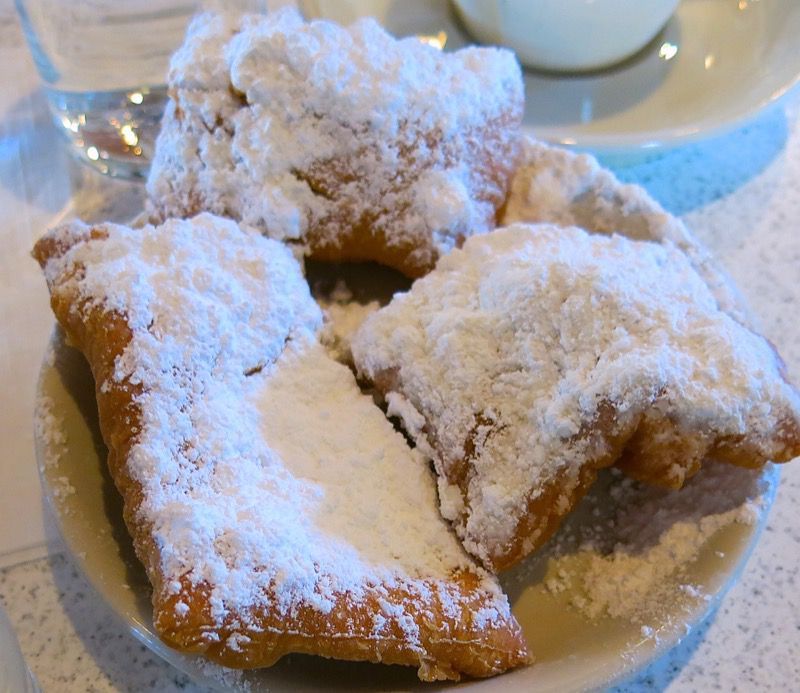
Cafe Du Monde in the French Quarter of New Orleans has been serving hot, puffy beignets dusted with mountains of powdered sugar since 1862. French colonists introduced the recipe, and New Orleans made it legendary.
Biting into a beignet sends a cloud of white sugar into the air — it is practically a rite of passage for anyone visiting the city. The treat is now so tied to New Orleans identity that it was named the official state doughnut of Louisiana in 1986.
15. Paczki – Chicago, USA (originally Poland)
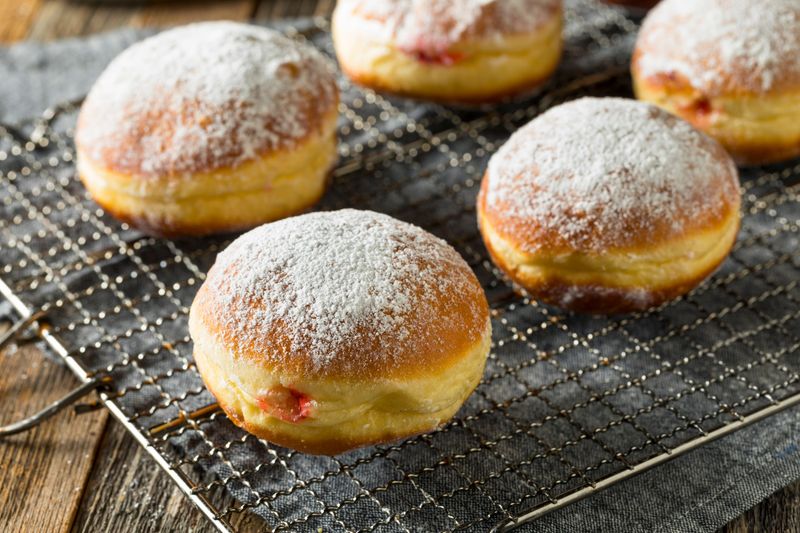
Every year on Fat Thursday before Lent, Poles eat millions of paczki — rich, deep-fried doughnuts filled with rose hip jam or custard and glazed with a sugary icing. Polish immigrants brought the tradition to Chicago, where it became a massive annual event.
Chicago bakeries in neighborhoods like Avondale sell hundreds of thousands of paczki on Fat Thursday alone. Lines form before dawn outside places like Dinkel's Bakery.
The celebration has spread to other Midwest cities with large Polish communities.
16. Nanaimo Bar – Nanaimo, British Columbia, Canada
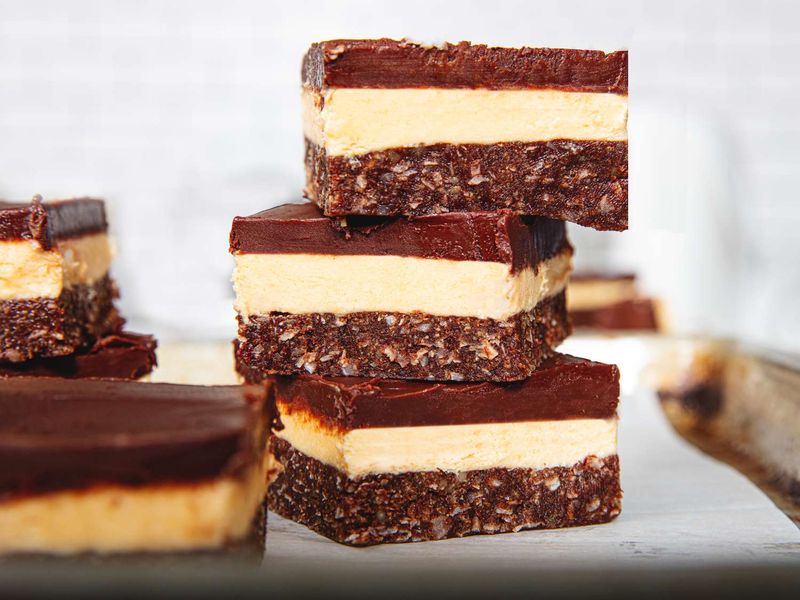
No one is entirely sure who invented the Nanaimo bar, but the city of Nanaimo in British Columbia, Canada, has claimed it proudly since at least the 1950s. Three distinct layers — a crumbly chocolate base, a sweet custard buttercream center, and a firm chocolate top — make every bite a structured experience.
No baking is required, which makes it a popular homemade treat. International food tourists regularly list it among Canada's most interesting desserts, and it has loyal fans across the United States and United Kingdom.
17. Mandelhörnchen – Germany
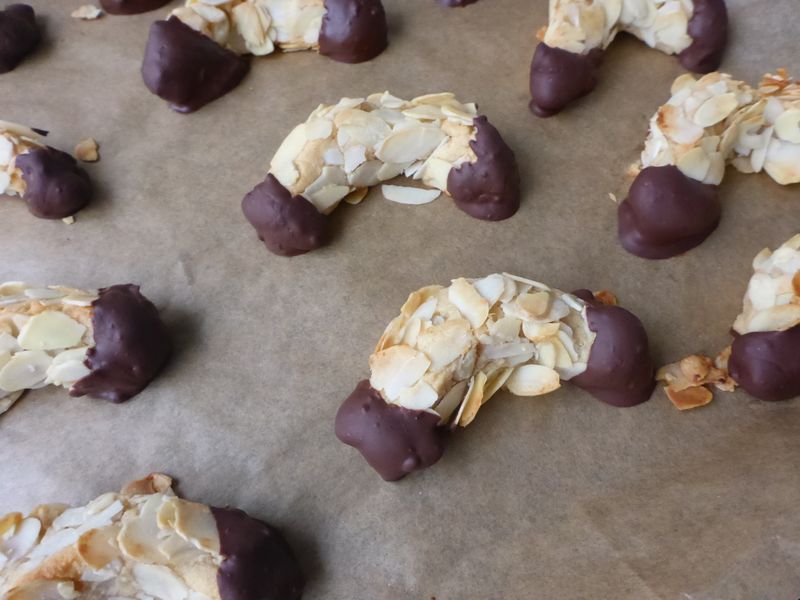
These crescent-shaped almond pastries, whose name translates to "almond horns," are a staple of German bakeries and Christmas markets. Made from marzipan-rich almond paste and dipped in dark chocolate at the tips, they strike a beautiful balance between sweet and nutty.
Visitors to German Christmas markets often buy bags of them to take home, sparking a craving that is hard to satisfy outside Germany. Specialty European bakeries in cities like New York and London have started stocking them year-round to meet growing demand.
18. Egg Tart – Hong Kong
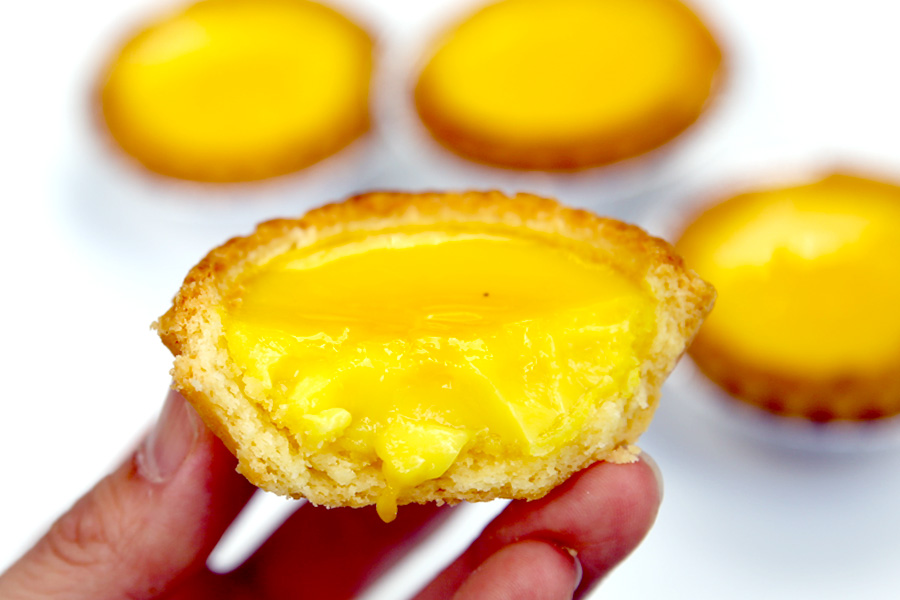
Hong Kong's egg tart is a delicious collision of British custard tarts and Cantonese baking traditions, born from the city's colonial history. The flaky pastry shell holds a smooth, lightly sweet egg custard that wobbles just enough to signal it is perfectly set.
Iconic spots like Tai Cheong Bakery, which reportedly served the late Governor Chris Patten daily, have made this humble pastry internationally famous. Visitors from mainland China, Japan, and Europe line up for them, and bakeries from Vancouver to London now offer their own versions.




Comments
No Comments