













Spain is a paradise for sweet lovers, and British holidaymakers are quickly discovering just how incredible the country's pastry scene really is. From flaky, sugar-dusted treats at roadside cafes to rich cream-filled delights in busy market stalls, Spanish pastries offer something truly special.
Many Britons find themselves returning to the same bakeries day after day, unable to resist the temptation. Whether you are visiting Barcelona, Seville, or a quiet coastal town, these baked goods are an unmissable part of the Spanish experience.
1. Churros
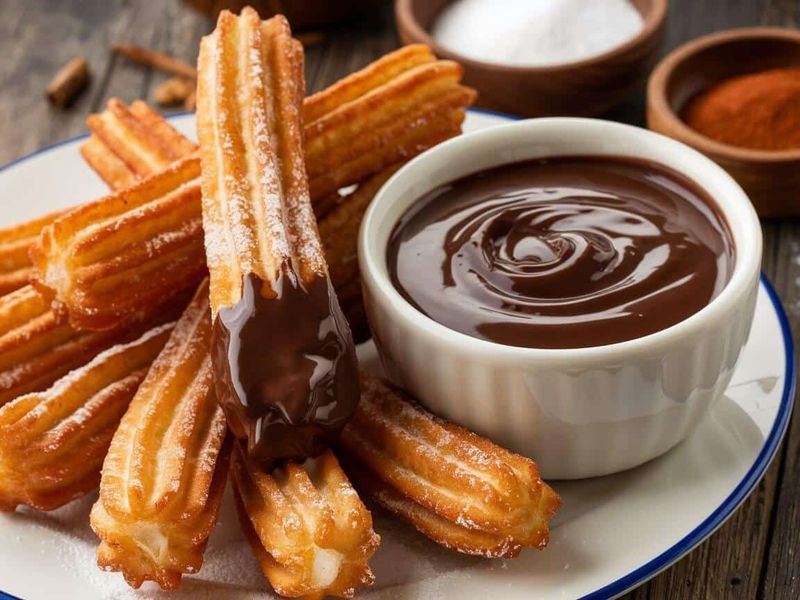
Nothing says Spanish morning quite like a warm churro fresh from the fryer. These long, ridged dough sticks are crispy on the outside and wonderfully soft inside, usually dusted with cinnamon sugar.
Britons absolutely adore dipping them into thick, rich hot chocolate, which is more like a sauce than a drink. You will find churros at street stalls and cafes across Spain.
They are best enjoyed early in the morning or as a late-night snack after a big night out.
2. Ensaimada
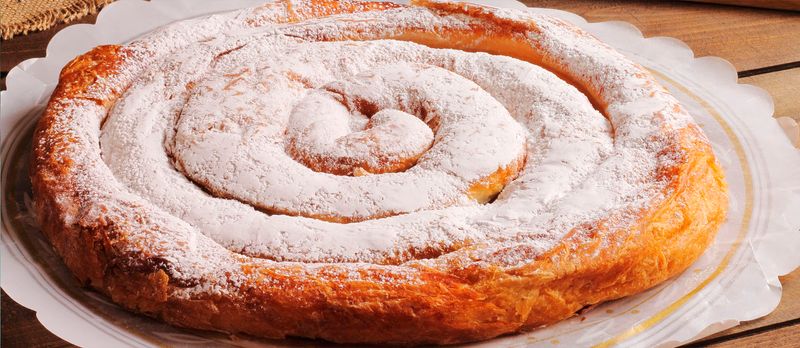
Originating from the Balearic island of Mallorca, the ensaimada is one of Spain's most beloved pastries. Its name comes from the word for lard, which gives the dough its incredibly soft, pillowy texture.
Shaped like a snail's spiral and dusted heavily with icing sugar, it practically melts in your mouth. British tourists visiting Mallorca often buy boxes of these to bring home as gifts.
They pair beautifully with a cup of coffee or a glass of fresh orange juice.
3. Palmera
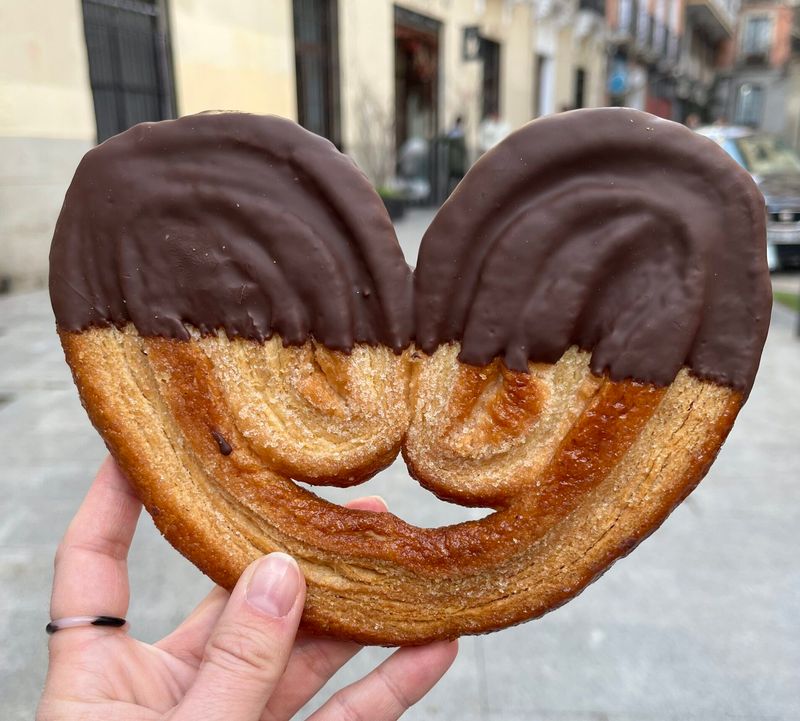
Shaped like a palm leaf and glazed with caramelised sugar, the palmera is a pastry that looks almost too pretty to eat. Made from puff pastry folded and rolled repeatedly, it creates a satisfying crunch with every bite.
You can find them plain, chocolate-dipped, or covered in white icing. British visitors often grab one from a bakery window without quite knowing what it is, then immediately go back for another.
They are cheap, cheerful, and genuinely addictive treats.
4. Polvorones
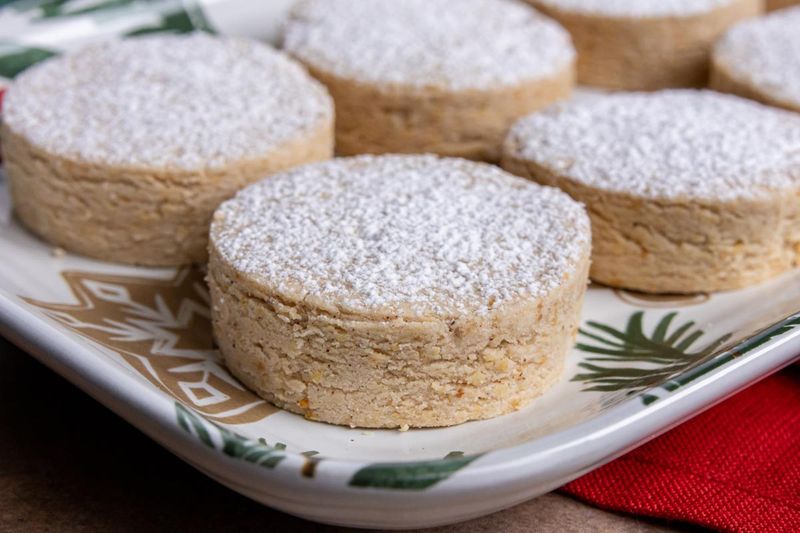
Polvorones are crumbly, melt-in-your-mouth shortbread-style biscuits traditionally made with lard, flour, and ground almonds. The name literally means dusty, which perfectly describes how they dissolve on your tongue.
Although they are most popular during Christmas, many Spanish bakeries sell them year-round for tourists. Britons are often surprised by just how rich and nutty they taste.
They come in various flavours including lemon, cinnamon, and chocolate, making them brilliant little souvenirs to bring back home for family.
5. Torrijas
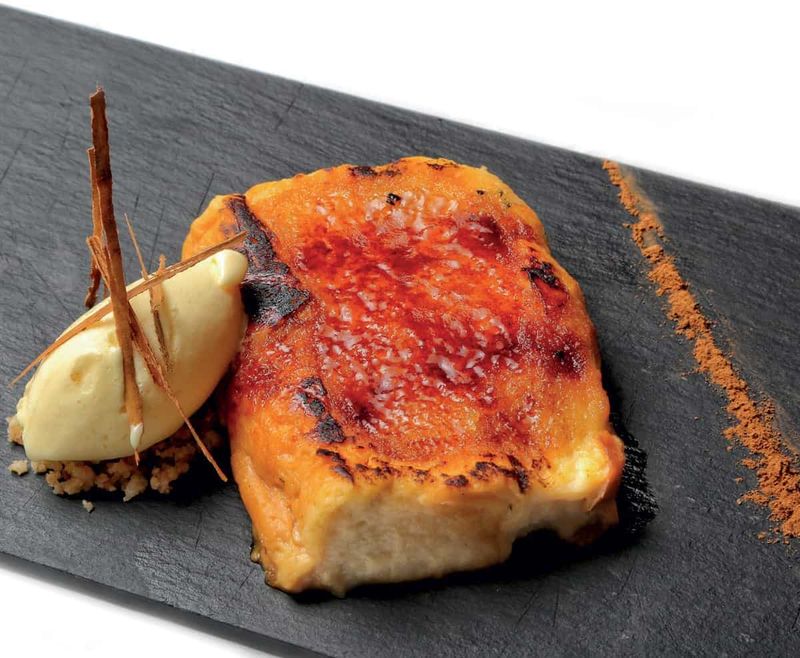
Think of torrijas as Spain's answer to French toast, but somehow even more indulgent. Thick slices of bread are soaked in milk and egg, then fried until golden and drizzled with honey or dusted with cinnamon sugar.
Traditionally made during Easter, they have become popular enough to appear in cafes throughout the year. Many Britons try them by accident and end up ordering seconds.
Warm, sticky, and deeply satisfying, torrijas feel like a proper hug on a plate after a long day of sightseeing.
6. Tarta de Santiago
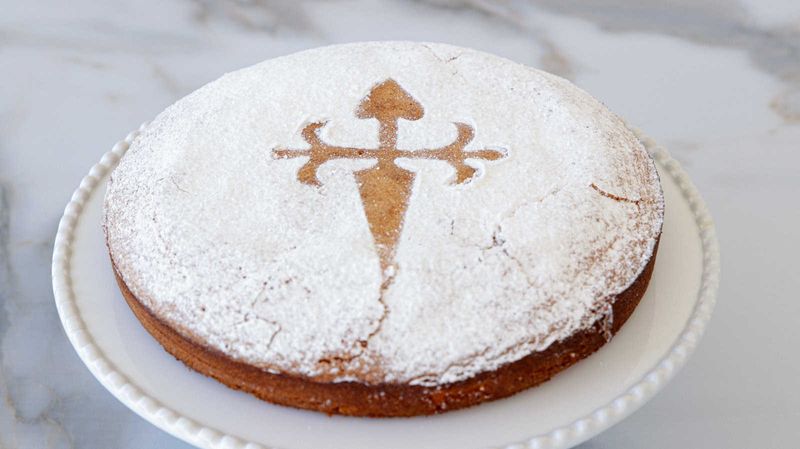
Marked with the iconic cross of Saint James, the Tarta de Santiago is a dense, moist almond cake from Galicia in northwest Spain. It requires no flour, relying entirely on ground almonds, eggs, and sugar for structure.
The result is beautifully rich with a slightly chewy centre. British walkers completing the famous Camino de Santiago pilgrimage route often discover this cake at the journey's end.
Even without the pilgrimage, it is one of Spain's most recognisable and rewarding baked treats to seek out.
7. Mantecados
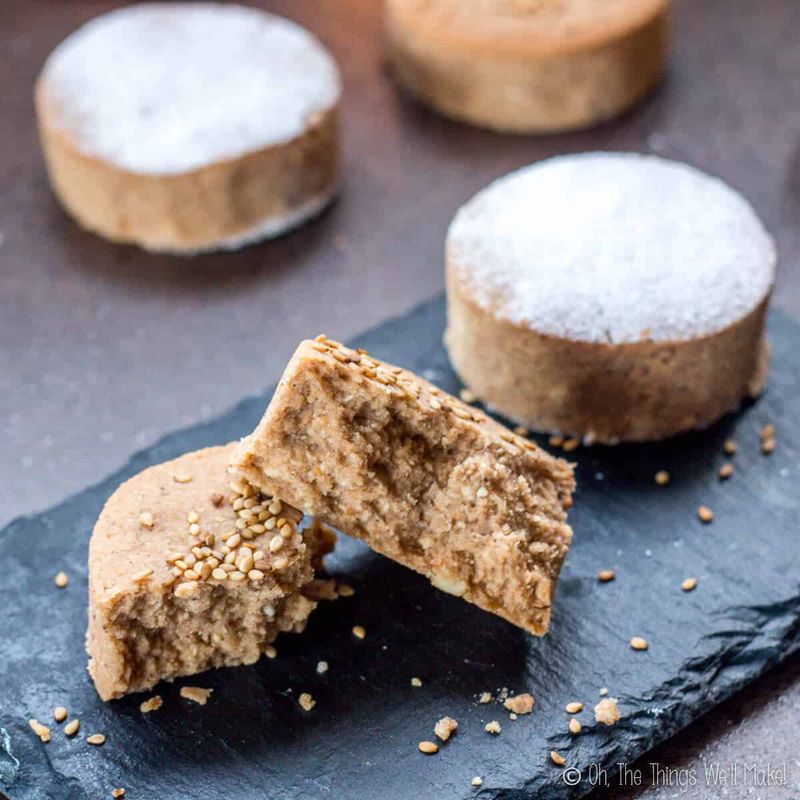
Similar to polvorones but slightly different in texture, mantecados are crumbly, lard-based biscuits that have been made in Spain for centuries. They come in flavours like anise, lemon, and coconut, offering something for every kind of sweet tooth.
Andalusia is particularly famous for producing the finest mantecados, especially around the town of Estepa. Britons browsing Spanish sweet shops often pick these up out of curiosity and quickly become fans.
They are incredibly affordable and make wonderful gifts or holiday snacks.
8. Croissant de Mantequilla
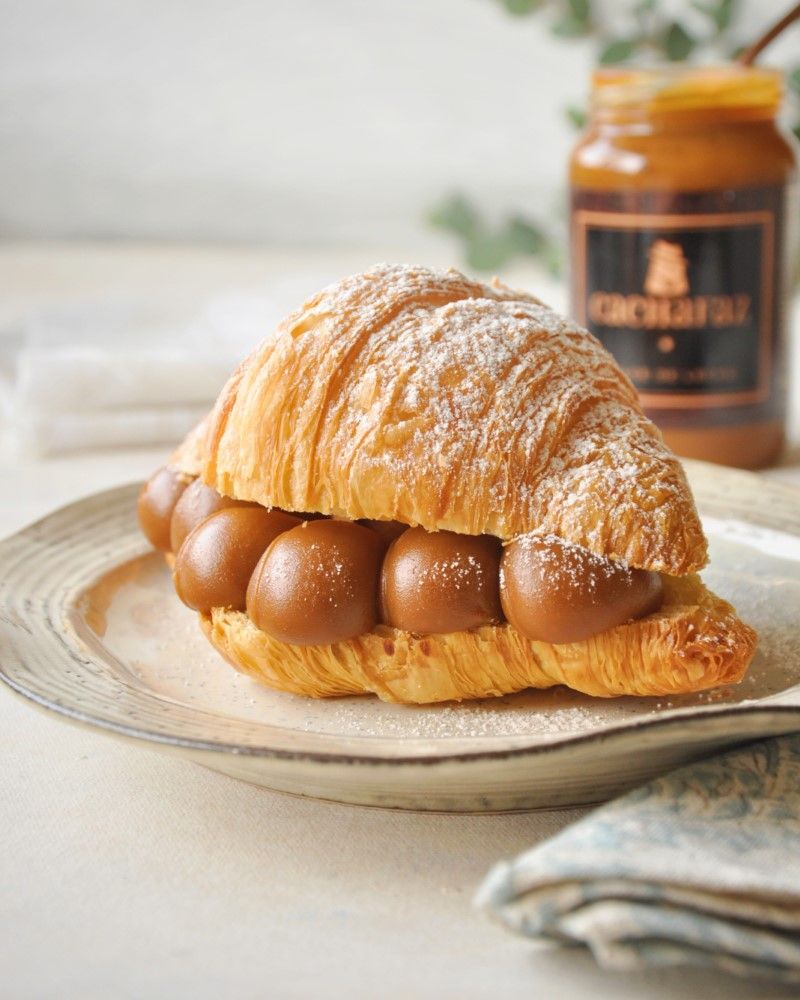
Spain has fully embraced the croissant, and the quality at most Spanish bakeries is genuinely impressive. Made with real butter and carefully laminated dough, the croissant de mantequilla is flaky, golden, and wonderfully rich.
Spanish cafes often serve them warm alongside a cafe con leche, making for a perfect holiday breakfast. Britons tend to be pleasantly surprised at how good they are compared to the plastic-wrapped versions back home.
Some bakeries also fill them with chocolate, almond cream, or ham and cheese.
9. Fartons
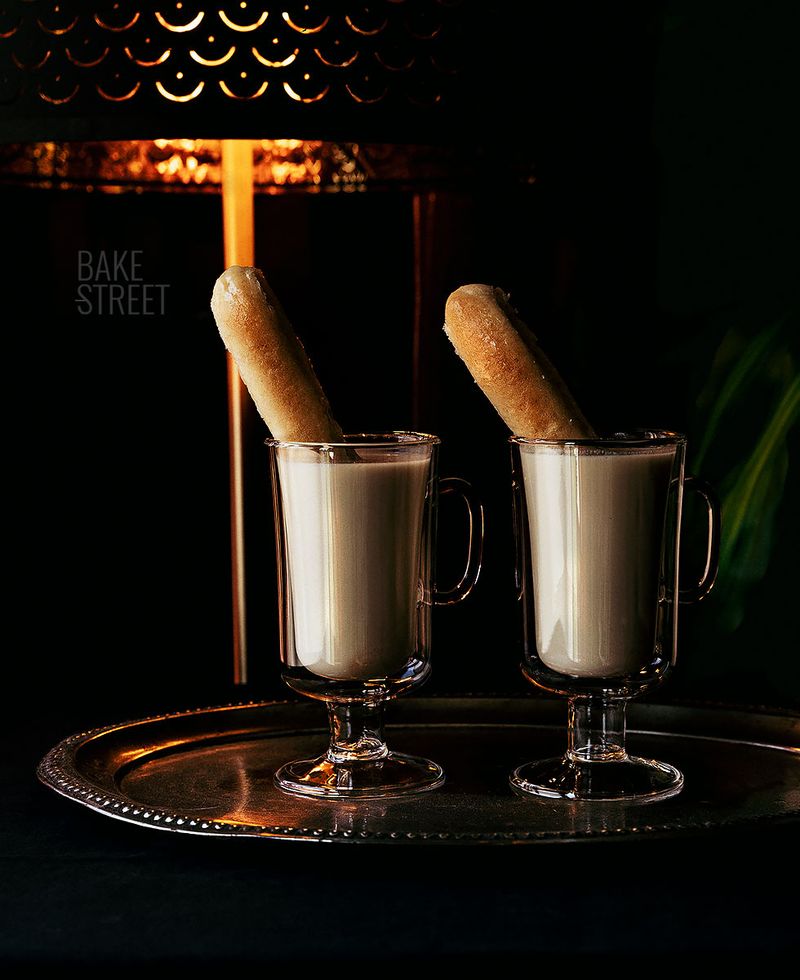
Fartons are long, soft, finger-shaped pastries glazed with icing sugar and traditionally eaten in Valencia alongside a cold glass of horchata. The combination sounds unusual but is absolutely iconic to the region.
They are light, slightly sweet, and perfect for dipping into the creamy, tiger nut-based drink. Many British tourists in Valencia stumble across this pairing at a local horchateria and instantly fall in love with it.
Trying fartons with horchata is genuinely one of the most uniquely Spanish food experiences you can have.
10. Coca de Llanda
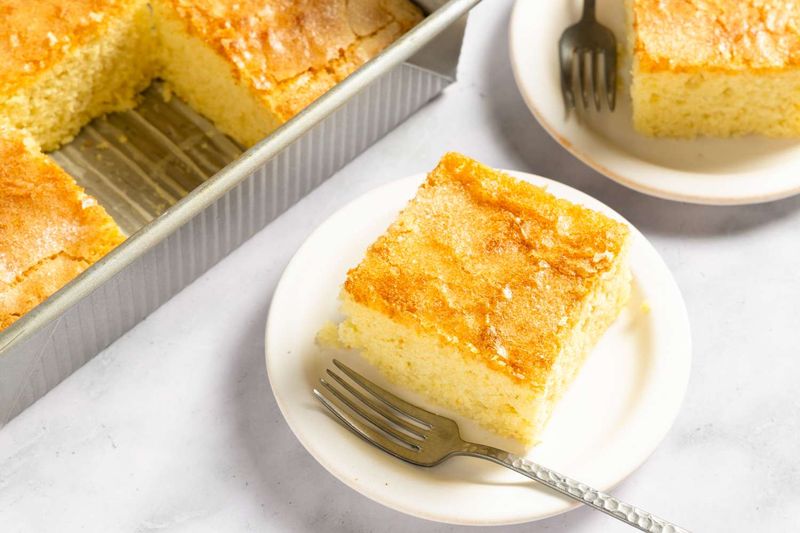
Coca de llanda is a simple, humble sponge cake from Valencia that has been baked in Spanish homes for generations. Made with basic ingredients like eggs, flour, sugar, and a splash of orange zest, it is soft, fragrant, and satisfying.
The name refers to the tin pan it is traditionally baked in. British visitors who try it at local markets or family-run restaurants often describe it as comforting and homemade-tasting.
It is the kind of cake that reminds you of your grandmother's kitchen, just with a Spanish twist.
11. Bunyols
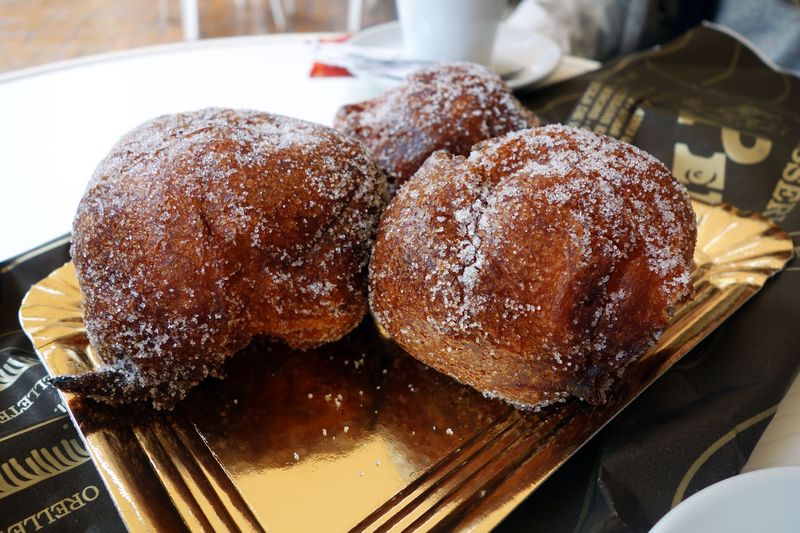
Bunyols are light, airy fried dough balls similar to doughnuts, popular throughout Catalonia and Valencia. They are especially associated with festivals and fairs, where vendors fry them fresh and serve them hot with a generous dusting of sugar.
Unlike heavier doughnuts, bunyols are surprisingly delicate with a crisp exterior and almost hollow centre. British holidaymakers visiting during local fiestas often get their first taste from a street vendor.
Once you have eaten one straight from the fryer, absolutely nothing else compares to that experience.
12. Pestiños
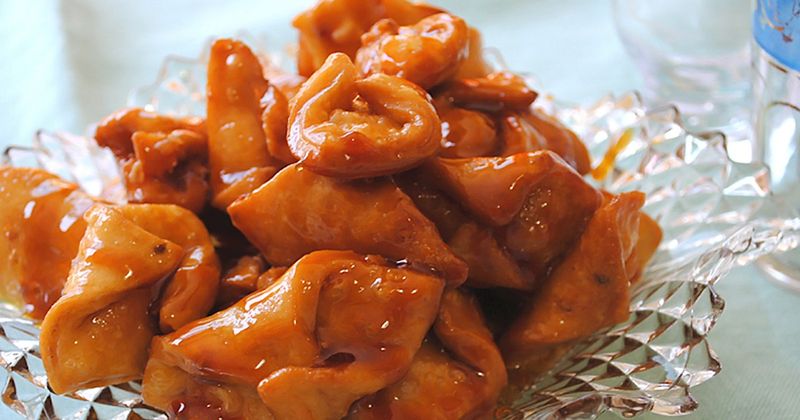
Pestiños are deep-fried pastries flavoured with sesame seeds, anise, and orange zest, then finished with a generous drizzle of honey or a coating of sugar. They are a staple of Andalusian cooking and carry centuries of Moorish influence in every bite.
The combination of floral honey and warm spice makes them deeply aromatic and totally unlike anything you would find in a British bakery. Many tourists discover them during Easter or Christmas markets in Seville or Cordoba and cannot stop at just one.
13. Roscos de Vino
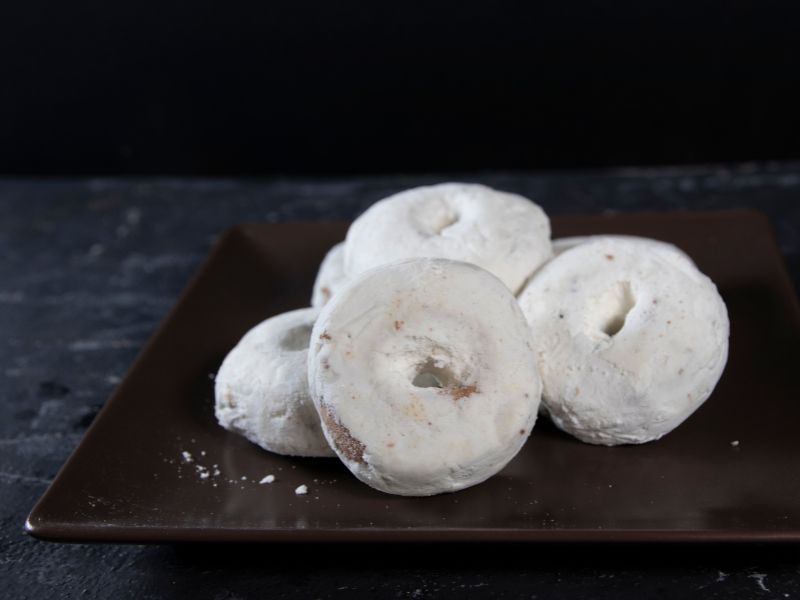
Roscos de vino are ring-shaped biscuits made with white wine, olive oil, and lemon zest, then rolled in icing sugar before baking. The wine gives them a subtle depth of flavour that makes them more interesting than a standard shortbread.
They are firm and slightly crumbly, designed to be dunked into coffee or eaten on their own as a snack. Britons with a taste for something less sweet than typical pastries tend to love these.
They are a brilliant discovery in any Spanish supermarket or traditional confectionery shop.
14. Brazo de Gitano
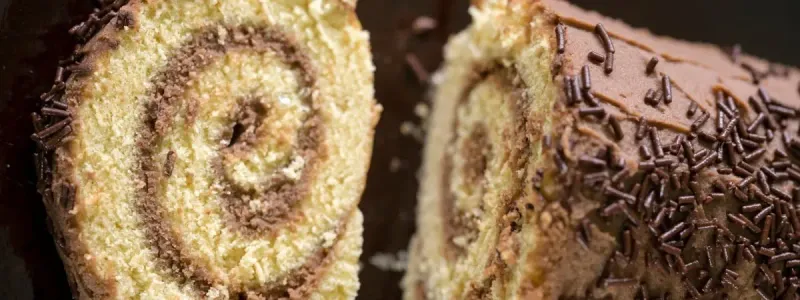
Brazo de gitano translates roughly as gypsy's arm, which is a vivid name for what is essentially a beautifully rolled sponge cake filled with cream, custard, or chocolate. The rolled shape reveals a gorgeous spiral when sliced.
It is a staple of Spanish pastry shops and comes in dozens of regional variations. British tourists often order a slice with afternoon coffee and are impressed by how light and fresh it tastes.
Some versions are soaked in syrup or topped with meringue for extra indulgence.
15. Magdalenas
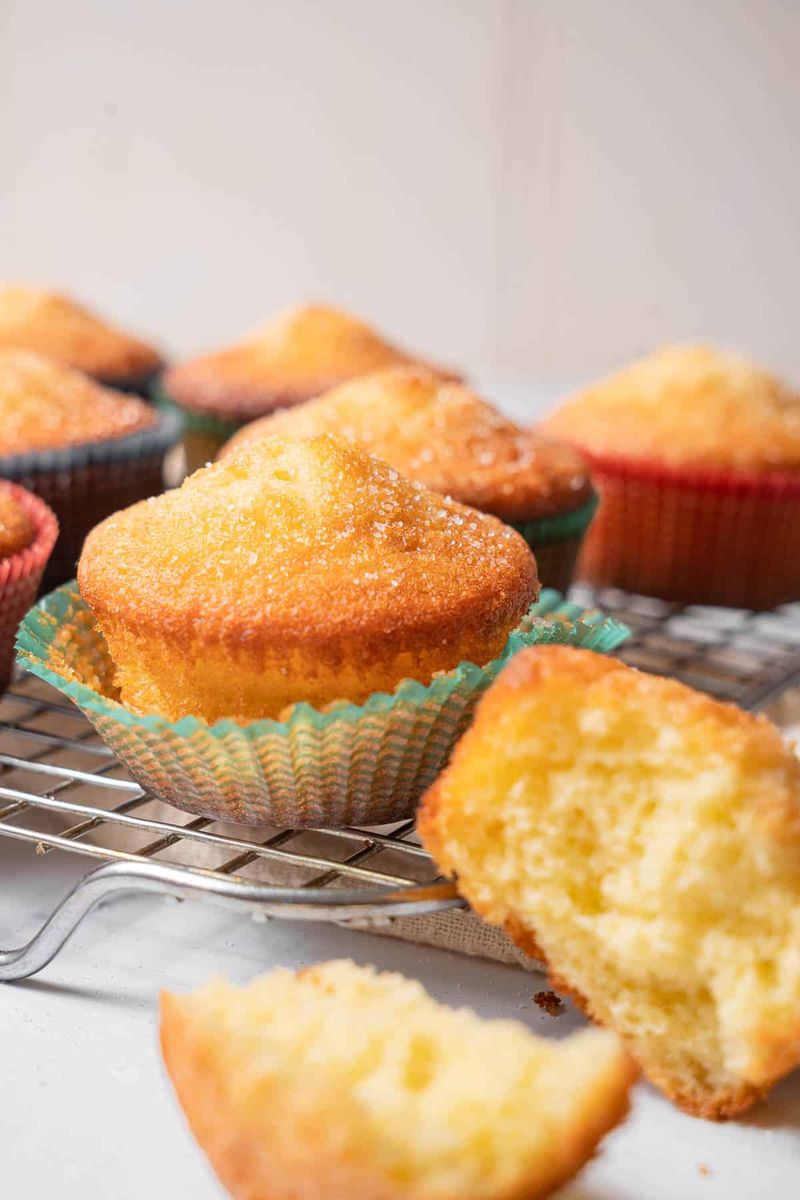
Magdalenas are the everyday muffin of Spain, found in practically every cafe, bakery, and supermarket across the country. Made with olive oil instead of butter, they have a uniquely tender crumb and a slightly domed top that is almost perfectly golden.
Britons on self-catering holidays often buy a bag of magdalenas for breakfast and quickly realise they are far better than any packaged muffin back home. Marcel Proust famously wrote about a madeleine sparking childhood memories, and one bite of a Spanish magdalena will likely do the same for you.
16. Xuixo
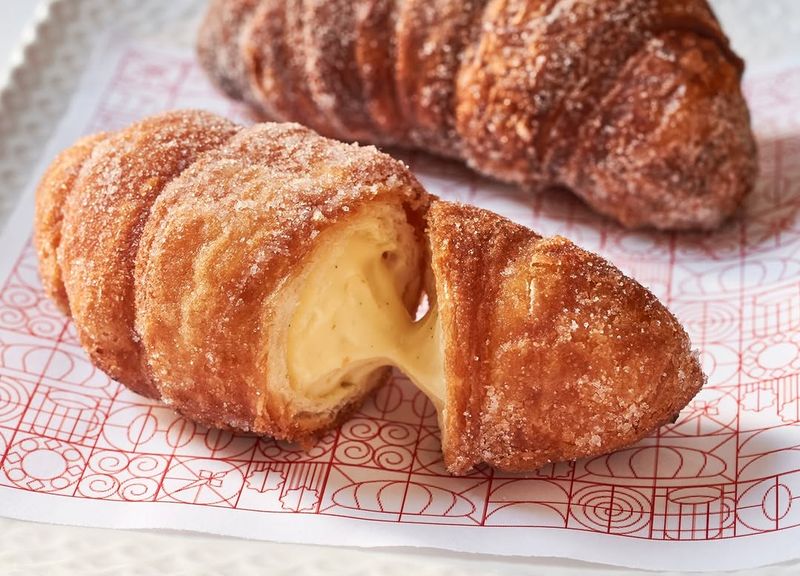
The xuixo is a deep-fried pastry from Girona in Catalonia, filled with rich pastry cream and rolled in sugar while still warm from the oil. Legend has it that a travelling acrobat invented it to win the heart of a local baker's daughter.
Whether the story is true or not, the result is undeniably magical. Crispy, creamy, sweet, and slightly indulgent, it is the kind of pastry you will remember long after your holiday ends.
British visitors to Girona consider finding a fresh xuixo an essential stop on any walking tour.
17. Tarta de Queso
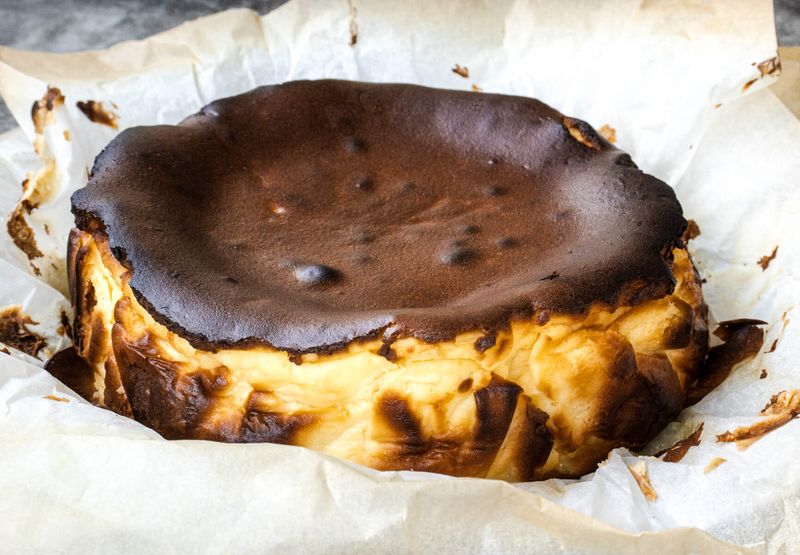
Long before the Basque burnt cheesecake became a global food trend, locals in San Sebastian were already eating it at La Vina bar for decades. Baked at high heat until the top turns deeply caramelised and almost scorched, the interior stays incredibly creamy and soft.
Britons visiting the Basque Country are often amazed that something so simple can taste so extraordinary. It has no crust, no fuss, just pure cheesy richness.
Many return home determined to recreate it and immediately discover that it is harder than it looks.
18. Carquinyolis
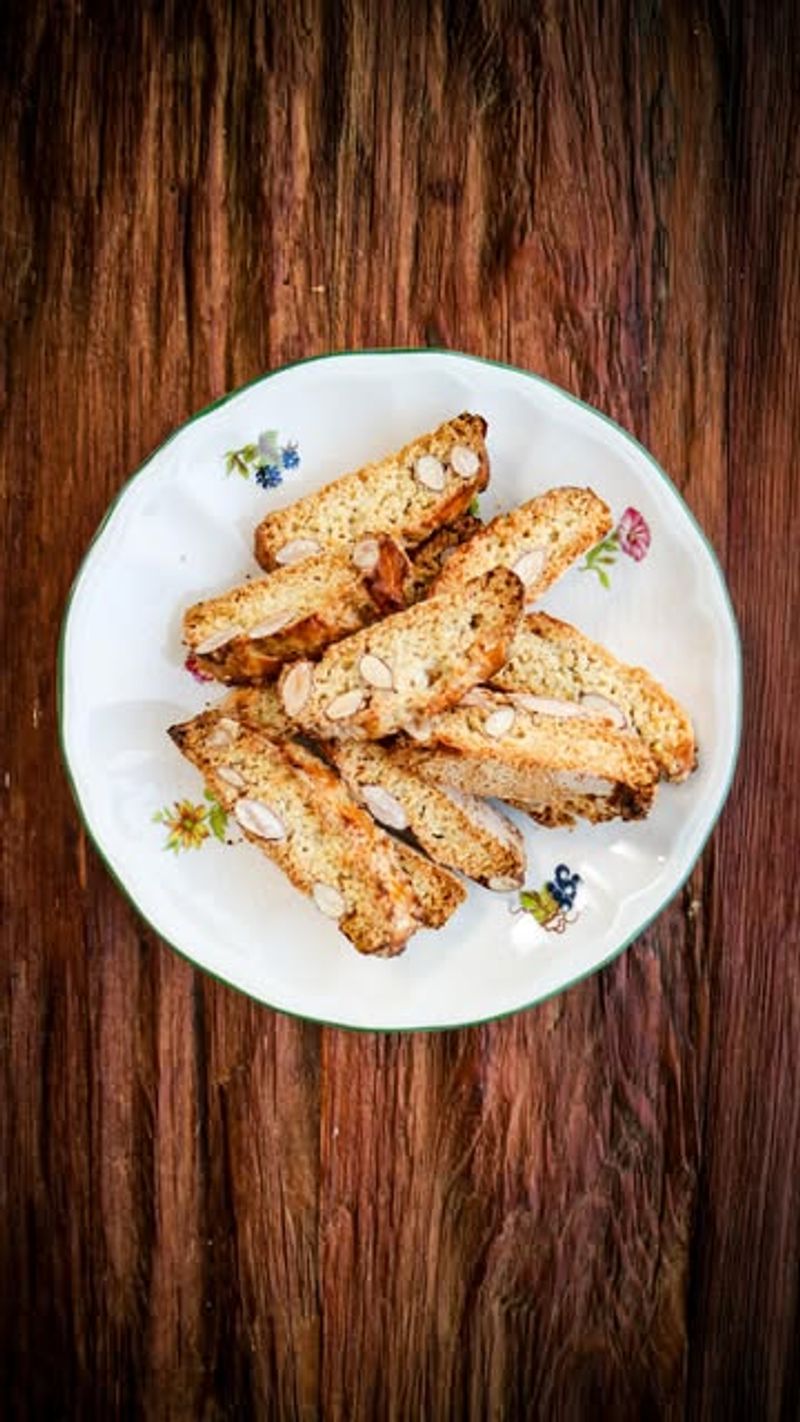
Carquinyolis are Catalonia's version of Italian biscotti, twice-baked almond biscuits that are satisfyingly crunchy and packed with whole roasted nuts. They have been made in Catalan villages for hundreds of years and remain a beloved everyday treat.
Traditionally dunked into a glass of sweet wine or a cup of coffee, they hold their shape brilliantly without going completely soggy. British visitors browsing Catalan market stalls often buy a bag as a snack and end up finishing the whole thing before lunch.
They travel well and make excellent holiday souvenirs too.




Comments
No Comments