













A good grocery list can save you time, money, and a whole lot of stress at the store. Without one, you end up wandering the aisles, forgetting things, and buying stuff you don't really need.
Making a smart, organized list each week is one of the easiest habits you can build for a smoother, healthier home life. These tips will help you create a grocery list that actually gets the job done.
1. Start With a Meal Plan
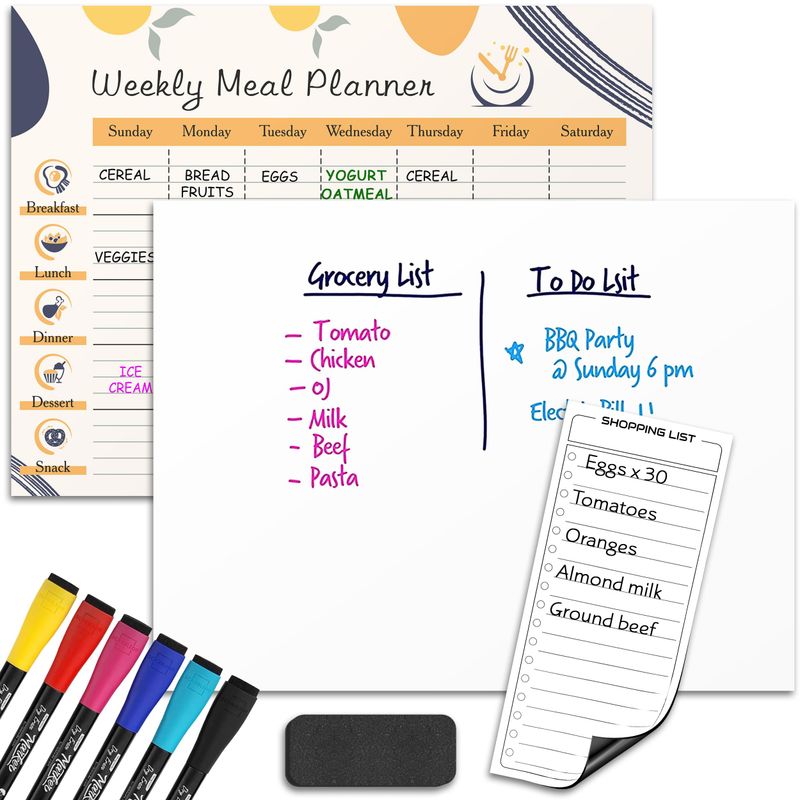
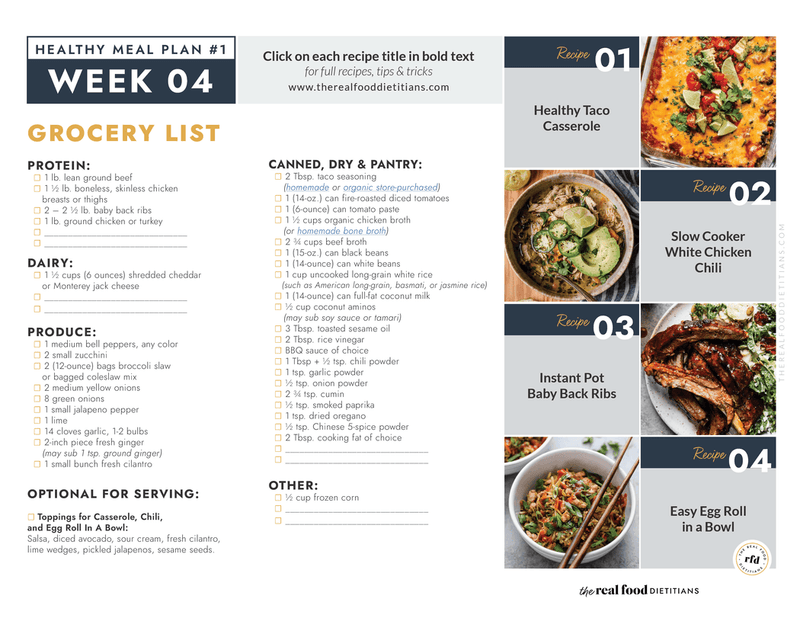
Before you write down a single item, figure out what your family is actually going to eat that week. Meal planning takes just 10 to 15 minutes but saves you from buying random ingredients that never get used.
Think about how many breakfasts, lunches, dinners, and snacks you need to cover. When your list is built around real meals, nothing gets wasted and nothing gets forgotten.
2. Check Your Pantry First
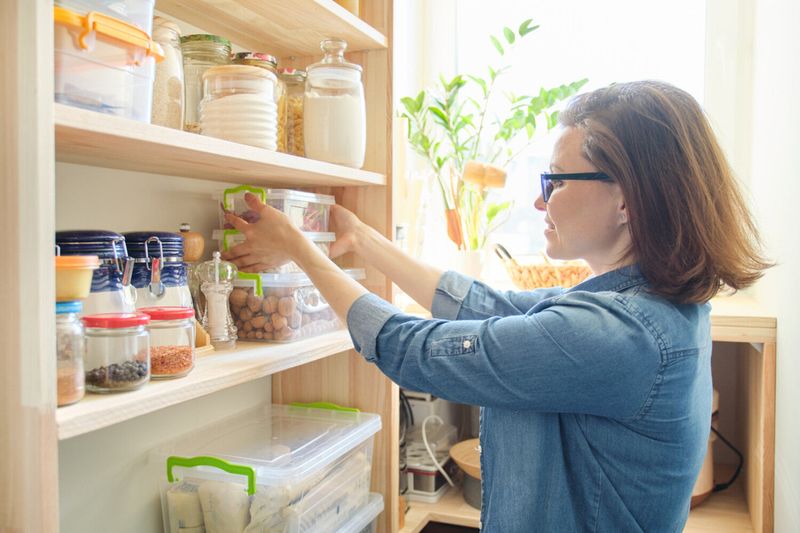
Opening your pantry before making your list is a game-changer most people skip. You might already have half the ingredients you need sitting right there on the shelf.
Do a quick scan of your canned goods, spices, pasta, and snacks. Buying duplicates wastes money and clutters your kitchen.
A two-minute pantry check can cut your grocery bill noticeably and keep things from expiring before you even get to use them.
3. Organize Items by Store Section
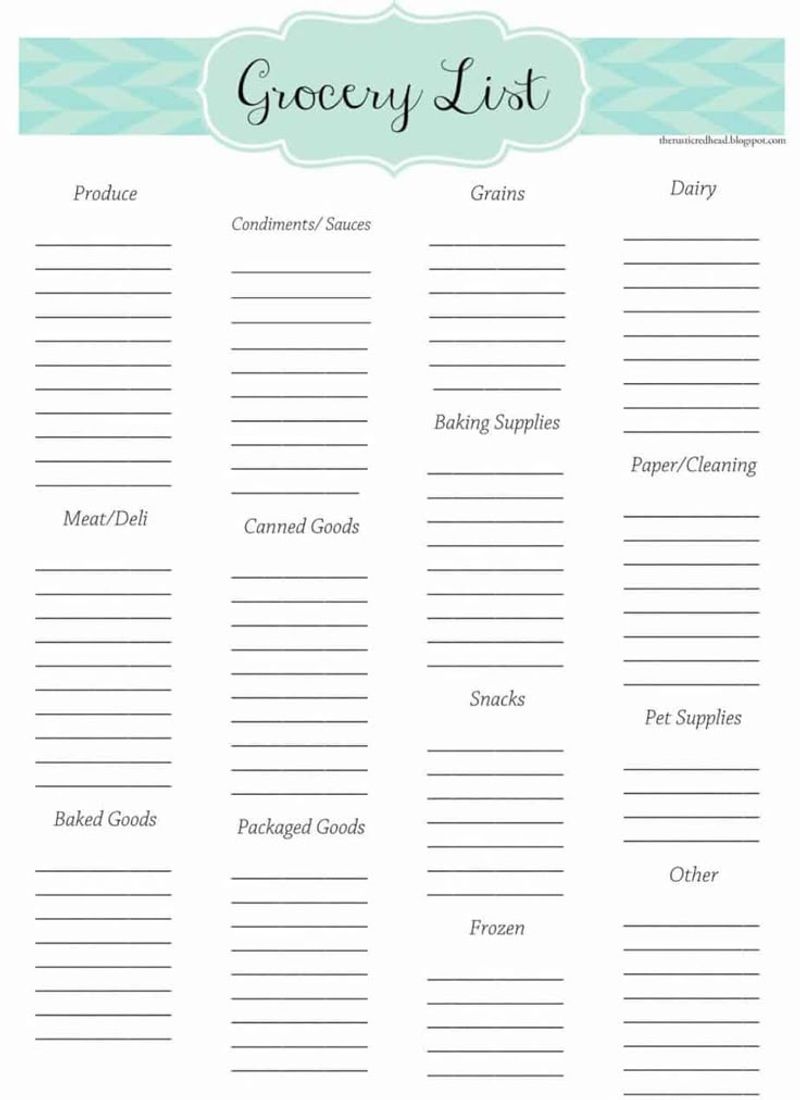
Grouping your grocery items by store section turns a chaotic shopping trip into a quick, focused mission. Instead of zigzagging across the store, you move through each department once and keep moving.
Try organizing your list into categories like produce, dairy, bakery, meat, and frozen foods. Your future self will thank you for the time saved.
This small habit can cut your shopping time nearly in half on a busy weekday.
4. Keep a Running List During the Week
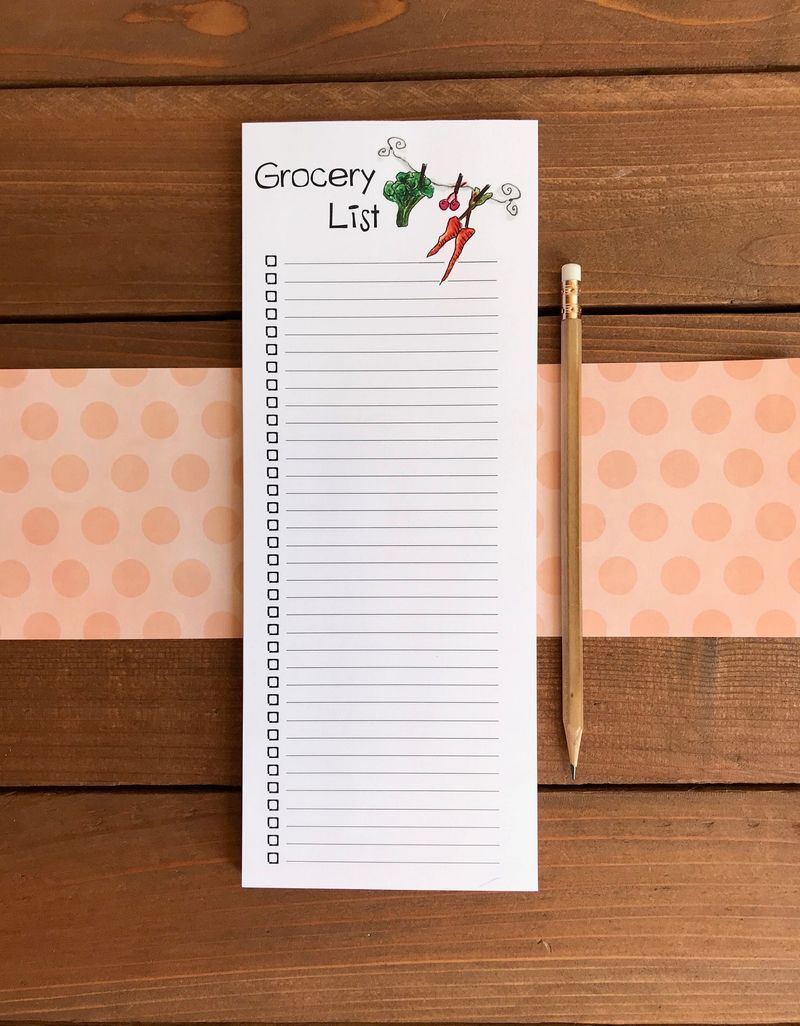
Ever run out of ketchup on taco night and not realize it until you're already at the store? Keeping a running list throughout the week solves that problem completely.
Hang a notepad on the fridge or use a notes app on your phone. Whenever something runs low or runs out, add it immediately.
By the time your shopping day arrives, your list is practically written itself without any stressful last-minute guessing.
5. Set a Realistic Budget Before You Shop
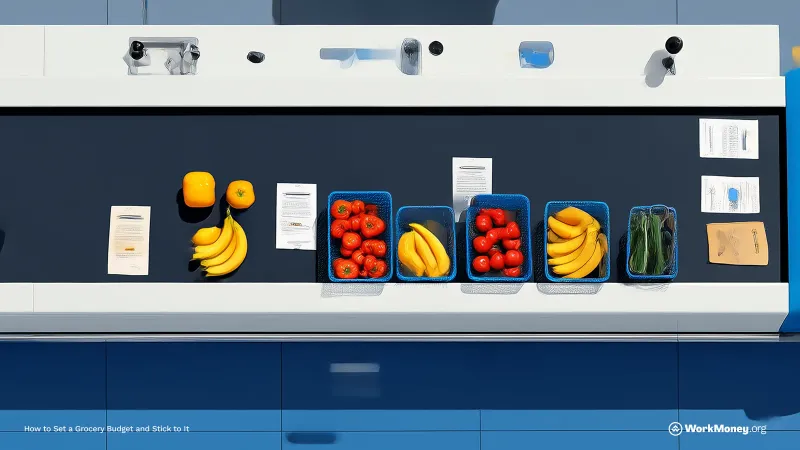
Walking into a grocery store without a budget is like leaving the house without your wallet plan. You end up overspending on things that look good in the moment but weren't part of the plan.
Decide on a weekly food budget before you even write your list. This helps you make smarter choices about which brands to buy and what can wait until next week.
Sticking to a number keeps your finances healthier alongside your fridge.
6. Include Snacks and Beverages
Snacks and drinks have a sneaky way of getting left off the grocery list, and then someone is raiding the pantry by Tuesday afternoon wondering where all the food went.
Make a dedicated section on your list for snacks, juice, water, and any beverages your household drinks regularly. Planning these items ahead prevents impulse buys at the store.
Plus, having the right snacks stocked means fewer trips through the drive-through during the week.
7. Don't Shop Hungry

Science actually backs this one up: shopping on an empty stomach leads to buying more high-calorie, impulse items than you planned. Everything looks amazing when you haven't eaten.
Eat a light meal or snack before heading to the store. You'll stick to your list more easily and avoid tossing random treats into the cart.
This one simple habit can save you a surprising amount of money and keep your cart much closer to what you actually need.
8. Use a Grocery List App
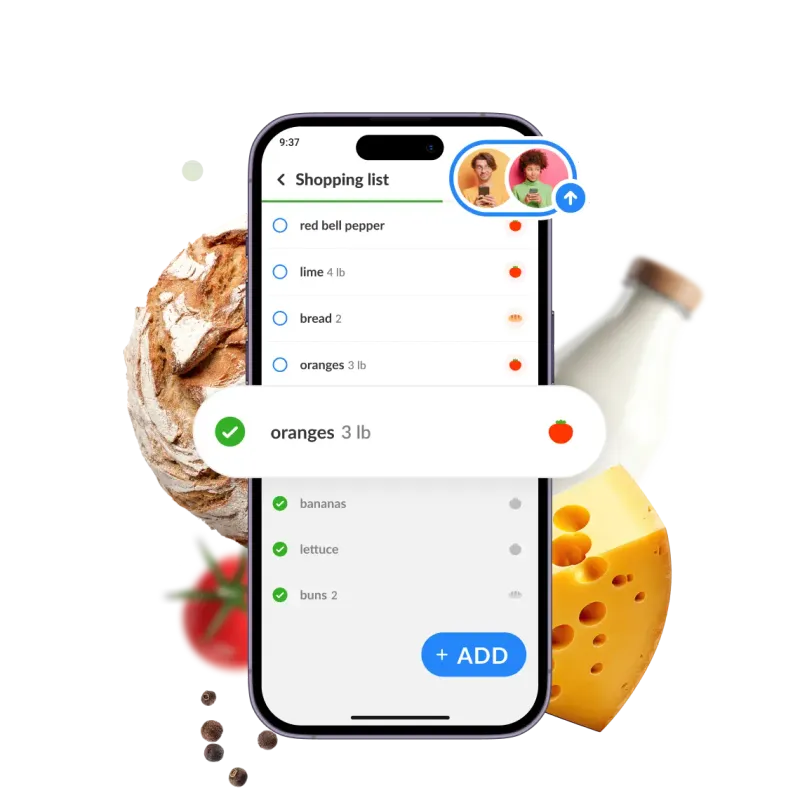
Paper lists are great, but they have one big flaw: you will leave it on the counter at home at least once. A grocery list app lives in your pocket wherever you go.
Apps like AnyList, OurGroceries, or even a simple notes app let you check off items as you shop and share lists with family members in real time. No more duplicate buys when two people shop the same week.
Technology makes this weekly chore genuinely easier.
9. Plan for Leftovers Intentionally
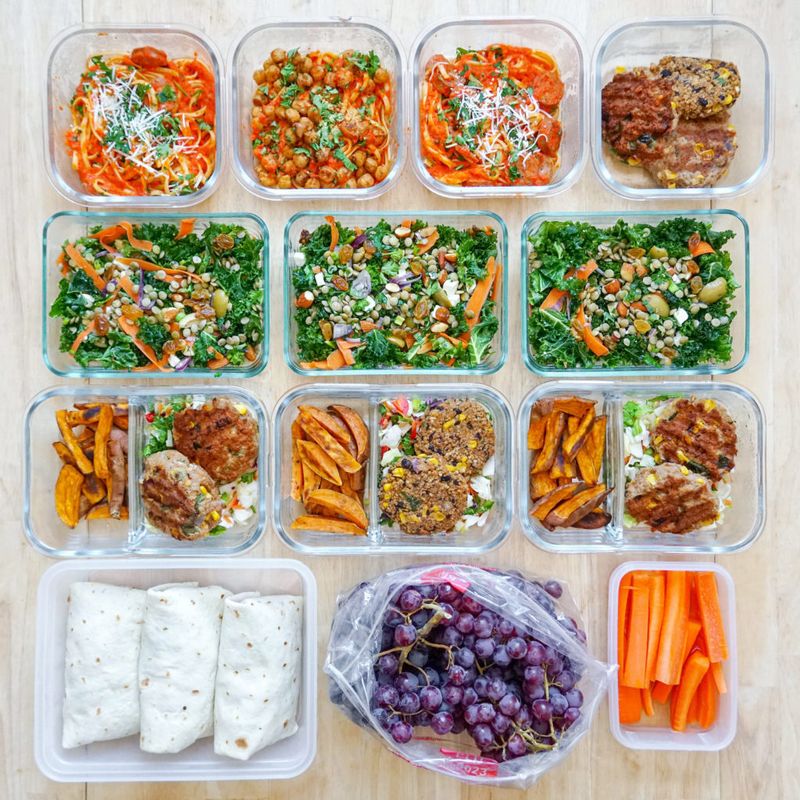
Leftovers get a bad reputation, but intentionally cooking extra portions is one of the smartest budget moves a household can make. Plan one or two meals each week that are meant to stretch across multiple days.
A big pot of soup, a sheet pan of roasted veggies, or a large batch of rice can fuel several meals without extra shopping. Building this into your list reduces waste, saves cooking time, and keeps your grocery budget looking healthy.
10. Write Down Quantities, Not Just Items
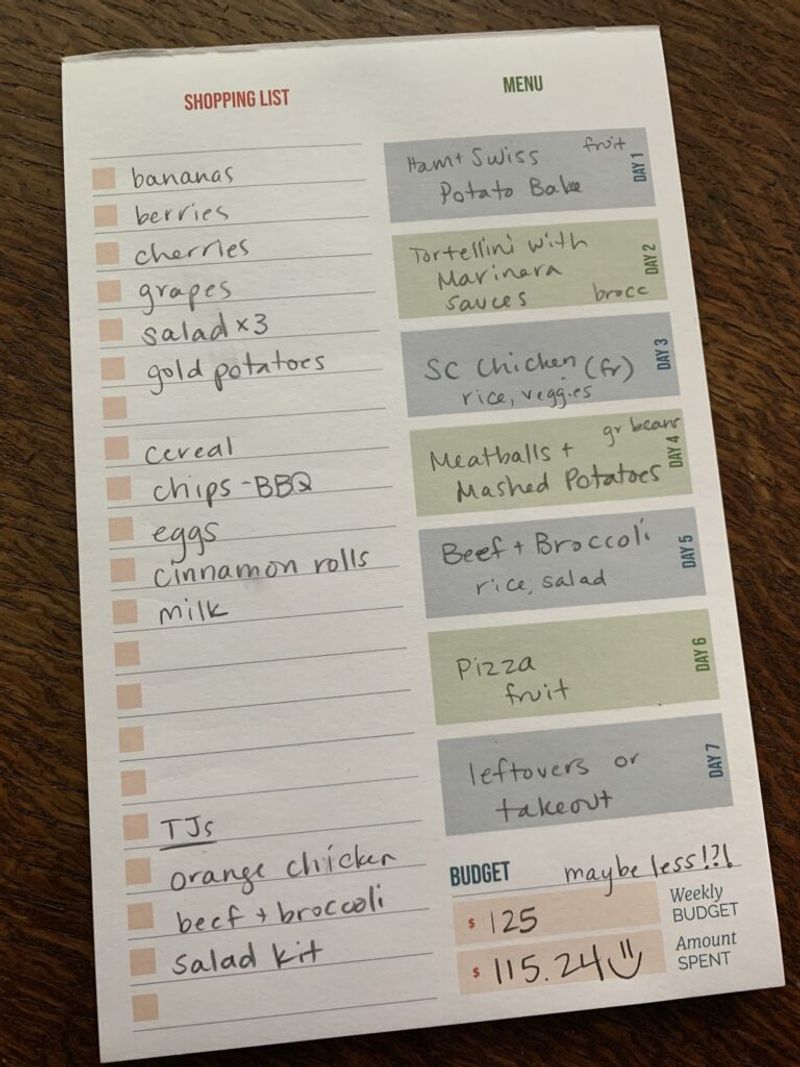
Writing just 'chicken' on your list sounds fine until you're standing at the meat counter wondering if you need one pound or three. Quantities matter more than most people think.
Get specific with amounts based on your meal plan. Note things like '2 lbs ground beef' or '1 dozen eggs' so there is zero guesswork at the store.
This also helps you compare prices per unit and avoid buying way more than your recipes actually call for.
11. Take Advantage of Weekly Sales and Coupons
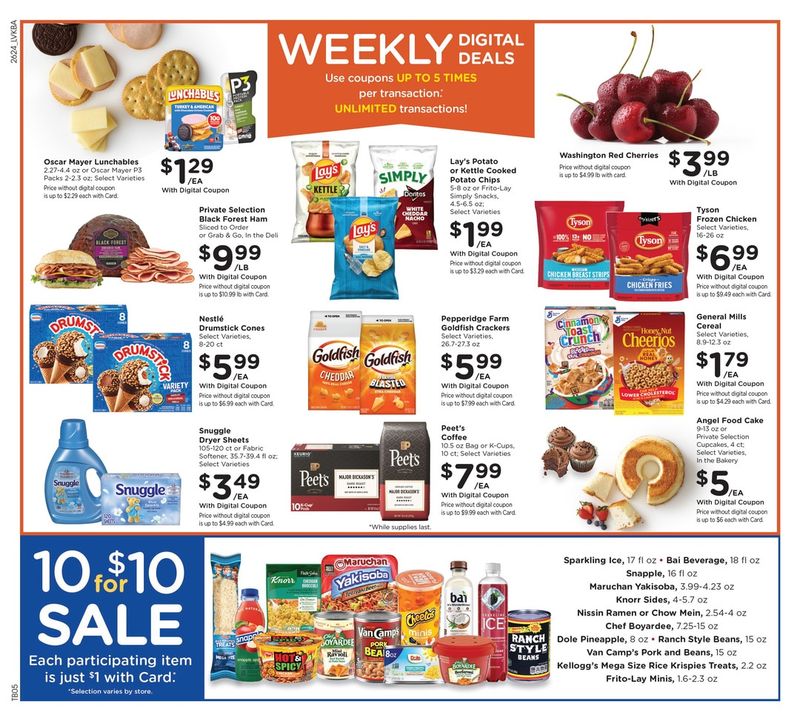
Checking your store's weekly ad before finalizing your list is like finding a small treasure. Sales and coupons can slash your total bill without any real extra effort on your part.
Many grocery store apps show current deals right on your phone. If chicken thighs are on sale, build a meal around them.
Adjusting your list to match what's discounted that week is a flexible, money-smart habit that experienced shoppers swear by every single week.
12. Stick to the Perimeter of the Store
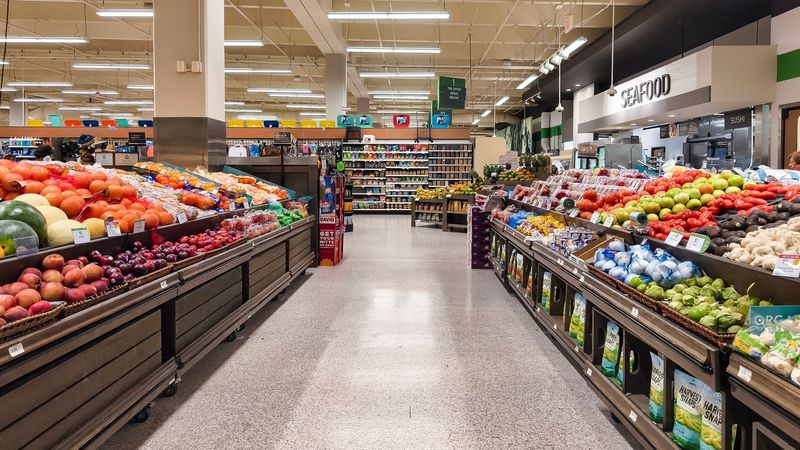
Here's a shopping strategy nutritionists love: the freshest, most wholesome foods in any grocery store are almost always found along the outer edges. That's where produce, meat, dairy, and bakery items live.
The center aisles tend to be packed with processed, packaged foods loaded with added sugar and salt. Building your list with perimeter-focused items first helps you prioritize fresh, nutritious choices.
You can still grab pantry staples from the middle aisles, but the perimeter is your foundation.
13. Batch Similar Recipes Together
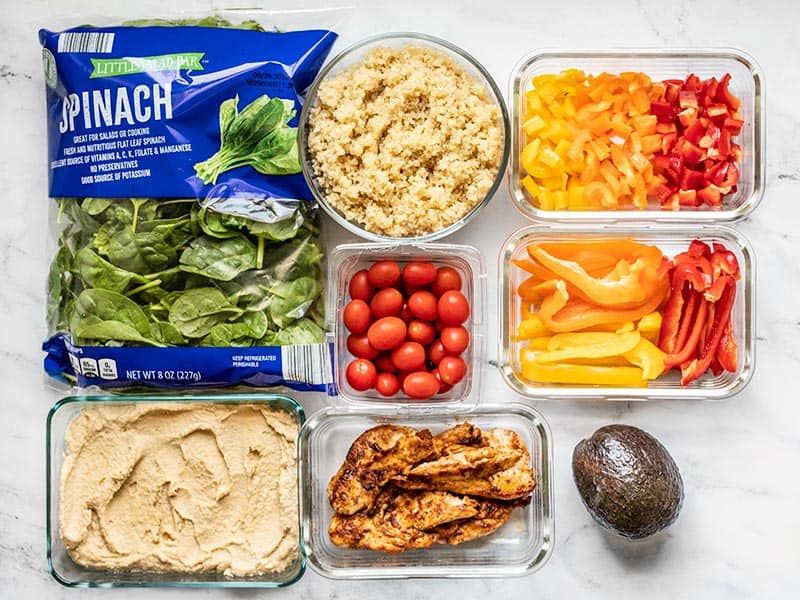
Cooking two recipes that share ingredients is one of the cleverest ways to stretch your grocery budget without eating the same thing twice. Think of it as ingredient teamwork.
For example, if one dinner uses half an onion and another uses the other half, you only buy one onion total. Planning meals with overlapping ingredients cuts down on waste and keeps your list shorter.
It takes a little creativity upfront but pays off throughout the entire week.
14. Don't Forget Household Essentials

Toilet paper. Dish soap.
Trash bags. These are the items that never make the grocery list until you desperately need them at 10 PM on a Sunday.
Sound familiar?
Add a small household essentials section to your weekly list so nothing slips through the cracks. Cleaning supplies, toiletries, and paper products belong right alongside your food items.
Treating your grocery list as a whole-home supply list keeps your household running smoothly without those annoying emergency store runs.
15. Try a Template You Can Reuse
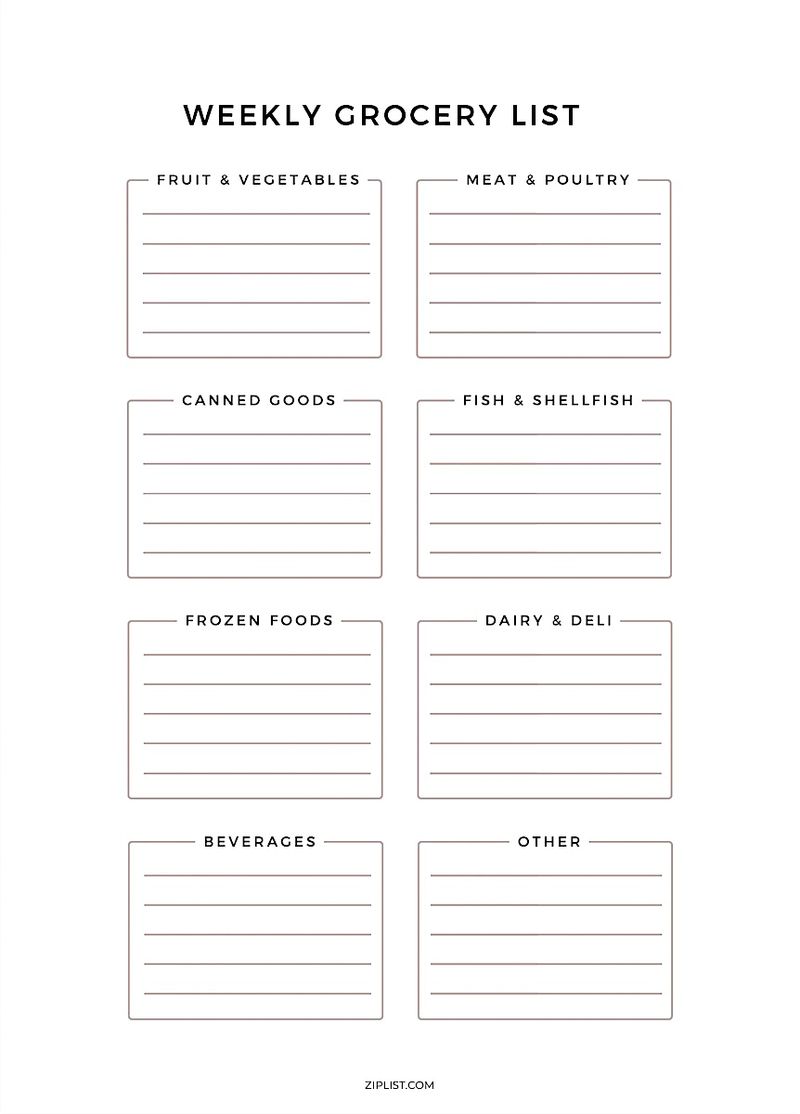
Starting from scratch every single week is exhausting and easy to skip. A reusable grocery list template changes that completely by giving you a reliable starting point every time.
Create a simple template with your most common categories and staple items pre-listed. Each week, you just review and adjust based on your meal plan.
Printable templates are easy to find online, or you can make your own in under ten minutes. Consistency makes the habit stick much faster.
16. Plan One Flexible 'Wildcard' Meal

Life never goes exactly according to plan, and your meal schedule is no exception. Building one flexible wildcard meal into your weekly plan gives you breathing room when things shift.
This could be a simple stir-fry, pasta night, or breakfast-for-dinner using ingredients you already have. Keep a few versatile staples on your list each week specifically for this purpose.
Having a backup plan means you won't panic-order takeout just because Tuesday got unexpectedly crazy and dinner fell apart.
17. Review Your List One Final Time Before Leaving
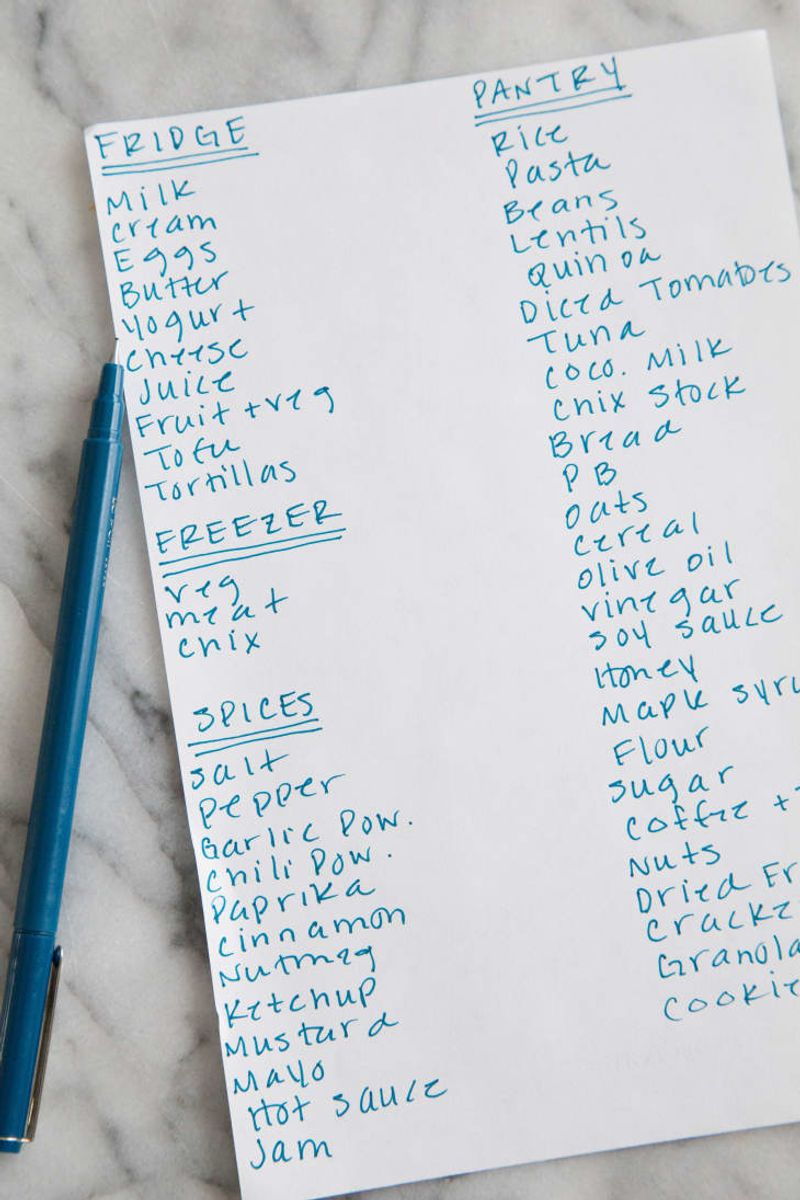
You've built the perfect list, but a one-minute review before you leave the house can catch anything you missed. It sounds simple because it is, and it genuinely works.
Read through your list and mentally walk through your week. Did you account for that Friday night dinner?
Did you forget coffee again? A final check prevents those forehead-slapping moments in the middle of the store.
Small prep steps like this are what separate a stressful shopping trip from a smooth one.
18. Reflect and Improve Each Week
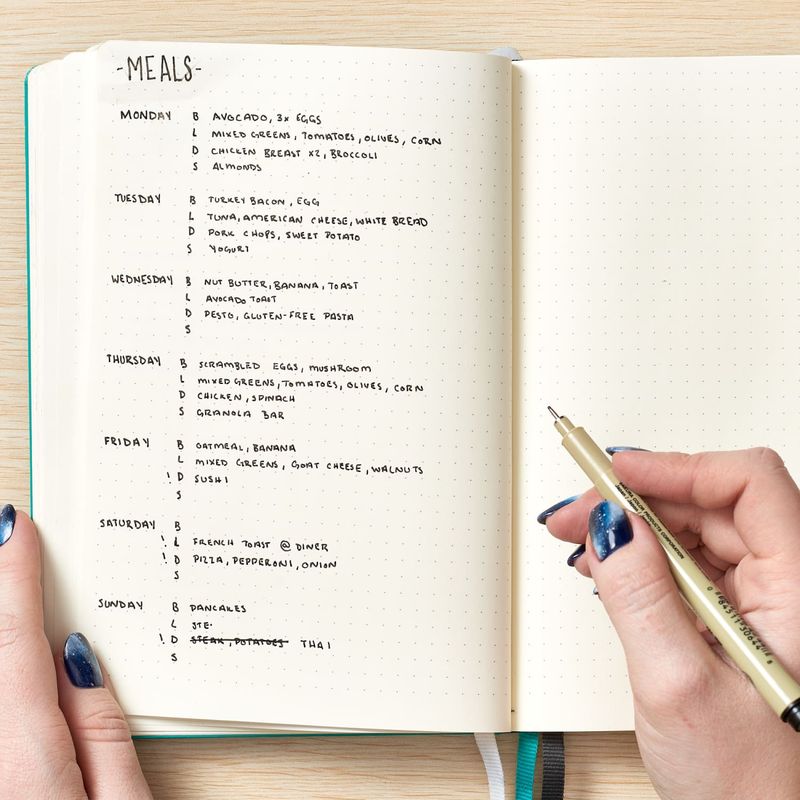
The best grocery list is one that keeps getting better. After each week, take two minutes to think about what worked and what didn't.
Did you buy things you didn't use? Did you run out of something important?
Jot down notes and adjust your template for next week. Over time, your list becomes highly personalized to your household's real habits and needs.
Grocery shopping stops feeling like a chore and starts feeling like a system you actually trust.




Comments
No Comments