













Britain is famous for fish and chips, roast dinners, and afternoon tea, but the country has so much more to offer on the food front. Hidden across local cafes, family kitchens, and regional restaurants are dishes that rarely get the spotlight they deserve.
Some have been around for centuries, while others quietly became comfort food staples without anyone making a big fuss. Get ready to discover the meals that Brits love but the world tends to overlook.
1. Bubble and Squeak
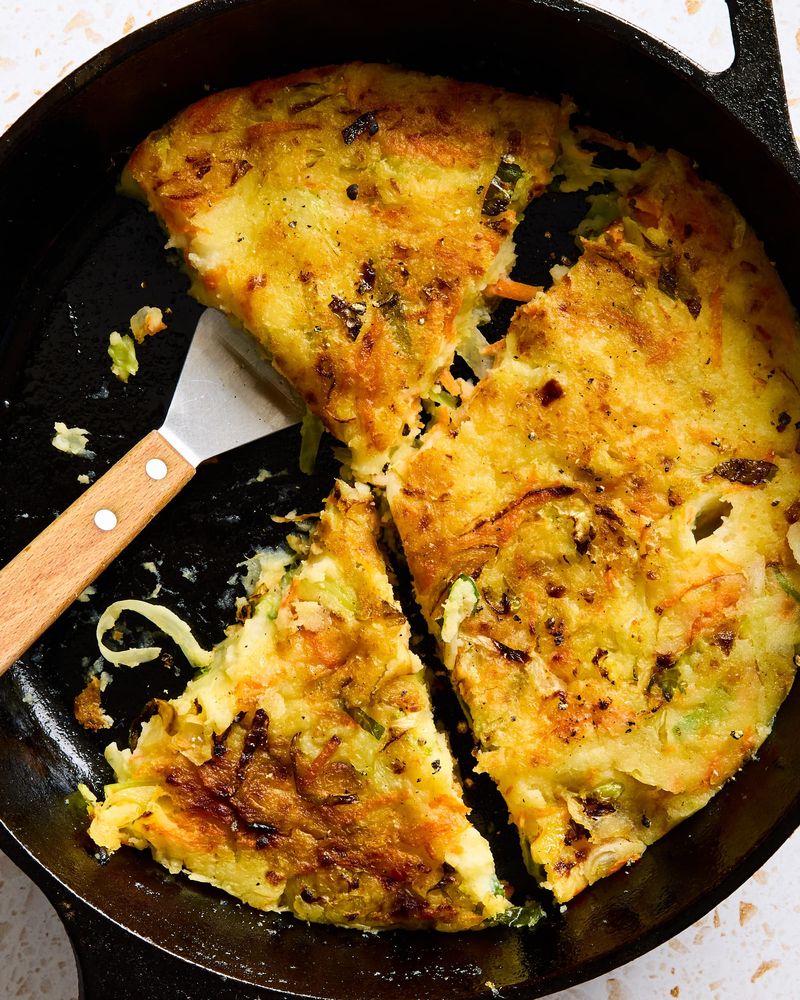
Leftover vegetables never looked so good. Bubble and squeak is made by frying up mashed potato and cooked cabbage into crispy patties or a flat cake that turns golden at the edges.
It gets its quirky name from the sounds the ingredients make while cooking.
Traditionally served as a Monday morning meal using Sunday roast leftovers, it is wonderfully satisfying and cheap to make. Top it with a fried egg and you have a proper breakfast that beats anything from a packet.
2. Cullen Skink
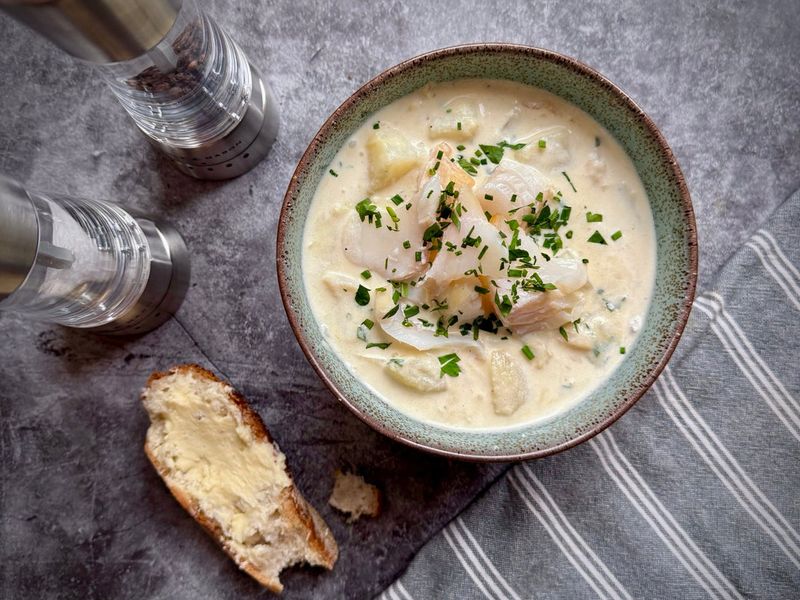
Scotland gave the world this velvety smoked haddock soup, and yet most people outside of the Highlands have never heard of it. Cullen Skink is thick, creamy, and deeply smoky in the best possible way.
It comes from the coastal town of Cullen in Moray.
Made with flaked smoked haddock, potatoes, and onions simmered in milk or cream, every spoonful feels like a warm hug on a cold day. Serve it with crusty bread and wonder why it is not more famous.
3. Stargazy Pie
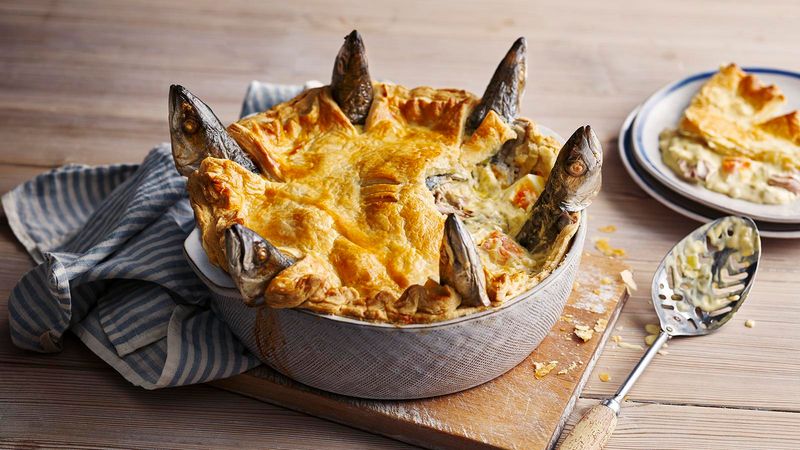
Few dishes are as dramatic as stargazy pie, a Cornish creation where whole pilchard or sardine heads poke through the pastry crust as if gazing at the stars. It sounds unusual, but the story behind it is genuinely heartwarming.
Legend says a fisherman named Tom Bawcock braved a terrible storm to bring back fish and save a starving village. The pie was made to celebrate his bravery.
The fish heads poking out show the catch was plentiful, and the flavor is rich, savory, and deeply satisfying.
4. Laverbread
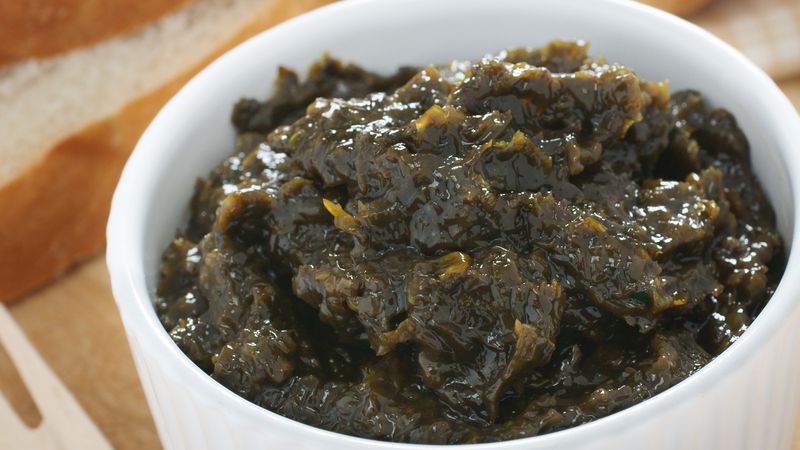
Do not let the name fool you into thinking this is a baked loaf. Laverbread is a Welsh delicacy made from pureed seaweed that has been boiled and cooked down into a dark, silky paste.
It has a briny, earthy taste that is genuinely unlike anything else.
Locals often mix it with oatmeal and fry it into small cakes served with bacon and cockles as part of a Welsh breakfast. Packed with iron and minerals, it is as nutritious as it is unique and surprisingly delicious.
5. Potted Shrimps
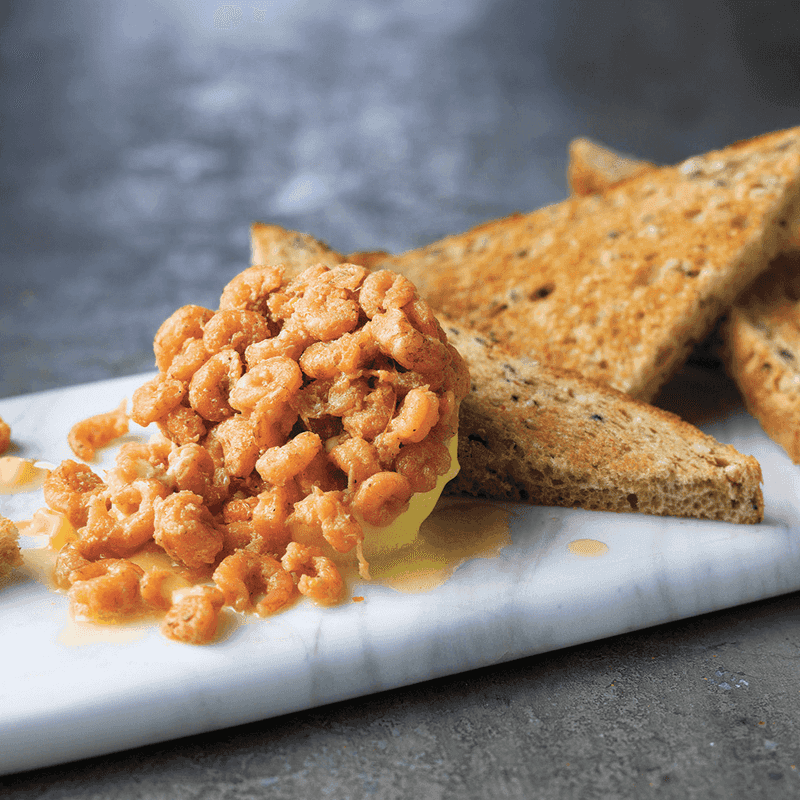
Potted shrimps have been eaten in Britain since the 18th century, yet they rarely appear on modern menus outside of traditional seaside towns. Tiny brown shrimps from Morecambe Bay are cooked and preserved in spiced clarified butter flavored with mace, nutmeg, and a pinch of cayenne.
Spread cold on warm toast, the butter melts and the shrimps release an incredible depth of flavor. It is a starter that feels luxurious without requiring much effort at all.
A true hidden gem of British food culture.
6. Devilled Kidneys
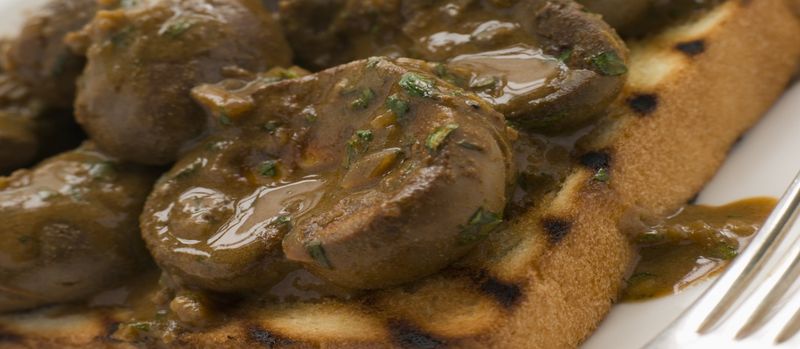
Once a staple of Victorian breakfast tables, devilled kidneys have quietly faded from British menus and that is a real shame. Lamb kidneys are cooked quickly in a fiery sauce made with mustard, Worcestershire sauce, and cayenne, then piled high on thick toast.
The combination of tender offal and punchy, tangy sauce is genuinely bold and exciting. Some people are put off by the idea of kidneys, but those who try them are usually converted instantly.
This dish deserves a serious comeback on British breakfast menus.
7. Parkin
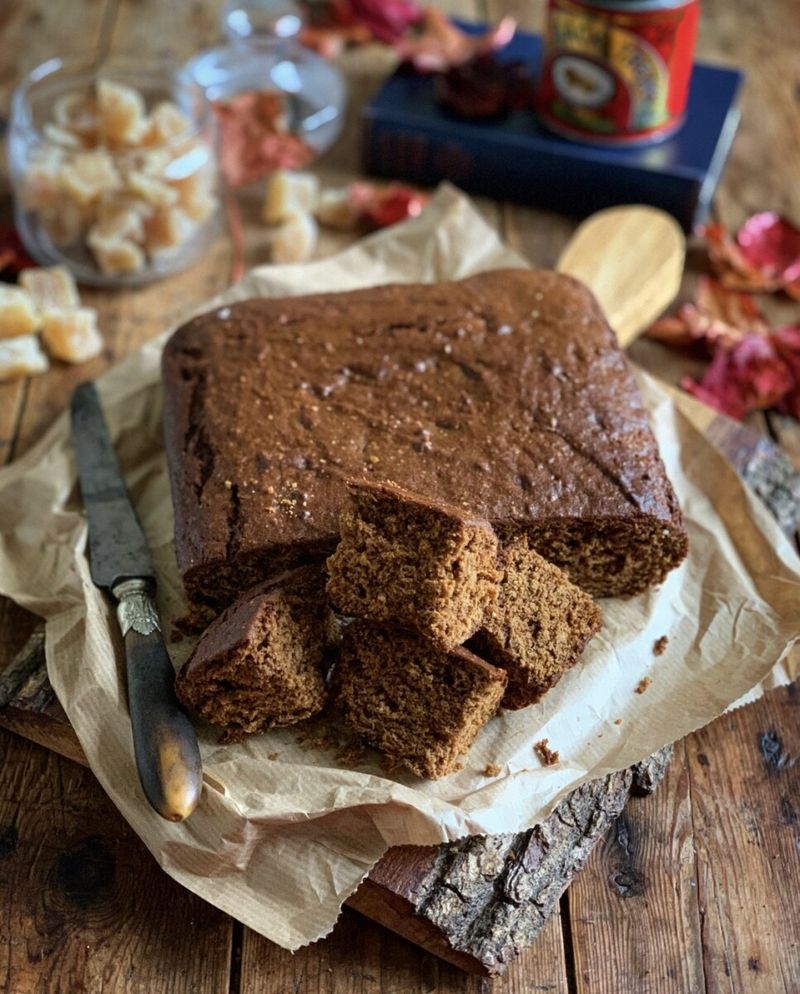
Sticky, dark, and wonderfully warming, parkin is a northern English ginger cake made with oatmeal and black treacle that gets better the longer you leave it. Yorkshire and Lancashire both claim it as their own, and the friendly rivalry adds to its charm.
Traditionally eaten around Bonfire Night in November, it has a dense chewiness that sets it apart from regular ginger cake. Many families have their own secret recipe passed down through generations.
One bite and you will understand why parkin has survived for hundreds of years.
8. Faggots and Mushy Peas
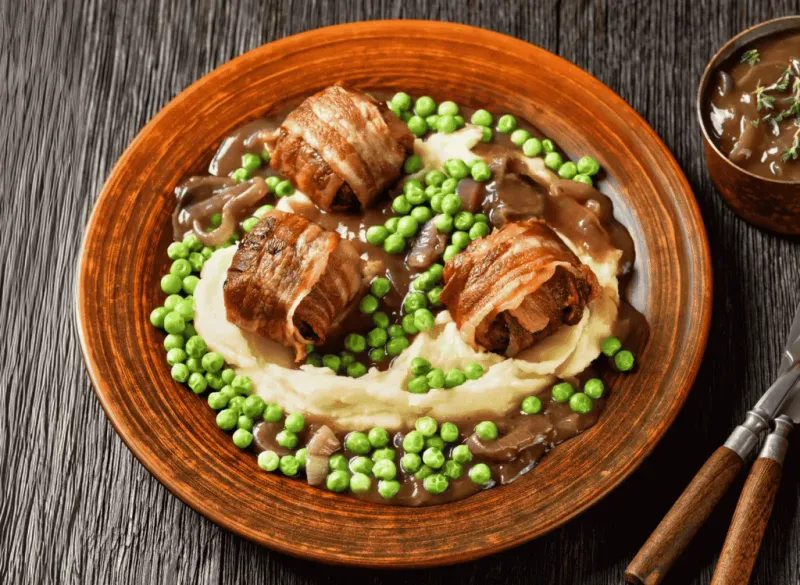
Faggots are one of those old-fashioned dishes that younger generations have largely forgotten about, which is a genuine loss for British food culture. These small balls of seasoned minced pork and offal are baked in a rich onion gravy until tender and deeply flavorful.
Paired with a generous mound of mushy peas, it is the kind of hearty, no-nonsense meal that working-class Britain was built on. The taste is earthy, savory, and completely comforting.
Once you try them, you will wonder where they have been all your life.
9. Kedgeree
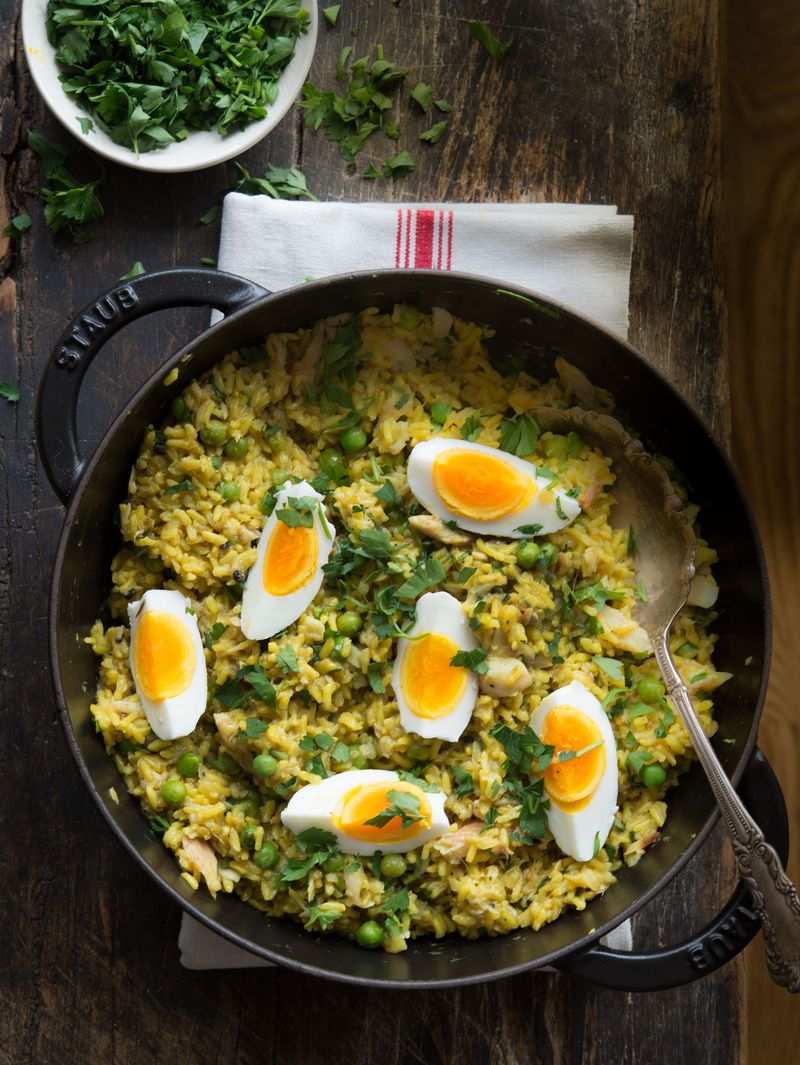
Kedgeree tells the story of British history in a single dish. It arrived in Britain via the colonial connection with India, transforming the simple Indian dish khichdi into a smoked haddock and rice creation spiced with curry powder, topped with boiled eggs and fresh herbs.
It became a beloved Victorian breakfast but works just as well for lunch or dinner. The combination of smoky fish, fragrant spice, and fluffy rice is genuinely brilliant.
More people should be eating this on a regular weekday morning instead of plain toast.
10. Clootie Dumpling
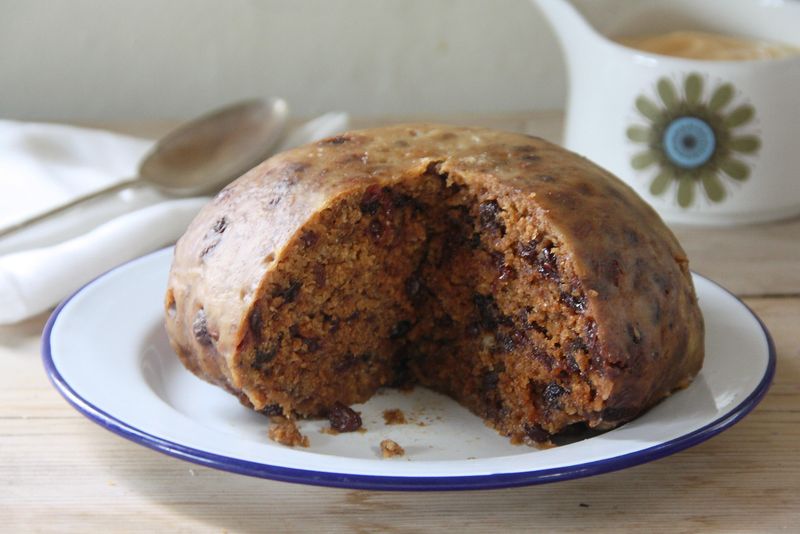
A Scottish celebration would not feel complete without a clootie dumpling on the table. This dense, spiced fruit pudding is wrapped in a cloth called a clootie and boiled for hours until it develops a distinctive skin on the outside and a moist, rich center.
Packed with dried fruit, treacle, and warming spices, it is traditionally served at Christmas or birthdays, sometimes with coins or charms hidden inside for luck. The skin is often fried up the next day as a leftover treat that many Scots consider even better than the original.
11. Brawn
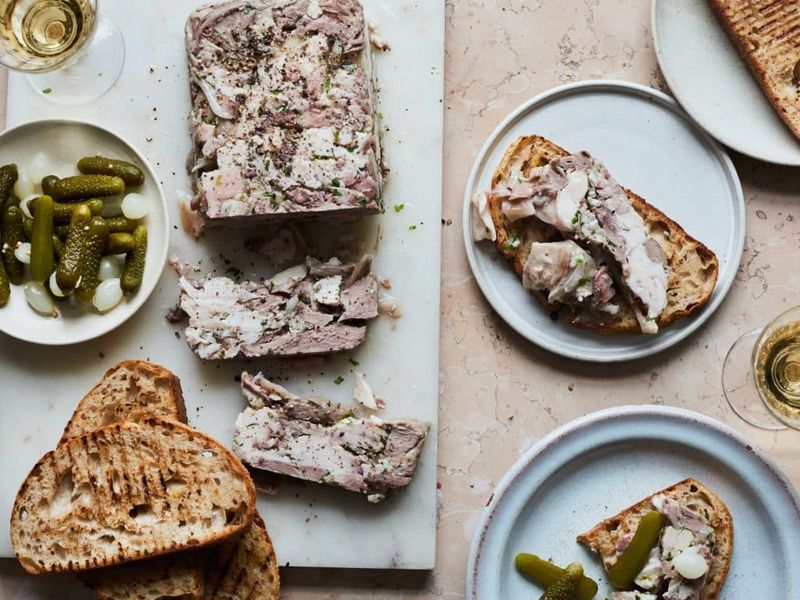
Brawn sounds intimidating, but it is essentially a beautifully crafted pressed meat terrine made from the head of a pig, cooked until the meat falls apart and then set in its own natural jelly. It has been eaten in Britain for centuries and is a masterpiece of nose-to-tail cooking.
Sliced thin and served with sharp pickles and crusty bread, the flavor is rich, porky, and deeply satisfying. It is the kind of food that challenges your assumptions and rewards your bravery.
Charcuterie boards across Europe celebrate similar dishes, yet Britain often forgets its own version.
12. Singing Hinnies
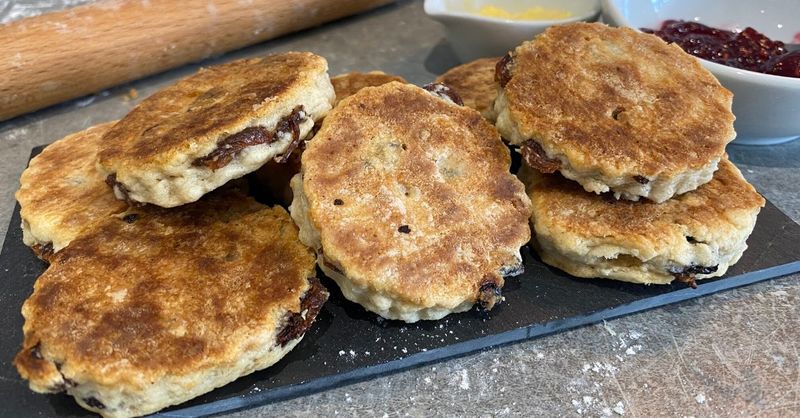
Named after the sizzling sound they make on the griddle, singing hinnies are a Northumbrian treat that almost nobody outside the northeast of England knows about. These flat, round griddle cakes are made with flour, lard, and currants, cooked until golden and served warm with butter.
The word hinny is a Geordie term of endearment, which tells you everything about how locals feel about this humble little cake. Soft in the middle with slightly crispy edges, they are best eaten fresh off the griddle.
A true taste of northeast England.
13. Pease Pudding
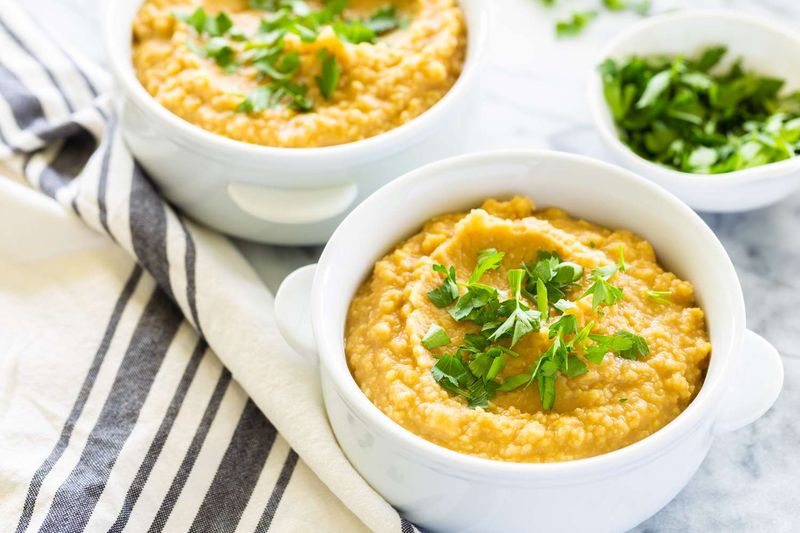
There is an old nursery rhyme about pease pudding hot, pease pudding cold, and yet this ancient British dish has almost vanished from everyday eating. Made by boiling yellow split peas until thick and smooth, it has a mild, earthy flavor that pairs brilliantly with ham and mustard.
In the northeast of England, it is still sold in butchers and eaten in sandwiches or alongside pork. It is incredibly cheap to make, filling, and nutritious.
Pease pudding deserves to be rediscovered by a whole new generation of food lovers.
14. Eel Pie
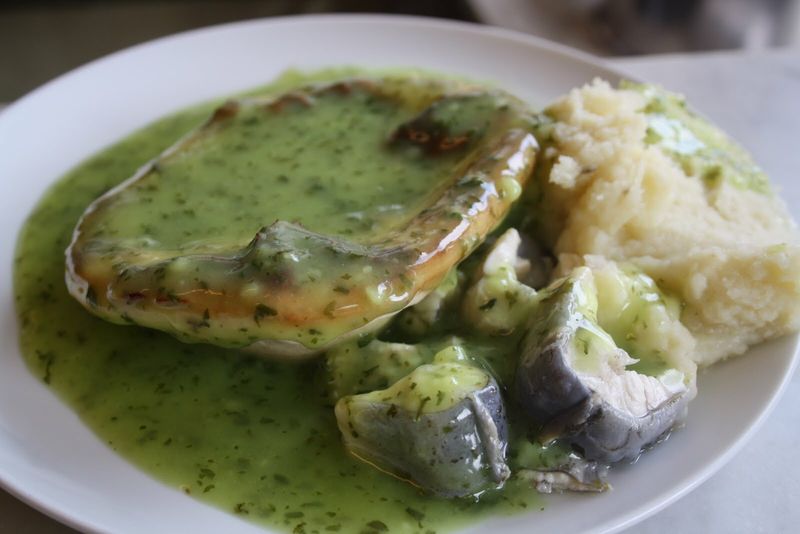
Eel pie was once the fast food of working-class London, sold from riverside stalls and pie shops across the East End for generations. Chunks of eel are simmered until tender, encased in shortcrust pastry, and traditionally served with a bright green parsley sauce called liquor.
The combination might sound old-fashioned, but the flavor is genuinely excellent. Thames eel pie shops, like the famous Manze's, have kept this tradition alive.
It is a proud piece of London culinary history that deserves far more attention than it currently gets from food enthusiasts.
15. Clapshot
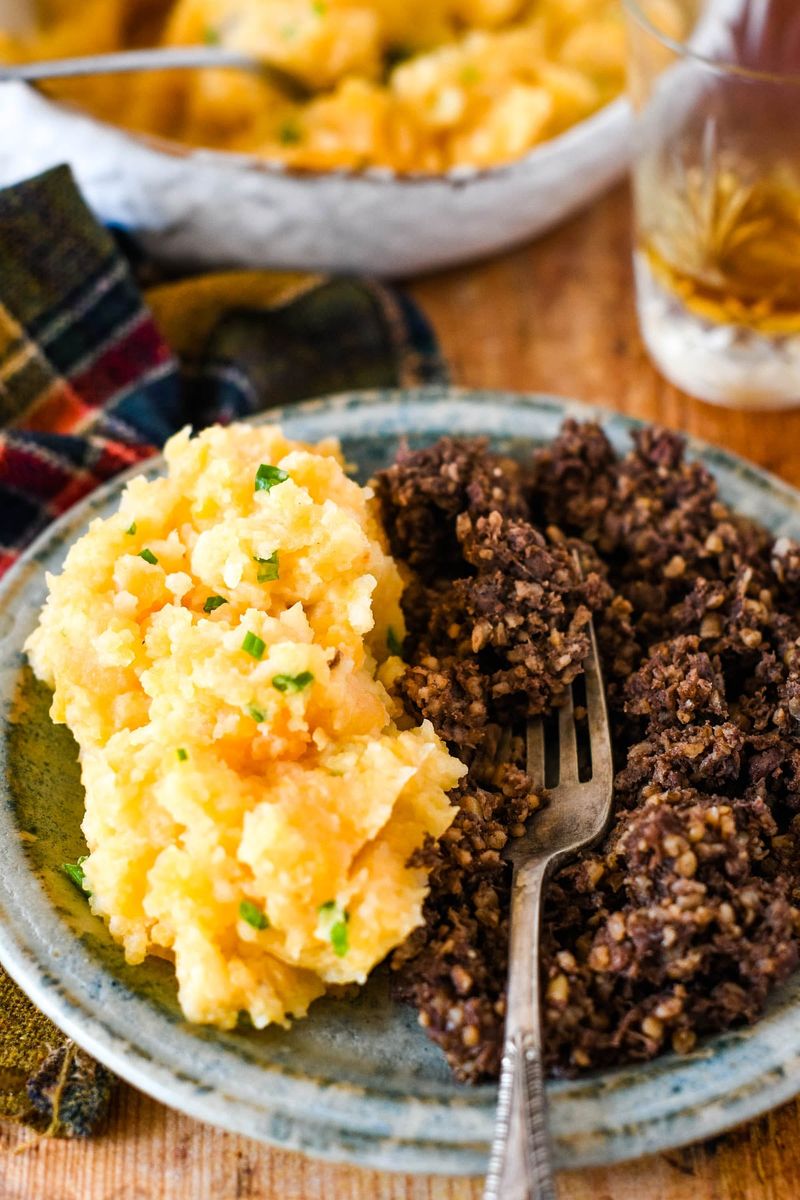
Mashed potato is universally loved, but Scotland quietly makes it even better with clapshot. This Orcadian side dish combines equal parts mashed turnip and potato with butter, salt, and sometimes chives or dripping for extra richness.
The result is creamier and more flavorful than plain mash.
It is the traditional companion to haggis and is often served on Burns Night in January. The slight sweetness of the turnip balances the starchy potato perfectly.
Once you try clapshot alongside a savory main, plain mashed potato will feel like it is missing something important.
16. Huffkins
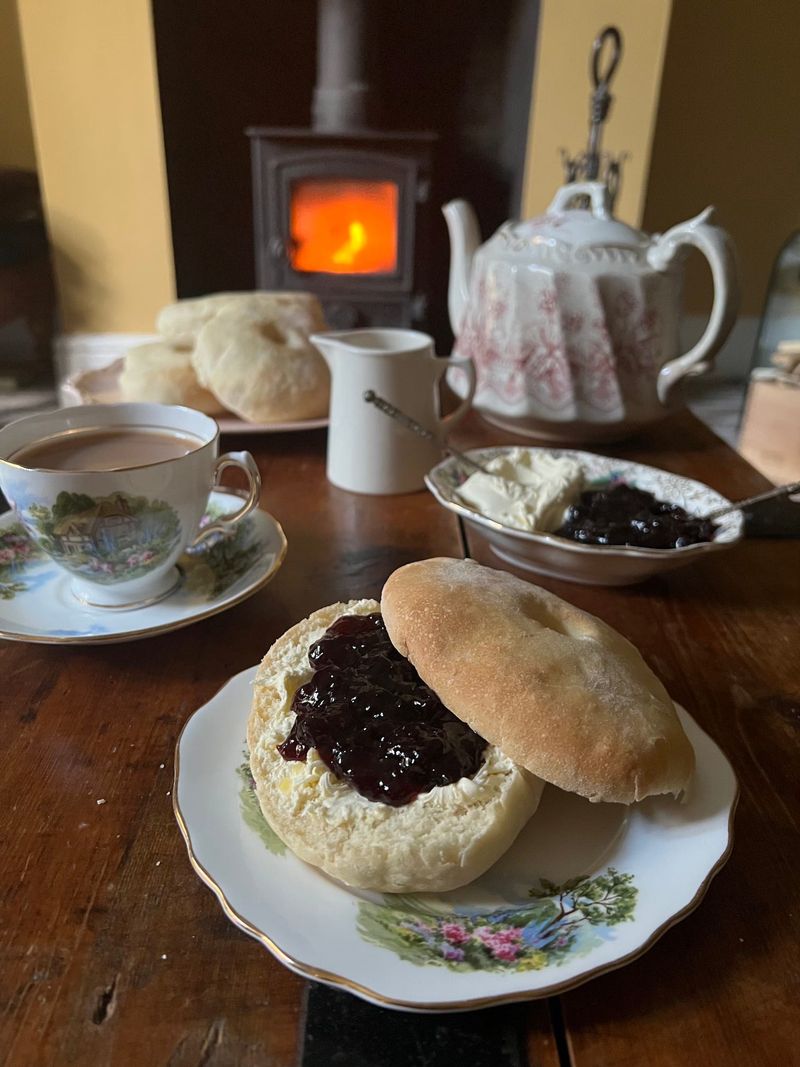
Kent is known for its orchards and hop gardens, but its baking heritage deserves equal recognition. Huffkins are soft, oval flatbreads with a distinctive dimple pressed into the center, traditionally baked in the county for hundreds of years and eaten with butter, jam, or cream.
The texture is pillowy and light, somewhere between a bread roll and a crumpet in spirit. They were historically made for hop-pickers working in the fields during harvest season.
Huffkins are a charming slice of Kentish identity that most people outside the county have never had the pleasure of tasting.
17. Rumbledethumps
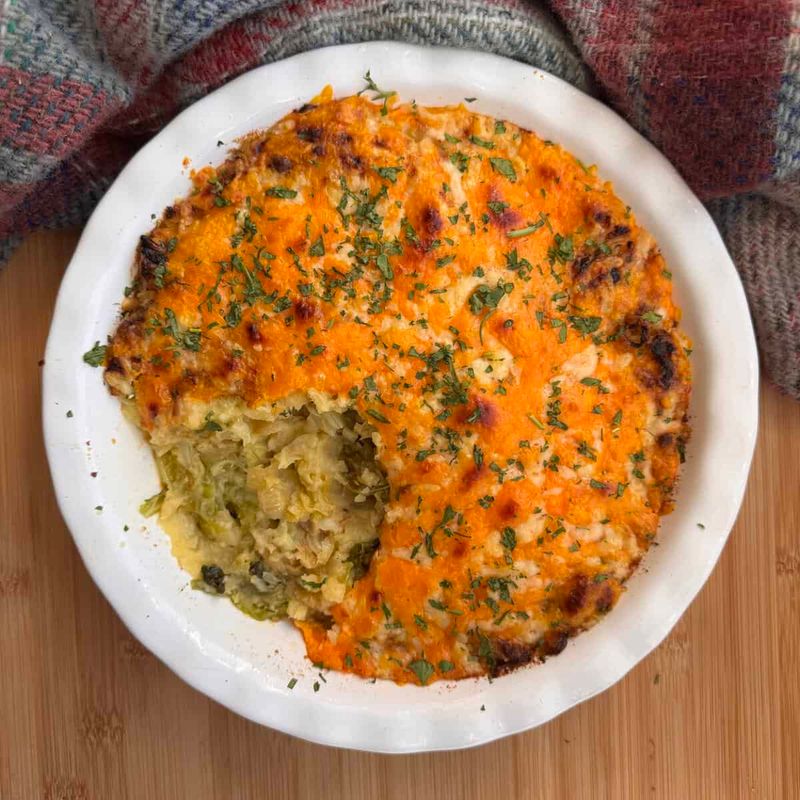
With a name this fun, it is hard to believe rumbledethumps is not more famous. This hearty Scottish dish from the Borders region combines mashed potato, cabbage, and onion, then tops the whole thing with a generous layer of cheddar cheese before baking until golden and bubbling.
Think of it as Scotland's answer to a potato bake, except with more personality and far more flavor. It is comfort food at its most honest.
Families across the Borders have been making this for generations, and it remains one of the most satisfying vegetarian dishes in British cooking.
18. Hindle Wakes
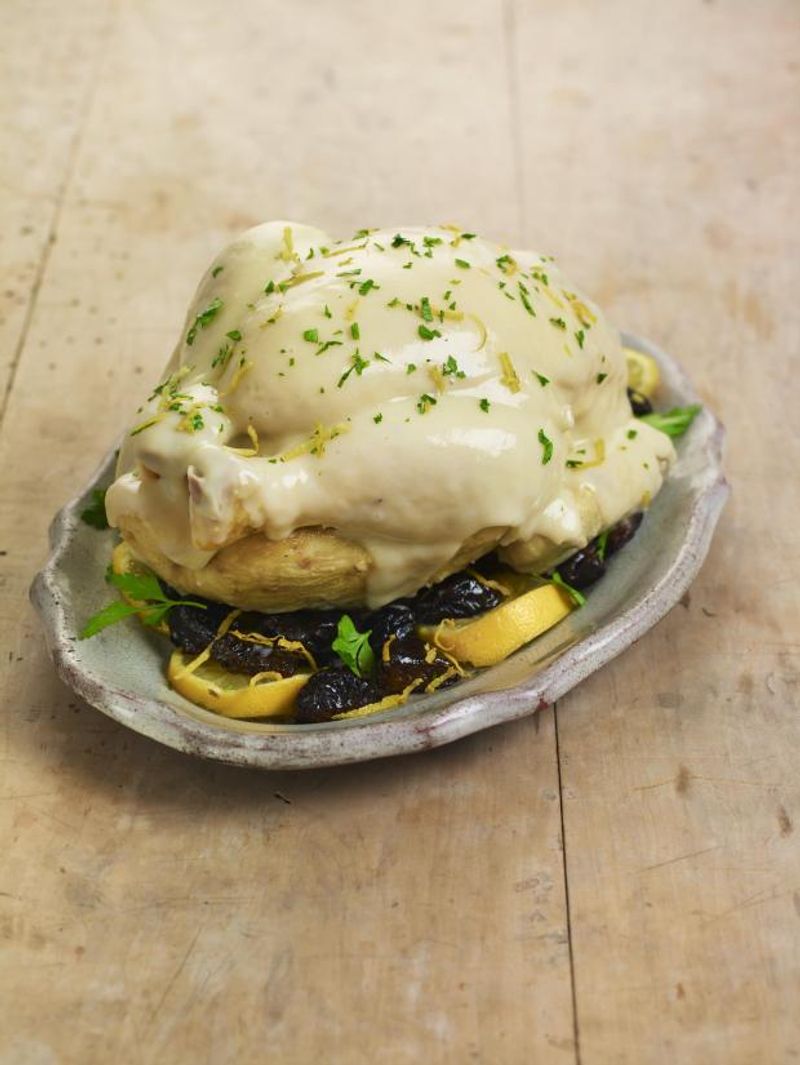
Hindle Wakes is one of Britain's most fascinating forgotten dishes, a cold poached chicken stuffed with prunes and lemon zest, then draped in a sharp, creamy lemon sauce. It originates from Lancashire and was traditionally made for the Wakes Week holiday celebrated by mill workers.
The name likely comes from a corruption of Hen de la Wake, reflecting its medieval French roots. Sweet, tangy, and savory all at once, the flavor combination is surprisingly sophisticated.
Food historians adore it, yet most British people today have never even heard of this remarkable dish.




Comments
No Comments