













Some ingredients walk into a room before you do. Their smell hits you instantly, filling the kitchen with something bold, sharp, or downright funky — yet when you actually taste them, the flavor is surprisingly mild or even subtle.
This disconnect between nose and palate is one of cooking's most fascinating tricks. Get ready to meet the ingredients that are all bark and very little bite.
1. Truffle Oil
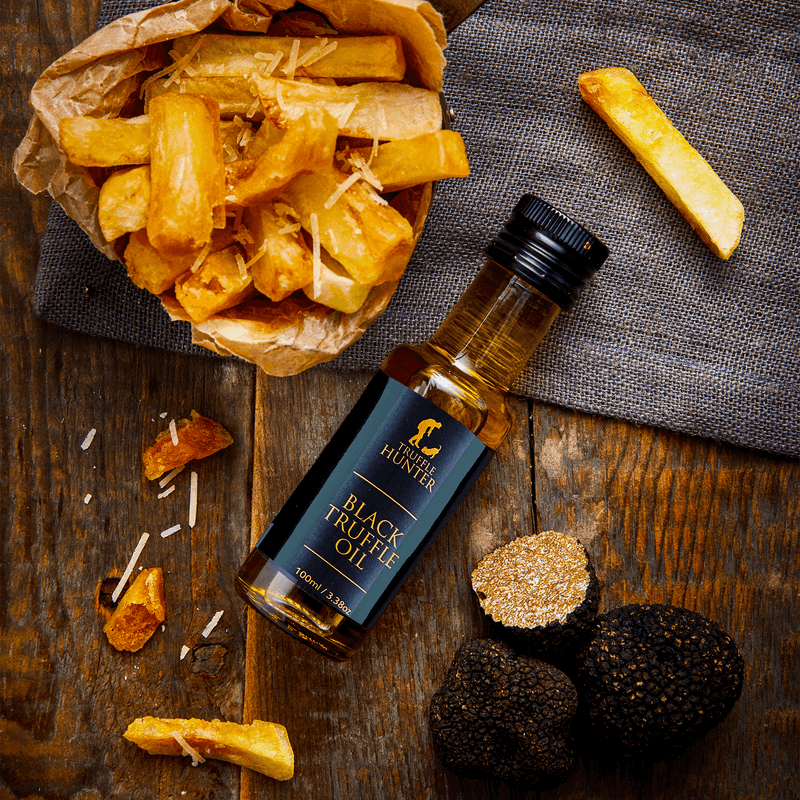
Walk past a dish drizzled with truffle oil and your nose immediately goes wild. That earthy, musky, almost funky aroma is almost impossible to ignore.
But take a bite, and the flavor is surprisingly faint — especially in cheaper versions made with synthetic compounds.
Real truffle oil carries a whisper of flavor compared to its overwhelming scent. Chefs often use just a few drops because the smell does most of the heavy lifting at the table.
2. Garlic
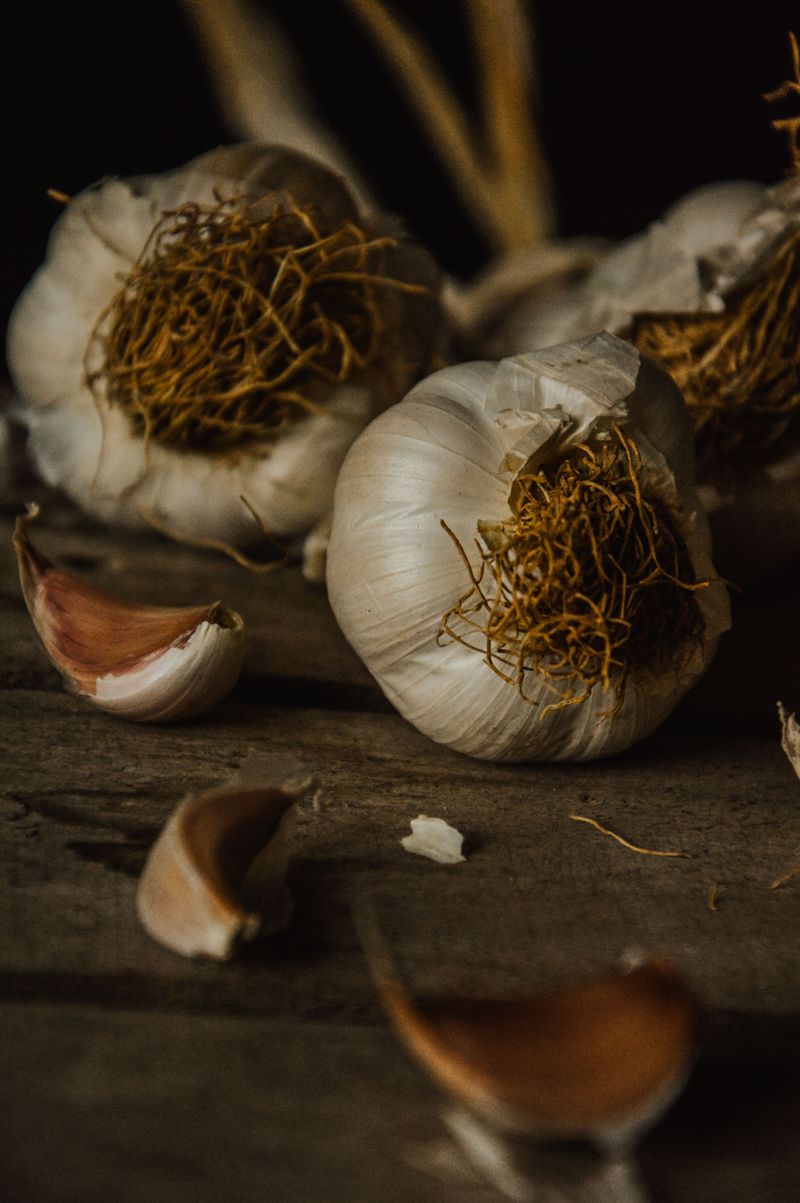
Few smells are as instantly recognizable as garlic sizzling in a pan. It fills the entire house within seconds, bold and almost aggressive.
Oddly enough, raw garlic tastes far sharper than cooked garlic, which mellows into something almost sweet and gentle.
When roasted whole, garlic becomes buttery and mild — nothing like the nose-tingling aroma that escapes the oven. It is one of cooking's greatest shape-shifters, smelling like a punch but tasting like a hug.
3. Blue Cheese
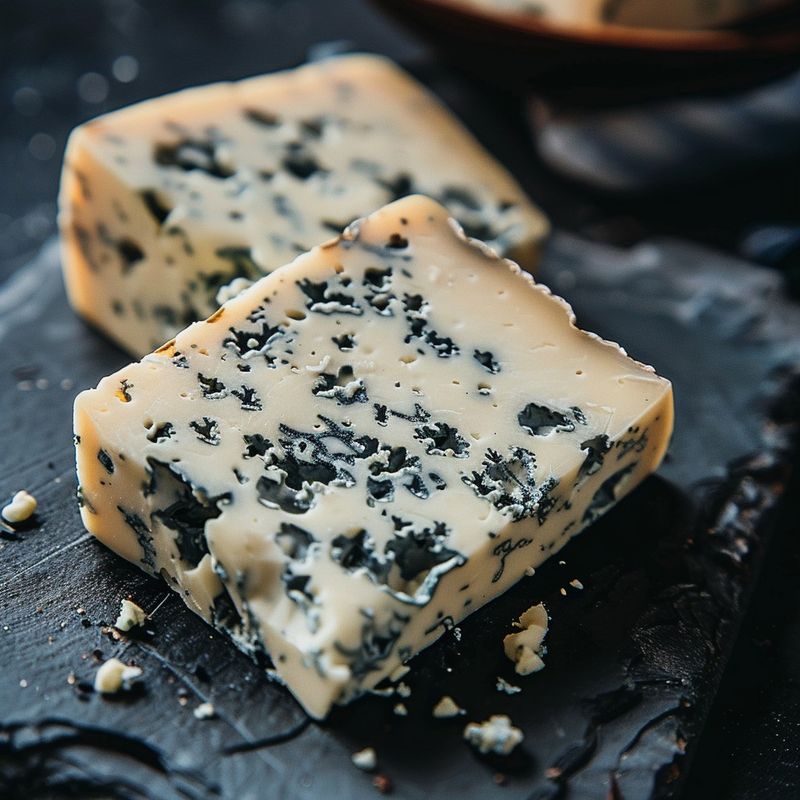
Blue cheese has a reputation that precedes it — and that reputation is built entirely on its smell. Funky, sharp, and almost barnyard-like, the aroma can clear a room.
Yet the actual taste is creamy, salty, and far more balanced than the scent suggests.
First-timers are often shocked by how rich and enjoyable blue cheese tastes once they get past the smell. The mold responsible for that odor actually creates complex, savory flavors that pair beautifully with honey or pears.
4. Fish Sauce
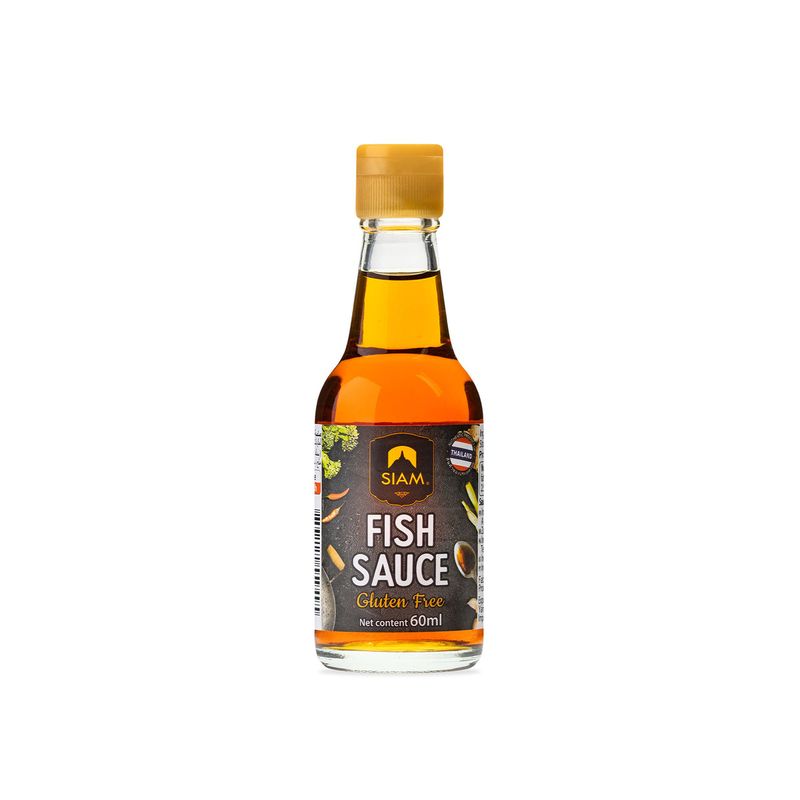
Opening a bottle of fish sauce for the first time is a bold experience. The smell is intensely fishy, salty, and fermented — not exactly an invitation to taste.
But add just a splash to a stir-fry or noodle dish, and something magical happens.
The flavor blends seamlessly into the background, adding deep umami richness without any obvious fishiness. It is the ultimate behind-the-scenes ingredient, smelling like the ocean floor but tasting like pure savory depth.
5. Durian
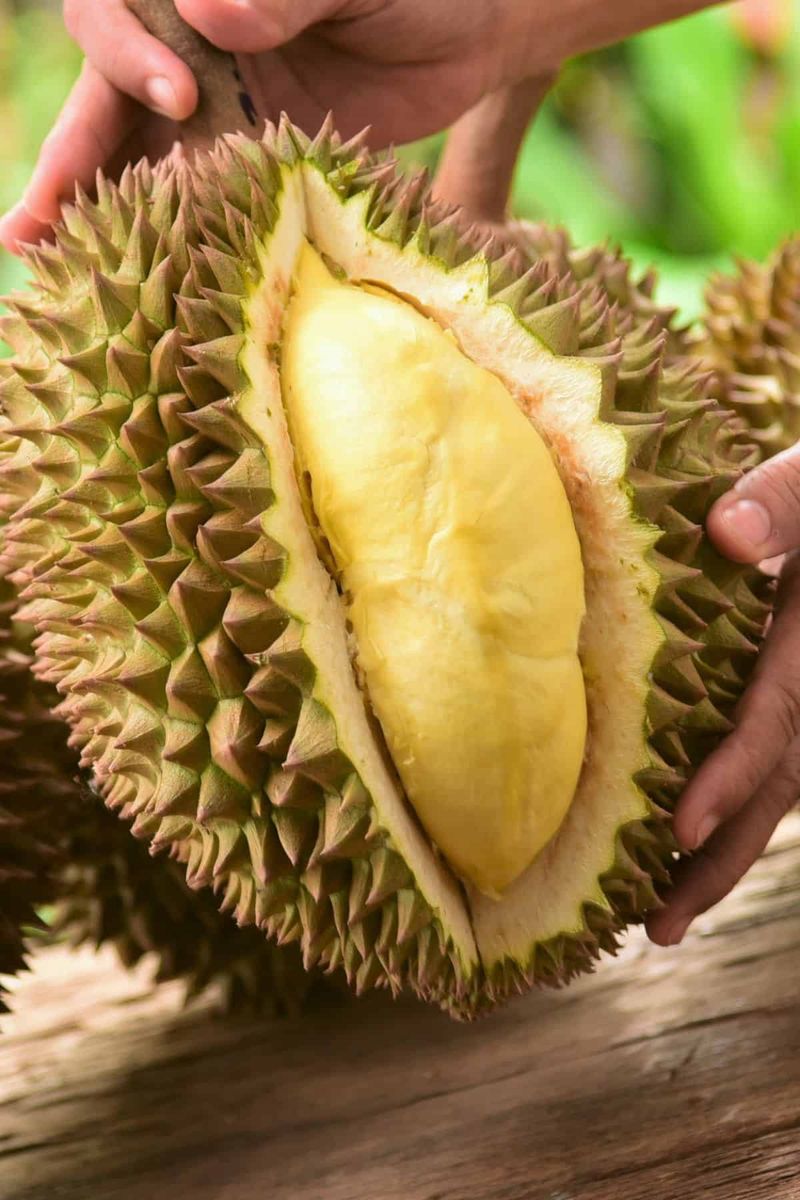
Durian is legendary for its smell — so powerful that it is banned in many hotels and public transit systems across Southeast Asia. Descriptions range from rotten onions to gym socks left in the sun.
Yet the creamy yellow flesh inside tastes rich, sweet, and almost custardy.
Fans compare the flavor to a mix of vanilla and banana pudding. The disconnect between smell and taste is so extreme that durian is practically two completely different foods depending on whether your eyes are open or closed.
6. Aged Parmesan
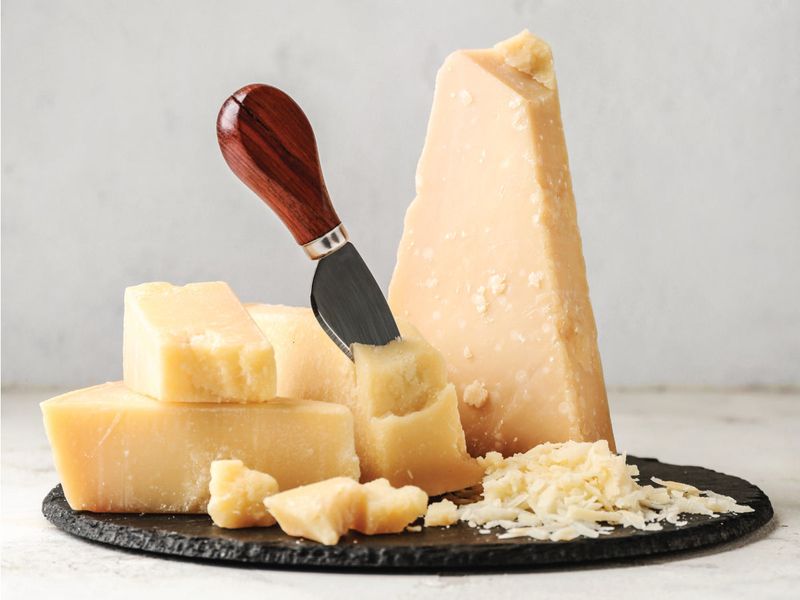
Pick up a block of aged Parmesan and hold it close — the smell is sharp, nutty, almost like sweaty feet mixed with something deeply savory. It sounds terrible, but that pungent aroma comes from the same amino acids that make the flavor so incredibly addictive.
Grated over pasta or risotto, Parmesan melts into a background of warm nuttiness and salt. The aggressive smell is just the preview; the taste is the standing ovation.
Aged Parmigiano-Reggiano can smell intense but tastes remarkably complex and smooth.
7. Miso Paste
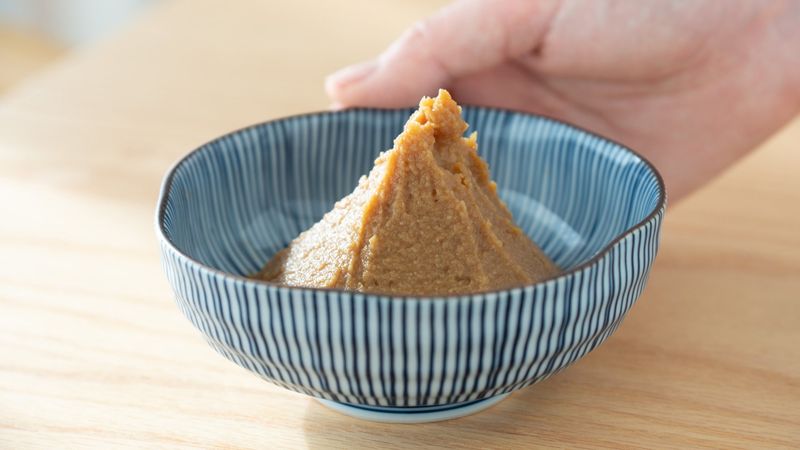
Miso paste carries a fermented, salty aroma that can smell almost overwhelming straight from the tub. There is a funky depth to it that makes first-timers hesitant.
Stirred into warm broth, though, miso transforms into something gentle, savory, and deeply comforting.
The strong smell fades into a background hum of umami once it hits heat and liquid. Japanese cooking has relied on miso for centuries precisely because that smell-to-taste ratio creates flavor without overpowering a dish.
A little goes a very long way.
8. Asafoetida (Hing)
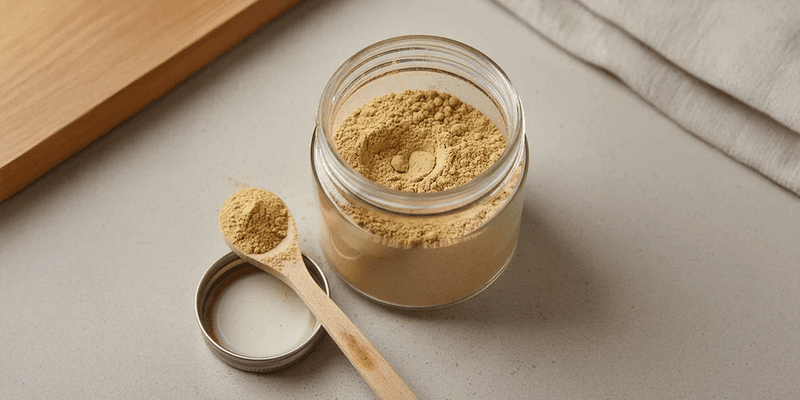
Asafoetida — commonly called hing in Indian cooking — earns its nickname "devil's dung" entirely from its raw smell. Sulfurous, sharp, and almost gag-inducing straight from the container, it is one of the most aggressively scented spices on Earth.
Cook it in hot oil for just thirty seconds, and it completely transforms into a mellow, onion-garlic flavor that blends invisibly into lentil dishes and curries. The raw smell is basically a warning label; the cooked result is surprisingly pleasant and aromatic.
9. Vanilla Extract
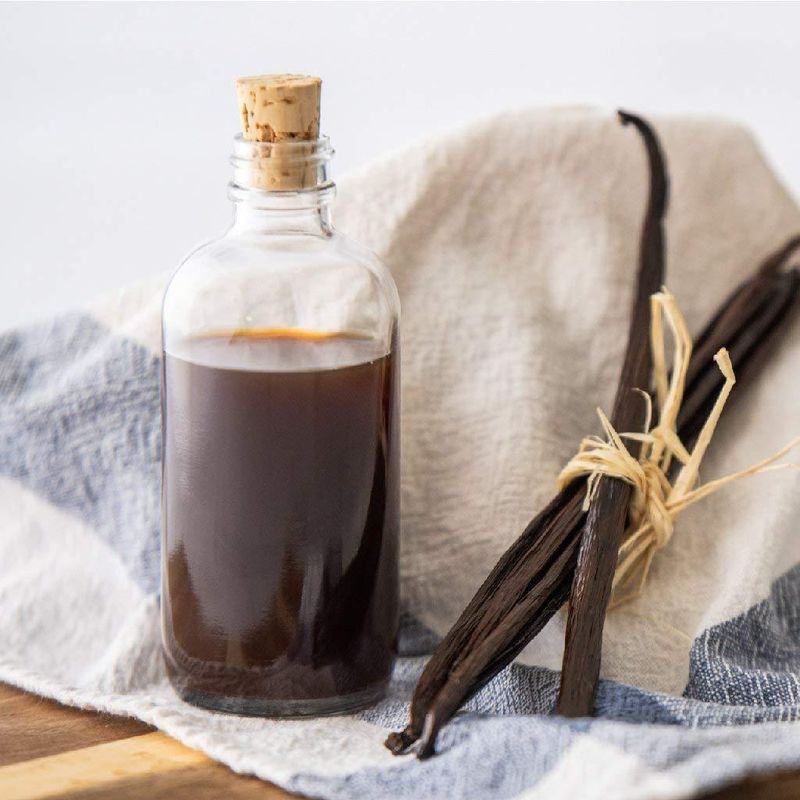
Pure vanilla extract smells absolutely heavenly — warm, sweet, floral, and rich. It is the scent of birthday cakes and cozy kitchens.
But take a tiny sip straight from the bottle and brace yourself: it tastes shockingly bitter, harsh, and nothing like its inviting aroma.
That bitterness comes from the alcohol used to extract vanilla compounds. Once baked into cookies or stirred into custard, the harshness disappears and only the warm, sweet flavor remains.
The smell is the promise; baking delivers on it.
10. Saffron
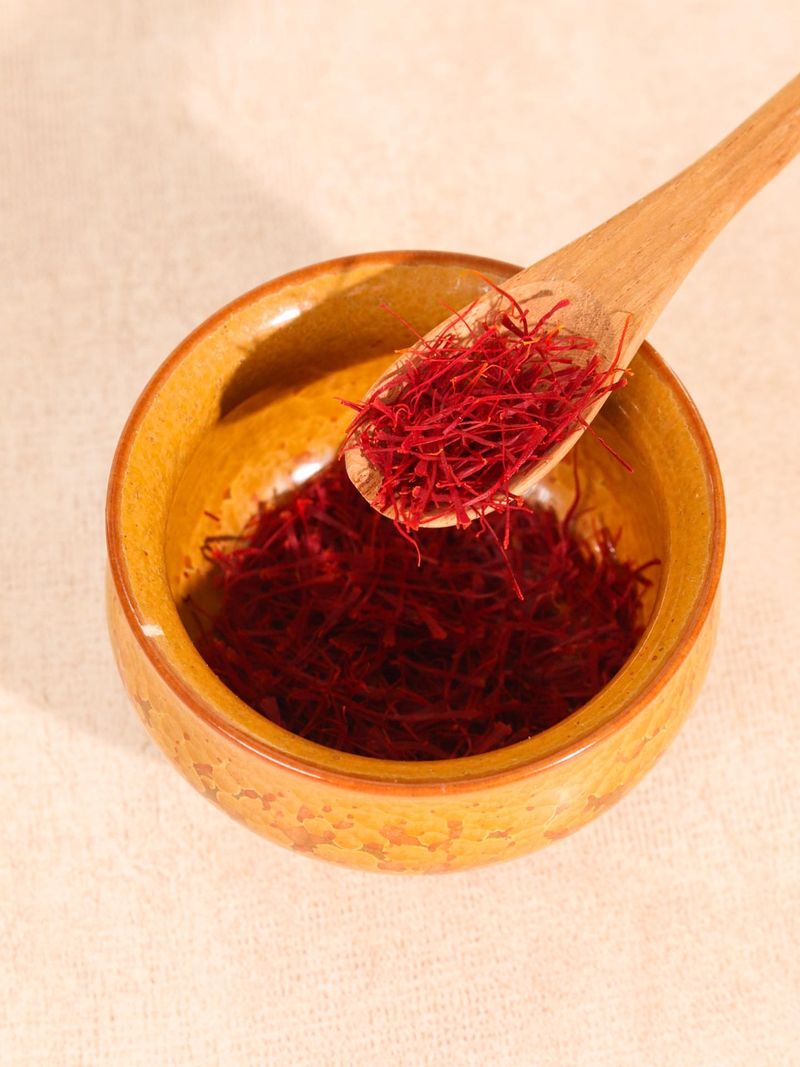
Saffron threads carry a distinctive honey-like, slightly metallic, almost hay-scented aroma that feels rich and exotic. The smell alone seems to promise bold, dramatic flavor.
But in a finished paella or risotto, saffron's taste is surprisingly delicate and floral — more of a whisper than a shout.
Most of saffron's magic is actually visual, turning dishes a gorgeous golden yellow. The aroma it releases during cooking is far more noticeable than what lands on your tongue.
It is the most expensive spice in the world, famous mostly for its scent and color.
11. Rosemary
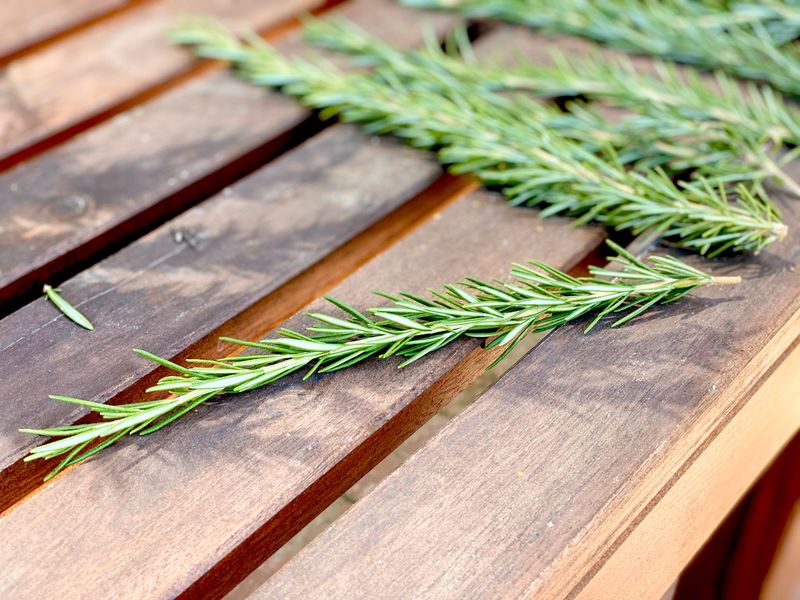
Crush a rosemary sprig between your fingers and the smell is immediate and intense — piney, resinous, almost medicinal. It is one of the most potent herb aromas in any kitchen garden.
Taste a raw leaf, however, and the flavor is woody and mildly bitter, not nearly as powerful as the scent suggests.
Cooked into roasted meats or focaccia, rosemary mellows beautifully. The aroma that fills the oven is always stronger than the flavor in the final dish.
Still, rosemary is a staple herb that rewards anyone who uses it generously.
12. Fermented Black Beans
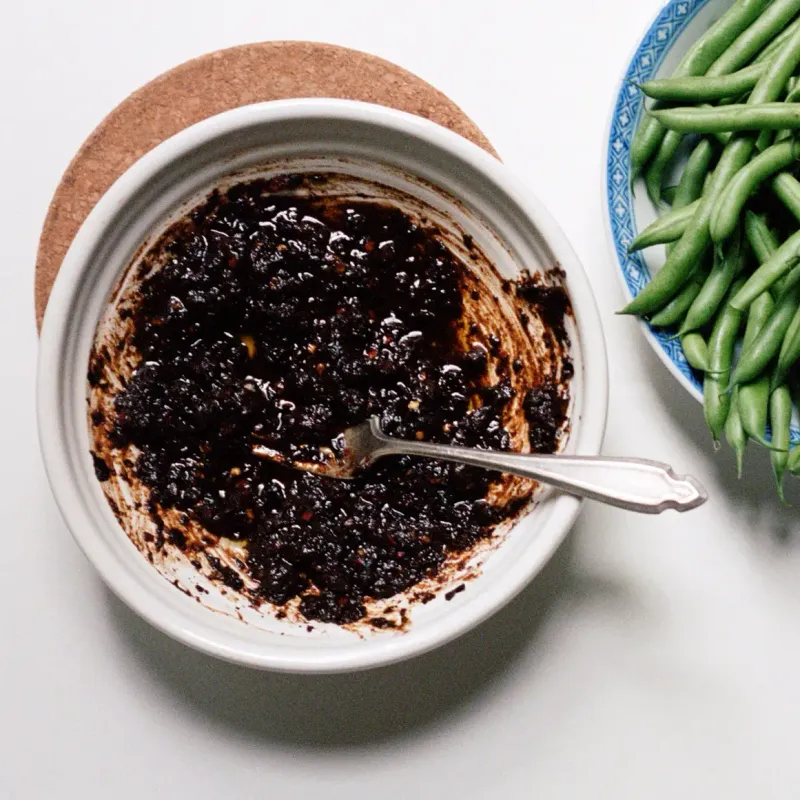
Fermented black beans have a funky, salty, almost ammonia-like smell that hits you the moment you open the package. It is pungent enough to make you wonder if something went wrong.
But these little beans are a cornerstone of Chinese cooking for good reason.
Once stir-fried with garlic and ginger, their sharp smell mellows into a deep, savory, slightly sweet complexity that is absolutely addictive. The finished dish smells and tastes nothing like those raw beans.
Fermentation does remarkable things when heat gets involved.
13. Cumin
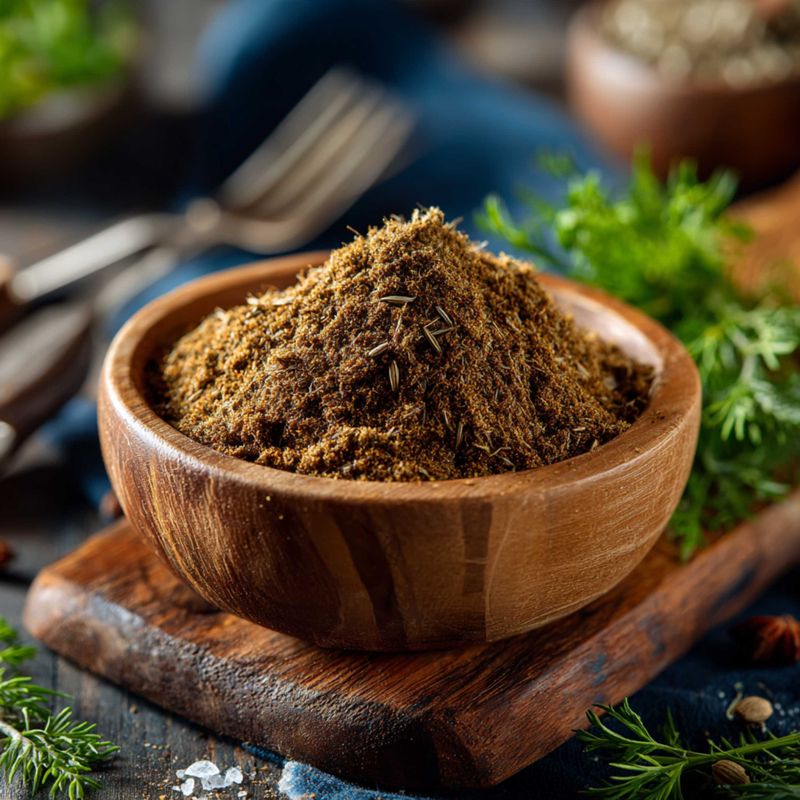
Cumin seeds toasting in a dry pan release one of the most powerful aromas in the spice world — warm, earthy, slightly smoky, and almost overwhelmingly savory. The smell can fill a kitchen in under a minute.
Ground cumin carries that same bold scent in concentrated form.
But in a finished taco filling or lentil soup, cumin blends into the background rather than dominating the palate. Its taste is nutty and warm rather than sharp.
The nose gets the fireworks; the tongue gets a steady, satisfying warmth.
14. Epazote
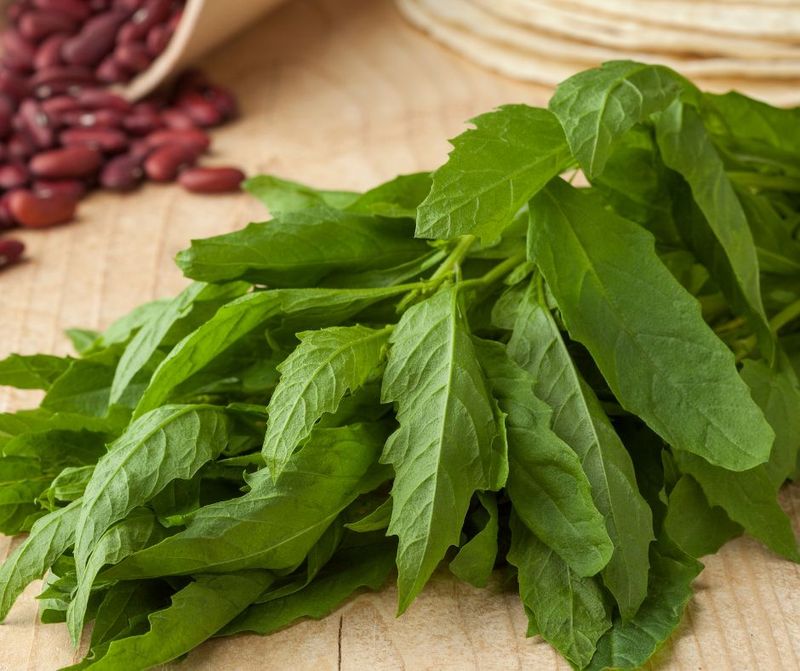
Epazote is a traditional Mexican herb with one of the most unusual smells in cooking — petroleum-like, herbal, and slightly medicinal all at once. Sniff it raw and you might back away slowly.
It genuinely smells like something that does not belong in food.
Cooked into black beans or tamales, though, epazote adds a subtle, earthy flavor that is hard to describe but easy to enjoy. Its raw smell is far more intense than anything it contributes to a finished dish.
Mexican grandmothers have trusted it for generations.
15. Stilton Cheese
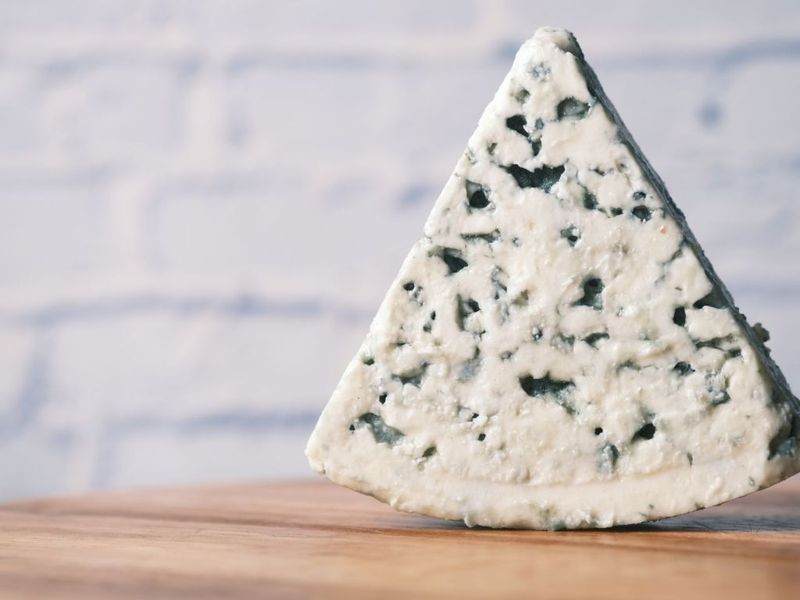
Stilton cheese announces itself before the cheese board even reaches the table. Its aroma is bold, earthy, and unmistakably pungent — somewhere between aged socks and a damp cave.
It is the kind of smell that divides a room instantly between enthusiasts and skeptics.
But spread a sliver on a cracker and the flavor is rich, creamy, and surprisingly balanced with a gentle sharpness. Stilton has been crafted in England since the 1700s, earning its place as one of the world's great cheeses.
The smell is simply the price of admission.
16. Shrimp Paste
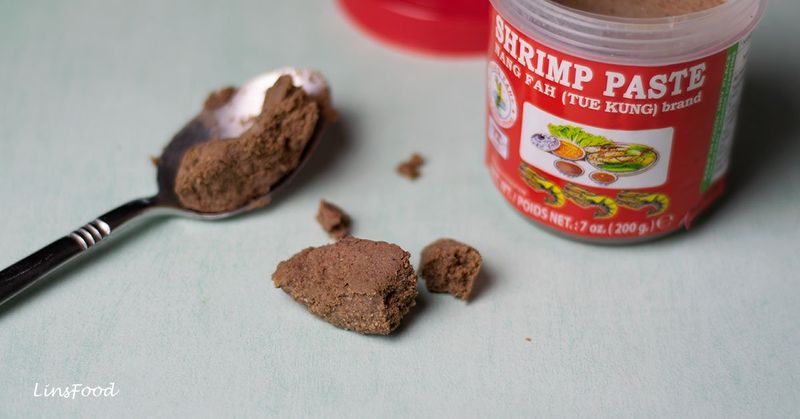
Shrimp paste is not subtle. Open a jar and the smell rushes out — intensely fermented, fishy, and salty in a way that feels almost like a physical force.
It is used widely across Southeast Asian cuisines, from Thai curries to Malaysian sambal.
Cooked into a paste or sauce, shrimp paste disappears into the background, contributing a deep, savory base that makes everything taste more complex and satisfying. Without it, many beloved dishes would taste flat and one-dimensional.
The smell is the sacrifice; the flavor is the reward.
17. Fenugreek
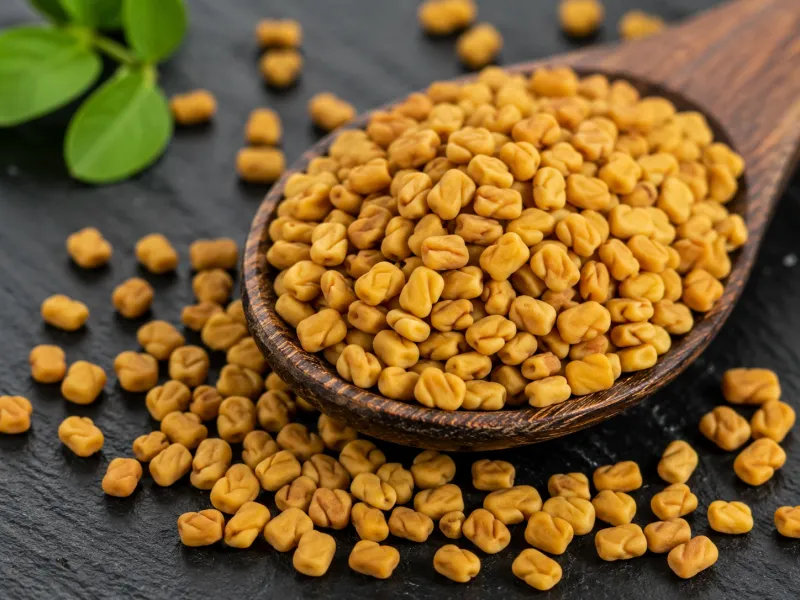
Fenugreek seeds have a powerful, maple syrup-like aroma that is both sweet and slightly bitter at the same time. Interestingly, fenugreek is actually used in artificial maple flavoring — which explains why some people swear they smell pancakes when they open the spice jar.
But taste a raw seed and it is unmistakably bitter and medicinal, nothing like the sweet smell promises. Cooked into Indian curries or dal, fenugreek adds a pleasant, slightly nutty bitterness.
The aroma always oversells the flavor, but the flavor still delivers something genuinely interesting.
18. Lavender
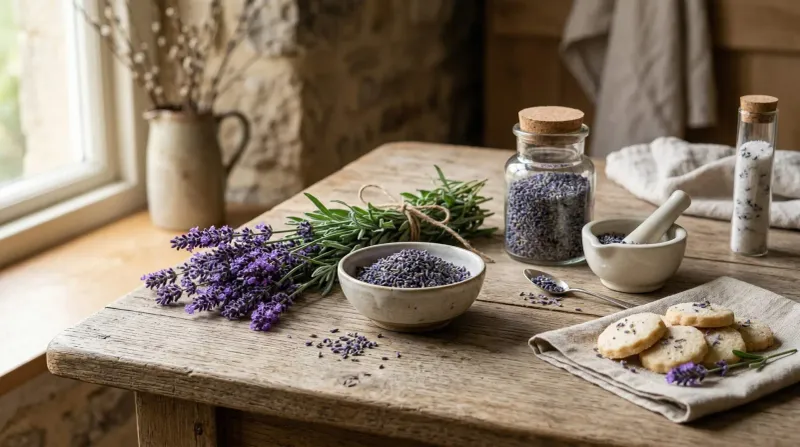
Lavender's floral, perfume-like aroma is so strong that even a tiny sprig can scent an entire room. It smells like a spa, a soap shop, and a summer field all at once.
Using it in cooking sounds like a dream — until you overdo it and your cookies taste like shampoo.
Used sparingly in baked goods or honey, lavender contributes a delicate, floral hint that is far quieter than its scent suggests. The key is restraint.
The smell is a ten; the flavor, thankfully, is a gentle three when handled correctly.




Comments
No Comments