













Britain has a funny relationship with food and class. For decades, certain ingredients and dishes were seen as luxuries only the wealthy could enjoy, while everyone else made do with simpler fare.
But times change, tastes evolve, and supermarkets have a way of making the exotic feel everyday. Here are 18 foods that once felt fancy in Britain and now sit comfortably in almost every kitchen.
1. Avocado
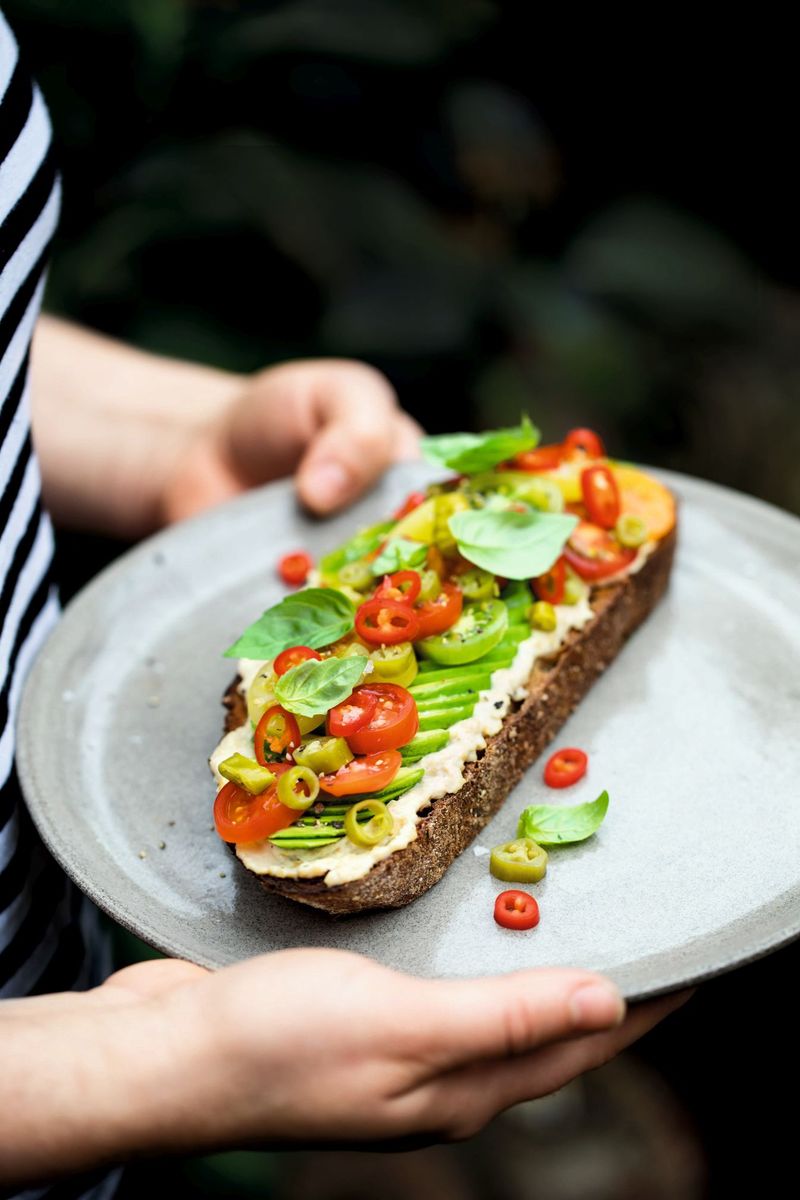
Back in the 1980s, avocado was so exotic it was practically a status symbol. Showing up at a dinner party with an avocado starter meant you were seriously sophisticated.
Today, smashed avocado on toast is basically the national breakfast of millennials. You can grab one at any corner shop or supermarket for under a pound.
What was once reserved for upmarket restaurants is now a Tuesday morning staple in millions of British homes.
2. Pasta
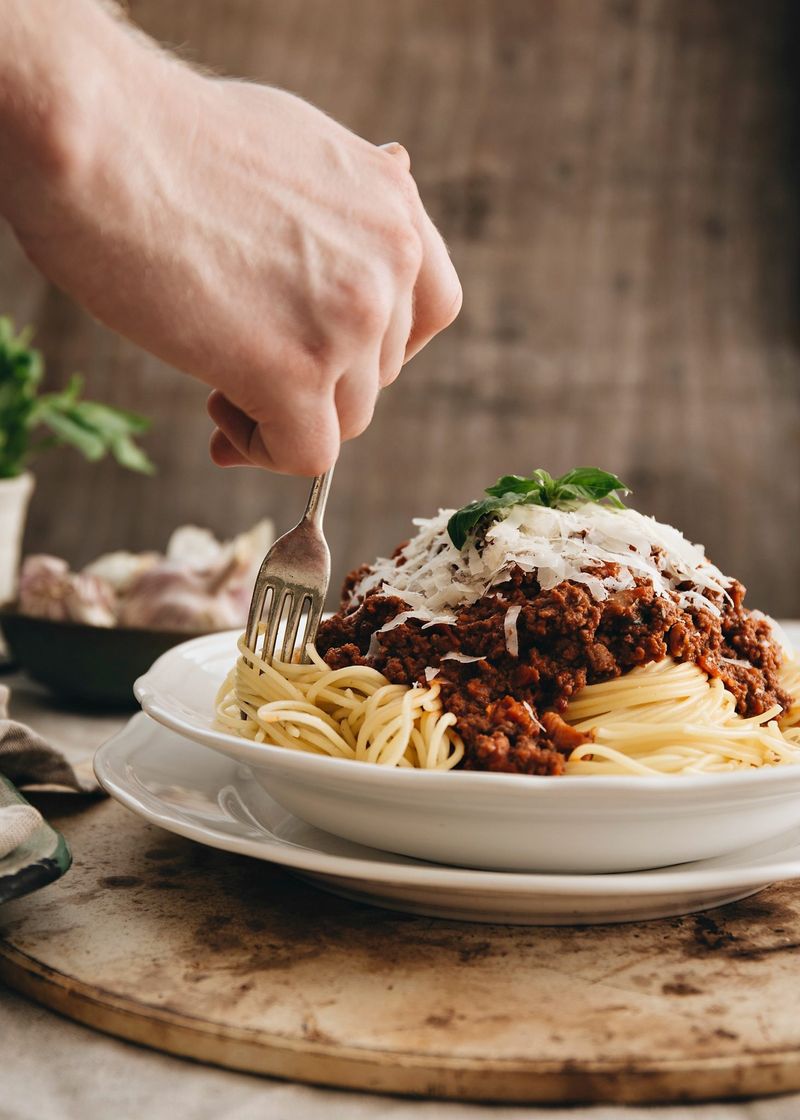
Hard to believe now, but pasta was once considered an exotic foreign food in Britain. In the 1950s and 60s, it was something you might encounter at a fancy Italian restaurant in London, not something you cooked at home on a weeknight.
These days, spaghetti bolognese is practically Britains unofficial national dish. Dried pasta fills entire supermarket aisles, and most families have a go-to pasta recipe they could cook with their eyes closed.
3. Olive Oil
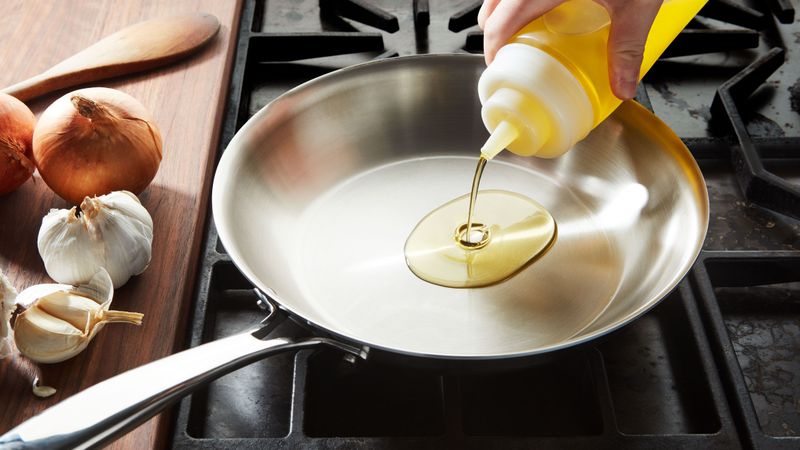
There was a time when olive oil lived exclusively in chemist shops and was used to treat earaches, not to dress salads. Cooking with it was something only well-travelled, cosmopolitan Brits did.
Then along came the 1990s food revolution, celebrity chefs drizzling it over everything, and suddenly olive oil was in every trolley at Tesco. Now it sits next to the salt and pepper on most British kitchen counters without anyone batting an eye.
4. Garlic
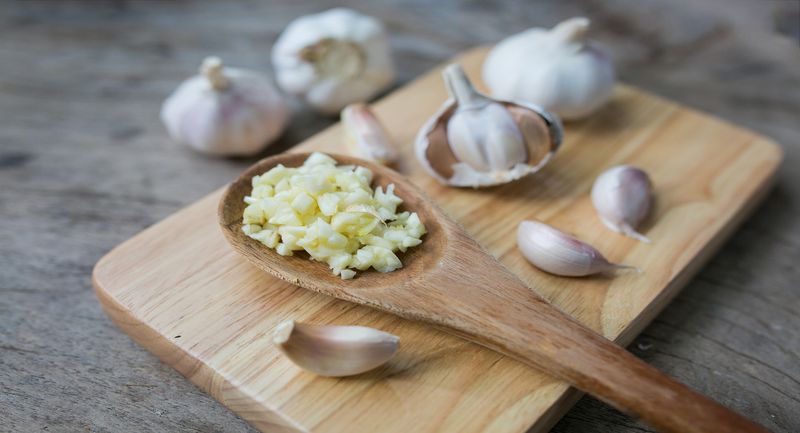
Garlic was once the mark of someone who had either been to France or was just a bit too adventurous for British tastes. For much of the 20th century, the smell alone was enough to raise eyebrows at the dinner table.
Now garlic bread is a Friday night takeaway essential, and garlic is a foundation ingredient in curries, stews, and pasta sauces across the country. Nobody thinks twice about adding three cloves to a midweek meal anymore.
5. Sushi
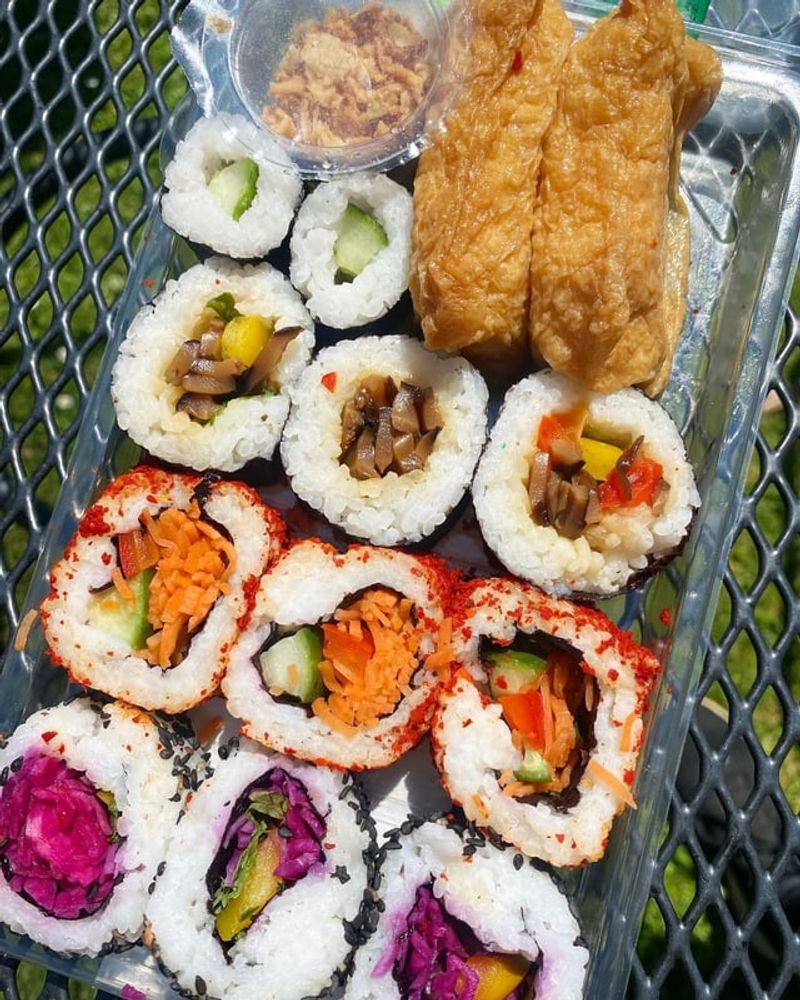
Sushi arriving in Britain felt like a culinary adventure reserved for city professionals with expense accounts. Through the 1990s, sushi restaurants were buzzy, upscale places that charged accordingly.
Fast forward to today, and sushi meal deals sit in chilled cabinets at Boots, Sainsburys, and Pret A Manger. Millions of Brits pick up a sushi box for lunch without a second thought.
The raw fish that once seemed daring is now as unremarkable as a cheese sandwich.
6. Balsamic Vinegar
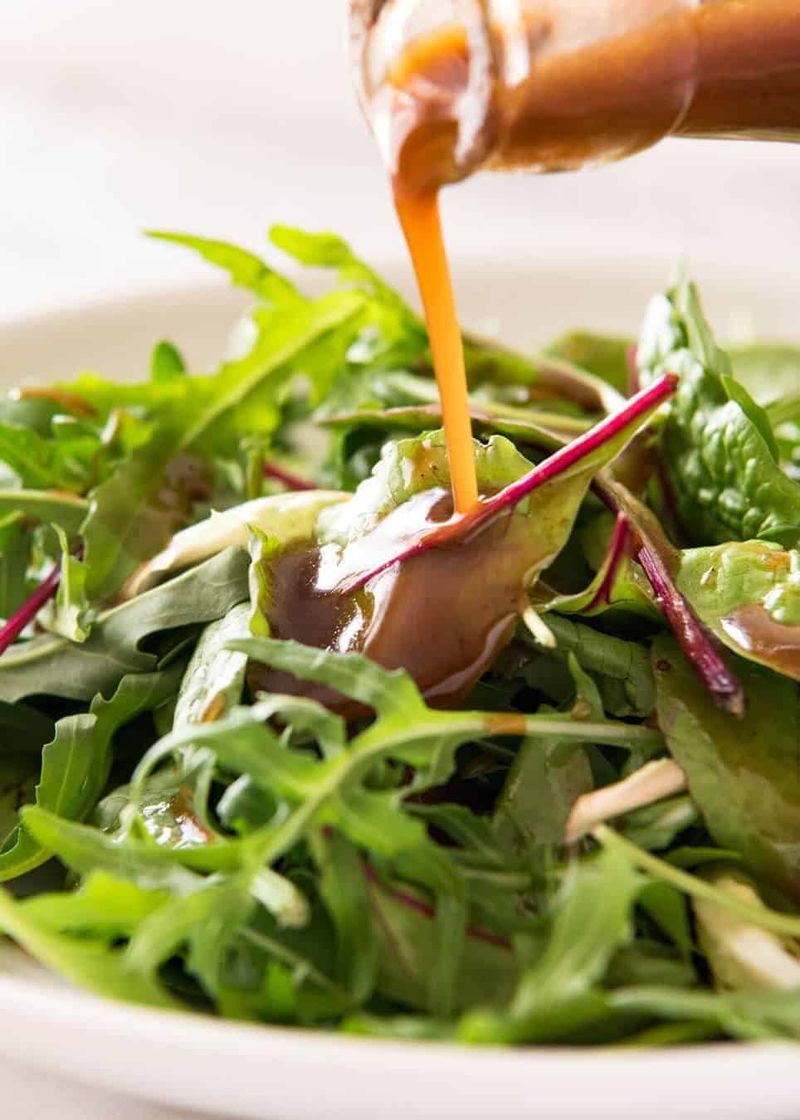
In the early 1990s, a bottle of balsamic vinegar on the kitchen shelf said a lot about a person. It whispered of holidays in Tuscany, of dinner parties with linen napkins and people who owned more than one type of olive.
Now balsamic glaze comes in squeezy bottles and gets drizzled over everything from pizza to strawberries. Every major supermarket stocks multiple varieties at prices that make it one of the most accessible condiments in British kitchens today.
7. Sun-Dried Tomatoes
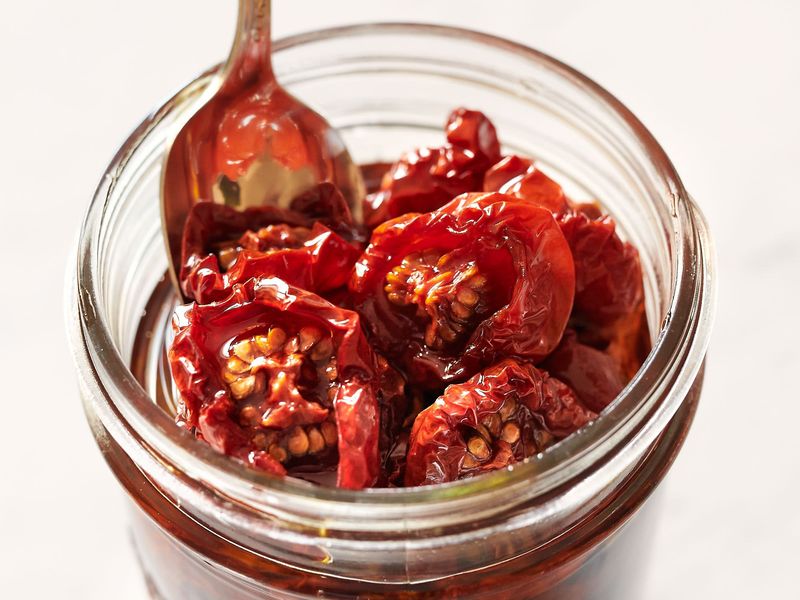
Sun-dried tomatoes were the ingredient that defined aspirational 1990s British cooking. They appeared in pasta salads at work dos and on bruschetta at dinner parties where someone had recently discovered Nigella Lawson.
These days a jar lives in the back of most British kitchen cupboards, used casually in sandwiches, pasta, and salads. They have gone from a symbol of culinary sophistication to just another useful ingredient you pick up without much fuss during the weekly shop.
8. Hummus
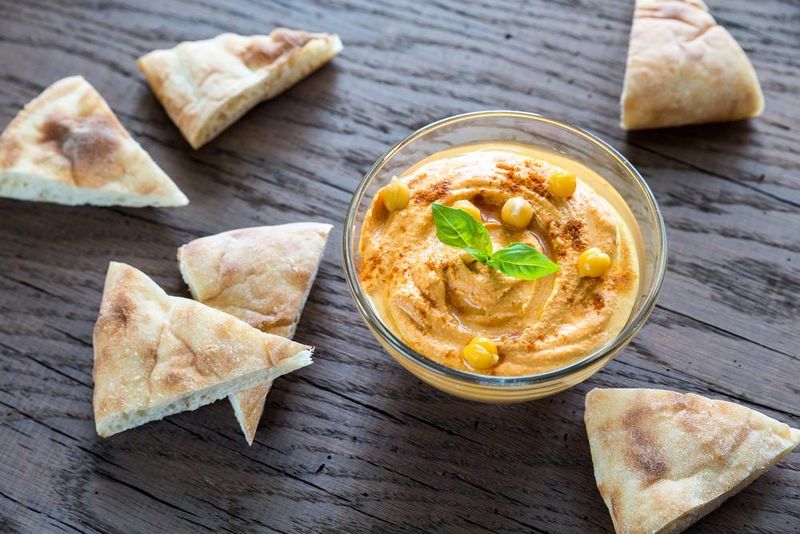
Hummus was once something you might discover at a Lebanese restaurant in London and talk about for weeks. Through the 1980s, chickpea-based dips were firmly in exotic territory for most British households.
Today hummus is the most popular dip in Britain, outselling salsa and guacamole combined. It shows up at every picnic, birthday party, and office lunch.
Kids dip carrot sticks into it without knowing it was ever considered anything other than completely ordinary.
9. Pesto
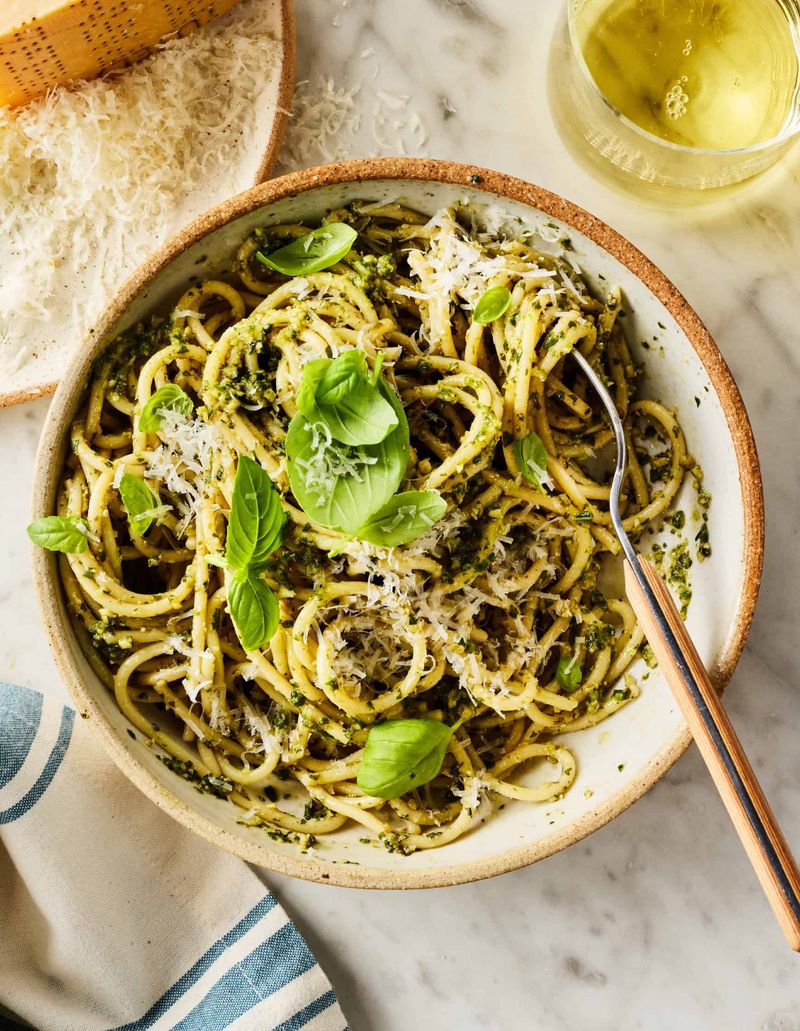
Pesto had a very glamorous arrival in Britain. Through the late 1980s and early 90s, using pesto in cooking was a clear sign you had taste, sophistication, and possibly a subscription to a food magazine.
Now jars of pesto are stacked high in every supermarket, and stirring it through pasta is one of the quickest weeknight dinners a British family can make. Its gone from fancy to failsafe, and nobody is complaining about that transformation.
10. Chorizo
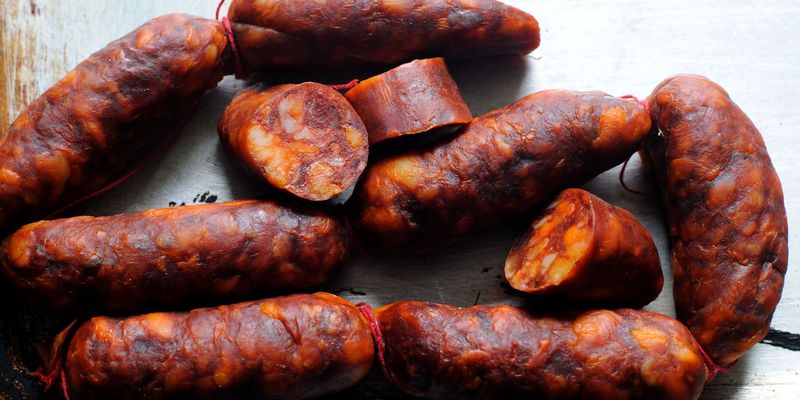
Chorizo felt genuinely exotic in Britain not that long ago. Spanish cured meats were a treat you brought back from holiday in a vacuum-sealed pack and showed off to friends as though you had discovered treasure.
Nowadays chorizo appears in supermarket meal deals, gets thrown into pasta, stews, and omelettes, and sits casually in the deli aisle alongside British sausages. Its smoky, paprika-rich flavour has become a firm fixture in everyday British cooking without much fuss.
11. Rocket (Arugula)
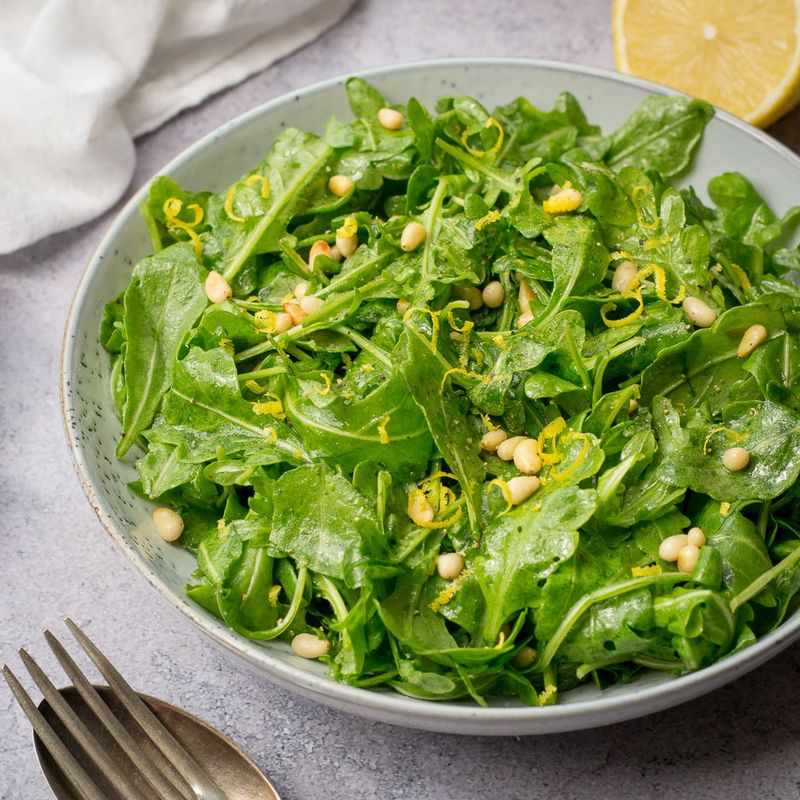
Rocket was the salad leaf that screamed sophistication in the 1990s. Serving a rocket salad instead of iceberg lettuce at a dinner party immediately elevated the whole meal in the eyes of your guests.
Now rocket comes in bags right next to the standard mixed leaves at every supermarket, often cheaper than you might expect. Its peppery bite has made it a favourite for quick salads, pizzas, and sandwiches.
The fancy leaf has firmly become an everyday one.
12. Mozzarella
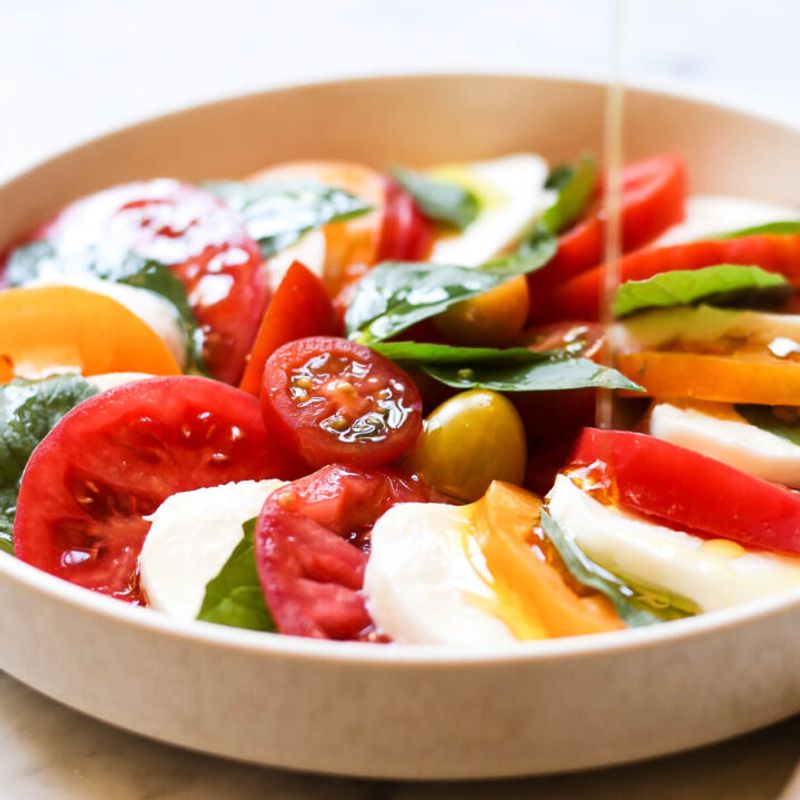
Fresh mozzarella was once the kind of cheese you encountered at an upmarket Italian deli, wrapped in paper by someone who knew its name properly. Buying it felt like a small luxury.
These days balls of mozzarella float in plastic tubs across every supermarket dairy aisle, priced low enough to use without thinking twice. Caprese salads have become a British barbecue standard, and mozzarella on homemade pizza is now something children confidently request by name on a Friday night.
13. Crème Fraîche
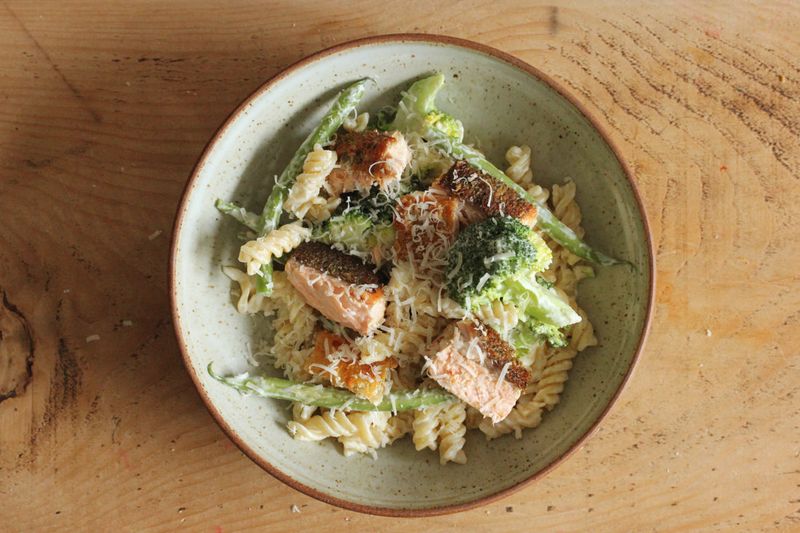
Ordering something with creme fraiche in a restaurant once felt like you were in distinguished company. The French name alone added a layer of elegance that kept it firmly in the upmarket corner of British culinary life for years.
Now tubs of it sit in the chilled aisle between soured cream and yogurt, used casually to finish pasta sauces or dollop onto fruit. Its become a reliable kitchen staple that home cooks reach for without feeling remotely extravagant about it.
14. Smoked Salmon
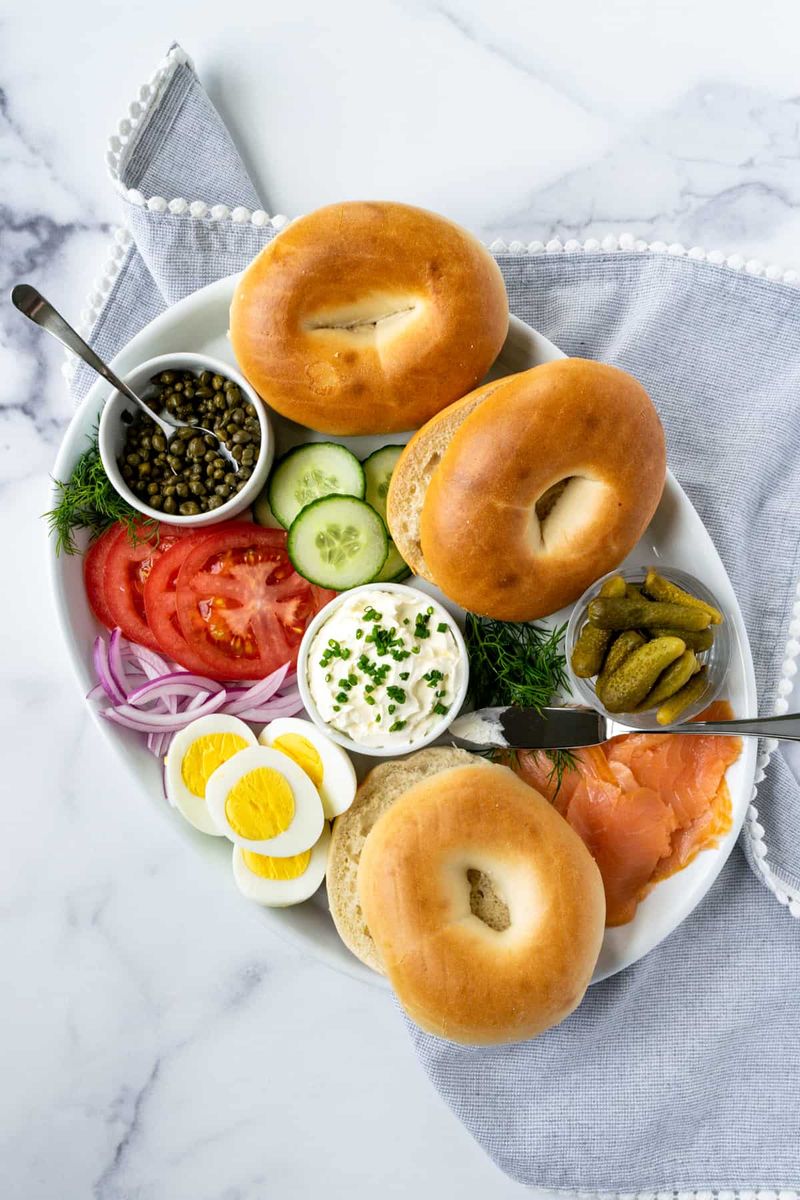
Smoked salmon was once firmly Christmas morning territory, a luxury unwrapped with the same reverence as a good bottle of wine. It appeared at weddings, corporate lunches, and the kind of buffets where everyone tried to look casual.
These days budget supermarkets sell smoked salmon trimmings for very little, and it regularly tops bagels and scrambled eggs on an ordinary Sunday. What was once a celebration food has quietly slipped into the realm of the completely everyday and affordable.
15. Couscous
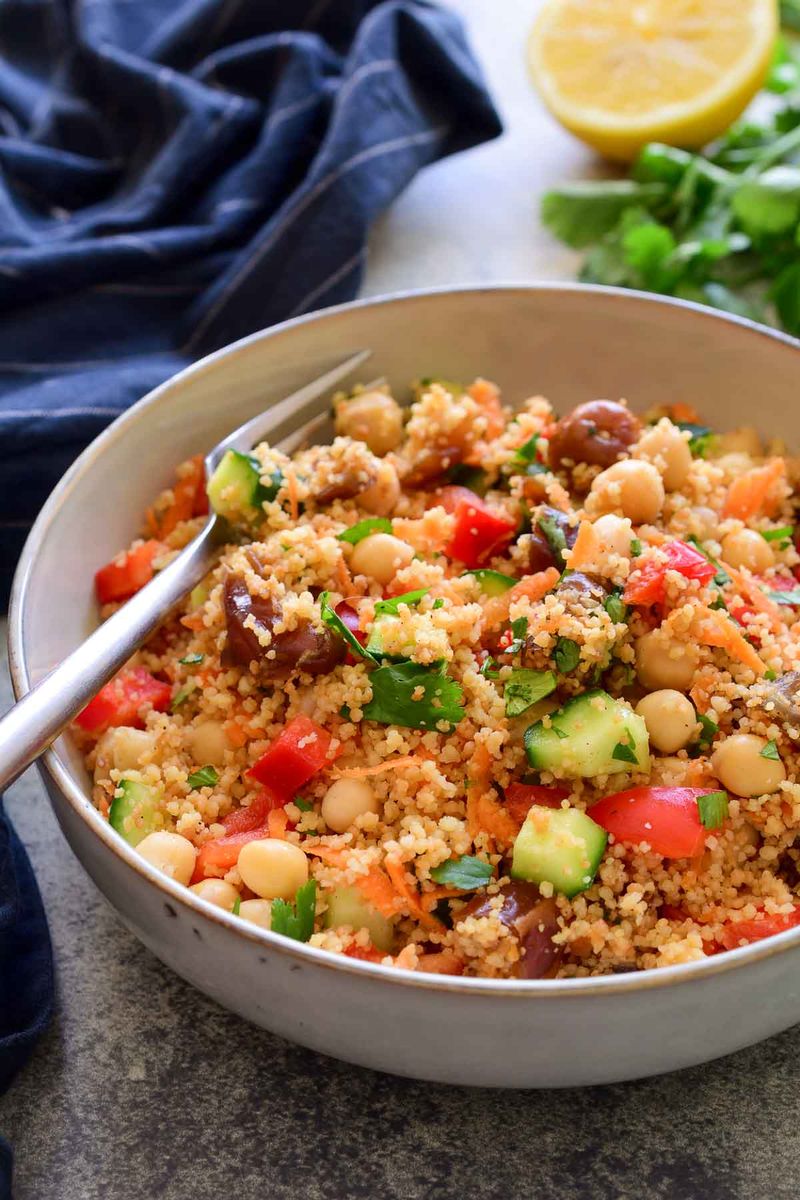
Couscous arrived in British kitchens wearing an air of North African mystery. Through the 1990s, it was the kind of ingredient that appeared in cookbooks with evocative names and required a trip to a specialist food shop.
Now it comes in microwave pouches and ready-made pots available in every supermarket. Students love it because it cooks in five minutes with just boiling water.
Couscous has shed its exotic image entirely and settled comfortably into the budget-friendly weekday meal rotation.
16. Prosciutto
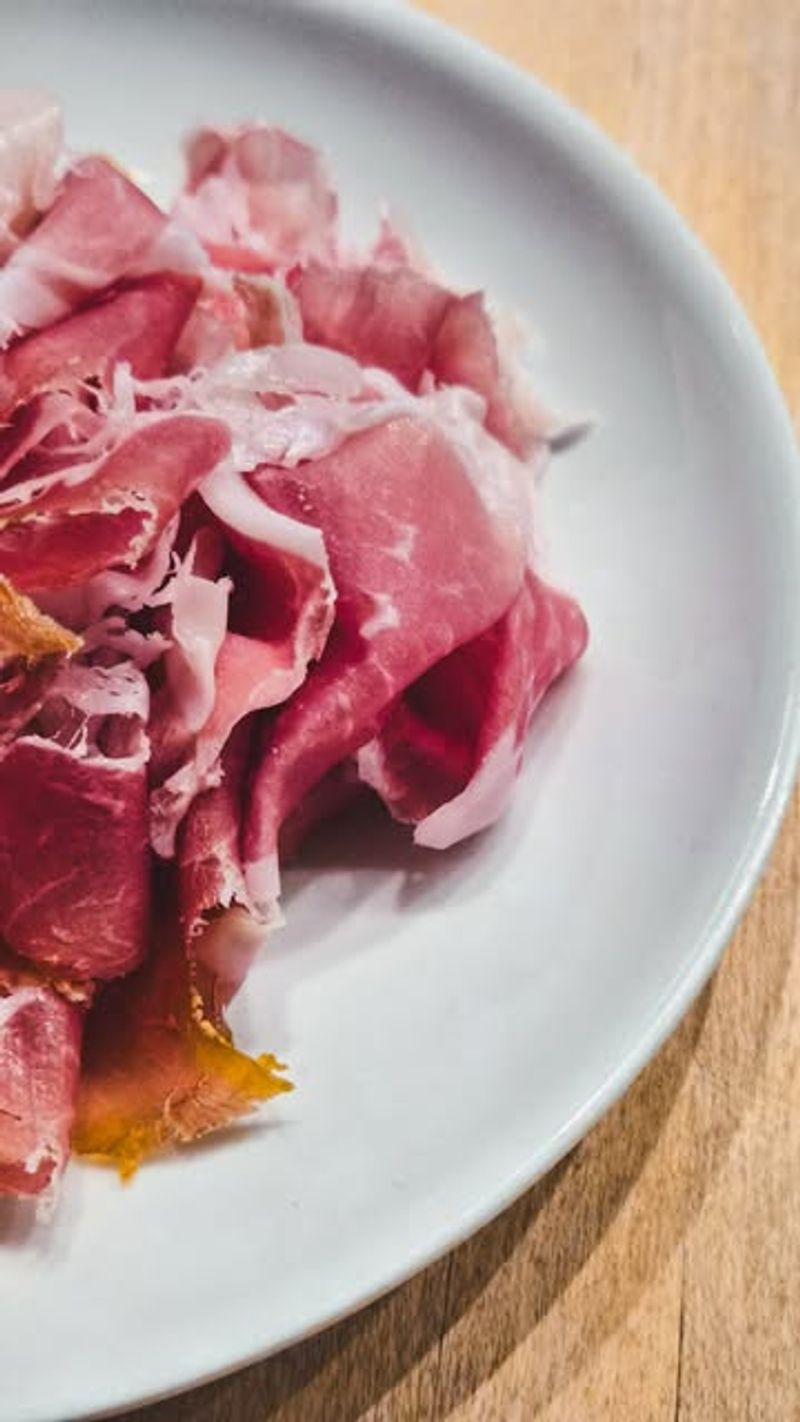
Prosciutto was the kind of word that made British diners feel worldly and refined. Ordering it at a restaurant in the early 2000s carried a certain confidence, a sense that you knew your Italian cured meats and were not afraid to prove it.
Now packets of wafer-thin prosciutto hang in supermarket deli sections alongside everyday sandwich fillings. People wrap it around melon at home, toss it on pizza, or eat it straight from the packet while putting away the shopping.
Sophistication has become snacking.
17. Quinoa
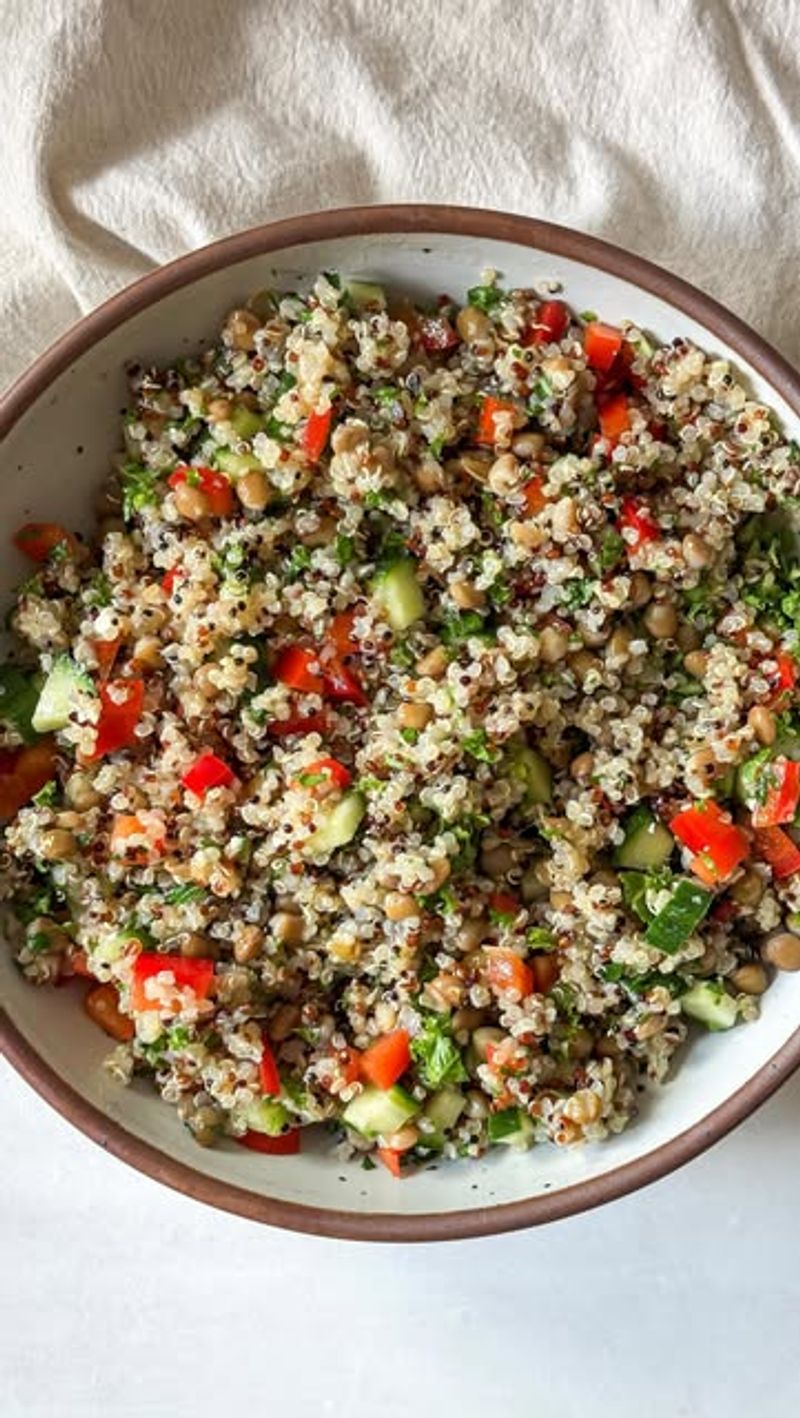
When quinoa first appeared on British menus around 2010, it came wrapped in a cloud of wellness hype and a price tag that made you reconsider your choices. Health food shops stocked it, and ordering it felt like a statement.
These days quinoa sits in the grain aisle next to rice and lentils, available in bulk bags or ready-cooked pouches at accessible prices. Its nutty texture and high protein content have made it a practical choice for lunches and salads that anyone can enjoy.
18. Sourdough Bread
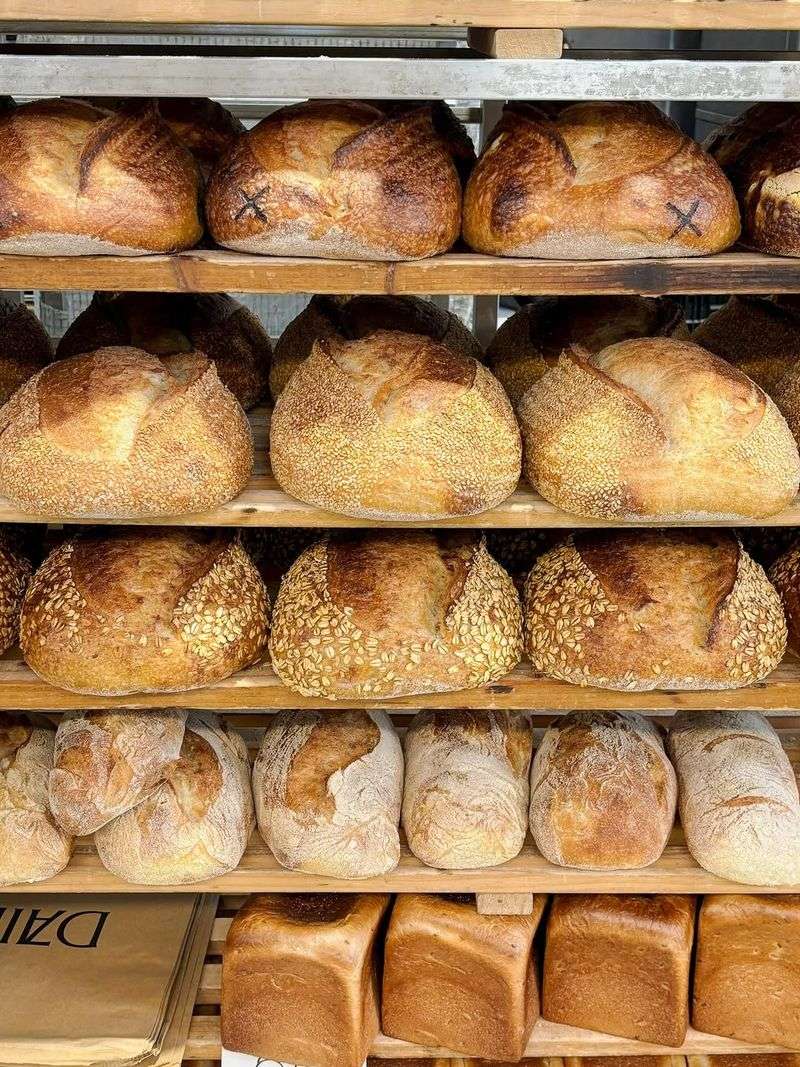
Sourdough once meant you had found a special artisan bakery, probably in a trendy part of London, and were willing to queue for the privilege. The long fermentation process, the thick crust, and the chewy interior all felt like markers of serious food culture.
Now sourdough loaves line the shelves at Lidl, Aldi, and Waitrose alike. Supermarket own-brand sourdough sells for not much more than a standard white loaf.
The bread that once felt like a weekend treat has become a perfectly ordinary midweek purchase.




Comments
No Comments