













Most people think creamy food always comes from a blender or a carton of heavy cream. But nature has some pretty clever tricks up its sleeve.
Certain foods transform into silky, smooth textures simply through cooking, soaking, or a little chemistry. Get ready to discover 18 foods that go surprisingly creamy all on their own.
1. Oats
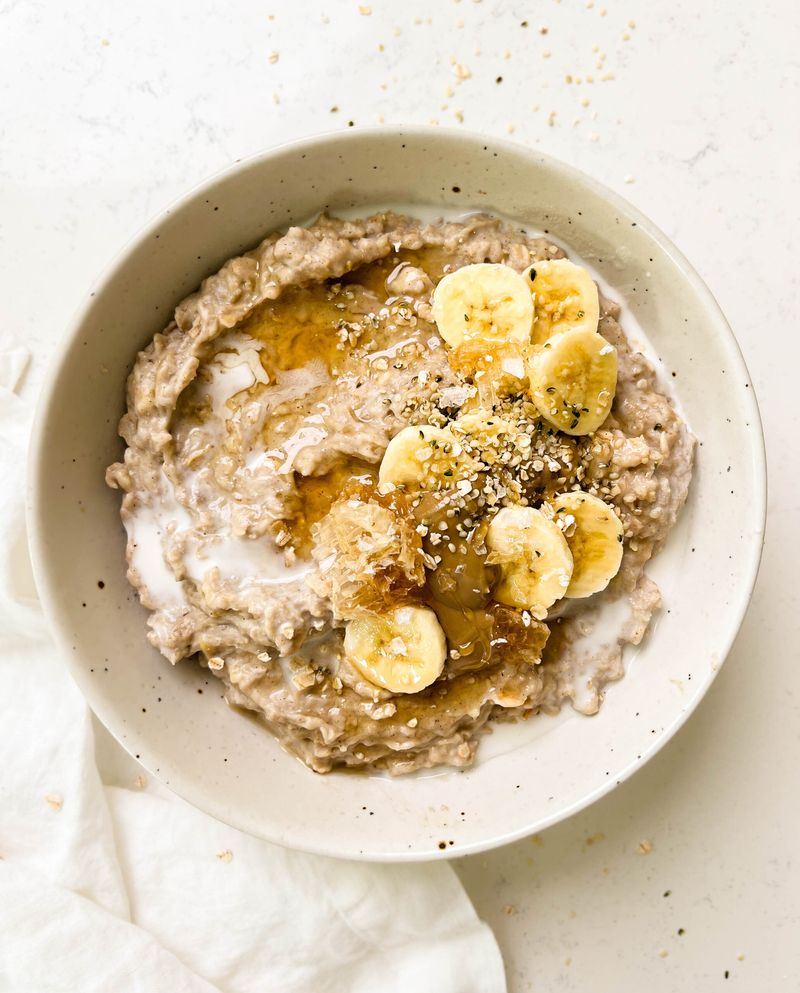
Nobody tells you the first time you overcook oatmeal and end up with something that tastes like velvet. That happy accident is actually the magic of beta-glucan, a natural starch in oats that releases when heated with liquid.
The longer oats simmer, the creamier they get. No blender needed.
Stirring regularly helps the starches break down evenly, creating that thick, porridge-like consistency everyone loves on a cold morning.
2. Avocado
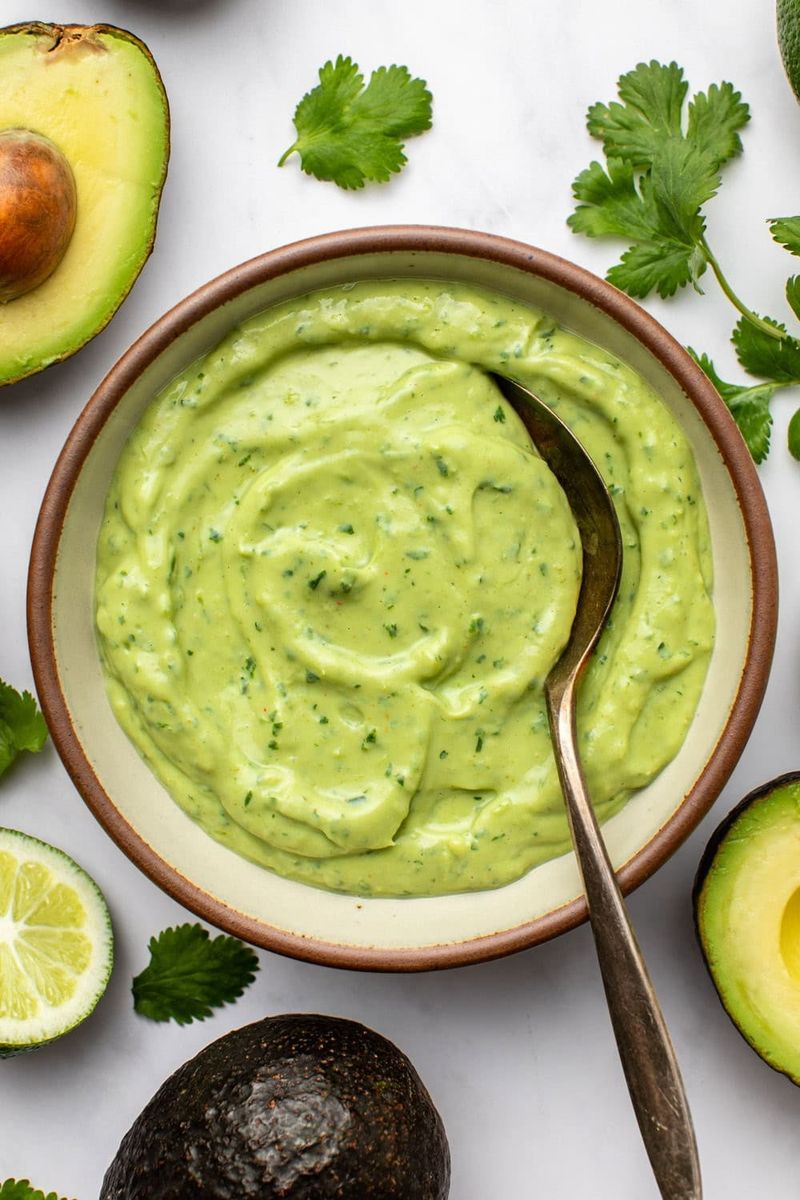
Fresh off the tree and already creamy — avocado does not need a single kitchen gadget to earn its smooth reputation. Its naturally high fat content gives it a butter-like texture the moment it reaches peak ripeness.
Mash it with a fork and it turns silky in seconds. Spread it on toast or stir it into a sauce, and it coats everything like a dream.
Ripeness is the only secret ingredient here.
3. Bananas
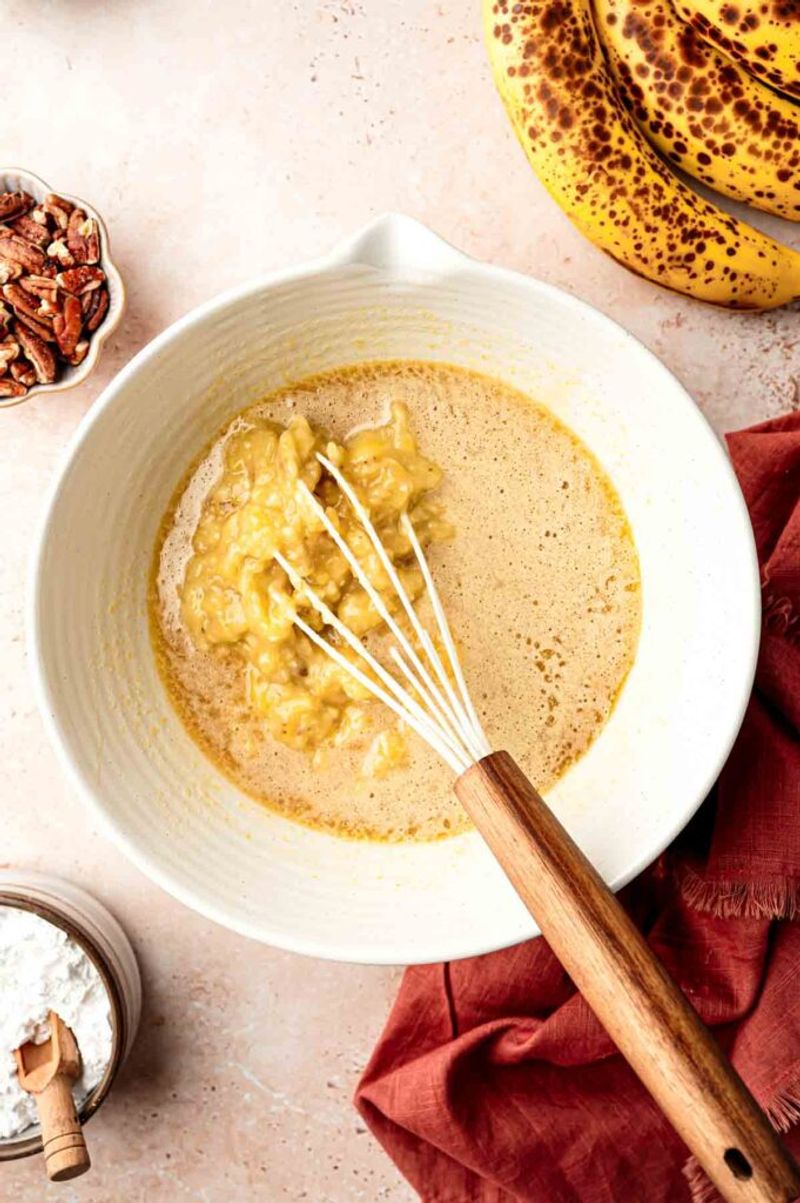
Overripe bananas have a superpower most people overlook. As bananas age, their starches convert into sugars and their cell walls break down, turning the flesh into something almost pudding-like in texture.
Freeze them, then thaw them out, and they become even smoother — almost like soft-serve ice cream. Mash one into your oatmeal or yogurt and you will wonder why you ever needed a blender for creaminess.
4. Silken Tofu
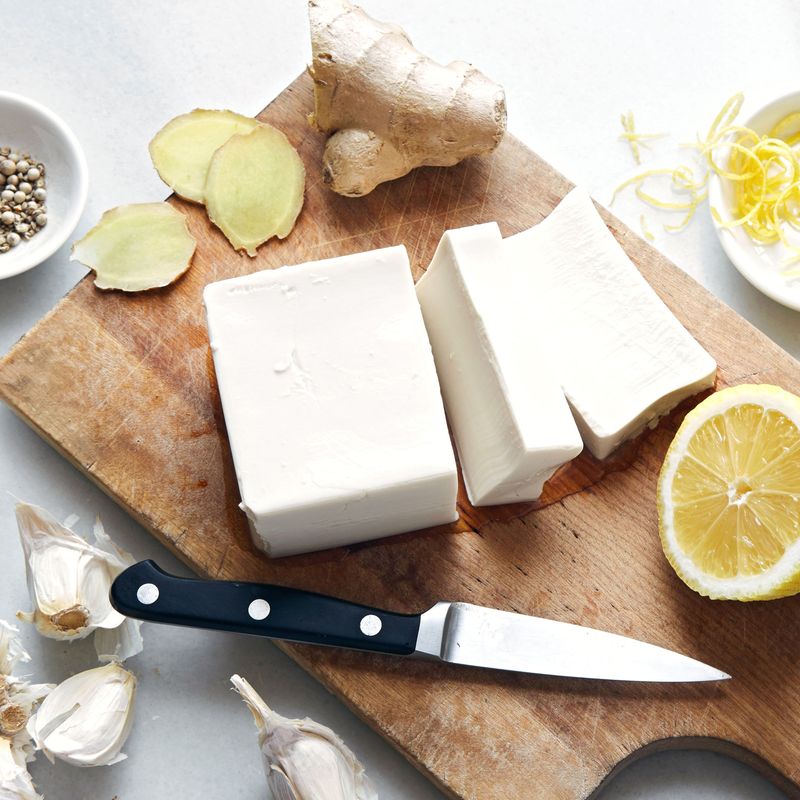
Silken tofu looks unassuming in its little carton, but cut it open and you will find something that wobbles like panna cotta. Unlike regular tofu, the silken variety is never pressed, so it holds onto all its moisture.
Spoon it straight from the package and it practically melts. Stir it into soups, sauces, or desserts and it blends in seamlessly, adding a rich, creamy body without altering the flavor much at all.
5. Cooked Potatoes
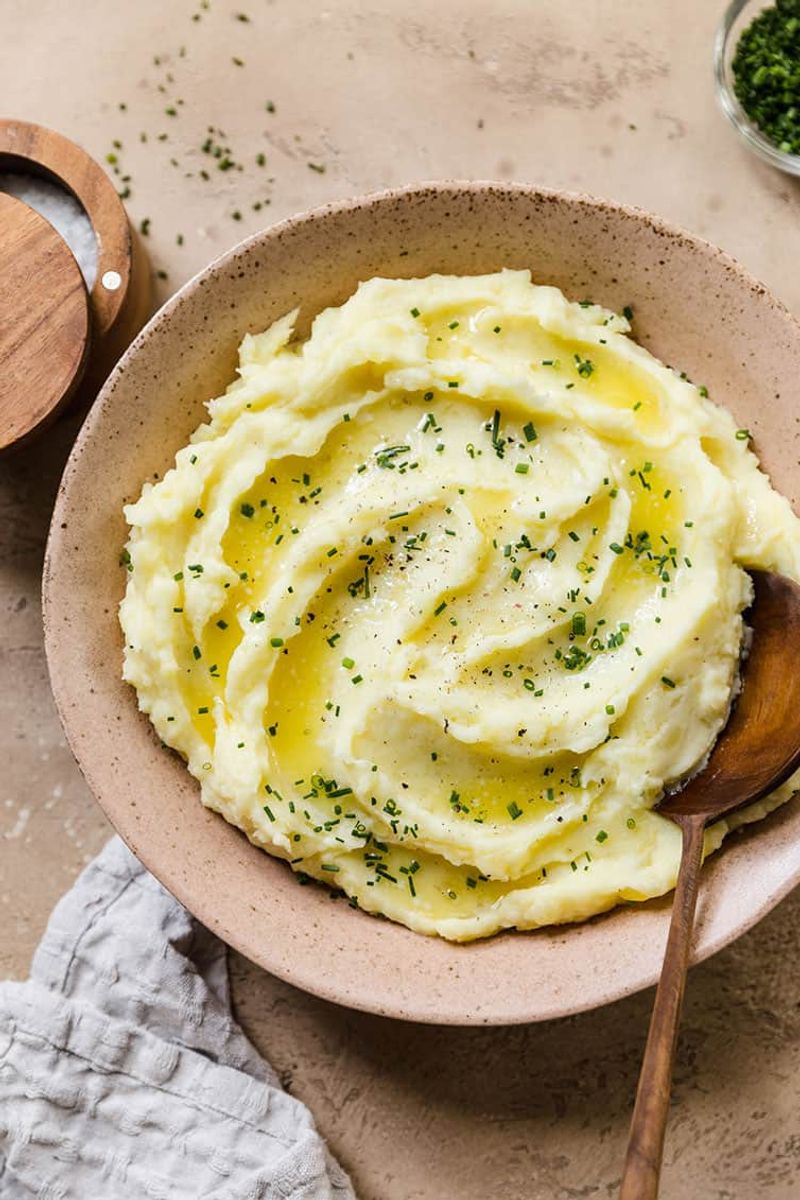
There is a reason mashed potatoes have been a comfort food staple for centuries. When potatoes cook, their starch granules swell and soften until they practically fall apart on their own.
A little butter and warm milk stirred in creates something impossibly creamy — no blender required. In fact, using a blender on potatoes makes them gluey.
The humble hand masher does the better job every single time, hands down.
6. Tahini
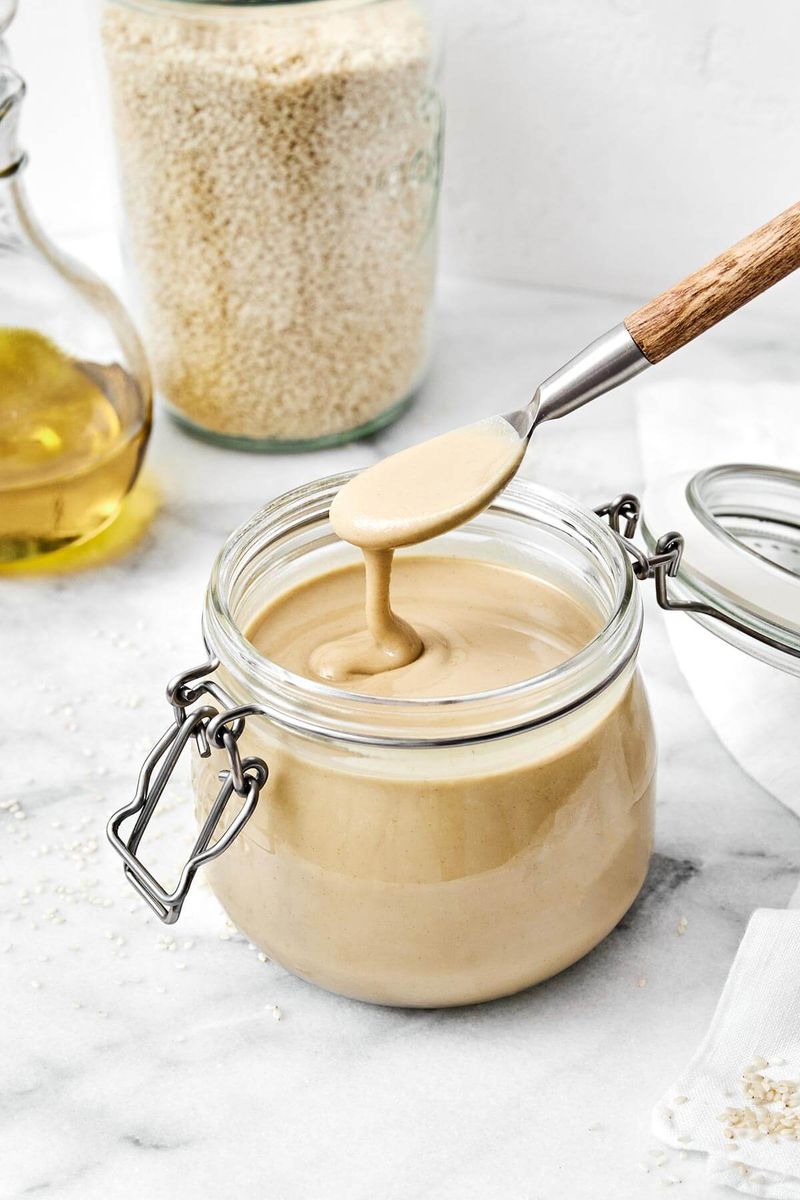
Ground sesame seeds go through quite a transformation on their way to becoming tahini. The natural oils in sesame release during grinding, creating a paste that flows like liquid silk at room temperature.
Whisk it with lemon juice and water and something almost magical happens — it fluffs up and becomes even creamier. Tahini is a staple in Middle Eastern cooking and earns its place as one of the most naturally creamy foods around.
7. Coconut Cream
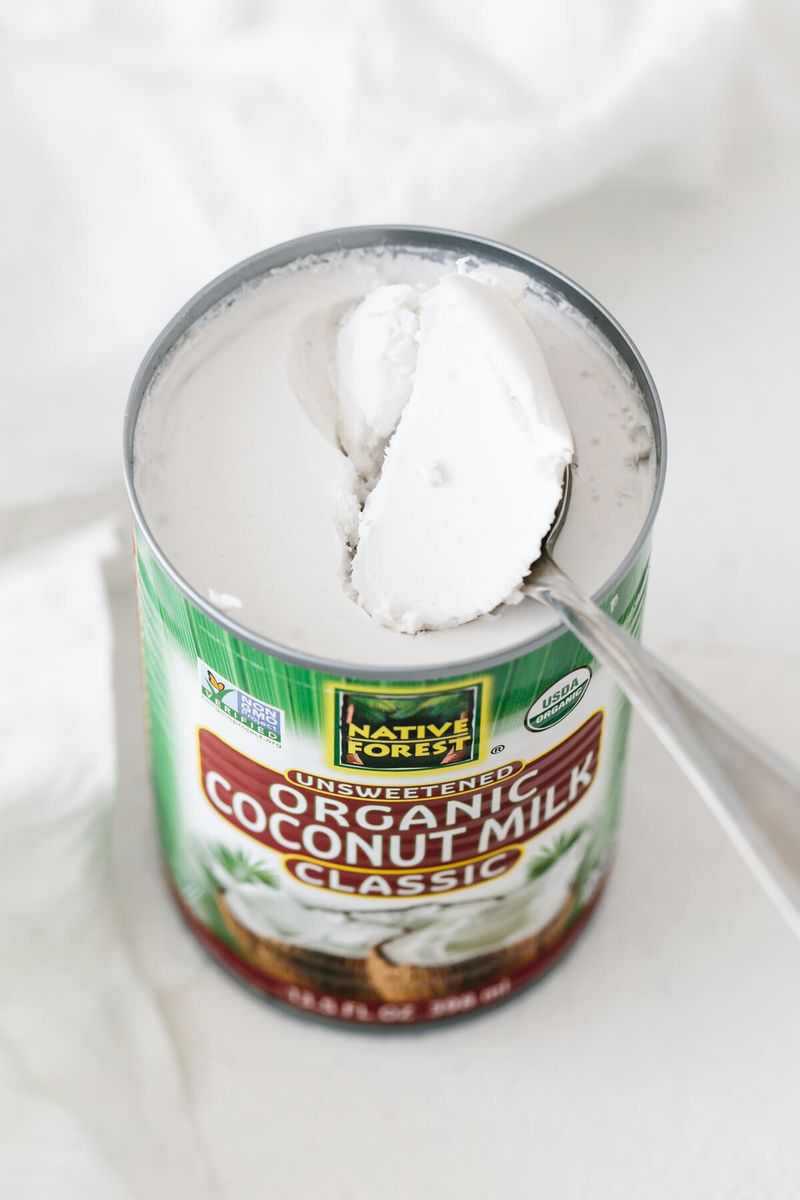
Pop open a can of full-fat coconut milk that has been sitting in the fridge overnight, and the thick white layer on top is pure coconut cream. No blending, no mixing — just separation doing its job naturally.
Scoop it out and it is already rich, dense, and spreadable. Whip it lightly and it turns into a dairy-free topping that rivals whipped cream in both texture and flavor.
Coconut does all the heavy lifting itself.
8. Butternut Squash
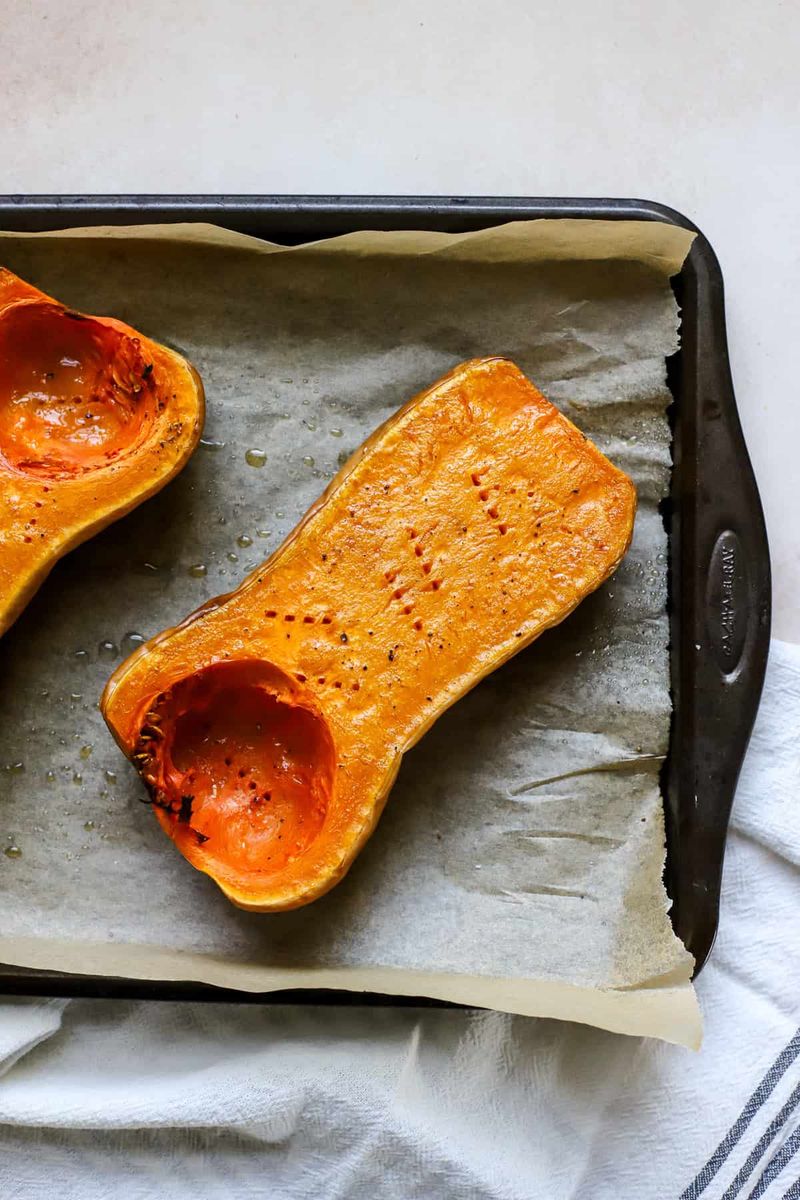
Roast a butternut squash long enough and the inside transforms into something almost custard-like. The natural sugars caramelize while the flesh softens to the point where a spoon glides through effortlessly.
Scoop it out and it is already smooth enough to spread on bread or stir into pasta sauce. Its velvety consistency comes entirely from heat and time.
No extra equipment needed — just an oven and a little patience.
9. Nut Butters
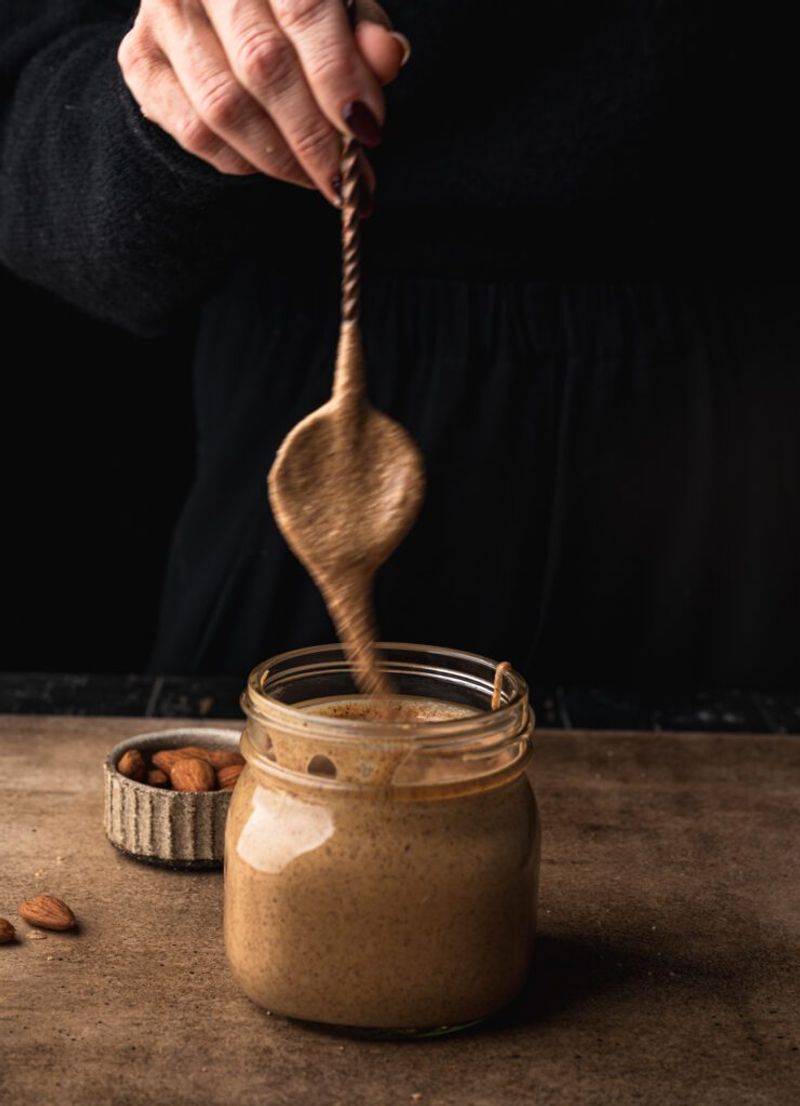
Almonds, peanuts, and cashews all share a secret: grind them long enough and their own oils turn them into something wonderfully creamy. Store-bought nut butters sometimes separate, with oil pooling at the top — that is actually a sign of how naturally oily and rich the nuts are.
Stir it back together and the texture returns to smooth perfection. Natural nut butters are proof that fat, when released properly, creates incredible creaminess without a drop of dairy.
10. Cooked Lentils
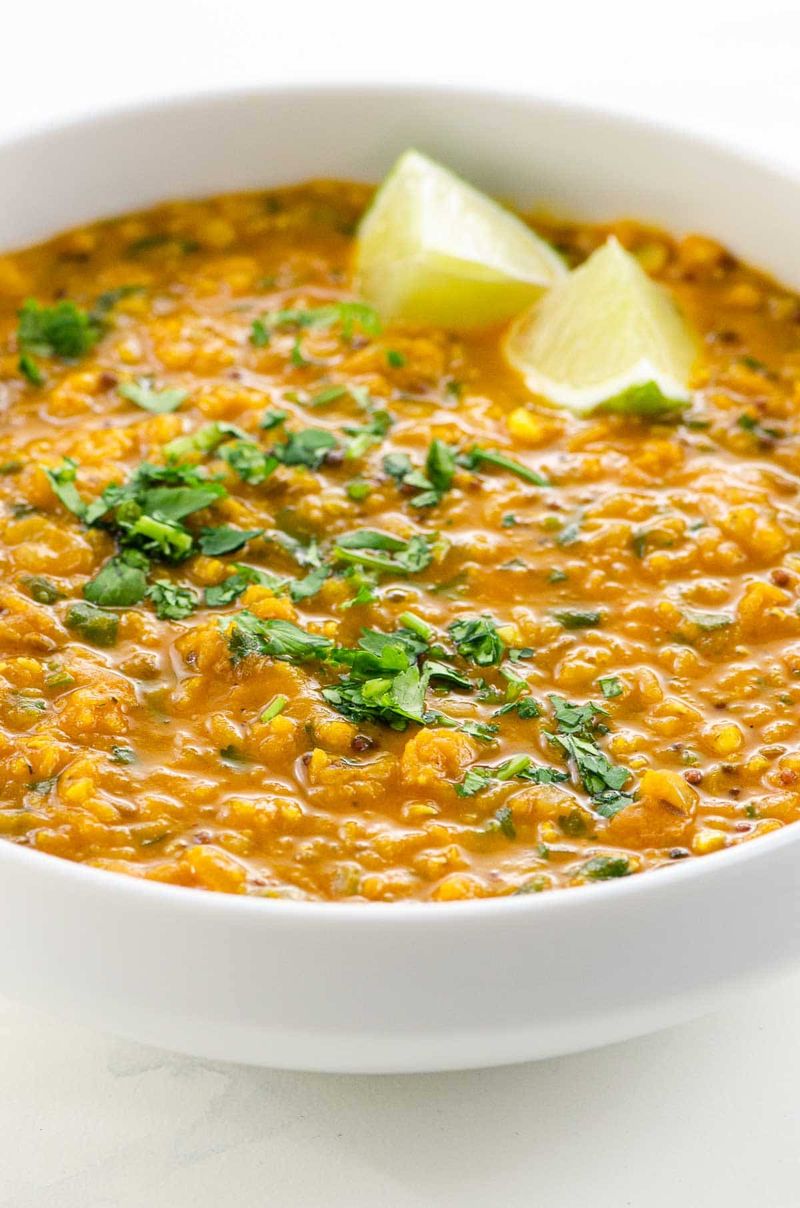
Red lentils are the quiet overachievers of the legume world. Cook them long enough and they practically dissolve into a thick, silky soup without any blending at all.
Their high starch content is what makes this happen — it absorbs liquid and swells until the whole pot turns porridge-thick. Indian dal is the perfect example of this transformation.
Spice it up and you have a deeply satisfying, creamy dish that required nothing more than a pot and some patience.
11. Egg Yolks
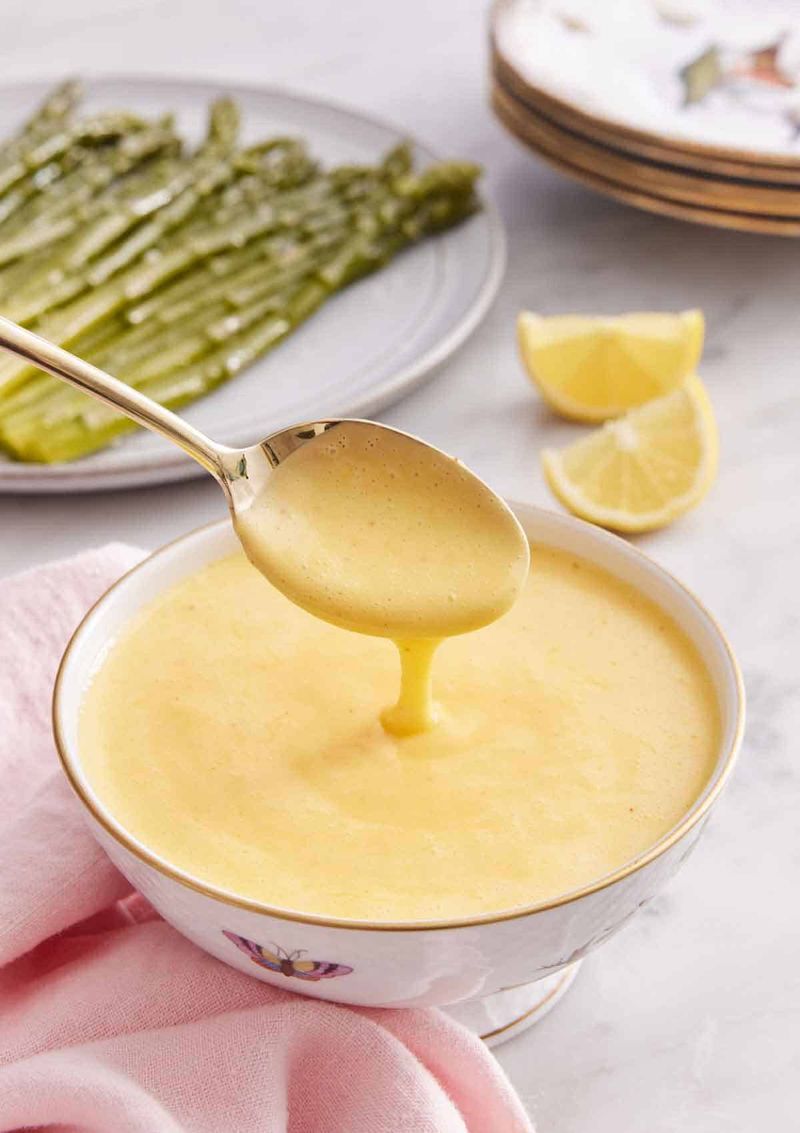
Egg yolks are culinary chemistry at its finest. When whisked with heat or fat, the proteins and lecithin in yolks act as natural emulsifiers, binding water and oil together into a silky, thick sauce.
Think hollandaise or carbonara — both get their legendary creaminess entirely from egg yolks. No cream needed, no blender required.
Just careful heat and good whisking technique. It is a skill that feels like magic every single time you pull it off.
12. Soaked Cashews
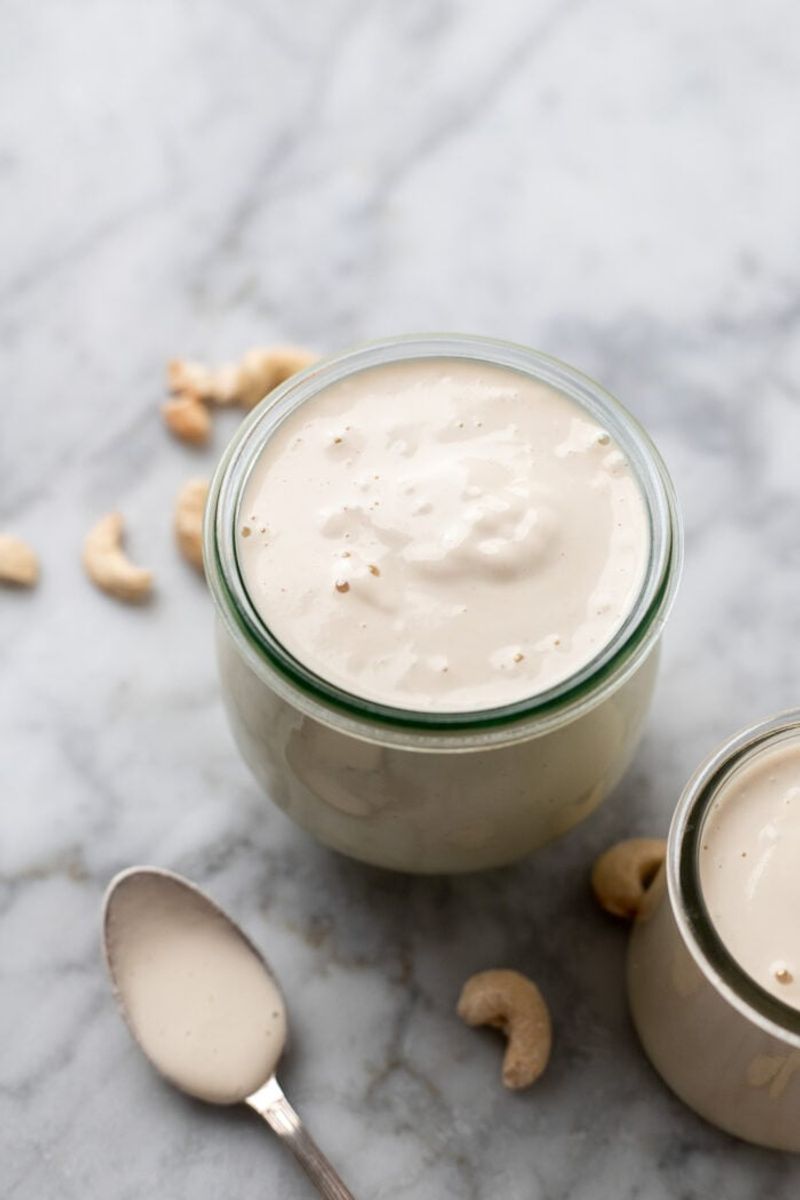
Leave raw cashews in water for a few hours and something remarkable happens. Their cell walls soften and the nut becomes so tender that it mashes almost effortlessly with just a fork or the back of a spoon.
Many plant-based cooks use cashew cream as a dairy substitute in soups and desserts. The result is genuinely rich and smooth.
Soaking is the secret step — it is what separates a crunchy nut from a creamy powerhouse ingredient.
13. Polenta
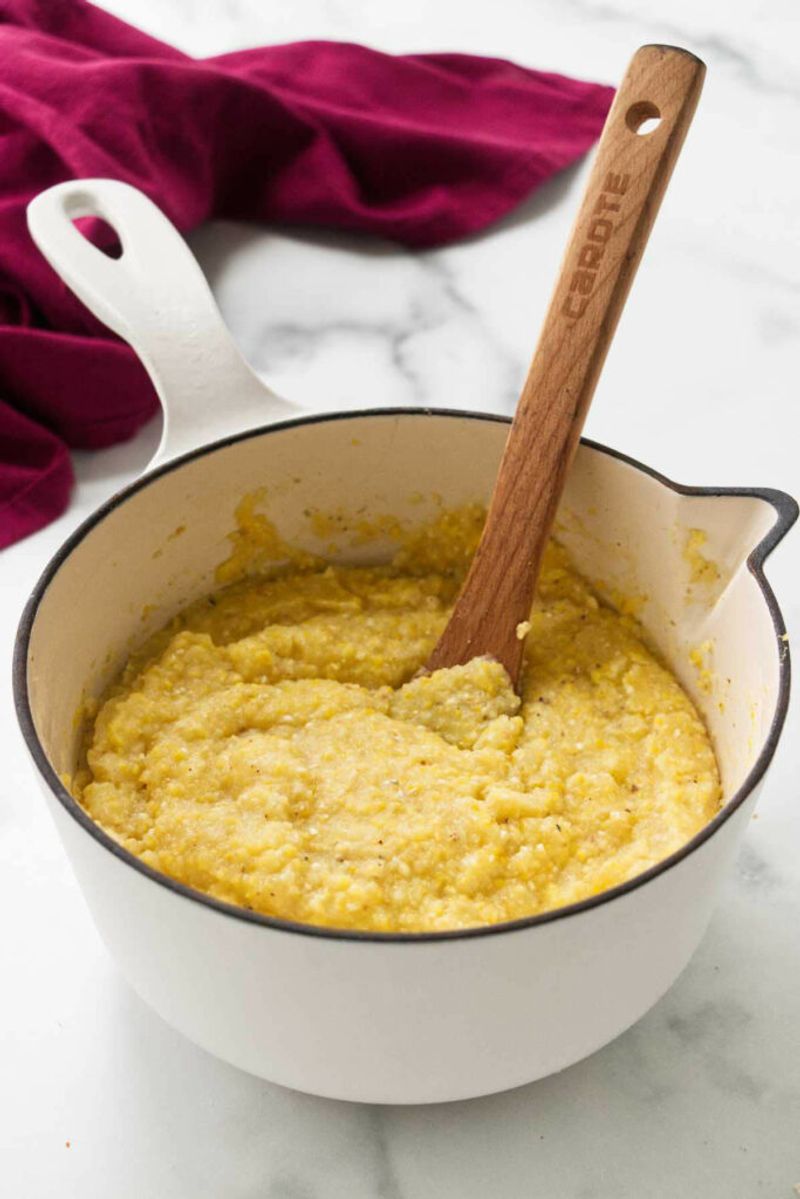
Polenta starts as nothing more than coarse cornmeal, but give it time over low heat with plenty of liquid, and it becomes one of the creamiest dishes in Italian cooking. The corn starches absorb the water slowly and swell into a thick, porridge-like consistency.
Stir in a knob of butter and some parmesan at the end and it turns luxuriously smooth. The key is slow cooking and constant stirring — two things that require zero fancy equipment.
14. Ricotta Cheese
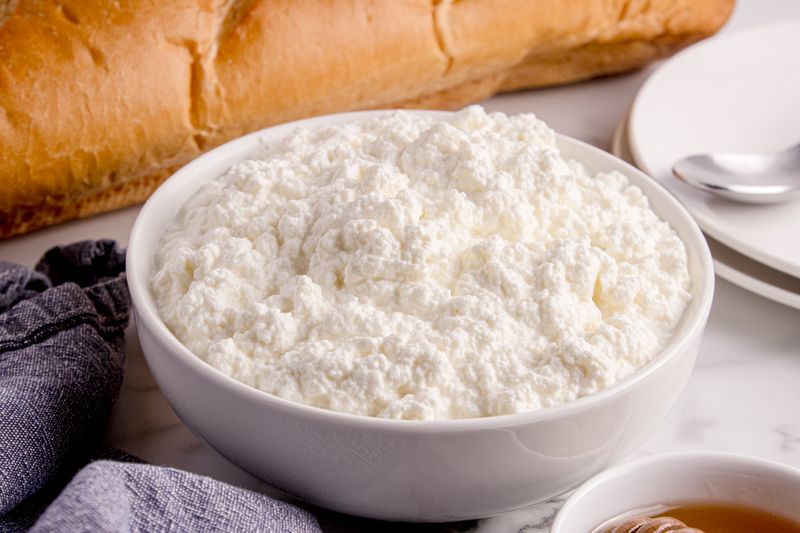
Ricotta is proof that simplicity can produce something spectacular. Made by heating whey or whole milk with an acid like lemon juice or vinegar, the curds that form are soft, moist, and naturally creamy without any blending.
Drain it lightly and it becomes spreadable. Leave it wetter and it turns silky enough for desserts and pasta fillings.
Fresh ricotta has a lightness to it that feels indulgent and airy at the same time — a rare combination.
15. Baked Brie
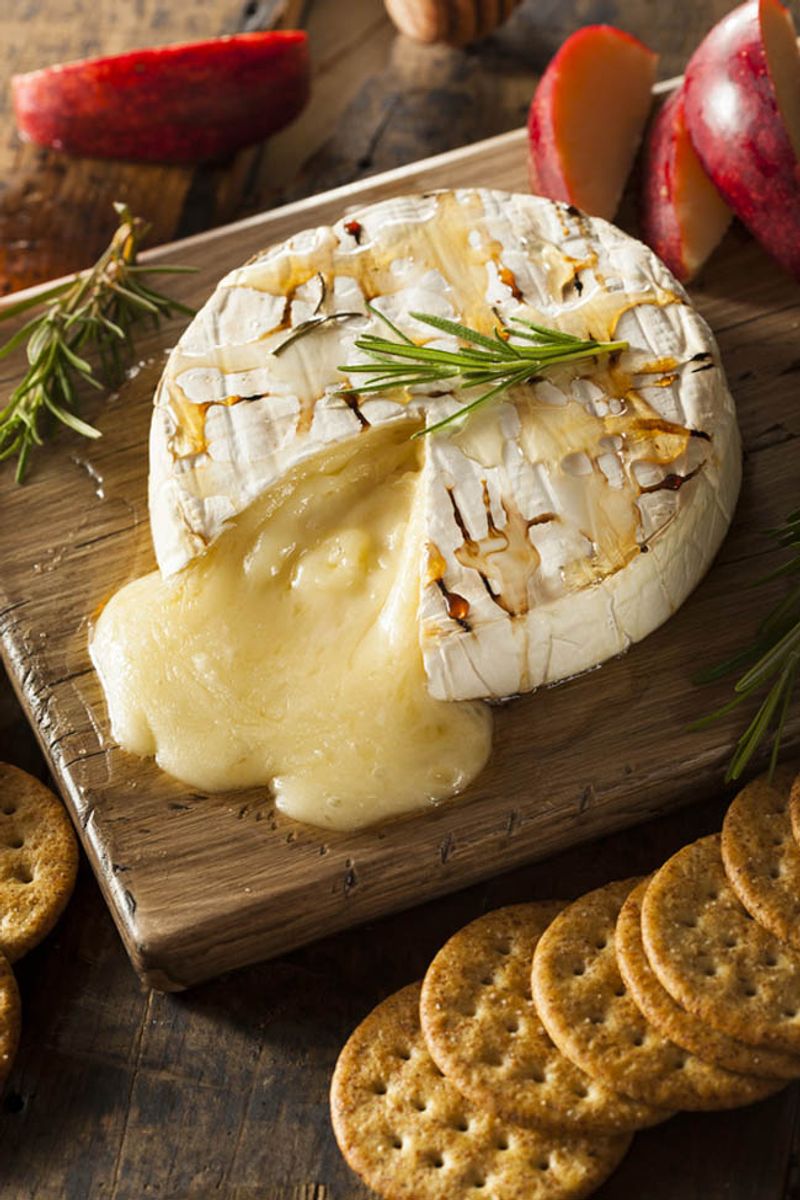
Brie goes from a firm wheel of cheese to a pool of warm, flowing creaminess with just fifteen minutes in the oven. The heat softens the fat inside and turns the interior into something you could practically drink with a spoon.
Slice the top off and the melted cheese bubbles up, begging to be scooped onto crusty bread. No blending, no processing — just heat doing exactly what it does best to a cheese that was already rich to begin with.
16. Slow-Cooked Beans

Cannellini beans cooked low and slow in broth eventually release their starches into the liquid, thickening it into something almost gravy-like. The beans themselves become so tender they squish between your fingers.
Italian cooks have known this trick for generations — it is what makes pasta e fagioli so comforting without any blending at all. The longer the simmer, the creamier the result.
Patience is genuinely the only tool required here.
17. Warm Brie or Camembert
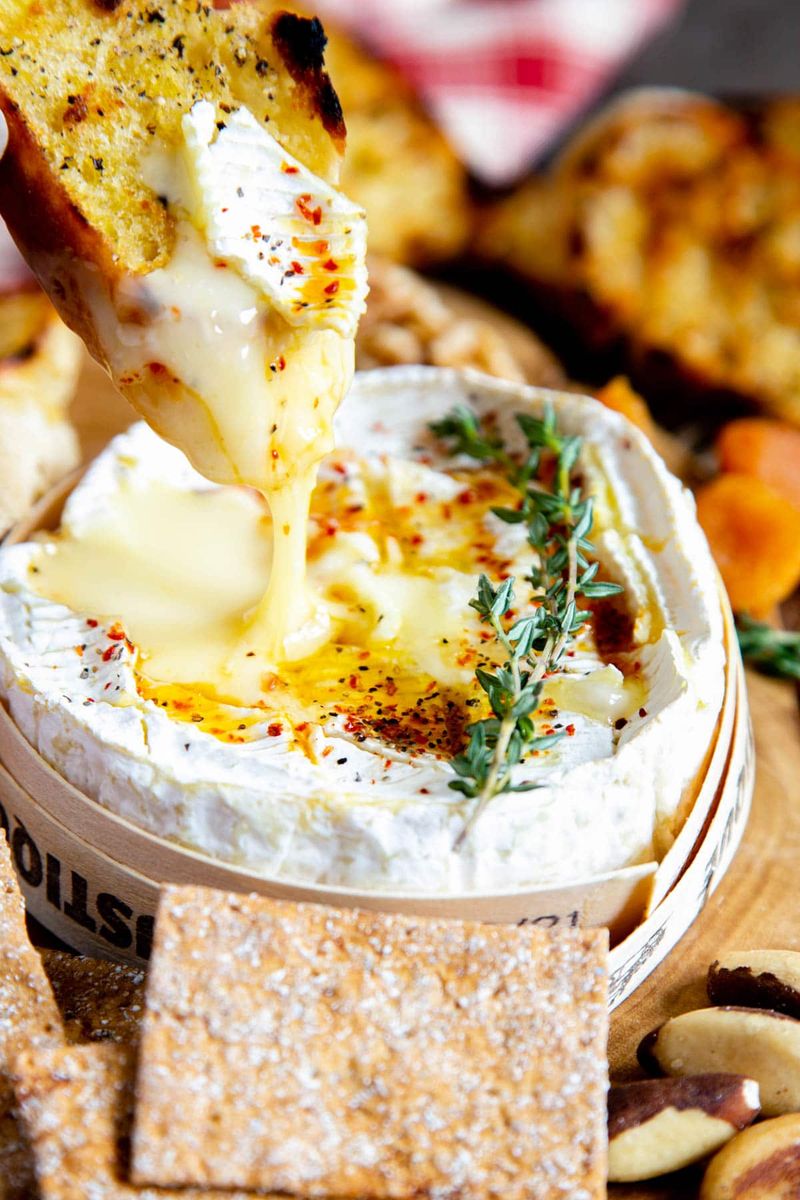
Camembert in its wooden box, baked until the lid puffs up slightly, is one of those foods that makes people gasp when they open it. The inside transforms into a fondue-like pool of warmth and creaminess that flows freely.
Dip bread, vegetables, or crackers straight in. The fat in the cheese melts evenly with the heat, creating texture that no blender could replicate.
Baking soft-rind cheeses is essentially nature doing your cooking for you, beautifully.
18. Canned Pumpkin
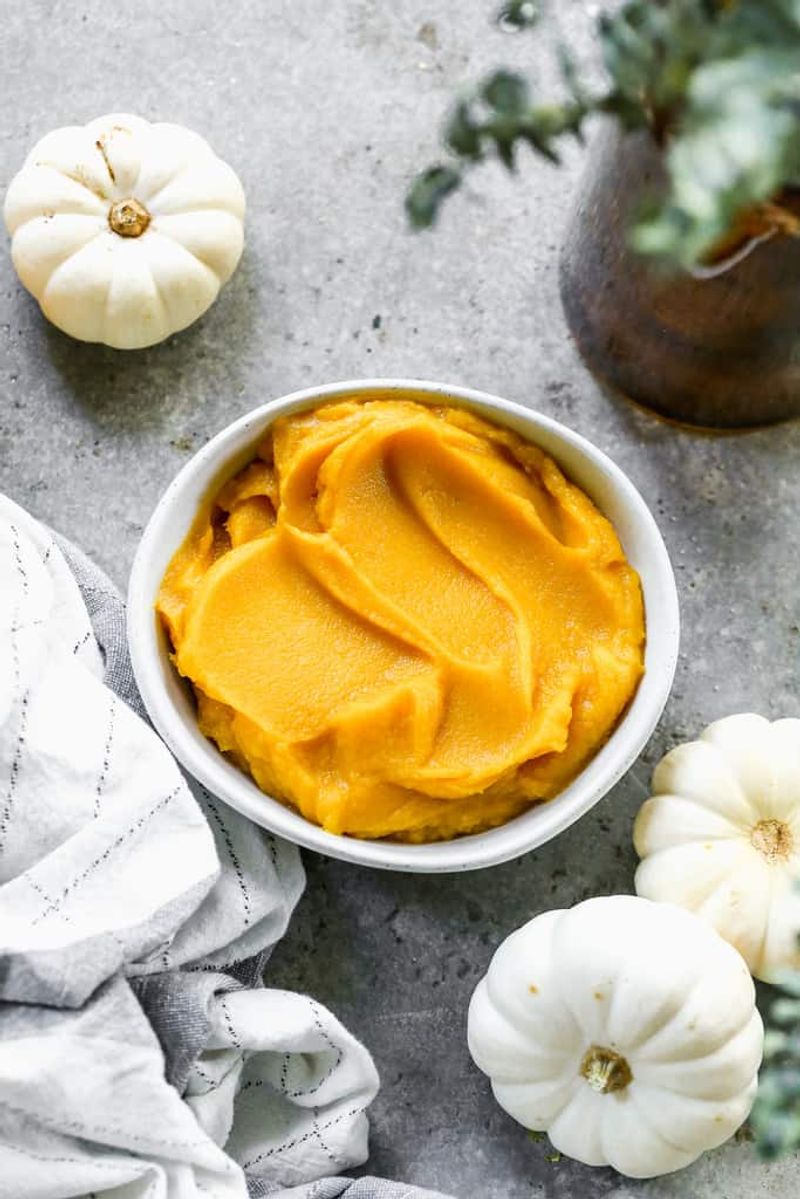
Canned pumpkin is already cooked and strained before it reaches your pantry, which means it arrives with a naturally dense, creamy texture that requires no extra effort from you. Stir it into oatmeal, sauces, or soups and it thickens everything it touches.
Its fiber content gives it body while its mild flavor plays well with spices like cinnamon and nutmeg. It is one of those pantry staples that quietly does far more than most people realize.




Comments
No Comments