













When no one is watching, the rules of eating change completely. Most people have a secret set of food habits they only practice in private, from skipping the plate to eating straight from the container.
These solo food choices say a lot about comfort, convenience, and just how much we all crave a little freedom. Get ready to see yourself in more than a few of these.
1. Eating Straight From the Container
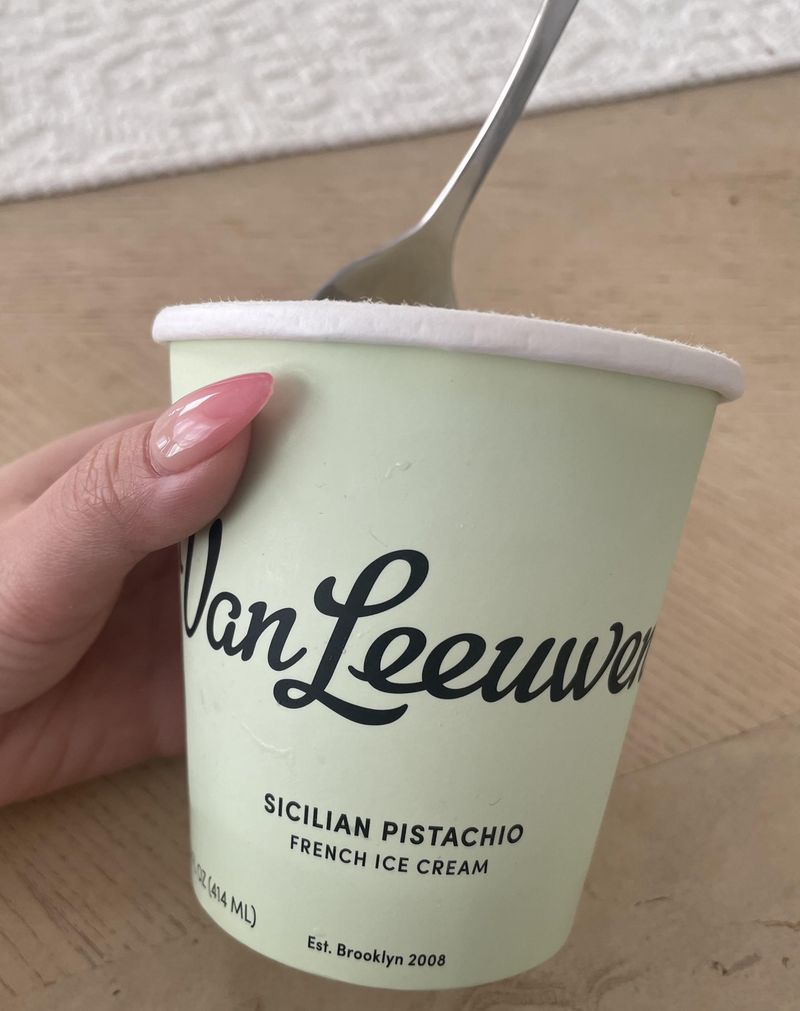
Nobody grabs a bowl when no one is watching. Eating ice cream, leftovers, or peanut butter straight from the container is one of the most common private food habits people admit to.
Why dirty a dish when you are the only one eating it?
It saves time, cuts down on cleanup, and honestly feels a little rebellious in the best way. Most people would never do this at a dinner party, but at home alone, the container becomes the bowl.
2. Skipping the Plate Entirely

Cooking a full meal and then serving it onto a plate feels unnecessary when you live alone or eat solo. Many people admit to eating right out of the pan or pot they cooked in, skipping the plate step altogether.
It is a small act of defiance against the usual rules of mealtime. Less washing, less fuss, and the food is still hot.
Alone time in the kitchen has its own relaxed rhythm that just works.
3. Having Dessert Before Dinner
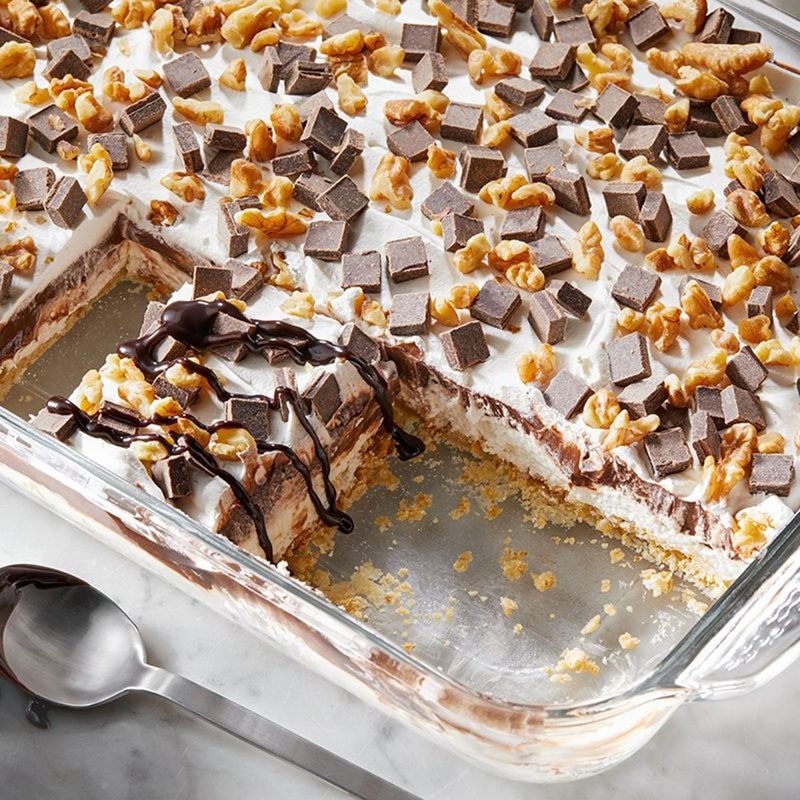
Remember being told you had to finish dinner before getting dessert? When no one else is around, that rule quietly disappears.
Plenty of adults admit to eating cookies, cake, or chocolate before touching anything savory.
There is something almost childlike and joyful about flipping the meal order. Hunger is hunger, and sometimes the sweet craving hits first.
Eating dessert first is one of those private freedoms that feels surprisingly satisfying every single time.
4. Drinking Directly From the Carton or Bottle

Glasses are optional when you are home alone. Drinking juice, milk, or even leftover broth straight from the container is something many people do without a second thought in private.
It feels casual and oddly freeing.
Of course, most people would never do this if anyone else was sharing the carton. But solo fridge raids have their own unwritten rules, and skipping the glass is almost always one of them.
No judgment, just hydration.
5. Eating Over the Sink
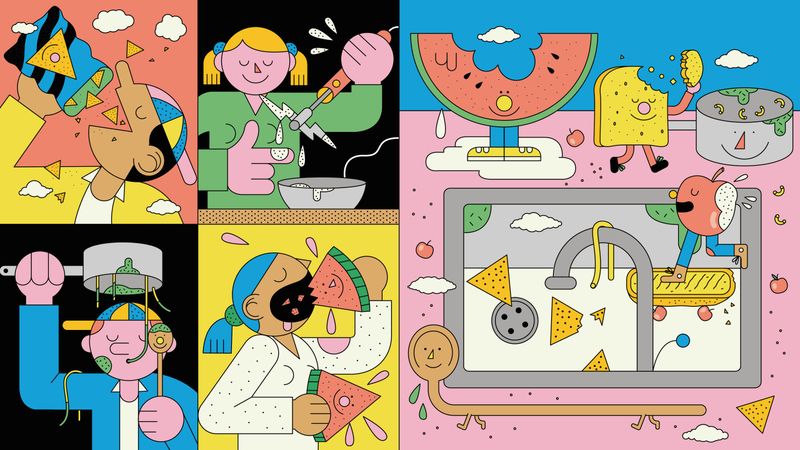
The sink becomes a dining table when nobody is watching. Standing over it and eating a quick meal or snack is surprisingly common, especially for people who do not want to deal with crumbs or mess on the counter.
It is efficient, oddly practical, and a little amusing to admit. Food goes in, crumbs fall down, and cleanup is instant.
Eating over the sink is the ultimate low-effort mealtime solution that solo eaters have quietly perfected over the years.
6. Combining Weird Food Pairings
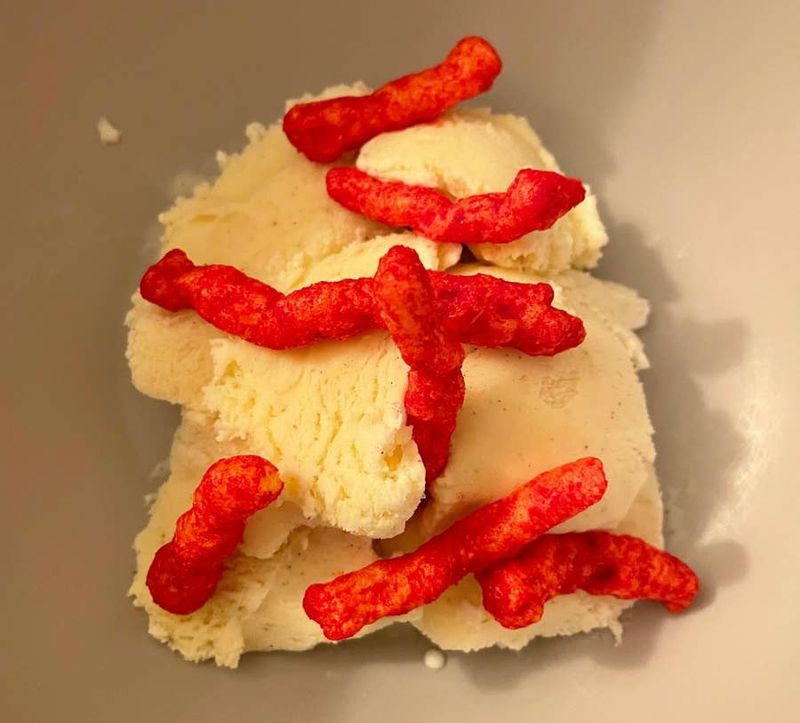
Pickles dipped in peanut butter. Chips crushed into soup.
Ketchup on scrambled eggs. When no one is around to give a strange look, people get wonderfully creative with food combinations.
Solo eating is where culinary experimentation truly thrives.
These quirky pairings often come from childhood habits, cravings, or pure curiosity. Some turn out surprisingly delicious, and some do not.
Either way, private meals are the perfect low-stakes testing ground for the most unexpected flavor adventures imaginable.
7. Skipping Utensils Altogether
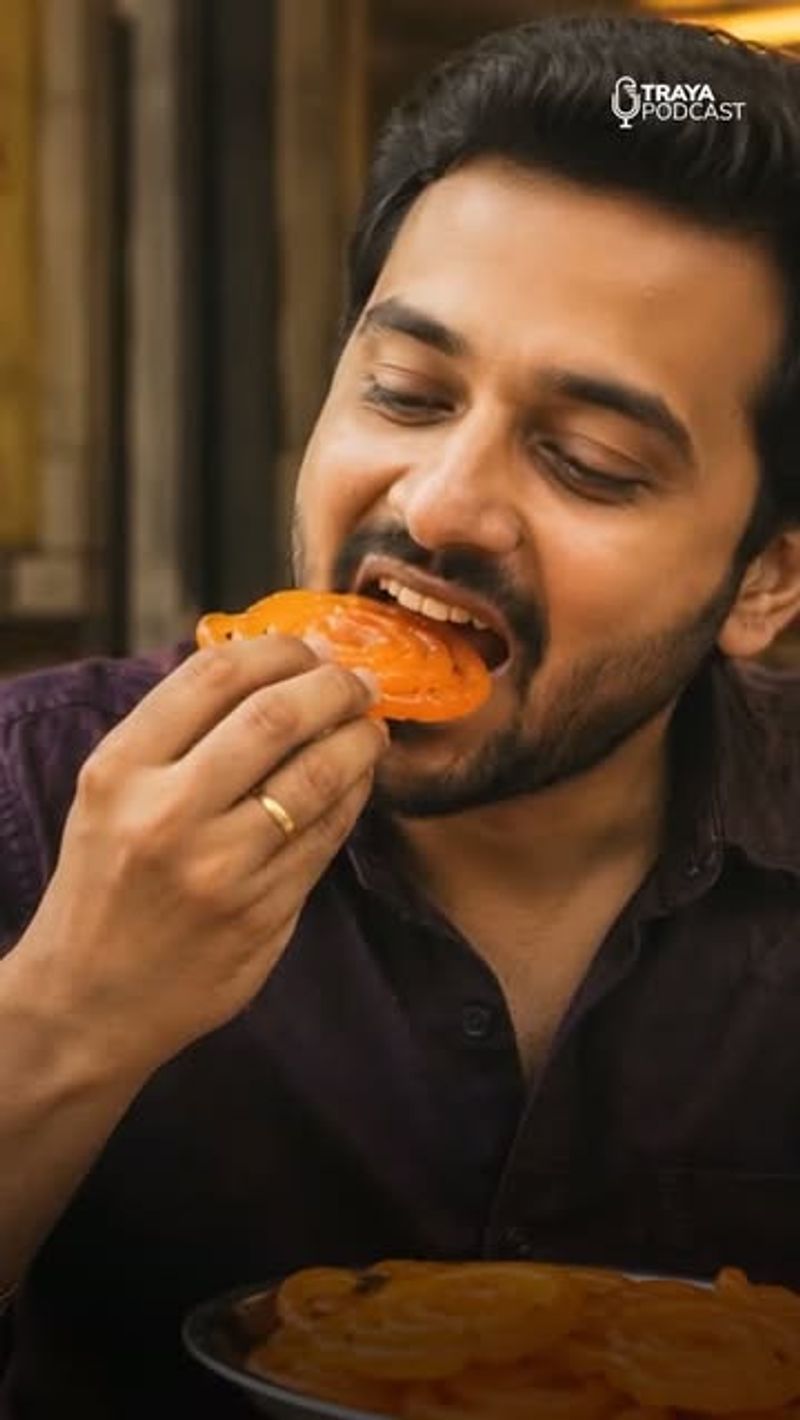
Forks and spoons are polite tools for public meals. At home alone, some foods just get picked up with fingers, and that is perfectly fine.
Eating with your hands has deep cultural roots and is actually the norm in many parts of the world.
Whether it is tearing bread, grabbing pasta, or scooping up rice, going utensil-free feels surprisingly natural. It connects you to the food in a more direct way, and cleanup is often just a quick hand wash.
8. Eating Meals in Bed
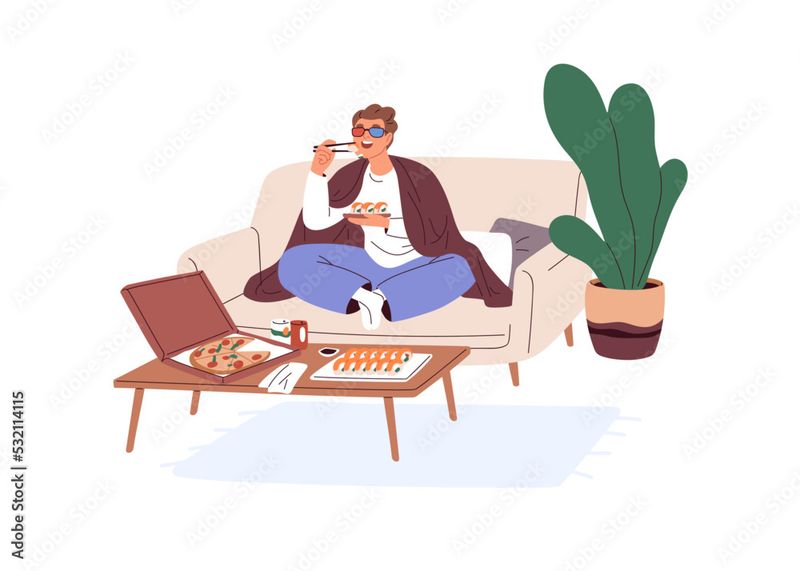
Breakfast, lunch, or dinner in bed is one of life's quieter pleasures. When no one is around to raise an eyebrow, the bed becomes a perfectly acceptable dining spot.
Crumbs are a minor inconvenience compared to the comfort it brings.
Many people reserve this habit for lazy weekends, sick days, or late-night snack sessions. There is something deeply relaxing about eating in your coziest spot.
It feels like a small reward after a long day, and that makes it completely worth it.
9. Skipping Cooking and Eating Snacks as a Meal
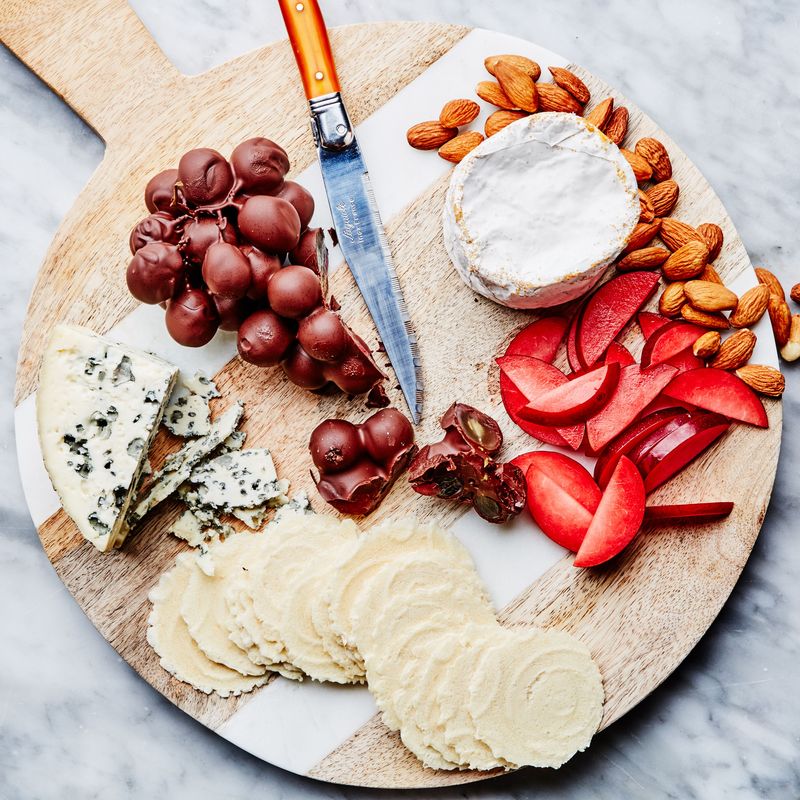
Sometimes cooking a real meal just does not happen. Alone at home, many people assemble a collection of snacks and call it dinner without any guilt.
Cheese, crackers, fruit, nuts, and whatever else is in the fridge becomes the meal.
Nutrition experts actually point out that snack plates can be quite balanced when done thoughtfully. But honestly, most people doing this are just avoiding dishes.
It is creative, low-effort, and somehow deeply satisfying in a way that a cooked meal sometimes is not.
10. Licking the Bowl, Spoon, or Beaters
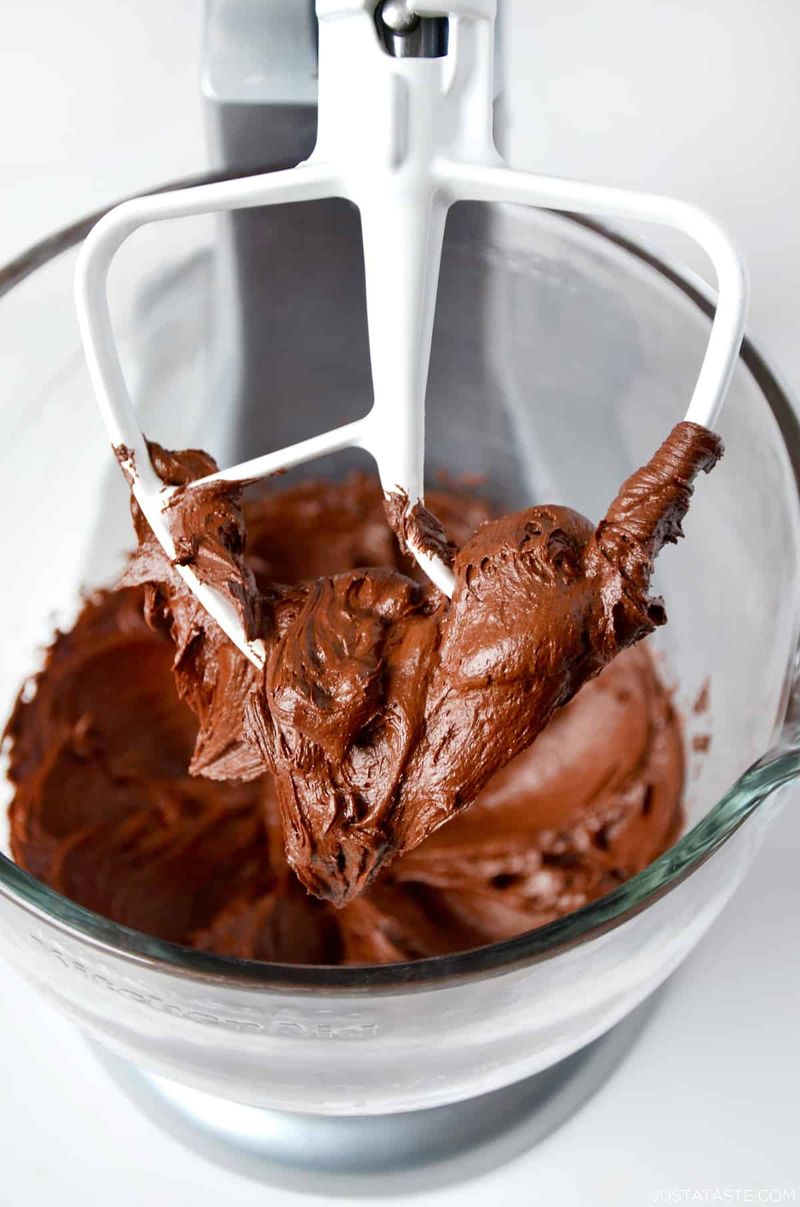
Brownie batter, frosting, mashed potatoes, or even soup. The bowl and the spoon get licked clean when no audience is present.
This habit starts in childhood and quietly carries into adulthood, especially during solo kitchen sessions.
There is something deeply satisfying about getting every last bit of something delicious. People who would never dream of doing this at a shared table do it without hesitation alone.
The kitchen becomes a judgment-free zone where licking the spoon is simply the logical final step.
11. Eating Cold Leftovers Without Reheating

Cold pizza is practically a food group. When hunger strikes and patience runs thin, reheating leftovers feels like a completely unnecessary extra step.
Eating food cold straight from the fridge is a beloved solo habit that requires zero apologies.
Interestingly, some foods actually taste better cold. Cold pasta, cold fried chicken, and cold Chinese takeout all have devoted fans who prefer them that way.
Solo eating creates space to discover these preferences without anyone questioning your food choices.
12. Eating at Unconventional Hours
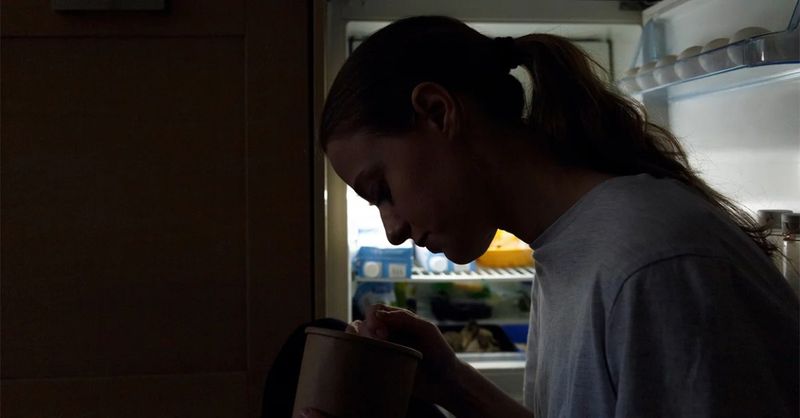
Midnight cereal. A full breakfast at 3 PM.
Soup at 10 in the morning. When no one else is setting the meal schedule, people eat whenever their body signals hunger, regardless of what the clock says.
This kind of intuitive eating actually aligns with how many nutrition researchers think about hunger. Your body does not always follow a traditional three-meal schedule.
Eating alone gives people the freedom to respond to real hunger cues rather than social mealtime norms, which can feel surprisingly refreshing.
13. Tasting Food While Cooking and Calling It a Meal
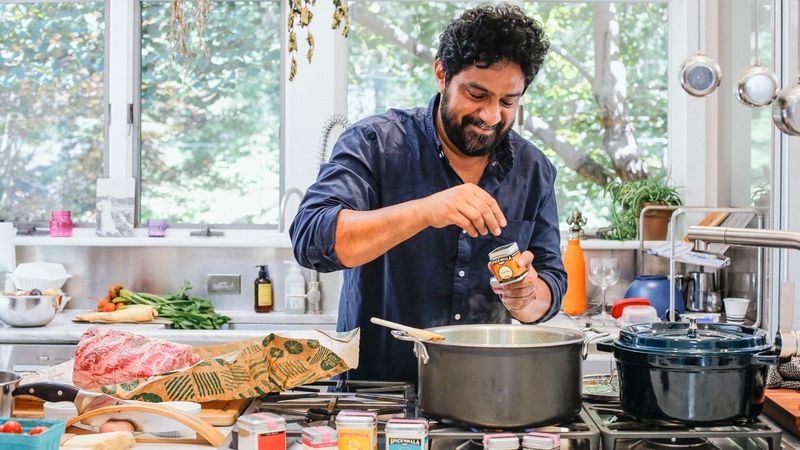
Some solo cooks never actually sit down to eat because the tasting during cooking becomes the meal itself. A spoonful here, a bite there, and by the time the food is ready, the hunger is already gone.
It happens more often than people admit.
Chefs actually do this professionally, tasting throughout the cooking process to adjust flavor. At home, it just becomes a very casual and delicious way to eat.
The stove becomes the dining table, and every taste test is a tiny, satisfying course.
14. Eating Without Sitting Down
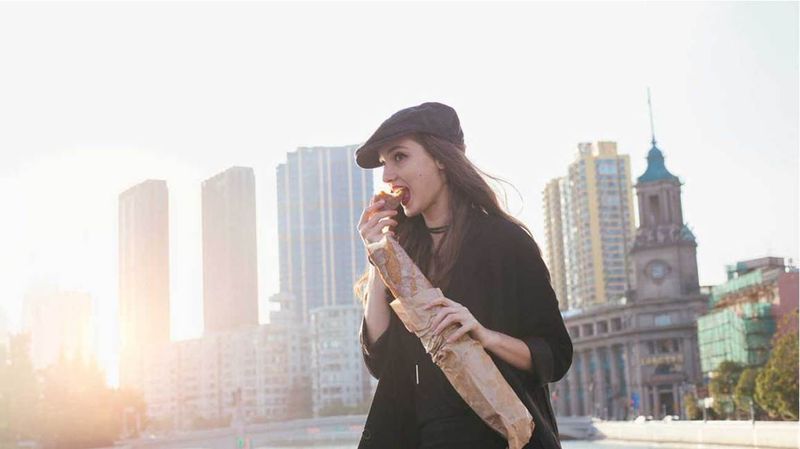
Chairs and tables are optional when eating alone. Many people wander around the house, stand at the counter, or pace the kitchen while eating their meals.
It feels more casual and somehow more energetic than a formal seated meal.
Some people do this out of habit, others out of restlessness, and some just because they are too hungry to stop moving long enough to sit. Whatever the reason, roaming while eating is a distinctly private food behavior most people keep to themselves.
15. Skipping the Napkin and Using Clothing Instead
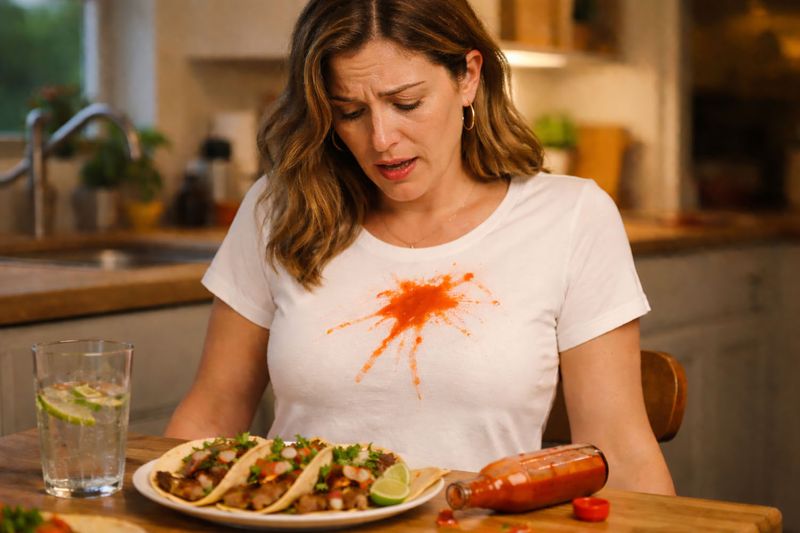
Napkins are a social contract. When no one else is watching, the nearest piece of clothing becomes perfectly acceptable for wiping hands or mouths.
Shirts, jeans, and even sleeves quietly take on the role of napkin during solo meals.
Most people would be mortified to do this in public or at a shared table. But alone, it is a quick and practical solution that saves a trip to the paper towel roll.
Laundry will handle the rest, and that is good enough.
16. Eating the Same Thing Every Single Day
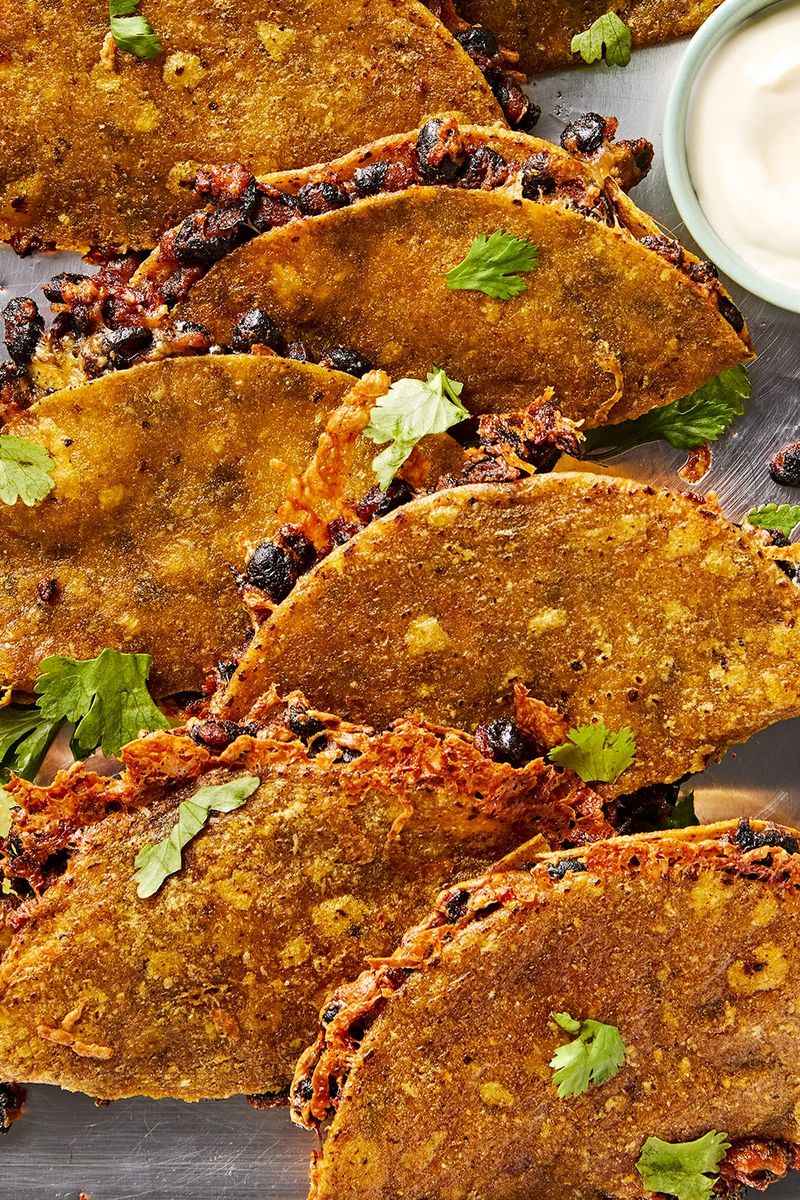
Without anyone else to consider, meal variety often disappears. Many solo eaters find a few things they love and rotate through them on repeat for weeks without getting bored.
Comfort and familiarity win over variety when you are only feeding yourself.
Psychologists call this decision fatigue, and eating the same meals reduces the mental load of figuring out what to make every day. It is a surprisingly smart strategy.
Solo eating makes it easy to honor your own preferences without compromise, and that simplicity feels genuinely satisfying.
17. Reading, Scrolling, or Watching While Eating
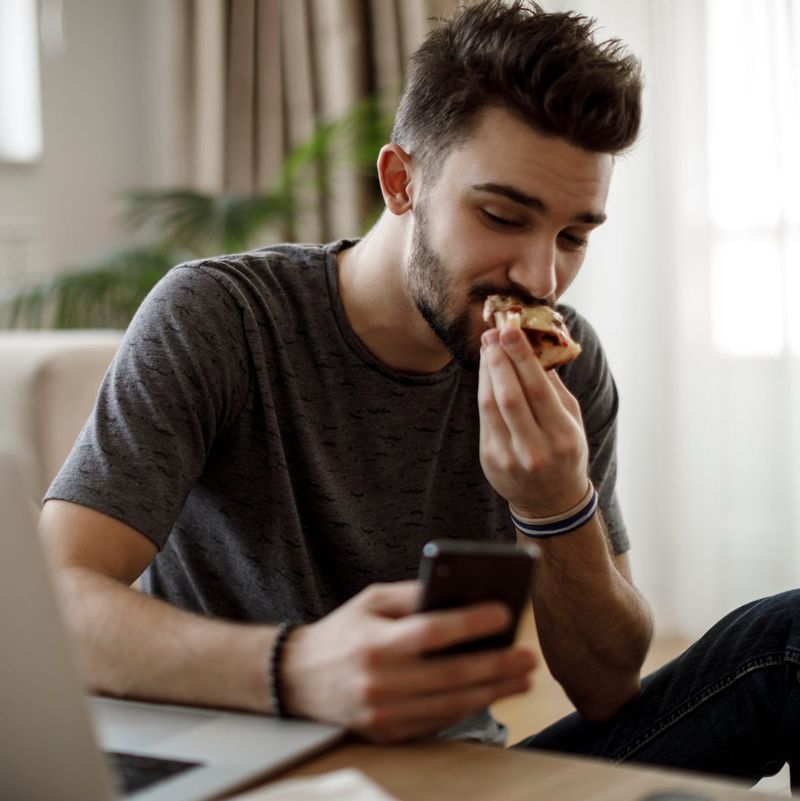
Mindful eating is great in theory, but solo meals often come with a side of screen time. When no one is around to chat with, the phone, laptop, or TV becomes the mealtime companion.
Most people do this without even thinking about it.
Studies show that distracted eating can lead to eating more than intended, but for many solo eaters, the screen makes the meal feel less lonely. It turns a quiet meal for one into a small, enjoyable event that actually feels like a break.
18. Finishing Off Leftovers Just to Avoid Storing Them
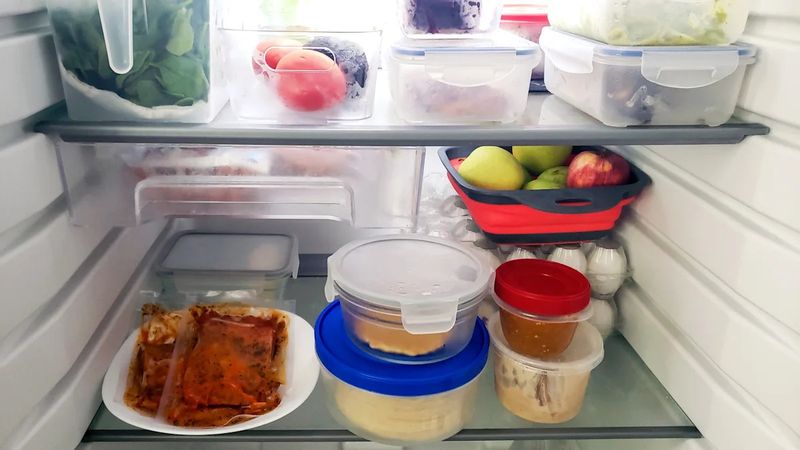
Storing three bites of pasta in a container feels pointless. Many solo eaters admit to finishing off small amounts of leftovers not because they are still hungry, but simply because putting them away seems like more effort than it is worth.
This very relatable habit blends laziness with a genuine desire to avoid food waste, which makes it feel almost responsible. When no one else is watching, the math of leftovers changes completely.
Eating the last bits becomes the logical, tidy conclusion to every solo meal.




Comments
No Comments