













Most of us eat the same way every day without giving it much thought. But some habits that seem totally harmless could actually be making it harder to feel your best.
Small changes in how you eat can have a big impact on your energy, mood, and health. Here are 18 surprisingly common eating habits worth taking a closer look at.
1. Eating Too Fast

Speed-eating might feel efficient, but your stomach needs about 20 minutes to tell your brain it is full. When you rush through meals, you almost always eat more than your body actually needs.
Slowing down and chewing thoroughly helps with digestion and gives your hunger signals time to catch up. Try putting your fork down between bites.
You might be surprised how much less you eat just by slowing the pace.
2. Skipping Breakfast

Skipping breakfast feels like a harmless shortcut on busy mornings, but it can throw off your energy for the entire day. Your body has been fasting overnight and needs fuel to get going.
Without breakfast, blood sugar drops, making you tired, irritable, and more likely to overeat later. Even something small like a banana or yogurt can make a real difference.
Your brain especially depends on that morning fuel to focus and perform well.
3. Drinking Your Calories

Liquid calories are sneaky. A large flavored latte, a bottle of juice, or a couple of sodas can add hundreds of calories without making you feel full at all.
Unlike solid food, drinks move through your stomach quickly and do little to satisfy hunger. Swapping sugary drinks for water, sparkling water, or unsweetened tea is one of the simplest ways to cut back without feeling deprived.
Your body will thank you for the switch.
4. Eating Straight From the Bag or Box
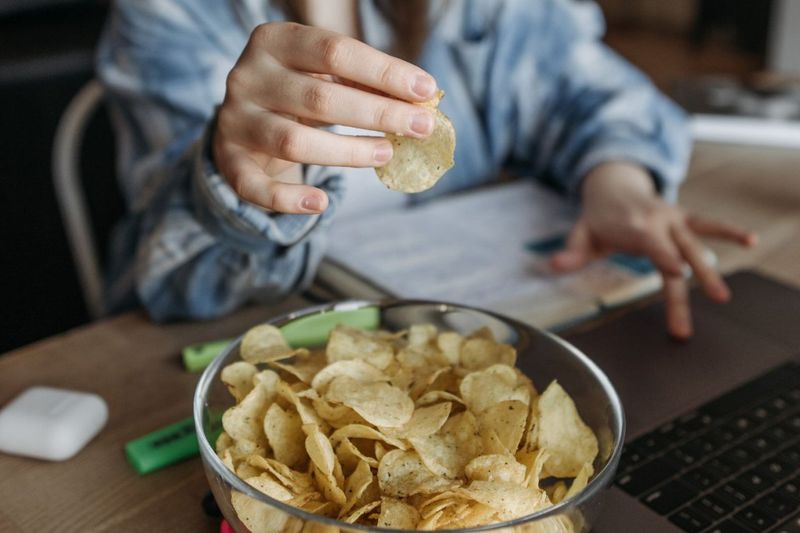
Grabbing a bag of chips and settling in for a show sounds completely innocent, but mindless snacking from large containers almost always leads to eating way more than intended. Without a visual cue for portion size, it is nearly impossible to track how much you have eaten.
Pouring a single serving into a bowl before you start snacking makes a huge difference. That one small habit shift can save you hundreds of unnecessary calories without any real sacrifice.
5. Waiting Until You Are Starving to Eat

Letting yourself get to the point of extreme hunger is a recipe for overeating. When your blood sugar crashes, your brain stops caring about healthy choices and just wants food, fast.
That is when drive-throughs, vending machines, and giant portions suddenly seem like the best idea ever. Eating regular meals and small snacks throughout the day keeps your hunger in a manageable range.
Consistent eating helps you make better decisions when it is time for your next meal.
6. Eating While Distracted

Scrolling your phone or watching TV while eating seems like great multitasking, but your brain is not fully registering the meal. Studies show that distracted eaters consume significantly more calories and feel less satisfied afterward.
When your attention is split, the experience of eating barely registers, so your brain keeps looking for satisfaction. Try eating at least one meal a day with no screens.
You may find you enjoy the food more and feel fuller on less.
7. Relying on Ultra-Processed Foods Daily
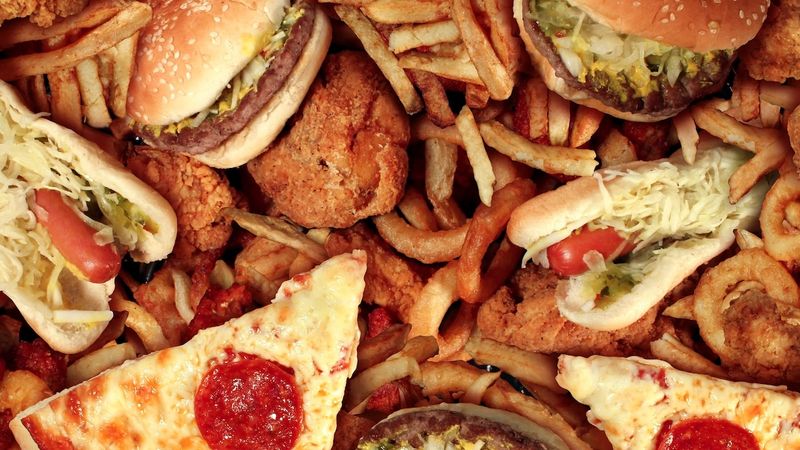
Ultra-processed foods are everywhere and designed to be irresistible, but eating them daily takes a real toll. They are often loaded with sodium, sugar, and artificial additives while offering very little nutritional value.
Over time, a diet heavy in these foods is linked to fatigue, poor gut health, and increased risk of chronic disease. Swapping even two or three processed items a week for whole foods like fruits, vegetables, or whole grains can meaningfully improve how you feel day to day.
8. Treating Weekends as a Free-for-All
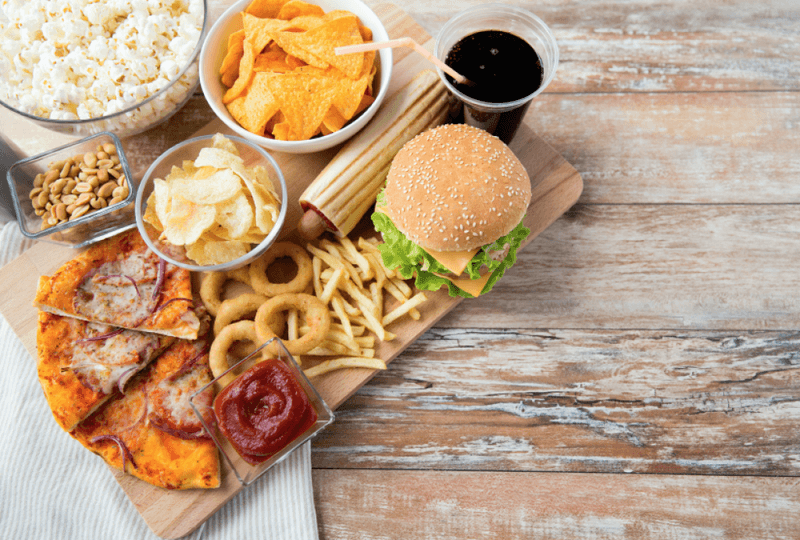
Eating well Monday through Friday and then going completely off the rails on weekends is more common than you might think. The problem is that two days of excessive eating can easily cancel out five days of careful choices.
Weekends do not need to be restrictive, but keeping some structure helps. Enjoying treats mindfully rather than bingeing out of a sense of earned freedom keeps your overall habits more balanced and your body feeling steadier all week long.
9. Not Eating Enough Protein
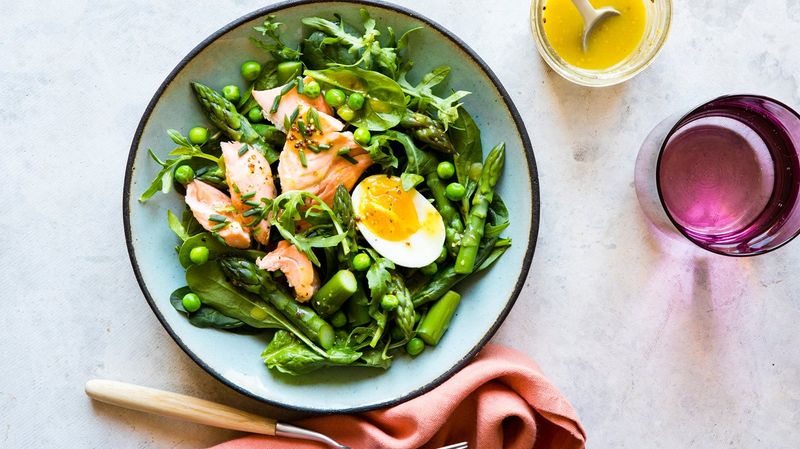
Protein is the nutrient that keeps you feeling full and helps your body repair and build muscle. Many people unknowingly eat far too little of it, especially at breakfast and lunch.
Without enough protein, hunger comes back quickly, energy dips, and cravings for sweets or salty snacks tend to spike. Adding eggs, beans, Greek yogurt, chicken, or tofu to your meals does not have to be complicated.
Even a small increase in protein can dramatically change how satisfied you feel.
10. Ignoring Hunger Cues
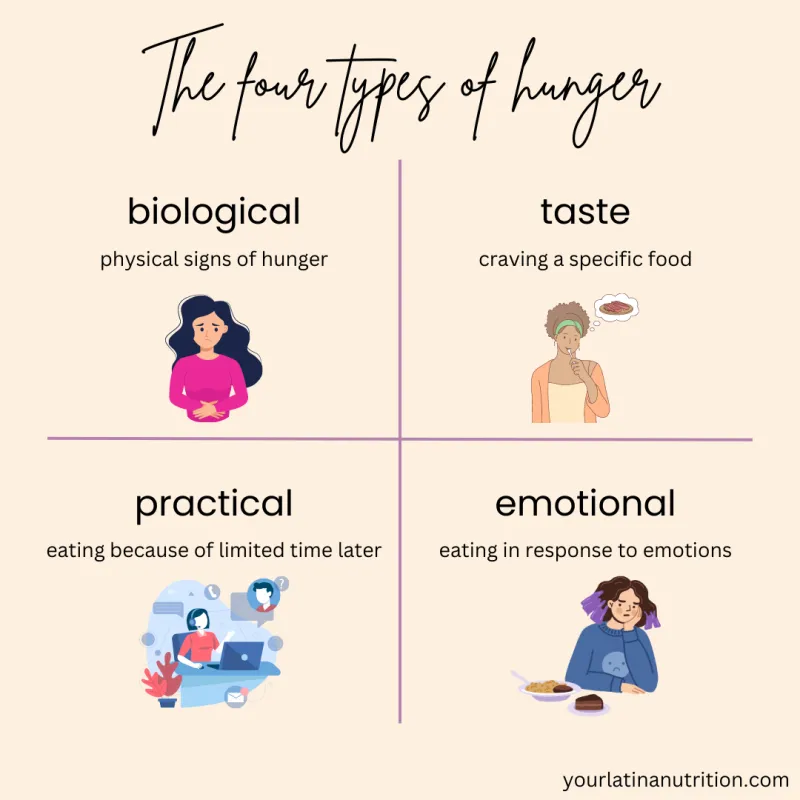
Pushing through hunger to finish a task or stick to a rigid meal schedule trains your body to stop trusting its own signals. Over time, chronically ignoring hunger can lead to overeating when you finally do sit down to eat.
Hunger is not weakness or inconvenience. It is your body communicating a real need.
Learning to recognize and respond to early hunger rather than waiting for desperation helps you eat more intuitively and maintain steadier energy throughout the day.
11. Overdoing Healthy Foods
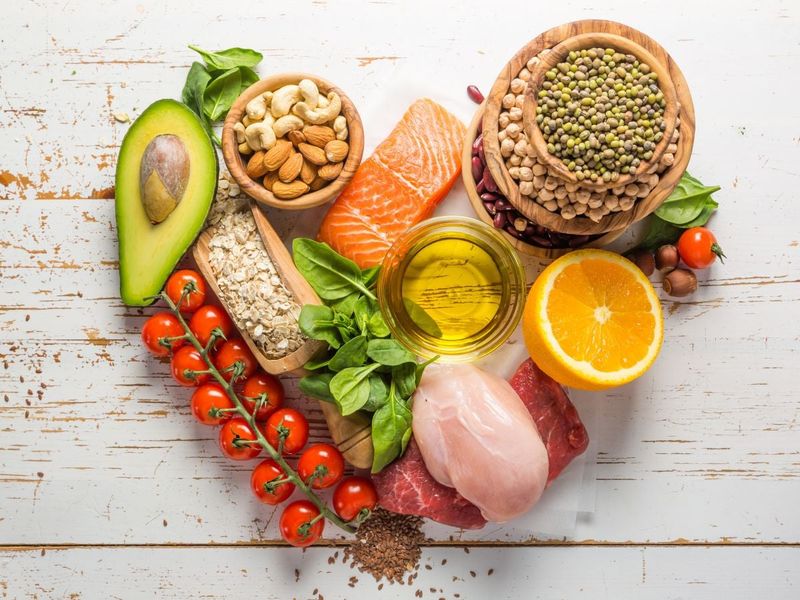
Granola, avocado, nuts, and olive oil are all genuinely good for you, but eating them in enormous quantities can still lead to consuming way more calories than your body needs. Healthy does not always mean unlimited.
Even nutritious foods have calorie density that adds up quickly. A small handful of almonds is a great snack.
Half a bag is a different story. Portion awareness matters even with the foods you feel good about eating.
Balance is the real goal.
12. Eating Late at Night
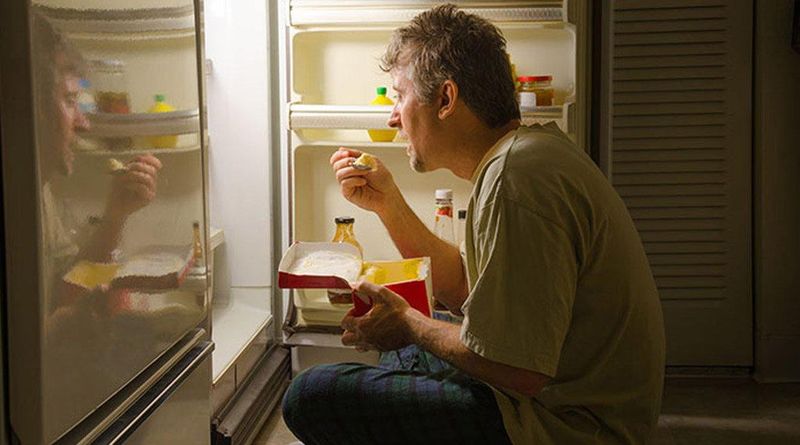
Late-night eating is deeply woven into modern life, but it can interfere with sleep quality and digestion. Your body is winding down at night and is not well-equipped to process a heavy meal efficiently.
Eating close to bedtime has also been linked to weight gain over time, partly because late-night snacks tend to be high in sugar or fat and eaten out of boredom rather than genuine hunger. Finishing meals at least two to three hours before bed can make a noticeable difference.
13. Using Food to Cope With Emotions

Reaching for food when stressed, bored, anxious, or sad is one of the most deeply human habits there is. Comfort eating feels soothing in the moment, but it rarely addresses the actual emotion underneath.
Over time, using food as the primary emotional coping tool can lead to a complicated relationship with eating and weight. Finding even one or two alternative outlets, like walking, journaling, or calling a friend, can help break the automatic food-as-comfort cycle without requiring perfection.
14. Confusing Thirst for Hunger
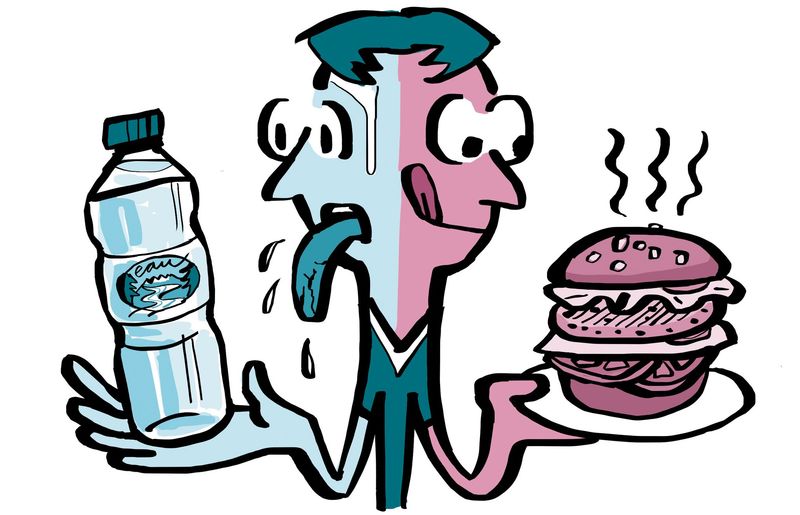
Your brain sometimes mixes up the signals for hunger and thirst, especially when you are even mildly dehydrated. This mix-up can lead to unnecessary snacking when all your body actually wanted was a glass of water.
A simple trick is to drink a full glass of water when hunger strikes and then wait ten minutes. If the hunger fades, you were probably just thirsty.
Staying consistently hydrated throughout the day can reduce phantom hunger and help you eat more intentionally overall.
15. Not Eating Enough Vegetables

Most people know vegetables are important, but far fewer actually eat enough of them. Vegetables provide fiber, vitamins, and minerals that are hard to get from other foods, and they help keep your gut healthy and your energy stable.
A diet low in vegetables often leads to blood sugar swings, poor digestion, and low immunity. The good news is that adding vegetables does not require elaborate cooking.
Frozen veggies, raw snacks, and simple salads all count and make a genuine impact on daily health.
16. Eating the Same Thing Every Day

Meal prepping the same thing every single day feels efficient, but eating a very narrow range of foods limits the variety of nutrients your body receives. Different foods feed different types of beneficial gut bacteria, which plays a huge role in overall health.
Nutritional diversity is more important than most people realize. Rotating even a few different proteins, grains, and vegetables each week can meaningfully improve gut health and ensure your body gets a broader spectrum of the vitamins and minerals it needs to thrive.
17. Skipping Meals to Save Calories

Skipping meals to bank calories for later seems logical on paper, but it tends to backfire. Extended fasting during the day slows metabolism, spikes hunger hormones, and makes overeating almost inevitable when you finally do eat.
Research consistently shows that people who skip lunch or dinner end up consuming more total calories later in the day, not fewer. Eating balanced, regular meals keeps your metabolism active and your hunger hormones in check, making it far easier to maintain healthy eating overall.
18. Not Paying Attention to Portion Sizes

Portion sizes have quietly ballooned over the past few decades, and most people have lost touch with what an actual serving looks like. Restaurant meals, packaged snacks, and home cooking often deliver two to three times a recommended portion without anyone noticing.
You do not need to weigh every bite, but occasionally checking serving sizes on labels or using your hand as a rough guide can be eye-opening. Small, consistent portion adjustments over time add up to a significant change in overall calorie intake.




Comments
No Comments