













Few foods in the world feel as cozy and satisfying as a plate of soft, pillowy dumplings. Whether they are steamed, boiled, or pan-fried, dumplings bring warmth and joy to tables across every culture.
From Asia to Europe and everywhere in between, each region has its own special twist on this beloved comfort food. Get ready to explore some of the most delicious dumpling dishes that will make your stomach happy and your heart even happier.
1. Chinese Xiaolongbao (Soup Dumplings)
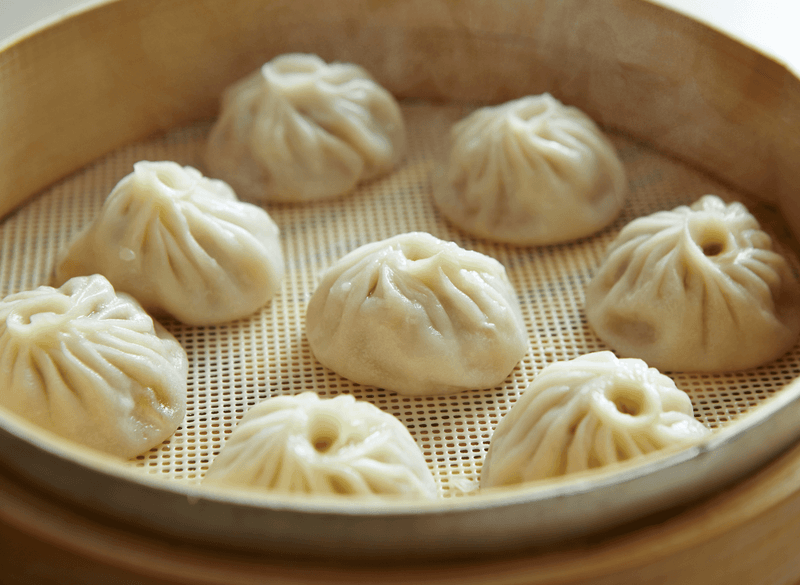
Crack one of these open and a rush of hot, savory broth floods your mouth before you even take a full bite. Xiaolongbao, also called soup dumplings, are a Shanghai specialty that hide a pocket of rich pork broth inside every thin, pleated wrapper.
The trick is to nibble a small hole first, sip the soup, then eat the rest. Dipping them in black vinegar with fresh ginger makes the flavor pop even more.
2. Japanese Gyoza
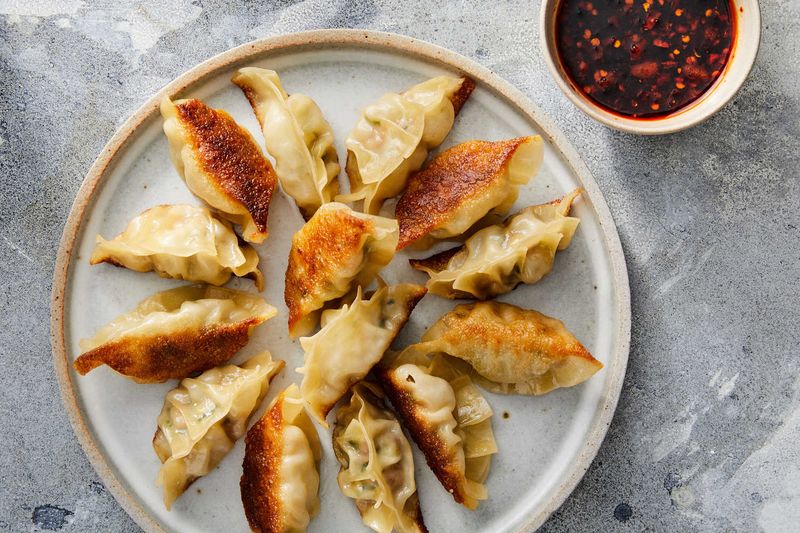
Gyoza have a personality all their own: crispy on the bottom, soft and chewy on top, and packed with a juicy pork-and-cabbage filling. Originally inspired by Chinese jiaozi, Japan made gyoza its own by pan-frying them in a technique called potsticker style.
The result is a satisfying crunch that gives way to tender dough and flavorful filling. Pair them with a tangy soy-and-sesame dipping sauce for the full experience.
3. Polish Pierogi
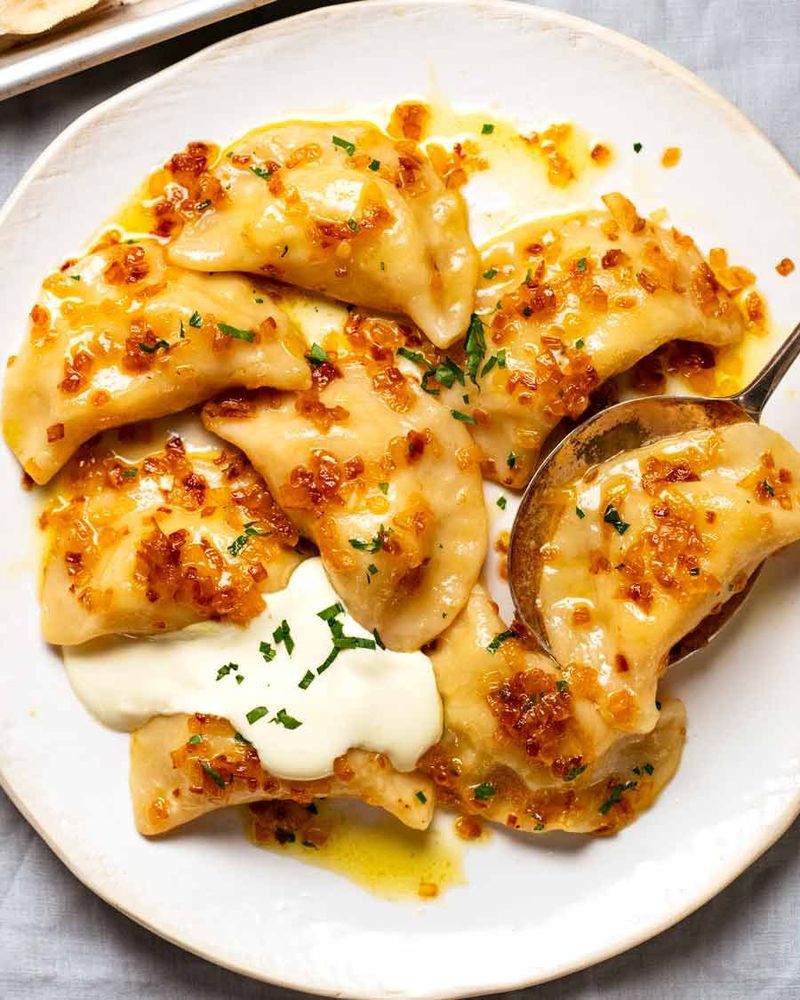
Pierogi are the ultimate Eastern European comfort food, and Poland claims them with serious pride. These half-moon dumplings are stuffed with mashed potato and cheese, sauerkraut, or even sweet fruit fillings depending on the season.
They are boiled first, then often tossed in butter with caramelized onions for extra richness. A spoonful of sour cream on the side is basically non-negotiable.
Every Polish grandmother has her own recipe, and every version is a little bit magical.
4. Korean Mandu
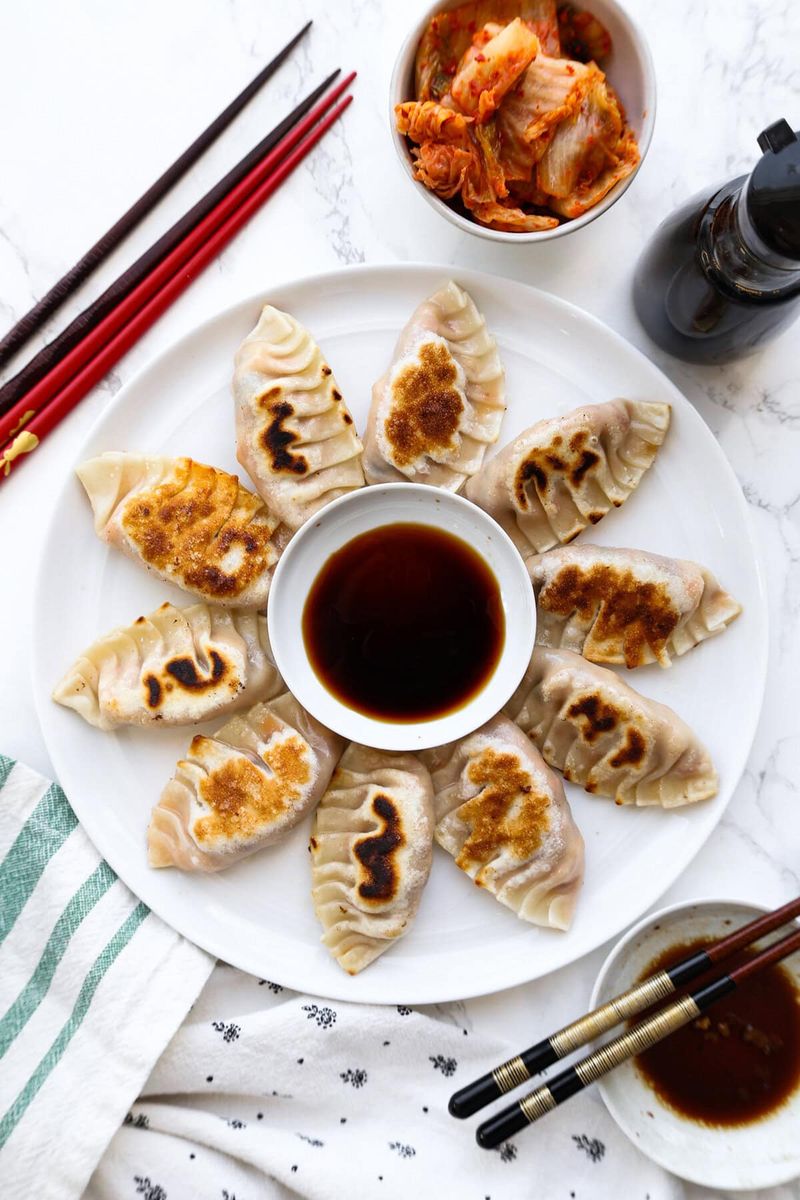
Mandu are Korea's answer to the universal love of dumplings, and they come in more shapes and fillings than you might expect. Pork, tofu, glass noodles, and kimchi are popular stuffings, and the wrappers can be thick or thin depending on the style.
During Korean New Year, mandu are dropped into a rice cake soup called tteokguk, making them part of a beloved tradition. Steamed or fried, they are always deeply satisfying and full of bold flavor.
5. Tibetan Momo
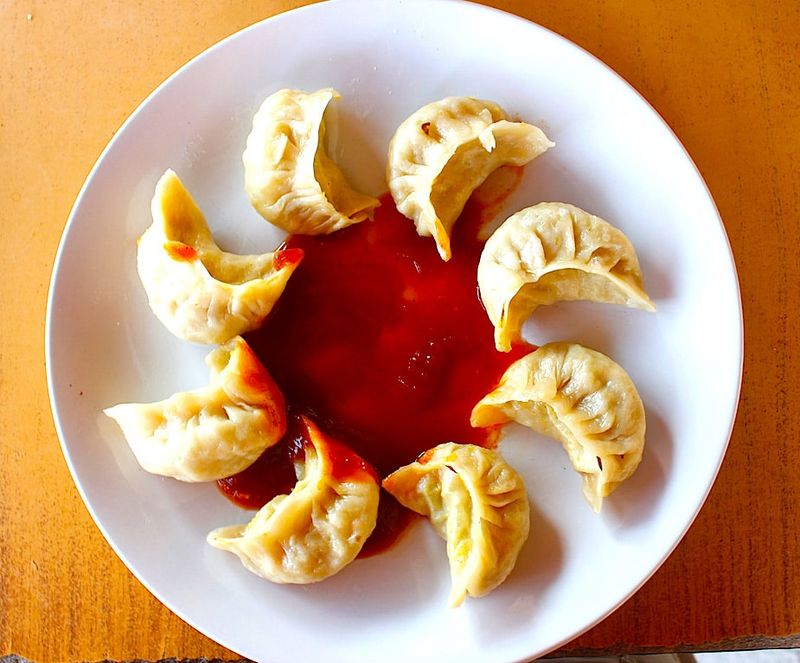
High up in the Himalayas, momos have warmed the hands and hearts of Tibetan communities for centuries. These thick, doughy dumplings are stuffed with spiced meat or vegetables and steamed until they are soft and pillowy.
What really sets momos apart is the fiery chili tomato sauce served alongside them. The heat of the sauce balances the mild, chewy wrapper perfectly.
Street vendors across Nepal and Tibet sell these by the basketful every single day.
6. Italian Gnocchi
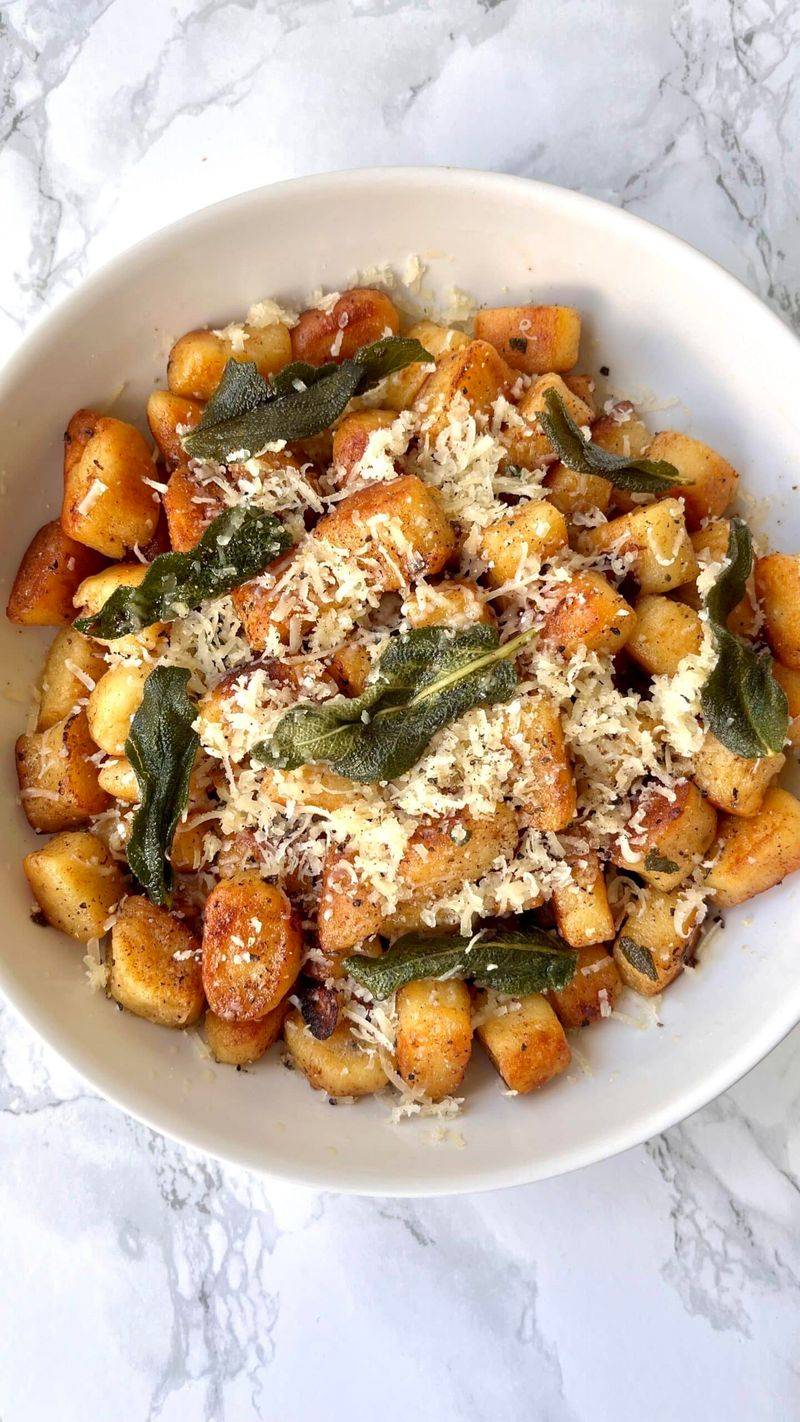
Gnocchi might look simple, but getting them right is a true kitchen achievement. These Italian potato dumplings are soft, pillowy, and melt-in-your-mouth tender when made well, with a texture unlike any pasta you have tried before.
Toss them in brown butter with sage and Parmesan for a classic Roman dish, or smother them in a rich tomato sauce. Fun fact: Italians celebrate a tradition called "Gnocchi Thursday" in some regions, eating them weekly for good luck.
7. Georgian Khinkali
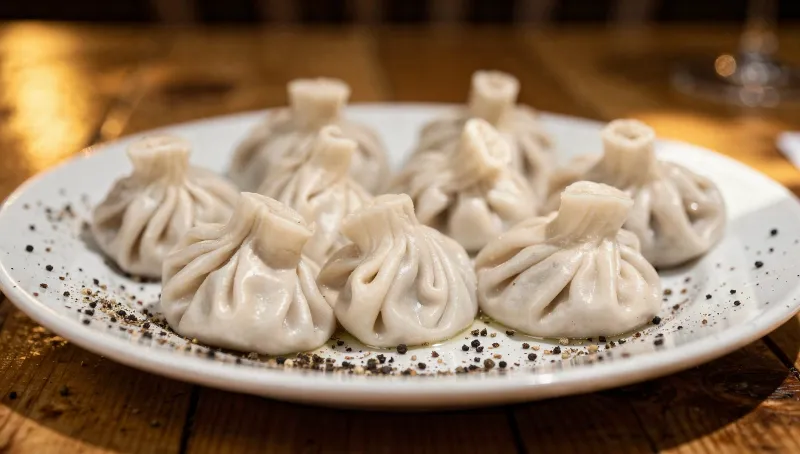
Khinkali are the life of the party at any Georgian feast. These big, twisty-topped dumplings are stuffed with spiced minced meat and a generous amount of broth, making them basically a soup and a dumpling at the same time.
The proper way to eat them is to hold the topknot, bite a small hole, slurp the broth out, then eat the rest. The twisted knot at the top is left on the plate and counted to see who ate the most.
8. Chinese Har Gow (Shrimp Dumplings)
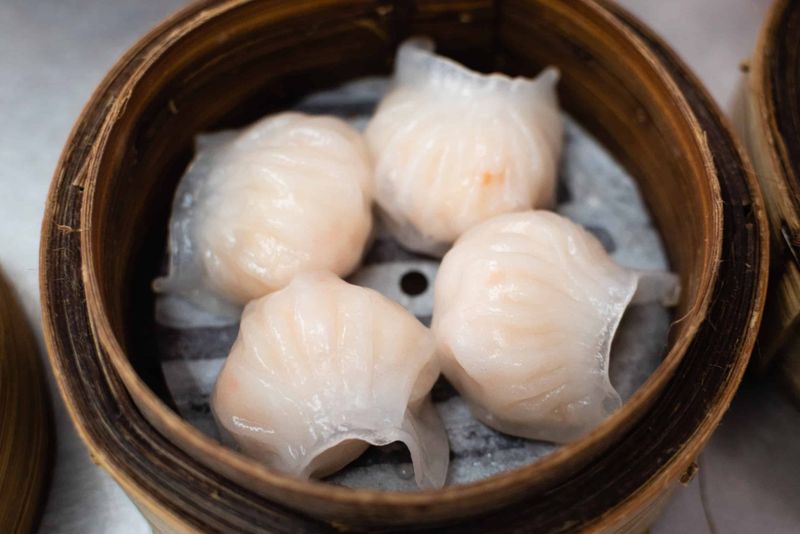
Har gow are considered the gold standard of dim sum, and any serious dim sum chef is judged on how well they make them. The wrapper should be thin enough to see the pink shrimp filling through it, yet strong enough not to tear.
Inside, plump, fresh shrimp seasoned lightly with sesame oil and bamboo shoots create a clean, sweet flavor. These dumplings are always steamed and served hot, usually three or four to a basket at yum cha brunch.
9. Russian Pelmeni
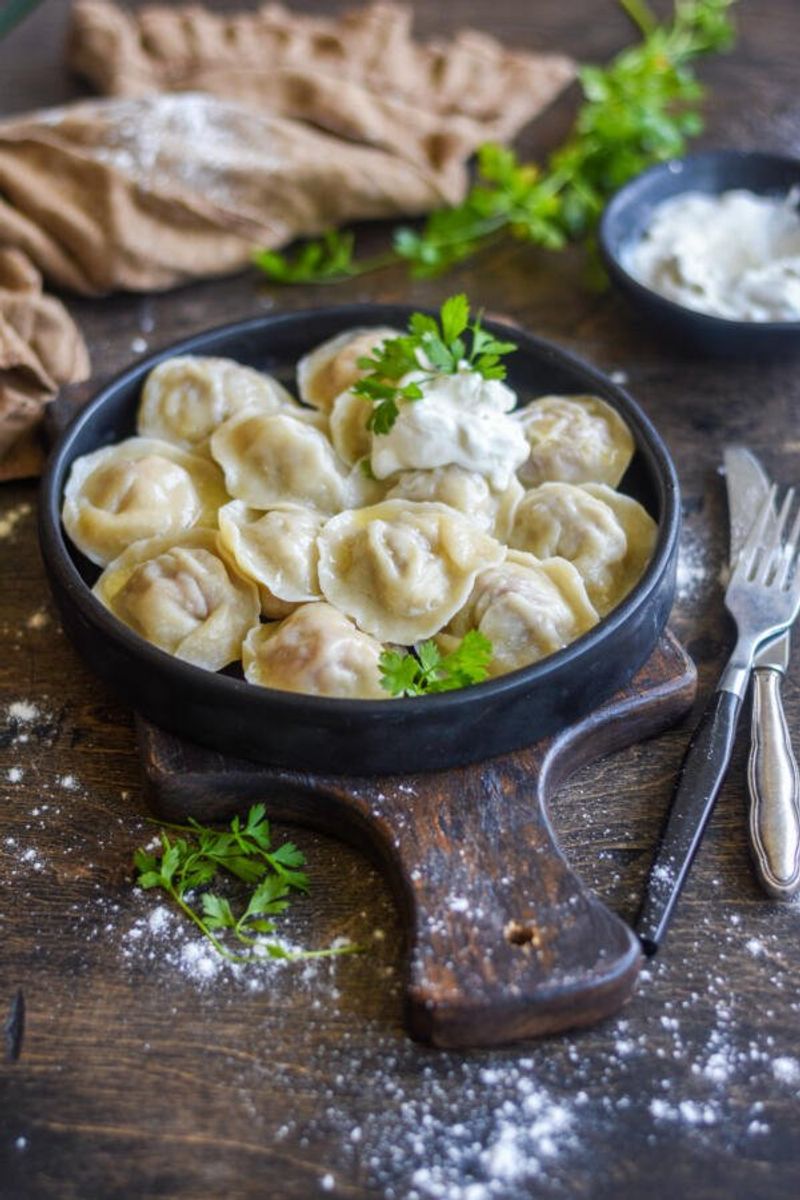
Pelmeni are Russia's beloved winter comfort food, and for good reason. These small, tight little dumplings are packed with seasoned pork, beef, or a mix of both, then boiled until tender and served with a mountain of sour cream.
Siberian families used to make hundreds at a time and freeze them outside during winter, using the cold weather as a natural freezer. Simple, hearty, and deeply warming, pelmeni are proof that sometimes the most straightforward dishes are the most satisfying ones.
10. Vietnamese Banh Bot Loc
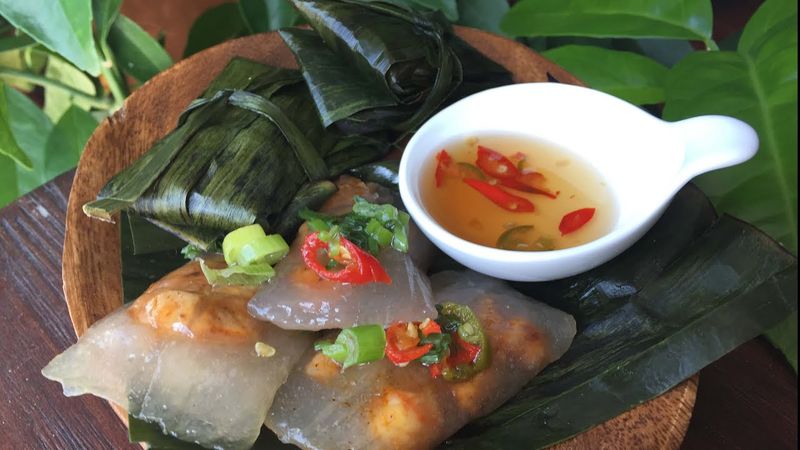
Banh bot loc are tiny, translucent tapioca dumplings from the Hue region of Vietnam, and they look almost too pretty to eat. The chewy, jelly-like wrapper is made from tapioca starch, giving them a uniquely bouncy texture that is unlike any other dumpling.
Inside, you will find shrimp and pork belly seasoned with fish sauce and spices. Wrapped in banana leaves and served with a sweet-spicy dipping sauce, these little gems are a true Vietnamese specialty worth seeking out.
11. Indian Modak
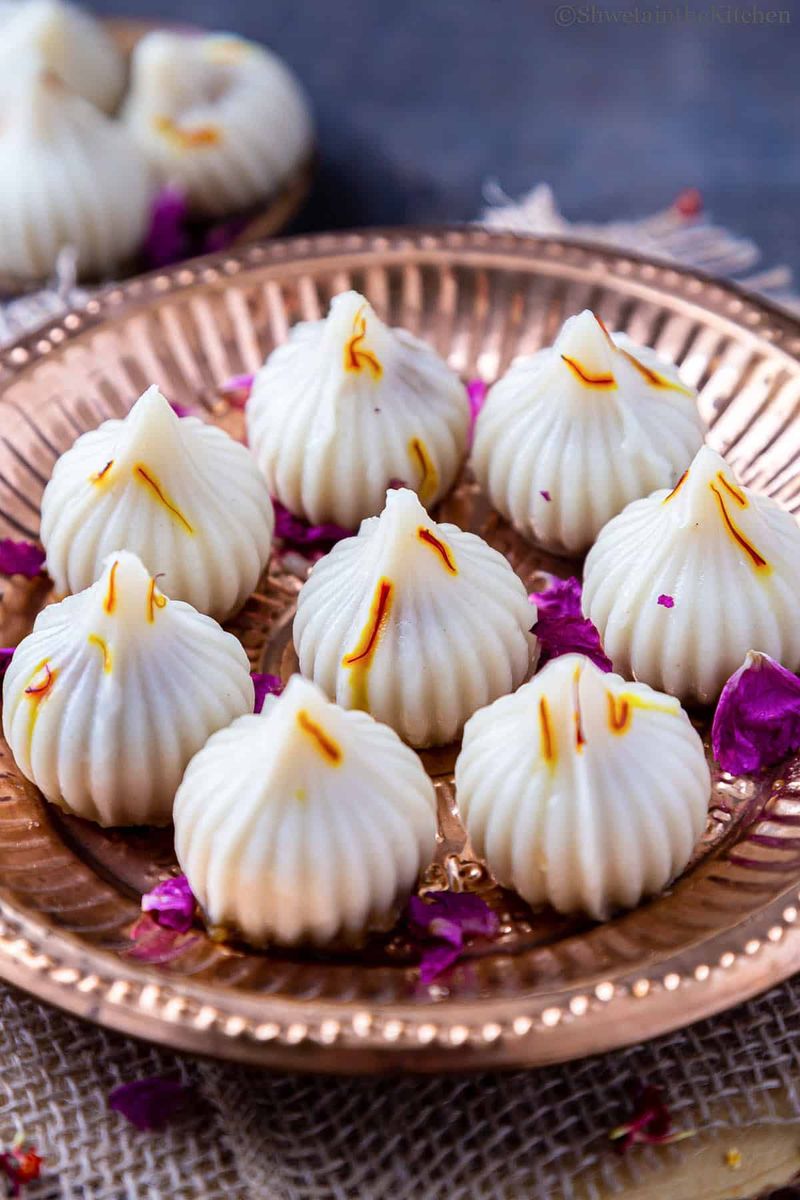
Modak hold a special place in Indian culture because they are the favorite sweet of Lord Ganesha, the elephant-headed deity of wisdom. Made during the festival of Ganesh Chaturthi, these cone-shaped dumplings are filled with a warm mixture of grated coconut and jaggery.
The outer shell is made from rice flour and steamed until soft and slightly translucent. Biting into one releases a sweet, fragrant filling that tastes like celebration itself.
They are truly one of a kind.
12. Swedish Kroppkakor
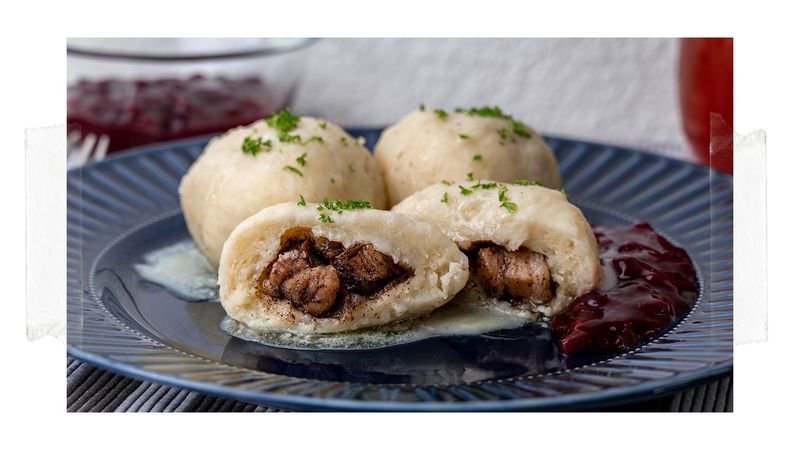
Kroppkakor might be Sweden's best-kept secret in the world of dumplings. These large, round potato dumplings are stuffed with diced pork and onions, then boiled until they are soft and slightly dense with a satisfying chew.
Served with melted butter, lingonberry jam, and cream, they hit a perfect balance of savory and sweet. Traditionally eaten in southern Sweden, especially on the island of Oland, kroppkakor are a dish that locals grow up eating and never stop craving.
13. Filipino Siomai
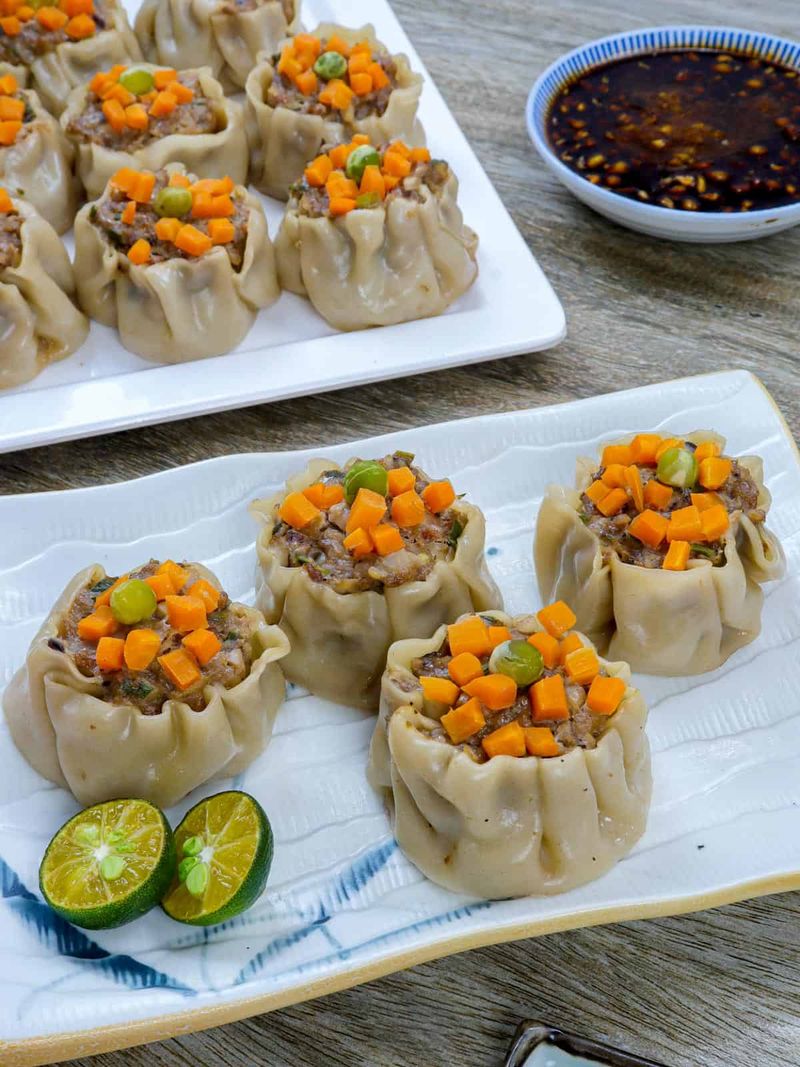
Siomai is everywhere in the Philippines, from fancy restaurants to busy street carts, and people of all ages love them. These open-topped steamed dumplings are filled with ground pork, shrimp, and water chestnuts for a satisfying mix of textures.
A squeeze of calamansi juice and a dip in soy sauce with chili oil is the classic way to eat them. They are quick, affordable, and endlessly enjoyable.
Street vendors often sell them by the dozen, and somehow that never feels like too many.
14. Hungarian Szilvas Gomboc (Plum Dumplings)
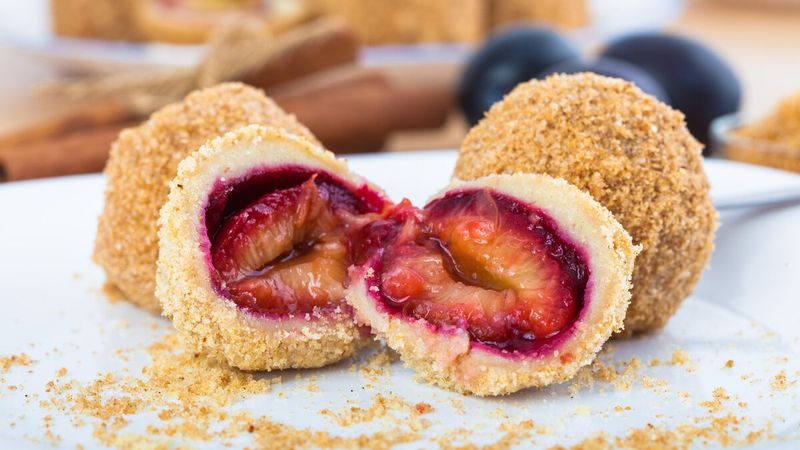
Who says dumplings have to be savory? Hungary's szilvas gomboc proves that sweet dumplings are just as worthy of celebration.
A whole plum is wrapped inside a soft potato dough, boiled until tender, then rolled in buttery toasted breadcrumbs.
The warm plum inside releases its juices as you bite in, creating a sweet-tart surprise. Dusted with powdered sugar and a pinch of cinnamon, these are a beloved late-summer treat when fresh plums are at their peak ripeness.
15. Nepali Jhol Momo
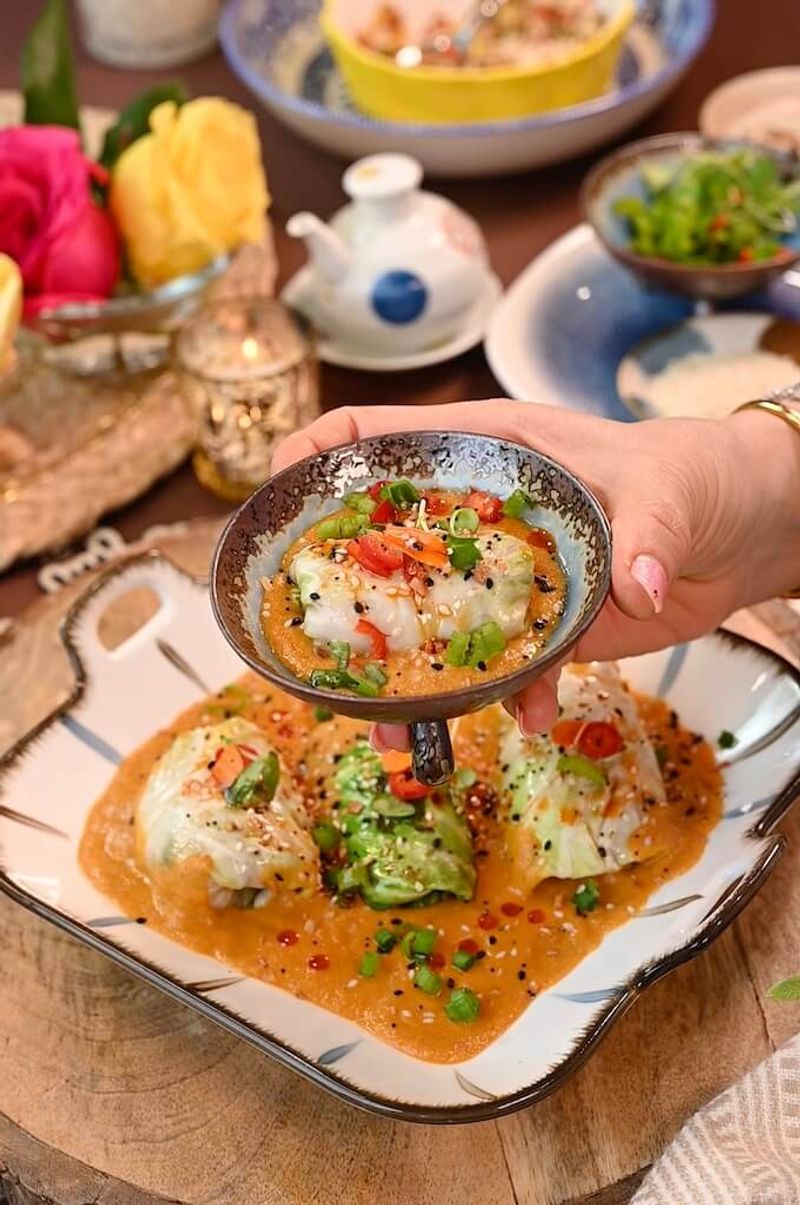
Regular momos are already fantastic, but jhol momo takes things to a whole new level by swimming them in a spiced, tangy broth. Jhol means soup or broth in Nepali, and this version has become wildly popular across Nepal and in Nepali communities worldwide.
The sauce is made from tomatoes, sesame seeds, ginger, and chilies, creating a flavor that is smoky, sour, and just a little fiery. The soft dumplings soak up the broth beautifully, making every bite incredibly rich and comforting.
16. German Semmelknoedel (Bread Dumplings)
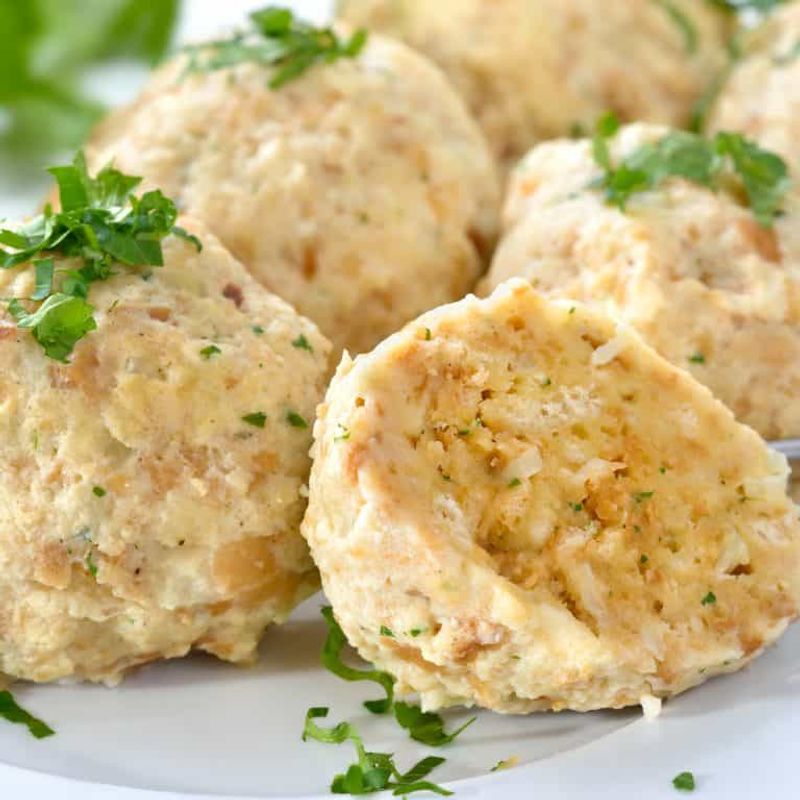
Semmelknoedel are the kind of dumplings that make a rainy day feel totally manageable. Made from day-old bread rolls soaked in warm milk and mixed with eggs, onions, and parsley, these large, round dumplings are boiled until fluffy and tender.
They are a staple of Bavarian cooking and are almost always served alongside mushroom gravy or roasted meats. The bread absorbs the sauce beautifully, making each forkful deeply flavorful.
Germans have been making these since medieval times, and the recipe has barely changed.
17. Chinese Tang Yuan (Glutinous Rice Dumplings)
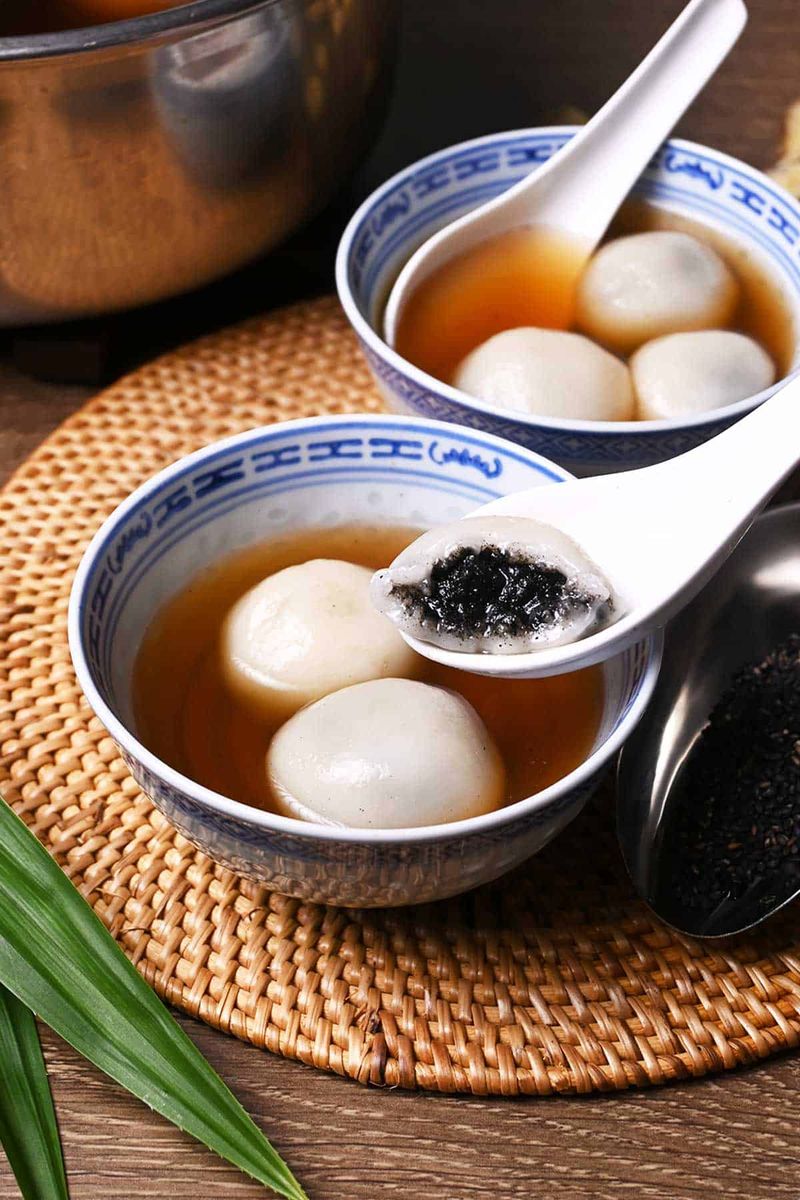
Tang yuan are round, chewy glutinous rice dumplings that carry a lot of meaning in Chinese culture. Eaten during the Lantern Festival and Winter Solstice, their round shape symbolizes family togetherness and completeness, which makes them emotionally significant beyond just their taste.
The most popular filling is sweet black sesame paste, which oozes out in a warm, nutty flood when you bite in. Served in a light ginger broth, they are comforting in the most gentle, nostalgic way imaginable.
18. American Chicken and Dumplings
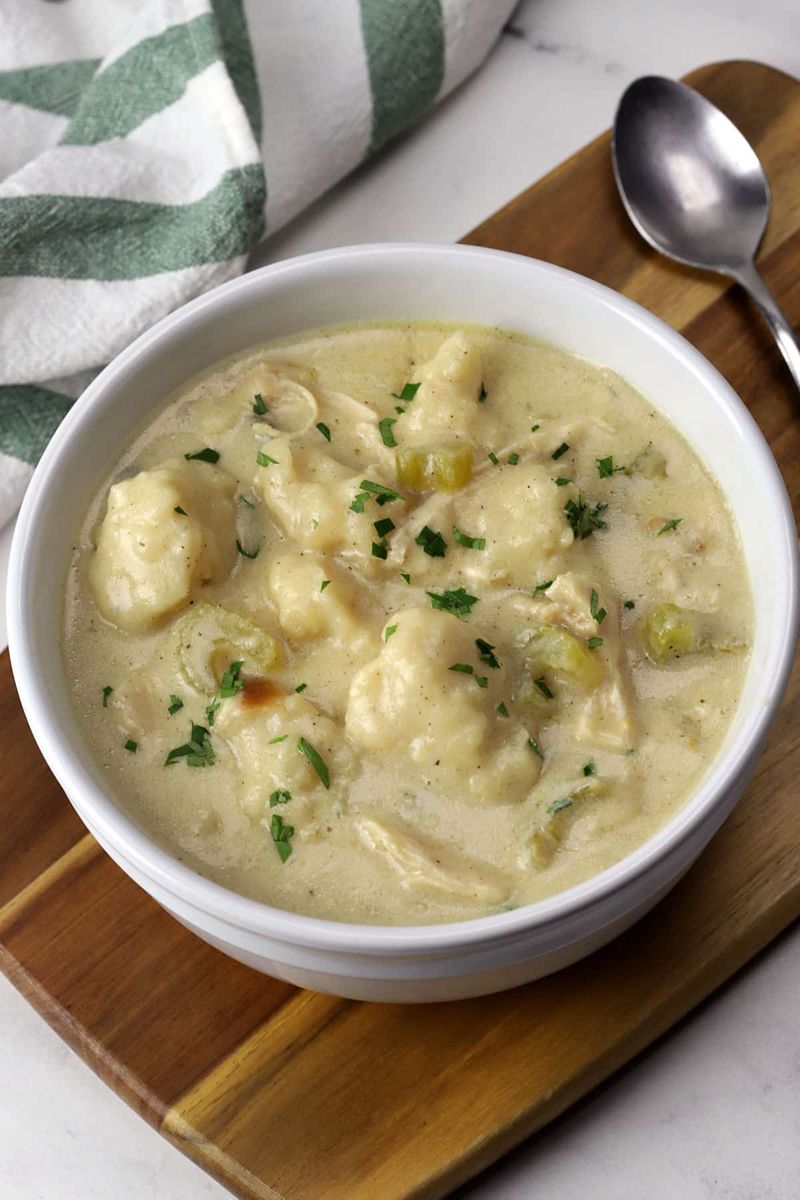
Chicken and dumplings is the kind of dish that feels like a hug from the inside out. A Southern American classic, it features soft, cloud-like dumplings dropped directly into a creamy chicken broth and cooked until they puff up and become tender.
Shredded chicken, vegetables, and a rich, velvety broth complete the picture. On a cold day, nothing else comes close to this level of warmth and coziness.
Many American families pass down their dumpling recipes through generations, each one slightly different and completely cherished.




Comments
No Comments