













Northern Ireland has a rich food culture shaped by centuries of farming, coastal living, and community traditions. From hearty breakfasts to sweet treats baked in family kitchens, the food here tells a story of resilience and warmth.
Many of these dishes have been passed down through generations and remain just as beloved today as they ever were. Whether you are a food lover or just curious about a different culture, these classic Northern Irish foods are worth knowing about.
1. Ulster Fry
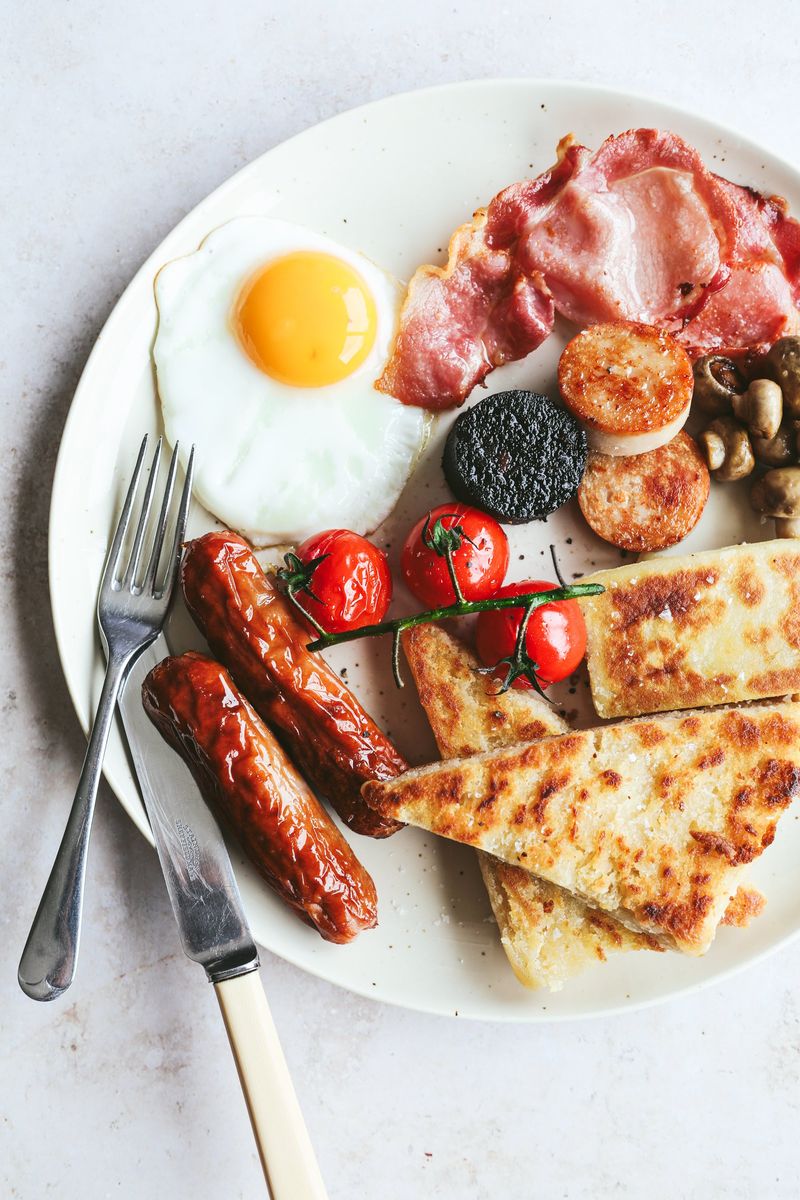
Ask anyone from Northern Ireland what their ultimate comfort food is, and the Ulster Fry will top almost every list. This iconic cooked breakfast includes soda bread, potato bread, bacon, sausages, eggs, and black pudding, all fried to golden perfection.
What sets it apart from other fry-ups is those two uniquely Irish breads. It is more than just a meal — it is practically a cultural institution.
Weekend mornings in Northern Ireland often smell like a sizzling Ulster Fry.
2. Soda Bread
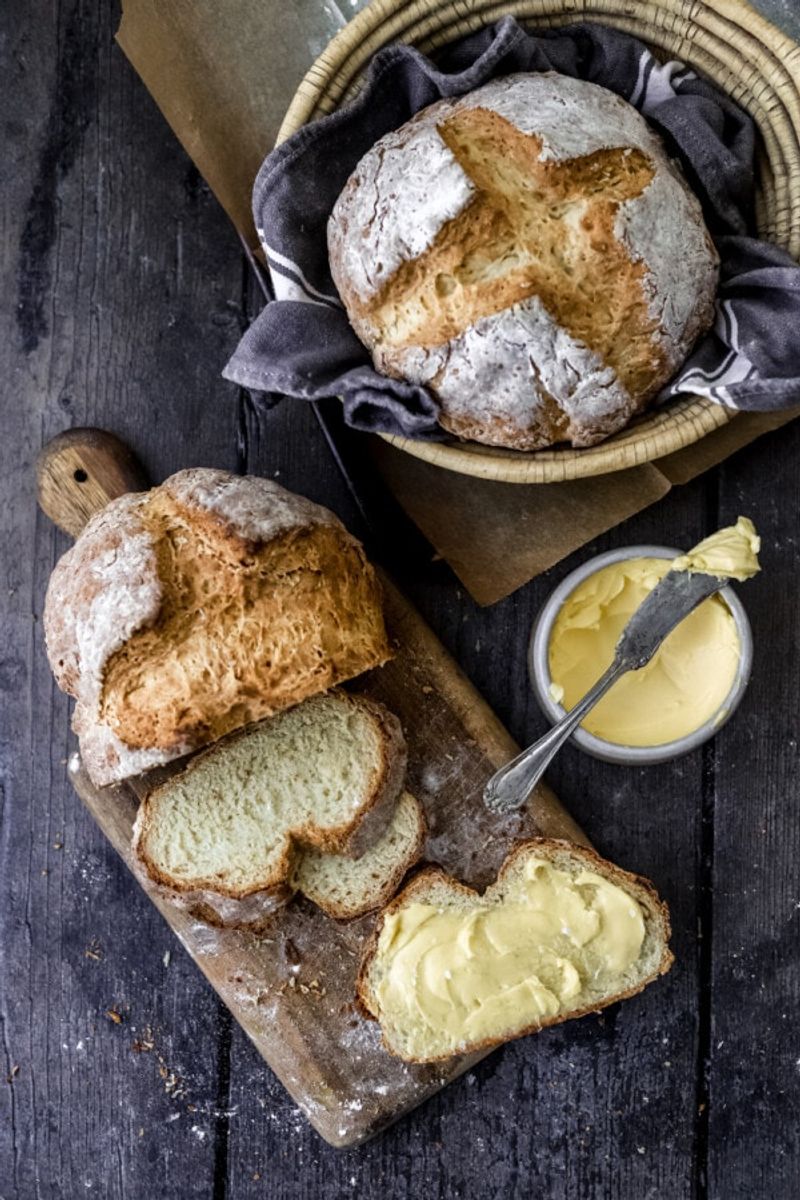
Soda bread has been a staple in Northern Irish homes for well over 150 years, and it is still baked fresh in many kitchens today. Made with flour, buttermilk, baking soda, and salt, it requires no yeast and no kneading — which made it practical for working families.
The cross cut into the top is a tradition said to ward off evil and let the fairies out. Toasted with butter, it is genuinely hard to beat.
Simple, honest, and deeply satisfying.
3. Potato Bread
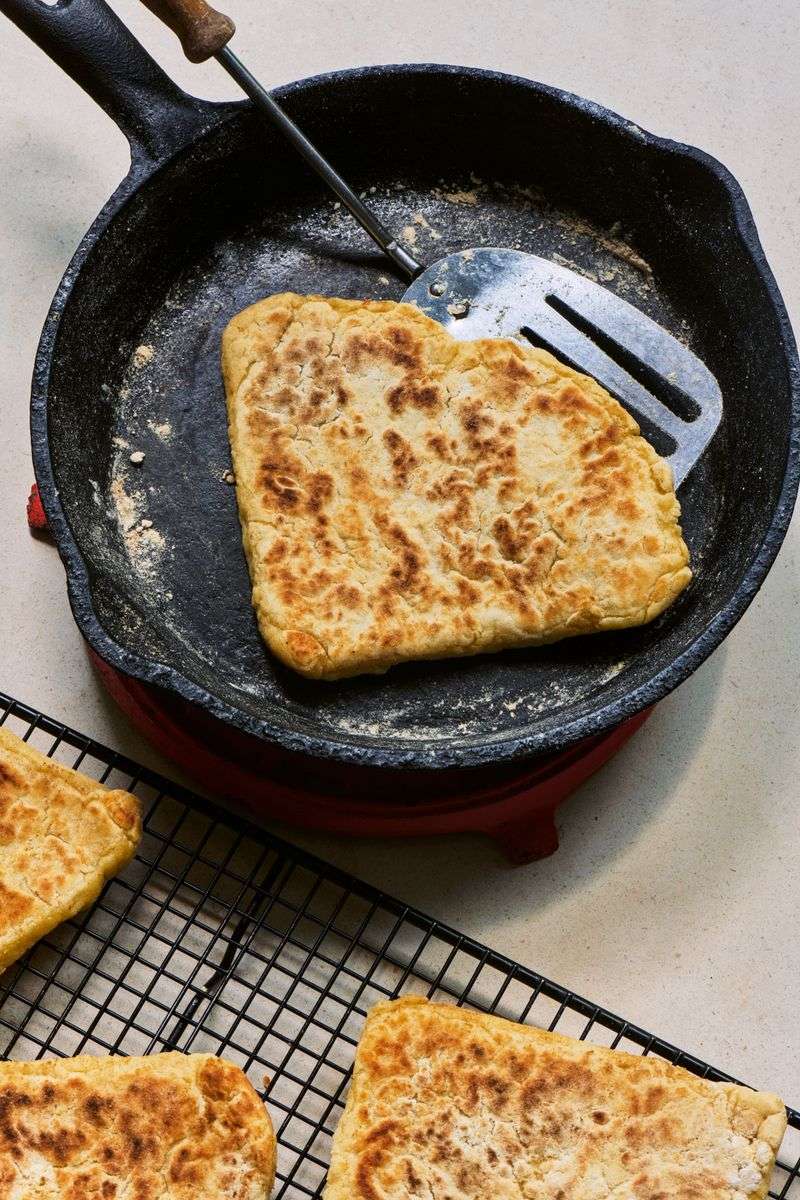
Potato bread — or "potato farl" as locals often call it — is one of the most recognizable foods in Northern Ireland. Made from mashed potato and flour, it is pressed flat and cooked on a griddle until golden on both sides.
It has a soft, slightly dense texture that soaks up butter beautifully. A staple of the Ulster Fry, it also works wonderfully on its own as a snack.
Northern Irish people take their potato bread very seriously — and rightly so.
4. Champ
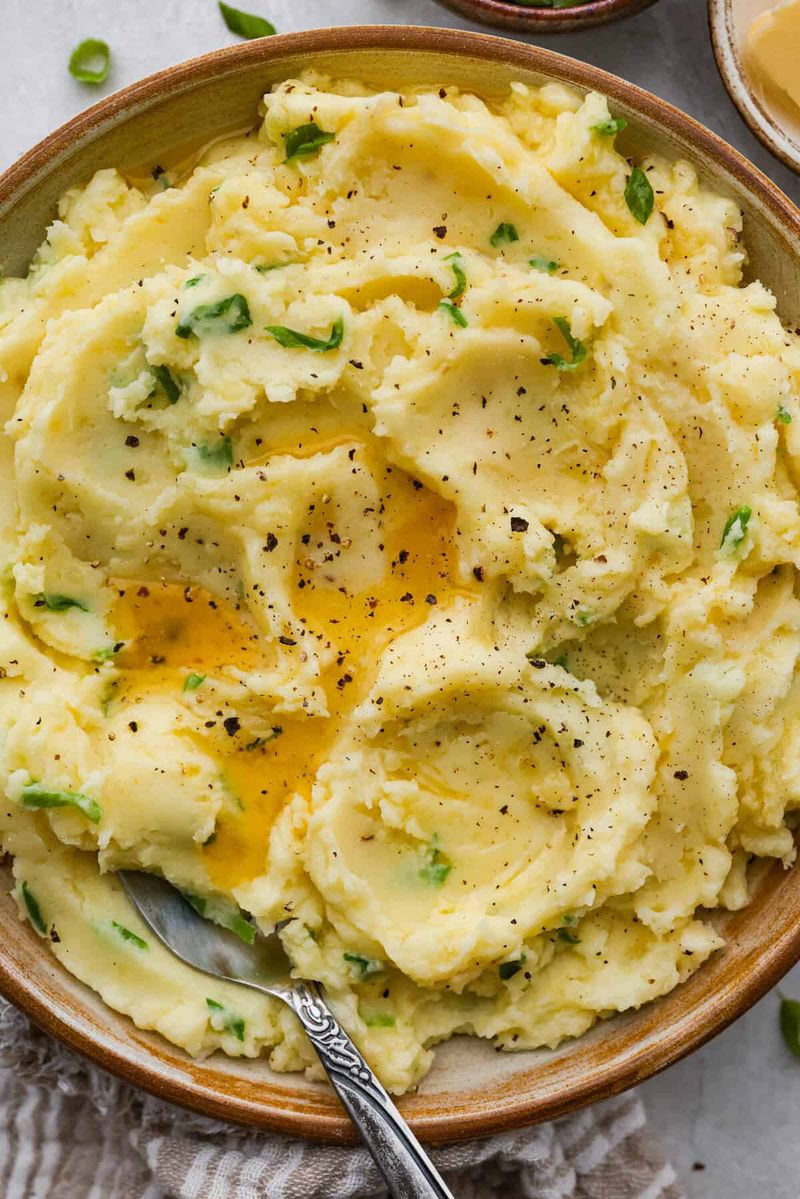
Champ is one of those dishes that feels like a warm hug on a cold evening. At its core, it is mashed potato blended with butter, milk, and generous handfuls of chopped spring onions (called scallions locally).
The traditional way to eat champ is to make a well in the center, drop in a large knob of butter, and eat from the outside in so every bite is rich and creamy. It is humble, filling, and absolutely delicious in the most unpretentious way possible.
5. Boxty
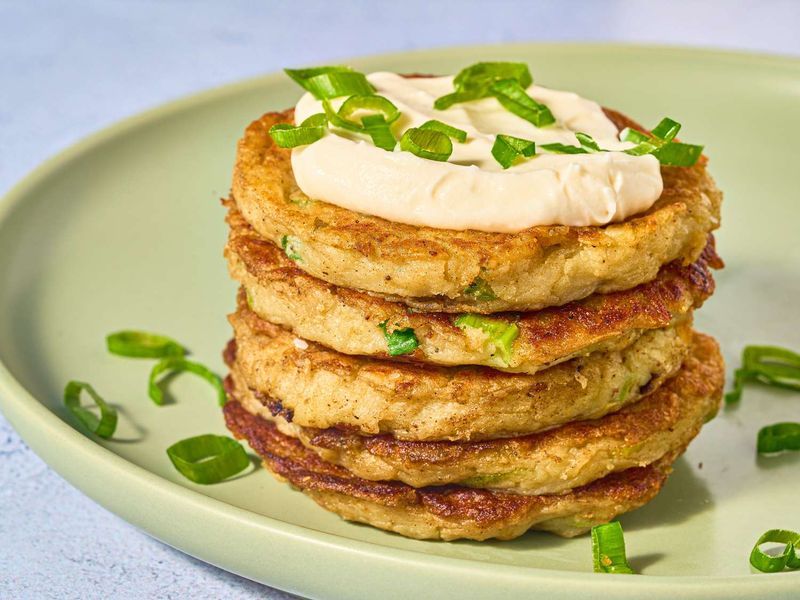
Half pancake, half potato cake — boxty is a clever creation that stretches leftover mashed potato into something truly special. The batter combines grated raw potato with mashed potato, flour, and buttermilk, creating a texture that is crispy on the outside and soft within.
There is even an old Irish rhyme about it: "Boxty on the griddle, boxty in the pan, if you can't make boxty, you'll never get a man." Playful history aside, this dish is a genuine treat worth trying.
6. Wheaten Bread
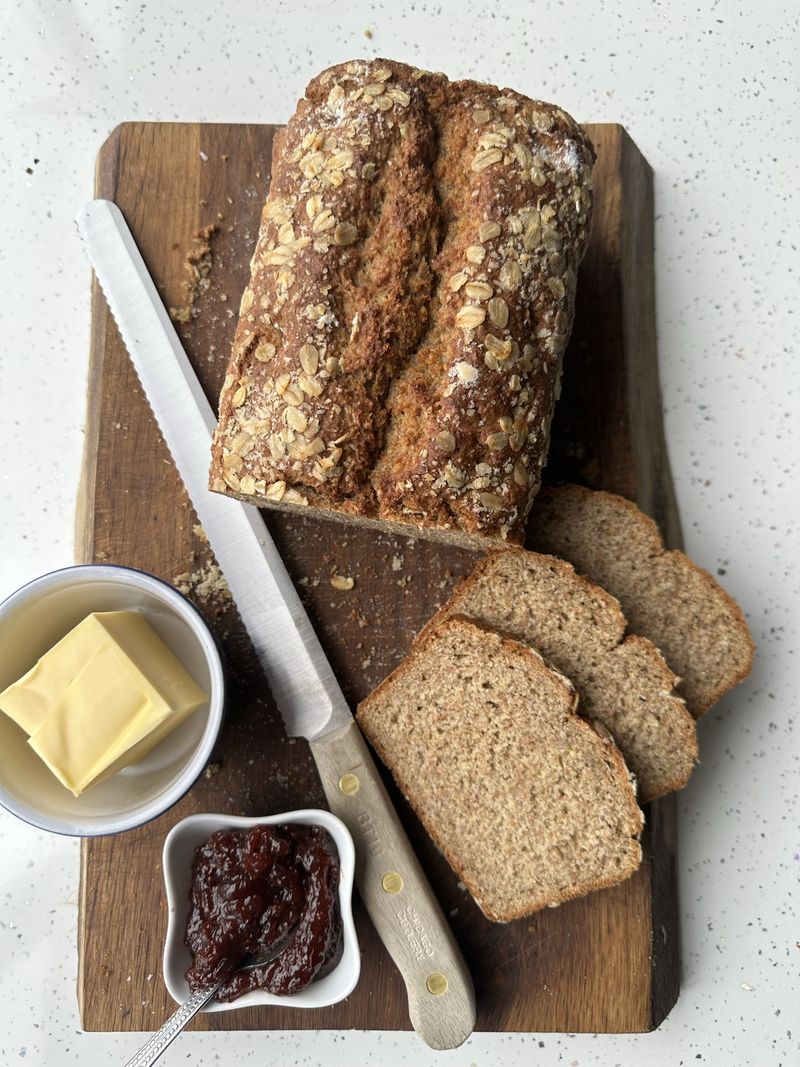
Wheaten bread is the brown, nutty cousin of soda bread, and many Northern Irish people argue it is even better. Made with wholemeal flour, buttermilk, and a touch of sweetness, it has a hearty, slightly crumbly texture that pairs perfectly with butter and jam or smoked salmon.
You will find it on nearly every cafe and restaurant menu across Northern Ireland, usually served warm. Baking wheaten bread at home is considered a real kitchen skill — grandmothers especially are judged by the quality of their wheaten.
7. Dulse
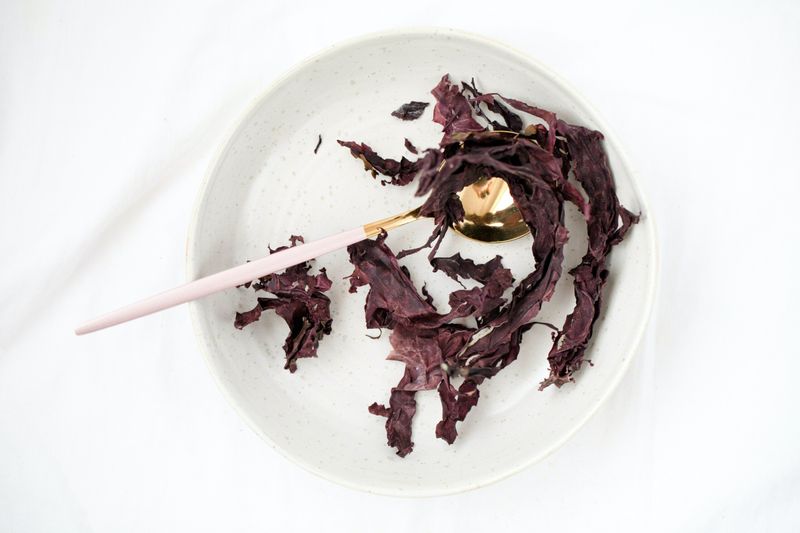
Dulse is dried edible seaweed harvested from the rocky coastlines of Northern Ireland, particularly around the Causeway Coast. It has a salty, chewy, umami-rich flavor that takes a little getting used to but quickly becomes addictive for those who try it.
Sold in paper bags at markets and seaside shops, dulse has been eaten in Ireland for over a thousand years. It is packed with minerals and vitamins, making it as nutritious as it is unusual.
Ballycastle's Ould Lammas Fair is famous for it.
8. Yellow Man
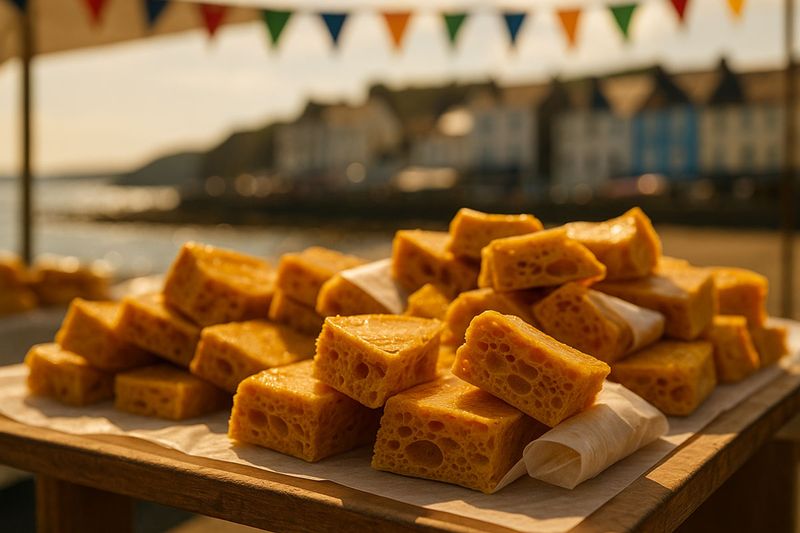
Yellow Man is a bright, sticky honeycomb toffee that has been sold at Northern Irish fairs for centuries. It is crunchy, intensely sweet, and melts in your mouth in the most satisfying way.
The golden color comes from the caramelized sugar and bicarbonate of soda that causes it to puff up during cooking.
It is famously associated with Ballycastle's Ould Lammas Fair, one of Ireland's oldest fairs. A traditional rhyme links dulse and Yellow Man together as the ultimate fair-day treats — a pairing that still holds up today.
9. Belfast Bap
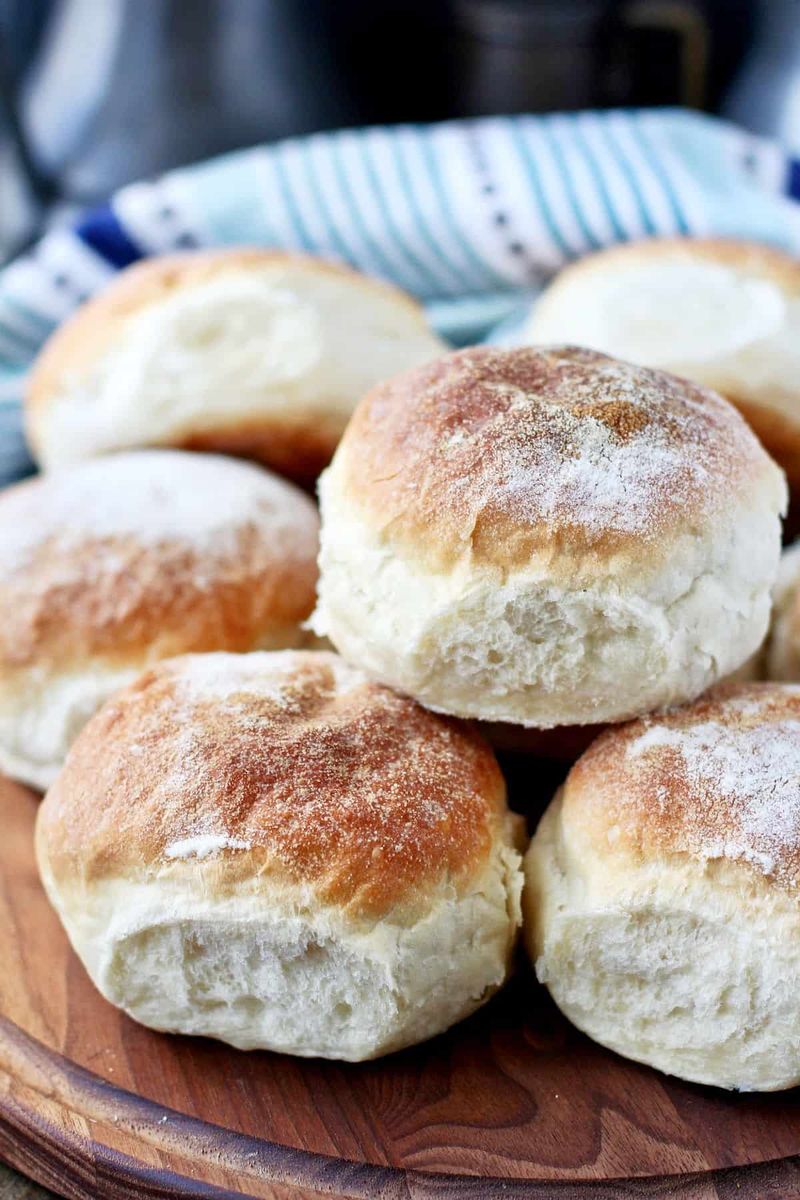
The Belfast Bap is a large, soft, floury bread roll that has earned a loyal following across Northern Ireland. Its fluffy interior and slightly crusty top make it the perfect vehicle for a bacon sandwich, a fried egg, or a generous filling of your choice.
Bakeries across Belfast have been perfecting this roll for generations, and the debate over which bakery makes the best one is taken quite seriously. Grab one fresh from a local bakery on a Saturday morning and you will understand the fuss immediately.
10. Fifteens
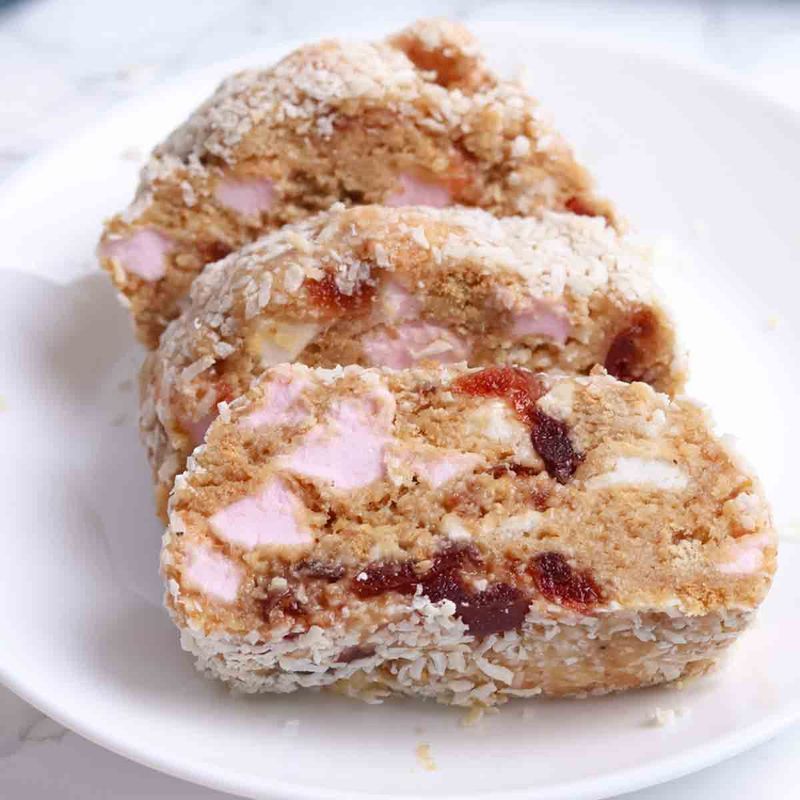
Fifteens are one of Northern Ireland's most beloved no-bake traybakes, named because the original recipe calls for 15 digestive biscuits, 15 marshmallows, and 15 glace cherries. Mixed with condensed milk and rolled in desiccated coconut, they are sweet, chewy, and wonderfully easy to make.
No oven is needed, which makes them a favorite for kids learning to cook. Every family has their own slight variation — some add chocolate, others swap the cherries.
At any Northern Irish bake sale, Fifteens disappear from the table first.
11. Vegetable Roll
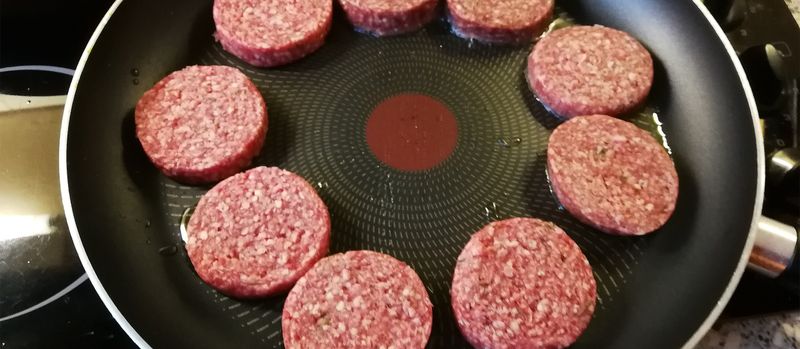
Despite its name, the Northern Irish vegetable roll contains very little actual vegetable. It is a seasoned, compressed loaf of cereal, fat, and spices — similar in appearance to a thick sausage — sliced and fried until crispy on the outside.
It is a staple of the Ulster Fry and a product you will find in nearly every butcher shop across Northern Ireland. The name is thought to come from the cereal grains used as filler.
Strange name, brilliant taste — especially with a good splash of brown sauce.
12. Tayto Crisps (Northern Irish)
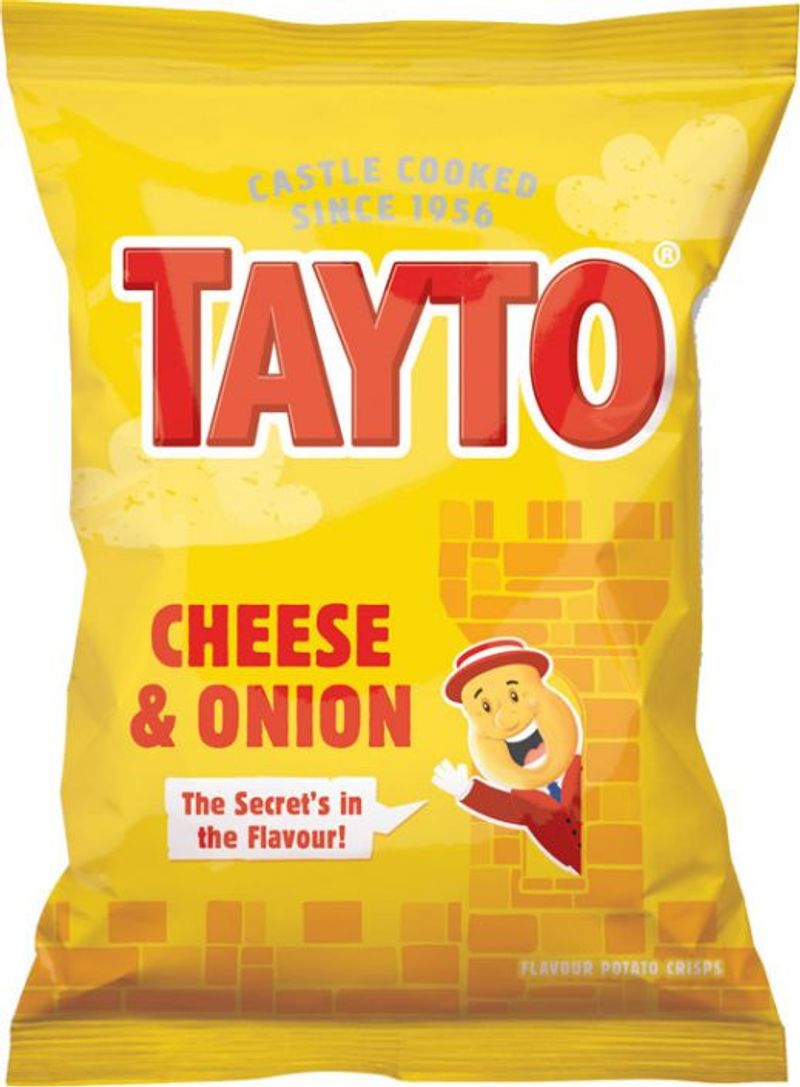
Northern Irish Tayto crisps are a source of fierce regional pride — and they taste noticeably different from their Republic of Ireland counterparts, a fact locals will remind you of constantly. The cheese and onion flavor is punchy, tangy, and utterly moreish.
Tayto Castle in Tandragee, County Armagh, is where these famous crisps are made and is one of Northern Ireland's quirkiest tourist attractions. Putting Tayto crisps inside a plain white sandwich is a Northern Irish tradition that sounds strange but absolutely works.
13. Brack
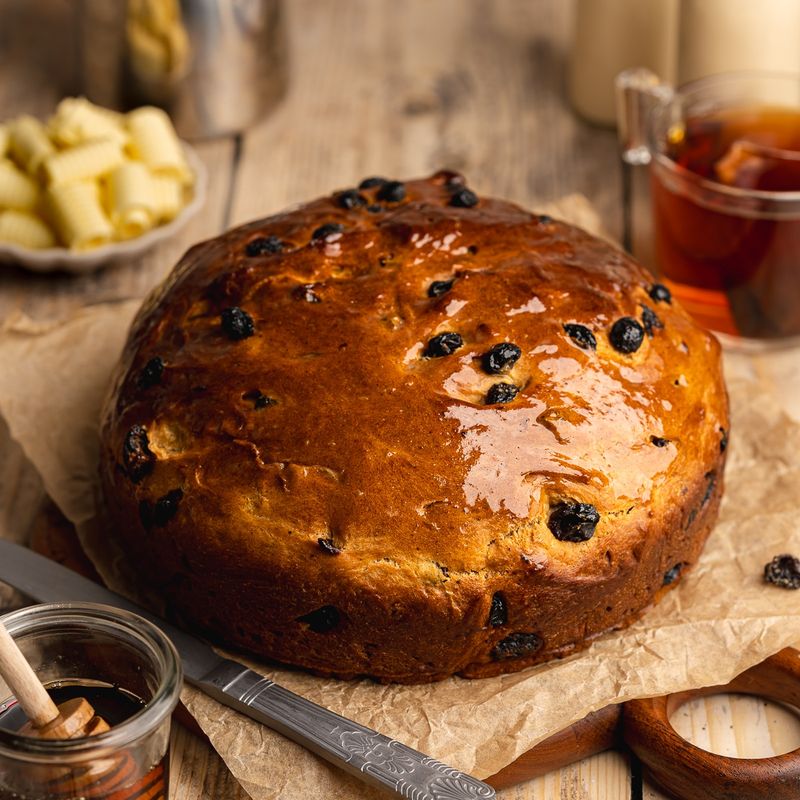
Brack — short for barmbrack — is a moist, fruit-filled bread that has been baked in Ireland for centuries. The dried fruit is soaked overnight in tea, giving the loaf a deep, rich flavor that is not overly sweet.
Sliced and spread with butter, it is the kind of food that makes a rainy afternoon feel cozy.
At Halloween, a ring is traditionally baked inside the brack. Whoever finds it is said to be the next to marry.
It is equal parts delicious and delightfully superstitious.
14. Sausage Rolls
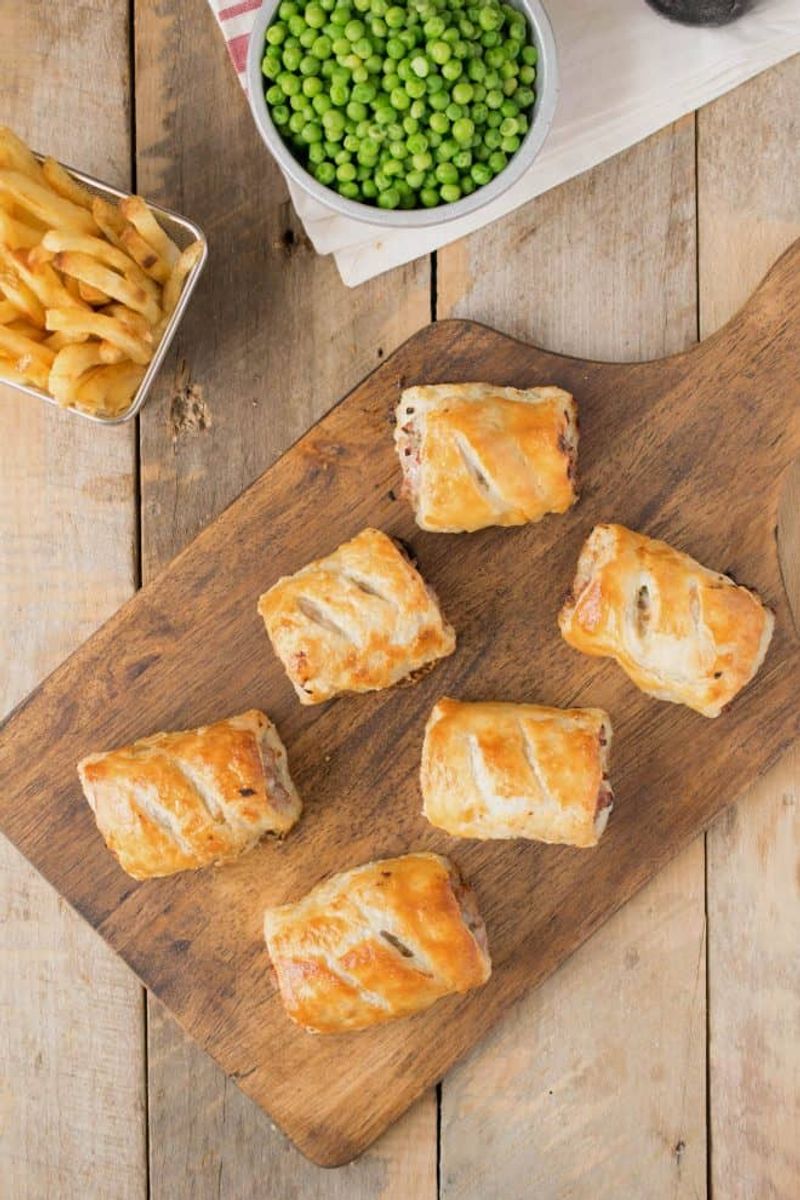
Northern Irish bakeries produce some of the finest sausage rolls you will ever taste. The pork filling is generously seasoned and wrapped in buttery, flaky pastry that shatters satisfyingly with every bite.
They are sold warm in bakeries across the country, and the smell alone is enough to pull you in from the street.
Sausage rolls here tend to be thicker and meatier than versions found elsewhere in the UK. They are a lunchtime staple, a party essential, and honestly just a very good reason to visit a local bakery.
15. Pasty Bap
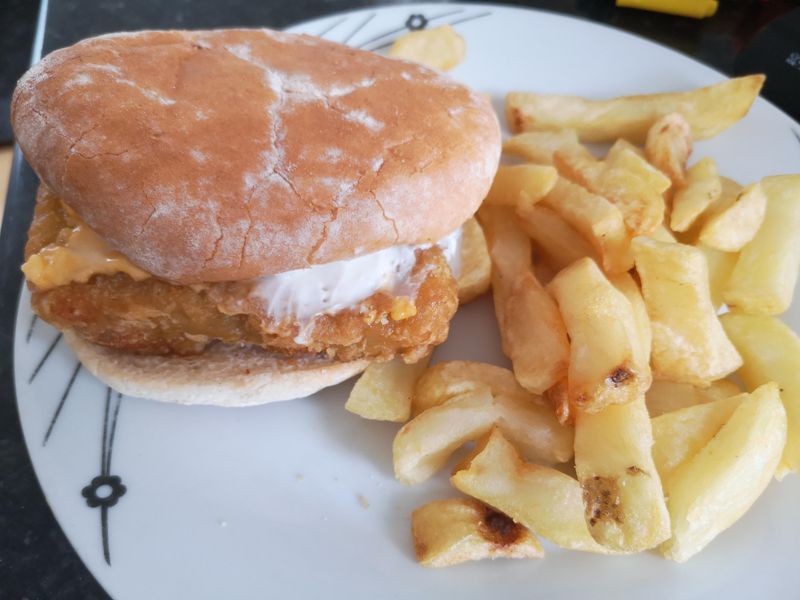
The pasty bap is a uniquely Northern Irish fast food creation that deserves far more international recognition. A fried potato and sausage meat pasty is tucked inside a soft floury bap, often with a squeeze of tomato sauce — and the result is gloriously indulgent.
You will find it in chip shops and takeaways across Northern Ireland, especially as a lunchtime grab. It is stodgy, filling, and completely unapologetic about it.
First-time visitors who try one often wonder why the rest of the world has been missing out all along.
16. Coddle
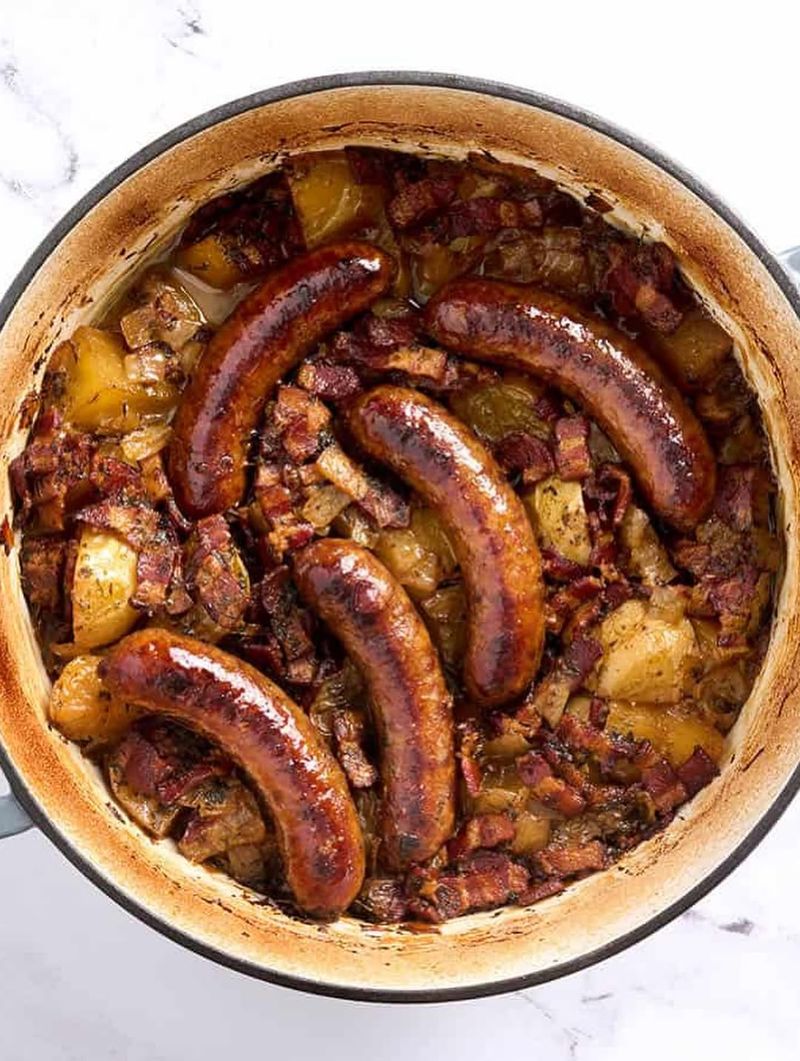
Coddle is a slow-cooked, one-pot wonder made with sausages, bacon, potatoes, and onions simmered gently in a light broth. It is a dish built on the idea of using up leftovers without wasting a scrap — a value deeply embedded in Irish cooking history.
The result is warming, soft, and deeply savory. It does not look flashy, and that is entirely the point.
Coddle is the kind of meal that tastes better on a cold, wet Tuesday night when you need something reliable and restorative.
17. Barnbrack Butter Pudding
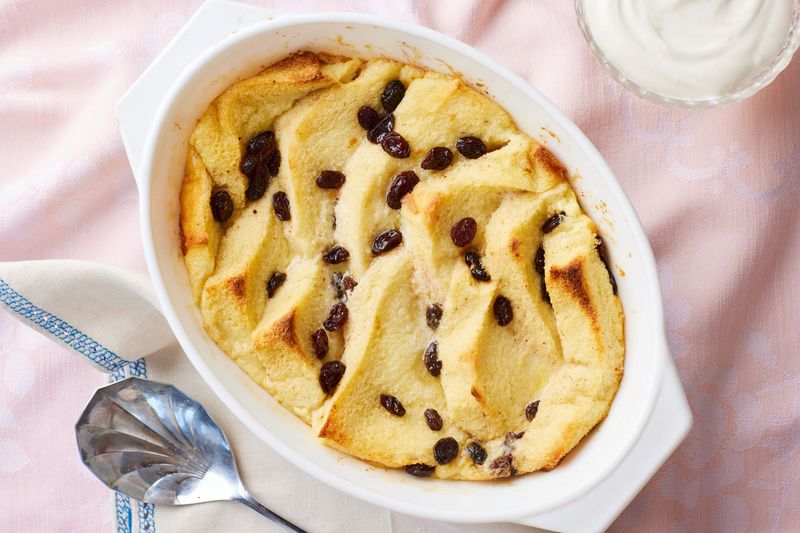
Taking the already-wonderful brack and turning it into a butter pudding is one of Northern Ireland's smartest culinary moves. Thick slices of barnbrack are layered with butter, soaked in a rich vanilla custard, and baked until golden and slightly puffed at the edges.
It is a clever twist on the classic bread and butter pudding, and the fruit in the brack adds an extra layer of flavor that plain bread simply cannot match. Served warm with a scoop of vanilla ice cream, it is the kind of dessert that earns genuine applause.
18. Oysters from Strangford Lough
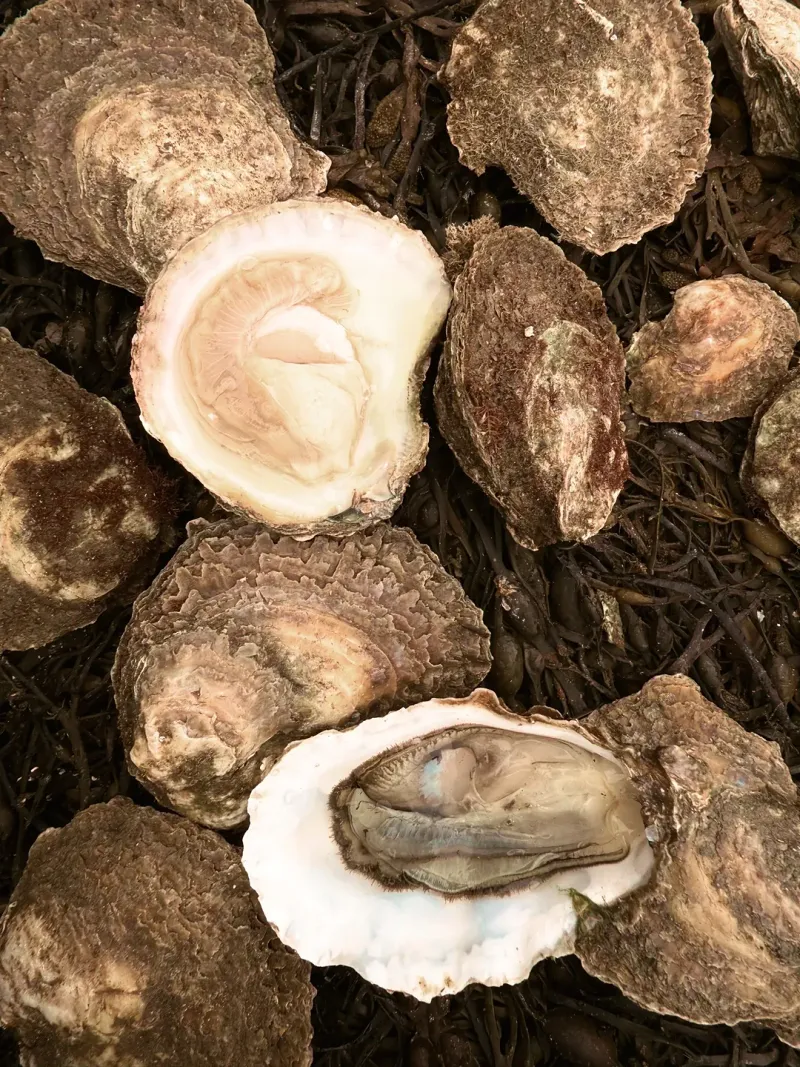
Strangford Lough in County Down is one of the best places in the world to eat oysters, and that is not an exaggeration. The cold, clean, tidal waters of the lough create ideal conditions for growing plump, briny, mineral-rich Pacific oysters that have won international awards.
Eaten fresh on the half shell with a squeeze of lemon and a slice of brown soda bread, they are a true expression of Northern Irish coastal life. Oyster festivals in the area celebrate this incredible natural resource every year with great enthusiasm.




Comments
No Comments