













British street food has a rich and tasty history that goes back hundreds of years. From bustling market stalls to seaside promenades, vendors once served up incredible bites that fueled workers, families, and travelers alike.
Many of these classic treats faded away over time, replaced by fast food chains and modern snacks. Now, a new wave of food lovers and chefs is bringing these beloved flavors back to life.
1. Jellied Eels
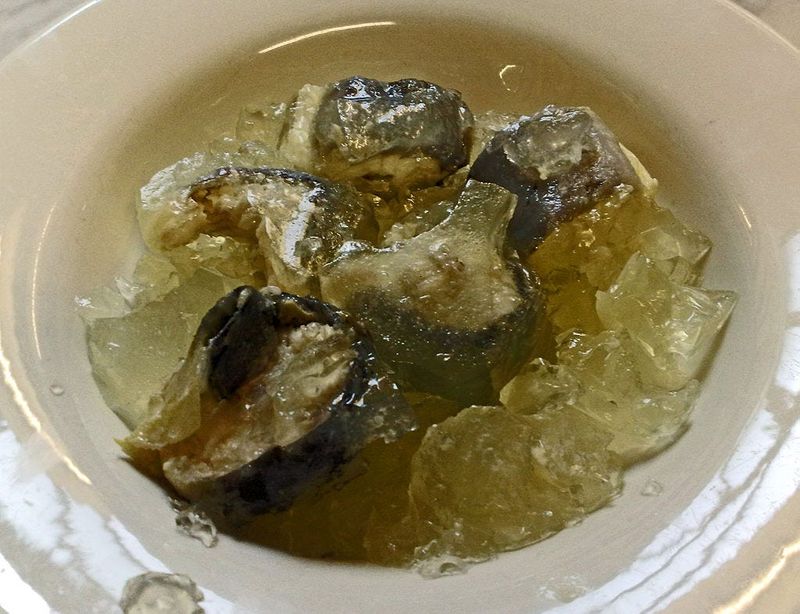
Long before fish and chips took over, jellied eels ruled the streets of East London. This dish has been a working-class staple since the 18th century, when eels were plentiful in the River Thames.
Chopped eels are boiled, then left to cool in their own natural jelly. The result is a wobbly, savory snack that sounds strange but tastes surprisingly mild.
Street food revival markets in London are now proudly serving this old-school classic again.
2. Pie and Liquor
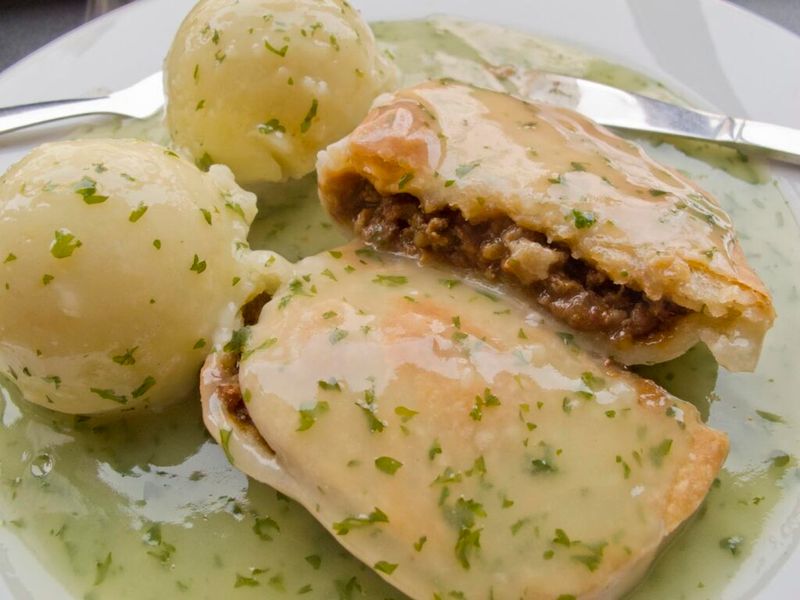
Thick, bright green parsley sauce poured over a chunky meat pie might sound unusual, but this combo has been warming Londoners since Victorian times. Known as pie and liquor, the dish was a cheap and filling meal for factory workers and market traders.
The liquor is not alcoholic at all - it is a simple sauce made from parsley and eel stock. Craft food stalls are now putting modern twists on this retro classic while keeping its soul intact.
3. Faggots
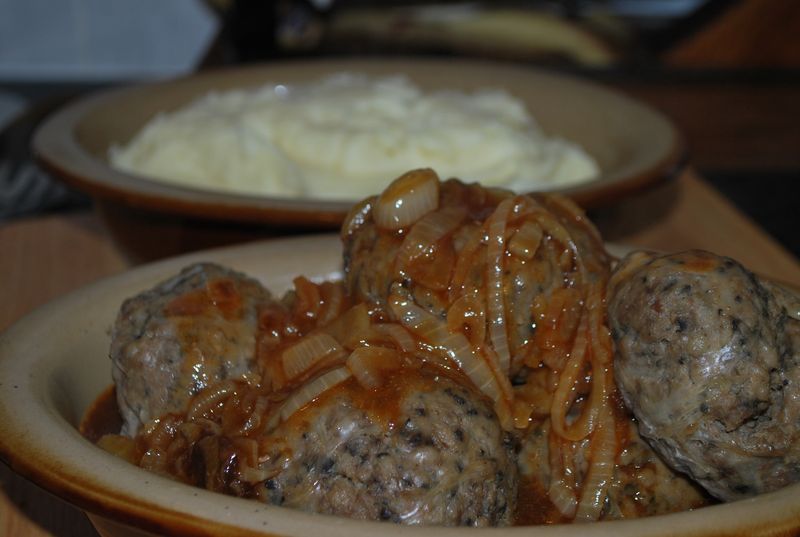
Faggots are one of those dishes that sounds a little odd until you actually try one. Made from minced pork offal mixed with herbs and wrapped in caul fat, they have been a budget-friendly British staple for centuries.
Originally popular in Wales and the Midlands, faggots were a clever way to use every part of the pig. Food market vendors are now reviving this hearty dish, often pairing it with thick onion gravy and creamy mashed potatoes for a truly satisfying bite.
4. Cockles and Whelks
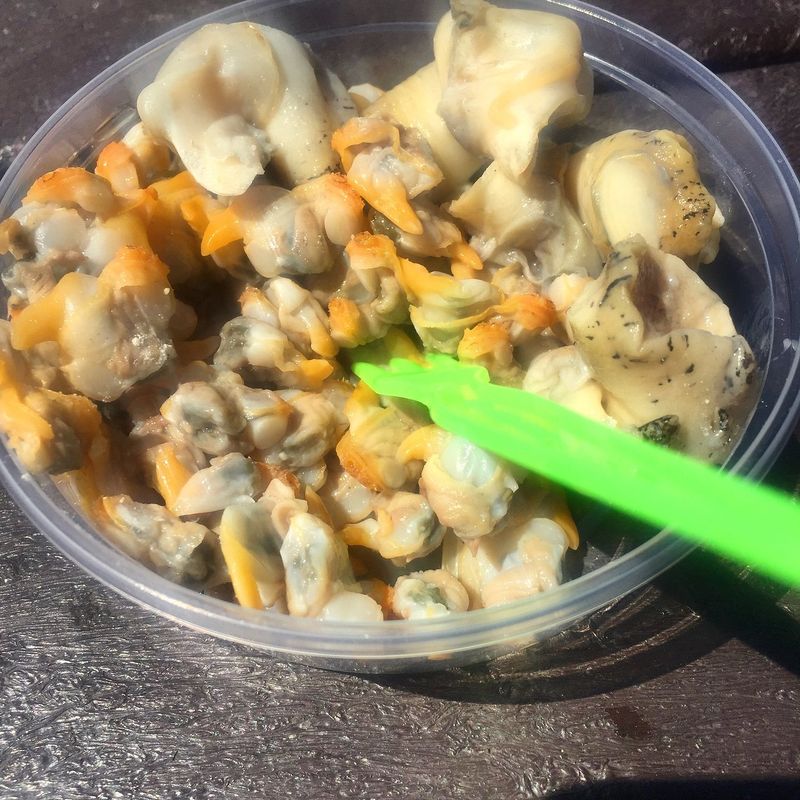
Walk along any traditional British seaside town and you might catch a whiff of vinegar-soaked shellfish drifting through the salty air. Cockles and whelks have been sold from seafront stalls for well over a century, offering a quick, protein-packed snack at a low cost.
Eaten cold with a dash of malt vinegar, these tiny mollusks pack a punchy, briny flavor. Coastal food festivals are now celebrating these humble shellfish as genuine culinary heritage worth protecting and sharing.
5. Black Pudding Bap
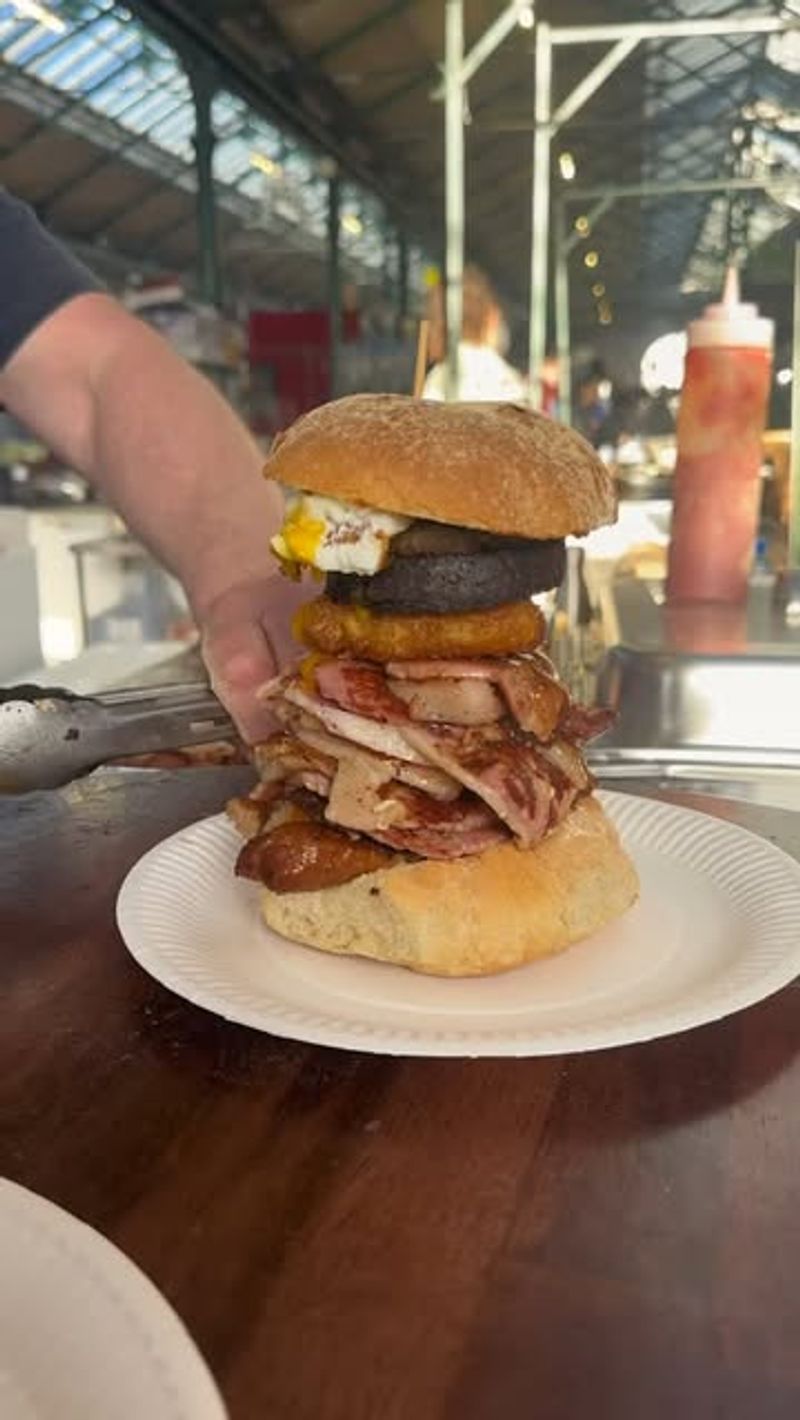
Few breakfast items are as boldly British as black pudding. Made from pork blood, fat, and oatmeal, it has been part of the British diet since medieval times and remains a key player in the full English breakfast.
Stuffed into a soft bread bap with crispy bacon and a runny egg, it transforms into one of the most satisfying street food sandwiches imaginable. Northern food markets especially are championing the black pudding bap as a must-try morning treat worth every bite.
6. Scotch Eggs
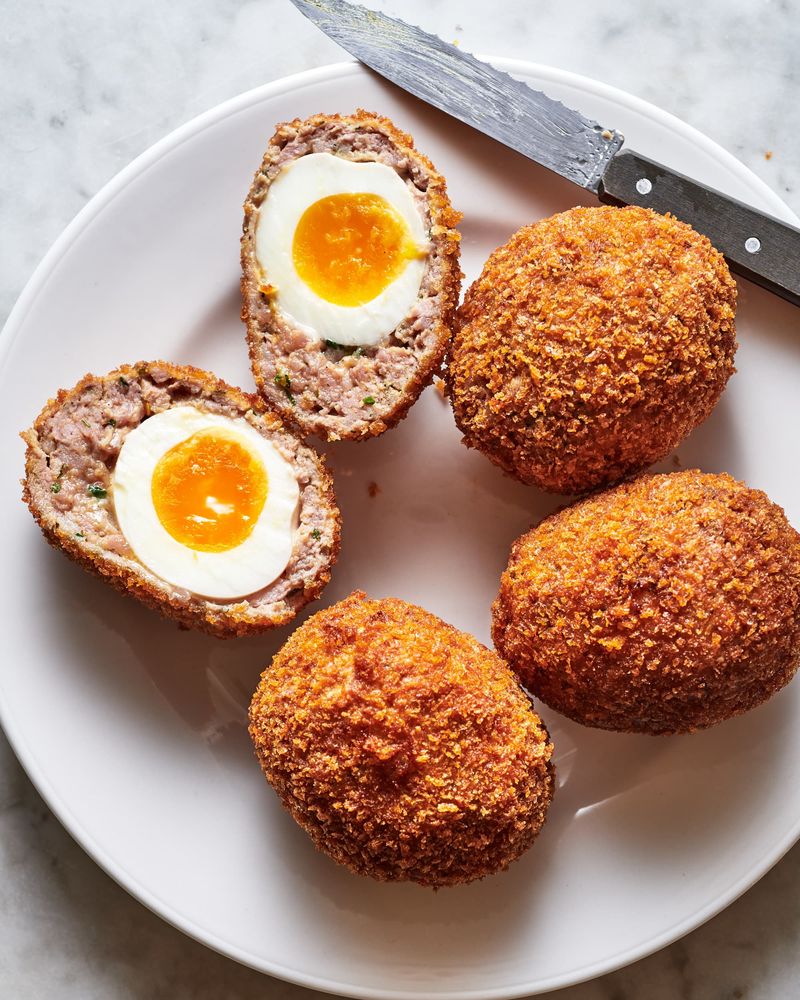
Crack open a perfectly made Scotch egg and you will find a soft, jammy yolk wrapped in seasoned sausage meat and a crispy golden coating. This snack has been around since the 1700s and was originally designed as a portable meal for long coach journeys.
For a while, Scotch eggs were mostly found in sad plastic packaging at petrol stations. Thankfully, artisan food vendors have rescued them, experimenting with smoked meats, spiced fillings, and creative coatings that make every version feel exciting and new.
7. Eel Pie
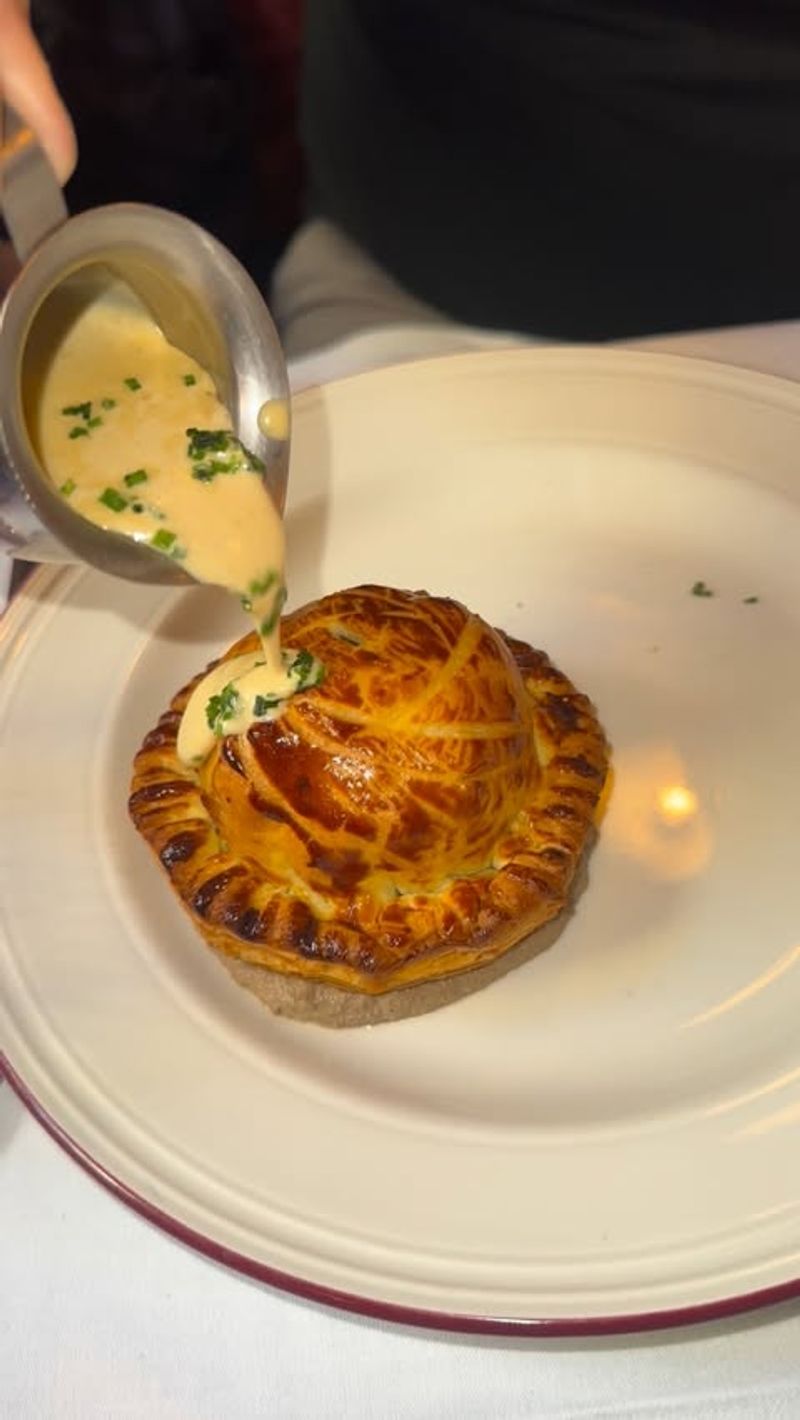
Eel Pie Island near Twickenham did not get its name by accident. Eel pies were once enormously popular across England, especially along the Thames where eels were easy to catch and affordable to buy.
The filling is rich and savory, tucked inside buttery shortcrust pastry that shatters satisfyingly with each bite. A handful of dedicated British bakers and market vendors are now reviving this forgotten pie, reminding food lovers that some of the oldest recipes are still the most rewarding ones to rediscover.
8. Dripping on Toast
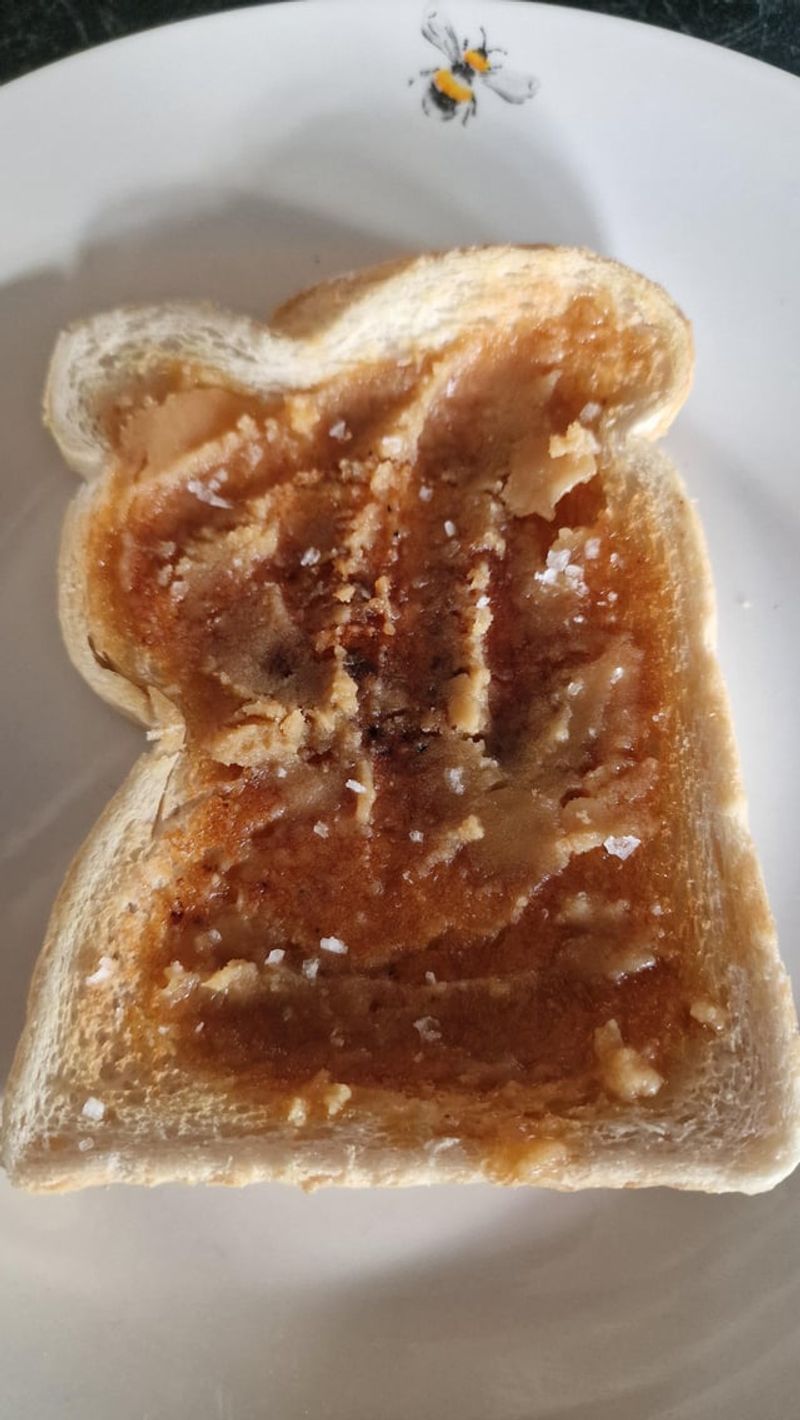
Before butter was widely affordable, beef dripping was the spread of choice for working-class British families. Saved from roasting pans and smeared thickly onto crusty bread or toast, it was a simple but deeply satisfying snack.
The flavor is rich, beefy, and deeply nostalgic for anyone who grew up eating it. Chefs and food market traders are now putting dripping back on their menus, often upgrading it with artisan sourdough and a sprinkle of flaky sea salt for a gourmet twist on grandma's favorite.
9. Pease Pudding
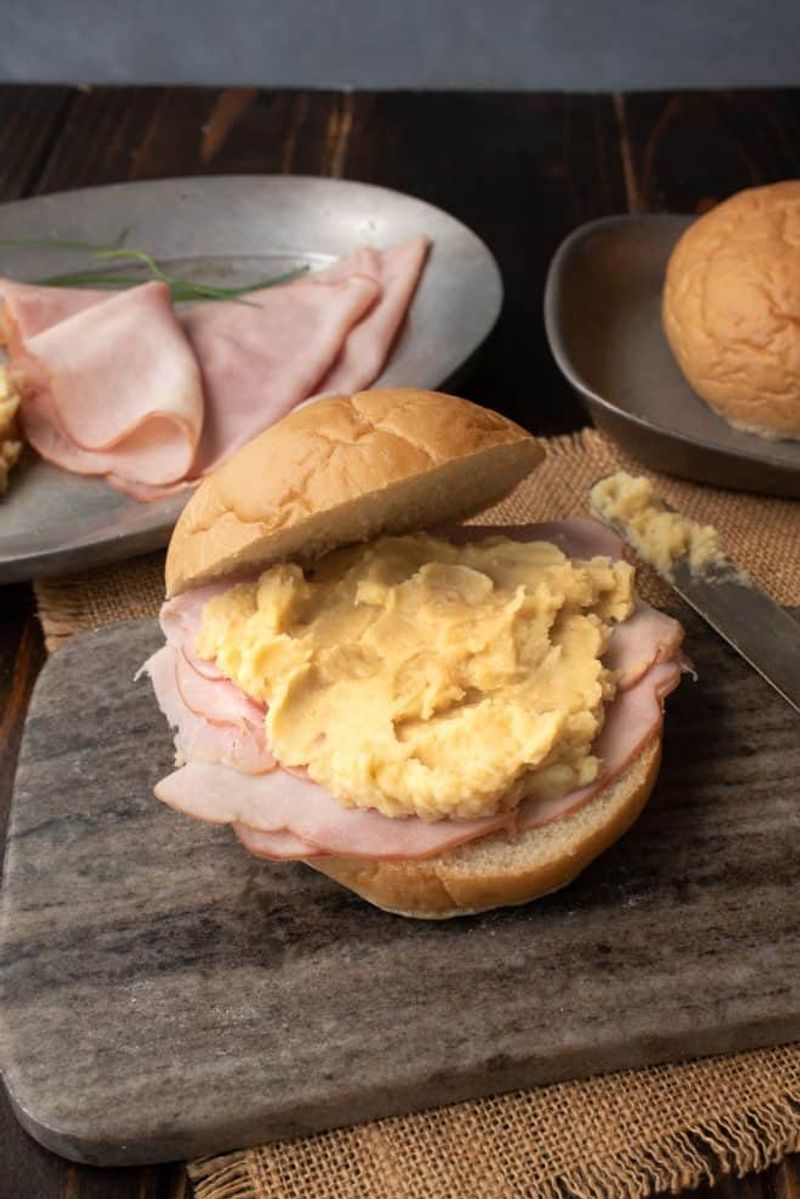
There is an old English nursery rhyme about pease pudding, and for good reason - this dish has been feeding people in Britain for thousands of years. Made from boiled split peas, it is thick, earthy, and incredibly filling.
In the northeast of England, it is traditionally served cold in a sandwich with sliced ham or pork. Street food vendors in cities like Newcastle are now proudly showcasing pease pudding stotties and wraps, bringing this ancient comfort food to a brand new generation of hungry fans.
10. Trotters
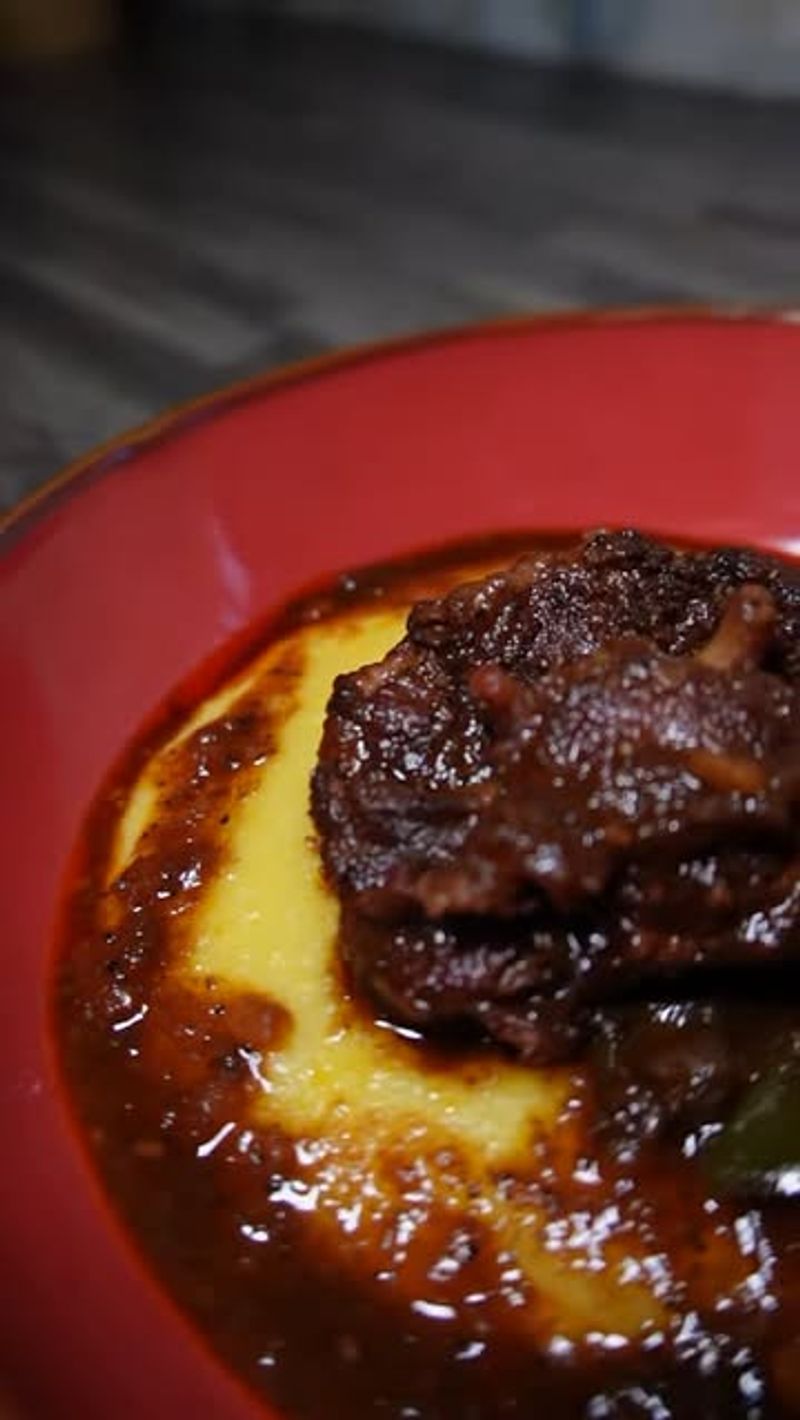
Pig trotters might not be the first thing you think of when craving a street snack, but these slow-cooked wonders have a devoted following across Britain. Rich, gelatinous, and full of deep porky flavor, they were once sold hot from market stalls across the country.
The trick is in the long, slow cooking that turns tough collagen into something silky and indulgent. A growing number of nose-to-tail cooking enthusiasts are bringing trotters back to food festivals, proving that old-fashioned thrift cooking can taste absolutely extraordinary.
11. Saveloy
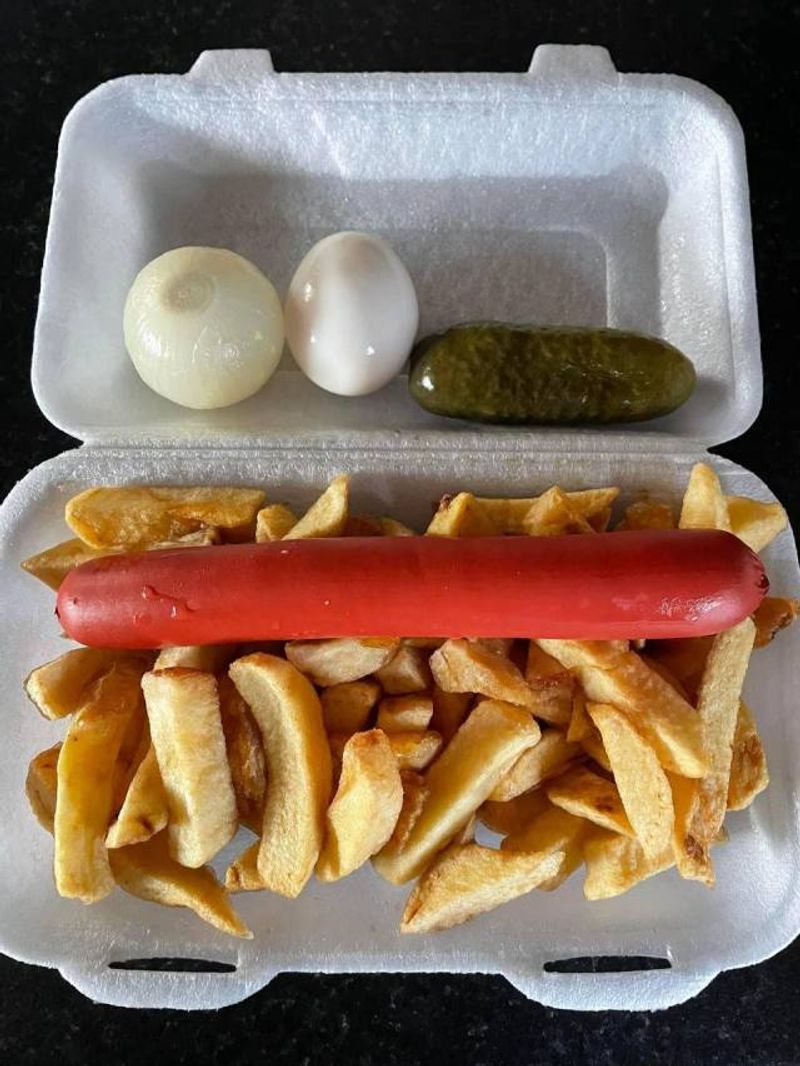
Bright red, plump, and full of smoky flavor, the saveloy is one of Britain's most recognizable yet underappreciated street foods. Originally brought over by French and Italian immigrants in the 19th century, it quickly became a chip shop staple across London and the southeast.
Traditionally served with chips or stuffed into a soft roll, a saveloy delivers bold, salty satisfaction in every bite. Food stalls at retro-themed markets are now giving this humble sausage the spotlight it truly deserves, often pairing it with mustard and pickled onions.
12. Muffins (Crumpets' Cousin)
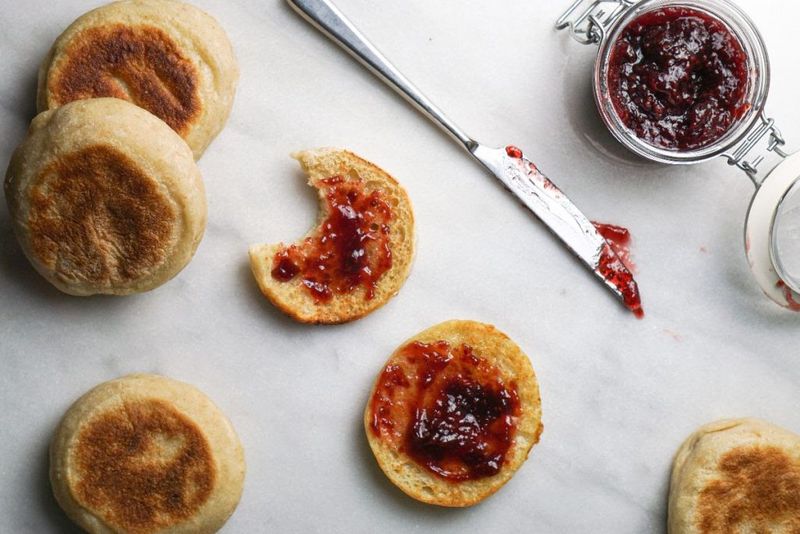
Long before American-style muffins arrived, Britain had its own version - a flat, round, yeast-leavened bread cooked on a griddle and sold by street vendors known as muffin men. The sound of their bells ringing through neighborhoods was once a familiar part of daily British life.
Split open and toasted, a proper English muffin has a soft, doughy inside with a slightly crispy crust. Artisan bakers at weekend food markets are reviving the muffin man tradition, selling freshly made batches that remind customers just how good simple bread can be.
13. Mushy Peas with Mint
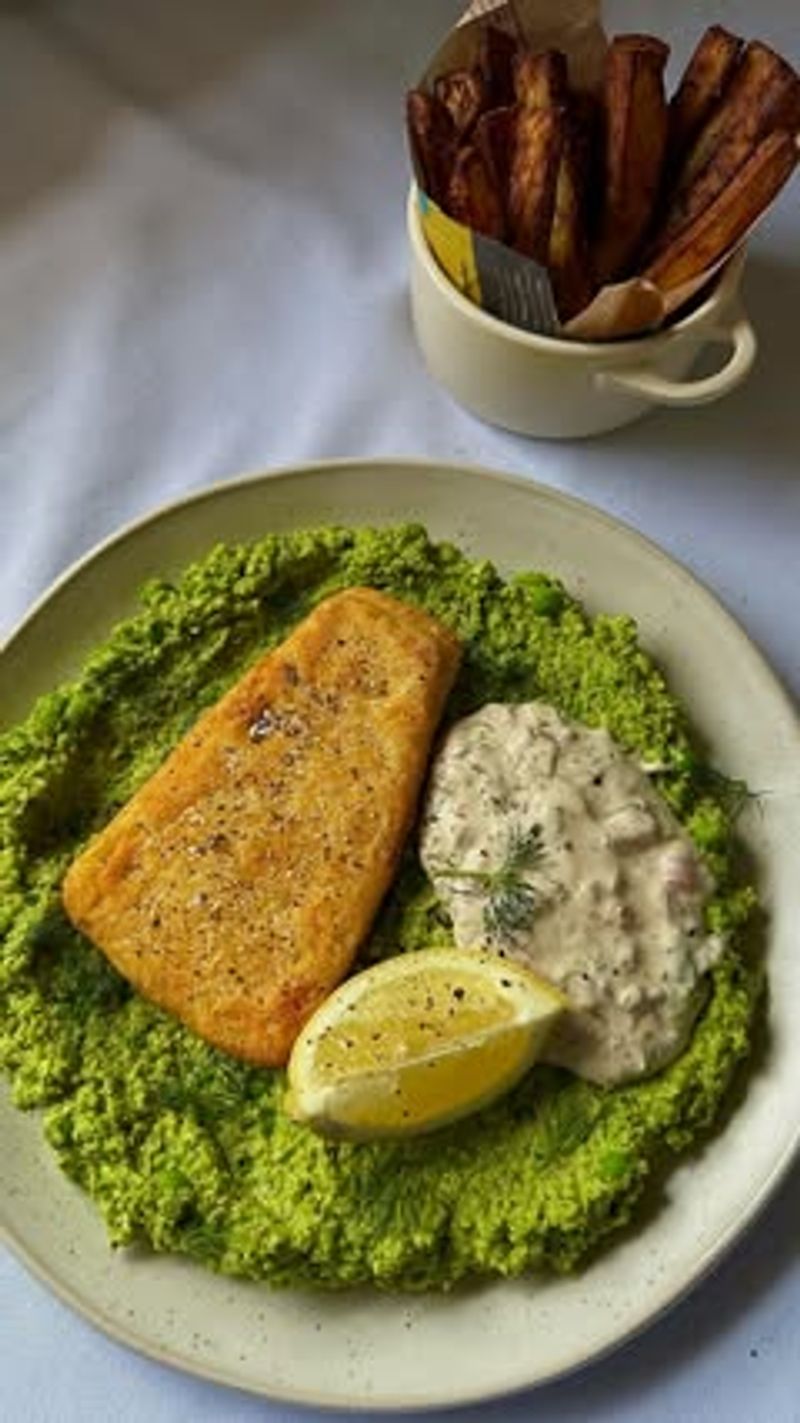
Mushy peas are the unsung hero of British street food. Bright green, thick, and comforting, they have been served alongside fish and chips for generations, but their roots go back even further to simple pea stews eaten across northern England.
Adding fresh mint sauce gives the dish a fragrant lift that takes it from side dish to star attraction. Food vendors at fish and chip festivals are now celebrating mushy peas with mint as a proper British classic, not just an afterthought squeezed from a tin.
14. Bread and Dripping Sandwich
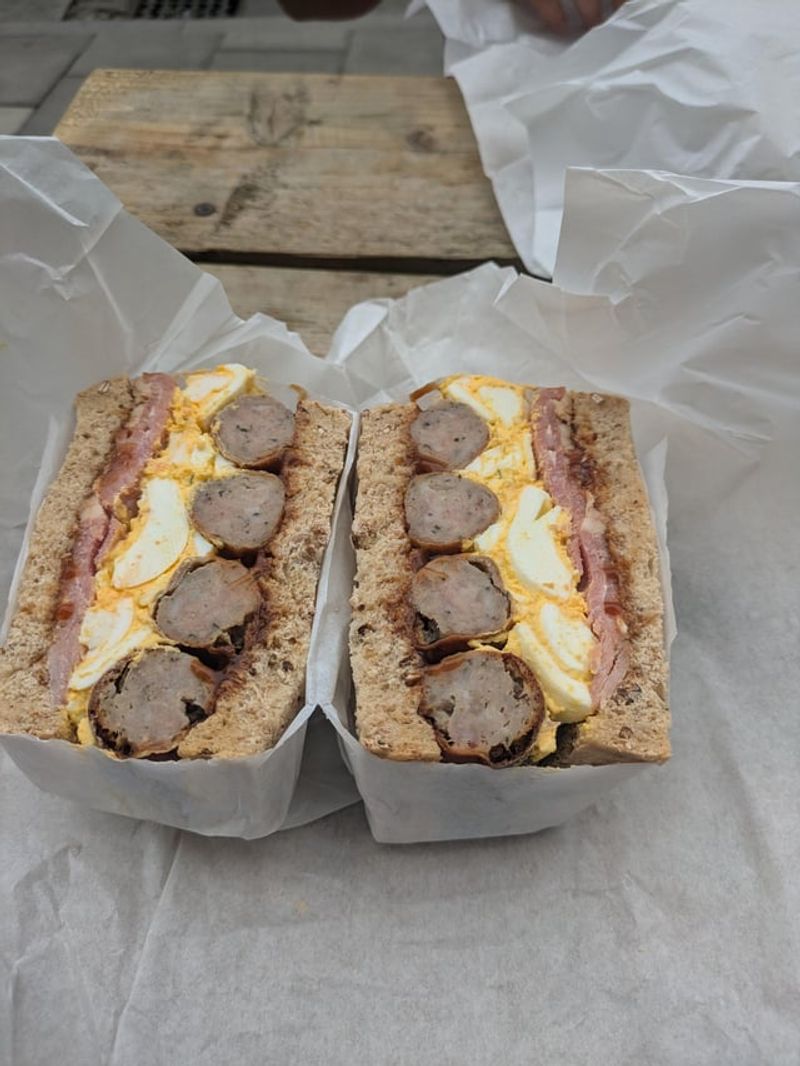
Before the modern sandwich shop existed, there was the bread and dripping sandwich - a humble, hearty meal that kept millions of British workers going through long, cold days. Beef dripping spread thickly between two slices of white bread, often with pickled onions, was a lunchtime staple for generations.
Simple ingredients, bold flavor. Vendors at heritage food markets are now wrapping these up in wax paper and selling them as nostalgic comfort food, proving that sometimes the oldest combinations really are the most satisfying ones.
15. Spiced Gingerbread

Gingerbread has been sold at British fairs and markets since the Middle Ages, when spices were exotic and precious. Shaped into figures or pressed into decorative molds, it was both a sweet treat and a symbol of the festive market experience.
The warm scent of ginger, cinnamon, and treacle is practically irresistible on a cold afternoon. Craft bakers at seasonal markets are reviving traditional recipes, using dark treacle and hand-carved wooden molds to recreate gingerbread that tastes exactly like something from centuries past.
16. Pickled Eggs
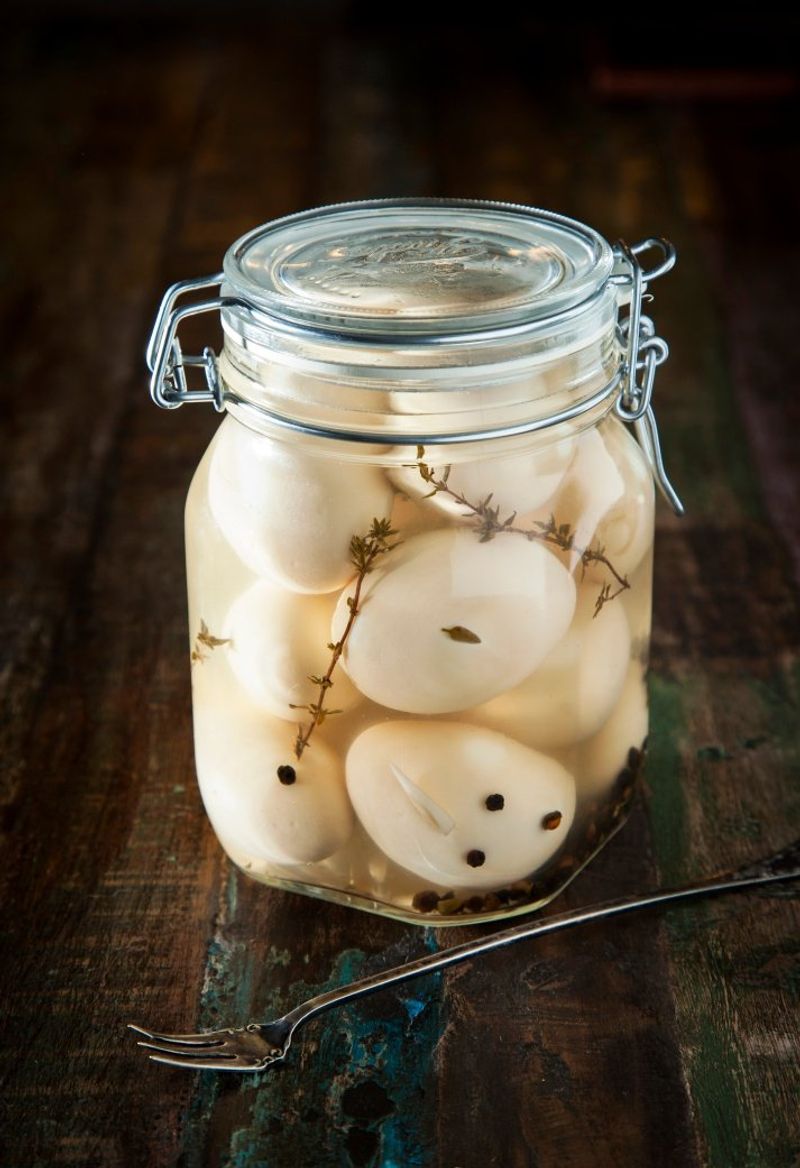
Spotted sitting in a giant jar of dark vinegar on the counter of a traditional British pub, pickled eggs are one of those foods that divide opinion right down the middle. People either love them or cannot understand them at all.
Sharp, tangy, and surprisingly addictive, they have been a cheap snack staple in pubs and market stalls for centuries. Food artisans are now experimenting with flavored brines using beetroot, chili, and spiced vinegar, giving this vintage bar snack a colorful, modern revival that is genuinely hard to resist.
17. Parkin
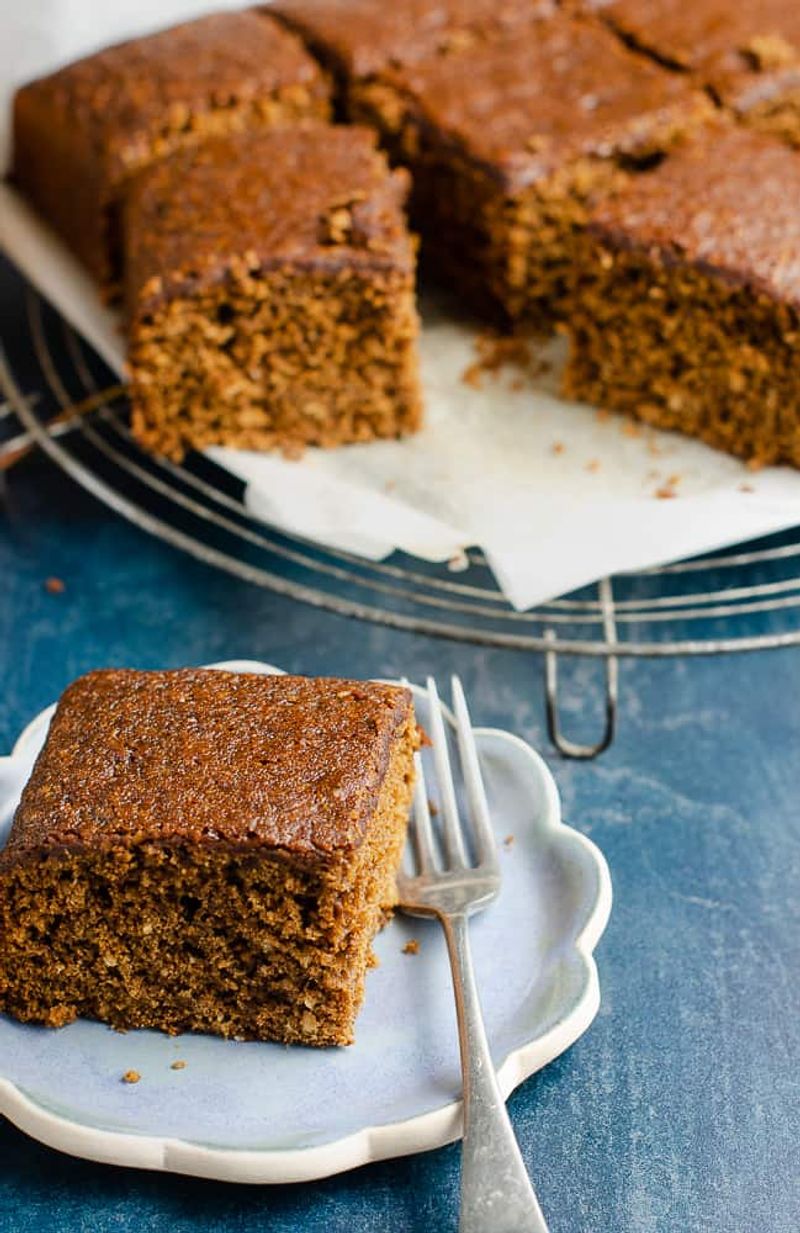
Sticky, dense, and packed with the warming flavors of oats, ginger, and dark treacle, parkin is a baked treat that belongs to the north of England the way Big Ben belongs to London. Traditionally eaten on Bonfire Night in Yorkshire and Lancashire, it gets stickier and more flavorful the longer it sits.
Street food vendors at autumn and winter markets are now selling thick slabs of fresh parkin alongside hot drinks. One bite of this chewy, spiced square is enough to understand why it has survived for centuries.




Comments
No Comments