













Food tells the story of a place better than any travel guide ever could. Every region has that one dish locals beam about, ready to explain its history, secret ingredients, and the right way to eat it.
These meals carry memory, pride, and culture in every bite. Get ready to explore 17 incredible regional dishes that spark real joy in the people who grew up with them.
1. Gumbo from Louisiana
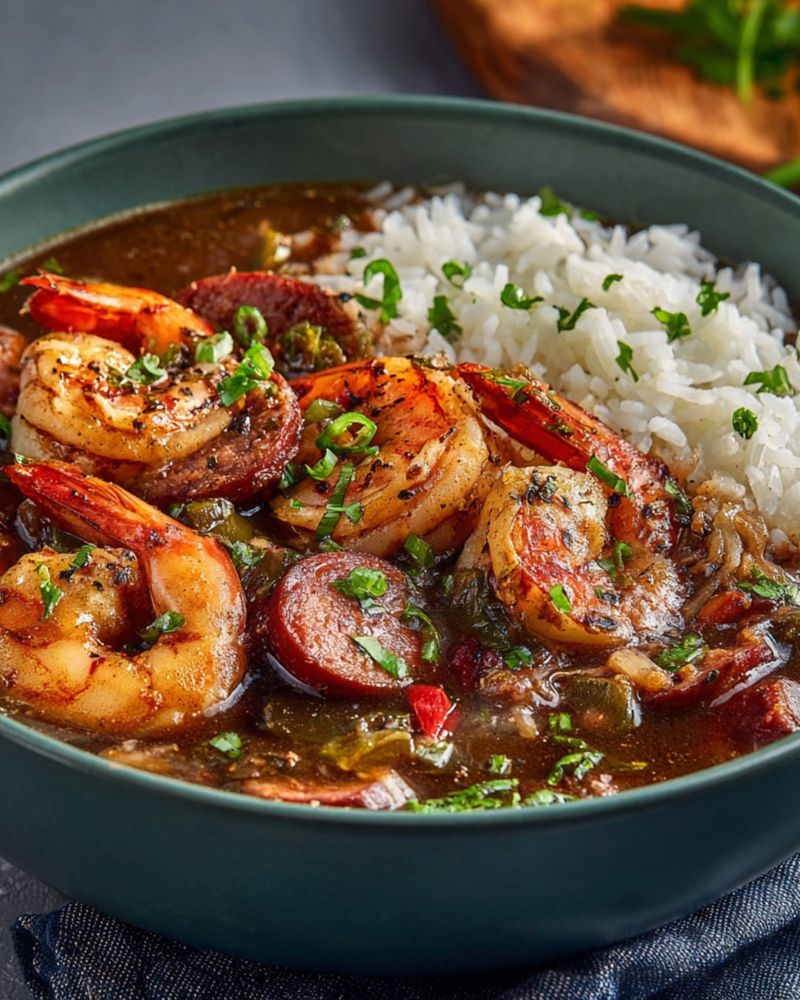
Ask anyone from Louisiana about gumbo and watch their eyes light up instantly. This thick, hearty stew blends West African, French, and Native American cooking traditions into one unforgettable pot.
Locals debate endlessly whether to use a dark roux or a light one, and whether okra or file powder thickens it best. Every family has its own version, passed down through generations.
Gumbo is not just dinner in Louisiana - it is a love language spoken through a spoon.
2. Deep-Dish Pizza from Chicago
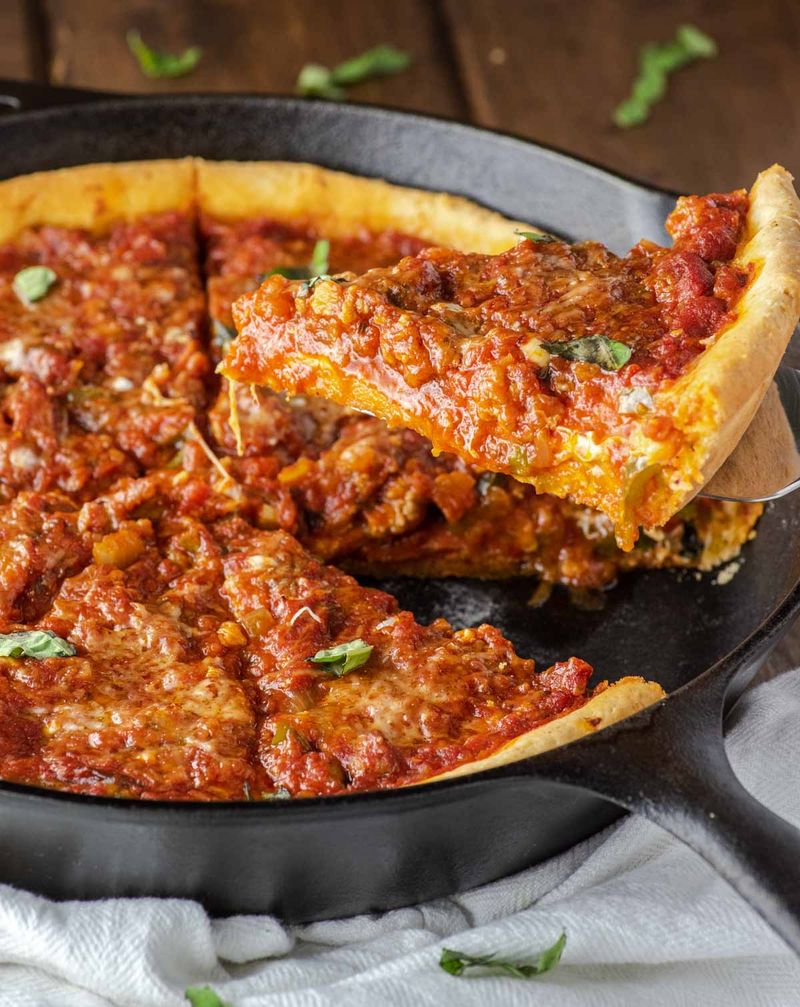
Chicago locals will passionately correct you if you call deep-dish pizza just a thick pizza - because to them, it is so much more. The buttery crust, stacked cheese, and chunky tomato sauce layered on top make it closer to a pie than anything else.
Invented in the 1940s, this dish became a city symbol overnight. Locals proudly walk visitors to their favorite spots, explaining exactly why it beats every other pizza style.
No debate needed - one bite says it all.
3. Pho from Hanoi, Vietnam
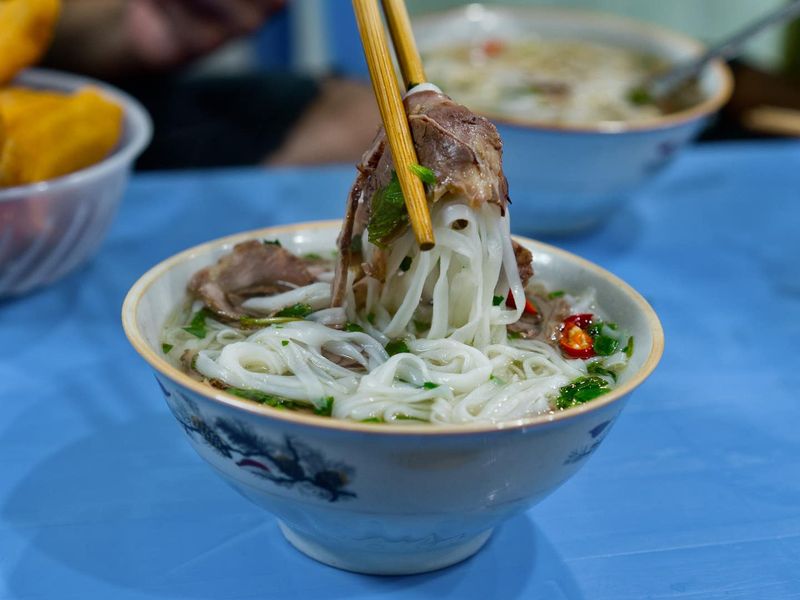
Hanoi residents will tell you that real pho starts at 5 in the morning and the broth must simmer for at least twelve hours overnight. The beef bones, charred ginger, and warm spices like star anise and cinnamon create a fragrant, golden broth unlike anything else.
Street vendors and grandmothers guard their recipes carefully. Locals eat pho crouched over small plastic stools, slurping noodles with pride.
For Hanoians, pho is not breakfast - it is a daily ritual wrapped in steam and tradition.
4. Jerk Chicken from Jamaica
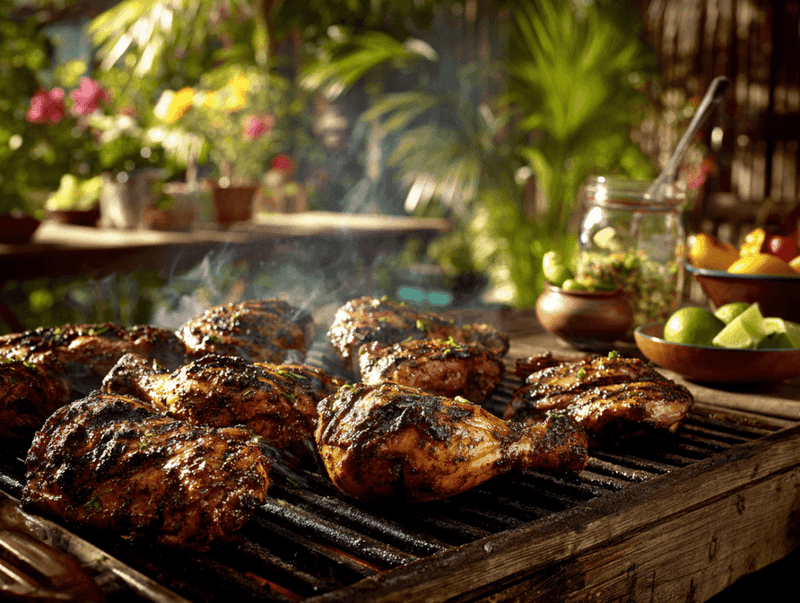
Jamaican locals say you cannot understand jerk chicken until you smell it cooking over a pimento wood fire on the roadside. The marinade - packed with scotch bonnet peppers, allspice, thyme, and garlic - is bold, fiery, and deeply aromatic.
Jerk cooking dates back to the Maroons, African freedom fighters who developed the technique centuries ago. Every jerk shack in Jamaica swears its recipe is the original.
Locals eat it wrapped in foil with festival bread, grinning from the very first bite.
5. Pierogi from Poland
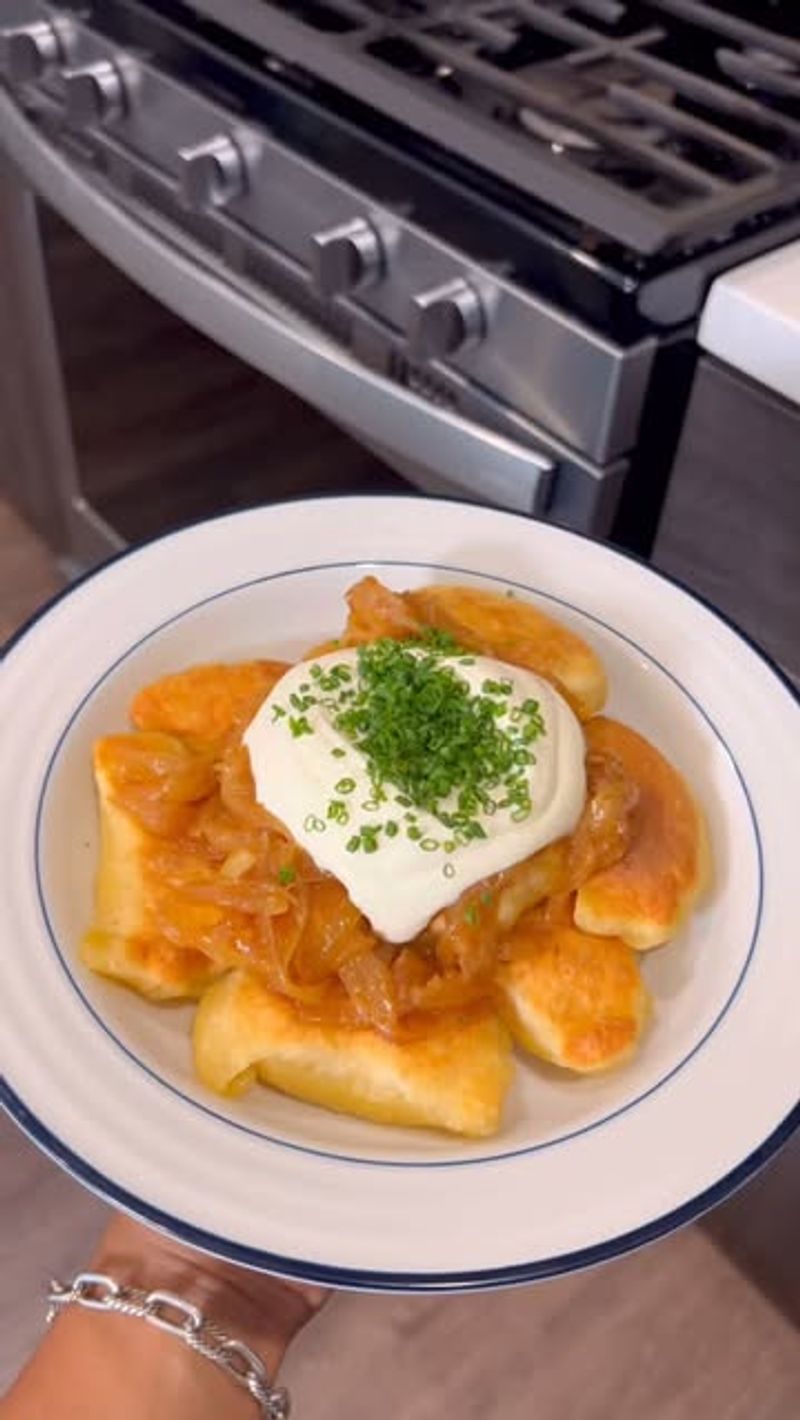
Polish grandmothers treat pierogi-making as a sacred art form, and locals will enthusiastically explain every fold and pinch of the dough to curious visitors. These soft dough pockets are stuffed with everything from potato and cheese to sauerkraut, mushrooms, or sweet fruit fillings.
Pierogi appear at every major Polish celebration, from Christmas Eve to summer festivals. Families gather around the table to make hundreds at a time.
The process is as joyful and social as eating them - which, locals insist, is always best done with sour cream.
6. Ceviche from Lima, Peru
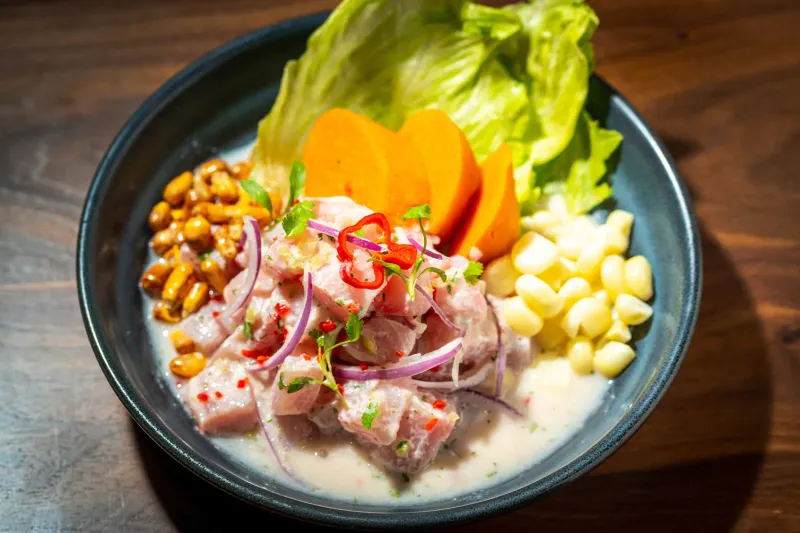
Lima locals will proudly tell you that ceviche is not just a dish - it is the soul of Peruvian cuisine. Raw fish is cured in fresh lime juice, a process called leche de tigre, creating a bright, tangy marinade that is almost magical.
The secret weapon is aji amarillo, a golden Peruvian chili that adds fruity heat without overpowering the fish. Locals eat it for lunch, never dinner, claiming the freshness of morning fish makes all the difference.
Every cevicheria in Lima has regulars who will argue it is the best in the city.
7. Biscuits and Gravy from the American South
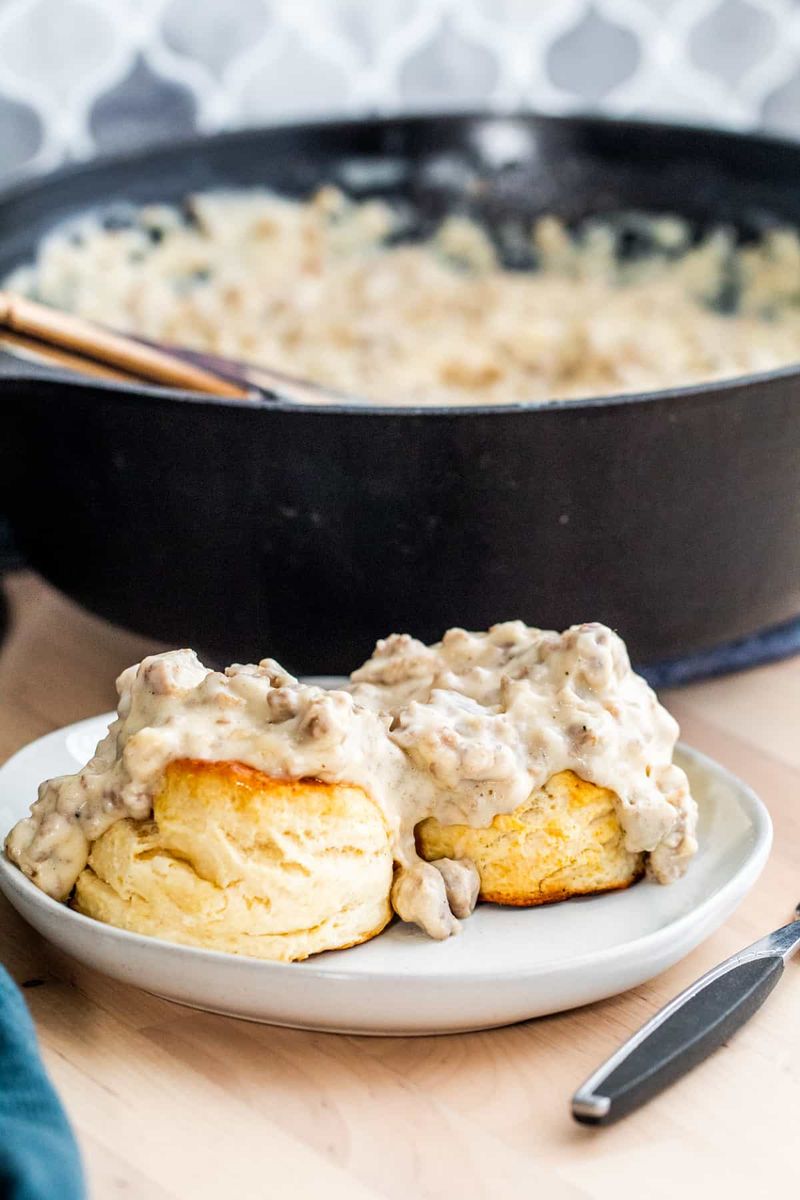
Southern locals describe biscuits and gravy with the kind of warmth usually reserved for talking about family. Fluffy, buttery biscuits split open and smothered in thick, peppery white sausage gravy is the ultimate morning comfort food across states like Tennessee, Kentucky, and Arkansas.
The dish grew from humble, budget-friendly roots in the late 1800s when working families needed filling, cheap breakfasts. Today, diners across the South still pack booths every weekend for a plate of it.
Locals insist homemade biscuits make or break the whole experience.
8. Tagine from Morocco
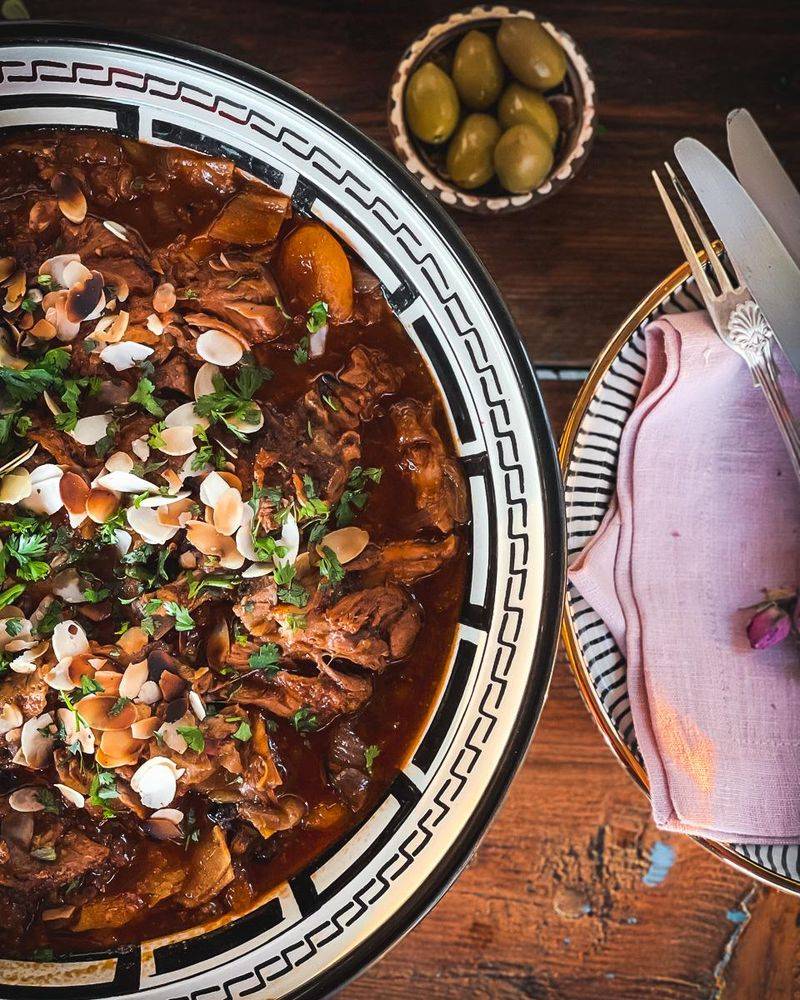
Moroccans light up when describing tagine because the dish is as much about patience as it is about flavor. Slow-cooked in a conical clay pot, the steam circulates inside to keep meats incredibly tender while infusing everything with cumin, turmeric, cinnamon, and saffron.
Lamb with preserved lemon and olives is the classic combination, though every city and family has its own beloved variation. Locals eat tagine with torn pieces of khobz bread, scooping directly from the communal pot.
The ritual of sharing from one dish is part of what makes it taste so good.
9. Poutine from Quebec, Canada
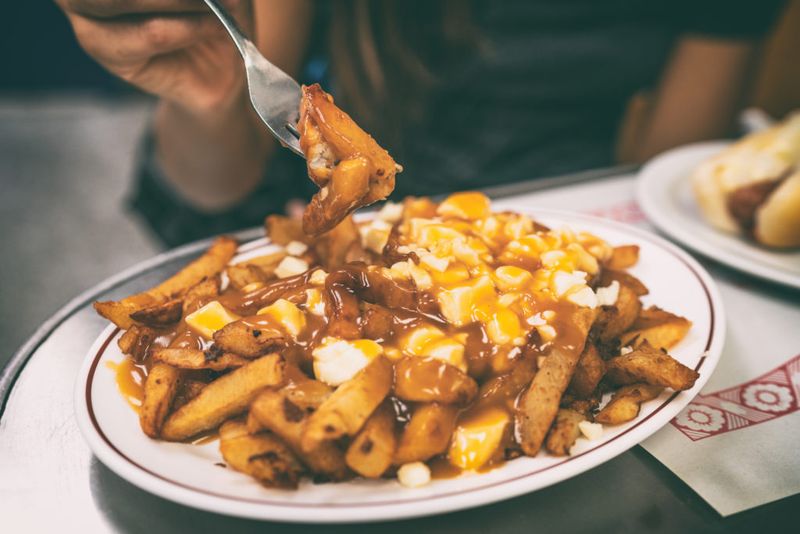
Quebec locals get almost defensive when people outside Canada try to replicate poutine, because the cheese curds must squeak when you bite them - that is non-negotiable. Golden fries, fresh cheese curds, and hot brown gravy come together in a combination that sounds simple but hits completely different at 2 a.m. after a hockey game.
Born in rural Quebec diners in the 1950s, poutine went from truck stop snack to national icon. Locals will happily point you to their favorite chip stand and watch your face when you take the first bite.
10. Injera with Tibs from Ethiopia
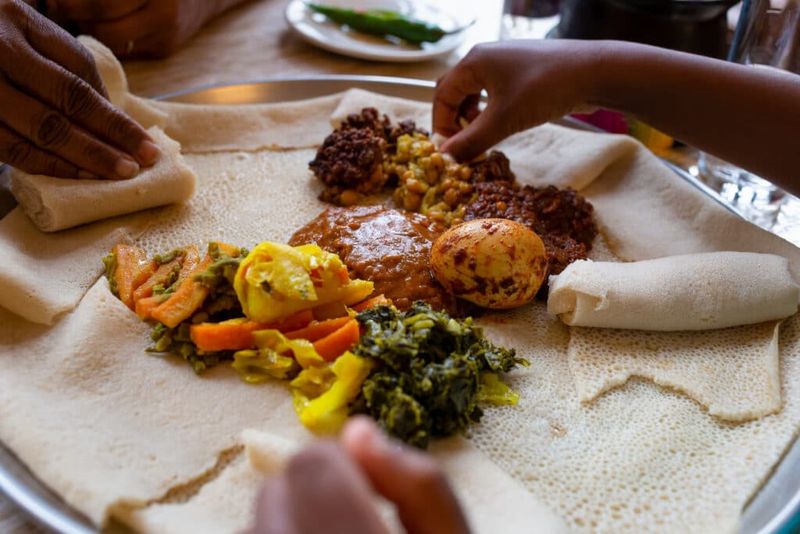
Ethiopian locals describe injera not as a side dish but as the plate itself - a spongy sourdough flatbread that everything else sits on and gets scooped with. The slight sourness of injera perfectly balances the bold spices of tibs, a sauteed meat dish seasoned with berbere and mitmita.
Eating is always communal in Ethiopia, with everyone reaching over the same large round spread. Locals say eating alone is considered strange and sad.
Sharing injera with tibs is how Ethiopians celebrate, mourn, welcome strangers, and strengthen bonds - all at the same table.
11. Banh Mi from Ho Chi Minh City, Vietnam
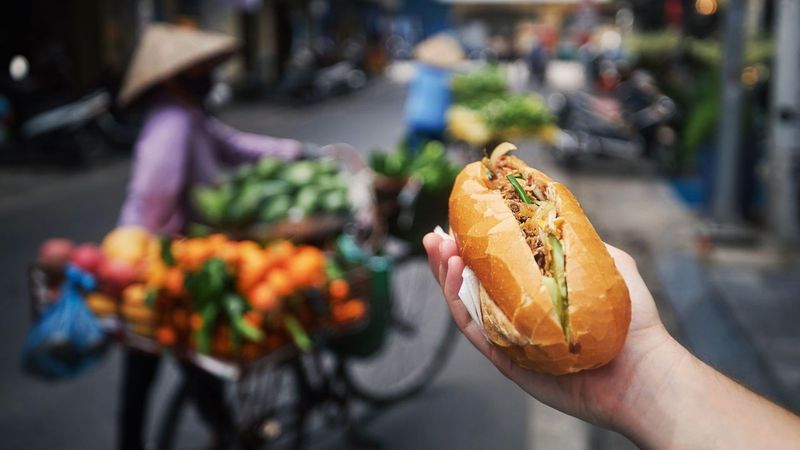
Ho Chi Minh City vendors practically glow with pride when handing over a perfectly assembled banh mi. The magic is in the contrast - a crackling French baguette filled with savory pork, creamy pate, tangy pickled vegetables, fresh cilantro, and fiery chili slices.
The French baguette is a colonial leftover that Vietnamese cooks transformed into something entirely their own. Locals eat banh mi standing on the sidewalk, no plate needed.
For under a dollar, it delivers flavors that fancy restaurants spend years trying to recreate without ever quite getting there.
12. Clam Chowder from New England
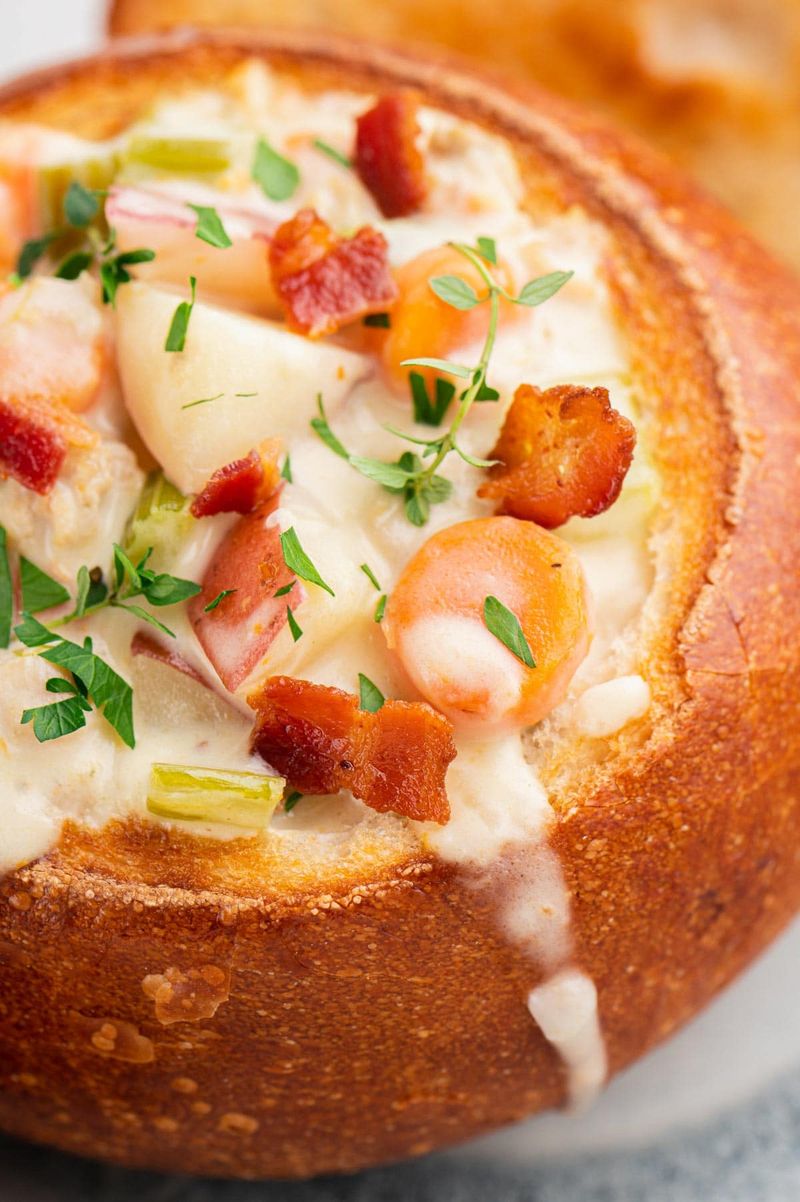
New Englanders will firmly correct you if you order Manhattan clam chowder in their presence - the red tomato version is considered a culinary crime in states like Massachusetts. The real deal is cream-based, loaded with tender clams, soft potatoes, smoky bacon, and a richness that warms you from the inside out.
Fishing communities along the New England coast have been making chowder since the 1700s. Locals say the best bowls are always found in tiny harbor shacks, not tourist restaurants.
Served in a sourdough bread bowl, it is pure coastal comfort food at its finest.
13. Peking Duck from Beijing, China
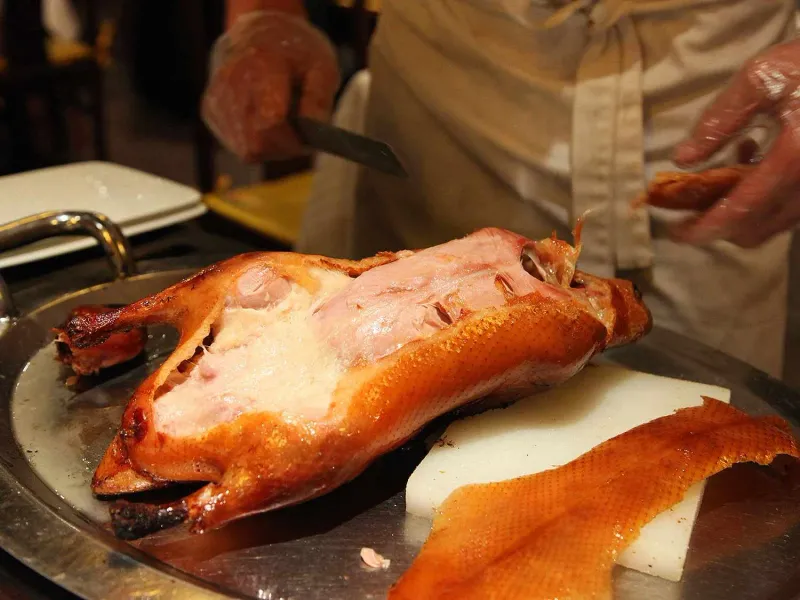
Beijing locals treat Peking duck as a dish worthy of special occasions, and they will spend considerable time explaining exactly how to wrap it correctly in a thin pancake. Crispy lacquered skin, a sliver of tender duck, cucumber strips, scallions, and a brush of hoisin sauce all rolled together is pure perfection.
The dish dates back to the imperial kitchens of the Ming Dynasty, over 600 years ago. Restaurants in Beijing roast ducks in wood-fired ovens, and the skin achieves a satisfying crunch that echoes across the table.
Locals say rushing through Peking duck misses the entire point.
14. Currywurst from Berlin, Germany
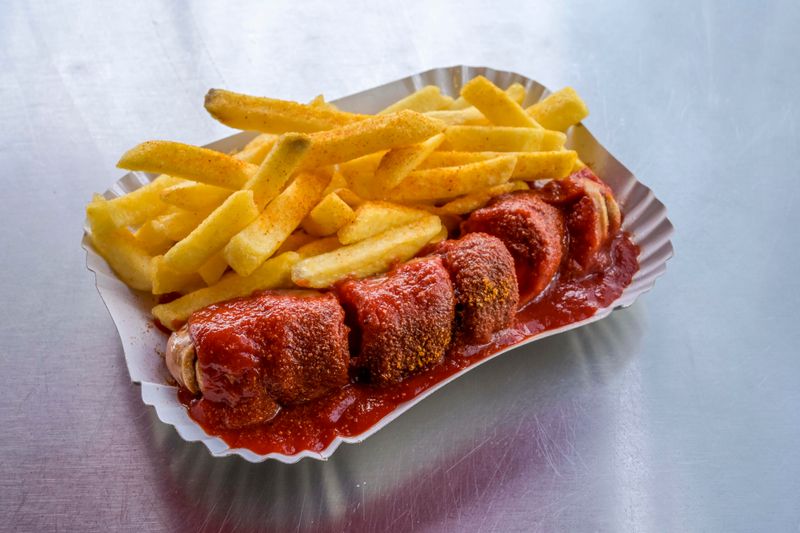
Berliners have an almost sentimental attachment to currywurst that outsiders find charmingly unexpected. A simple steamed or fried pork sausage, sliced and doused in tomato sauce spiked with curry powder, became the city's most beloved street food after World War II.
Herta Heuwer invented the dish in 1949 and reportedly sold over 10,000 portions a week from her West Berlin stall. Today, Berlin has an entire museum dedicated to currywurst.
Locals eat it standing at a street kiosk with a tiny plastic fork, and they would not have it any other way.
15. Empanadas from Mendoza, Argentina
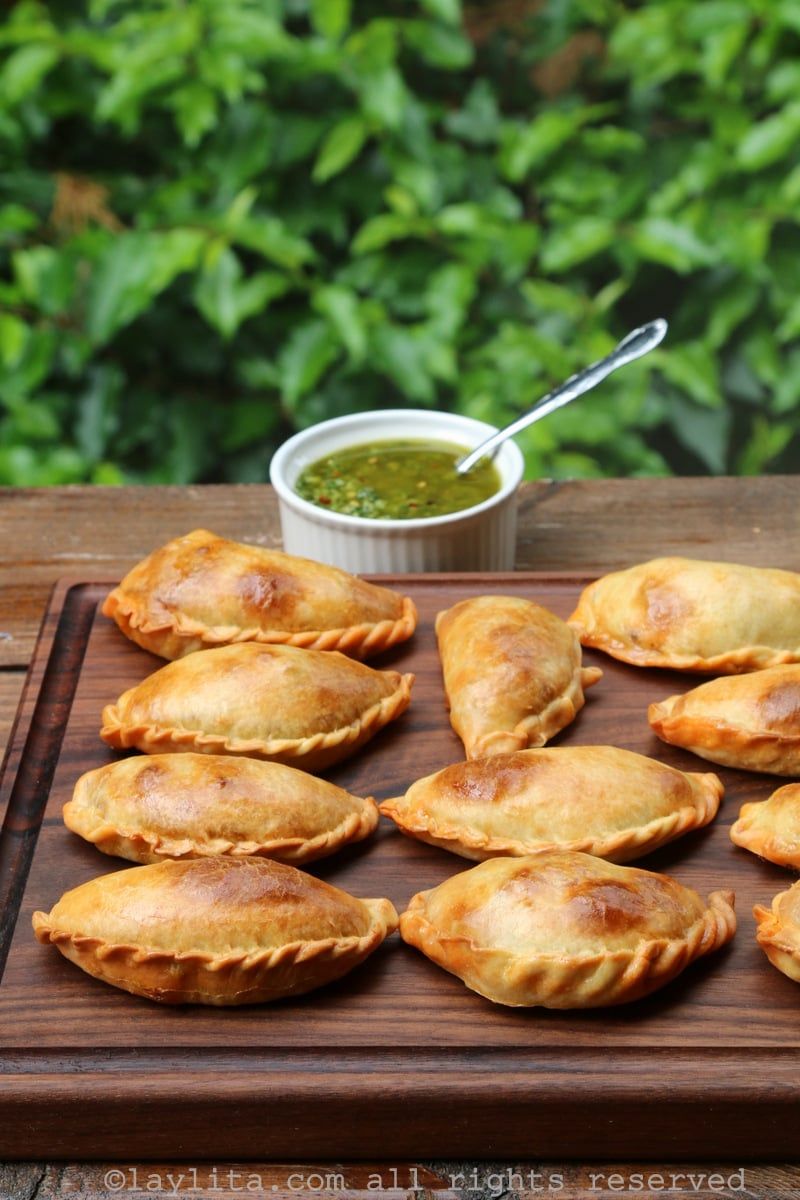
Mendoza locals will quiz you on how many repulgues - the crimped edge folds - their empanadas have, because in Argentina, the fold pattern tells you what filling is inside. Beef, onion, hard-boiled egg, and olive is the classic Mendoza combination, baked until golden and slightly flaky.
Every province across Argentina has its own version, and regional debates about the best style get surprisingly passionate. Mendocinos insist baked beats fried every time, unlike their northern neighbors.
Empanadas are made for family gatherings, political rallies, and lazy Sunday afternoons equally - they fit every mood beautifully.
16. Fish and Chips from Yorkshire, England
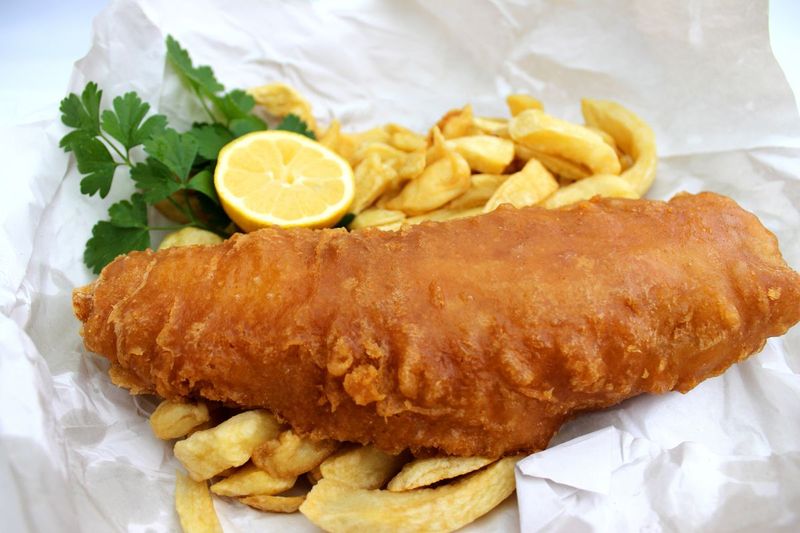
Yorkshire locals take their fish and chips very seriously, and they will tell you without hesitation that the batter must be crispy, the chips thick, and the whole thing eaten outdoors from the paper wrapping. Malt vinegar is mandatory, and anyone who uses ketchup gets a suspicious look.
Fish and chips became a working-class staple in England during the Industrial Revolution, fueling long factory shifts. Yorkshire chip shops, called chippies, are neighborhood institutions that families visit for generations.
The smell of frying batter drifting down a cobblestone street is pure Yorkshire nostalgia in sensory form.
17. Birria from Jalisco, Mexico
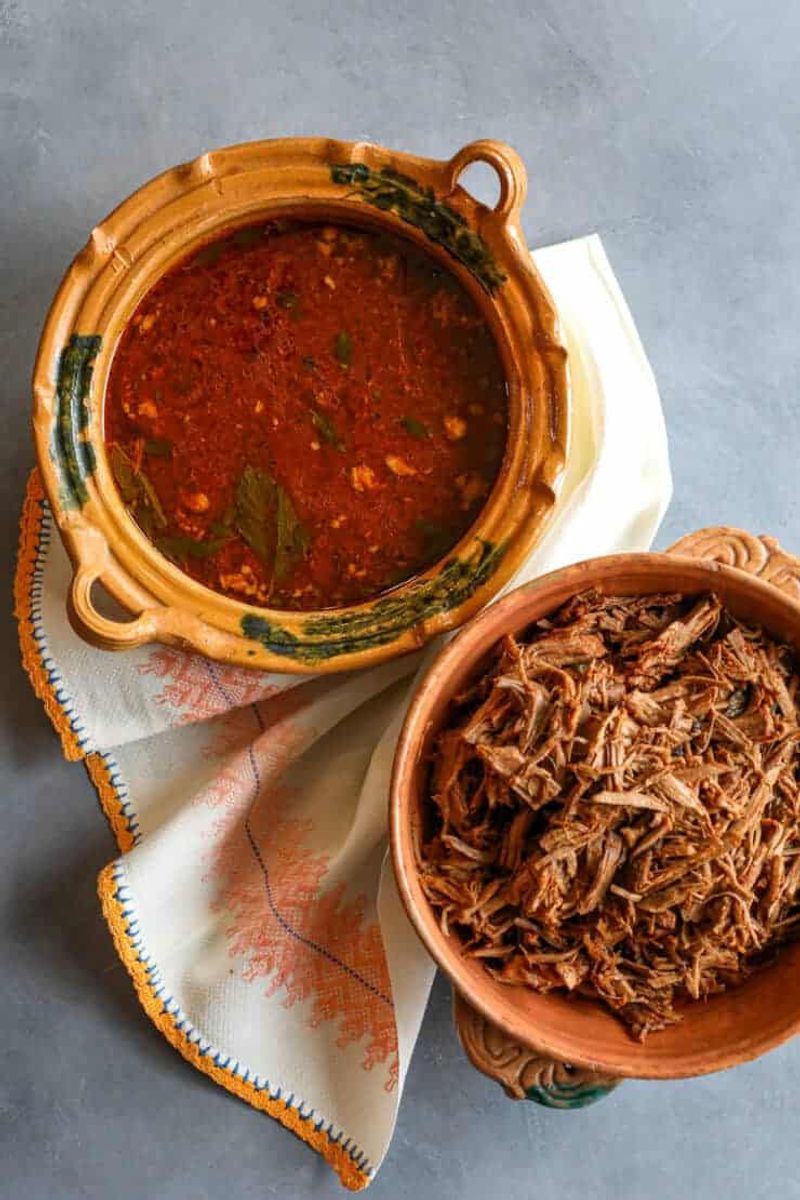
Jalisco locals describe birria with the kind of reverence usually saved for religious traditions - because in many ways, it is one. Originally made with goat slow-cooked in a deep red chili broth of guajillo, ancho, and pasilla peppers, the result is dark, smoky, and intensely satisfying.
Birria is the dish of weddings, baptisms, and Sunday family gatherings across Jalisco. Locals dip their tortillas into the consomme broth before eating, soaking up every last drop of flavor.
The birria taco trend that swept the world barely scratches the surface of what this dish truly means at home.




Comments
No Comments