













Germany is famous for a lot of things, but its food might just be the most underrated treasure of all. From hearty sausages sizzling on a grill to soft pretzels dusted with coarse salt, German cuisine has a flavor for every kind of eater.
Whether you are planning a trip to Germany or just want to explore new foods from your own kitchen, this list will take your taste buds on an unforgettable adventure. Get ready to discover 17 incredible foods that are truly one of a kind in Germany.
1. Bratwurst
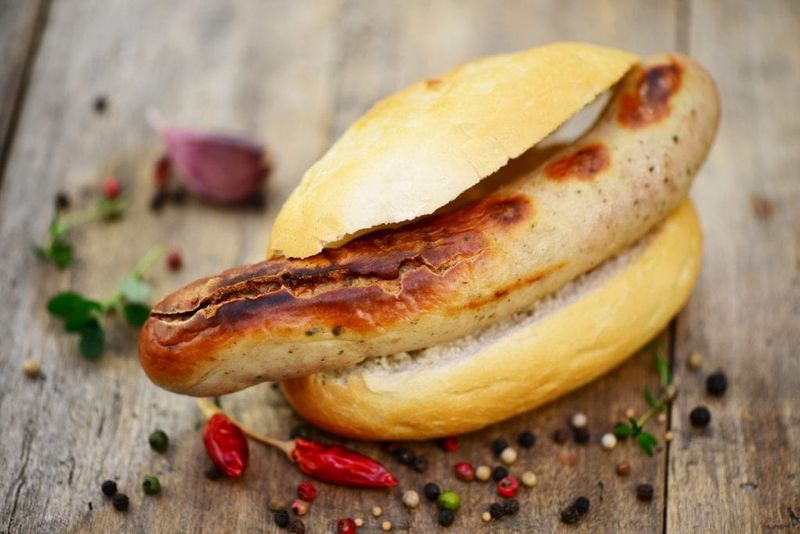
Few things smell as amazing as bratwurst sizzling over an open flame at a German street market. This beloved pork sausage has been around for centuries, with some recipes dating back to the 1300s in the city of Nuremberg.
Every region in Germany has its own special twist on the recipe.
Served in a crusty bread roll with mustard, bratwurst is the ultimate grab-and-go meal. Juicy, smoky, and deeply satisfying, it is easy to see why this sausage has fans all over the world.
2. Pretzel (Brezel)
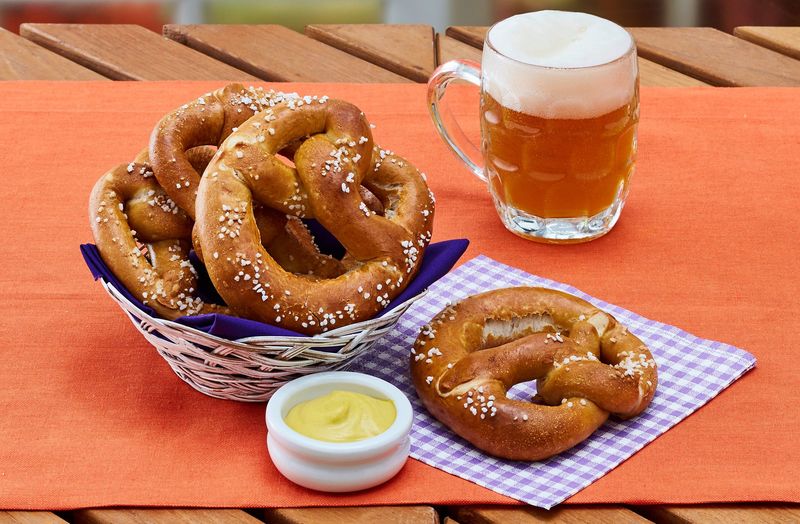
Twisted into its iconic knot shape and baked to a deep golden brown, the German pretzel is a snack that looks as good as it tastes. The secret to its chewy, shiny crust lies in a quick dip in a lye or baking soda bath before baking.
This simple step creates that signature crunch.
Bakers in Bavaria have been perfecting this recipe for hundreds of years. Pair one with a cold beer or creamy cheese dip for a truly authentic German experience you will not forget.
3. Sauerbraten
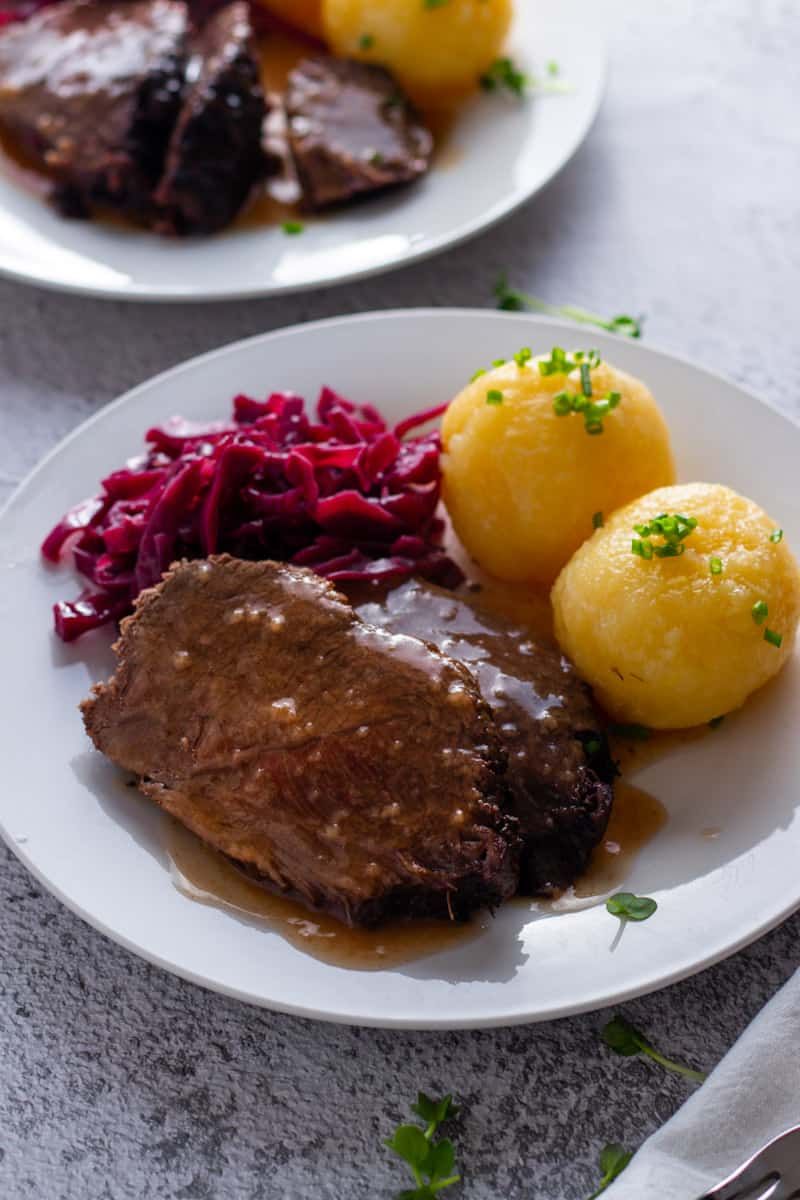
Sauerbraten is Germany's answer to the ultimate comfort roast, and it takes patience to make it right. The meat, usually beef, is marinated for several days in a tangy mixture of vinegar, water, and spices before being slow-braised to tender perfection.
The result is a deeply flavored dish unlike any other roast you have tried.
Served alongside potato dumplings and braised red cabbage, sauerbraten is a Sunday dinner staple across German households. Some families have passed down their marinade recipes for generations.
4. Currywurst
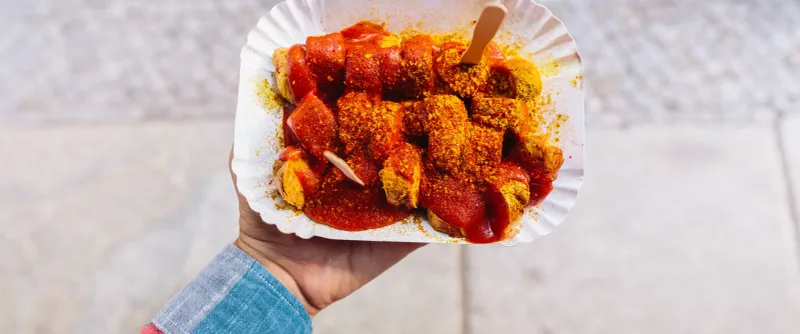
Berlin invented currywurst in 1949, and the city has never looked back. A grilled or fried pork sausage gets sliced into bite-sized pieces, then smothered in a tangy tomato-based ketchup spiked with curry powder.
It sounds simple, but the combination is wildly addictive.
Street stalls called Imbiss stands sell millions of portions every single year across Germany. There is even a dedicated Currywurst Museum in Berlin.
Eaten with a tiny wooden fork straight from a paper tray, this is pure street food joy.
5. Kartoffelkloesse (Potato Dumplings)
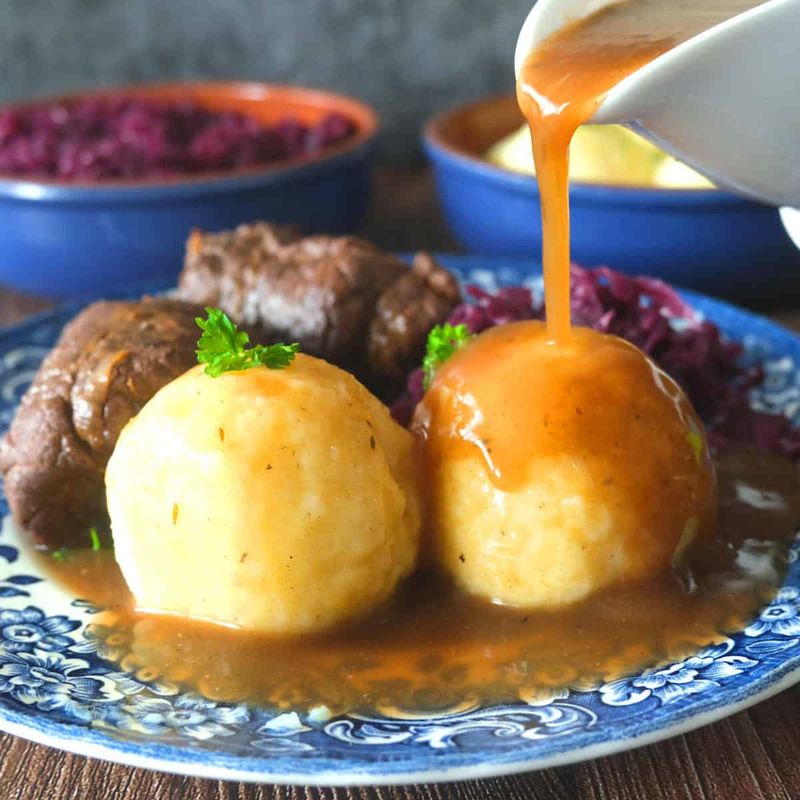
Potato dumplings are one of those foods that feel like a warm hug on a cold day. Made from raw or cooked potatoes, these soft, round balls are boiled until they float to the surface, which means they are perfectly done.
Getting the texture just right is considered a true cooking skill in Germany.
They soak up gravies and sauces beautifully, making them the ideal side dish for sauerbraten or roasted meats. Many German grandmothers guard their dumpling recipes like family treasures.
6. Spaetzle
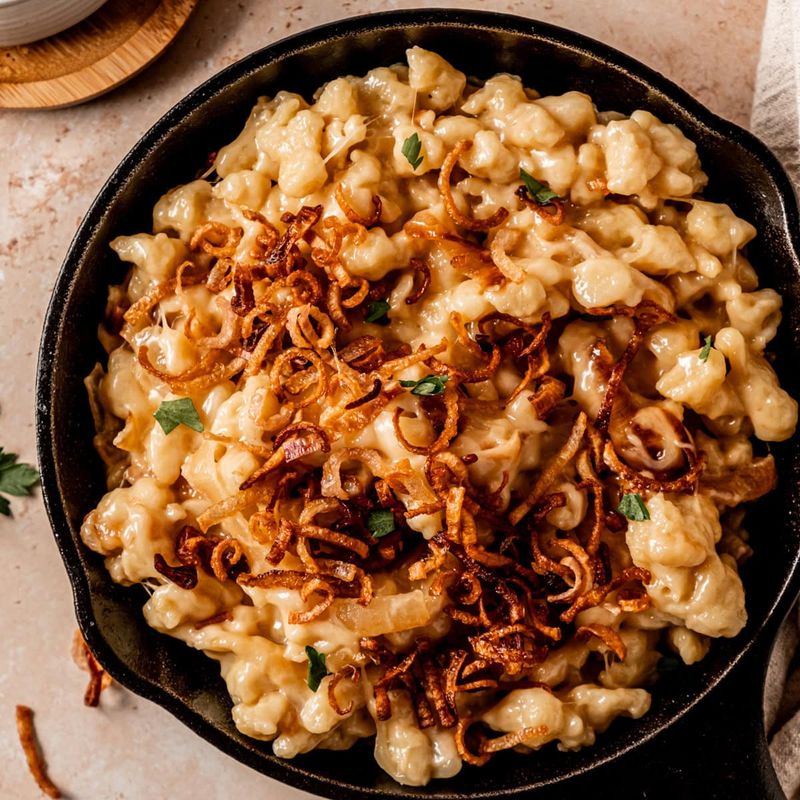
Spaetzle are tiny, irregular egg noodles that are pushed through a special grater directly into boiling water, creating their wonderfully lumpy, rustic shape. Once cooked, they get tossed in butter and sometimes pan-fried until lightly golden.
The result is chewy, rich, and completely irresistible.
In Swabia, the region where Spaetzle originated, locals take enormous pride in their noodle-making skills. Kaesespaetzle, a cheesy baked version topped with crispy onions, is basically Germany's answer to macaroni and cheese, and honestly, it might be even better.
7. Black Forest Cake (Schwarzwaelder Kirschtorte)
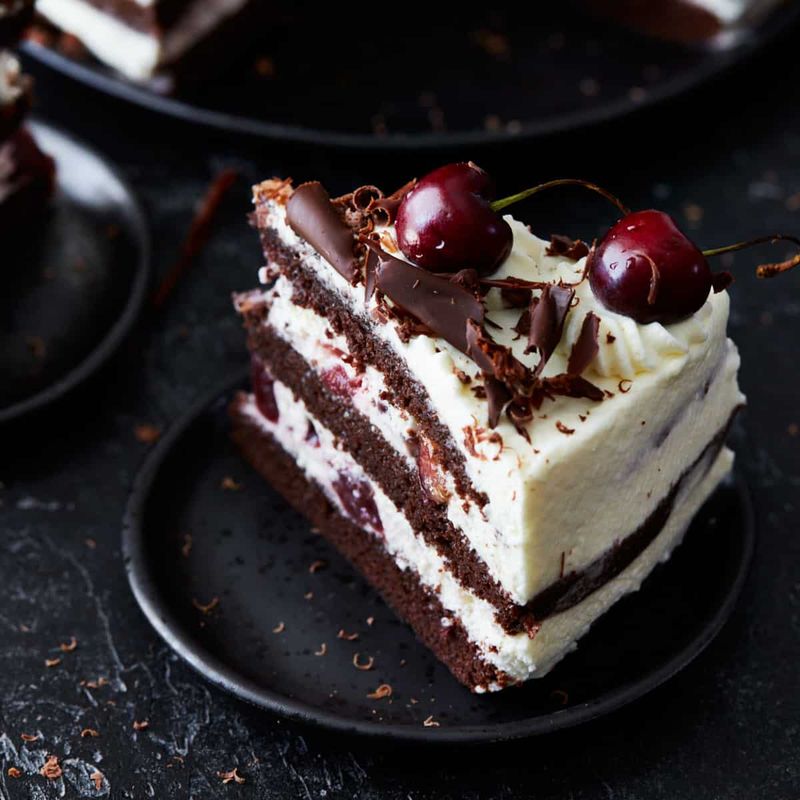
Named after the Black Forest region in southwestern Germany, this legendary cake is a showstopper at any celebration. Layers of rich chocolate sponge are sandwiched with lightly sweetened whipped cream and tart Morello cherries, then finished with chocolate shavings and more cream on top.
Traditionally, a splash of Kirschwasser, a cherry brandy made in the region, is drizzled between the layers for extra flavor. One bite of this cake explains why it has been winning hearts around the world for decades.
8. Lebkuchen
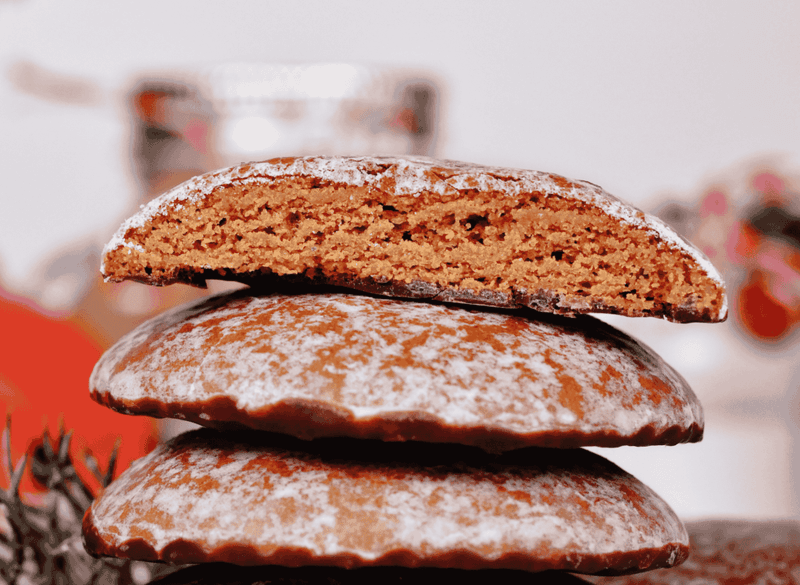
Walk through any German Christmas market and the warm, spiced aroma of Lebkuchen will stop you in your tracks. These soft gingerbread cookies are packed with a blend of spices including cinnamon, anise, cloves, and cardamom, giving them a depth of flavor that regular gingerbread simply cannot match.
Nuremberg is the most famous city for Lebkuchen, producing them since the 14th century. They come glazed, chocolate-dipped, or decorated with icing, and are often sold in heart shapes with sweet messages written on them.
9. Rouladen
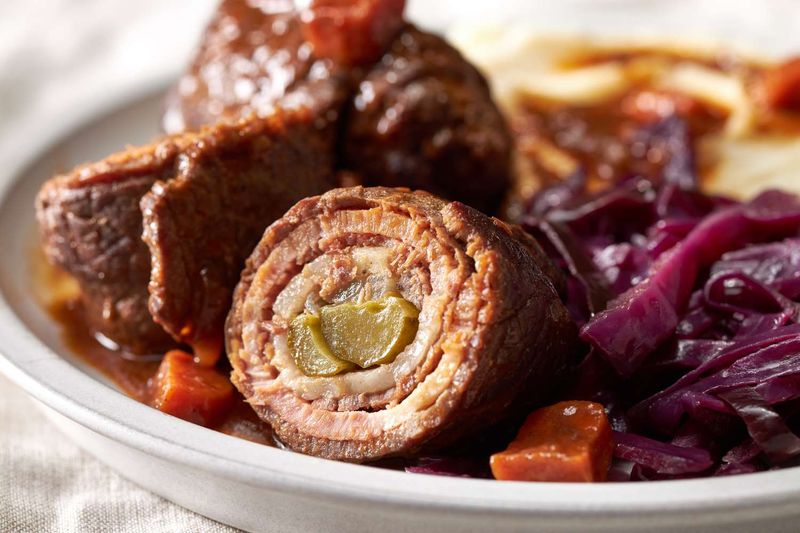
Rouladen looks impressive on the plate, but the concept is beautifully simple. Thin slices of beef are laid flat, spread with mustard, then layered with strips of bacon, diced onions, and a pickle spear before being tightly rolled up and secured with toothpicks or kitchen twine.
After browning in a hot pan, the rolls braise slowly in a rich stock until fork-tender. The filling infuses the meat with a salty, tangy flavor that makes every bite deeply satisfying.
It is classic German home cooking at its finest.
10. Maultaschen
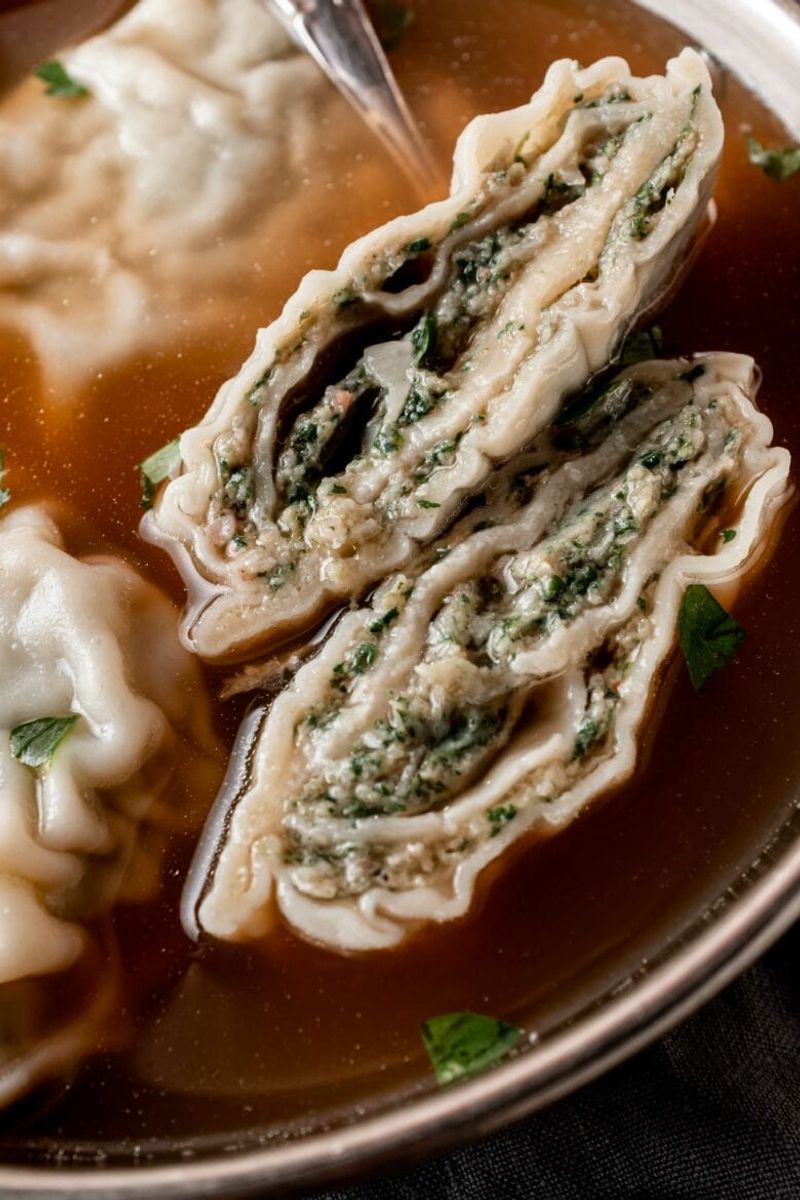
Maultaschen are often called Germany's answer to ravioli, but locals in the Swabia region would say they are in a league of their own. These large pasta pockets are stuffed with a savory mixture of ground meat, spinach, onions, and breadcrumbs, then poached in broth or pan-fried in butter.
Legend says Swabian monks invented Maultaschen to hide meat inside pasta during Lent, sneaking it past God. Whether that story is true or not, these hearty dumplings are absolutely worth discovering on your own.
11. Flammkuchen
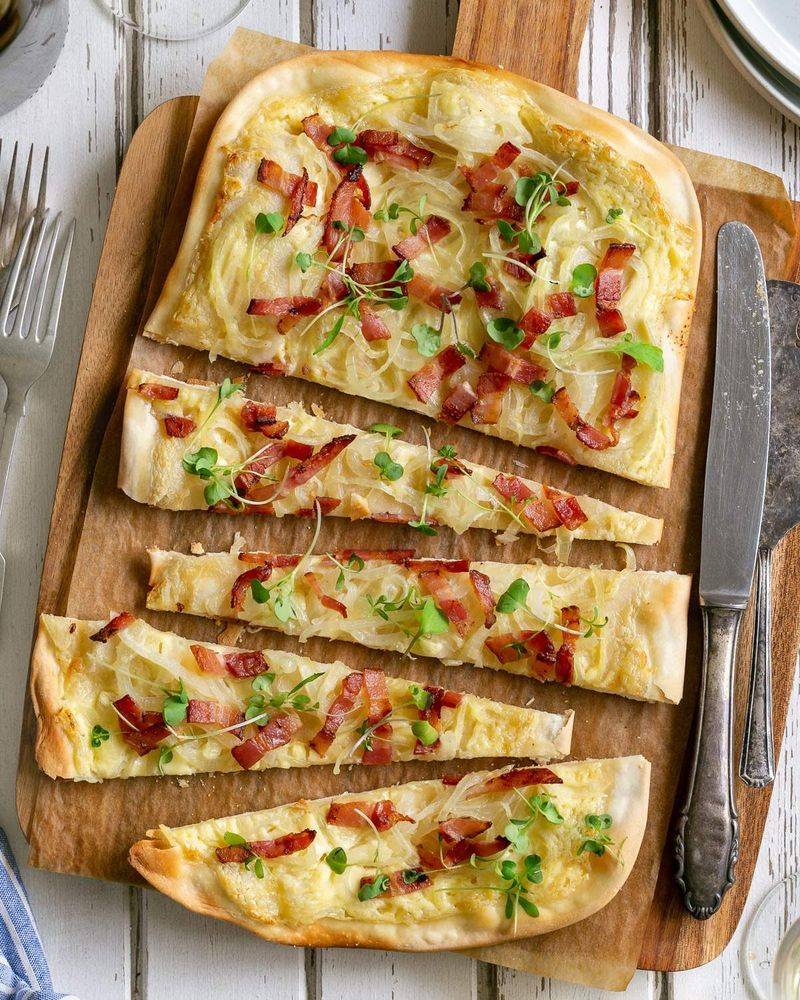
Flammkuchen, which translates to flame cake, is Germany's rustic answer to pizza, and it honestly gives pizza a run for its money. A paper-thin dough is spread with tangy creme fraiche instead of tomato sauce, then topped with paper-thin onion rings and smoky bacon lardons before being baked in a blazing hot oven.
Originating in the Alsace region on the French-German border, this dish is crispy, creamy, and salty all at once. Sharing one at a beer garden is practically a German tradition.
12. Eisbein (Pork Knuckle)
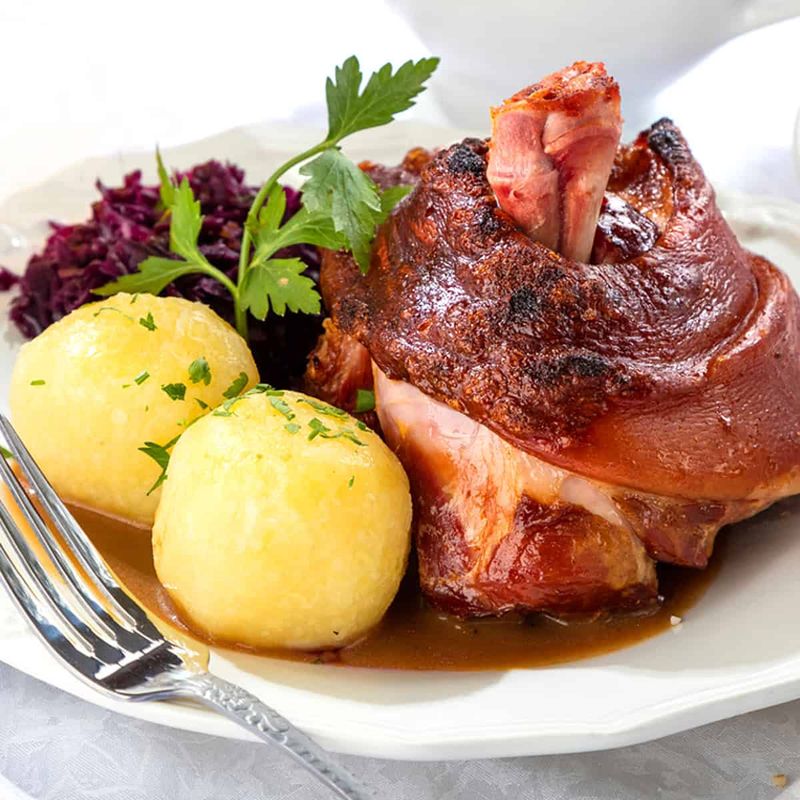
Eisbein is not for the faint-hearted, and that is exactly what makes it legendary. A whole pork knuckle, either boiled or roasted until the skin turns into shatteringly crisp crackling, arrives at the table looking absolutely magnificent.
The meat underneath is fall-off-the-bone tender and richly flavored.
Berlin is especially famous for the boiled version, while Bavaria prefers the roasted style. Served with sauerkraut and bread dumplings, Eisbein is the kind of meal that leaves you completely satisfied and slightly amazed at how good pork can actually be.
13. Kaiserschmarrn
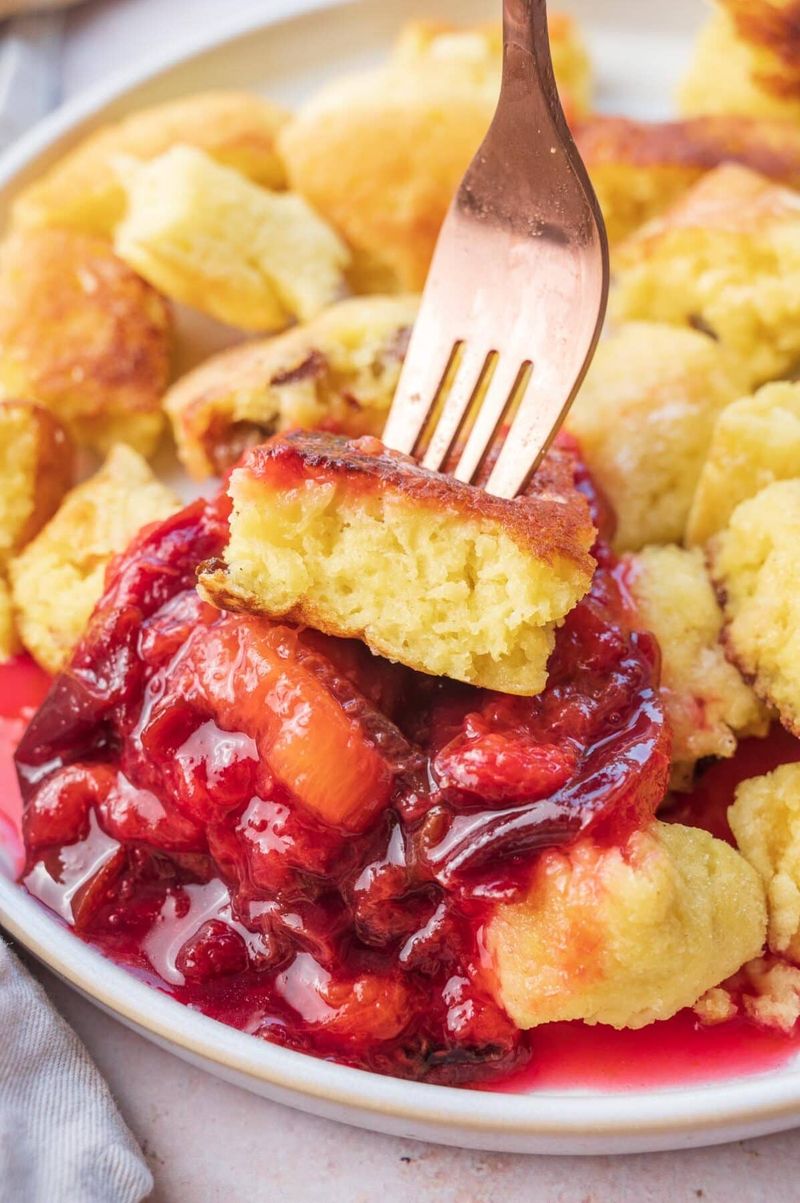
Kaiserschmarrn started as an Austrian royal dessert, but Germany adopted it so enthusiastically that it now feels completely at home on Bavarian menus. A thick, eggy pancake batter is cooked, then torn into irregular fluffy pieces and caramelized with butter and sugar until golden.
A dusting of powdered sugar goes on top.
Served warm with a spoonful of plum or apple compote on the side, this dessert is playful, sweet, and deeply comforting. Kids and adults love it equally, making it a true crowd-pleaser.
14. Rollmops
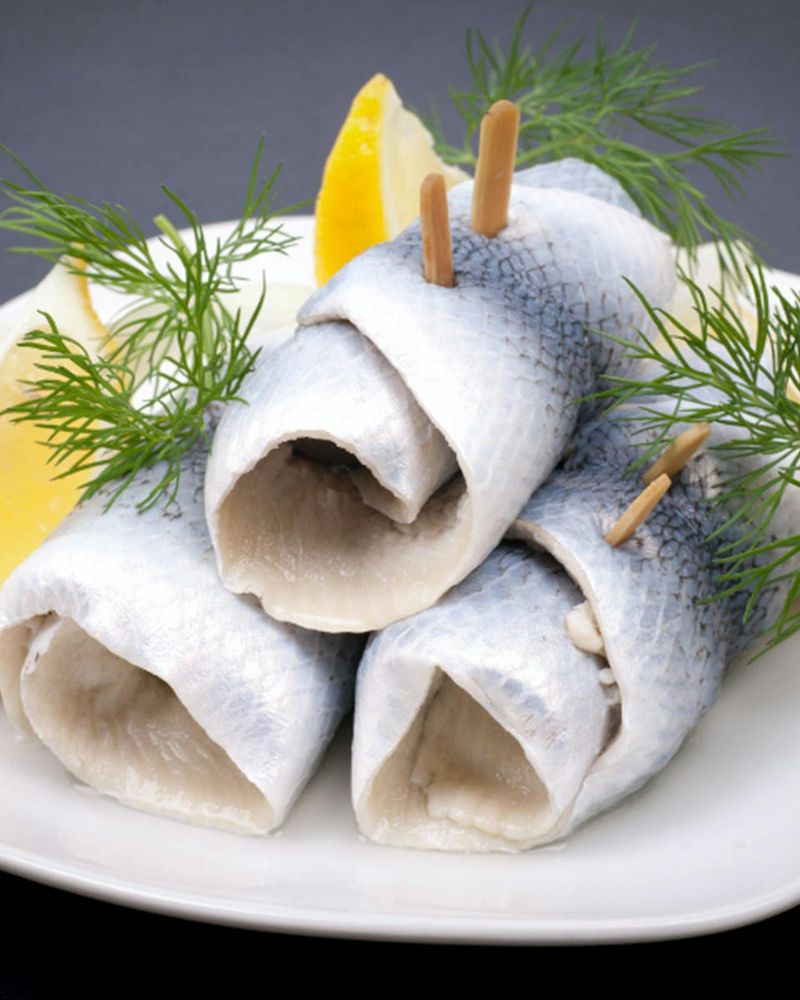
Rollmops are one of Germany's most polarizing foods, and proud fans would not have it any other way. Raw herring fillets are pickled in a vinegar brine with onions and spices, then rolled tightly around a gherkin or onion sliver and secured with a toothpick.
The result is intensely tangy, salty, and briny.
Traditionally eaten as a hangover cure in Germany, Rollmops have been a northern coastal staple for centuries. If you are feeling adventurous with your palate, this is the ultimate German food dare to accept.
15. Bienenstich (Bee Sting Cake)
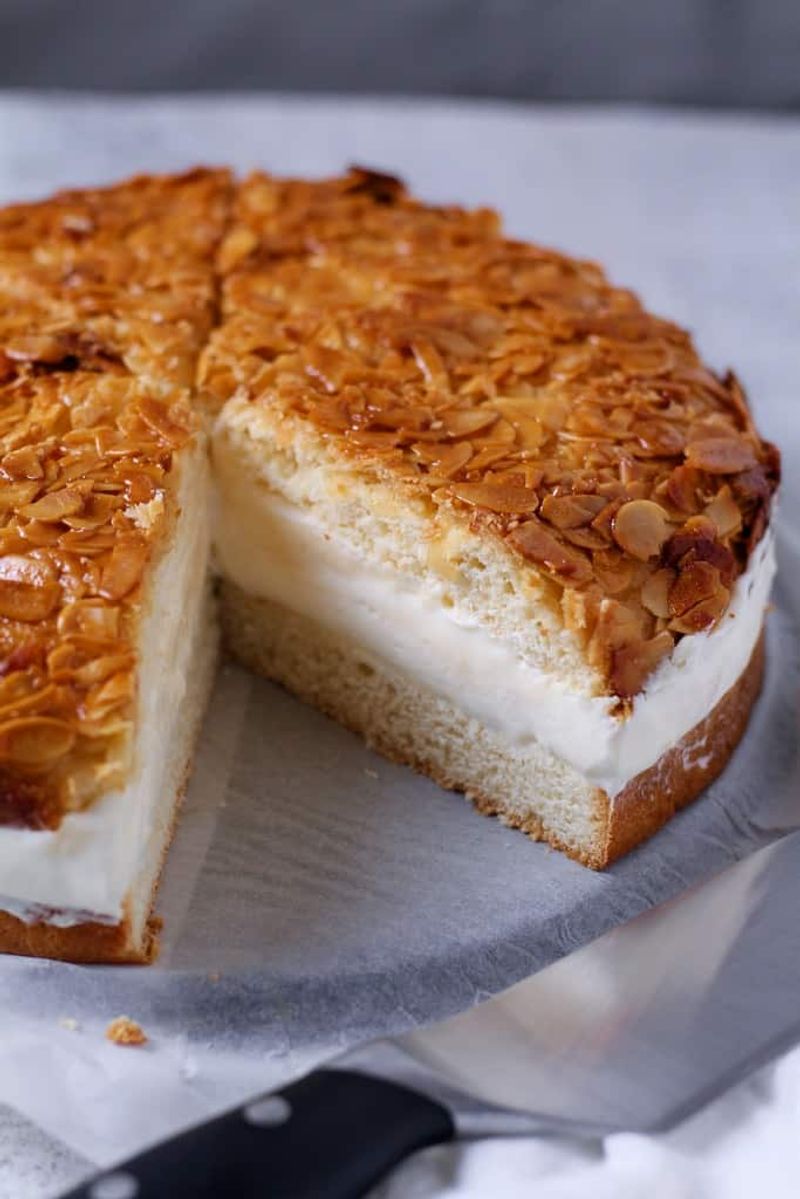
The name Bee Sting Cake sounds a little dangerous, but one bite of this heavenly pastry and you will understand why people keep coming back for more. A soft, yeasted dough forms the base, which gets filled with rich vanilla cream and topped with a crunchy layer of caramelized honey almonds.
The legend says the cake got its name because a baker was stung by a bee attracted to the honey topping. True or not, this sweet, crunchy, creamy cake is an absolute gem of German baking tradition.
16. Weisswurst
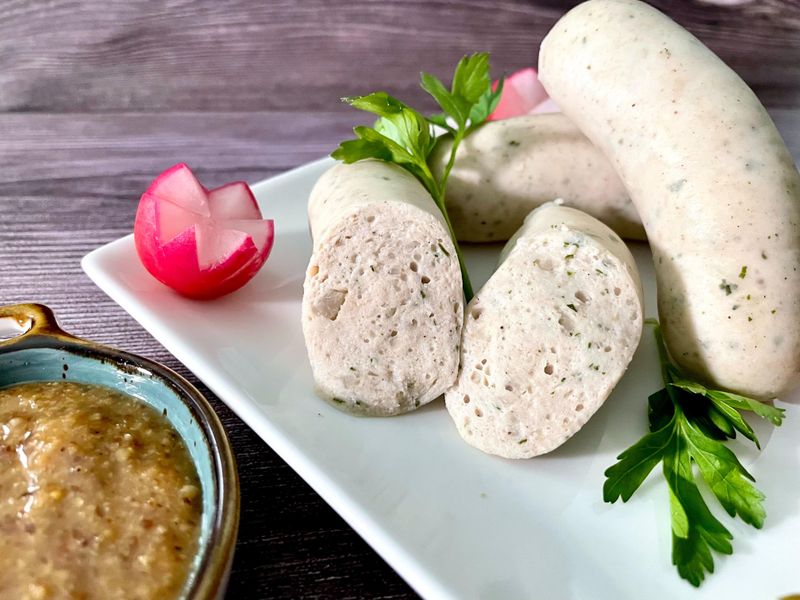
Weisswurst has a quirky rule that very few foods can claim: traditionally, you are supposed to eat it before noon. These pale, delicate white sausages are made from veal and fresh pork back bacon, then flavored with parsley, lemon zest, and mace.
They are poached gently rather than grilled, keeping them incredibly tender.
Eating Weisswurst is its own ritual in Bavaria. You peel the skin off before eating, dip each bite in sweet Bavarian mustard, and wash it all down with a wheat beer.
Simple, elegant, and absolutely delicious.
17. Stolen (Christmas Bread)
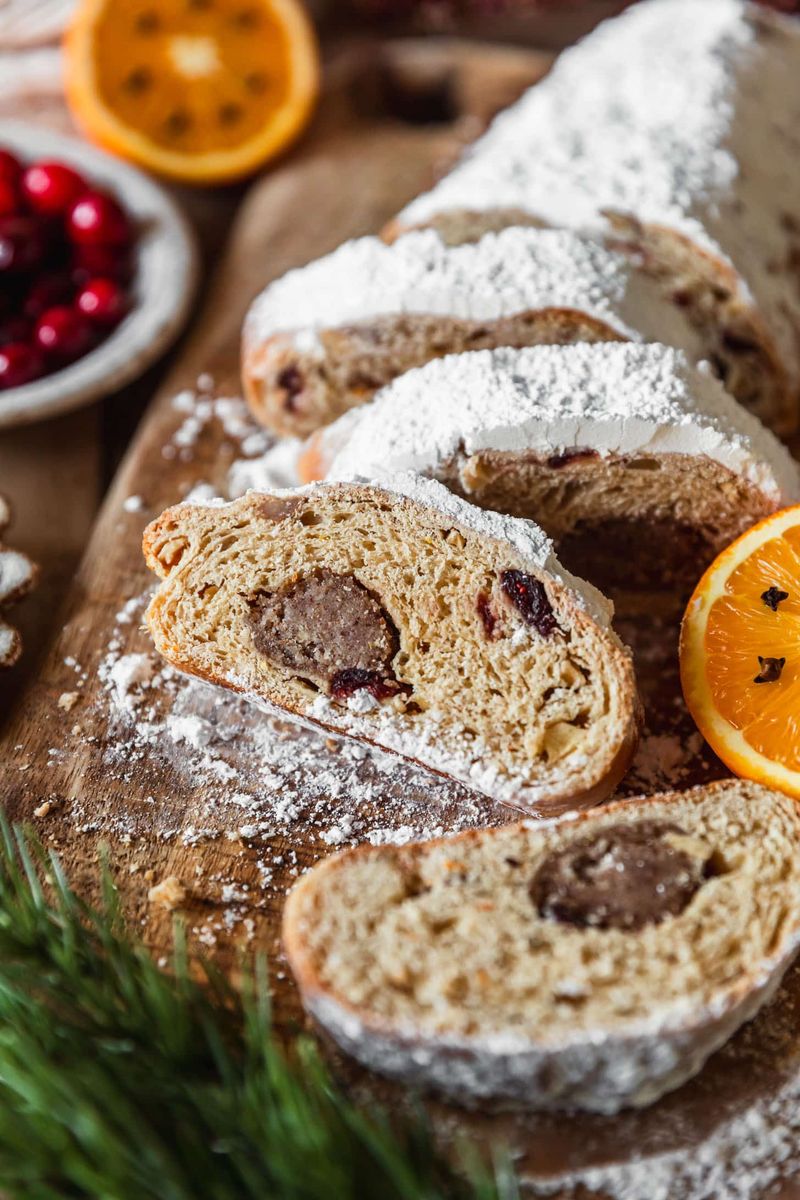
Every December, bakeries across Germany fill their windows with Stollen, a dense, fruit-studded bread that has been a Christmas tradition for over 500 years. Loaded with raisins, candied citrus peel, almonds, and a log of marzipan running through the center, it gets baked until golden, then buried under a thick snowfall of powdered sugar.
Dresden is the undisputed home of Stollen, hosting an annual festival celebrating this iconic loaf. Sliced thin and enjoyed with coffee or hot cocoa, it captures the cozy magic of a German winter perfectly.




Comments
No Comments