













The way we eat says a lot about how we live. Over the past hundred years, everyday mealtime habits have shifted in ways most of us never even noticed.
From where we sit to what we drink, small changes have added up to a completely different dining experience. Take a look at how the table has transformed since your great-grandparents sat down for dinner.
1. Eating Together as a Family Was Non-Negotiable
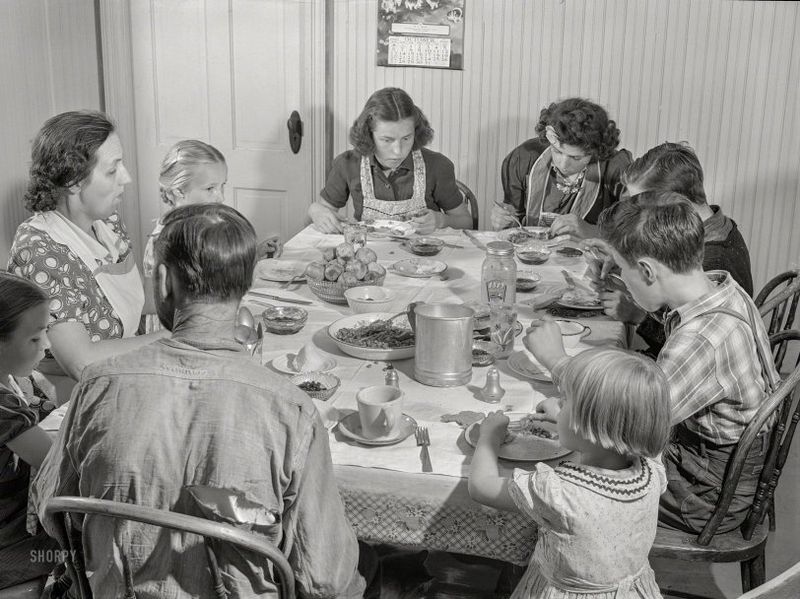
Back in the early 1900s, gathering around the dinner table every single night was not a suggestion - it was simply what families did. Work schedules, school routines, and even social visits were planned around mealtimes.
Today, busy schedules and screen time have made shared family meals less common. Research still shows that families who eat together regularly tend to communicate better and feel more connected to each other.
2. Sunday Roast Was the Week's Main Event
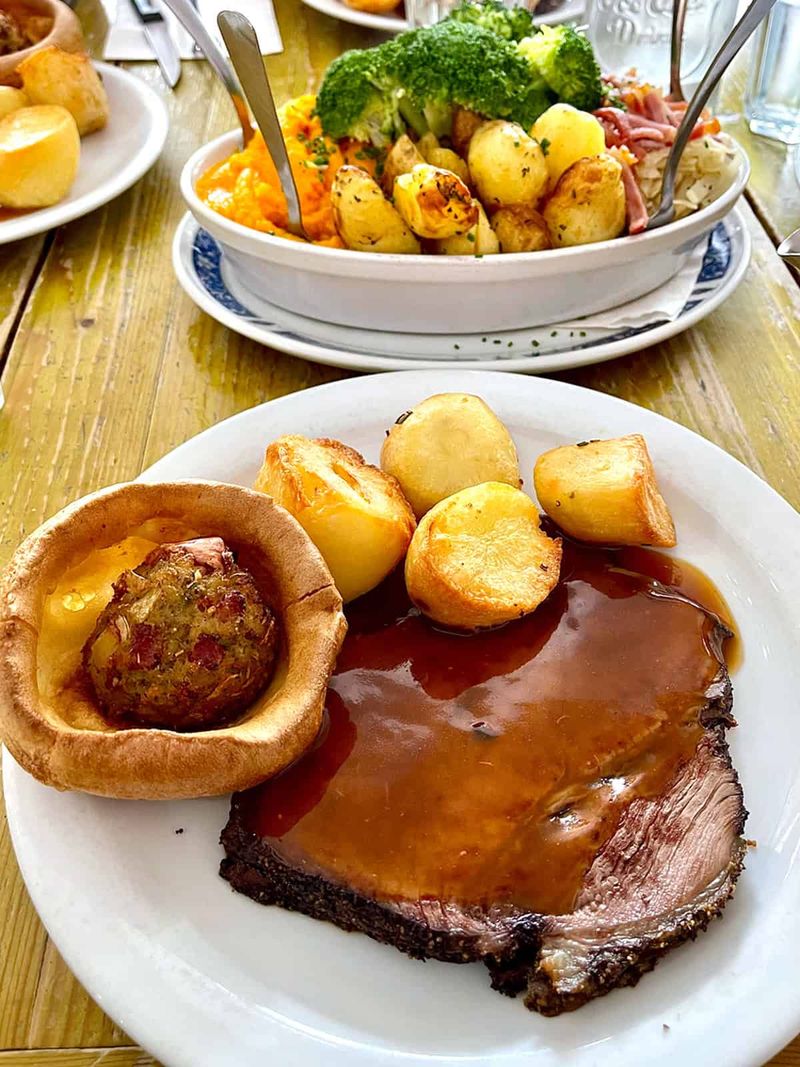
For decades, Sunday dinner was treated almost like a holiday meal every single week. Families spent hours preparing roasts, casseroles, and pies, and the whole house smelled incredible by noon.
That tradition has faded for many households as schedules got busier and convenience foods became easier to grab. Still, plenty of families hold onto the Sunday roast as a meaningful weekly ritual worth protecting.
3. Three Square Meals a Day Was the Golden Rule
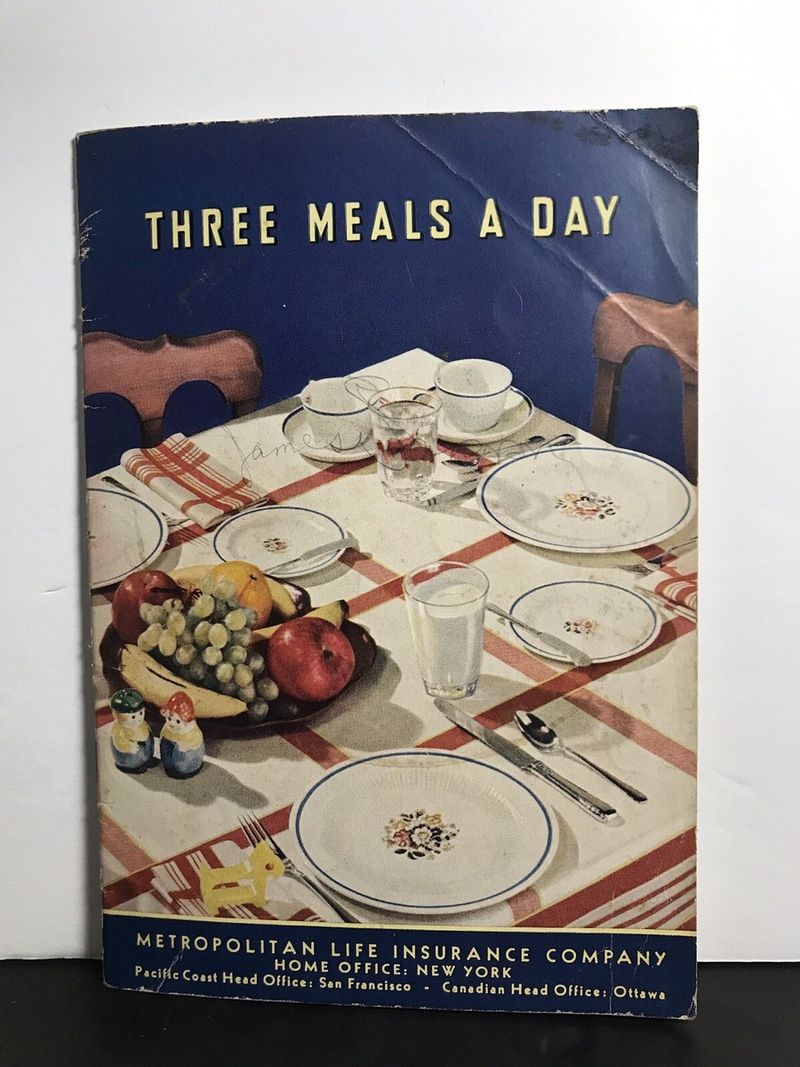
Breakfast, lunch, and dinner - three meals, on a schedule, every day. That structure was practically sacred throughout most of the 20th century, and skipping any one of them was considered unhealthy or even irresponsible.
Nowadays, eating patterns look very different. Intermittent fasting, snacking throughout the day, and skipping breakfast entirely have become popular choices.
The rigid three-meal structure has loosened considerably in modern life.
4. Bread Was Always on the Table
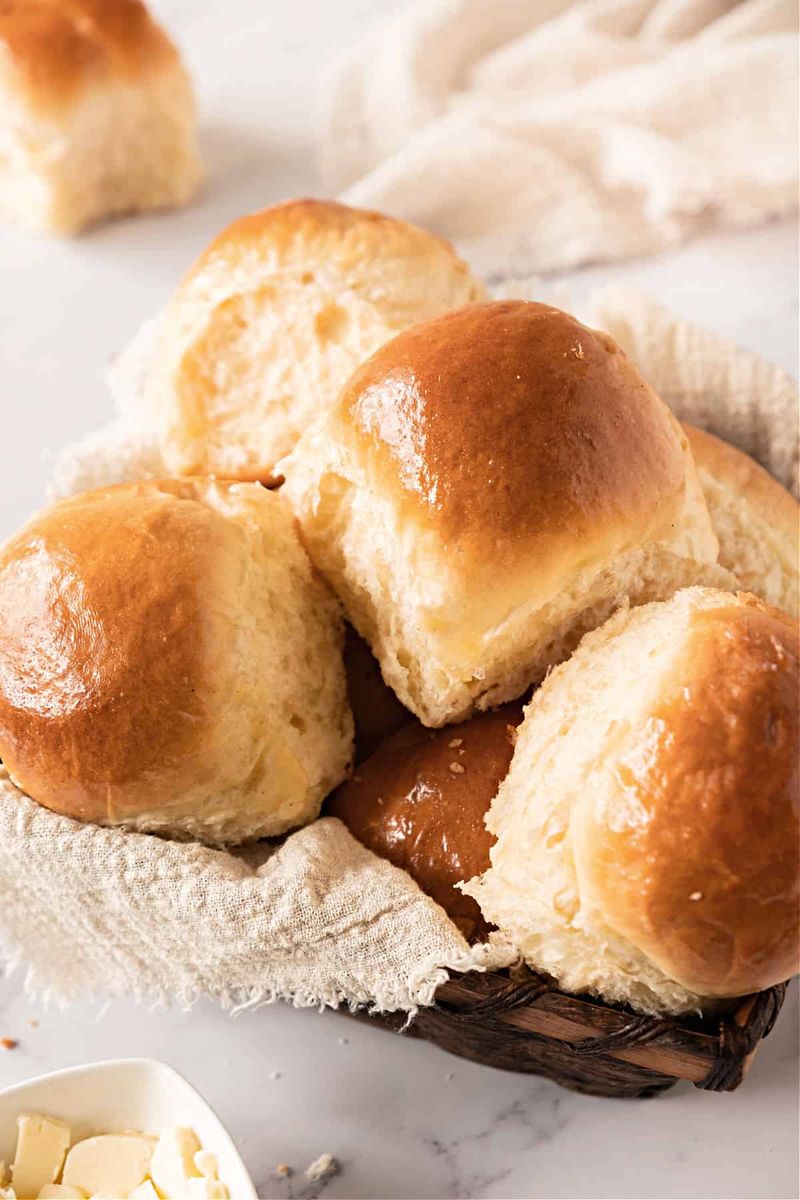
A century ago, bread was present at nearly every meal without question. Homemade loaves, dinner rolls, and biscuits were everyday staples that families relied on for filling up and stretching other foods further.
Low-carb diets and gluten awareness have pushed bread off many modern tables. While artisan bread has made a stylish comeback at some meals, it no longer holds the automatic, expected place it once did.
5. Meals Were Cooked Almost Entirely from Scratch
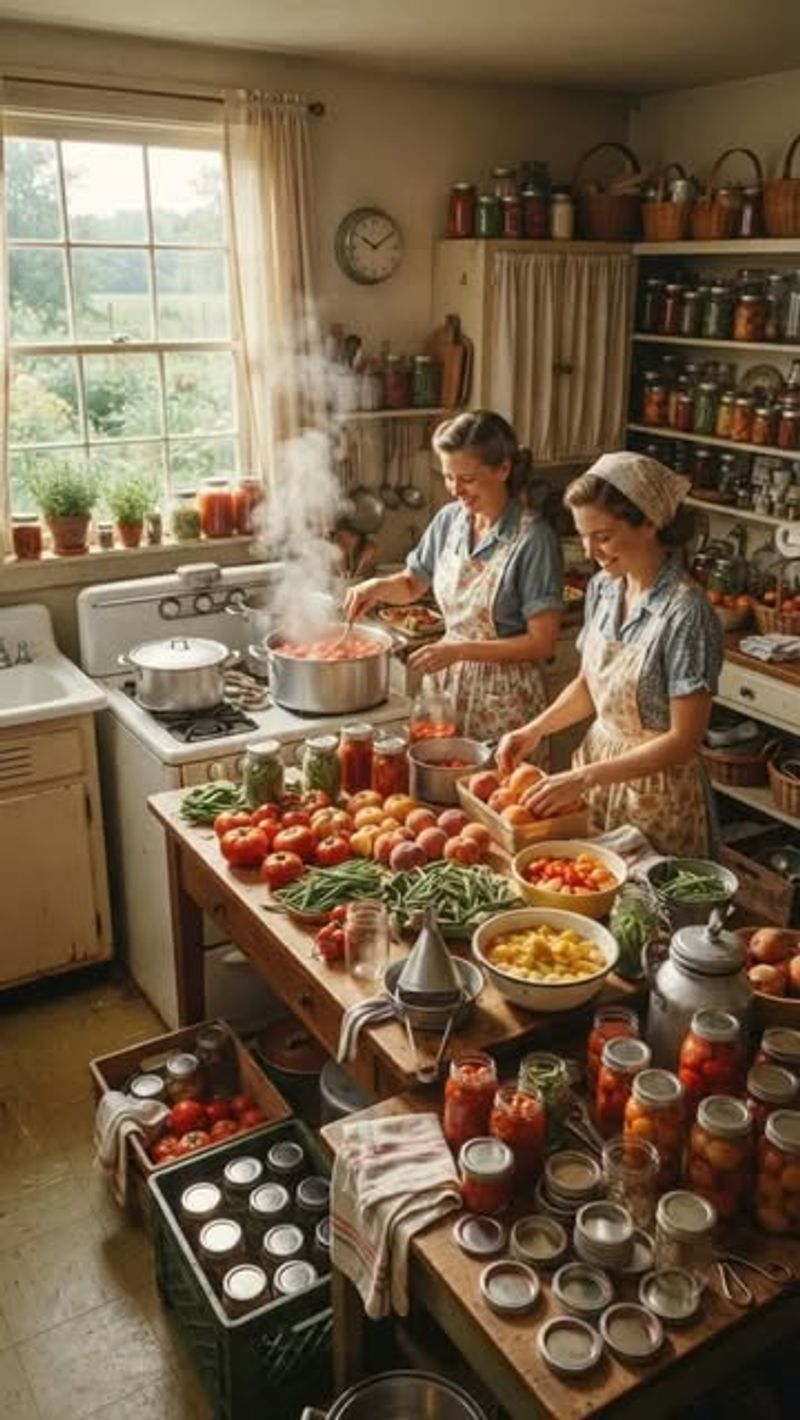
Opening a box or heating a frozen meal simply was not an option for most families before the mid-20th century. Every dish was built from raw ingredients, and cooking skills were passed down like a family heirloom.
Processed and pre-packaged foods changed everything after World War II. Today, many people rely heavily on convenience foods, meal kits, or restaurant takeout rather than cooking full meals from scratch at home.
6. Children Ate What Adults Ate - No Exceptions
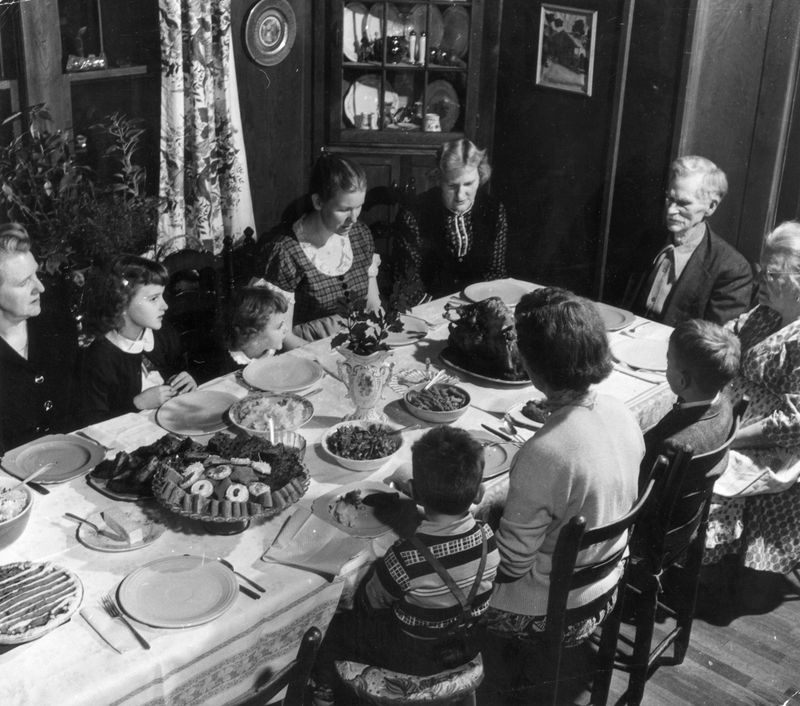
There was no separate kids menu at home a hundred years ago. Children sat at the table, ate what was served, and were expected to do so without complaint.
Picky eating was not catered to the way it often is today.
Modern parenting has shifted toward offering children more food choices and accommodating preferences. While kindness matters, some nutrition experts worry that overly accommodating habits can limit kids from trying new foods.
7. Table Manners Were Taught and Strictly Enforced
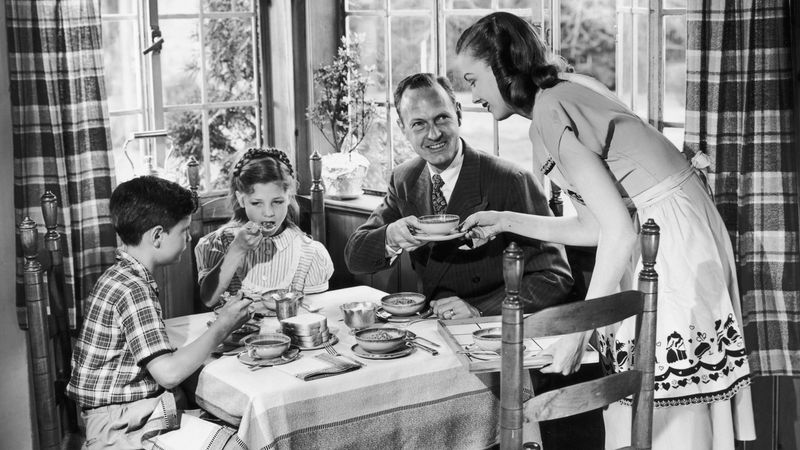
Elbows off the table. Chew with your mouth closed.
Wait until everyone is seated before eating. These were not friendly suggestions a century ago - they were firm rules children were expected to follow every single day.
Formal etiquette has relaxed significantly in most households today. Casual dining, eating on the go, and screen time at the table have all contributed to a much more laid-back approach to mealtime manners.
8. Leftovers Were Treated Like Treasure
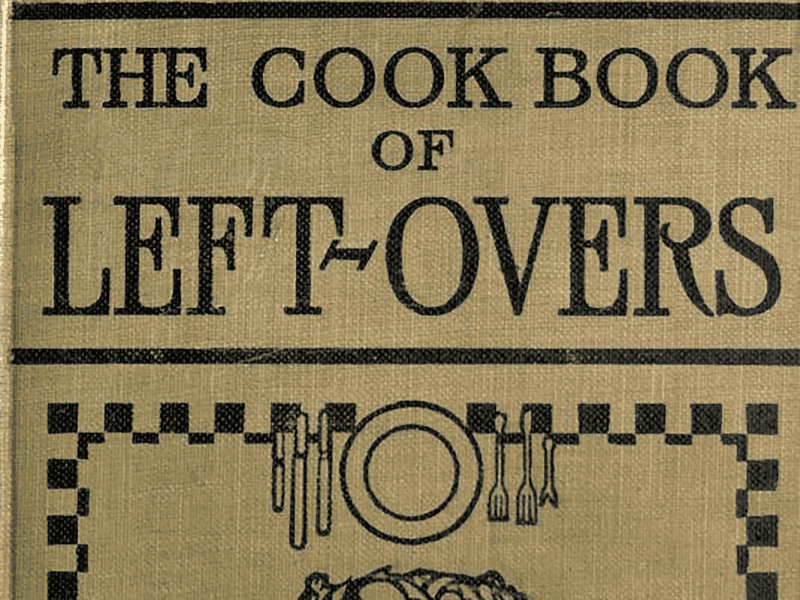
Wasting food was practically unthinkable during the early and mid-1900s, especially through the Great Depression and wartime rationing. Leftovers were carefully stored, creatively repurposed, and eaten with genuine appreciation.
Food waste has become a serious modern problem, with millions of tons of edible food thrown away each year in the U.S. alone. The careful, resourceful attitude toward leftovers that older generations lived by is something worth bringing back.
9. Milk Was the Default Drink at Every Meal
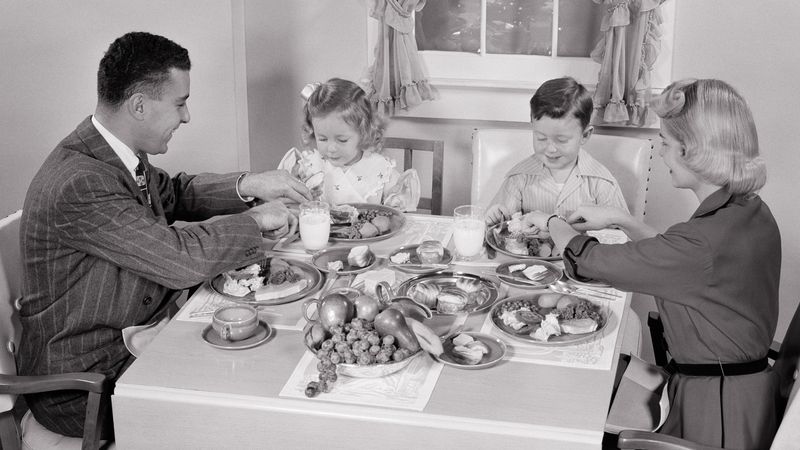
Milk showed up at nearly every meal for most of the 20th century. Kids drank it without question, and many adults did too.
It was seen as the healthiest, most natural thing to wash down a meal with.
Today, beverage options have exploded. Soda, juice, plant-based milks, sparkling water, and sports drinks compete for a place at the table.
Plain cow's milk has lost the automatic spot it once held in American households.
10. Dinner Was Served at a Specific, Predictable Time

Ask anyone who grew up in the mid-1900s and they will likely tell you dinner was at 5:30 or 6:00 PM, no exceptions. Predictable mealtimes gave families structure and gave cooks a reliable schedule to plan around.
Modern life has made fixed mealtimes harder to maintain. Long work hours, after-school activities, and different schedules within one household mean that families often eat at scattered, inconsistent times throughout the evening.
11. Eating Out Was a Special Occasion, Not a Routine
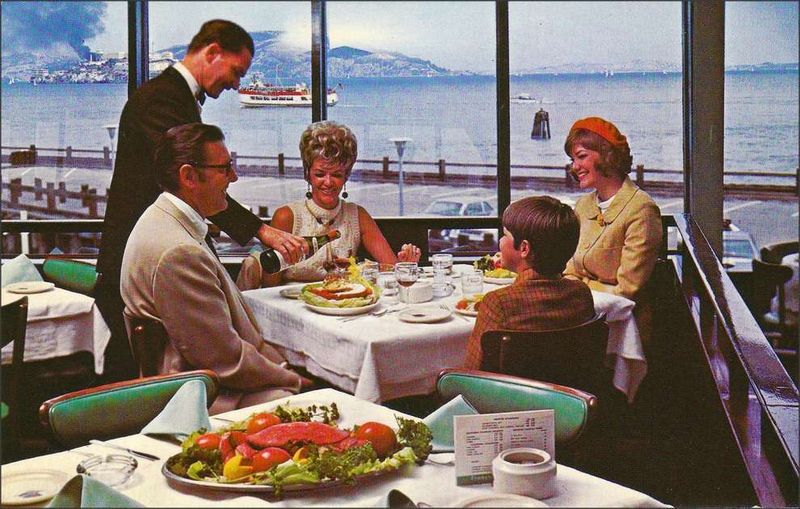
Going to a restaurant used to mean something. It was saved for birthdays, anniversaries, and big celebrations, not a random Tuesday when nobody felt like cooking.
Families dressed up and made an event out of it.
Today, eating out or ordering delivery has become a regular weekly or even daily habit for many people. The restaurant industry has grown enormously to meet that demand, changing how people think about home cooking entirely.
12. Grace Before Meals Was a Common Practice
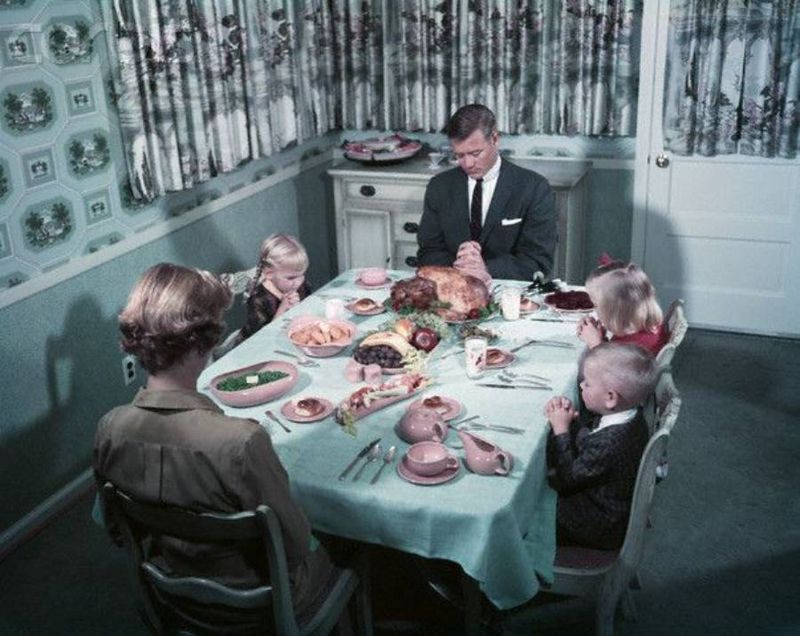
Pausing to say grace before eating was a widespread habit across many American households throughout the early and mid-1900s. It was a moment of gratitude and togetherness that marked the beginning of every meal.
While many families still practice this tradition today, it has become less universal as religious participation has declined. The quiet ritual of pausing before eating, whatever form it takes, still carries real value for slowing down and being present.
13. The Kitchen Was Strictly a Workspace, Not a Hangout
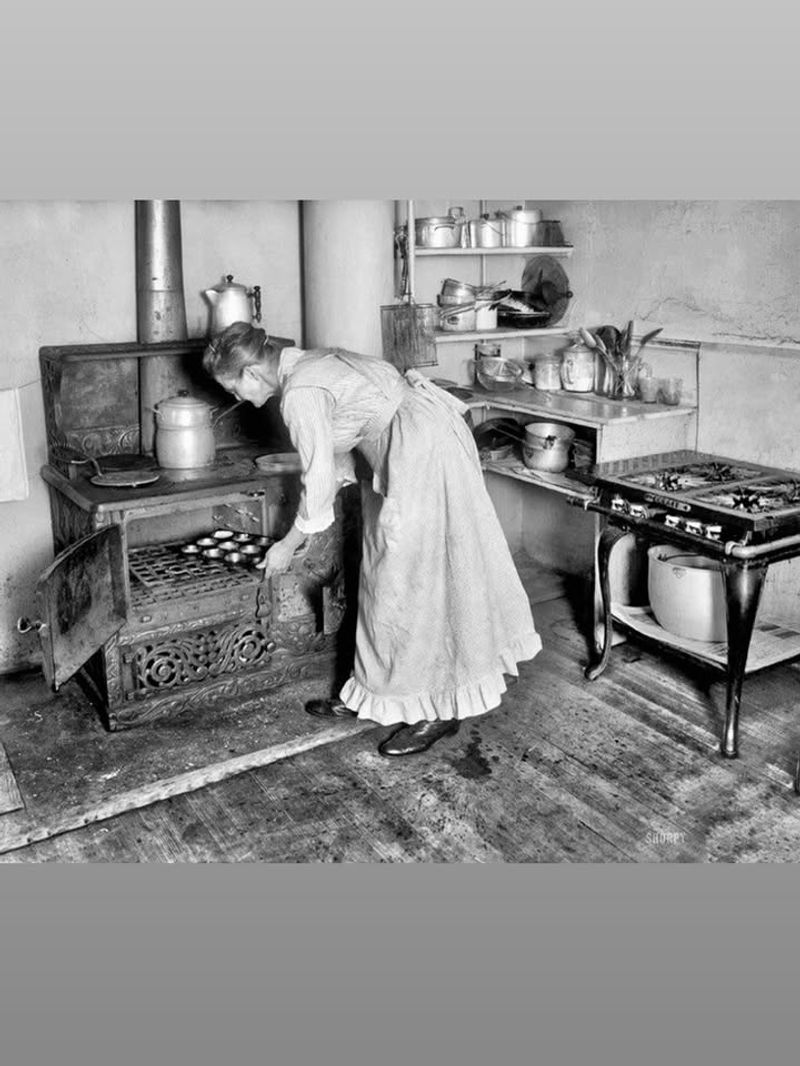
Kitchens in the early 20th century were small, closed-off workrooms meant for cooking, not socializing. The cook - usually the woman of the house - worked alone while the rest of the family waited in another room.
Open floor plans and kitchen islands have completely transformed this dynamic. Today, the kitchen is often the social heart of the home, where guests gather, kids do homework, and conversations happen while dinner is being prepared.
14. Seasonal Eating Was Unavoidable
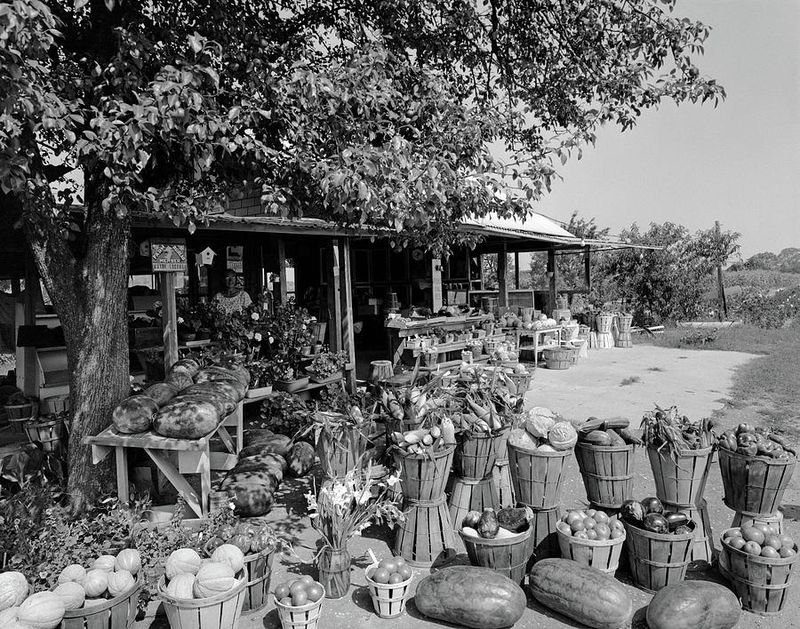
A century ago, you ate what was in season because that was simply what was available. Strawberries in summer, root vegetables in winter - the calendar dictated the menu, and nobody questioned it.
Modern refrigeration, global shipping, and large grocery chains have made seasonal eating optional rather than necessary. Strawberries in December and asparagus in October are completely normal now, though some food lovers argue that seasonal produce still tastes significantly better.
15. Dessert Was Earned, Not Expected
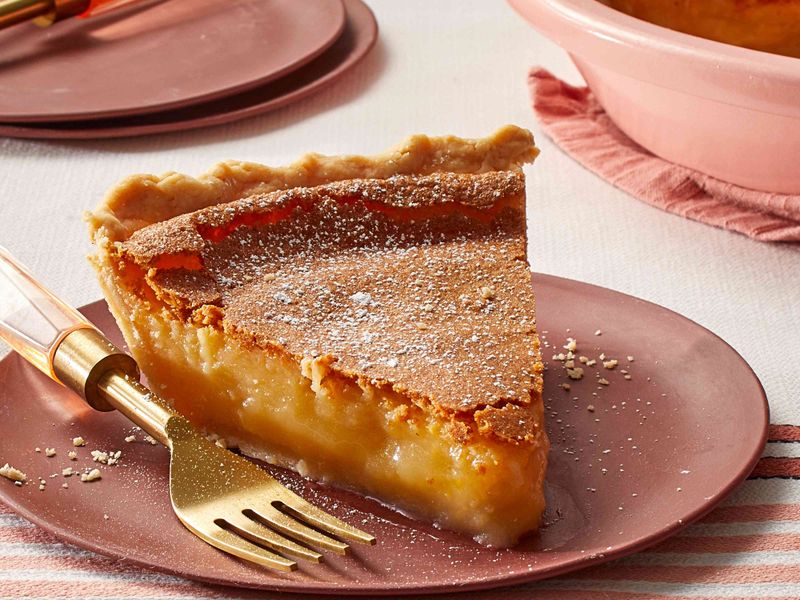
Sweet endings to a meal were not a given in most households a century ago. Dessert was something you had after finishing your plate, and even then, it was a modest treat - a slice of pie, a small cookie, or a piece of fruit.
Today, dessert culture has grown into something far more elaborate and frequent. Specialty sweets, daily treats, and sugar-heavy snacks throughout the day have shifted how people think about sweets as a reward versus a routine.
16. Mealtime Was Completely Screen-Free
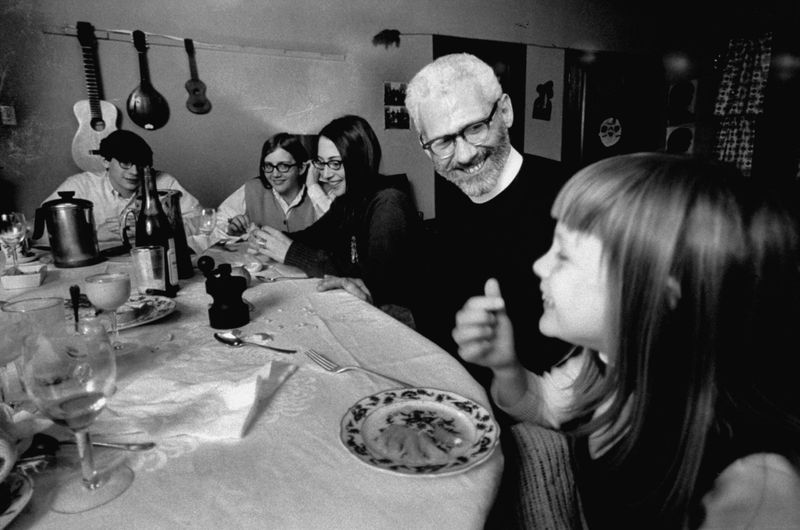
For most of the 20th century, dinner was a conversation-based experience. There were no smartphones, no tablets, and in earlier decades, no TV either.
Attention went to the food and the people sitting across the table.
Screens at the table have become one of the biggest mealtime shifts of the modern era. Studies show that device use during meals reduces conversation, slows down mindful eating, and can make family members feel less connected to one another.
17. Food Presentation at Home Was Kept Simple and Honest
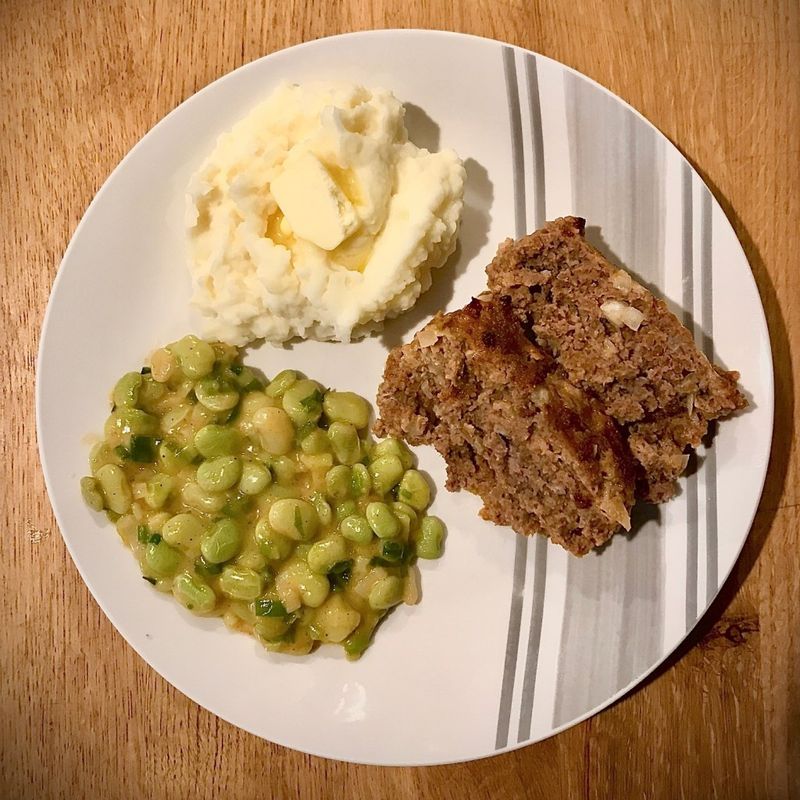
Nobody was drizzling sauces in artistic swirls or stacking food into towers at the family dinner table a hundred years ago. A plate was filled with honest portions of protein, starch, and vegetables, and that was perfectly enough.
Social media has introduced a whole new layer of food presentation pressure. Home cooks now photograph meals, add garnishes, and think about plating in ways that would have seemed completely unnecessary to previous generations sharing a simple, satisfying dinner.




Comments
No Comments