













Lebanese food is one of the most flavorful and colorful cuisines in the entire world. While hummus and falafel are delicious, Lebanon has so much more to offer at the table.
From slow-cooked stews to crispy pastries stuffed with spiced meats, the variety is truly incredible. Get ready to explore some amazing dishes that might just become your new favorites.
1. Kibbeh
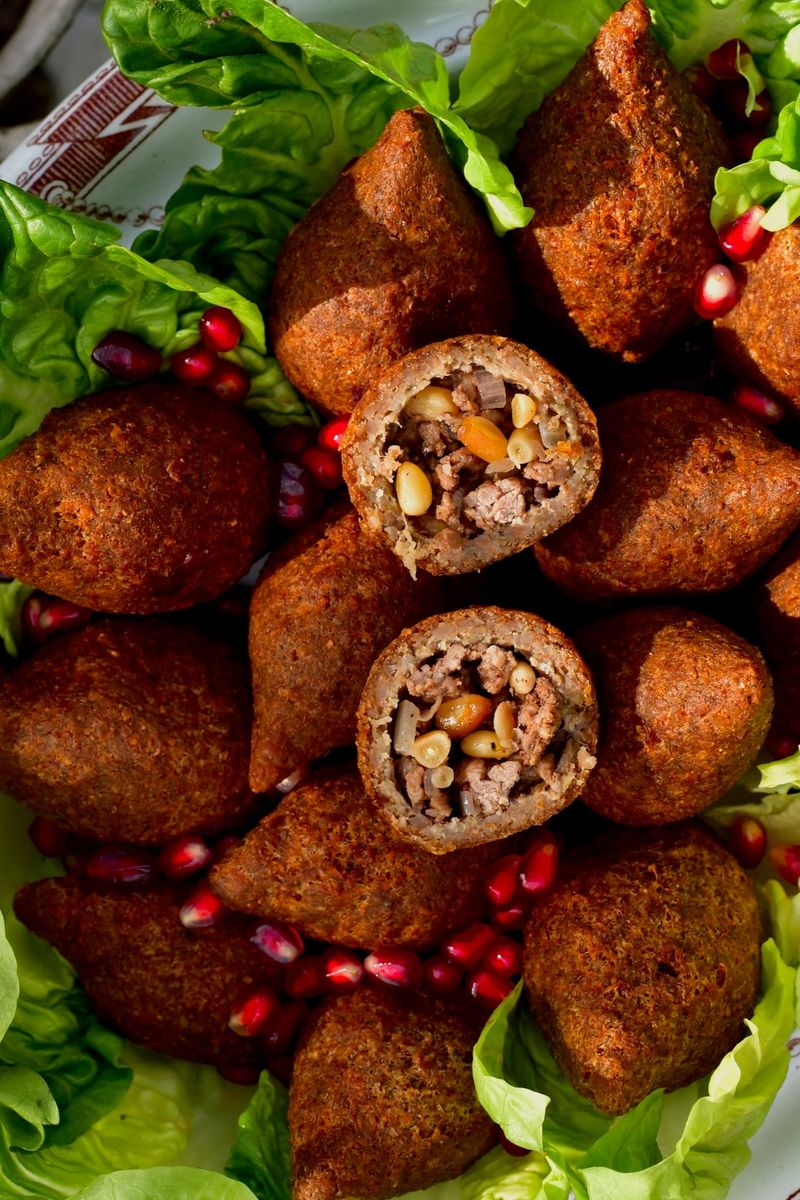
Kibbeh is often called the national dish of Lebanon, and once you taste it, you will understand why. These torpedo-shaped shells are made from bulgur wheat and filled with spiced ground lamb or beef mixed with onions and pine nuts.
You can bake them, fry them, or even serve them raw in a dish called kibbeh nayyeh. The crispy outside and savory inside make every single bite deeply satisfying.
2. Kafta
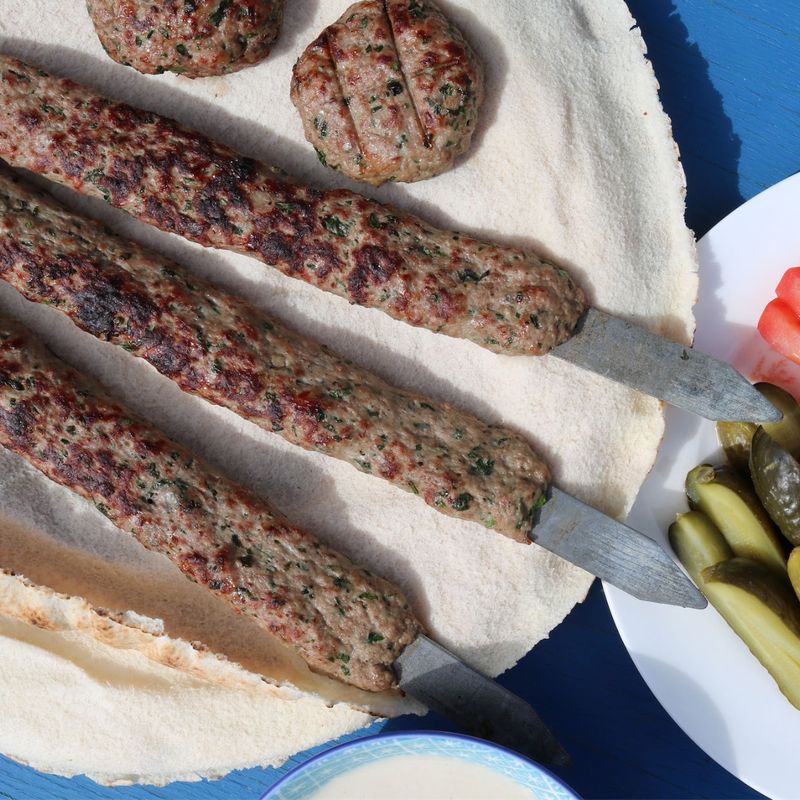
Imagine the best burger you have ever tasted, then shape it into a long skewer — that is kafta. Ground beef or lamb gets mixed with fresh parsley, onion, and warm spices like allspice and cinnamon before hitting the grill.
The smoky char from the grill brings out incredible flavors. Kafta is a staple at Lebanese barbecues and family gatherings, usually served wrapped in flatbread with pickles and garlic sauce on the side.
3. Fattoush
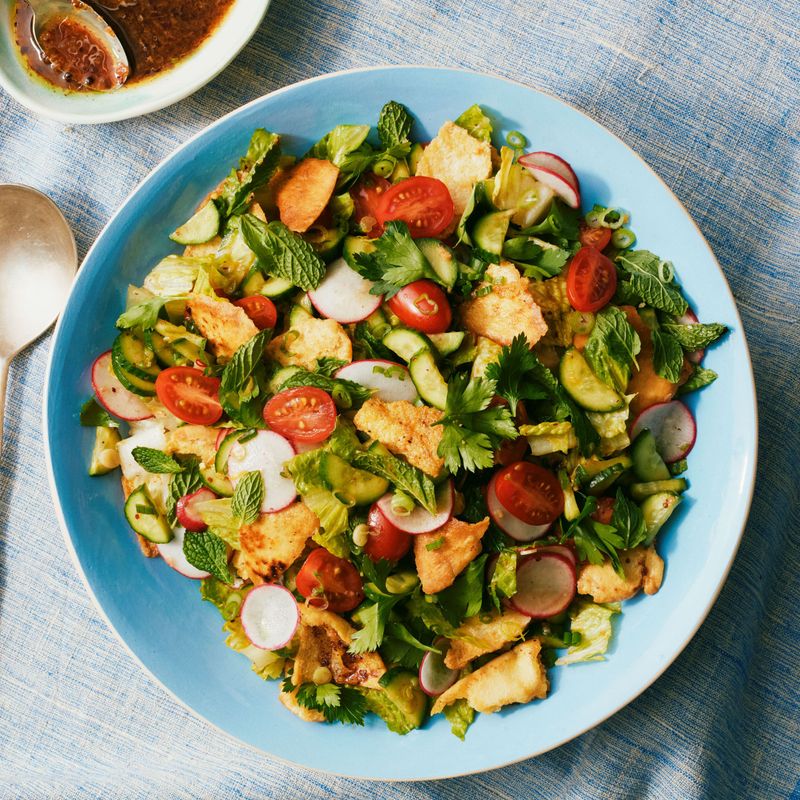
Fattoush is the salad that actually makes you excited to eat vegetables. Crunchy toasted or fried pieces of pita bread are tossed with fresh tomatoes, cucumbers, radishes, and herbs in a tangy pomegranate molasses dressing.
The secret weapon here is sumac, a deep red spice with a lemony punch that ties everything together beautifully. Fattoush proves that Lebanese salads are anything but boring, and it comes together in under 20 minutes.
4. Manakish
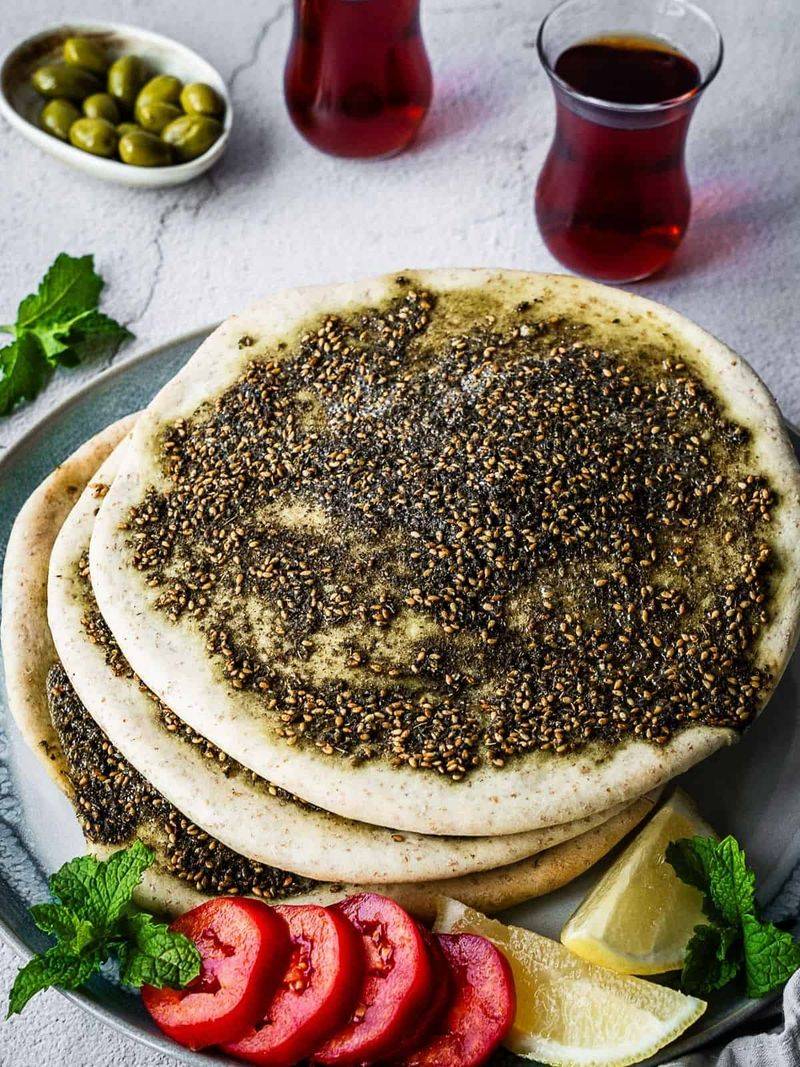
Walk through any Lebanese neighborhood in the morning and the smell of manakish baking will stop you in your tracks. This flatbread is spread with a paste made from za'atar — a wild thyme spice blend — mixed generously with olive oil.
Sometimes it is topped with cheese or spiced minced meat instead. Think of it as Lebanon's version of pizza for breakfast, though honestly it is good at any hour of the day.
5. Sfeeha
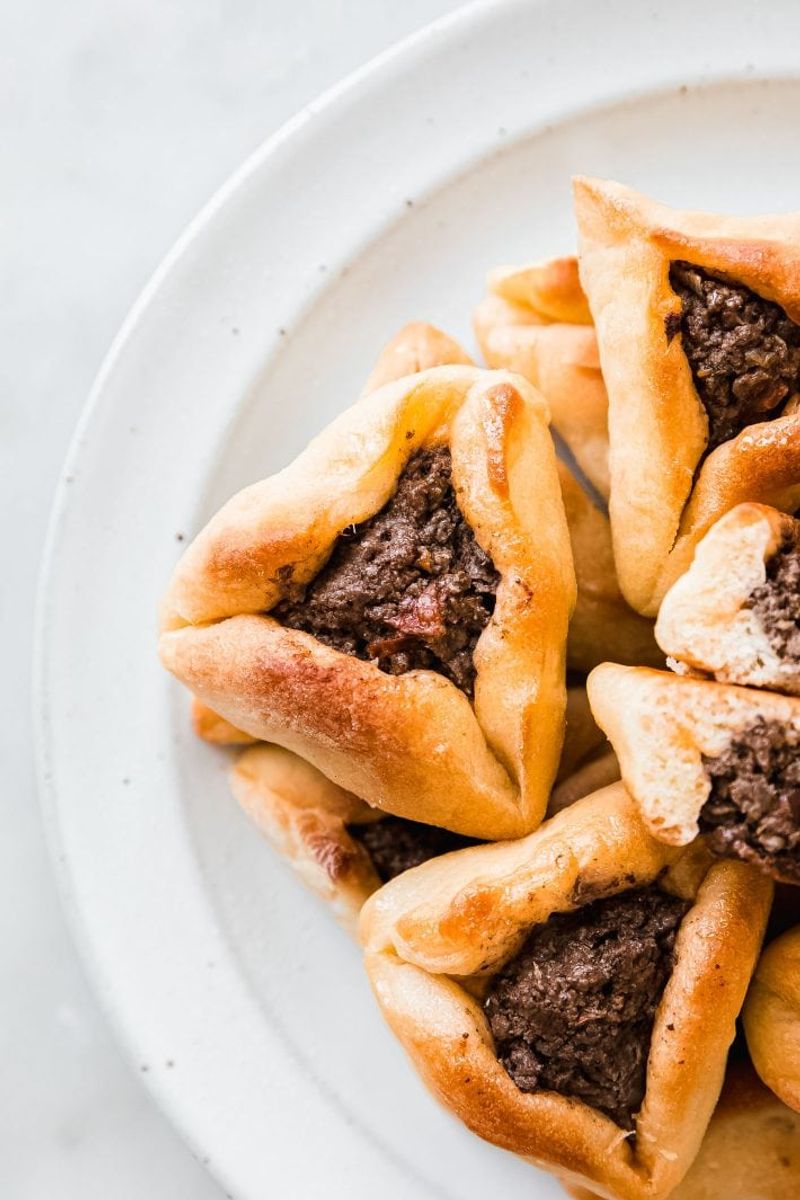
Sfeeha are tiny open-faced meat pies that pack an enormous amount of flavor into each little square. The dough is soft and slightly chewy, and the topping is a tangy mixture of spiced ground meat, tomatoes, onions, and sometimes pomegranate molasses.
They are popular street food in Lebanon and also a beloved party snack. Squeeze a little lemon juice on top before eating — that simple trick completely transforms the whole experience.
6. Loubieh Bi Zeit
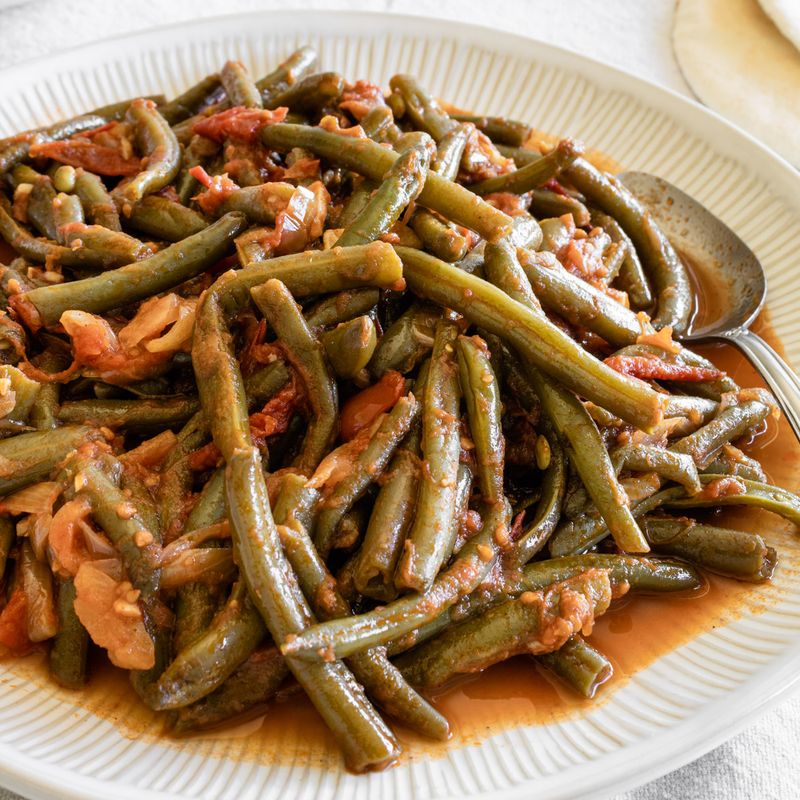
Green beans have never tasted this good. Loubieh bi zeit is a traditional Lebanese dish where green beans are slowly cooked in a fragrant tomato sauce loaded with garlic, onion, and a drizzle of good olive oil.
The name literally means green beans in oil, and it is typically served at room temperature, which actually makes the flavors taste even deeper. It is simple, budget-friendly, and completely plant-based — a true example of Lebanese comfort food at its finest.
7. Samke Harra
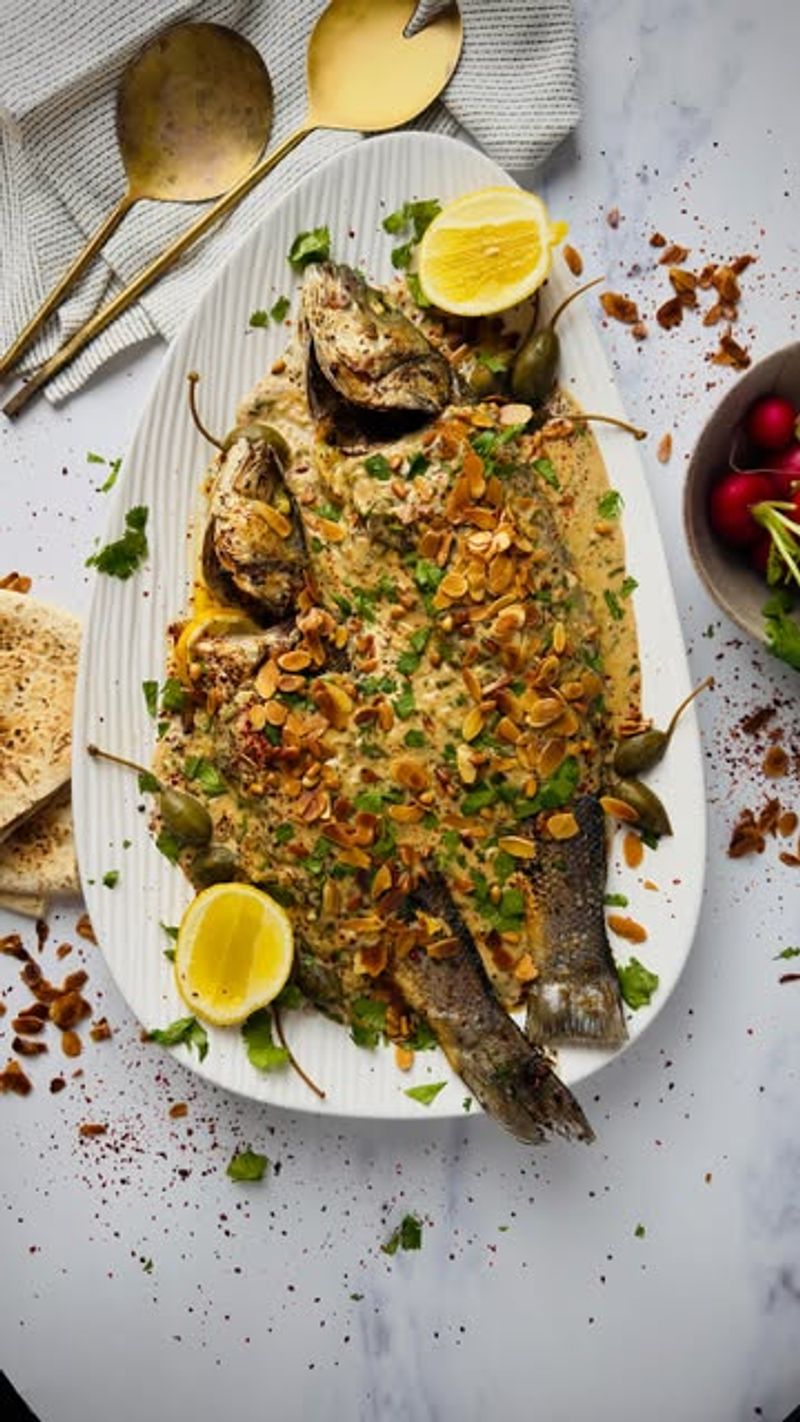
Seafood lovers, this one is for you. Samke harra translates to spicy fish, and it delivers exactly that — a whole fish baked or fried and then smothered in a fiery sauce made from chilies, coriander, garlic, and crushed walnuts.
It is a specialty of the coastal city of Tripoli, where fresh fish from the Mediterranean has always been a daily treasure. The bold, nutty heat of the sauce makes this dish completely unforgettable.
8. Mujaddara
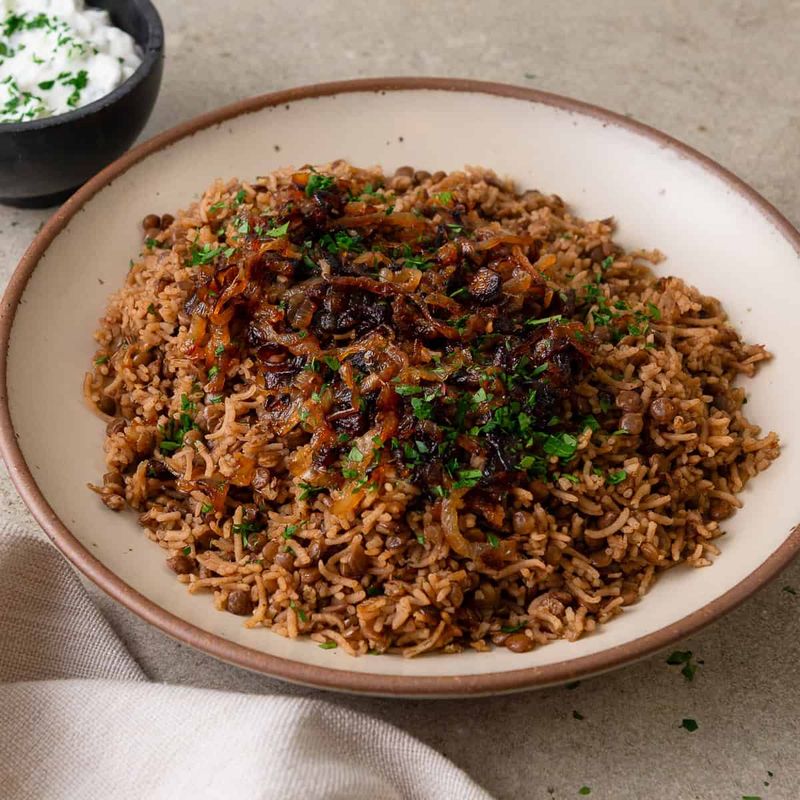
Mujaddara is ancient, humble, and absolutely delicious. Lentils and rice are cooked together with cumin and olive oil, then crowned with a heap of deeply caramelized crispy onions that add a sweet, almost smoky richness.
According to some food historians, this dish is mentioned in texts going back thousands of years. Today it remains one of Lebanon's most beloved everyday meals, especially during Lent.
Served with cold yogurt on the side, it is pure, simple perfection.
9. Warak Enab
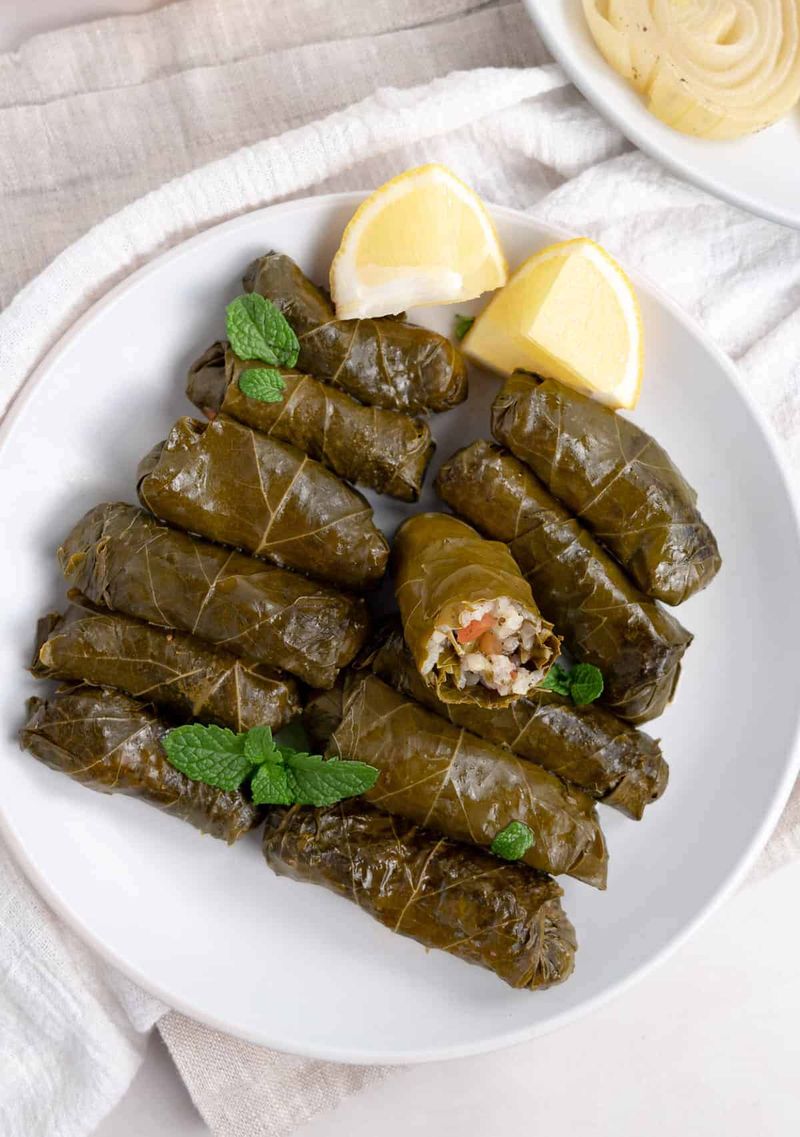
Rolling grape leaves is practically a rite of passage in Lebanese households. Warak enab are tender vine leaves stuffed with a fragrant mixture of rice, fresh herbs, tomatoes, and sometimes ground meat, then slowly simmered in lemon juice and olive oil.
The result is tangy, herby, and incredibly satisfying. Making them takes patience and practice, but the process is often a family activity where everyone sits together and rolls, laughs, and shares stories.
10. Riz a Djaj
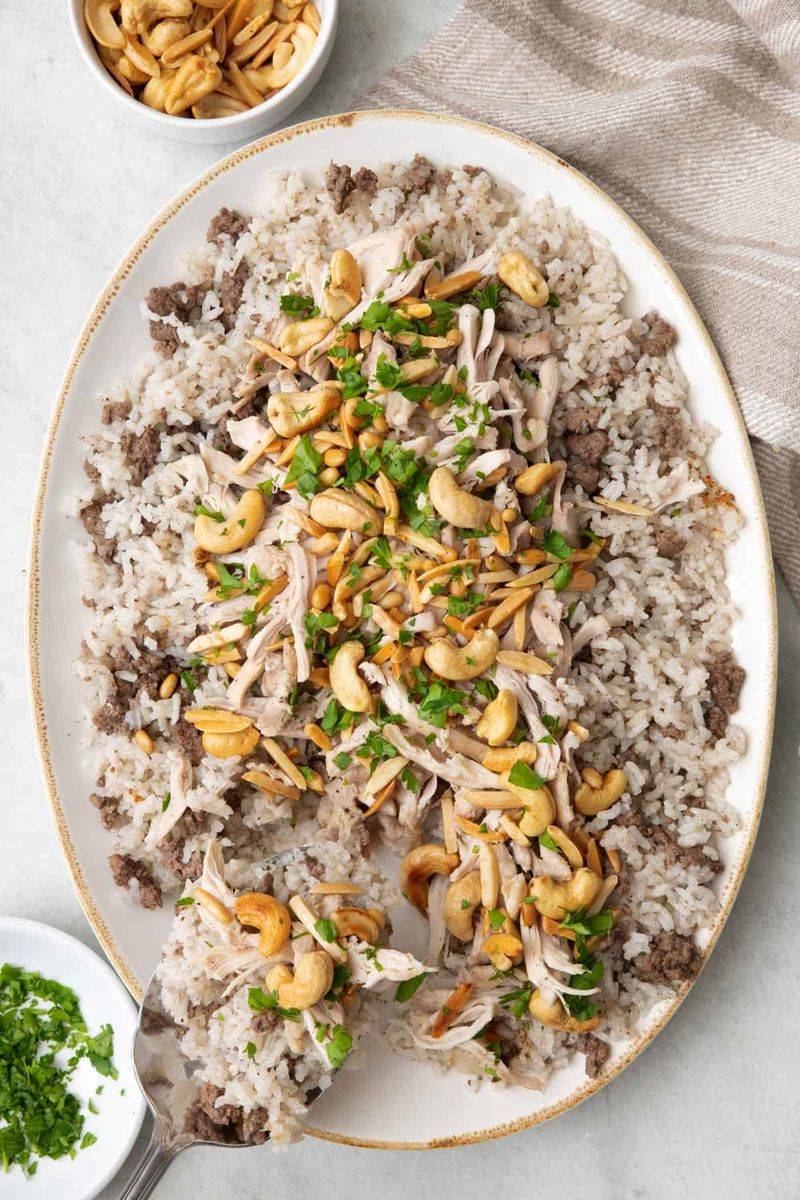
Every Lebanese family has their own version of riz a djaj, and every family swears theirs is the best. This beloved chicken and rice dish gets its golden color and warm aroma from a blend of cinnamon, allspice, and turmeric.
Toasted pine nuts and almonds are stirred through the rice, adding crunch and richness to every forkful. It is the ultimate Sunday lunch dish — the kind that fills the whole house with an irresistible smell long before it hits the table.
11. Bamieh
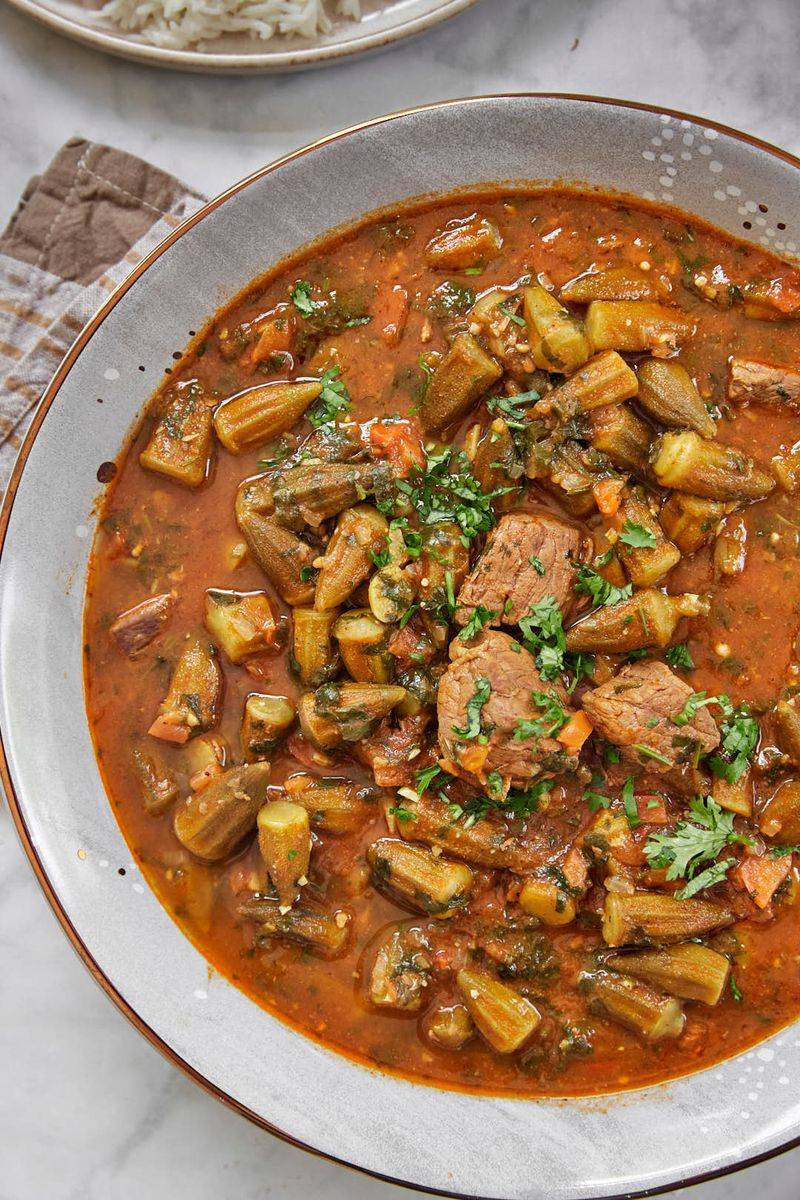
Okra might be a polarizing vegetable in some places, but in Lebanon, it shines beautifully in bamieh. Tender pieces of okra are braised with lamb or beef in a thick, garlicky tomato stew flavored with coriander and a splash of lemon juice.
The trick to perfect bamieh is not stirring it too much, which keeps the okra from becoming slimy. Served over white rice, this stew is deeply warming and feels like a big, comforting hug in a bowl.
12. Awarma
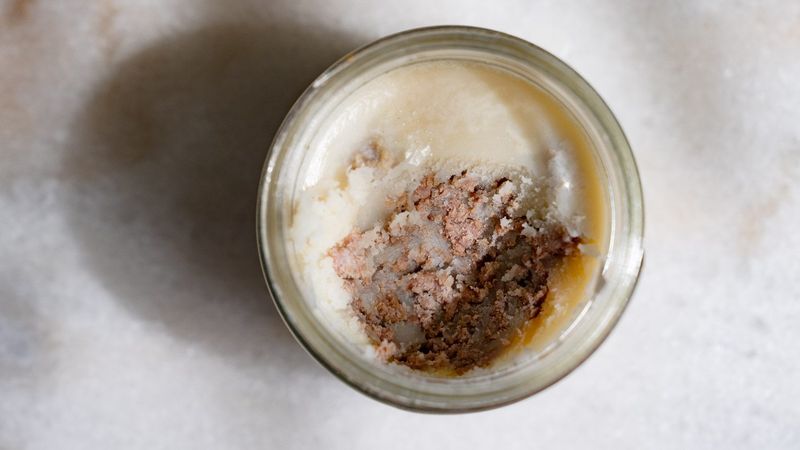
Before refrigerators existed, Lebanese mountain communities preserved meat by slow-cooking lamb in its own fat and storing it in jars — that is awarma. This ancient preservation technique creates an intensely rich, almost buttery meat confit that adds enormous depth to any dish.
Today people stir it into eggs, add it to kibbeh, or simply spread it on bread. It is a taste of old Lebanon that still holds a very special place on modern tables.
13. Knefeh
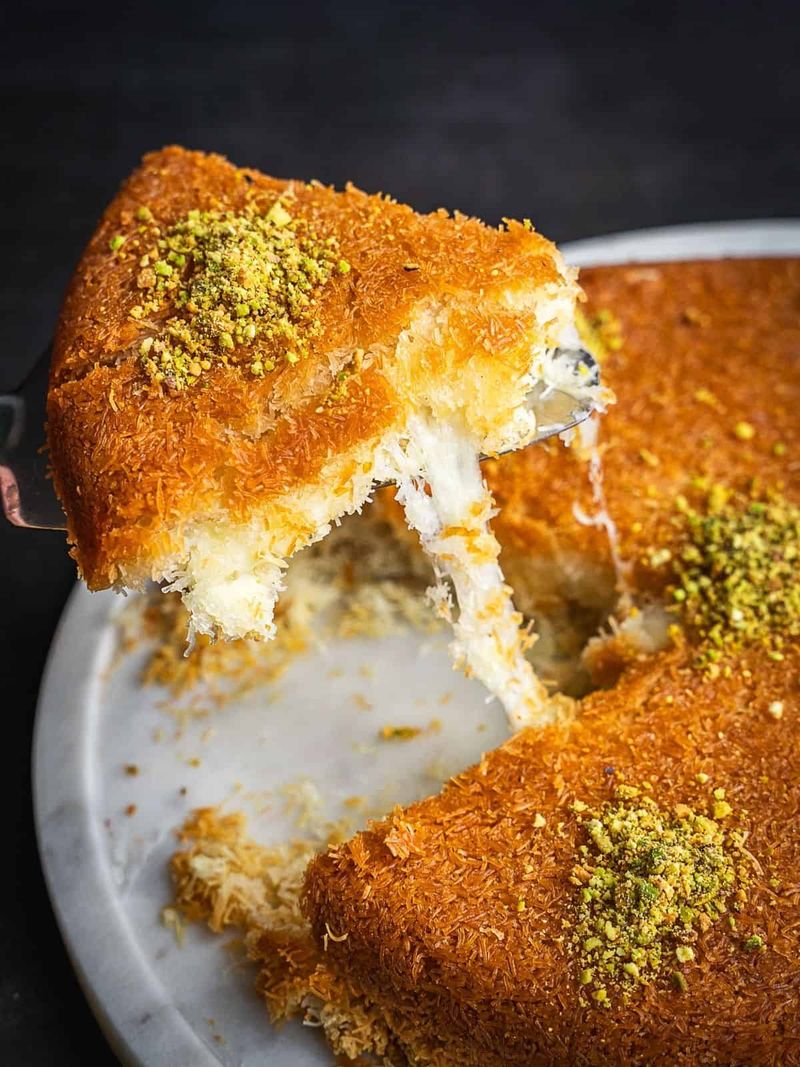
Knefeh is the dessert that ruins all other desserts for you — in the best possible way. A layer of warm, stretchy white cheese sits beneath a crispy crust made from shredded wheat or semolina, all soaked in fragrant rose water syrup.
A shower of crushed pistachios on top adds color and crunch. The city of Nablus is famously linked to this dessert, but Lebanese pastry shops have made their own incredible versions that are absolutely worth seeking out.
14. Sfiha Baalbakiyye
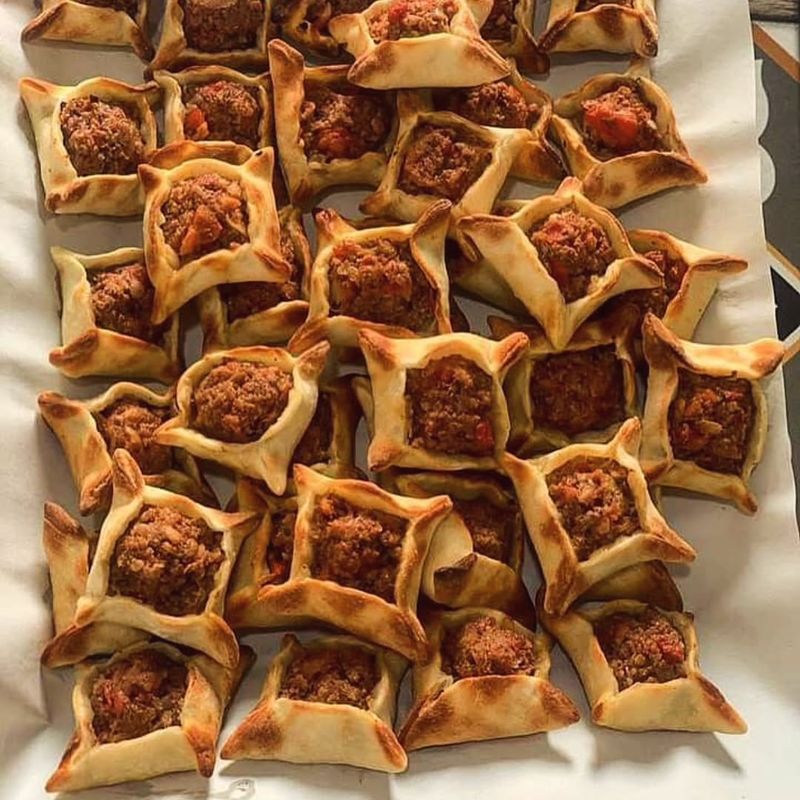
Named after the ancient city of Baalbek in Lebanon's Bekaa Valley, these meat pies are bigger, bolder, and more generously topped than their smaller cousins. The dough is thin and slightly crispy at the edges, while the center stays soft under a thick layer of spiced ground meat.
Baalbek is famous for its Roman ruins, but locals will tell you the sfiha are equally legendary. Eating one fresh out of a wood-fired oven is a truly unforgettable experience.
15. Lahm Bi Ajin
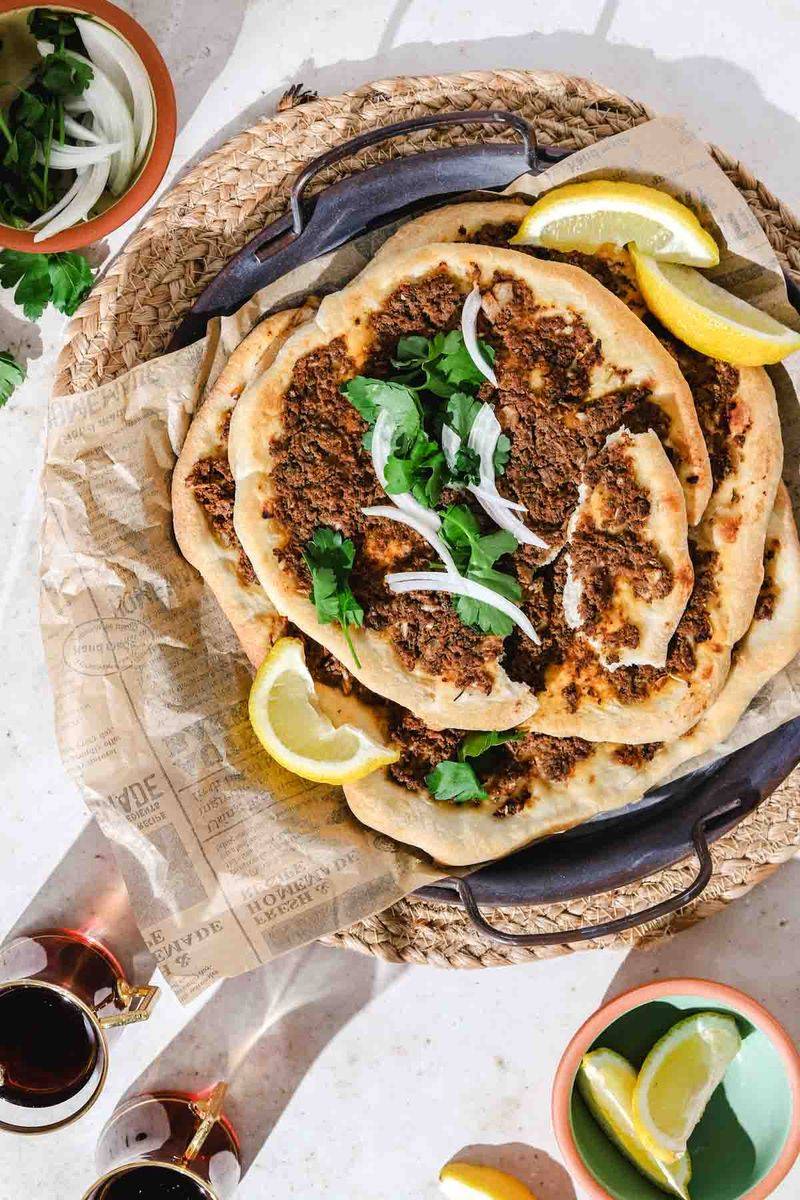
Lahm bi ajin literally means meat in dough, and that simple description barely does justice to how good this dish is. Thin circles of soft dough are spread with a tangy, spiced mixture of ground meat, tomatoes, pomegranate molasses, and fresh parsley.
After a quick bake in a very hot oven, they come out perfectly crisp at the edges with a juicy topping. Roll them up with a squeeze of lemon and eat them fresh — no fork needed.
16. Basbousa
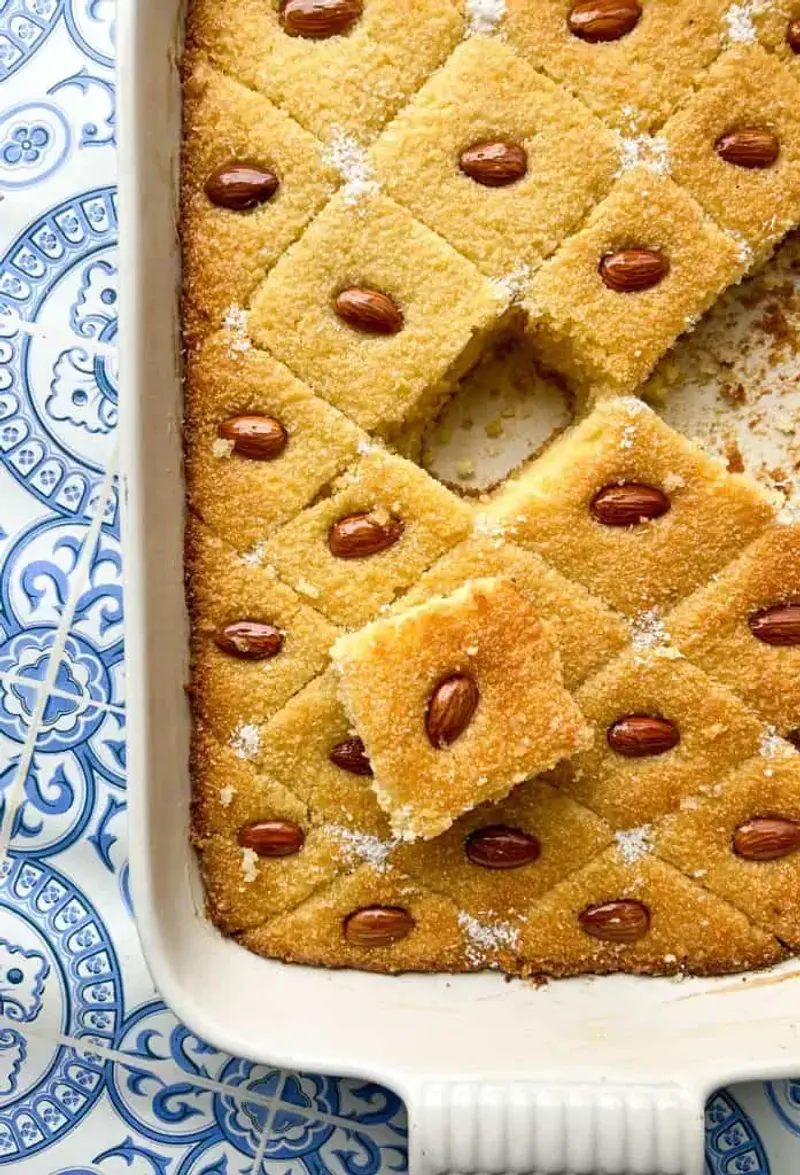
Semolina cake might sound plain, but basbousa is anything but ordinary. This dense, moist cake is made from coarse semolina, yogurt, and butter, then baked until golden and immediately soaked in a sweet syrup flavored with rose water or orange blossom water.
Each piece is traditionally topped with a single almond pressed right into the center. The syrup soaks through every layer, making the texture almost pudding-like.
It is a Lebanese sweet shop classic that disappears fast at any gathering.
17. Shawarma
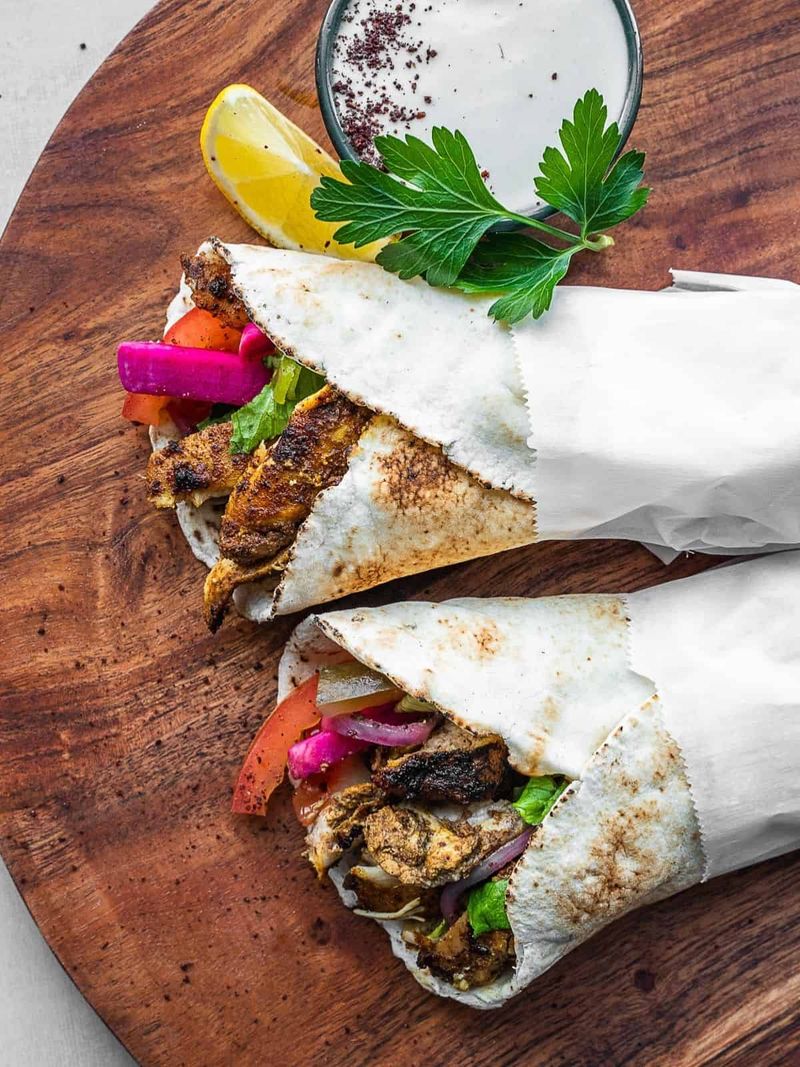
Shawarma might be famous worldwide, but nothing quite compares to the original Lebanese version. Thin slices of marinated chicken or beef are stacked on a vertical spit and slow-roasted for hours until juicy and caramelized at the edges.
Piled into warm bread with creamy garlic sauce, crunchy pickles, and fresh tomatoes, it is the kind of street food that people plan entire trips around. Lebanese shawarma is proof that simple ingredients, treated with care, can become something truly extraordinary.




Comments
No Comments