













Some of the best cooking secrets are hiding in plain sight. Certain ingredients don't shout for attention, but when you leave them out, something feels off.
They work behind the scenes, balancing flavors, adding depth, and making everything taste more complete. Once you start using these quiet powerhouses, you'll wonder how you ever cooked without them.
1. Fish Sauce
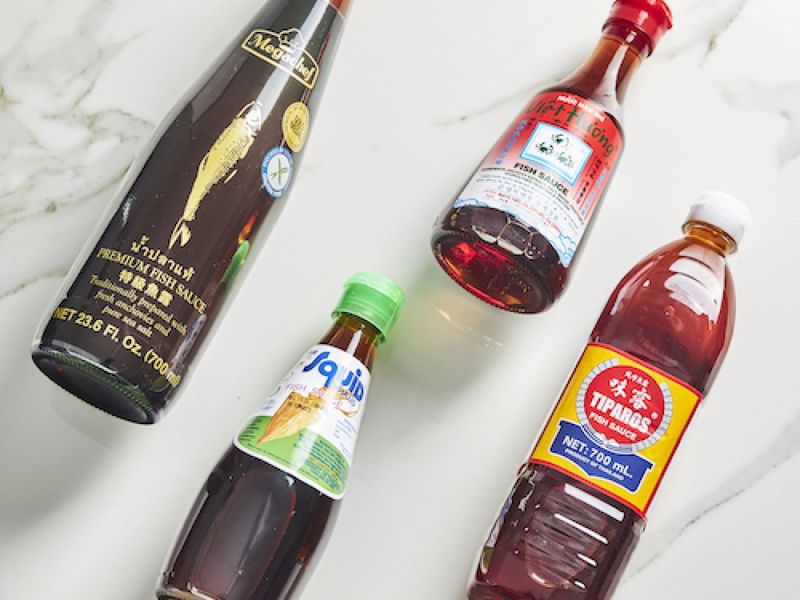
A single teaspoon of fish sauce can transform a bland dish into something deeply satisfying. It doesn't taste fishy when cooked — it just adds a rich, savory depth that makes people ask, "What's your secret?"
Chefs use it in pasta sauces, soups, and even burgers. It quietly boosts every other flavor around it without announcing itself.
Start with just a small splash and watch your cooking level up instantly.
2. Anchovy Paste

Anchovy paste is one of those ingredients that disappears completely into a dish while leaving a lasting impression. Squeeze a tiny bit into tomato sauce or salad dressing and suddenly everything tastes bolder, richer, and more complex.
Most people who eat it can't identify it — they just know the food tastes amazing. It melts away during cooking, leaving only a deep umami backbone.
Even anchovy-haters won't notice it's there.
3. Worcestershire Sauce
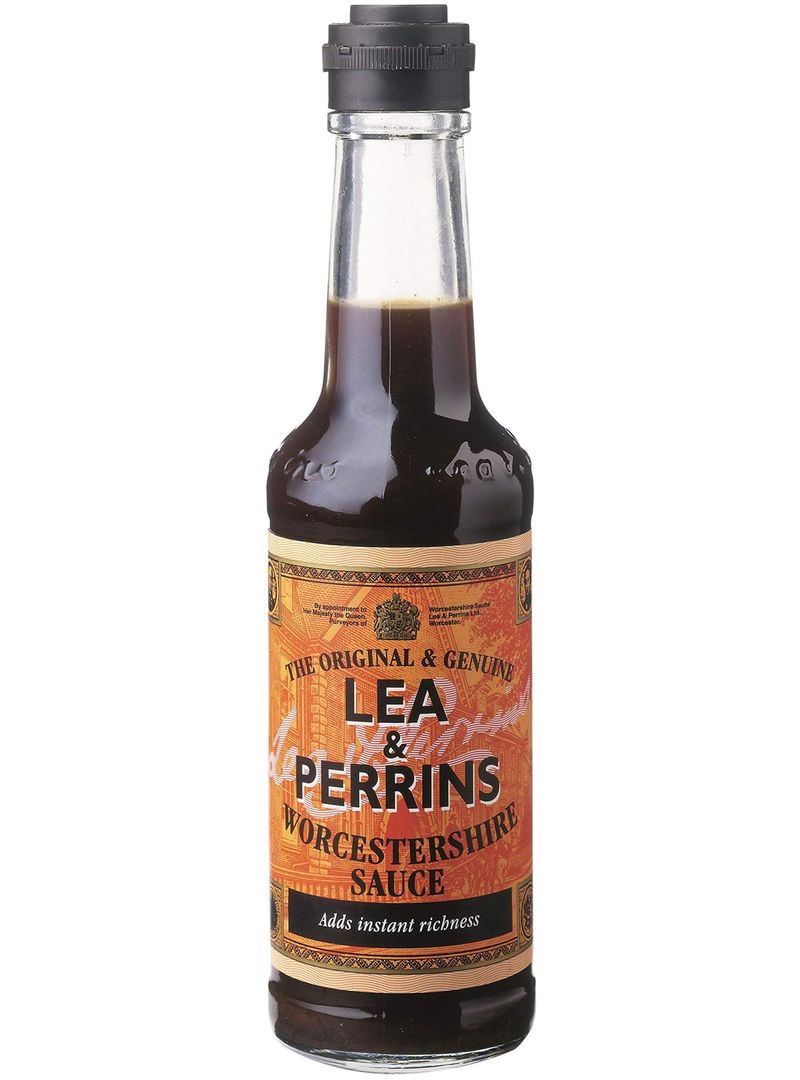
Worcestershire sauce has been quietly stealing the spotlight in kitchens since the 1800s. Made from a fermented blend of vinegar, molasses, tamarind, and anchovies, it packs a serious punch in just a few drops.
Stir it into chili, meat marinades, or even scrambled eggs for an instant upgrade. The flavor it adds is hard to name but impossible to miss once it's gone.
It's the definition of a background hero.
4. Miso Paste
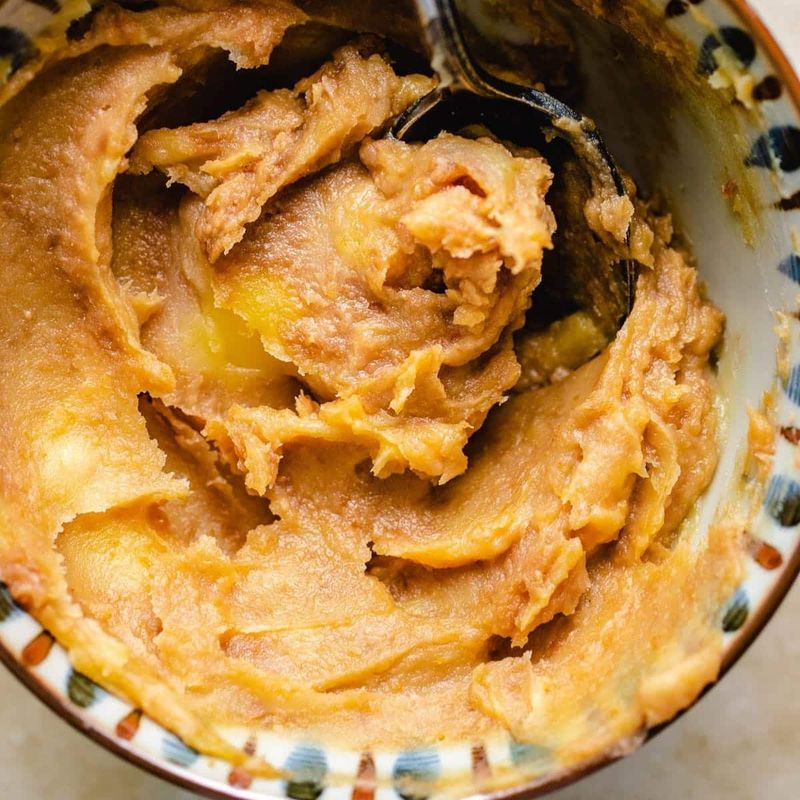
Miso paste isn't just for soup. Stir a spoonful into butter, salad dressings, or roasted vegetable glazes and you'll get a nutty, salty complexity that feels like it took hours to develop.
Fermented from soybeans, miso carries a rich umami flavor that rounds out sharp or flat-tasting dishes. It's especially magical in caramel or chocolate desserts — sounds weird, tastes incredible.
Keep a tub in your fridge and use it on almost everything.
5. Dijon Mustard
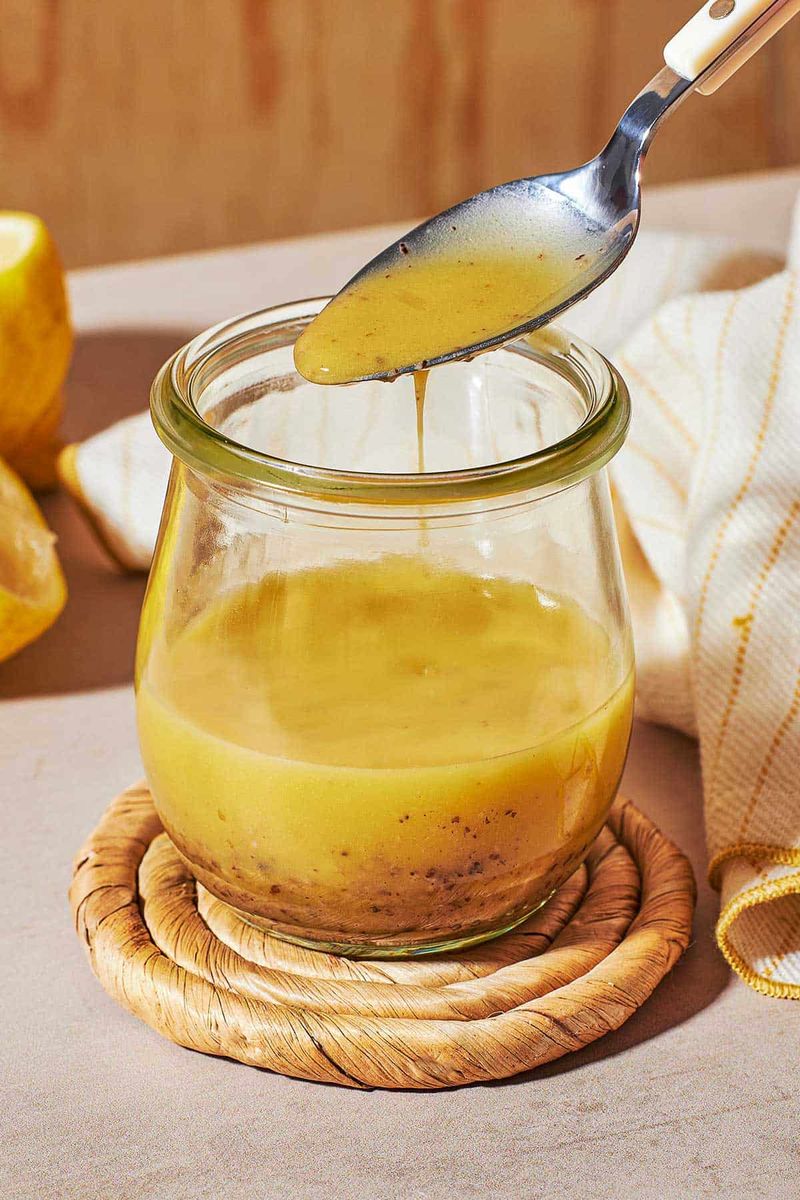
Dijon mustard rarely gets credit for what it actually does. Beyond being a sandwich spread, it acts as an emulsifier in dressings, helping oil and vinegar blend together smoothly.
It also adds a sharp, tangy kick that balances sweetness in sauces.
A teaspoon whisked into a pan sauce or salad dressing changes the whole texture and flavor. You won't taste "mustard" — you'll just taste something beautifully balanced and polished.
6. Soy Sauce
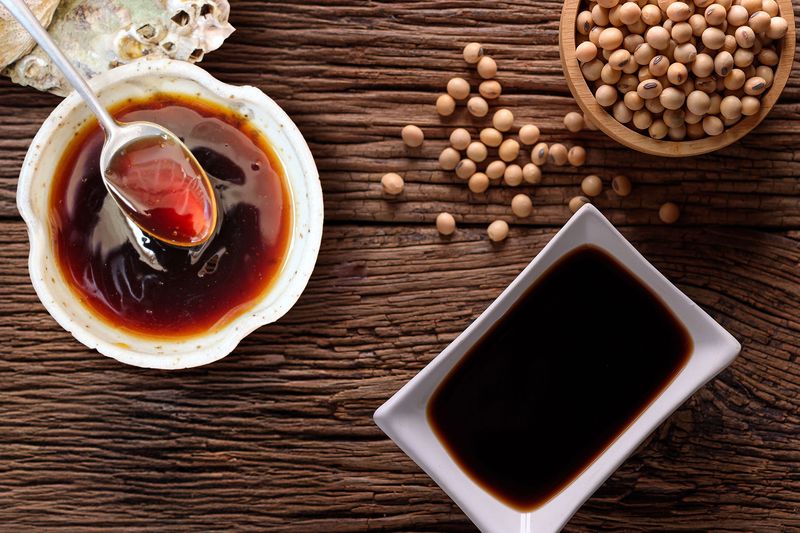
Soy sauce is the ultimate flavor chameleon. Everyone knows it as a dipping sauce, but its real superpower is what it does to cooked dishes.
A splash added to scrambled eggs, pasta, or braised meat adds a salty, savory depth that plain salt simply can't match.
It contains natural glutamates that trigger your taste buds in a deeply satisfying way. Used wisely, it disappears into the dish and just makes everything taste more "complete."
7. Tomato Paste
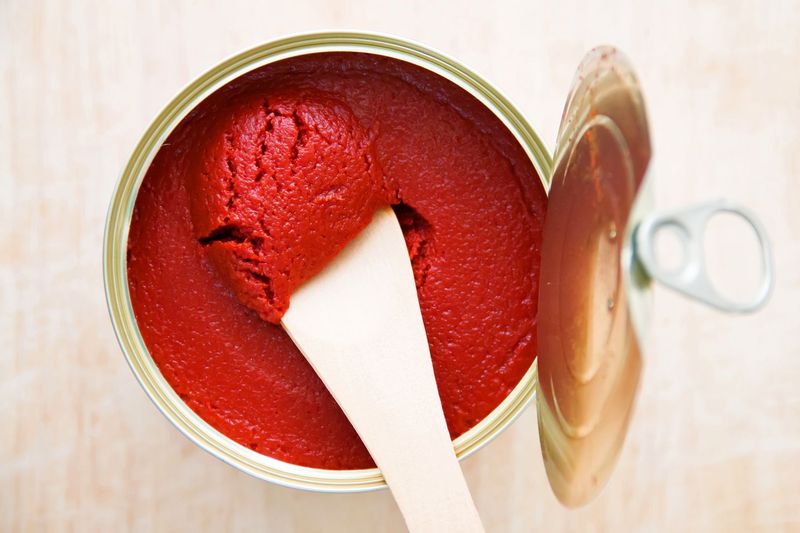
Tomato paste is basically concentrated sunshine. Cook it in a hot pan with a little oil for a minute before adding other ingredients, and it transforms into something deeply caramelized and complex.
That technique is called "blooming," and it unlocks incredible flavor.
It adds body, color, and a rich tomato undertone to stews, braises, and soups. Even non-tomato dishes benefit from it.
Just a tablespoon makes sauces taste like they simmered all day long.
8. Apple Cider Vinegar
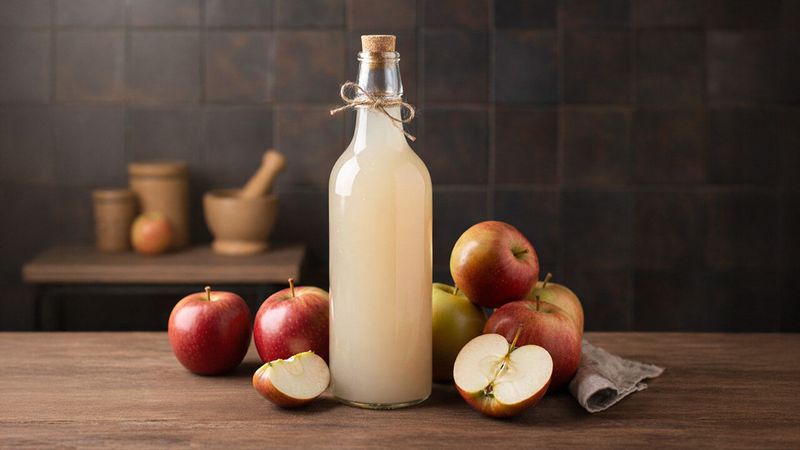
When a dish tastes flat or overly rich, a splash of apple cider vinegar is often the fix. Acid brightens flavors and cuts through heaviness in a way that salt alone cannot do.
It's the secret behind many restaurant-quality sauces and dressings.
A tiny amount stirred into coleslaw, braised greens, or even a pot of beans wakes everything up. You won't taste vinegar — you'll just taste balance.
Keep it close while cooking and use it freely.
9. Butter (Added at the End)
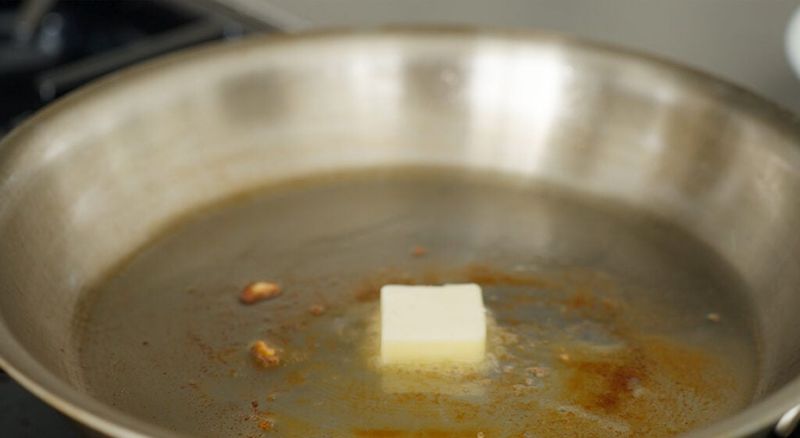
Professional chefs have a technique called "mounting" — swirling cold butter into a sauce right at the end of cooking. This tiny step gives sauces a silky, glossy finish and rounds out sharp flavors without making anything taste buttery.
It adds richness and body that transforms a thin, flat sauce into something restaurant-worthy. The butter isn't the star; it just makes everything around it shine brighter.
Try it with pasta sauces, pan sauces, and soups.
10. Smoked Paprika
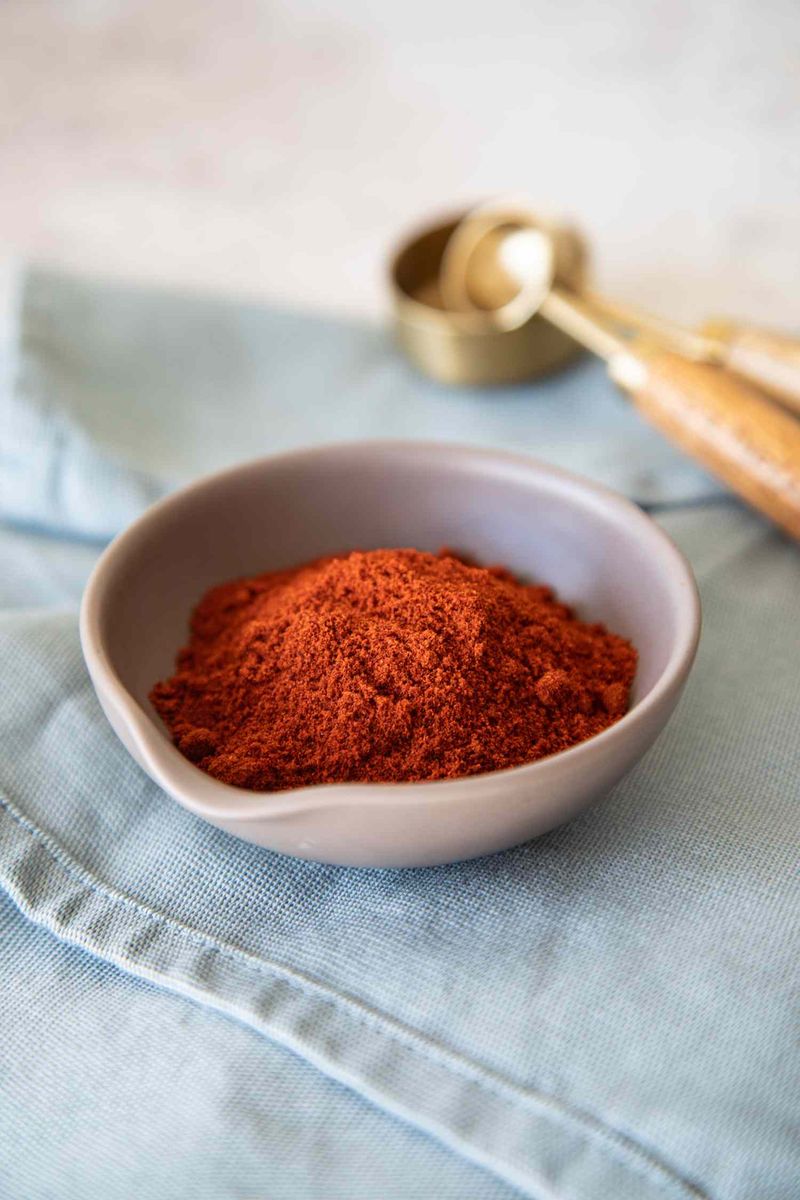
Regular paprika adds color, but smoked paprika adds something entirely different — a warm, campfire-like depth that makes food taste like it was slow-cooked over an open flame. It's incredible in soups, roasted vegetables, and egg dishes.
Even a quarter teaspoon changes the whole personality of a dish. It pairs beautifully with garlic, olive oil, and lemon.
Sprinkle it over hummus or avocado toast and suddenly a simple snack feels like something special and carefully crafted.
11. Parmesan Rind
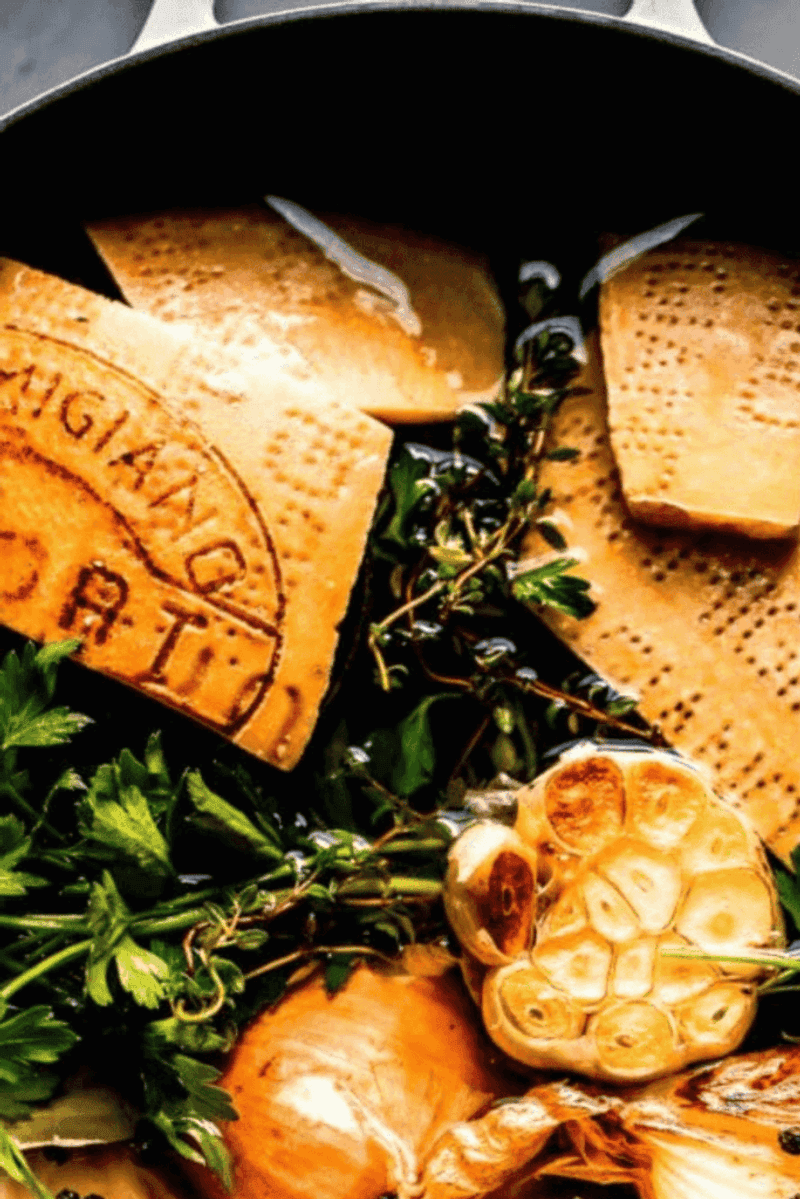
Most people throw away Parmesan rinds, but chefs treat them like gold. Toss one into a simmering pot of soup, stew, or tomato sauce and it slowly releases a deep, nutty, salty flavor that enriches the entire dish.
You don't eat the rind — you fish it out at the end — but the flavor it leaves behind is remarkable. Store rinds in a zip bag in the freezer so you always have one ready.
It costs nothing and delivers everything.
12. Vanilla Extract
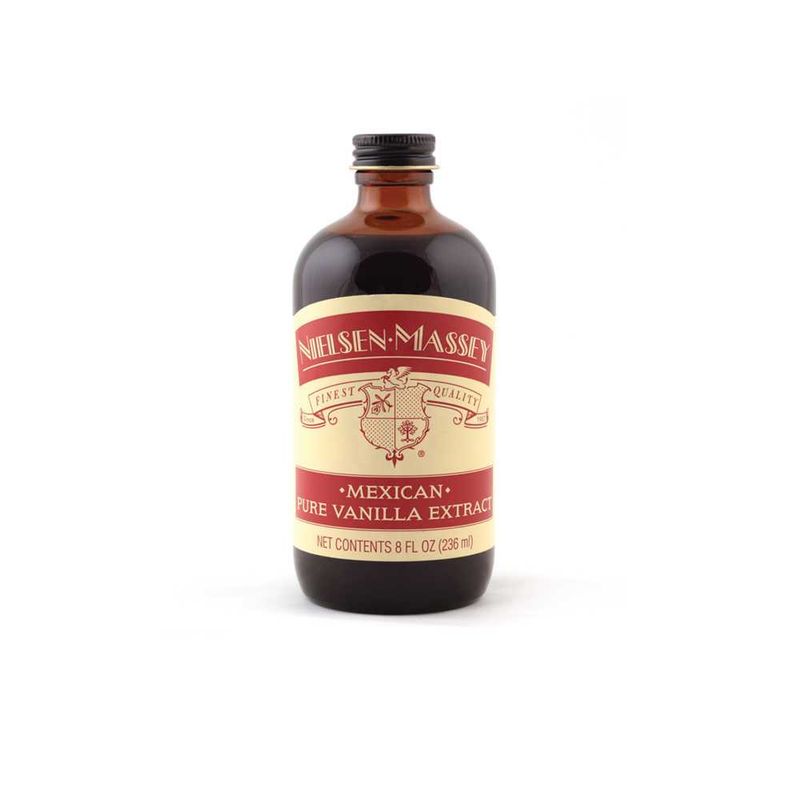
Vanilla isn't just for desserts. Adding a tiny splash to tomato-based dishes, smoothies, or even oatmeal softens harsh flavors and adds a subtle warmth that makes everything taste more complete.
It works like a flavor bridge between ingredients.
In baked goods, vanilla doesn't taste like itself — it enhances chocolate, caramel, and fruit flavors around it. Without it, desserts often taste flat or one-dimensional.
It's one of those ingredients where you only truly notice it when it's missing.
13. Bay Leaves
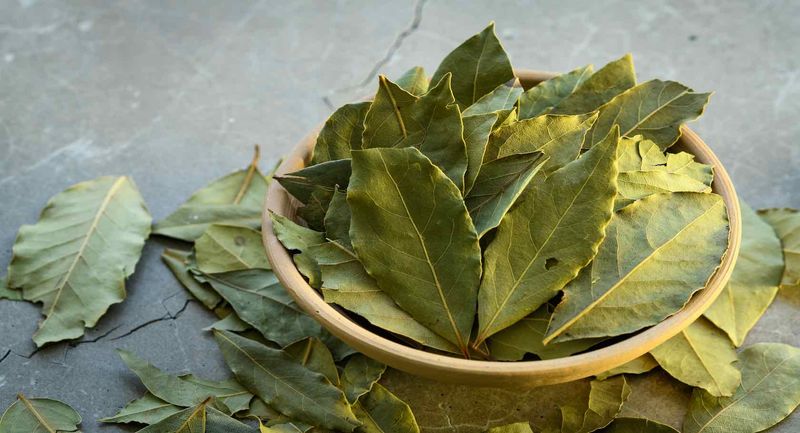
Bay leaves are one of the most debated ingredients in cooking — some people swear by them, others claim they do nothing. Here's the truth: they add a subtle, herbal, slightly floral background note that ties a dish together.
Drop one into soups, rice, or braised meat while cooking, then remove it before serving. You'll never isolate the flavor, but the dish feels more layered and complete with it than without.
It's quiet, steady, and dependable.
14. Toasted Sesame Oil
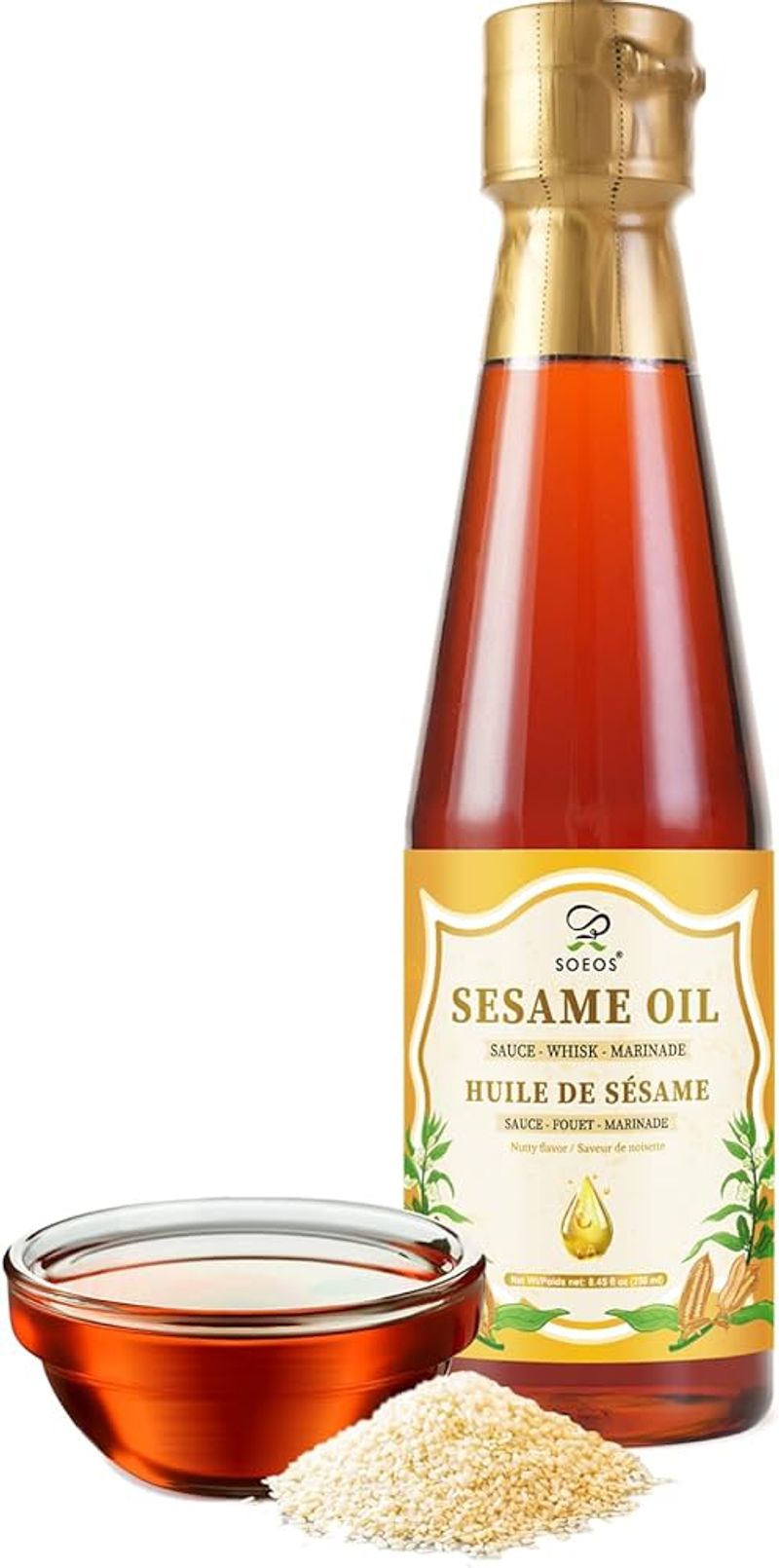
Toasted sesame oil is not a cooking oil — it's a finishing oil, and that distinction matters enormously. Drizzle it over noodles, stir-fries, or rice just before serving and it adds a nutty, aromatic richness that no other oil can replicate.
Heat destroys its delicate flavor, so always add it at the very end. A tiny amount goes a long way.
Even a half teaspoon can elevate a simple bowl of noodles into something that tastes deeply satisfying and thoughtfully prepared.
15. Lemon Zest
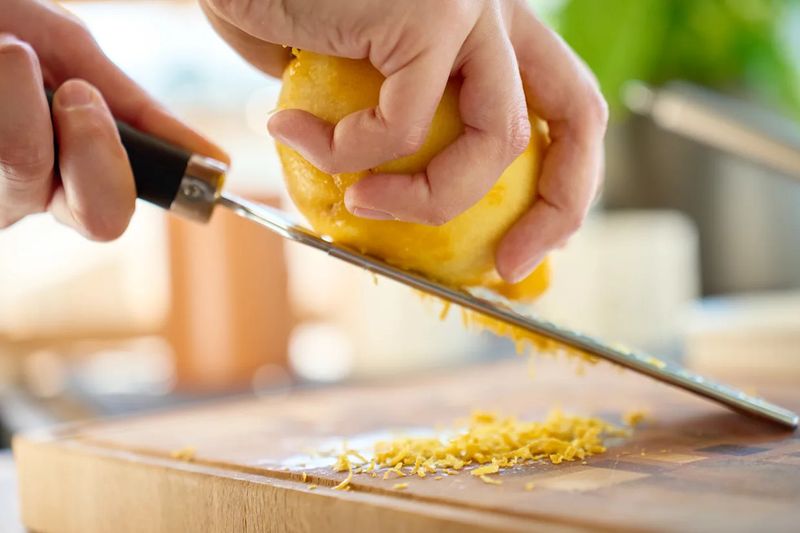
Lemon juice adds acidity, but lemon zest adds something completely different — a bright, floral, intensely citrusy flavor that comes from the oils in the peel. It wakes up dishes in a way that juice alone cannot achieve.
Stir it into pasta, sprinkle it over grilled fish, or mix it into whipped cream. Zest is the secret behind that "fresh" quality in so many restaurant dishes.
Use a microplane grater and add it right before serving for maximum impact.
16. Dried Mushroom Powder
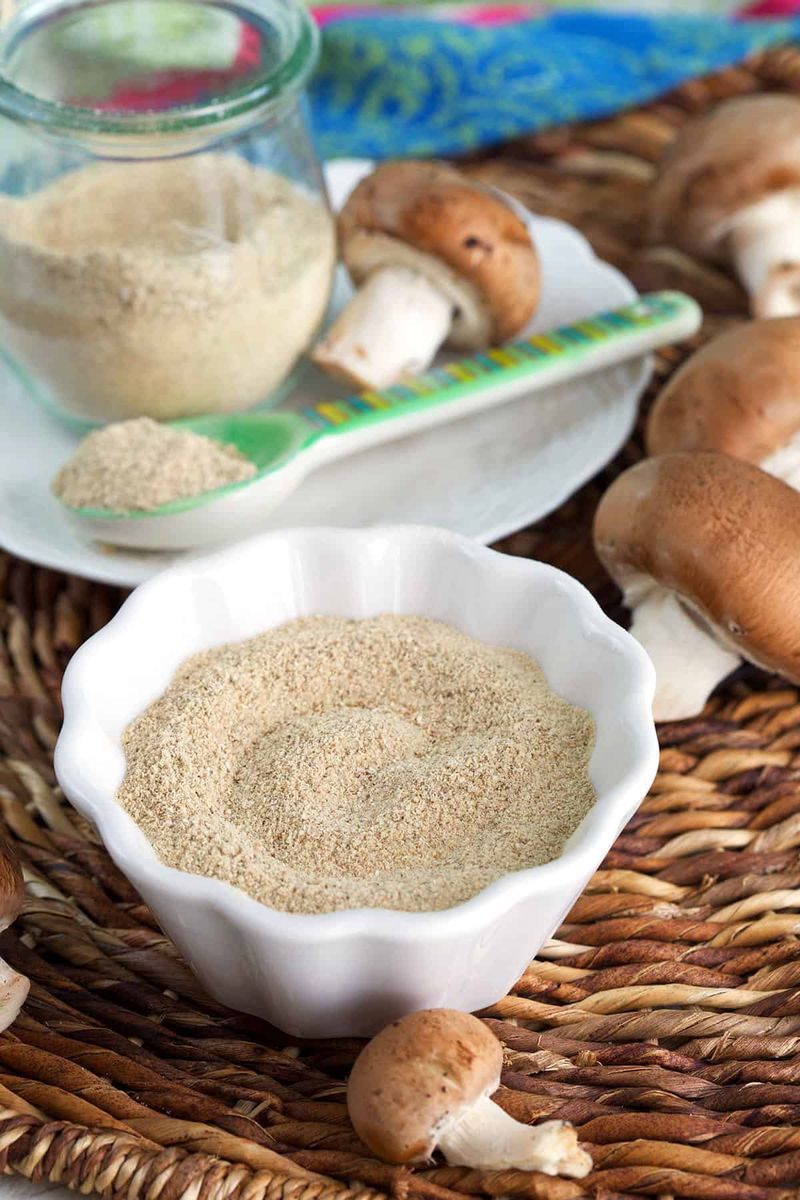
Dried mushroom powder is an underrated pantry superstar. Made from ground dried mushrooms like shiitake or porcini, it's loaded with natural umami compounds that intensify savory flavors in almost any dish.
Stir a teaspoon into burger patties, pasta sauces, gravies, or roasted vegetables and the results are stunning. It doesn't make anything taste like mushrooms — it just makes everything taste more deeply savory and satisfying.
A small jar lasts months and transforms everyday meals effortlessly.
17. Nutmeg
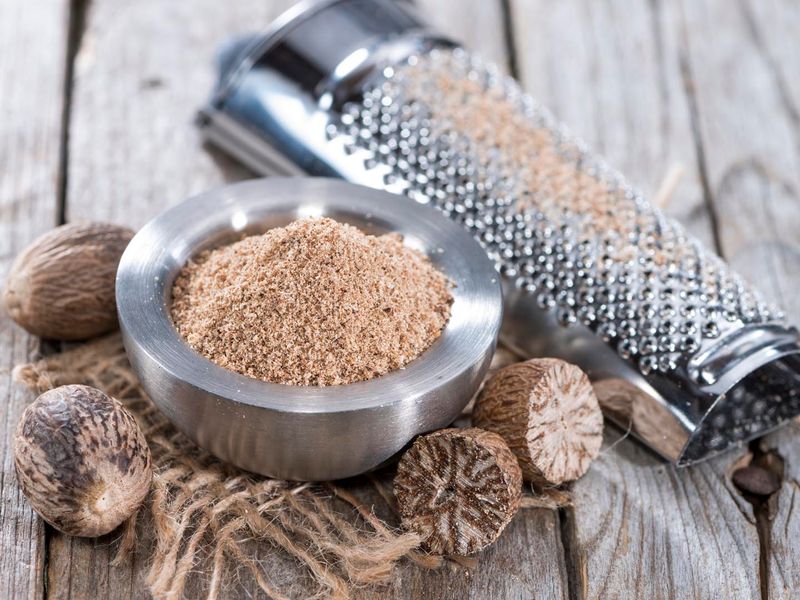
Nutmeg has a quiet magic that most people don't even know they're tasting. A tiny pinch — and it truly must be tiny — adds a warm, slightly sweet, almost mysterious depth to creamy sauces, mashed potatoes, and baked goods.
Italian cooks have used it in bechamel sauce for centuries because it softens the dairy flavor and adds complexity. Too much and it becomes overpowering, but just the right amount makes a dish taste like it has a secret you can't quite figure out.




Comments
No Comments