













Food names can be seriously confusing. Some dishes sound like they belong in a science lab, a fantasy novel, or even another country entirely.
You might order something expecting one thing and get something completely different on your plate. Get ready to discover 17 foods whose names are totally misleading, surprising, or just plain weird.
1. Welsh Rarebit
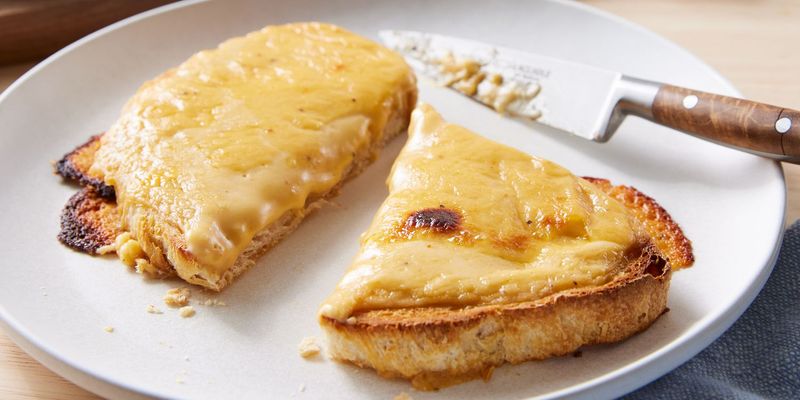
No rabbit was harmed in the making of this dish. Welsh Rarebit is actually a rich, savory cheese sauce made with cheddar, mustard, and sometimes ale, poured over toasted bread.
The name sounds like it should involve some kind of wild game, but it is completely meat-free.
Historians believe "rarebit" is a playful joke or a mispronunciation of "rabbit," used to poke fun at Welsh cooking. It is warm, cheesy, and totally delicious.
2. Spotted Dick
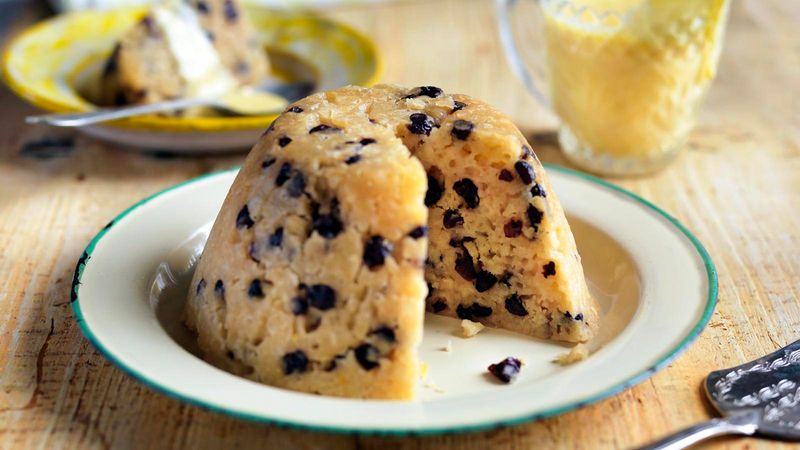
This British classic sounds alarming at first, but it is really just a steamed sponge pudding filled with dried currants. The "spots" refer to the currants dotted throughout the soft cake.
It has been a beloved British dessert for well over a century.
Served warm with a generous pour of vanilla custard, Spotted Dick is the kind of comfort food that makes a rainy afternoon feel cozy. The name raises eyebrows, but the taste wins everyone over quickly.
3. Toad in the Hole
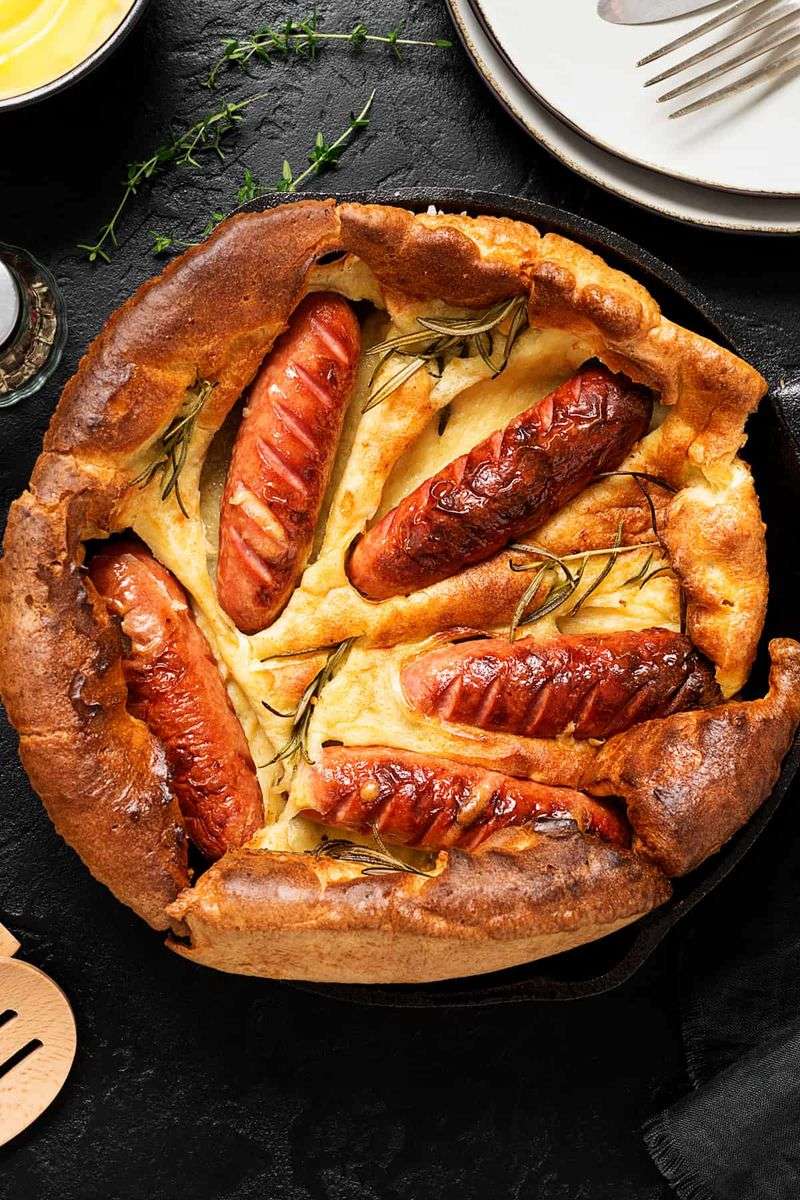
Frogs and toads have absolutely nothing to do with this classic British comfort dish. Toad in the Hole is made by baking pork sausages inside a fluffy Yorkshire pudding batter until everything is golden and puffed up beautifully.
The "toads" are actually the sausages peeking out through the batter like little creatures hiding in holes. It is hearty, filling, and one of those meals that feels like a warm hug on a cold evening.
4. Bubble and Squeak
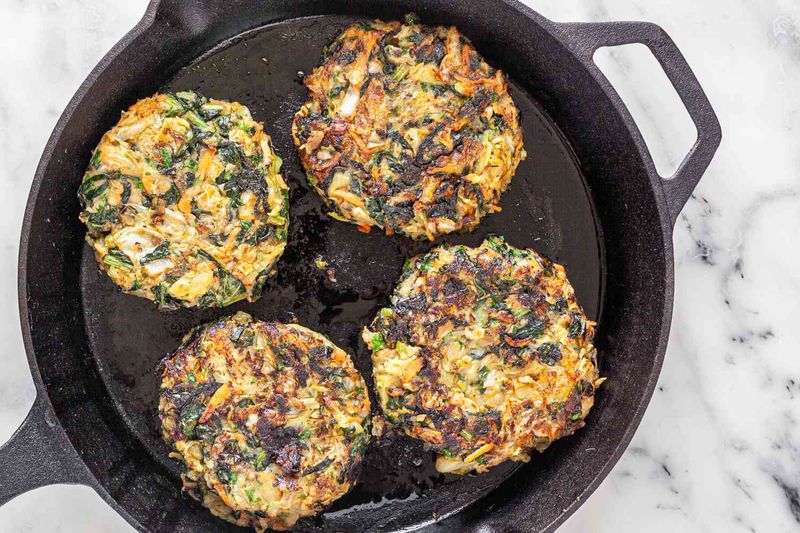
The name sounds like a cartoon sound effect, but this dish is surprisingly simple and satisfying. Bubble and Squeak is made from leftover mashed potatoes and cooked cabbage, pan-fried together until crispy and golden on the outside.
The quirky name actually comes from the sounds the vegetables make while frying in the pan. It has been a popular British Monday morning dish for generations, traditionally made using Sunday roast leftovers.
Crispy outside, soft inside, and full of flavor.
5. Angels on Horseback
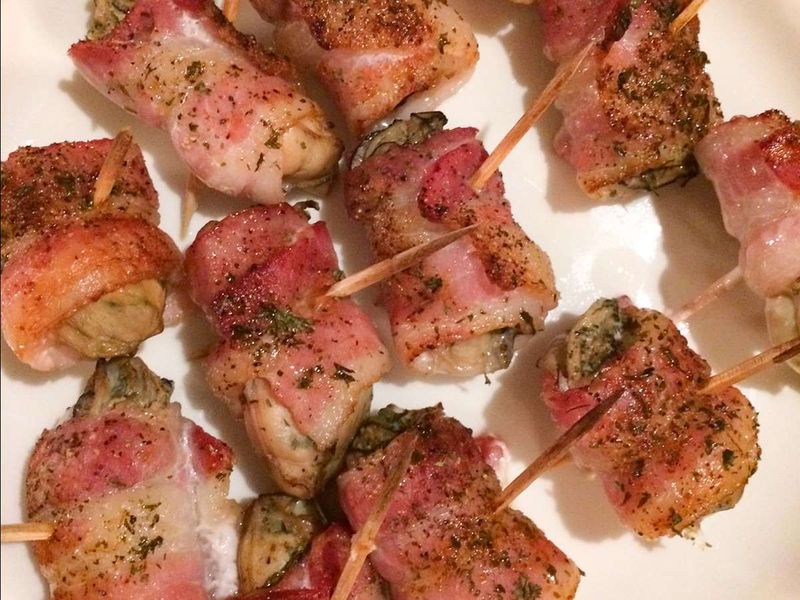
This fancy-sounding appetizer has nothing to do with angels or horses, thankfully. Angels on Horseback is a classic British and American party snack made by wrapping oysters in bacon and broiling or baking them until crispy.
The dish earned its whimsical name because the oysters look like they are "riding" on the bacon strips. It is a beloved old-school appetizer that still shows up at fancy dinner parties today.
Salty, smoky, and surprisingly elegant for something so simple.
6. Clafoutis
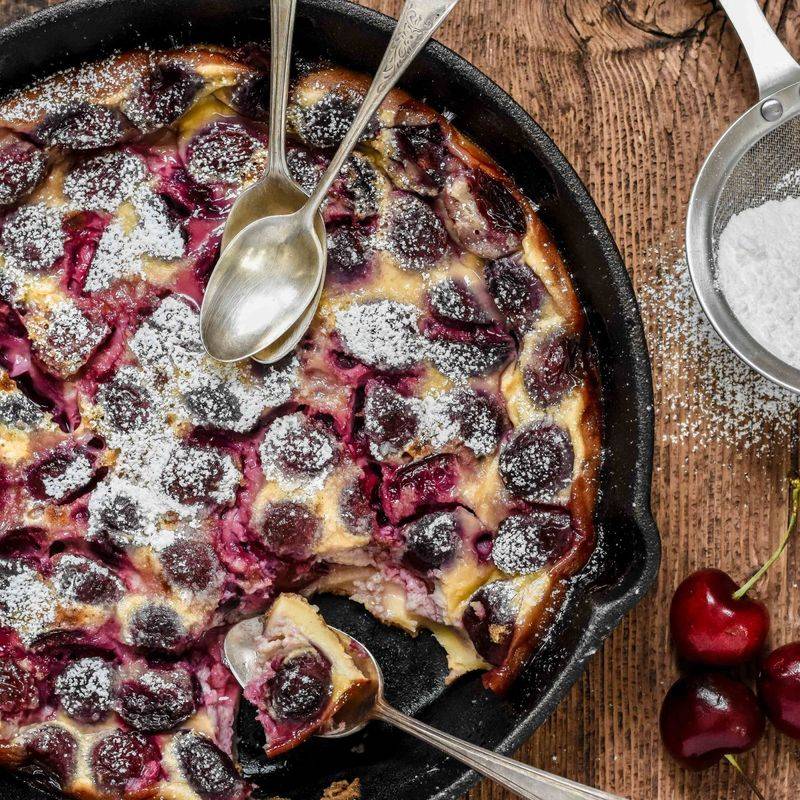
Say it out loud: clah-foo-TEE. It sounds like something a magician might shout, but it is actually one of France's most beloved simple desserts.
Clafoutis is a baked custard dish filled with fresh cherries, somewhere between a cake, a flan, and a pancake all at once.
Originating from the Limousin region of France, the dish was traditionally made with unpitted cherries to preserve flavor during baking. Dusted with powdered sugar, it is rustic, elegant, and absolutely delicious.
7. Pigs in Blankets
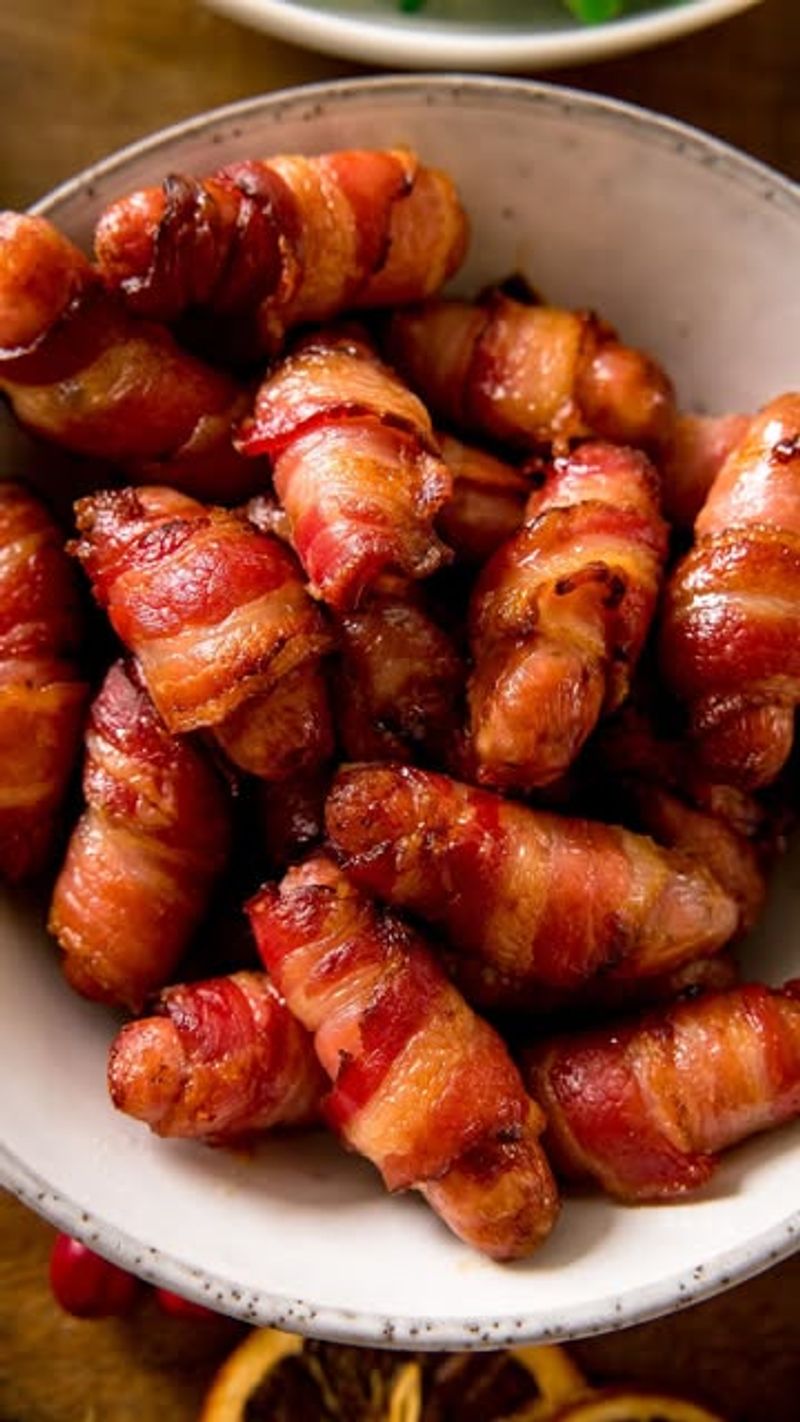
No actual pigs are wrapped in blankets here, but these little bites are just as cozy as the name suggests. In the UK, Pigs in Blankets are small cocktail sausages wrapped snugly in strips of crispy bacon and roasted until caramelized and irresistible.
In the United States, the same name refers to hot dogs or sausages rolled inside crescent roll dough. Two countries, same name, totally different dishes.
Either way, they disappear fast at any party or holiday dinner table.
8. Sweetbreads
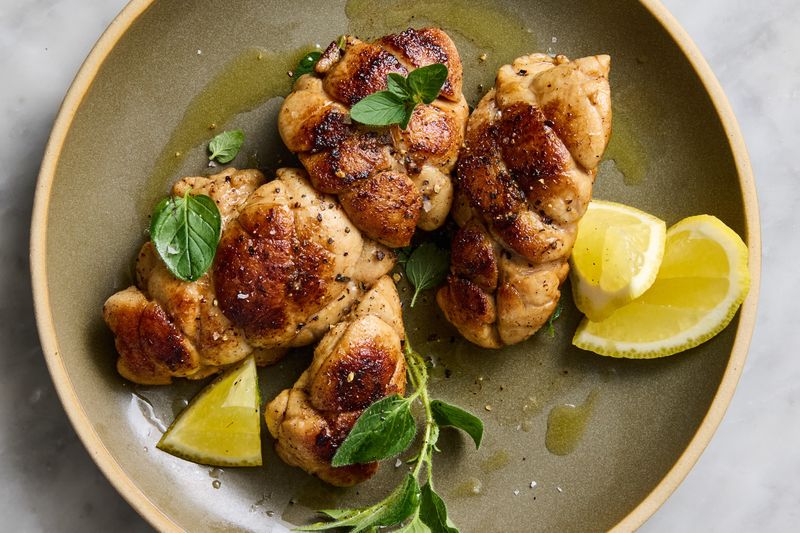
Despite the cheerful name, Sweetbreads are not a sugary pastry you would find at a bakery. They are actually the thymus gland or pancreas of a calf or lamb, considered a delicacy in fine dining restaurants around the world.
The name is thought to come from Old English, where "sweet" referred to a pleasant taste and "bread" meant flesh. Pan-seared with butter and herbs, they have a tender, creamy texture that surprises first-time tasters.
Adventurous eaters absolutely love them.
9. Rocky Mountain Oysters
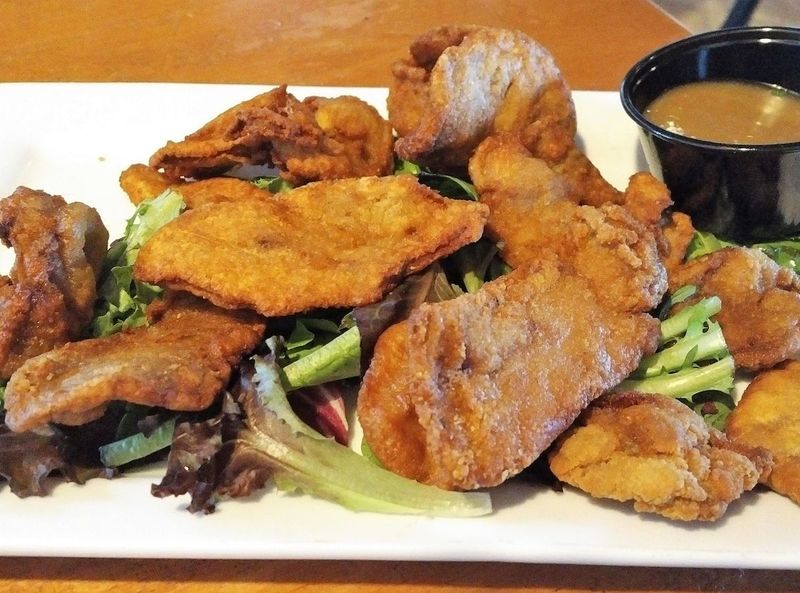
If you ordered these expecting seafood, you would be in for quite a shock. Rocky Mountain Oysters are actually deep-fried bull, bison, or pig testicles, popular in the American West and Canada as a regional delicacy.
They are typically peeled, flattened, breaded, and fried until golden. The dish got its misleading name as a playful way to make adventurous eating sound a little more approachable.
Annual festivals celebrating Rocky Mountain Oysters draw thousands of curious and brave food lovers every year.
10. Bangers and Mash
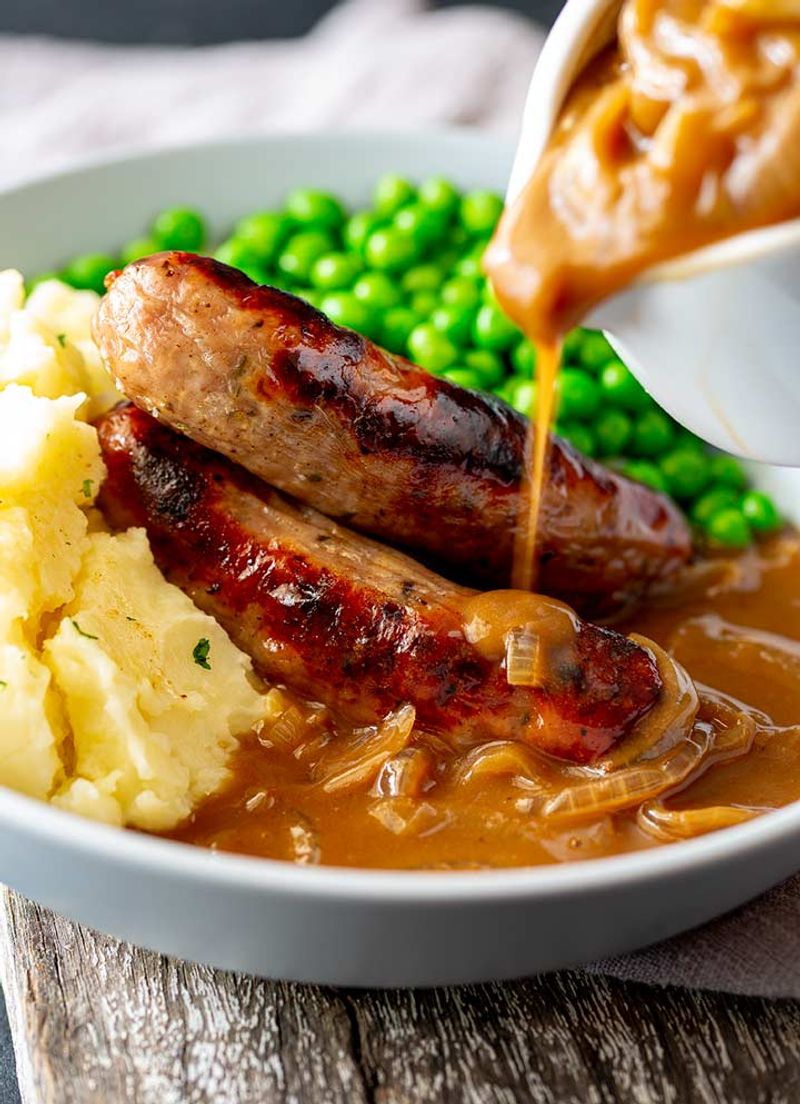
"Bangers" might make you think of fireworks or loud music, but this is really just a classic British comfort meal. Bangers and Mash is pork sausages served over a mountain of creamy mashed potatoes, usually topped with a rich, savory onion gravy.
The term "bangers" dates back to World War I, when sausages were made with so much water that they would literally explode while cooking. That sizzling, popping history gives this humble dish a surprisingly dramatic backstory.
11. Scotch Woodcock
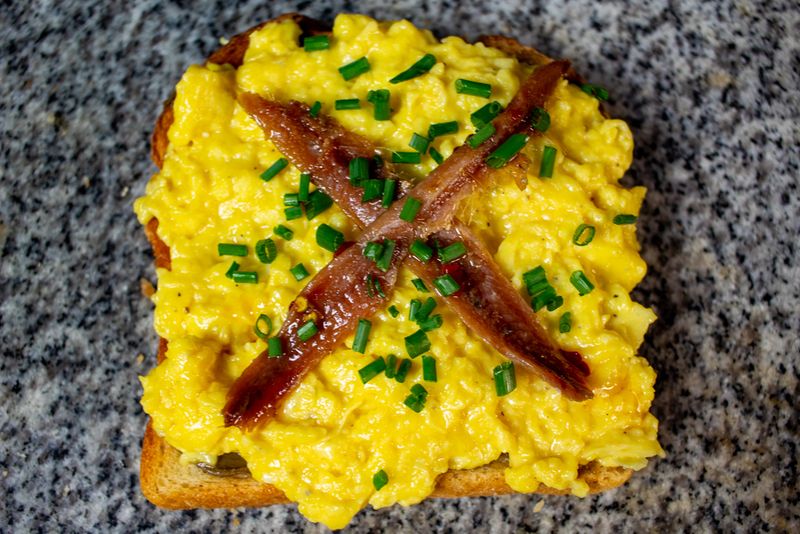
No birds were involved in making this dish, despite what the name strongly implies. Scotch Woodcock is a savory British snack made from creamy scrambled eggs spread over buttered toast, then topped with anchovy paste or fillets.
It was once a popular Victorian-era savory served at the end of formal dinner parties, much like Welsh Rarebit. The anchovy adds a bold, salty punch that cuts right through the richness of the eggs.
Fancy name, surprisingly humble ingredients.
12. Elephant Ears
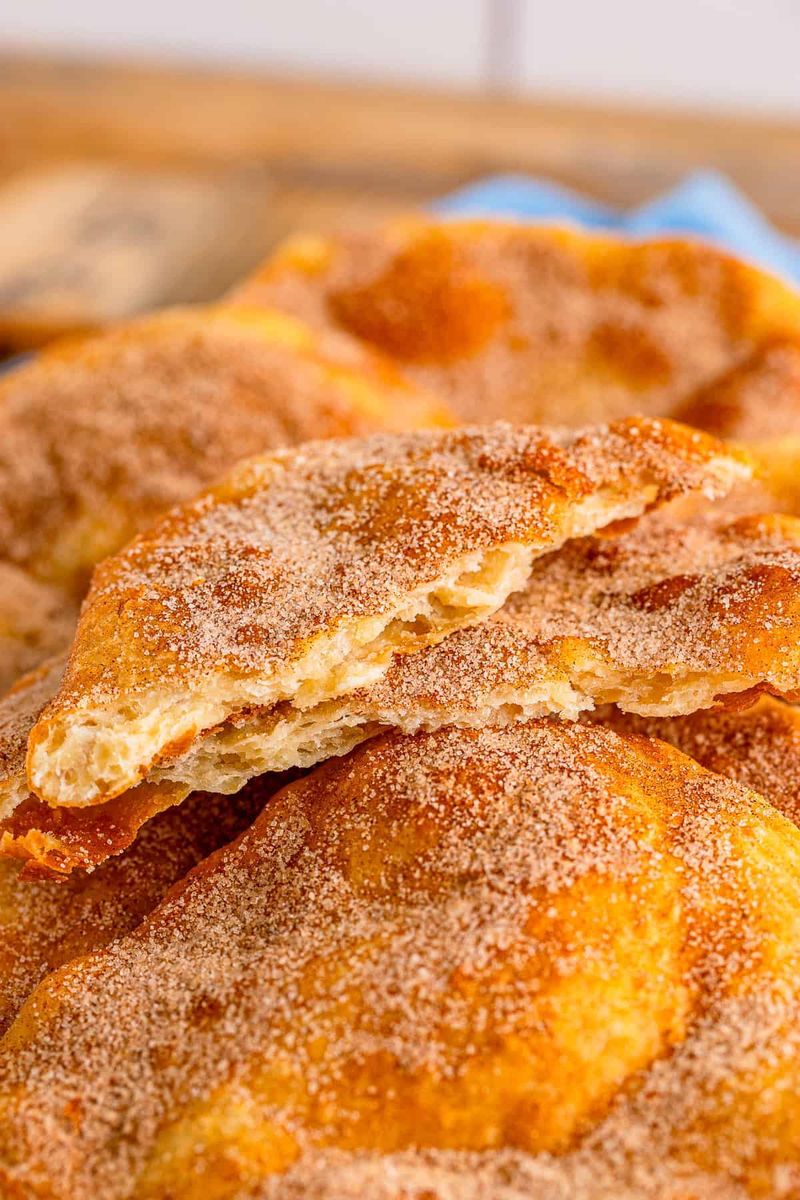
Gigantic, flat, and golden, these fairground favorites do actually look a little like elephant ears, so credit where it is due. Elephant Ears are large pieces of deep-fried dough stretched thin and dusted generously with cinnamon sugar.
Popular at carnivals, state fairs, and festivals across North America, they go by different names depending on the region, including Beaver Tails in Canada and Fry Bread in Indigenous communities. However you call them, they are warm, crispy, and completely addictive.
13. Hummingbird Cake
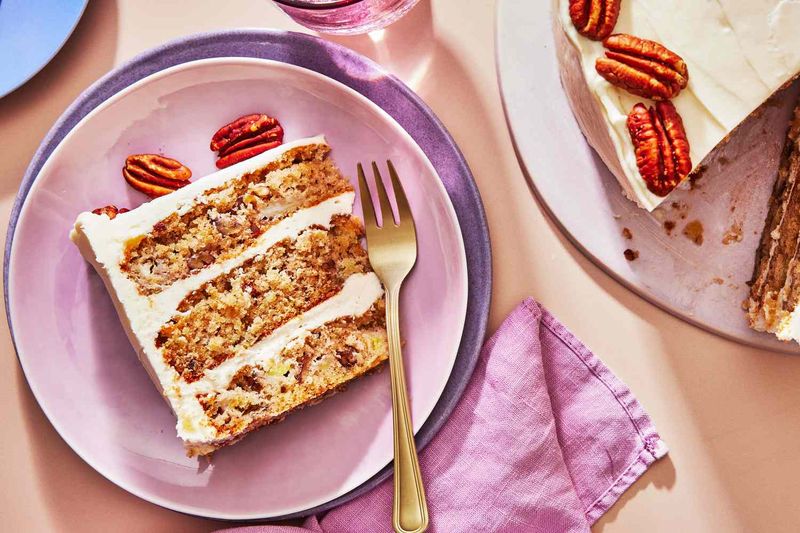
No tiny birds were baked into this gorgeous Southern layer cake. Hummingbird Cake is a moist, spiced cake made with bananas, crushed pineapple, pecans, and warm cinnamon, frosted with thick cream cheese icing.
The cake is believed to have originated in Jamaica, where it was called Doctor Bird Cake after a local hummingbird species. It became wildly popular in the American South after a recipe appeared in Southern Living magazine in 1978.
Sweet, tropical, and completely unforgettable.
14. Hoppin John
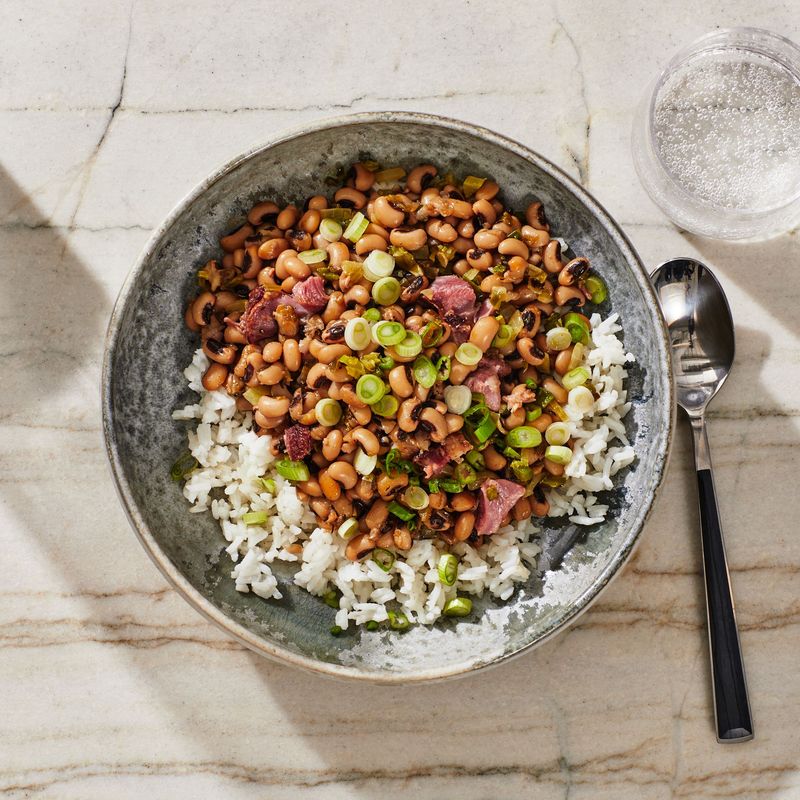
Who is John, and why is he hopping? Nobody knows for certain, but this dish is a staple of Southern American cooking with deep roots in African culinary tradition.
Hoppin John is a simple, hearty dish made from black-eyed peas cooked with rice and smoked pork.
Eating it on New Year's Day is said to bring good luck and prosperity for the year ahead. The smoky, savory flavors develop beautifully with a long, slow simmer.
It is humble, historic, and genuinely comforting.
15. Shoofly Pie
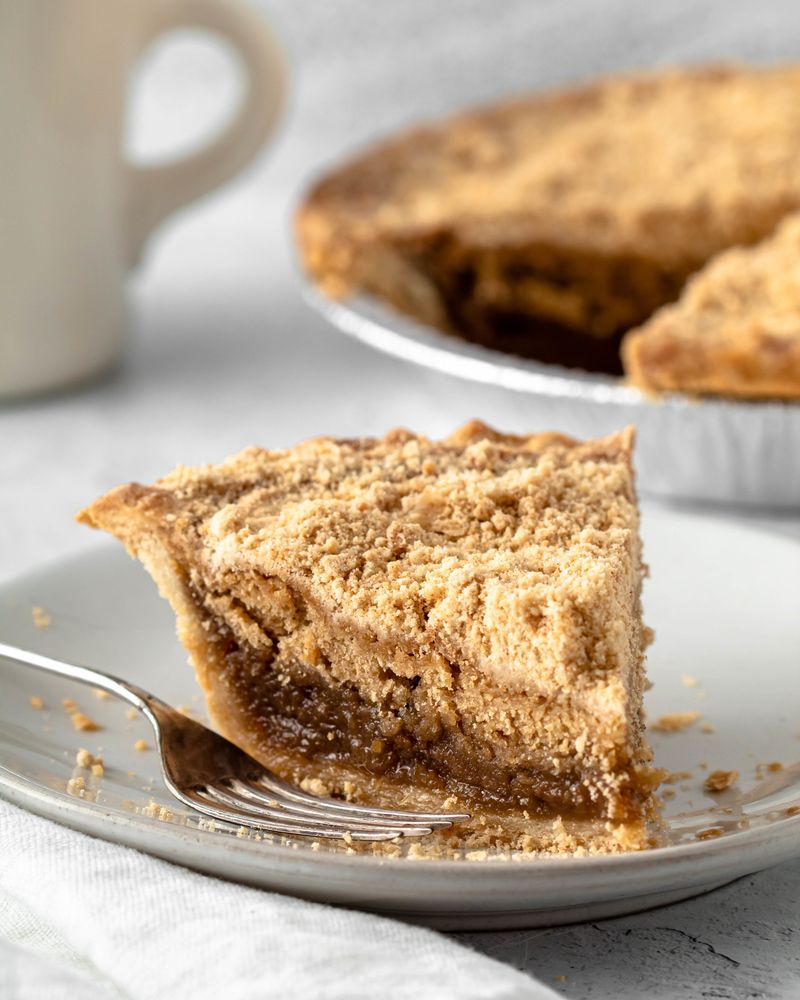
The name sounds like something you would say to a pesky insect, and honestly, that is exactly where it comes from. Shoofly Pie is a sticky, sweet Pennsylvania Dutch dessert made with a rich molasses filling and a crumbly brown sugar topping baked into a pie shell.
The filling is so sweet that it reportedly attracted flies during cooling, requiring bakers to constantly shoo them away. Molasses-dark, deeply sweet, and rich with old-fashioned charm, it is unlike any pie you have tasted.
16. Calf's Foot Jelly
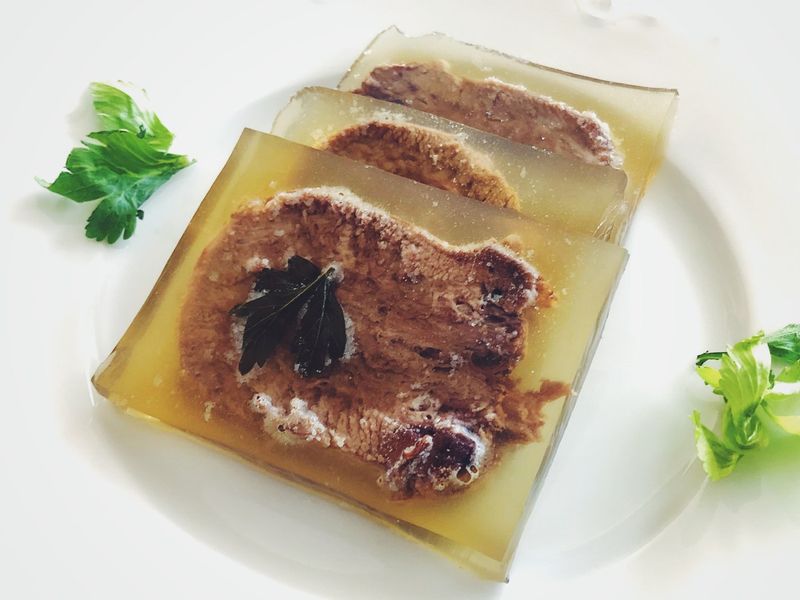
Before gelatin packets existed, cooks made their own jelly by boiling calf feet for hours until collagen released into the liquid. Calf's Foot Jelly is a centuries-old dish that was once considered a nourishing and even medicinal food for the sick and elderly.
Victorian-era cookbooks featured elaborate recipes for flavoring it with wine, sugar, and lemon. Today it sounds bizarre, but it was essentially the Jell-O of its time.
History has a funny way of making ordinary foods sound completely wild.
17. Poutine
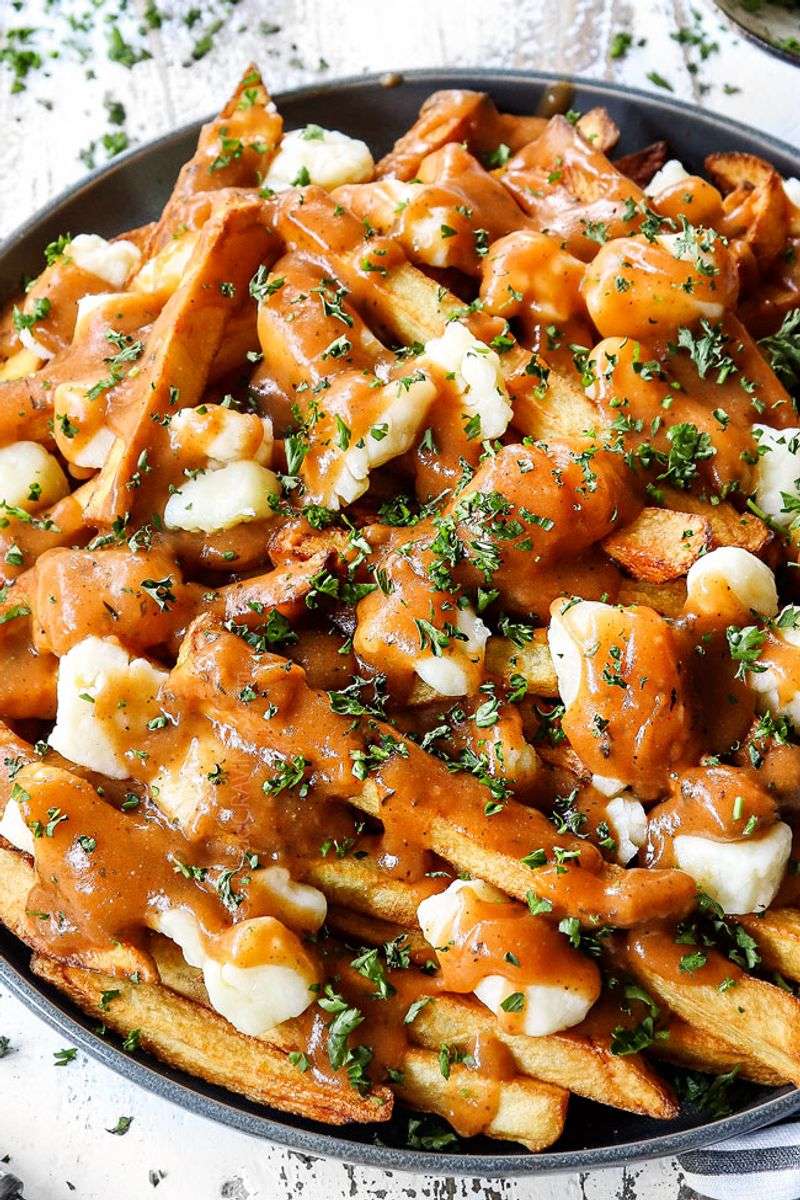
Pronounced poo-TEEN, this Canadian comfort food icon sounds completely different from what it actually is. Poutine is a hearty dish of crispy French fries topped with fresh cheese curds and smothered in thick, savory brown gravy until the curds get delightfully melty.
Born in Quebec in the late 1950s, poutine went from a late-night diner staple to a nationally celebrated dish found across Canada and beyond. The name reportedly comes from a Quebec slang word meaning "mess," which is honestly a perfect description.




Comments
No Comments