













Most people know that sugar is bad for teeth, but the damage goes far beyond candy and soda. Some foods you eat every single day could be quietly wearing down your enamel, cracking your teeth, or feeding harmful bacteria in your mouth.
The surprising part? Many of these foods are considered healthy.
Read on to find out which everyday foods might be putting your smile at serious risk.
1. Ice
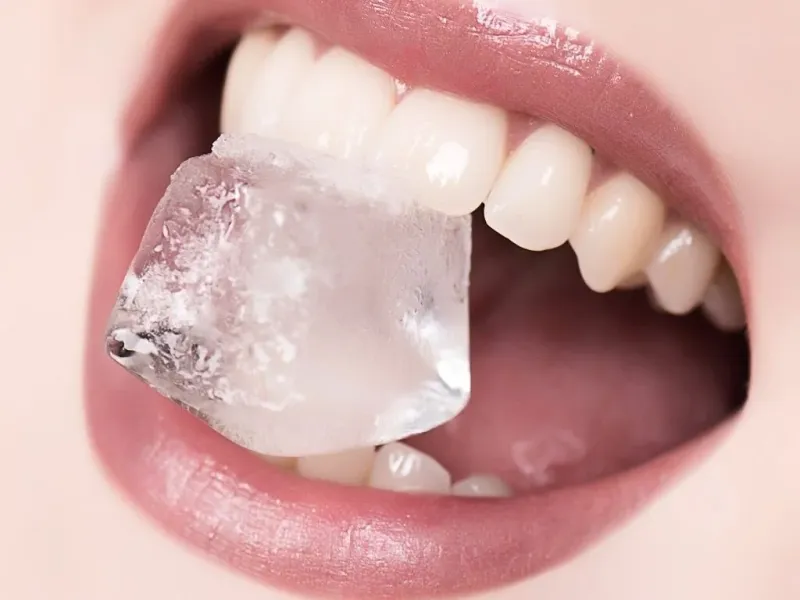
Chewing ice feels harmless enough, especially on a hot day. But ice is incredibly hard, and your teeth simply are not built to crush it.
Every time you bite down on a cube, you risk tiny fractures forming in your enamel.
Over time, these micro-cracks can lead to sensitivity, chipping, or even a cracked tooth that needs professional repair. Swap the habit by sipping cold water without the ice instead.
2. Citrus Fruits
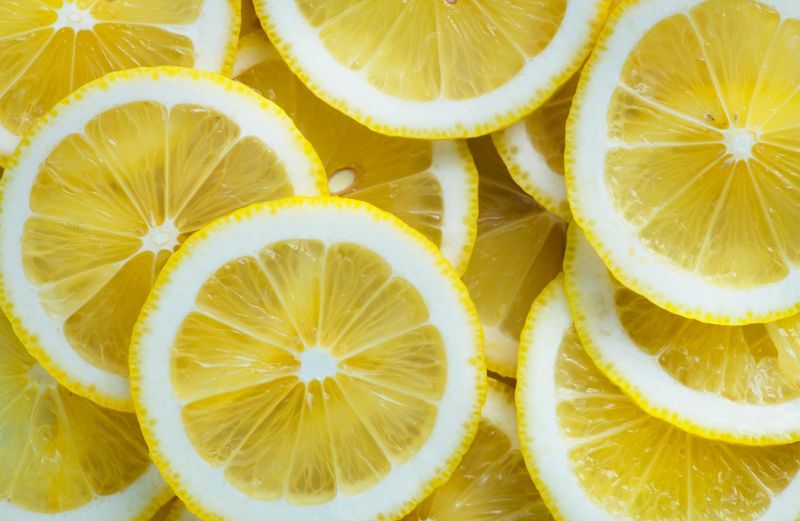
Oranges, lemons, and grapefruits are packed with vitamins, but they also carry a heavy load of acid. That acid softens your tooth enamel every time it comes into contact with your teeth.
Brushing right after eating citrus can actually make things worse by scrubbing softened enamel away. Wait at least 30 minutes before brushing, and rinse with water right after eating to help neutralise the acid quickly.
3. Dried Fruit
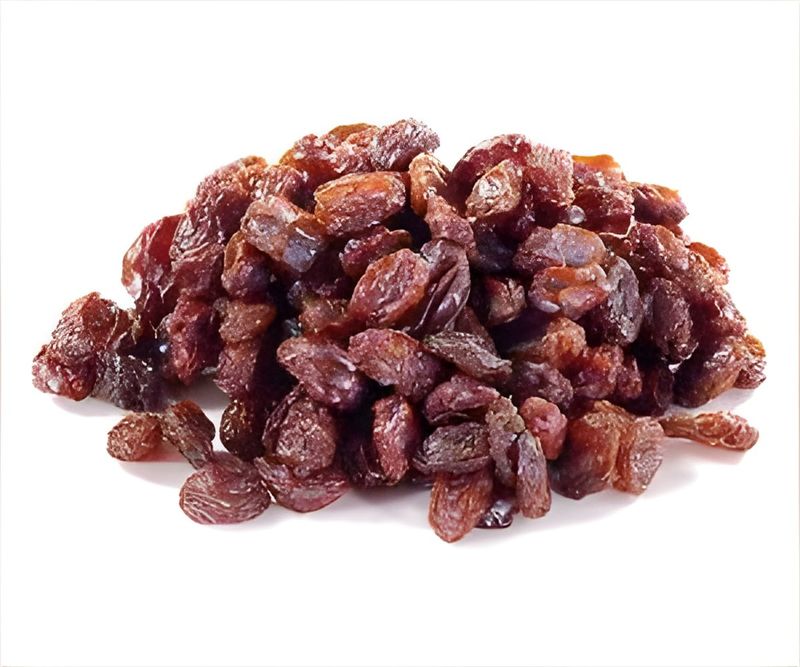
Dried fruit might seem like a smart snack, but it is one of the stickiest foods you can eat. Raisins, apricots, and dried mango cling to the grooves of your teeth and stay there long after you have finished eating.
That sticky sugar feeds bacteria, which produce acids that eat away at enamel. Fresh fruit is a much friendlier option for your teeth, as it contains water that helps rinse the sugars away naturally.
4. Bread
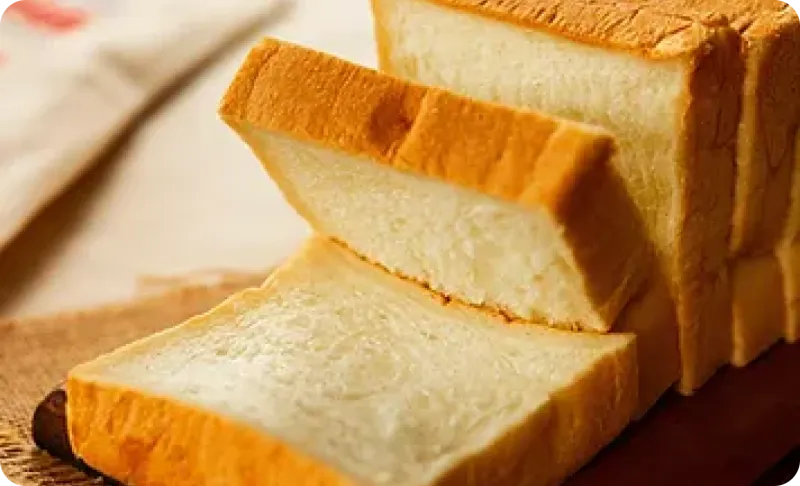
White bread might seem soft and harmless, but when you chew it, saliva breaks the starches down into sugar almost immediately. The bread then turns into a gummy paste that sticks between your teeth.
That sugary paste is a feast for cavity-causing bacteria. Whole grain bread is a better choice because it contains less refined starch and does not break down as quickly, reducing the amount of sugar sitting on your teeth.
5. Sports Drinks
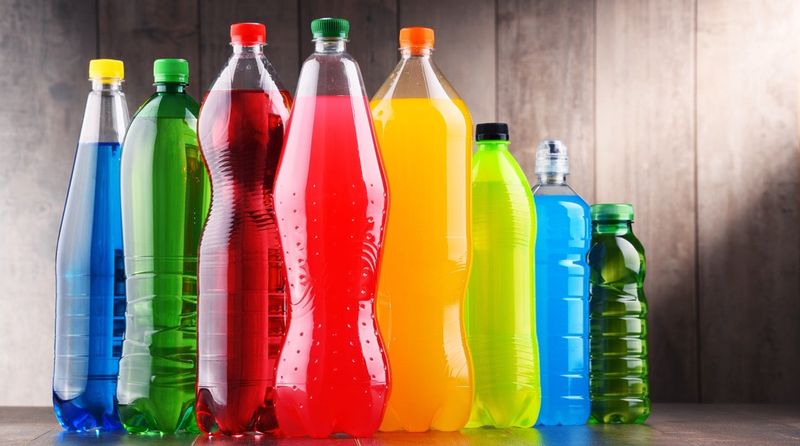
Sports drinks are marketed for energy and recovery, but most of them are loaded with sugar and acid. Athletes often sip them slowly over long periods, which means teeth are exposed to harmful substances for extended stretches of time.
Even sugar-free versions can be highly acidic. Water is always the safest choice for hydration.
If you do drink sports drinks, use a straw and rinse your mouth with water immediately afterward.
6. Potato Chips
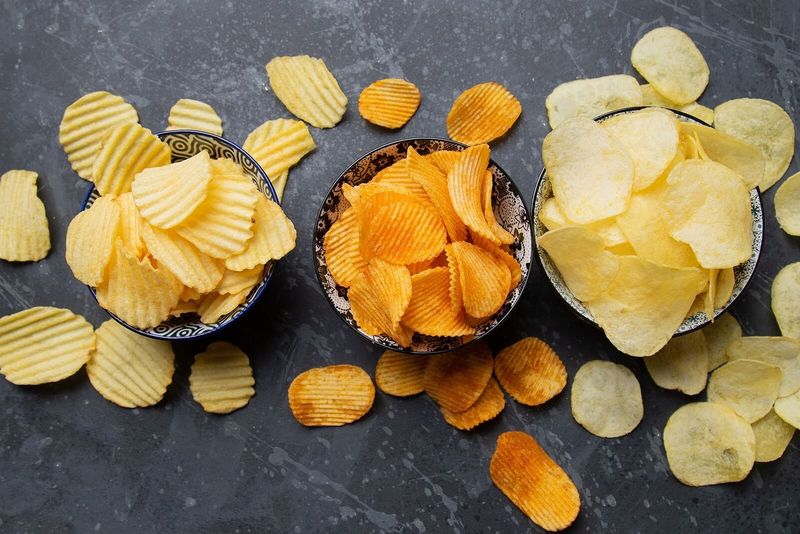
That satisfying crunch comes with a hidden cost. Potato chips are full of starch that quickly becomes sugar in your mouth, and the small broken pieces lodge easily between teeth and along the gumline.
Bacteria thrive on those trapped starchy bits, producing acid that attacks enamel. After snacking on chips, flossing is especially important to clear out what your toothbrush cannot reach.
Do not skip it just because chips feel like a light snack.
7. Pickles
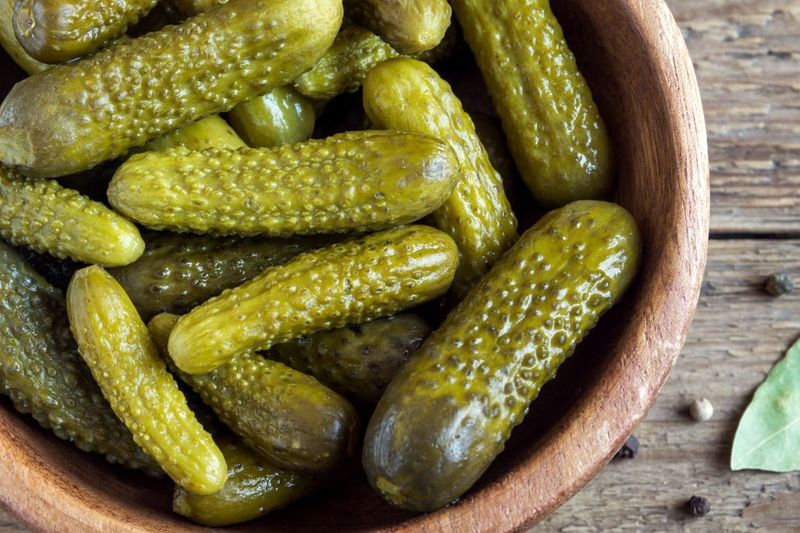
Pickles get their tangy flavour from vinegar, which is highly acidic. Regular pickle consumption can gradually erode enamel, making teeth more vulnerable to staining and sensitivity over time.
One study found that eating pickles more than once a day was linked to increased tooth wear. Enjoy them occasionally rather than as a daily staple, and always rinse your mouth with water after eating them to reduce the acid left behind on your enamel.
8. Coffee
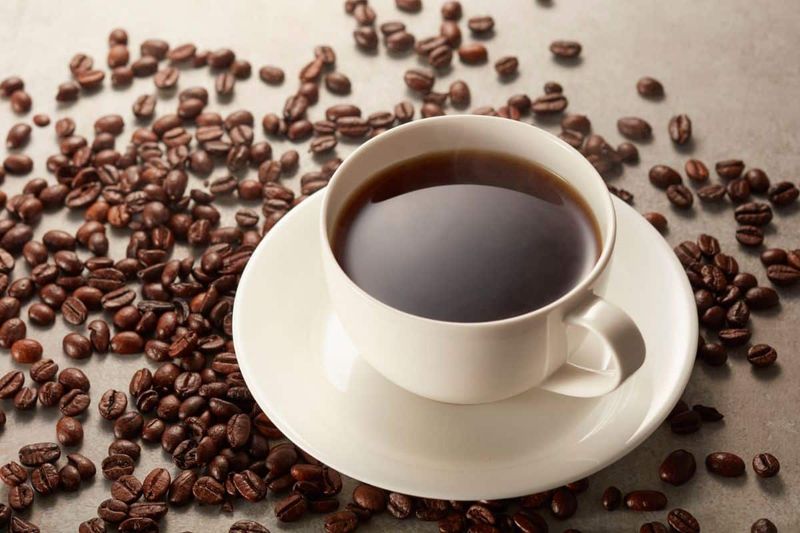
Coffee is mildly acidic, which means it softens enamel slightly with every sip. But the bigger problem is that coffee is deeply pigmented, and those dark compounds cling to enamel and cause noticeable staining over time.
Adding sugar makes things significantly worse by fuelling bacteria. Drinking coffee through a straw reduces contact with teeth, and rinsing with water afterward is a simple habit that goes a long way toward protecting your smile from long-term discolouration.
9. Wine
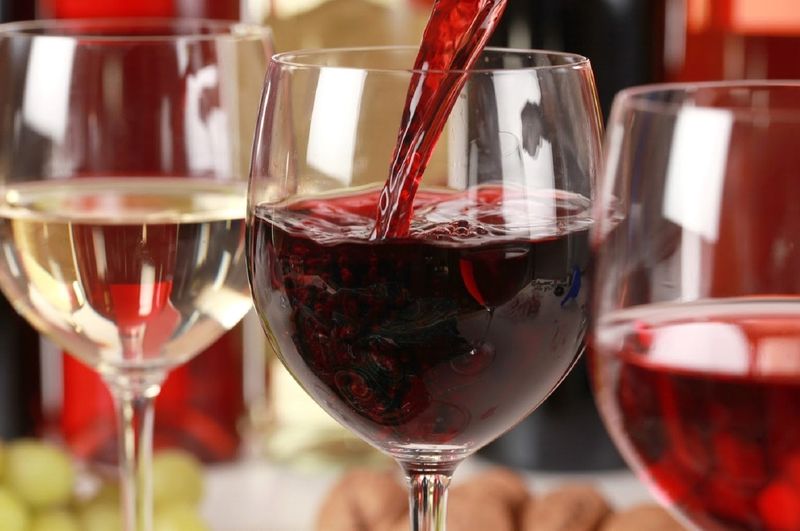
Both red and white wine are surprisingly tough on teeth. Red wine stains enamel with its deep pigments, while white wine is more acidic and softens the enamel surface, making it more porous and easier to stain from other foods.
Swishing wine around your mouth dramatically increases enamel exposure. Cheese is actually a smart pairing beyond taste, as it helps neutralise acid and stimulates saliva production, offering your teeth a little natural protection during the meal.
10. Vinegar-Based Salad Dressings
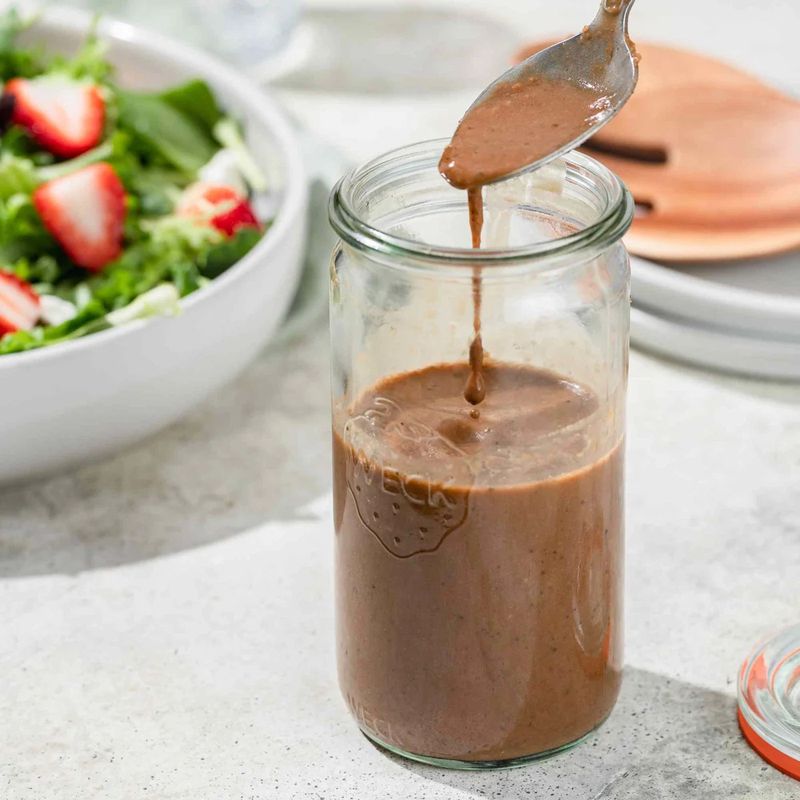
Salads feel like the ultimate healthy meal, but drenching them in vinegar-based dressings adds a surprising amount of acid to your diet. Vinegar has a very low pH, and frequent exposure can gradually wear away enamel.
You do not have to give up your favourite dressing entirely. Just be mindful of how much you use, and drink water with your meal to help dilute the acid before it has too long to sit on your teeth.
11. Hard Sweets and Lollipops
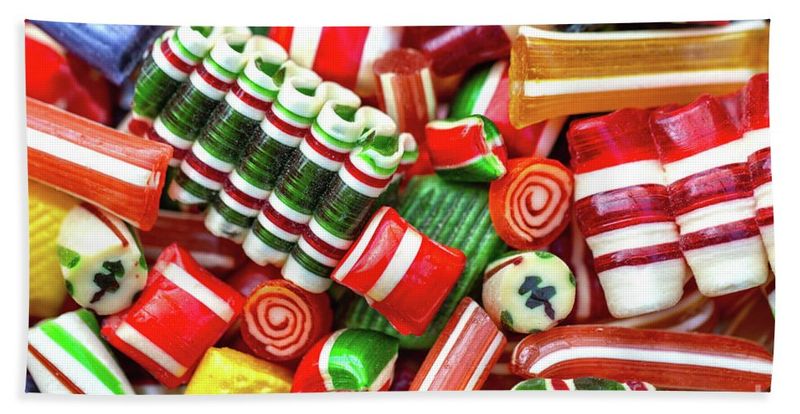
Hard sweets are a double threat. They bathe your teeth in sugar for minutes at a time as they slowly dissolve, and many people cannot resist biting down on them, which can crack or chip a tooth instantly.
The prolonged sugar exposure gives bacteria plenty of time to produce cavity-causing acid. If you enjoy sweets, chocolate is actually a gentler option because it melts quickly and does not stick around in your mouth as long as hard candy does.
12. Tomatoes
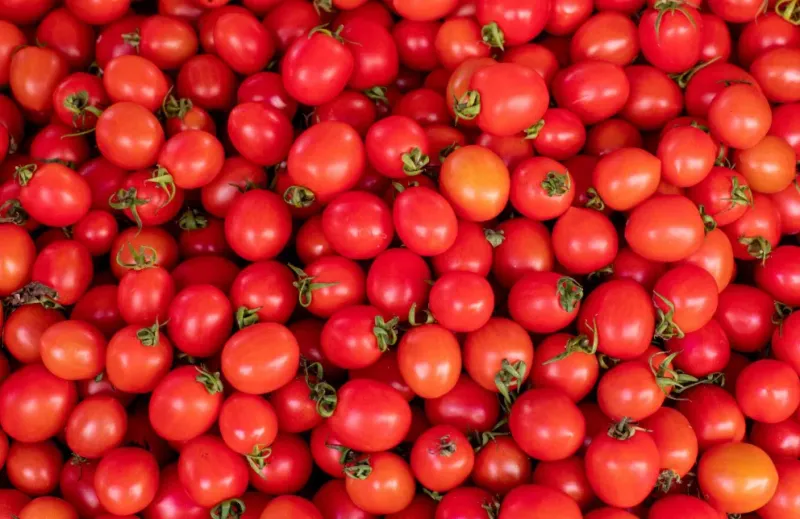
Tomatoes are nutritious and versatile, but they are also quite acidic. Eating them frequently, whether fresh, as a sauce, or in ketchup form, exposes your enamel to consistent acid that builds up over time.
Tomato-based sauces are especially concerning because they are often eaten with pasta, which is another starchy food that contributes to acid production. Pairing tomatoes with low-acid foods like leafy greens can help balance the overall acidity of your meal.
13. Peanut Butter
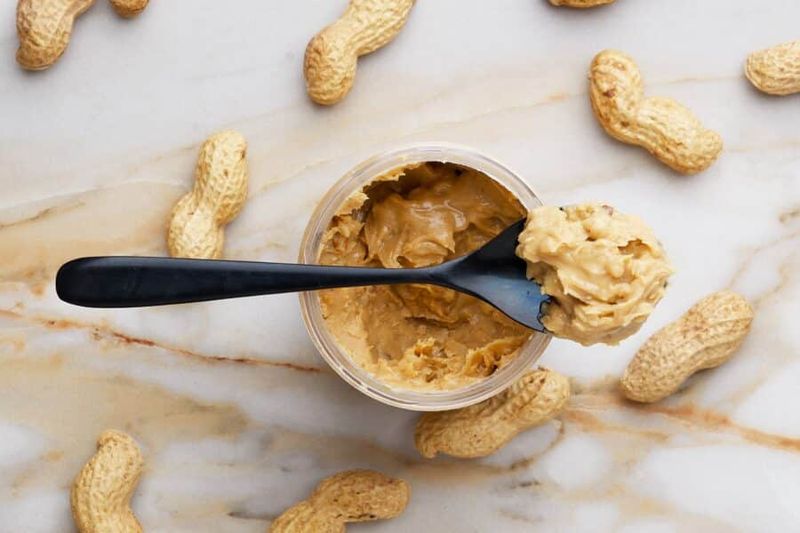
Peanut butter is a beloved staple, but its thick, sticky texture makes it cling to teeth and the roof of the mouth for a surprisingly long time. When sugar is added, as it is in most commercial brands, the problem doubles.
Look for natural peanut butter with no added sugar to reduce the risk. Drinking water while eating it can help wash away residue before bacteria get a chance to convert those sugars into enamel-damaging acids.
14. Crackers
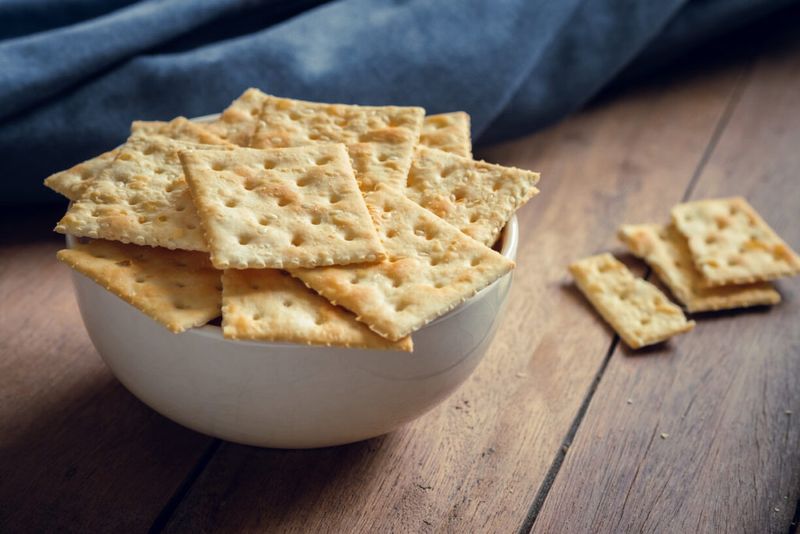
Crackers are often seen as a light and harmless snack, but they are loaded with refined carbohydrates that break down into sugar almost as soon as you start chewing. Their dry, crumbly texture means fragments get stuck in every crevice of your teeth.
Without enough saliva to wash them away, those bits sit and ferment, feeding the bacteria responsible for tooth decay. Pairing crackers with cheese or hummus can help stimulate saliva and buffer the acid produced.
15. Alcohol
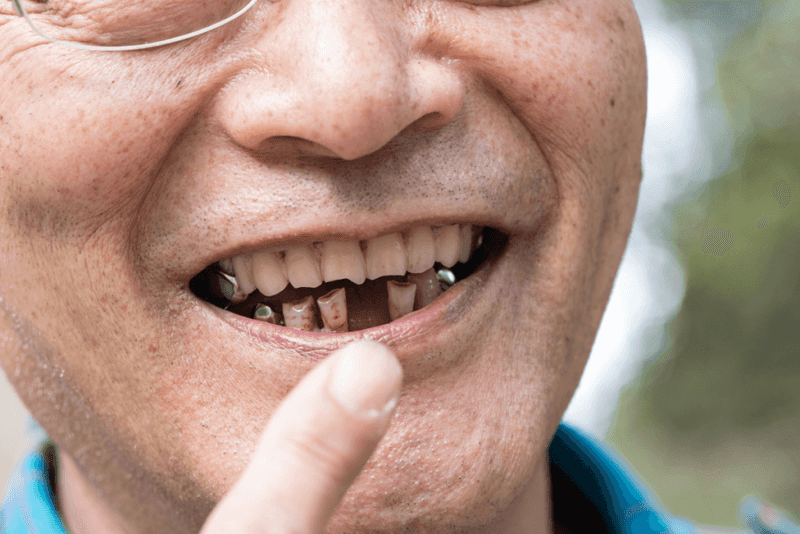
Beyond the sugar and acid found in most alcoholic drinks, alcohol itself causes dry mouth by reducing saliva production. Saliva is your mouth's natural defence system, washing away food particles and neutralising acids constantly.
When saliva flow drops, bacteria multiply faster and enamel becomes far more vulnerable to attack. Staying hydrated with water while drinking alcohol, and avoiding sweet mixers, are two easy steps that can make a real difference for your long-term dental health.
16. Carbonated Water
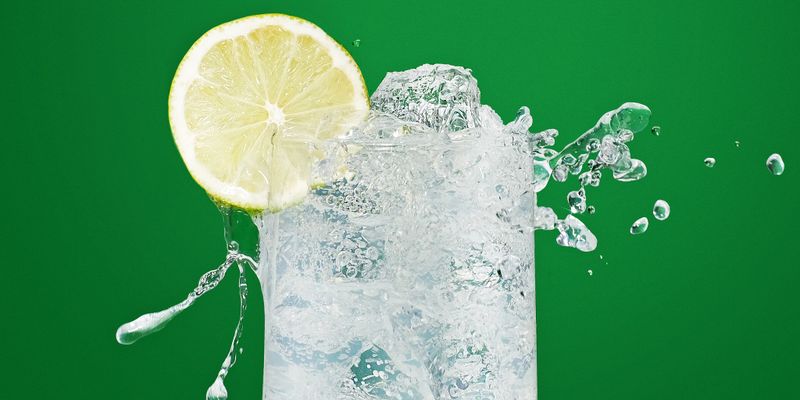
Sparkling water has earned a reputation as the healthy alternative to soda, and while it is certainly better, it is not entirely without risk for your teeth. The carbonation process creates carbonic acid, which gives fizzy water its refreshing tingle.
Plain sparkling water is far less damaging than flavoured varieties, which often contain added citric acid. Drinking it with meals rather than sipping it all day reduces the total acid exposure your enamel has to deal with.
17. Popcorn
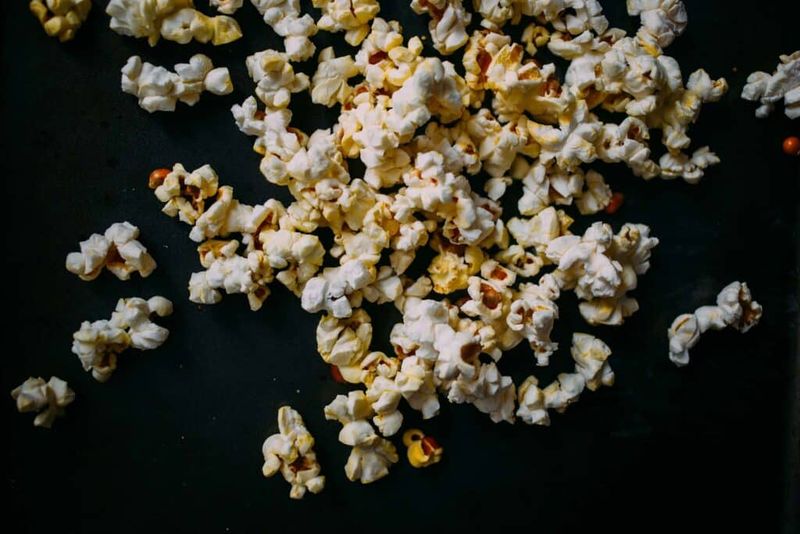
Popcorn is a fun snack, but those sneaky unpopped or partially popped kernels are genuinely dangerous for your teeth. Biting down on one unexpectedly can fracture a tooth or crack a filling in an instant.
The husks from popped kernels are also notorious for wedging deep between teeth and under the gumline, where they can cause irritation and even infection if left too long. Always floss after eating popcorn, and chew carefully to avoid biting down too hard on hidden kernels.




Comments
No Comments