













Some of the world's most beloved foods got their start not because of fancy recipes or famous chefs, but because they were simply easy to carry around. Whether packed for long journeys, sold on busy street corners, or tucked into a soldier's bag, portability shaped what people ate.
Foods that traveled well spread across cities, countries, and even continents. You might be surprised to learn just how many of your favorite snacks and meals became popular for one very practical reason.
1. Hardtack
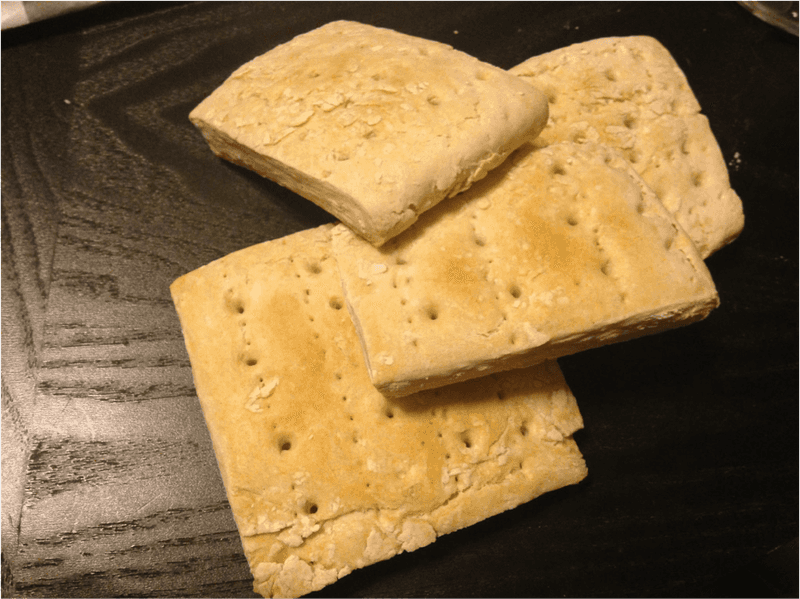
Long before energy bars existed, sailors and soldiers relied on hardtack to survive long journeys. This simple cracker, made from just flour, water, and salt, could last for months without spoiling.
Armies carried it during the Civil War, and sailors stuffed it into their bags before setting out to sea. It wasn't exactly delicious, but it was tough, compact, and nearly indestructible.
Hardtack proved that sometimes boring and practical beats fancy every time.
2. Jerky
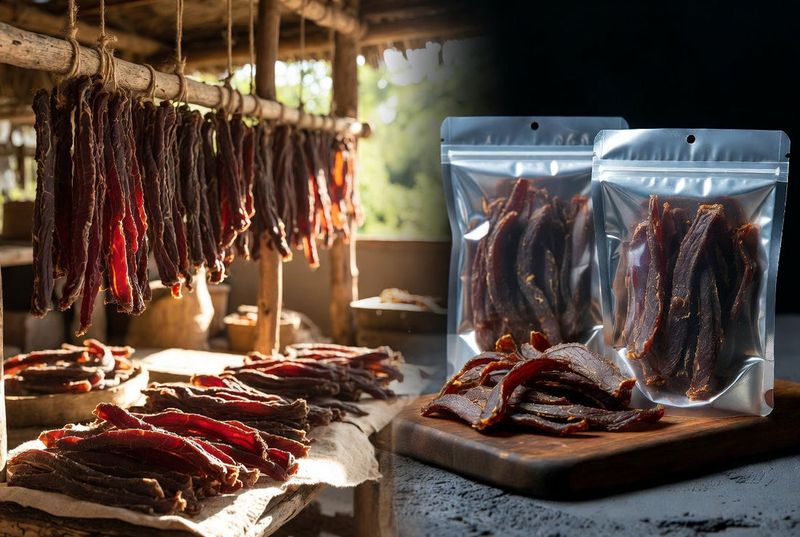
Before refrigerators existed, keeping meat fresh was nearly impossible on long trips. Jerky solved that problem by removing moisture from meat, making it last for weeks or even months without going bad.
Indigenous peoples across North America were drying meat this way long before European explorers arrived. Traders, hunters, and travelers all packed jerky because it was lightweight and packed with protein.
Today, it sits in gas stations and grocery stores worldwide, still popular for the same old reason.
3. Bread
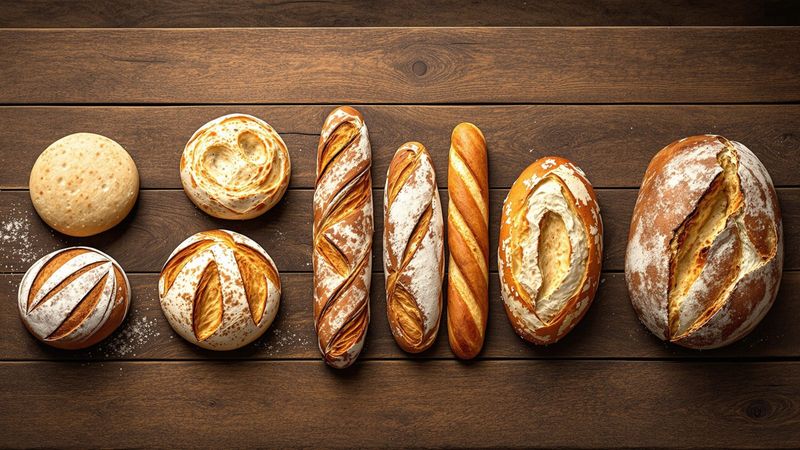
Bread might seem ordinary, but it quietly became one of the most traveled foods in human history. Ancient Egyptians baked flatbreads that soldiers and traders could easily carry across deserts and trade routes.
Unlike soups or stews, bread needed no bowl or spoon. You could wrap it up, tuck it under your arm, and head out the door.
Its solid structure and filling nature made it the original grab-and-go meal, long before fast food was ever a concept.
4. Cheese
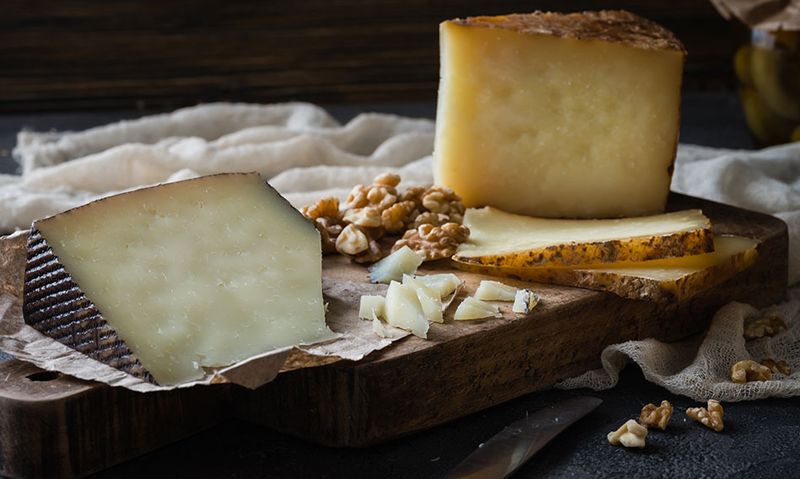
Cheese was essentially ancient people's way of making milk last much longer than it naturally would. Hard cheeses like parmesan and aged cheddar could survive weeks of travel without refrigeration, making them perfect cargo for traders and explorers.
Roman soldiers carried chunks of hard cheese as part of their daily rations. It was calorie-dense, compact, and didn't require cooking.
Cheese traveled so well that it helped spread dairy culture across Europe and beyond, one wagon at a time.
5. Dates
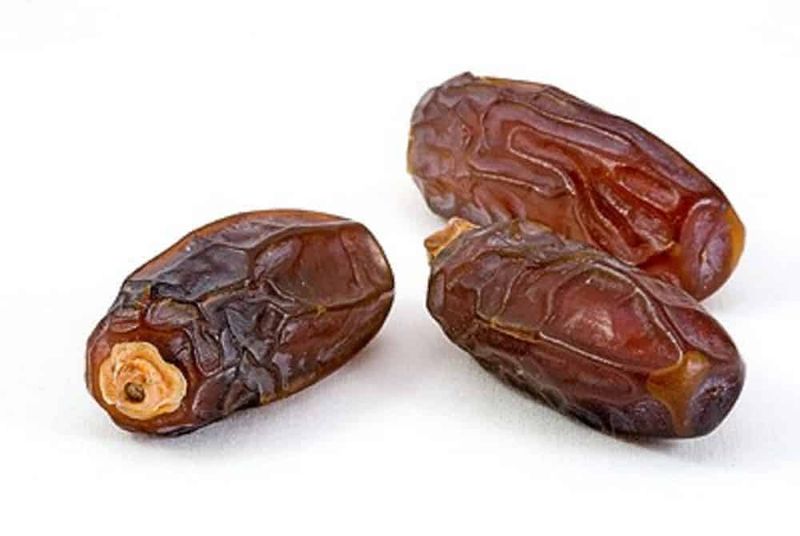
Across the vast deserts of the Middle East and North Africa, dates were the ultimate survival food for caravans and travelers. They're naturally high in sugar, giving quick energy, and they dry out beautifully without losing much nutritional value.
Merchants traveling the Silk Road packed them by the bagful. Because date palms grew abundantly in arid regions where little else survived, dates became a staple food that spread trade routes and shaped entire economies.
Sweet, sturdy, and seriously underrated.
6. Salted Fish
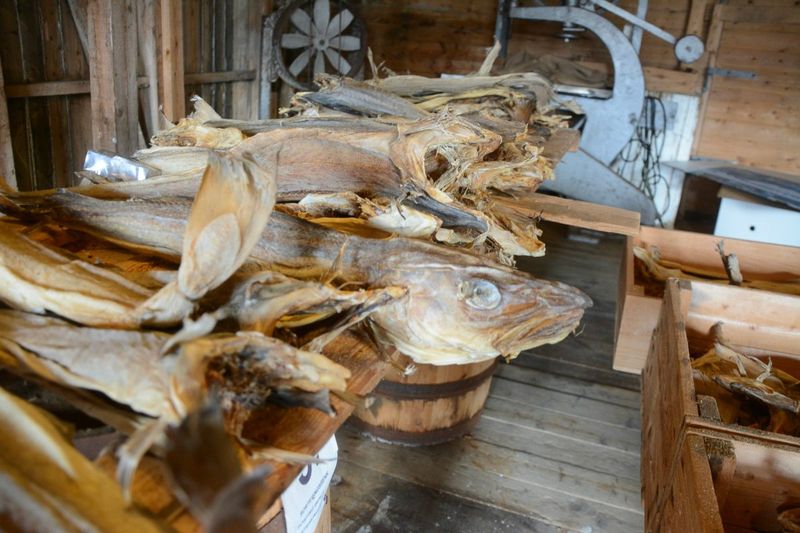
Before the age of canned goods, salting fish was the most reliable way to preserve seafood for long-distance travel. Vikings, Portuguese explorers, and West African traders all relied on salted cod and other fish to feed crews on months-long voyages.
Salting pulls out moisture, stopping bacteria from spoiling the food. This made it possible to carry protein across oceans without it rotting.
Salted fish became so valuable that it literally shaped global trade routes and even influenced colonial economies for centuries.
7. Nuts
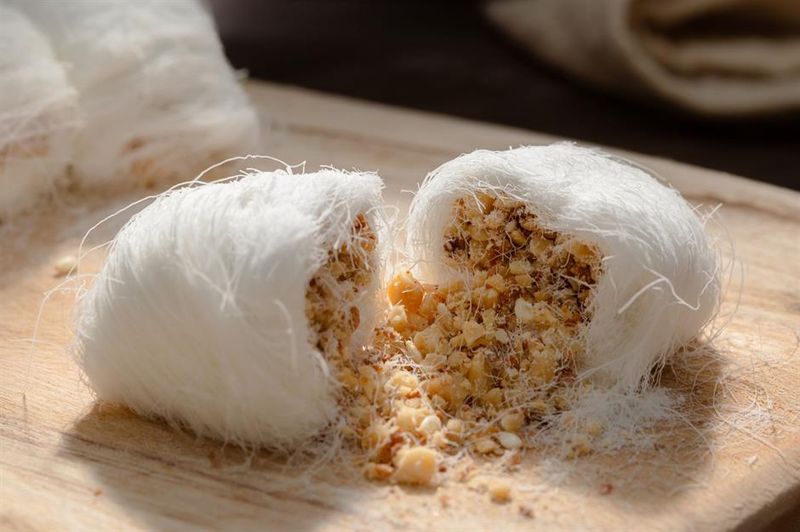
Nuts have been the original trail mix since humans first started walking long distances. They come naturally sealed in a shell, are packed with fat and protein, and don't need any preparation before eating.
Ancient traders along the Silk Road snacked on almonds and walnuts during grueling journeys across mountains and deserts. Because nuts are so calorie-dense, a small handful could fuel hours of hard travel.
Their built-in packaging made them one of the most naturally portable foods ever.
8. Pemmican
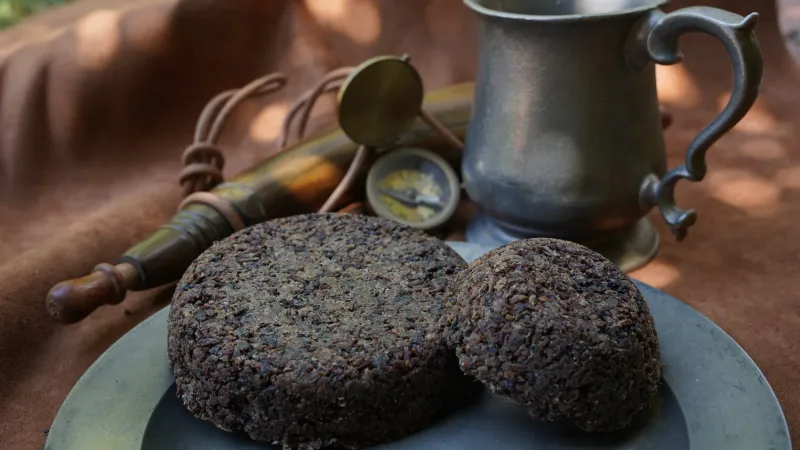
Pemmican might be the most efficient travel food ever invented. Created by Indigenous peoples of North America, it combined dried meat, rendered fat, and sometimes berries into a dense, compact cake that could last for years.
Fur traders and Arctic explorers later adopted it enthusiastically, calling it the perfect survival ration. A small amount delivered an enormous number of calories, which was critical in freezing temperatures far from any food source.
It was basically nature's original energy bar, only far more powerful.
9. Rice
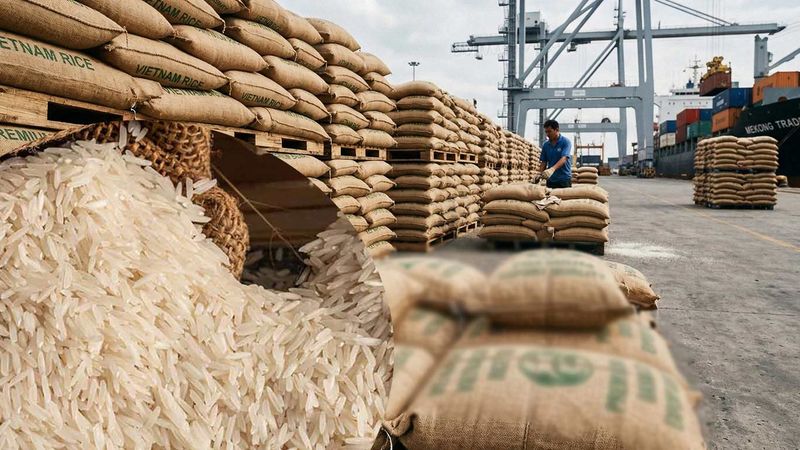
Rice became one of the world's most important staple foods partly because it stores beautifully. Dry, uncooked rice can last for years when kept away from moisture, making it ideal for long sea voyages and overland trade caravans.
Asian merchants and explorers carried rice across oceans, spreading it from Southeast Asia to the Middle East, Africa, and eventually the Americas. Ships stocked enormous quantities of it because it was cheap, filling, and reliable.
That easy storage helped rice conquer the world's dinner tables.
10. Hardboiled Eggs
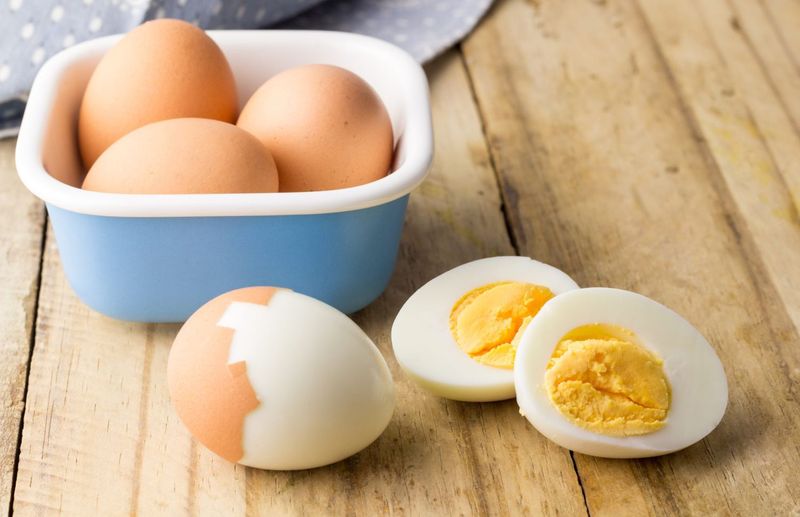
Raw eggs crack, spill, and go bad quickly, but boiling them changes everything. A hardboiled egg becomes a self-contained, protein-packed snack with its own natural shell acting as a carrying case.
Travelers in ancient Rome and medieval Europe tucked hardboiled eggs into their bags for journeys on foot or horseback. They required no utensils, no preparation, and no cooking on the road.
Simple and satisfying, they've been a road-trip staple across cultures for thousands of years without ever needing a redesign.
11. Crackers
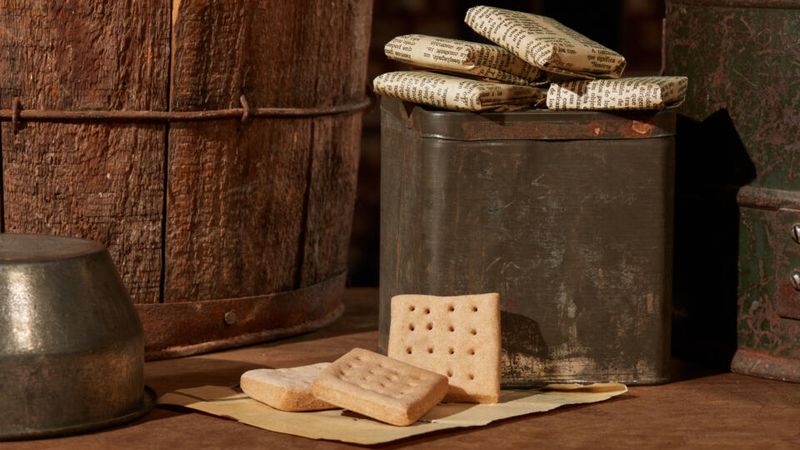
Crackers exist because people needed something between bread and hardtack, something that wouldn't mold quickly but was still pleasant to eat. Their low moisture content means they resist spoiling for weeks, even without refrigeration.
Ship captains stocked crackers as rations, and 19th-century travelers packed them for train and stagecoach journeys. Graham crackers, water crackers, and ship's biscuits all evolved from the same practical need.
Even today, crackers remain a pantry staple because their shelf life and portability are practically unbeatable.
12. Pickles
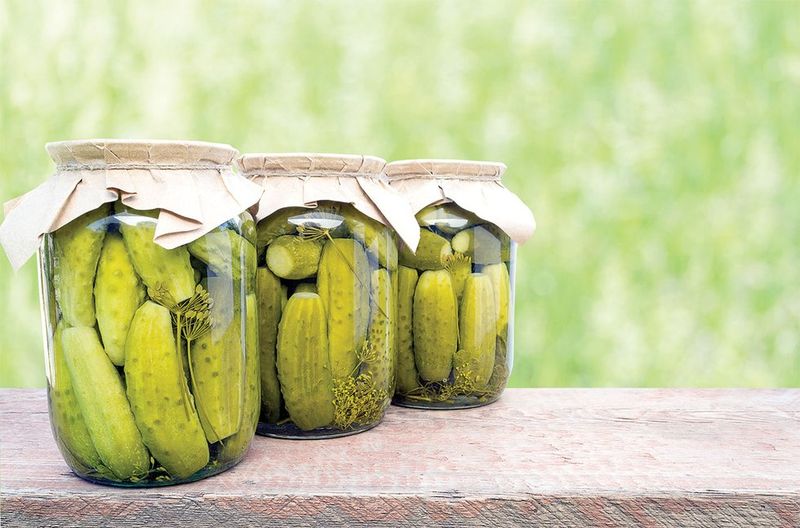
Pickling is one of humanity's oldest food preservation tricks, and it worked brilliantly for transport. Submerging vegetables in vinegar or brine stops bacteria from growing, letting food survive long journeys in barrels or jars.
Sailors famously ate pickles to prevent scurvy on long ocean voyages because the fermented vegetables retained vitamin C. Cleopatra reportedly credited pickles for her beauty, and Julius Caesar fed them to his army for strength.
Few foods have such a dramatic and globe-trotting history packed into a simple jar.
13. Dried Fruit
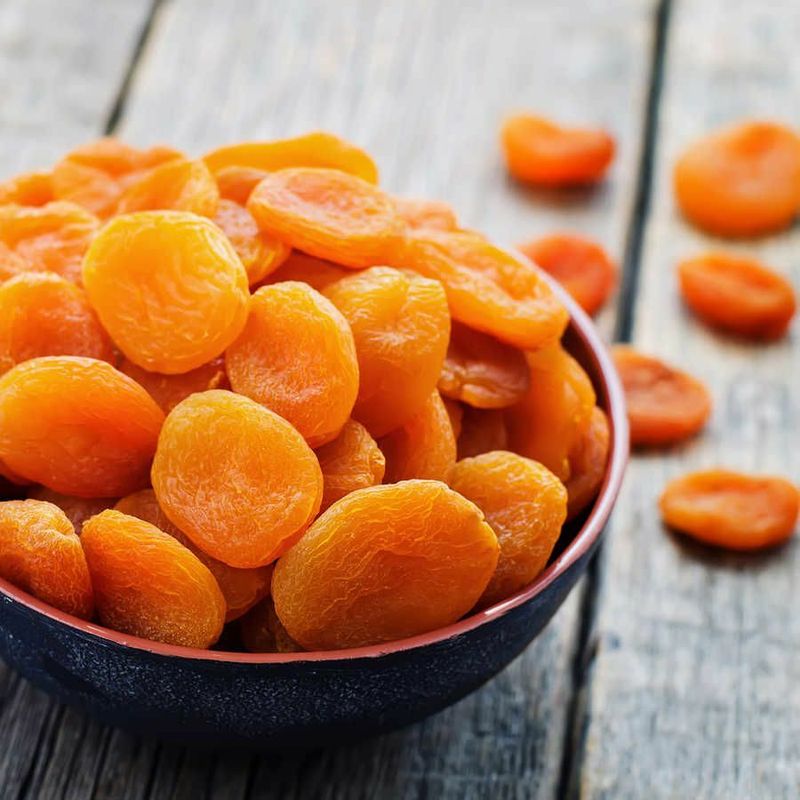
Removing water from fruit concentrates its flavor, sweetness, and nutrients while dramatically extending its shelf life. Ancient Persians and Greeks dried figs, apricots, and grapes into raisins to carry on military campaigns and merchant voyages.
A handful of dried fruit weighs almost nothing compared to fresh fruit but delivers similar nutrition. Arab traders packed dried dates and figs across desert routes, and Crusader armies carried dried fruit as a lightweight energy source.
The concept hasn't changed much because it was already near perfect from the start.
14. Flatbread
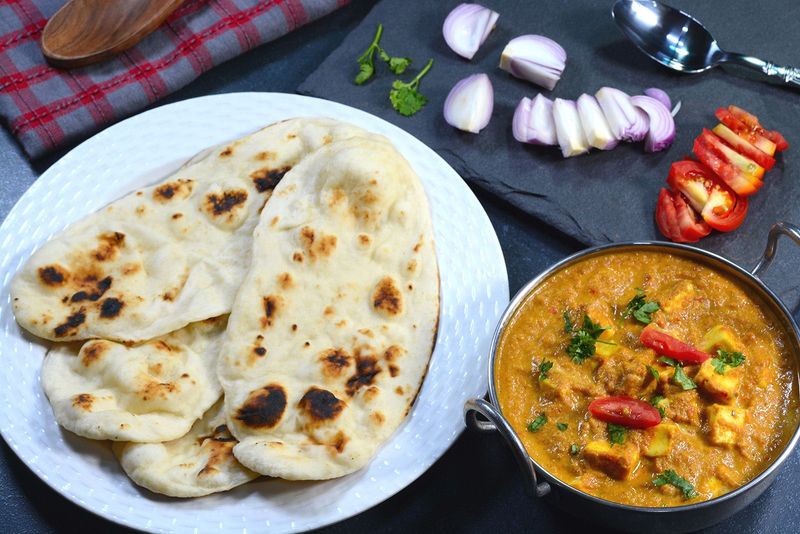
Flatbreads like tortillas, naan, and pita have one major advantage over fluffy loaves: they don't crumble or fall apart easily. Their thin, flexible structure makes them ideal for wrapping around other foods or folding into a pocket for quick eating on the move.
Nomadic peoples across Central Asia, the Middle East, and the Americas depended on flatbreads because they could be made quickly over an open fire. Armies, traders, and travelers all carried them.
Flatbread basically invented the concept of the edible plate long before anyone thought of the sandwich.
15. Chocolate
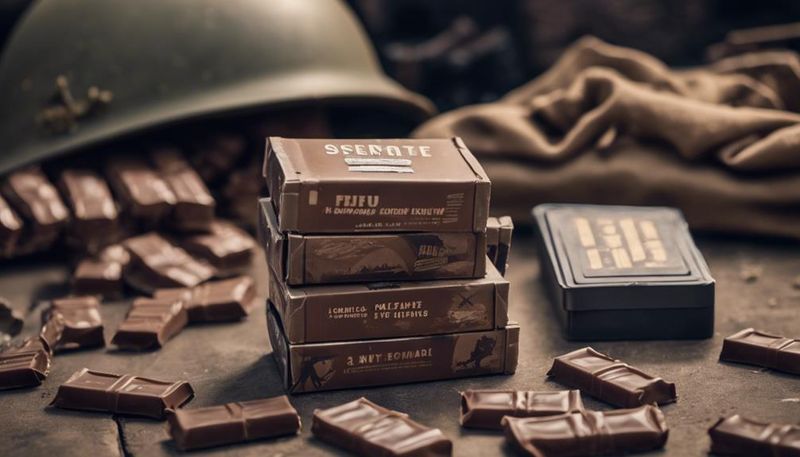
When Spanish explorers brought cacao back from the Americas, chocolate was a luxury drink, not a bar. The transformation into solid chocolate in the 1800s made it suddenly very easy to pack, carry, and trade across long distances.
Military rations during both World Wars included chocolate bars because they were calorie-dense, mood-boosting, and didn't require cooking. The compact bar format was a deliberate design choice for portability.
That same logic is why chocolate bars remain the go-to snack for hikers, travelers, and anyone needing a quick energy boost today.
16. Canned Goods
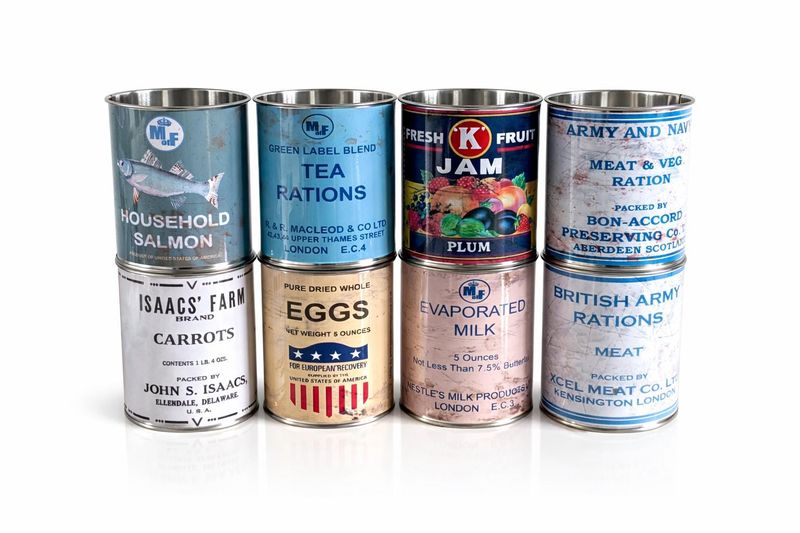
Napoleon Bonaparte is often credited with inspiring the invention of canned food. He needed a way to feed his massive army on long campaigns, and canning, developed in the early 1800s, solved that problem brilliantly.
Sealed metal cans kept food fresh for years without refrigeration and could handle rough handling during transport. Explorers, soldiers, and ship crews immediately adopted canned goods.
The technology revolutionized not just travel food but everyday eating, giving ordinary families access to foods grown far from home for the very first time.
17. Apples
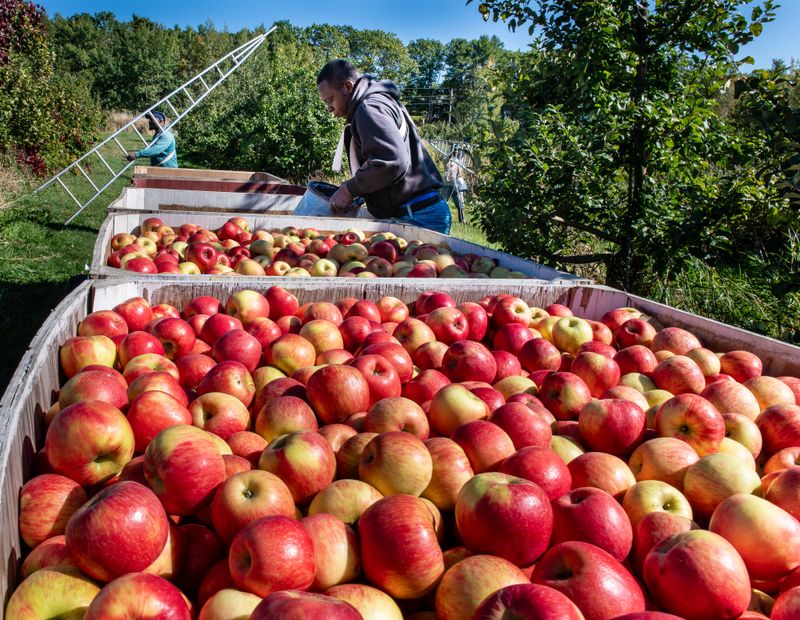
Apples come with their own built-in packaging, a tough skin that protects the juicy inside during transport. Unlike berries or peaches, apples don't bruise easily and can stay fresh for weeks in cool conditions without any special treatment.
European settlers planted apple orchards across North America partly because apples traveled so well from village to village and farm to farm. Johnny Appleseed became a legend spreading apple trees across the frontier.
The apple's natural durability helped it become one of the most widely grown and transported fruits in world history.




Comments
No Comments