













Some foods seem impossible to stop eating, yet you finish them feeling just as hungry as when you started. It turns out, certain foods are designed or naturally built in a way that tricks your body into wanting more.
Understanding which foods do this can help you make smarter choices and actually feel full. Read on to find out which 17 foods are the biggest culprits.
1. Potato Chips
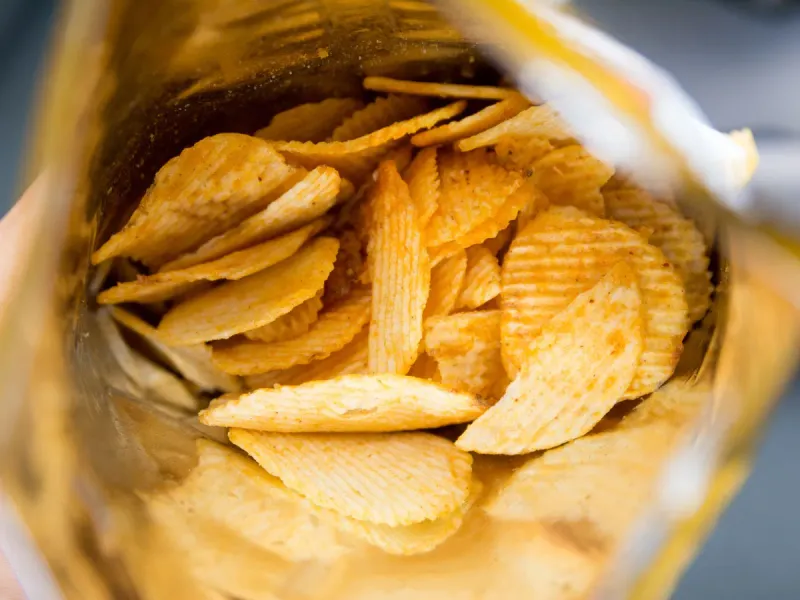
One chip is never enough, and science actually backs that up. Potato chips are engineered with the perfect combination of salt, fat, and crunch that keeps your brain asking for more.
They digest quickly, meaning your stomach empties fast and hunger returns almost immediately.
Because chips are mostly air and starch, they offer very little protein or fiber to signal fullness. Swapping chips for popcorn or roasted nuts can satisfy that crunchy craving while actually filling you up.
2. White Bread
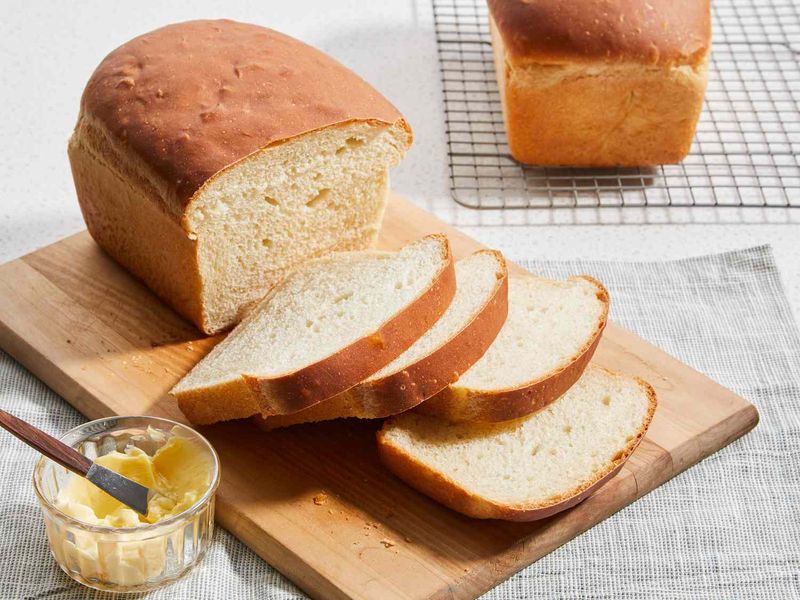
White bread has a sneaky way of disappearing slice by slice without ever making you feel satisfied. Stripped of most fiber and nutrients during processing, it causes a quick blood sugar spike followed by a sharp crash that leaves you craving even more carbs.
Many people eat two or three slices thinking they had a light snack, only to feel hungry again within an hour. Choosing whole grain bread instead gives your body more lasting fuel.
3. Sugary Breakfast Cereals
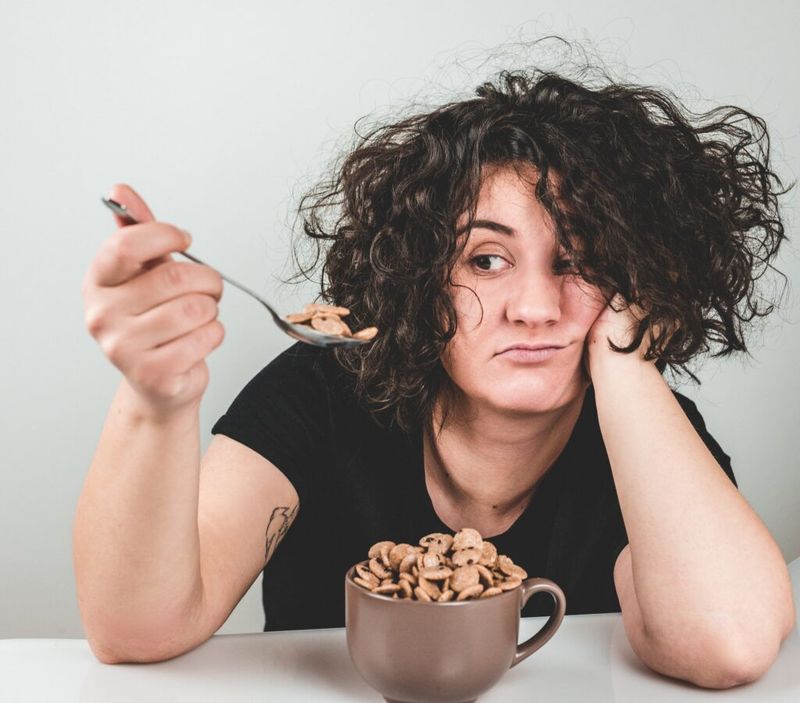
Marketed as a healthy morning meal, many breakfast cereals are closer to candy than real nutrition. The high sugar content causes an energy spike that crashes within an hour, leaving kids and adults alike reaching for a second bowl before lunchtime even crosses their mind.
Most cereals also lack enough protein or healthy fat to keep hunger away. Reading labels carefully and choosing cereals with at least 5 grams of fiber per serving makes a noticeable difference in how long you stay full.
4. Ice Cream
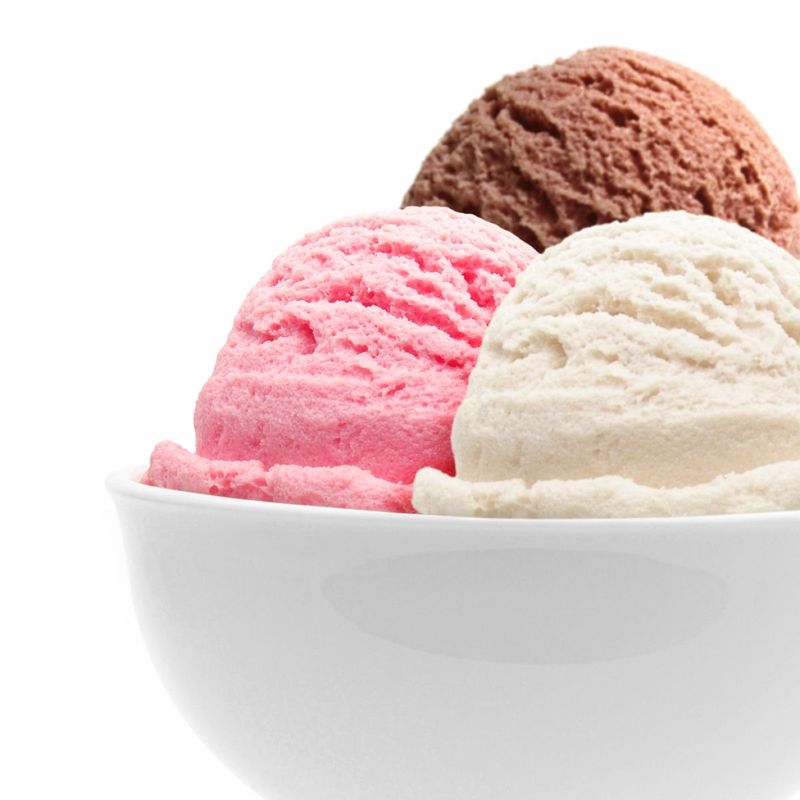
Cold, creamy, and sweet, ice cream is one of those foods that somehow bypasses your brain's fullness signals entirely. Research shows that the cold temperature can slightly numb taste receptors, causing people to eat more before the sweetness fully registers.
Fat and sugar together also trigger the brain's reward center, making it feel less like eating and more like a treat that deserves repeating. Portioning ice cream into a small bowl rather than eating from the container helps a lot.
5. Fast Food French Fries
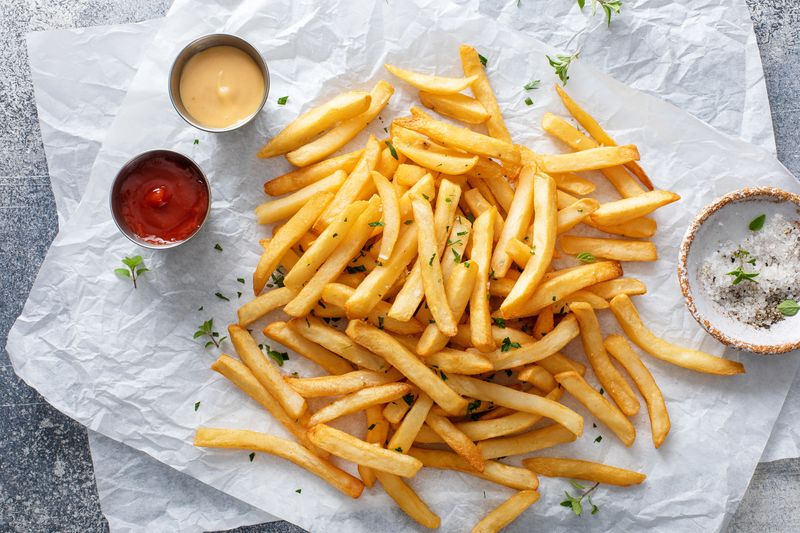
Fast food fries hit nearly every pleasure button your brain has, combining salt, fat, and starch into one irresistible package. The problem is they are calorie-dense but nutritionally hollow, offering almost no protein or fiber to trigger your body's fullness hormones.
Studies show people consistently underestimate how many fries they actually eat in one sitting. Pairing a smaller portion with a protein-rich option like grilled chicken helps balance the meal and keeps you from going back for more.
6. Soda and Sugary Drinks
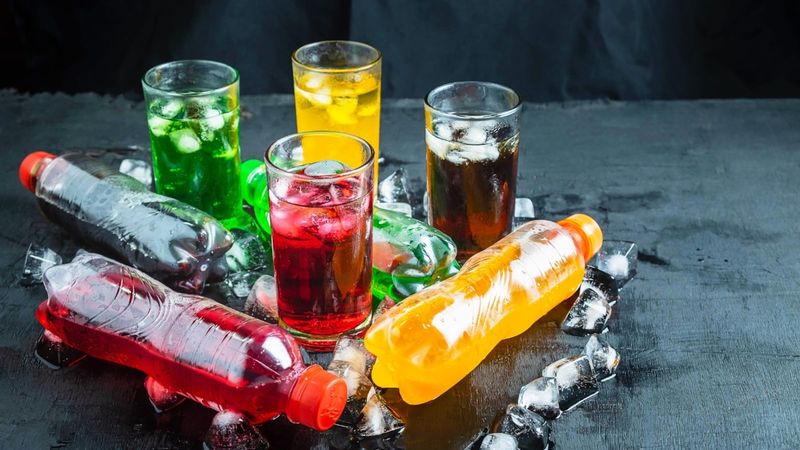
Liquid calories are one of the most overlooked causes of overeating. Your brain does not register drinks the same way it registers food, so a 300-calorie soda adds to your daily intake without reducing how much solid food you want to eat afterward.
The sugar rush from soda also triggers insulin spikes that can increase appetite rather than reduce it. Switching to water, sparkling water, or unsweetened tea lets you stay hydrated without accidentally consuming hundreds of extra calories each day.
7. Crackers
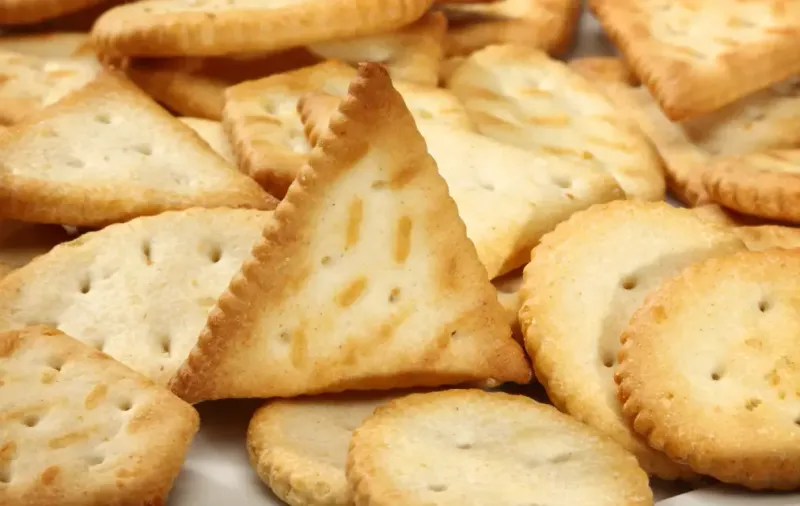
Crackers seem harmless because they are small, but that is exactly what makes them so easy to overeat. Most people grab a handful while watching TV or working and end up finishing half the box without even noticing.
Like white bread, crackers are made from refined flour that digests quickly and offers little staying power.
The salty flavor also encourages you to keep eating past the point of actual hunger. Pairing crackers with hummus or nut butter adds protein that helps slow things down.
8. Candy
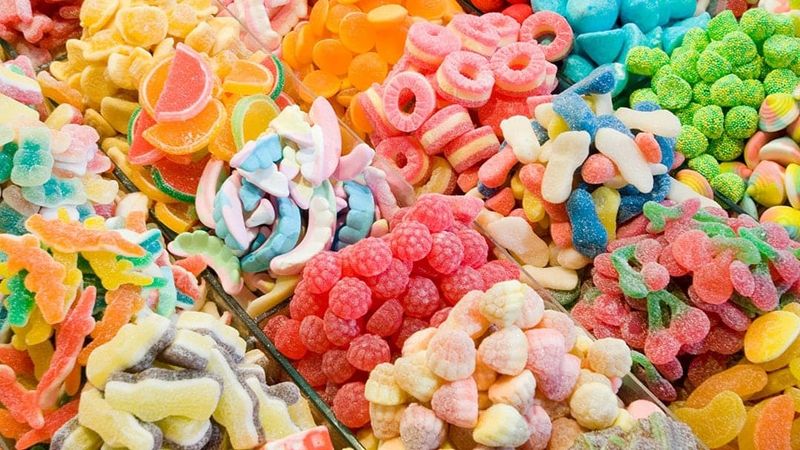
Pure sugar with almost no fiber, protein, or fat, candy is practically designed to be eaten in excess. It dissolves quickly, provides a brief burst of energy, and then leaves your blood sugar crashing, which signals your brain to seek more sweet food almost immediately.
Gummy candies are especially tricky because their chewy texture makes eating them feel like an activity rather than a snack. Keeping candy out of easy reach or replacing it with fruit can help break the cycle of mindless munching.
9. Pizza
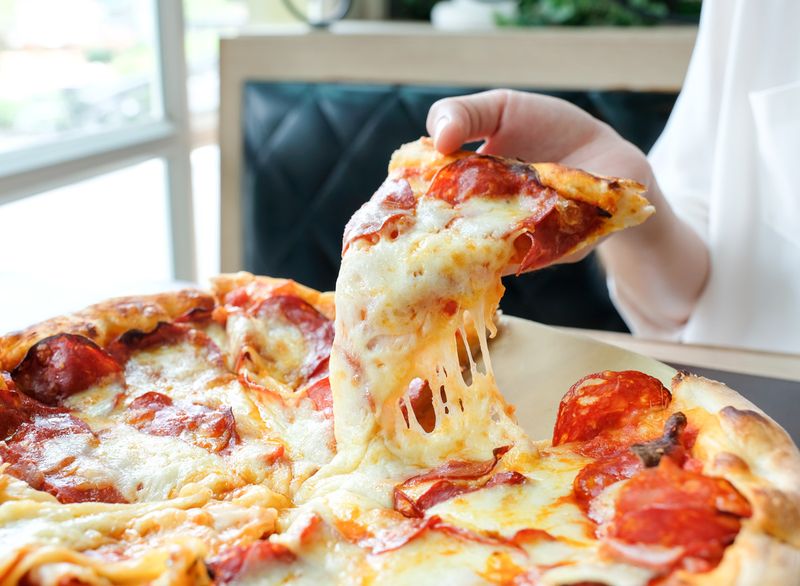
Pizza is one of those foods where one slice almost always turns into four. The combination of refined dough, rich cheese, salty toppings, and savory sauce activates multiple reward pathways in the brain simultaneously, making it very hard to stop eating.
Because pizza takes time to digest and the fullness signal lags behind eating by about 20 minutes, most people finish several slices before their body even registers the first one. Eating slowly and starting with a side salad helps prevent overdoing it.
10. Flavored Yogurt
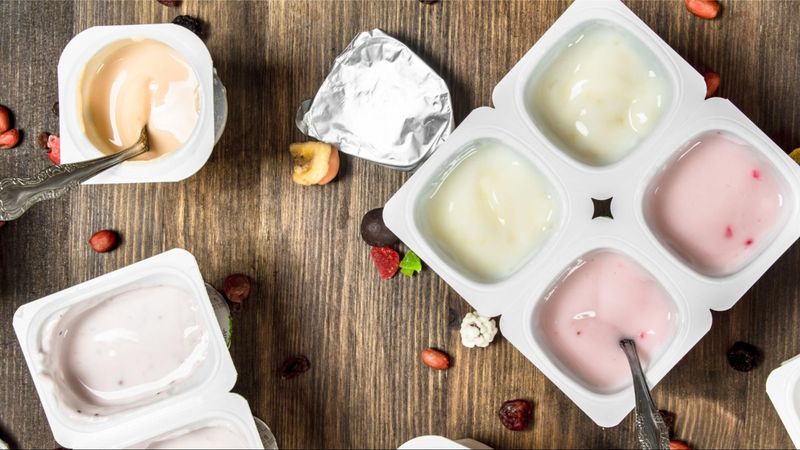
Yogurt sounds like the ultimate healthy snack, but many flavored varieties contain as much sugar as a candy bar. That sugar rush leads to the same energy spike and crash cycle that sends you back to the fridge shortly after finishing the cup.
Plain Greek yogurt with real fruit is a far more satisfying option because it has significantly more protein and far less added sugar. Protein is one of the most effective nutrients for keeping hunger at bay between meals.
11. Pretzels
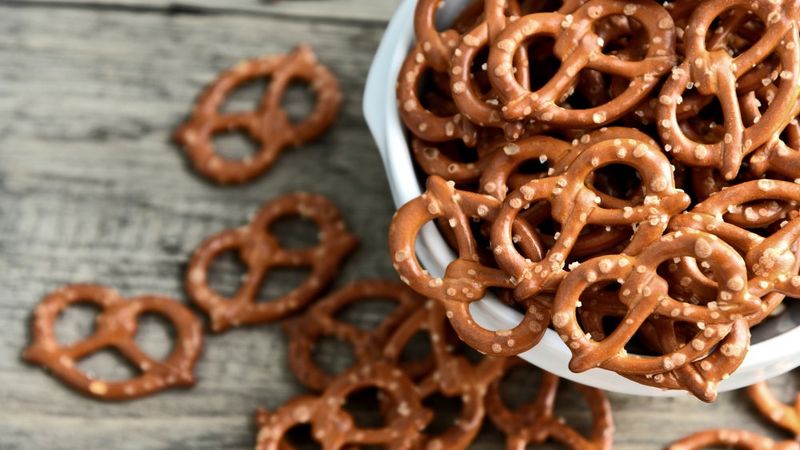
Pretzels have a reputation for being a low-fat snack, which makes people feel totally justified eating large quantities of them. What the low-fat label hides is that pretzels are almost entirely refined carbohydrates with virtually no protein, fiber, or healthy fat to help you feel full.
Their salty flavor also stimulates thirst, and people sometimes confuse thirst with hunger, leading to even more snacking. Eating a small handful alongside a protein source like cheese or turkey is a smarter approach.
12. Fruit Juice
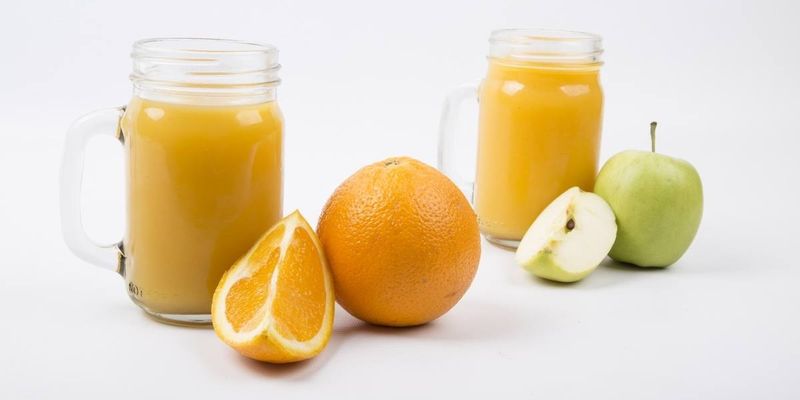
Many parents pour fruit juice thinking it is just as healthy as eating whole fruit, but the two are very different nutritionally. Juicing removes nearly all the fiber from fruit, leaving behind concentrated sugar water that your body absorbs very quickly without triggering any real sense of fullness.
A single glass of apple juice can contain as much sugar as a can of soda. Eating a whole apple instead gives you fiber, water content, and natural sweetness that actually satisfies hunger rather than amplifying it.
13. Instant Noodles
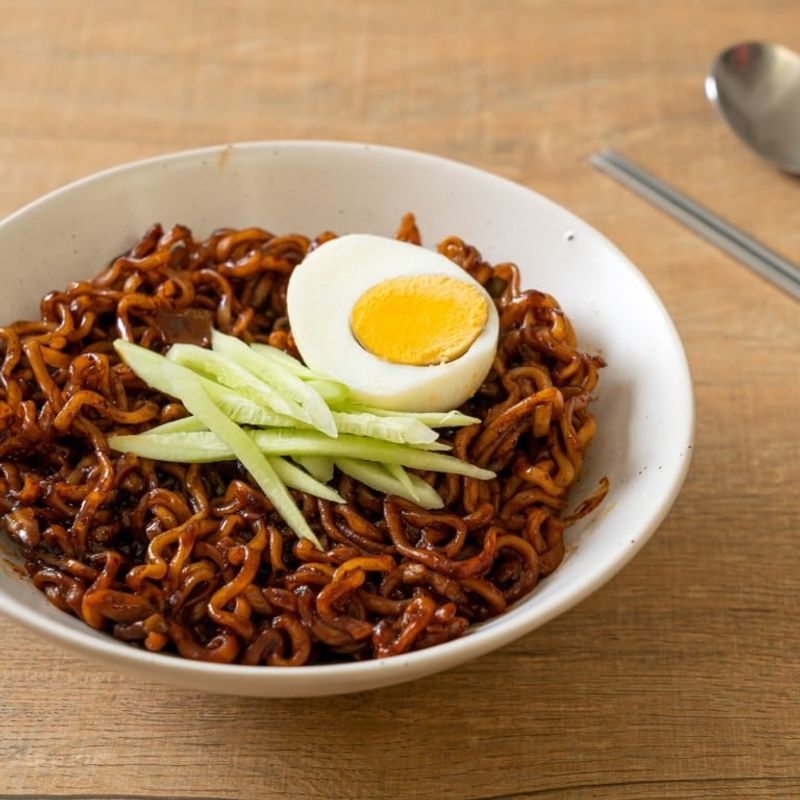
Cheap, fast, and undeniably tasty, instant noodles are a go-to comfort food for millions of people around the world. The problem is they are almost entirely refined starch and sodium, with very little protein or fiber to slow digestion and signal your brain that the meal is done.
Most people feel hungry again within 90 minutes of finishing a bowl. Adding an egg, some vegetables, or a handful of edamame transforms instant noodles into a much more balanced and satisfying meal.
14. Cheese
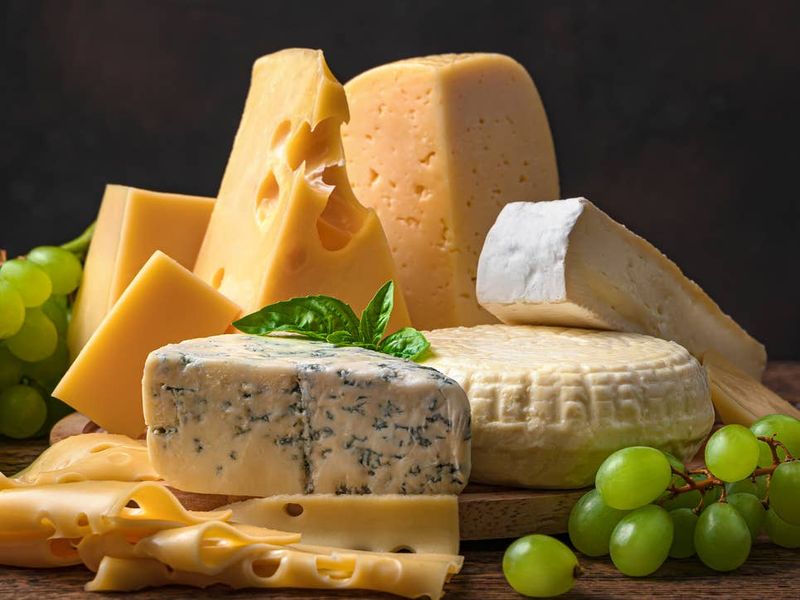
Cheese is one of those foods that sneaks up on you at parties or during snack time. Its rich, savory flavor is deeply satisfying in small amounts, but the high fat content can delay the sensation of fullness, meaning you often eat much more than intended before your body catches up.
Salty cheeses in particular encourage continued eating because salt enhances flavor and triggers thirst simultaneously. Slicing cheese into pre-portioned pieces before snacking is a simple trick that makes it much easier to stay aware of how much you are eating.
15. Granola
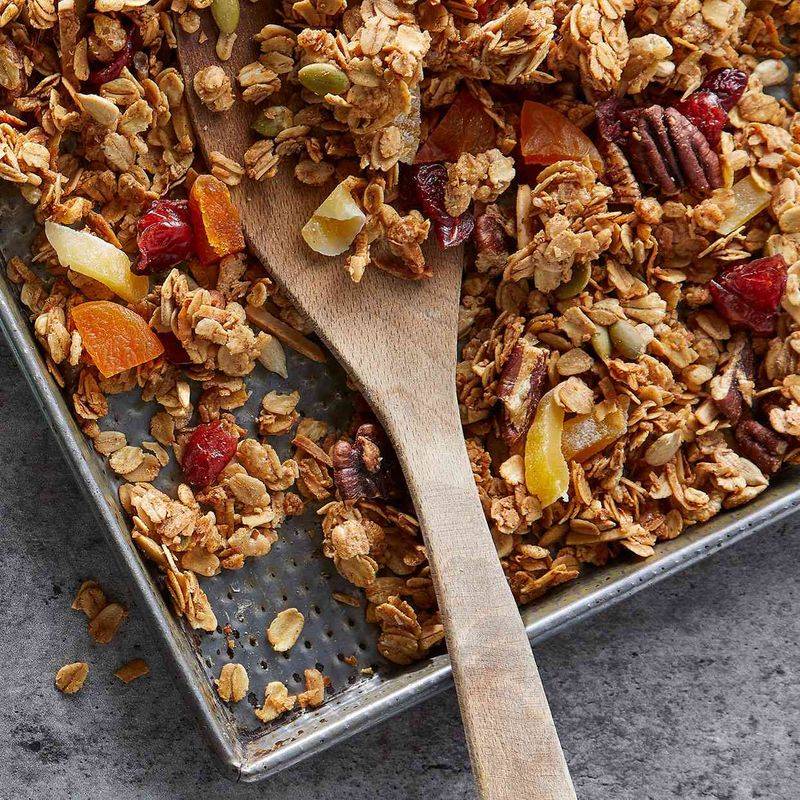
Granola wears a health halo that it does not always deserve. Many store-bought varieties are loaded with added sugars and oils, making them more similar to a dessert topping than a nutritious breakfast.
A single serving is typically just a quarter cup, which most people dramatically underestimate when pouring from the bag.
Eating three or four times the recommended serving adds up to hundreds of extra calories quickly. Making granola at home with less sugar or pairing it with protein-rich Greek yogurt helps keep portions honest.
16. Popcorn
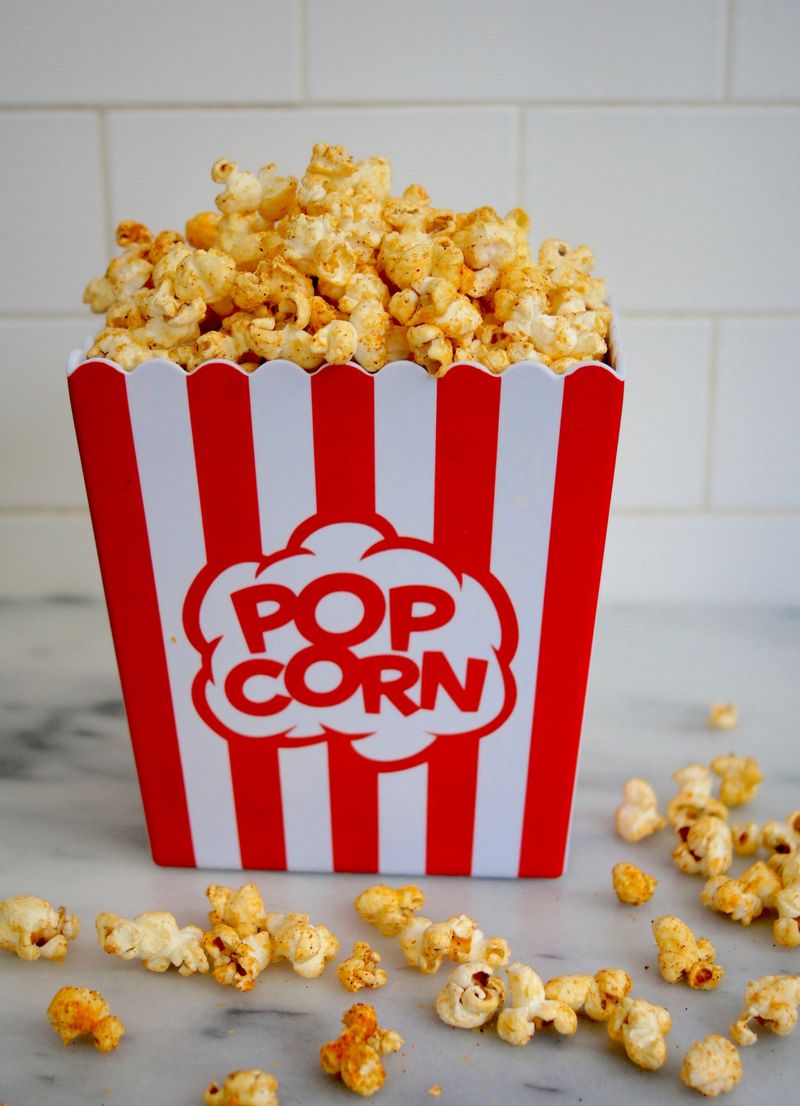
Air-popped popcorn on its own is actually a decent snack, but the movie theater or heavily buttered microwave version is a completely different story. The sheer volume of popcorn means you can eat for a long time without consuming many bites, which tricks your brain into thinking you are snacking lightly when you are not.
Flavored coatings like caramel, cheese powder, or extra butter can turn a bowl of popcorn into a calorie bomb. Sticking to lightly salted or air-popped versions keeps it a genuinely reasonable snack option.
17. Chocolate

Almost everyone has had the experience of intending to eat one square of chocolate and finishing the entire bar. Chocolate combines sugar, fat, and in some cases caffeine, creating a trifecta that powerfully activates the brain's reward system and makes stopping feel genuinely difficult.
Milk chocolate tends to be easier to overeat than dark chocolate because its higher sugar content keeps the cycle of craving going longer. Opting for a small piece of high-quality dark chocolate with 70 percent or more cacao tends to satisfy the craving with much less.




Comments
No Comments