













Growing up in Britain during the 1970s meant eating some truly memorable meals. From tinned spaghetti on toast to prawn cocktails at dinner parties, the food of that era had a personality all its own.
Many of these dishes might seem strange or even funny to younger generations, but for Baby Boomers, they bring back warm and vivid memories. Take a trip back in time with these 17 iconic foods that defined British kitchens in the 70s.
1. Prawn Cocktail
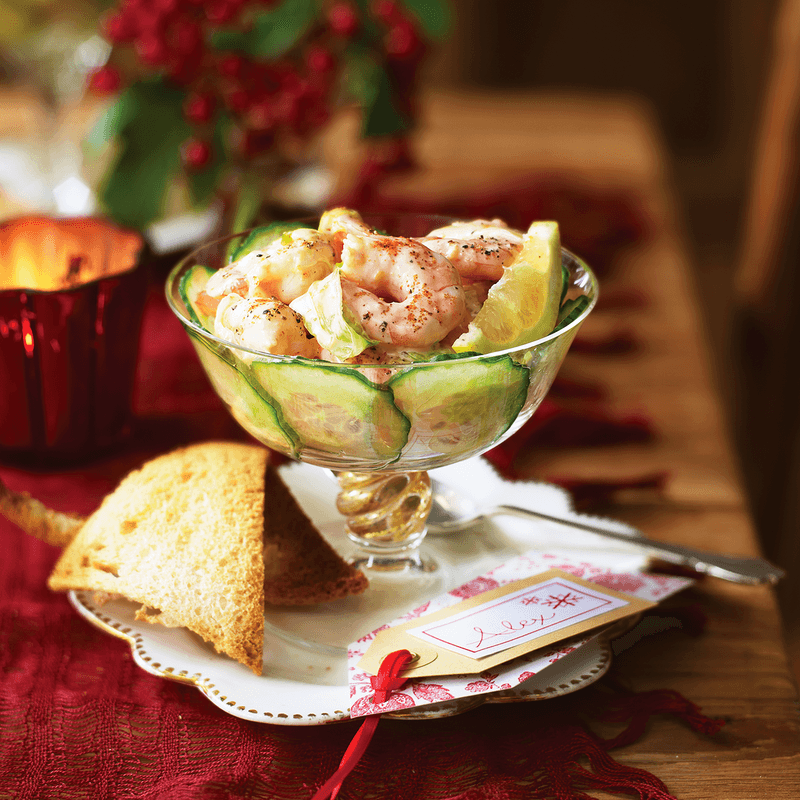
No dinner party in 1970s Britain was complete without a prawn cocktail sitting proudly at the table. It was the ultimate starter that made guests feel like they were dining somewhere fancy.
The combination of cold prawns, crisp iceberg lettuce, and that tangy Marie Rose sauce felt genuinely luxurious back then.
Mums across the country perfected their own versions, adjusting the sauce ratio just so. It remains one of the most fondly remembered dishes of the decade.
2. Tinned Spaghetti on Toast
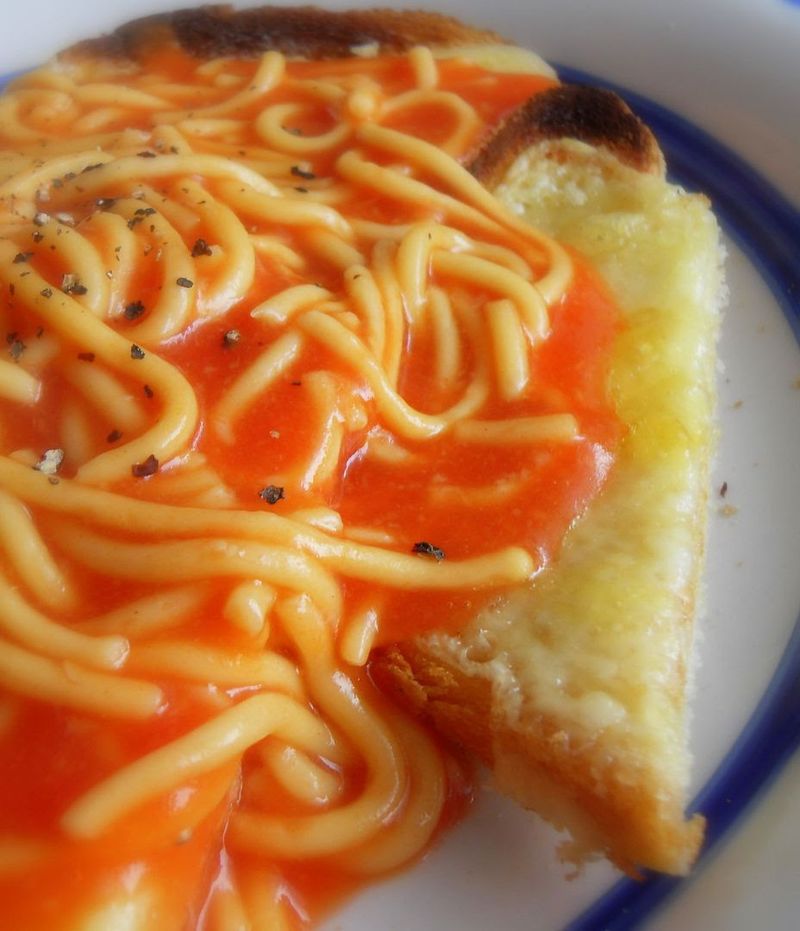
Tinned spaghetti on toast was practically a food group on its own for British kids in the 70s. Heinz made it famous, and millions of children ate it after school without a second thought.
The soft, slightly sweet pasta in tomato sauce piled onto buttered white toast was pure comfort food.
Parents loved it too because it was quick, cheap, and required almost no cooking. Simple pleasures rarely get better than this childhood staple.
3. Black Forest Gateau
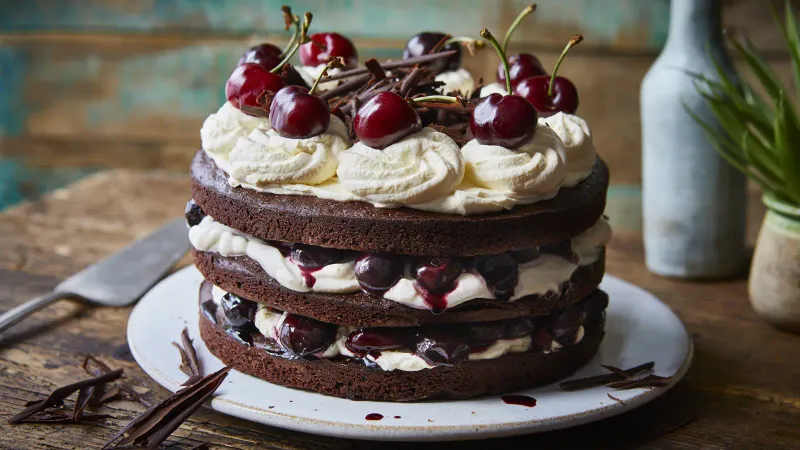
Rich, dramatic, and absolutely indulgent, the Black Forest Gateau was the showstopper dessert of every 1970s British celebration. Layers of dark chocolate sponge, whipped cream, and boozy cherries made it feel genuinely grown-up and impressive.
Pulling one out of the fridge at a dinner party was a serious power move.
It came to Britain via Germany and quickly became a national obsession. Even today, spotting one on a menu triggers an instant wave of nostalgia for Boomers everywhere.
4. Coronation Chicken
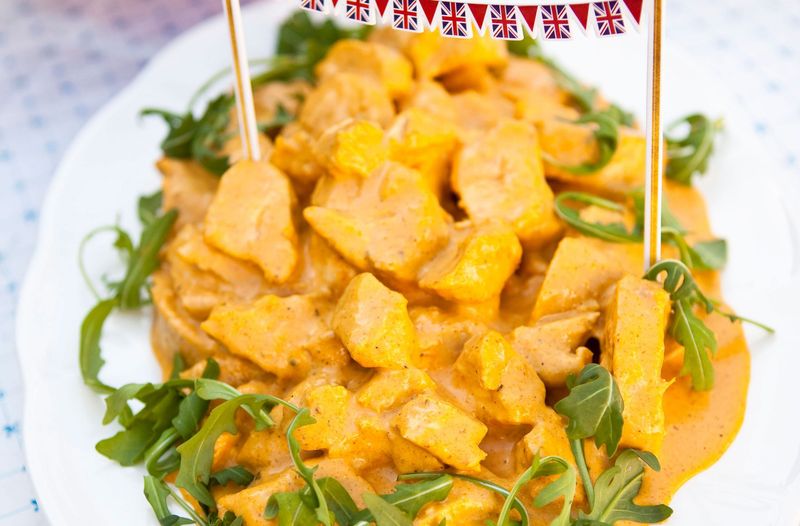
Technically invented for the Queen's coronation in 1953, coronation chicken truly hit its stride in British homes throughout the 1970s. That creamy, mildly curried sauce with plump sultanas felt excitingly exotic compared to everyday British cooking.
It showed up at buffets, on jacket potatoes, and stuffed into sandwiches at every imaginable gathering.
The flavour combination was unlike anything else on the table. For many Boomers, it represented the first real flirtation with international-inspired flavours in their kitchens.
5. Angel Delight
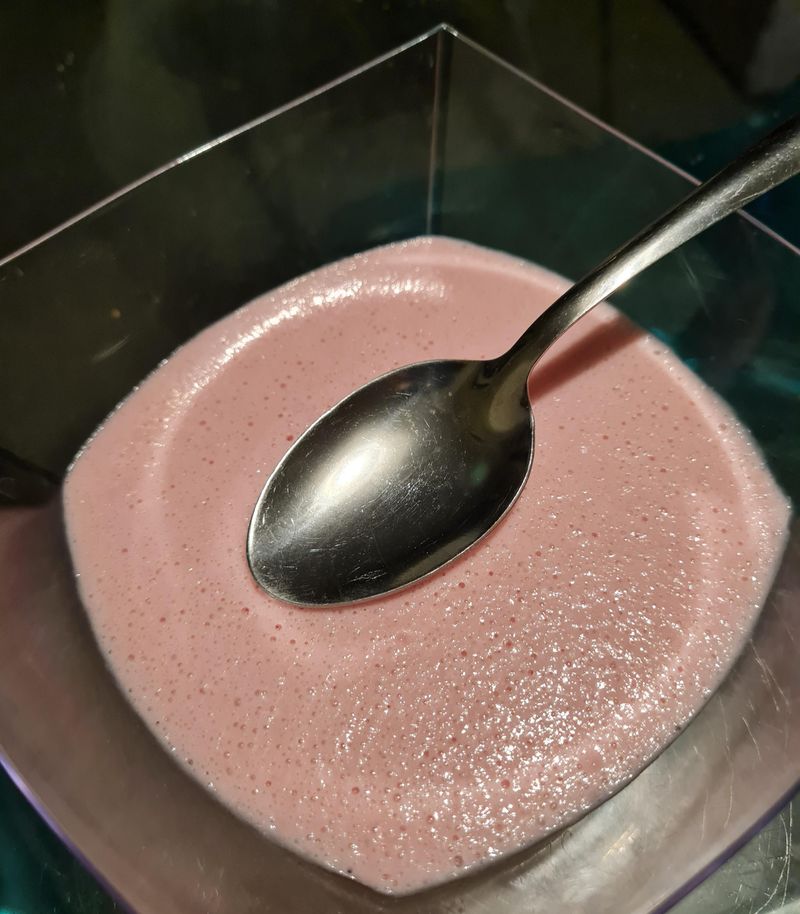
Angel Delight was basically magic in a packet. You mixed the powder with cold milk, whisked it up, and within minutes had a light, mousse-like pudding that kids absolutely adored.
Strawberry and butterscotch were the flavours that defined a generation of British childhoods.
It required almost no skill to make, which meant children could prepare it themselves as a special treat. The texture was unlike anything else, somewhere between a cloud and a pudding, and entirely unforgettable.
6. Spam Fritters
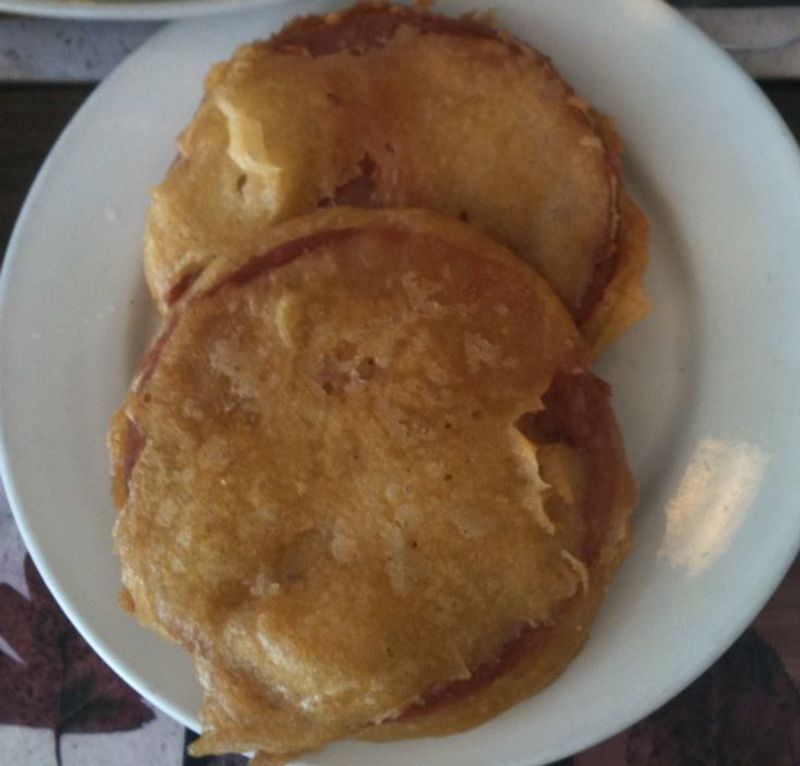
Spam had been around since wartime rationing, but it genuinely thrived in 1970s British kitchens. Sliced, battered, and fried until golden, Spam fritters were a proper teatime staple in many households.
Served alongside chips and beans, they felt hearty and satisfying in that no-nonsense British way.
School canteens served them regularly, and most Boomers have a vivid memory of that distinctive salty, meaty smell. Love it or hate it, Spam fritters were undeniably part of the 70s food landscape.
7. Cheese and Pineapple on Sticks
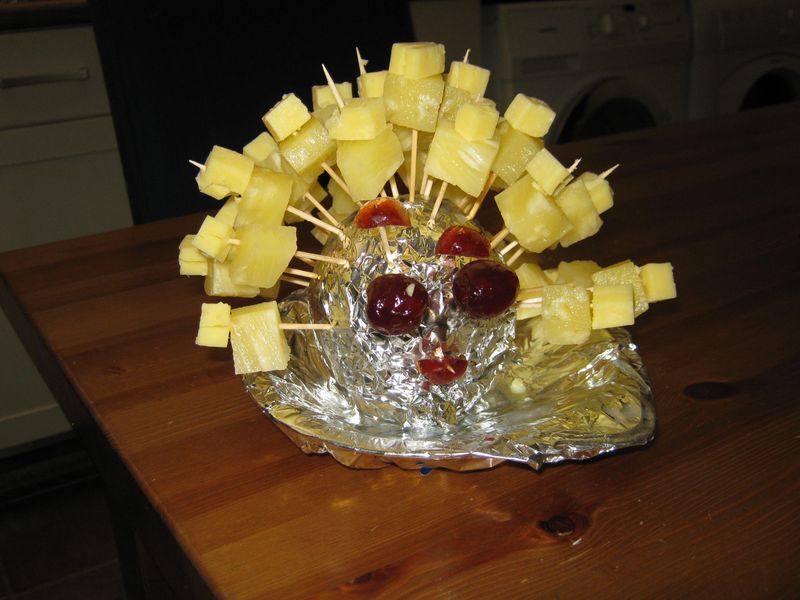
Ask any British Boomer about 1970s party food and cheese and pineapple on cocktail sticks will come up almost immediately. Cubes of cheddar paired with chunks of tinned pineapple, all skewered on little sticks and poked into a foil-wrapped grapefruit, was peak 70s entertaining.
It looked festive, it tasted good, and it kept guests nibbling happily.
The combination of salty cheese and sweet fruit was actually quite clever. These little hedgehog displays became a genuine symbol of British social gatherings throughout the decade.
8. Vesta Beef Curry
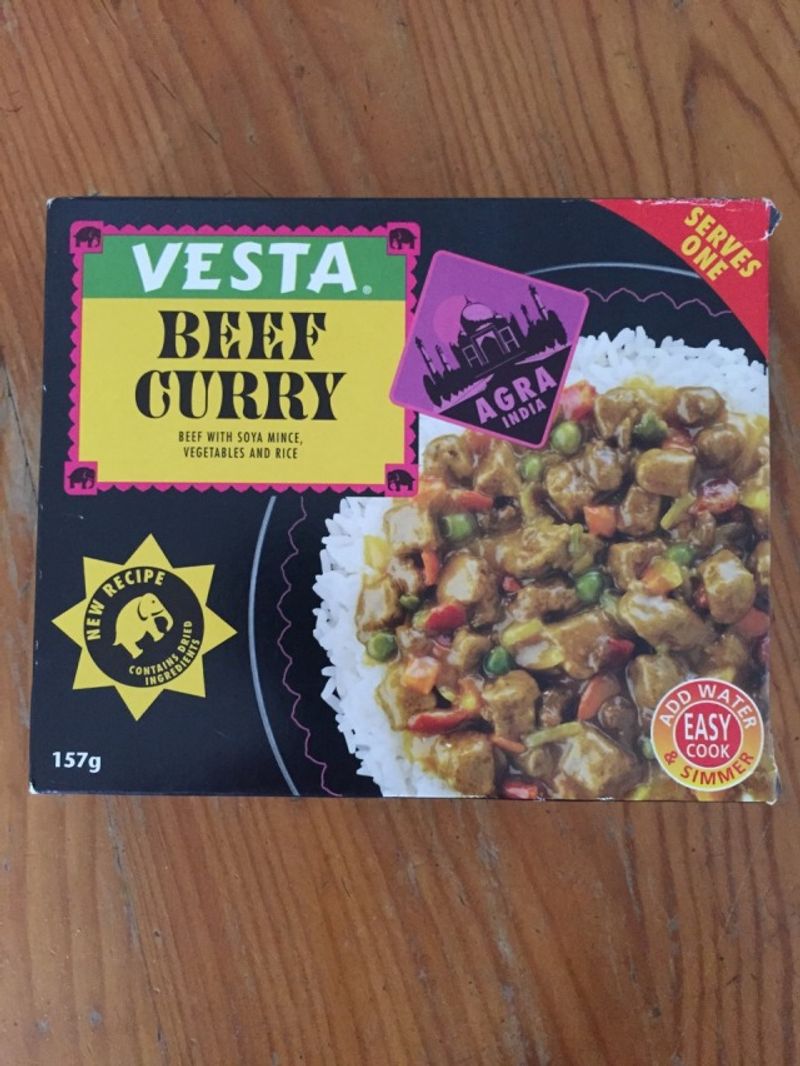
For millions of British families in the 1970s, the Vesta beef curry was their very first encounter with curry of any kind. You added boiling water, waited a few minutes, and suddenly had what felt like an exotic meal without leaving the house.
The dried beef and crispy noodles that came in the packet were genuinely exciting novelties at the time.
It was convenience food before convenience food was cool. Many Boomers still feel a rush of affection when they spot a Vesta packet on a supermarket shelf today.
9. Jacket Potato with Butter
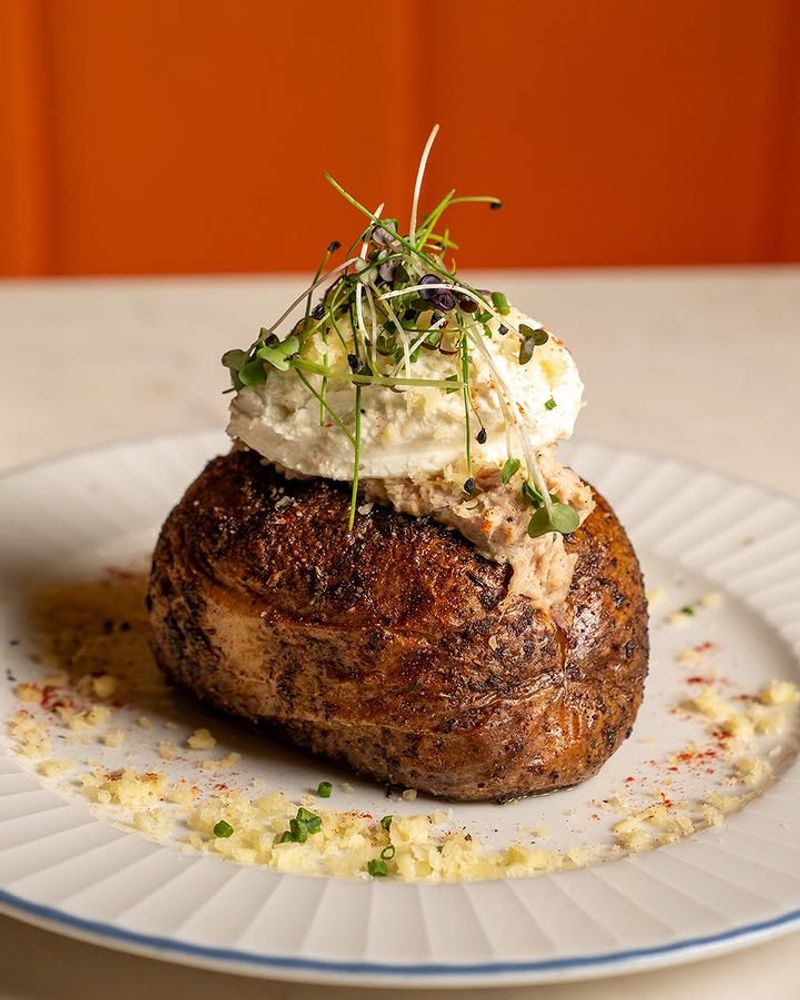
The humble jacket potato became a British institution during the 1970s, partly because it was cheap and filling during economically tough times. Baked slowly in the oven until the skin turned crispy and the inside turned fluffy, it was topped simply with a generous knob of butter that melted beautifully into the starchy flesh.
Street stalls started selling them from carts, making them an early form of fast food. Few things felt as warming and satisfying on a cold British evening.
10. Fondue
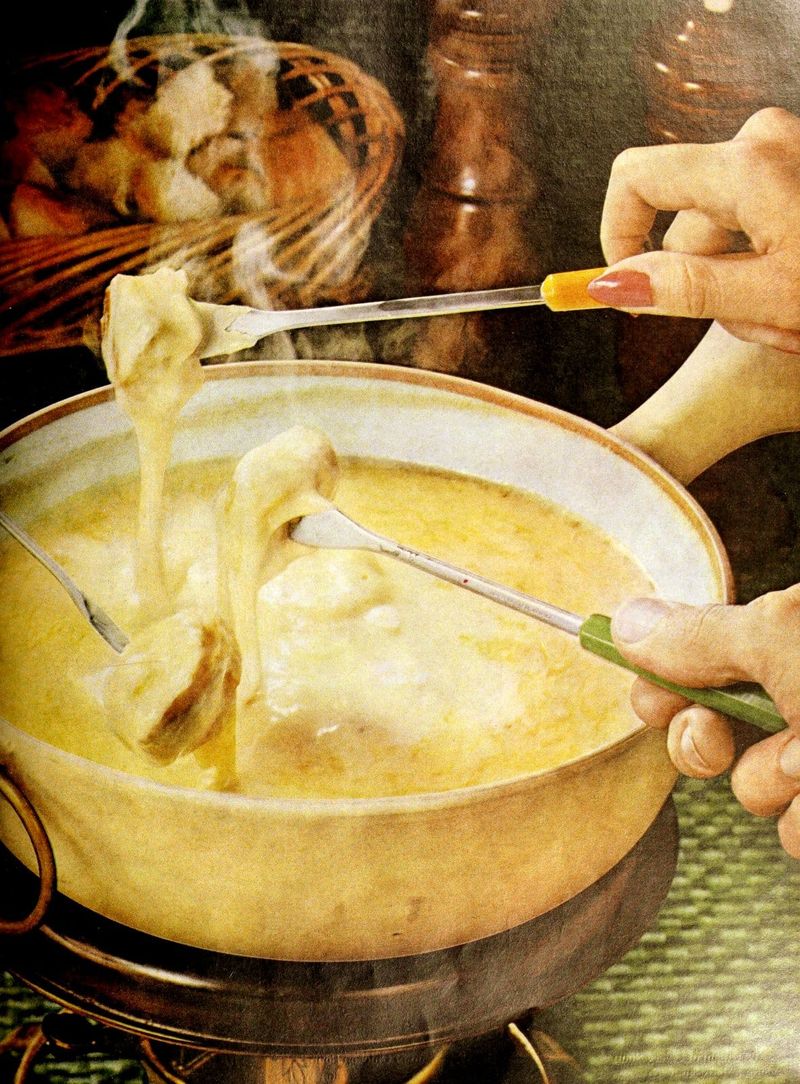
Fondue sets were the must-have kitchen accessory for any aspirational British household in the 1970s. Dipping chunks of crusty bread into bubbling, wine-infused melted cheese felt thrillingly continental and sophisticated.
Dinner parties centred around the fondue pot became a genuine social ritual across Britain.
The chocolate fondue version, with fruit and marshmallows for dipping, was equally popular for dessert. Many families still have those brightly coloured fondue sets gathering dust in kitchen cupboards, preserved as a quirky relic of the era.
11. Trifle
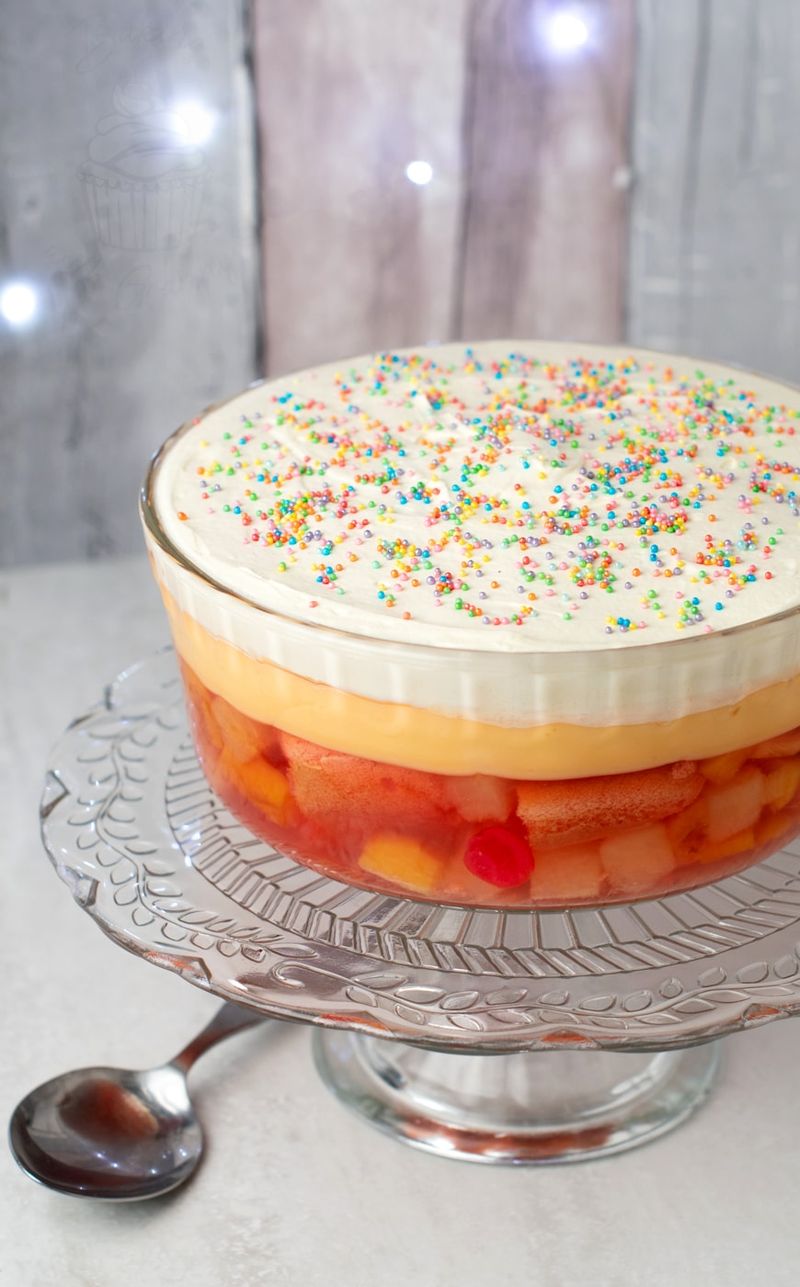
Trifle has been a British classic for centuries, but the 1970s version had its own unmistakable personality. Layers of soggy sponge fingers soaked in sherry, wobbly jelly, tinned peaches or mandarin segments, thick yellow custard, and a mountain of whipped cream all piled into a glass bowl.
Hundreds and thousands on top were absolutely non-negotiable.
Every family had their own version, and arguments about the correct recipe were fierce. Seeing a trifle on the Christmas table still makes many Boomers feel instantly at home.
12. Scotch Eggs
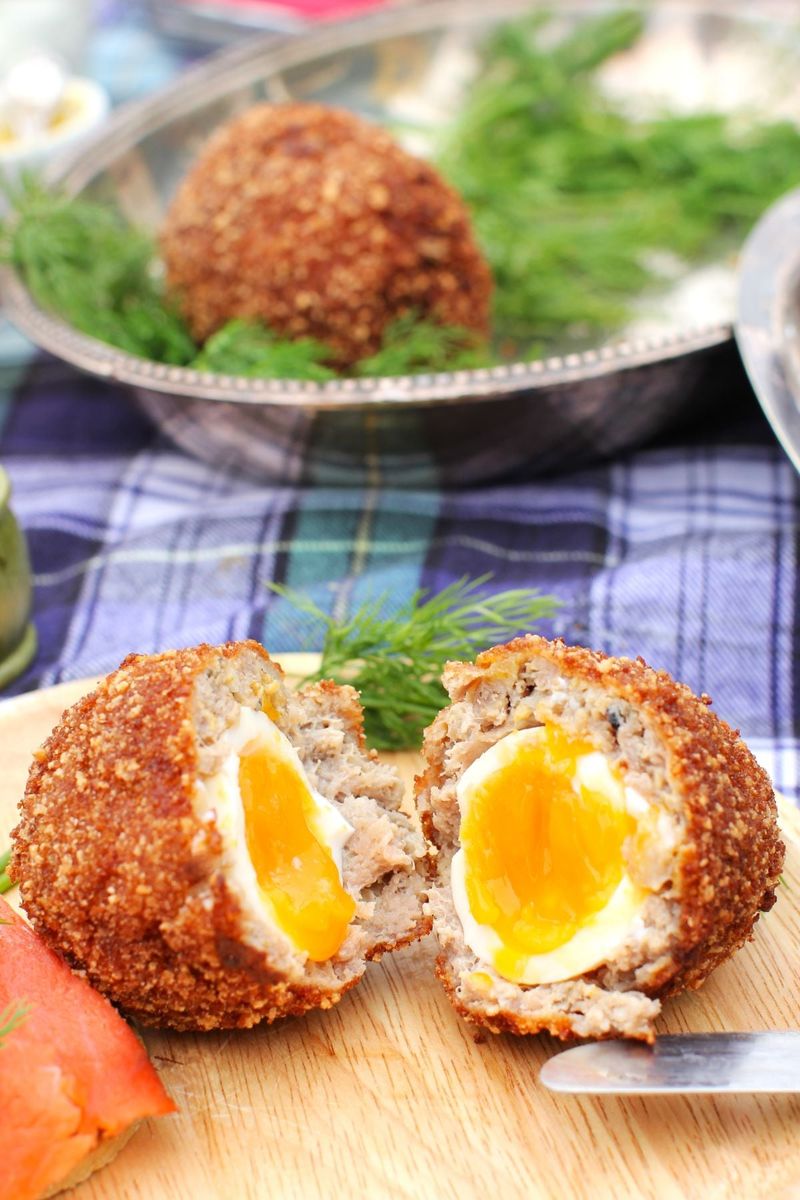
Scotch eggs were absolutely everywhere in 1970s Britain, turning up at picnics, buffets, pub lunches, and packed into school lunchboxes with equal enthusiasm. A hard-boiled egg wrapped in seasoned sausage meat, coated in breadcrumbs, and deep-fried to golden perfection was a genuinely satisfying portable snack.
They were hearty, filling, and required no cutlery.
Supermarkets started mass-producing them during this era, making them widely accessible. For many Boomers, biting into a Scotch egg is an immediate sensory trip back to childhood summers.
13. Heinz Tomato Soup
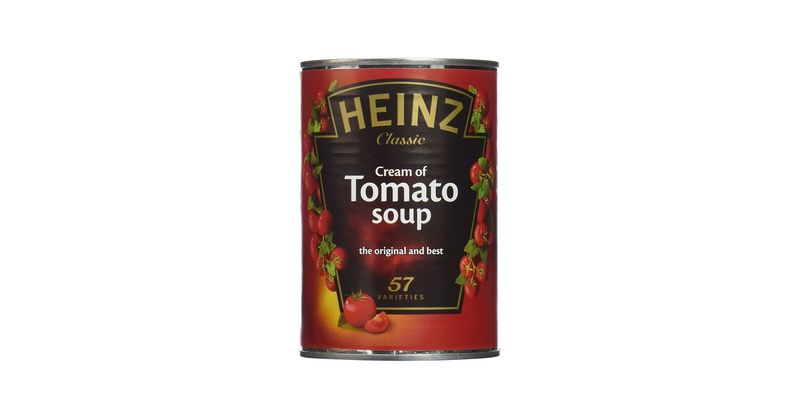
Cream of tomato soup from a Heinz tin was practically a religion in 1970s British households. The ritual of opening the can, adding a tin of milk or water, and heating it gently on the hob was something millions of families performed on cold, grey afternoons.
Served with thick white buttered bread for dunking, it was pure, uncomplicated warmth.
The vivid orange-red colour and that unmistakable sweet, creamy flavour made it instantly recognisable. No other tinned soup has ever quite matched it in the hearts of British Boomers.
14. Liver and Onions
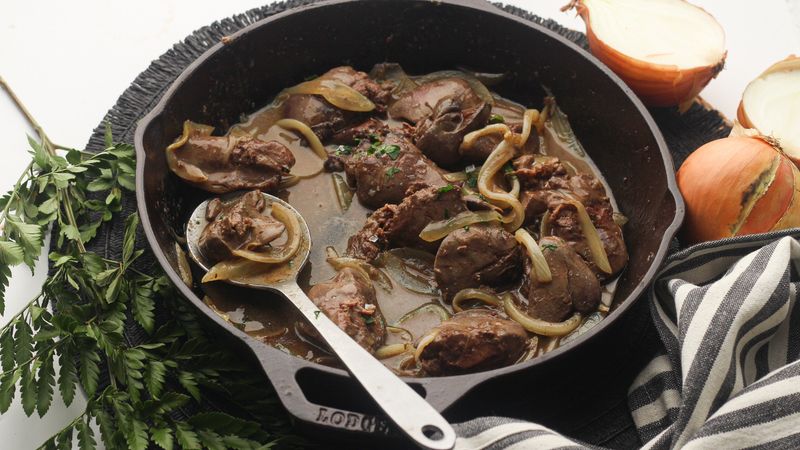
Liver and onions was a weekly fixture on many British dinner tables throughout the 1970s. Economical, nutritious, and filling, it was exactly the kind of no-nonsense meal that practical British cooks favoured.
Thin slices of lamb's liver fried with caramelised onions and finished with a rich, dark gravy was deeply satisfying in a very old-fashioned way.
Children rarely shared the enthusiasm their parents had for it, making it a source of genuine teatime dread. Yet for Boomers who grew up eating it, the smell still evokes something strangely comforting.
15. Arctic Roll
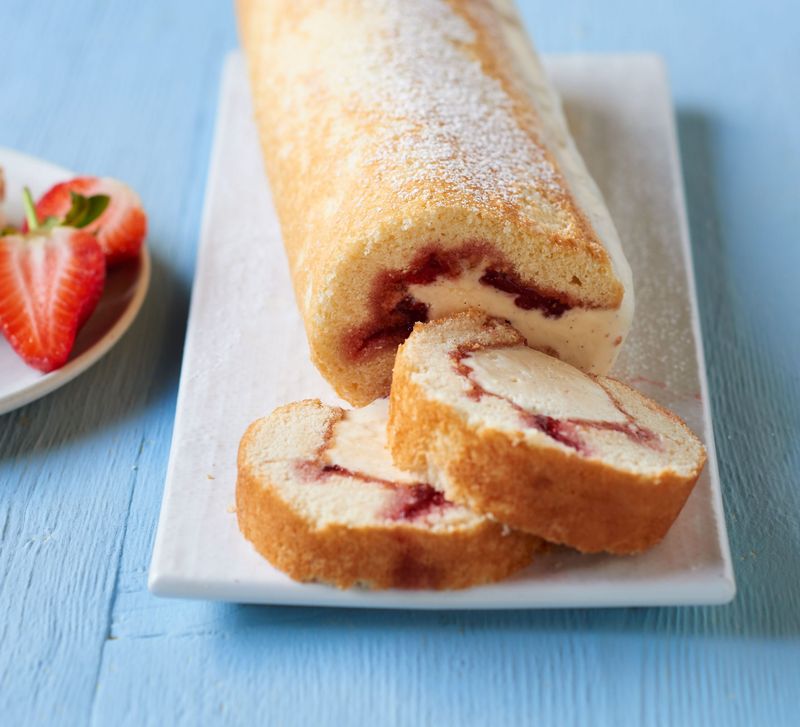
The Arctic Roll was genuinely one of the most exciting desserts a 1970s British child could encounter. A cylinder of vanilla ice cream wrapped snugly inside soft sponge cake with a thin layer of raspberry jam in between, it seemed almost impossibly clever.
Parents pulled it from the freezer for special occasions and birthdays with great ceremony.
Birds Eye made it a household name throughout the decade. That first cold, sweet slice was the kind of treat that lodged itself permanently in the memory of an entire generation.
16. Quiche Lorraine
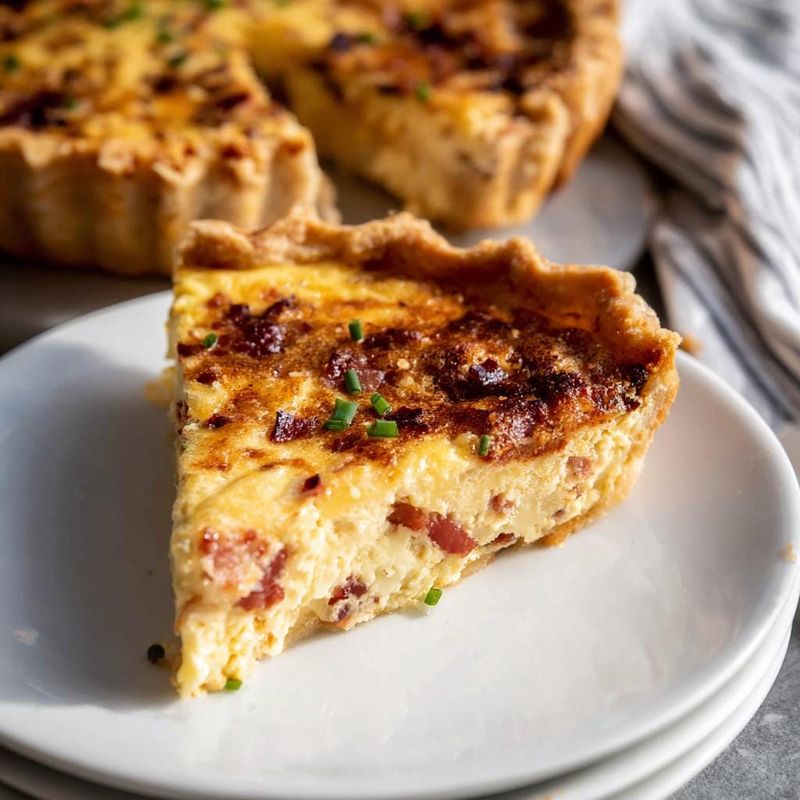
Quiche Lorraine arrived in British kitchens during the 1970s and immediately felt sophisticated and European in the most exciting way possible. Bacon, eggs, cream, and cheese baked inside a buttery pastry shell seemed almost impossibly elegant compared to the usual British fare.
It became the centrepiece of countless summer lunches and garden parties across the country.
Making your own quiche from scratch became a point of genuine pride for many home cooks. It signalled that you were someone with taste, ambition, and possibly a French cookbook on the shelf.
17. Butterscotch Angel Delight Tarts
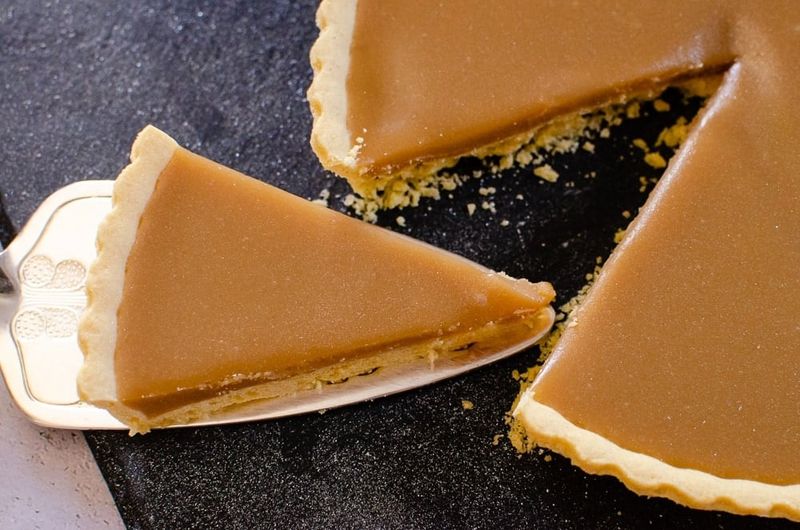
Resourceful British mums in the 1970s discovered that Angel Delight could be used as a filling for small pastry tart cases, creating an easy no-bake dessert that children absolutely went wild for. The butterscotch flavour was particularly popular, its caramel-like sweetness complementing the crisp pastry shell in a way that felt genuinely special.
These little tarts appeared regularly at birthday parties, school fetes, and Sunday teas. They required minimal effort but delivered maximum joy, which made them an enduring favourite throughout the entire decade.




Comments
No Comments