













Throughout history, governments and rulers have banned some surprisingly ordinary foods for reasons ranging from politics to public health to plain old superstition. Some of these bans lasted only a few years, while others stretched on for centuries.
A few of them even sparked protests, smuggling rings, and major historical events. Get ready to discover 17 food bans that will genuinely make you do a double-take.
1. Tomatoes Were Once Feared Across Europe
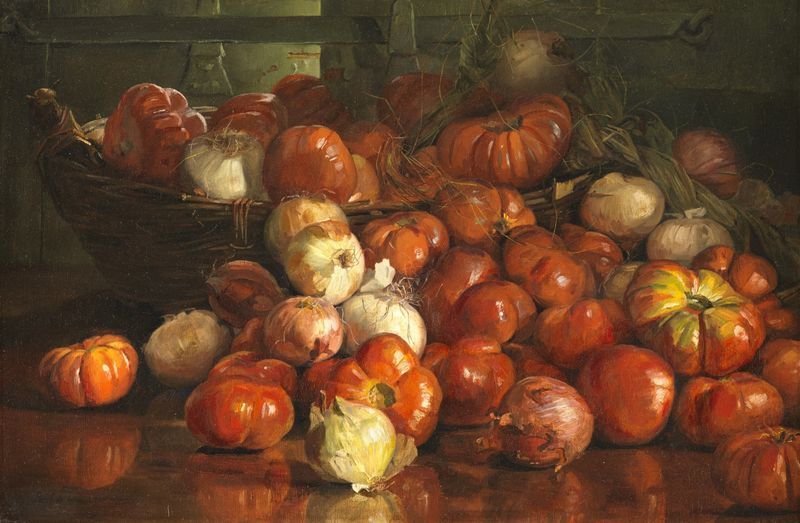
For nearly two centuries, Europeans refused to eat tomatoes, convinced the juicy red fruit was poisonous. Wealthy people ate off pewter plates, which were high in lead, and the acid in tomatoes caused lead to leach out, making people sick.
They blamed the tomato, not the plate.
Farmers eventually figured out the truth, and tomatoes went from feared to beloved almost overnight. Today it is hard to imagine Italian food without them.
2. Spices Were Banned by the Medieval Church
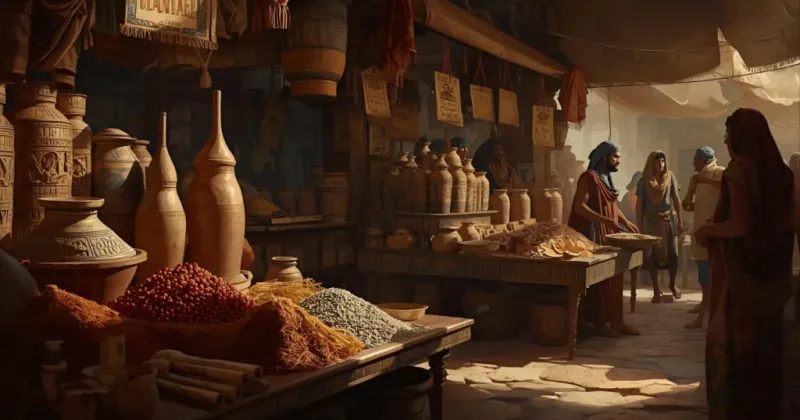
Strange as it sounds, certain powerful spices were viewed with deep suspicion by parts of the medieval Catholic Church. Clergy worried that bold flavors like nutmeg and cloves could stir up sinful desires, leading some monasteries to outright forbid their use in food.
The spice trade was already booming across Europe, so enforcement was nearly impossible. Still, the idea that cinnamon could lead someone astray is pretty hard to wrap your head around today.
3. Coffee Was Banned in 16th-Century Mecca
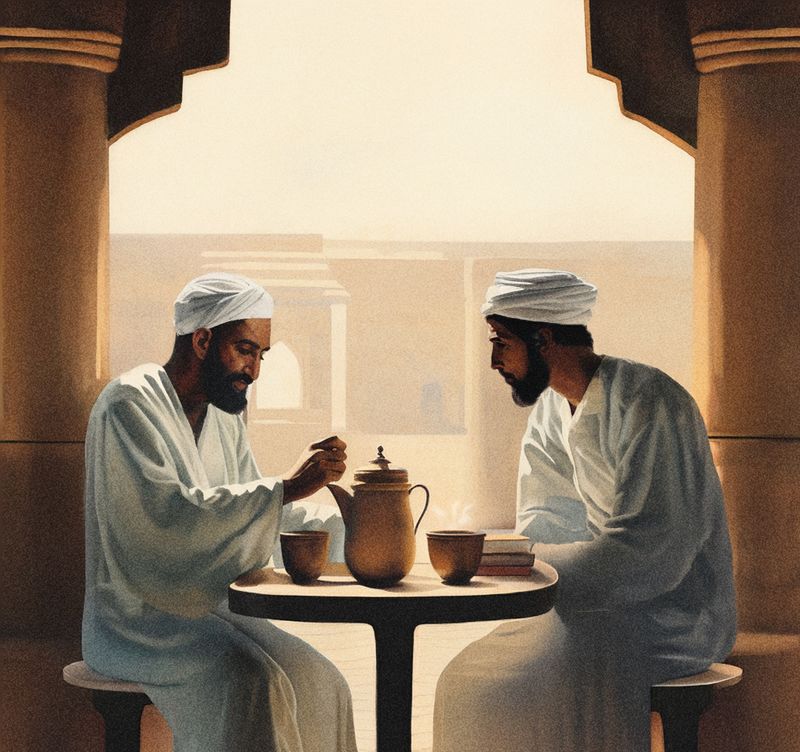
Back in 1511, the governor of Mecca decided coffeehouses were breeding grounds for political gossip and rebellion, so he banned coffee entirely. People caught drinking it could face serious punishment.
The ban did not last long though, because coffee lovers were determined and loud about it.
Sultan Selim I eventually overturned the ruling just a couple of years later. Coffeehouses bounced back fast and became central gathering spots across the Ottoman Empire for centuries to come.
4. Sweden Banned Coffee Not Once, But Five Times

Sweden holds a truly bizarre record when it comes to coffee bans. Between 1756 and 1817, the Swedish government banned coffee a whopping five separate times, convinced it was causing social unrest and draining the country's economy.
King Gustav III even tried to prove coffee was deadly by forcing a convicted criminal to drink it daily as an experiment. The criminal outlived the king himself, which must have been pretty embarrassing for the anti-coffee crowd.
5. Potatoes Were Outlawed in 18th-Century Prussia
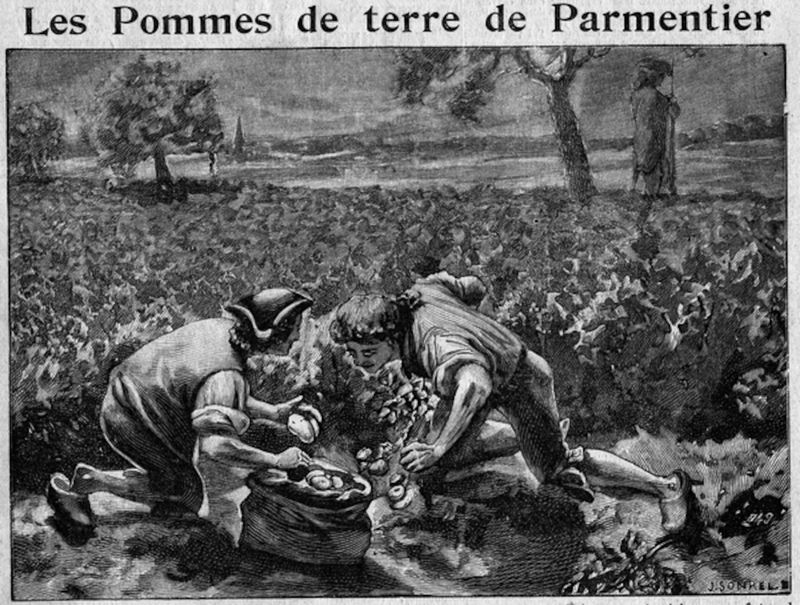
Frederick the Great of Prussia desperately wanted his people to eat potatoes to prevent famine, but peasants refused, calling them devil's apples. In a strange twist, some towns actually banned growing potatoes because locals believed they caused leprosy and other diseases.
Frederick eventually had royal potato fields guarded by soldiers, knowing curious peasants would sneak in and steal them, which is exactly what happened. That clever reverse psychology trick helped potatoes spread across the country.
6. Margarine Was Banned in Several U.S. States
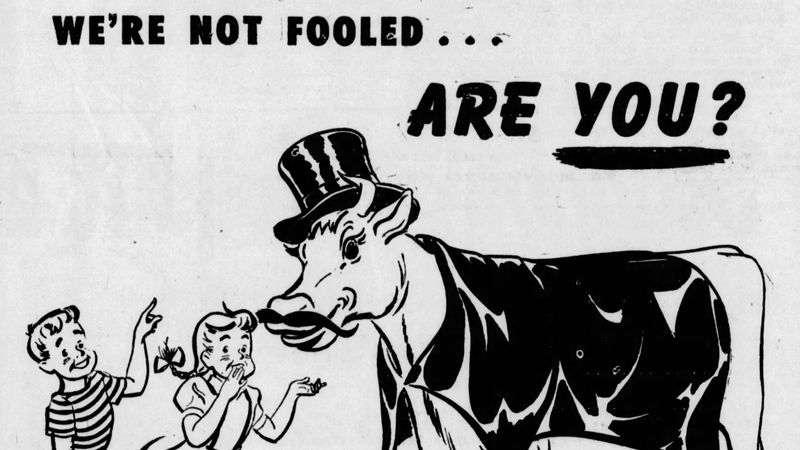
Dairy farmers in the United States were not happy when margarine showed up as a cheap alternative to butter in the 1870s. Lobbying efforts led to outright bans in several states, while others required margarine to be dyed an unappealing pink or black color so nobody would mistake it for butter.
Wisconsin kept its anti-margarine laws on the books until 1967. The whole saga is a wild example of how food politics can shape what ends up on your table.
7. Absinthe Was Prohibited Across Much of the Western World
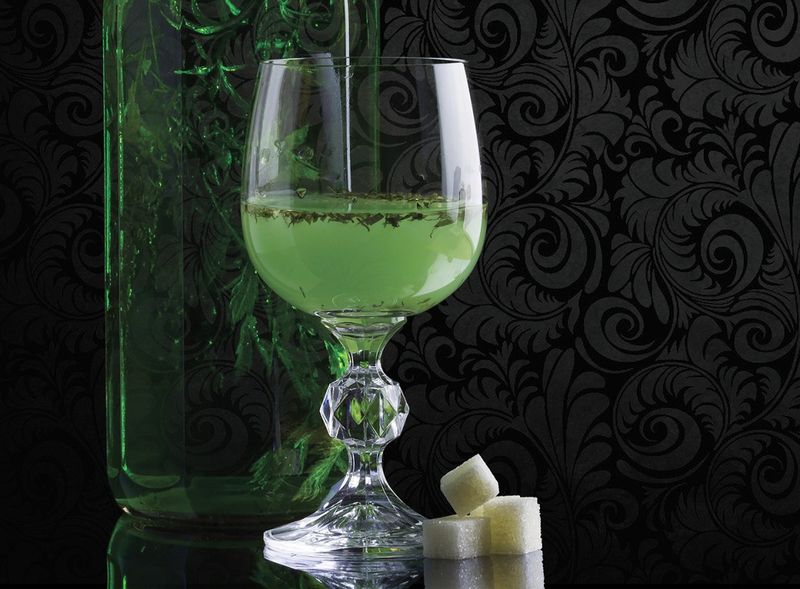
Absinthe earned a ferocious reputation in the early 1900s as a drink that caused hallucinations, violence, and madness. France, the United States, and several other countries banned it, blaming a compound called thujone found in wormwood for driving people to insanity.
Modern science has since shown thujone levels in absinthe were never high enough to cause those effects. The real culprit was likely just the extremely high alcohol content.
Absinthe made its legal comeback in the U.S. in 2007.
8. Chewing Gum Is Banned in Singapore
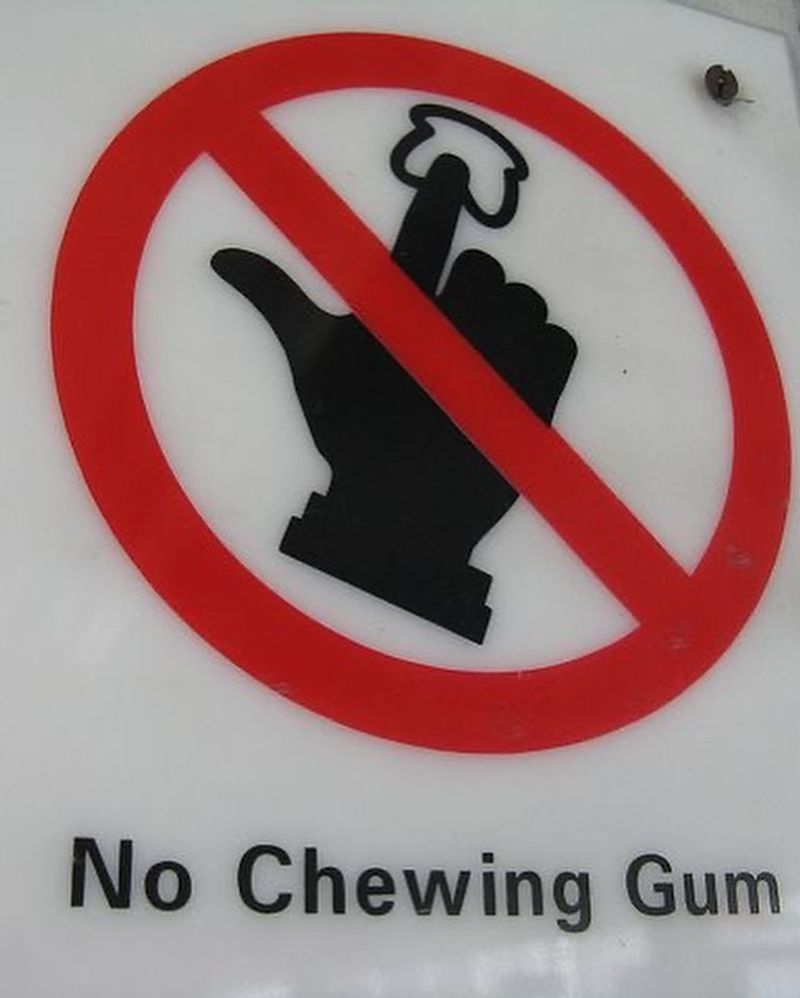
Singapore banned the sale of chewing gum in 1992 after gum kept jamming the sensors of the city-state's brand new Mass Rapid Transit system. Vandals were also sticking gum on mailboxes, elevator buttons, and everywhere else imaginable.
The government decided enough was enough.
A limited exception was made in 2004 for therapeutic gums sold through pharmacists. Tourists still get surprised when they cannot find a pack at convenience stores, making this one of the most well-known food bans still active today.
9. Ketchup Was Banned in French Schools
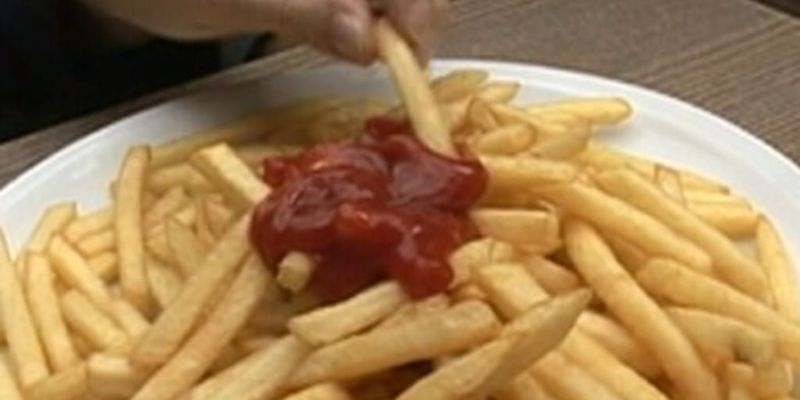
France made headlines in 2011 when the government banned ketchup from school cafeterias, except when it was served with French fries. The reasoning was surprisingly patriotic: officials wanted to protect French culinary culture from American fast-food influence creeping into children's daily meals.
French cuisine is considered a national treasure, so the government took the threat of ketchup on pasta very seriously. Kids were still allowed their fries with ketchup, so it was not a total loss for the tomato sauce crowd.
10. Foie Gras Has Been Banned in Multiple Countries
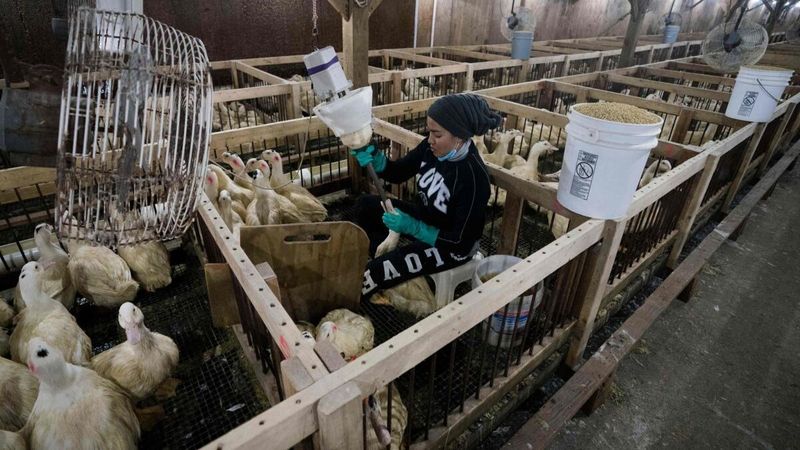
Foie gras, the rich liver pate made from force-fed ducks or geese, has been banned in over a dozen countries due to animal welfare concerns. California banned it in 2012, though the law faced years of legal challenges before the ban was finally upheld in 2019.
Supporters call it a centuries-old culinary tradition, while opponents argue the force-feeding process is simply cruel. The debate around foie gras is one of the most heated ongoing food controversies in modern dining culture.
11. Samosas Were Banned by Al-Shabaab in Somalia
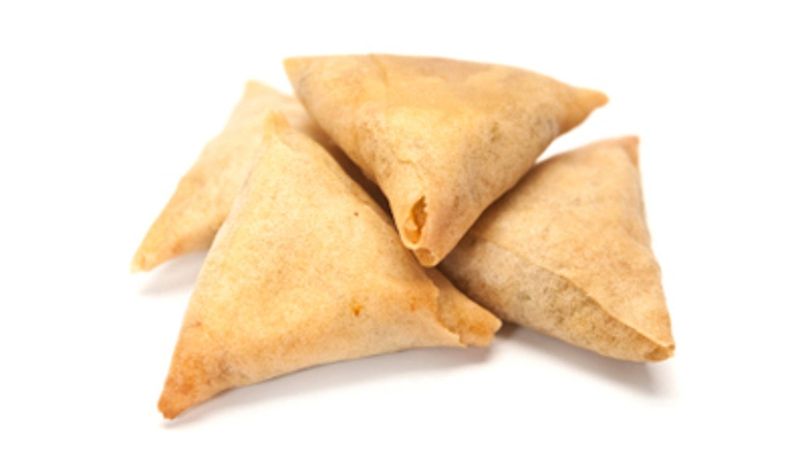
Al-Shabaab, the militant group controlling parts of Somalia, banned samosas around 2011, claiming the triangular shape of the pastry was a symbol of the Christian Holy Trinity. The ban was part of a broader crackdown on anything the group deemed un-Islamic, including many everyday foods and activities.
Samosas have been eaten across East Africa and South Asia for centuries with no religious controversy. The ban shocked people worldwide and drew international attention to the extreme measures the group was imposing on local populations.
12. Haggis Is Still Banned in the United States
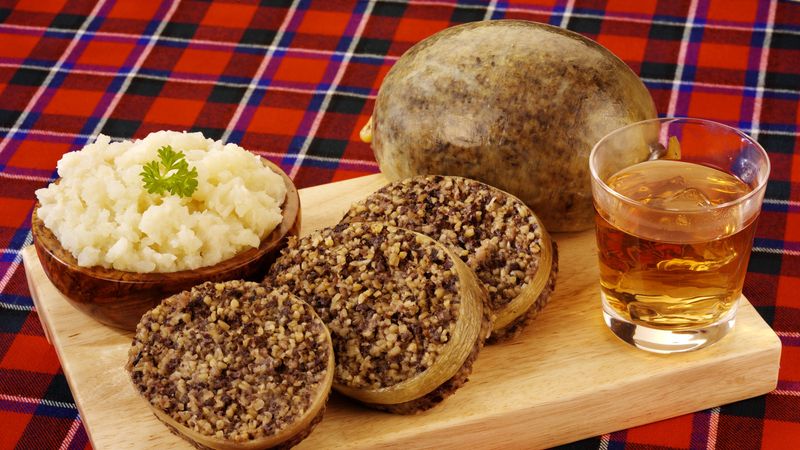
Scotland's national dish, haggis, has been banned in the United States since 1971 because it contains sheep lung, which American food safety regulations do not allow in commercially sold products. Scots celebrating Burns Night in the U.S. have to use modified recipes that leave out the lung entirely.
The ban has been in place for over 50 years and shows no sign of lifting. Many Scottish-Americans consider it a genuine cultural loss, arguing that real haggis simply does not taste the same without the traditional ingredients.
13. Sassafras Was Pulled From American Shelves
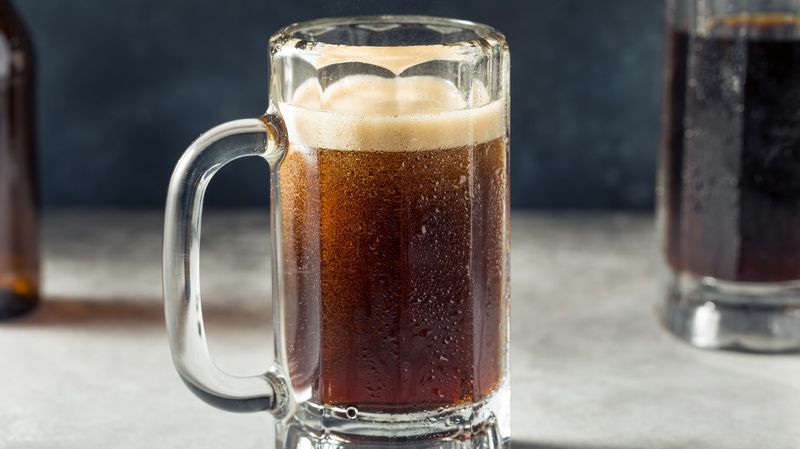
Sassafras root was a key ingredient in original American root beer and was widely used as a herbal remedy for centuries. The FDA banned its use in commercially prepared foods and drinks in 1960 after studies showed that safrole, the active compound in sassafras oil, caused liver cancer in rats.
Old-fashioned root beer recipes had to be completely reformulated. Today, safrole-free sassafras extract is allowed, but purists insist the flavor is just not the same as the original version grandparents used to enjoy.
14. Unpasteurized Milk Faces Bans Across Many U.S. States
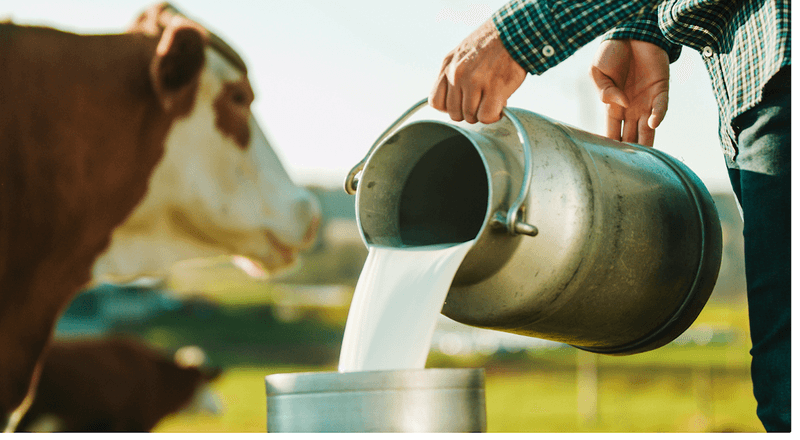
Raw milk, straight from the cow without pasteurization, is illegal to sell in about 20 U.S. states. Health officials warn it can carry dangerous bacteria like E. coli and salmonella, making it a serious public health risk, especially for children and elderly people.
Supporters of raw milk argue it has better flavor and more nutrients than pasteurized versions. The debate has been going on for decades, with passionate advocates on both sides making it one of the most controversial food freedom issues in America today.
15. Poppy Seeds Got Travelers Banned From Certain Countries
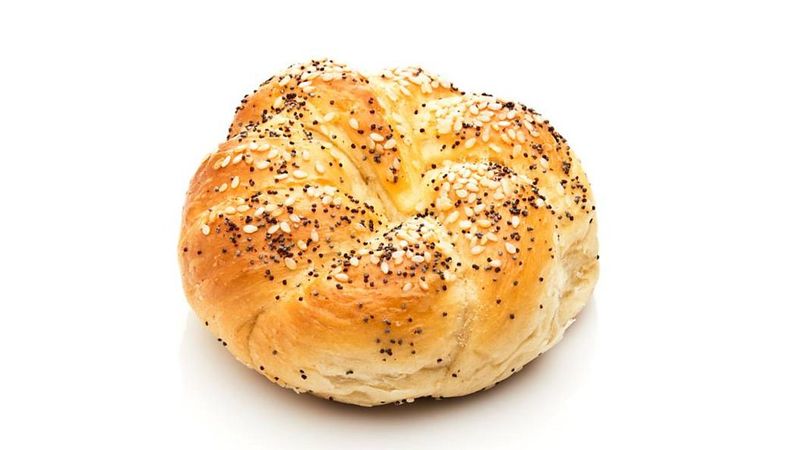
Eating a poppy seed bagel before a drug test has famously caused false positives for opium. Taking that a step further, countries like Singapore, China, Saudi Arabia, and the UAE have strict bans on poppy seeds because they come from the same plant as opium.
Travelers have been detained at airports for carrying poppy seed products. Something as innocent as a lemon poppy seed muffin can land a person in serious legal trouble in certain countries, which surprises most Western travelers enormously.
16. Sliced Bread Was Banned in the United States During WWII
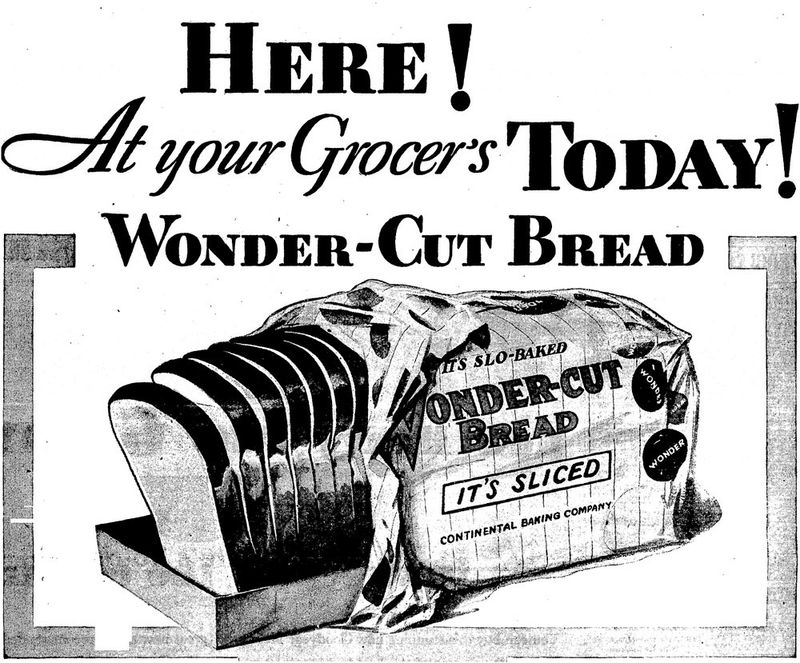
In January 1943, the U.S. government banned sliced bread as a wartime conservation measure, hoping to save on the wax paper used for packaging and the steel used in bread-slicing machines. Americans were furious.
Housewives flooded newspapers and the government with angry letters almost immediately.
The ban lasted only about three months before officials quietly reversed it. It gave rise to the popular phrase something being the best thing since sliced bread, a saying that still gets used today without most people knowing the wild backstory.
17. Black Pudding Is Banned in the United States and Canada
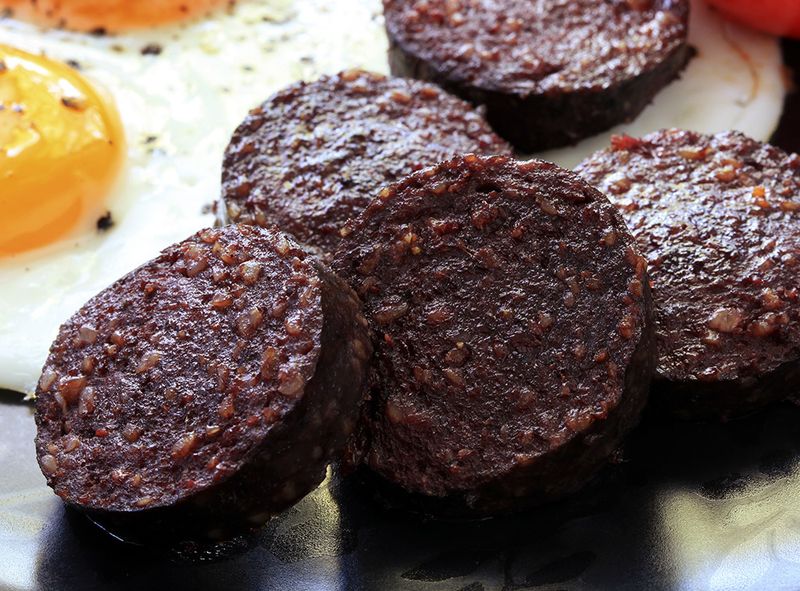
Black pudding, a beloved staple of British and Irish breakfasts, is made with pork blood, fat, and oatmeal. The United States and Canada ban its import because blood-based food products do not meet their food safety standards for commercially sold goods.
British expats living in North America often cite black pudding as one of the foods they miss most from home. Some specialty butchers make local versions, but fans say nothing quite matches the real thing brought over from the UK or Ireland.




Comments
No Comments