













Food is one of the most fascinating parts of human culture, and what one person considers strange, another considers a beloved family meal. Around the world, people eat things that might make your jaw drop or your stomach flip.
From crunchy insects to fermented shark meat, these dishes are real, and millions of people enjoy them every day. Get ready to explore some of the most surprising foods on the planet.
1. Hákarl – Fermented Greenlandic Shark (Iceland)
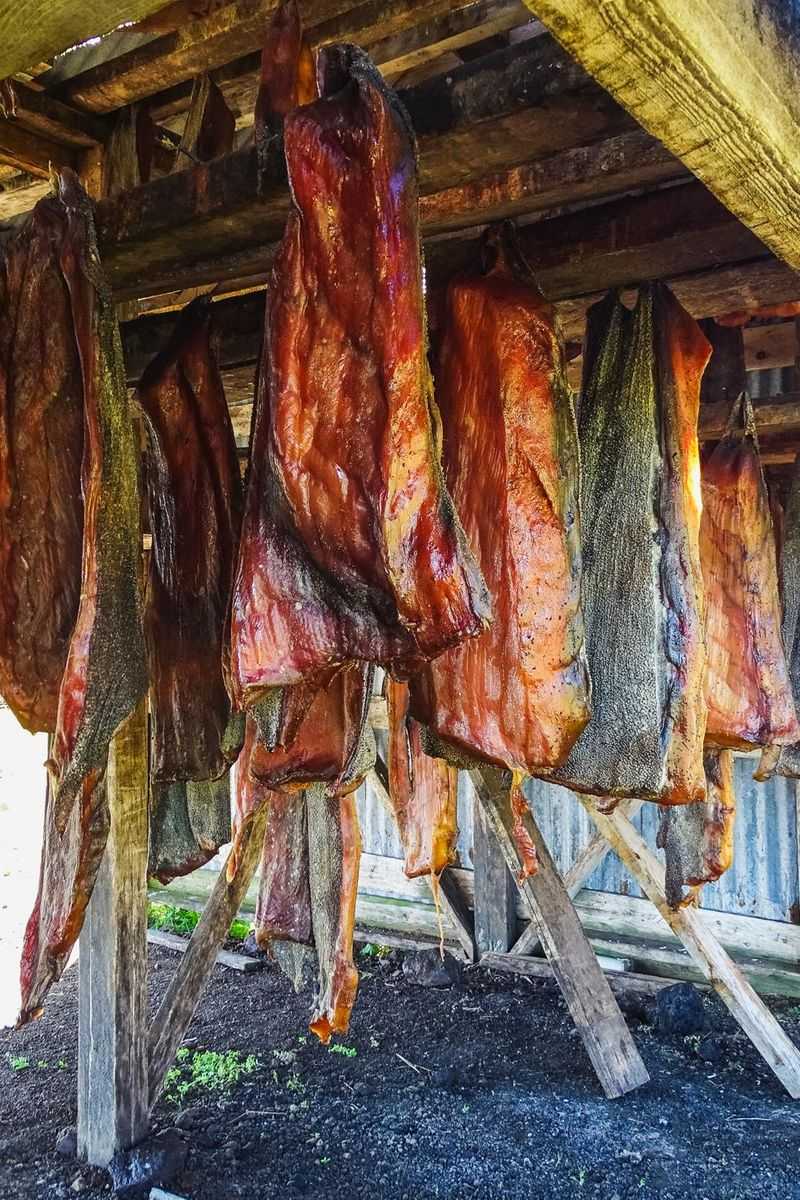
Imagine eating shark meat that has been buried underground for months and then hung to dry for nearly a year. That is exactly how hákarl is made in Iceland.
The fermentation process removes toxins from the Greenland shark, which is actually poisonous when fresh.
The smell is famously powerful, often described as intense ammonia. Even some Icelanders find it challenging.
First-timers usually chase it down with a shot of local schnapps called Brennivín to help get through the experience.
2. Casu Marzu – Maggot Cheese (Sardinia, Italy)
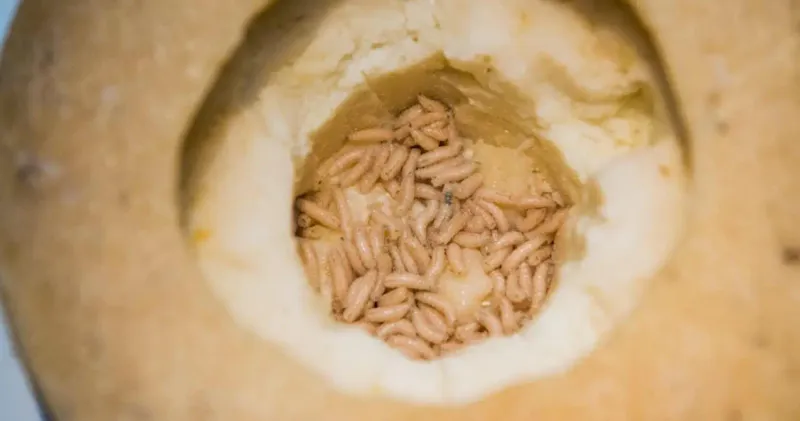
Casu Marzu is not your average cheese. Made in Sardinia, Italy, this sheep milk cheese is intentionally left to ferment beyond normal levels, allowing cheese fly larvae to hatch and live inside it.
The maggots break down the fat, creating an extremely soft, almost liquid texture.
It is technically illegal to sell in the European Union, but locals still make it the traditional way. Some people eat the maggots along with the cheese, while others carefully remove them first.
3. Balut – Fertilized Duck Egg (Philippines)
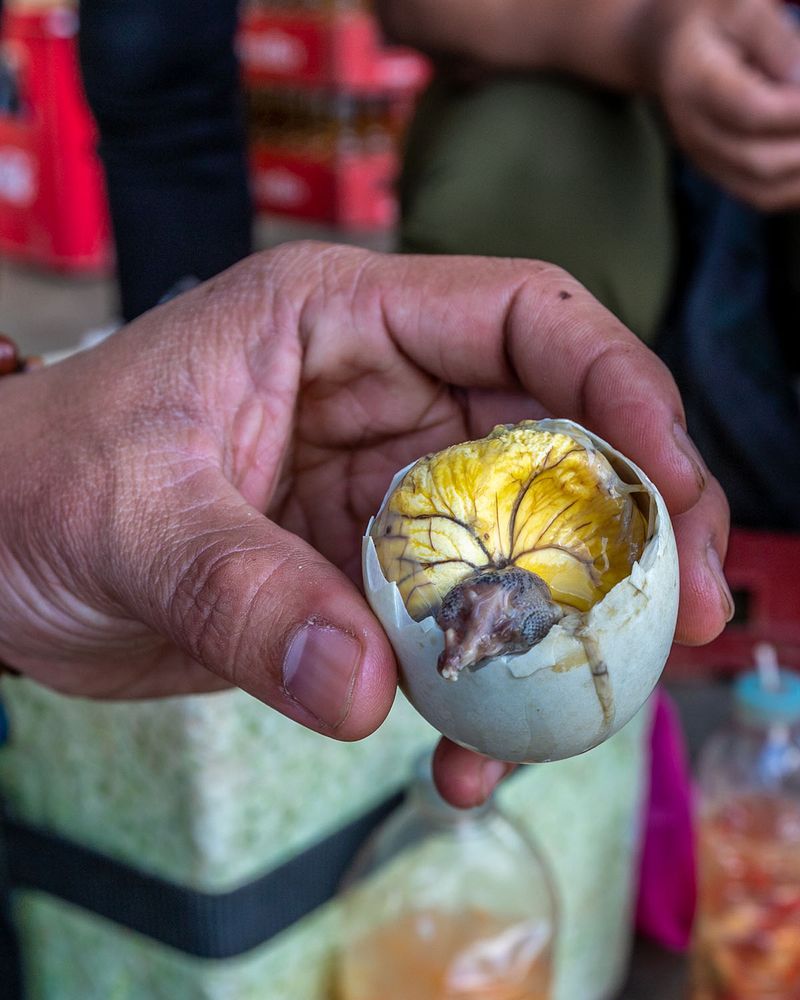
Popular street food in the Philippines, balut is a fertilized duck egg that contains a partially developed embryo, usually around 14 to 21 days old. It is boiled and eaten right from the shell, often seasoned with salt, vinegar, or chili.
Locals love it for its rich, savory flavor and consider it a high-protein snack. For many visitors, the sight of the tiny feathers and bones inside the egg is the hardest part to get past, but fans say it tastes surprisingly good.
4. Stinkbugs – Edible Insects (Southern Africa)
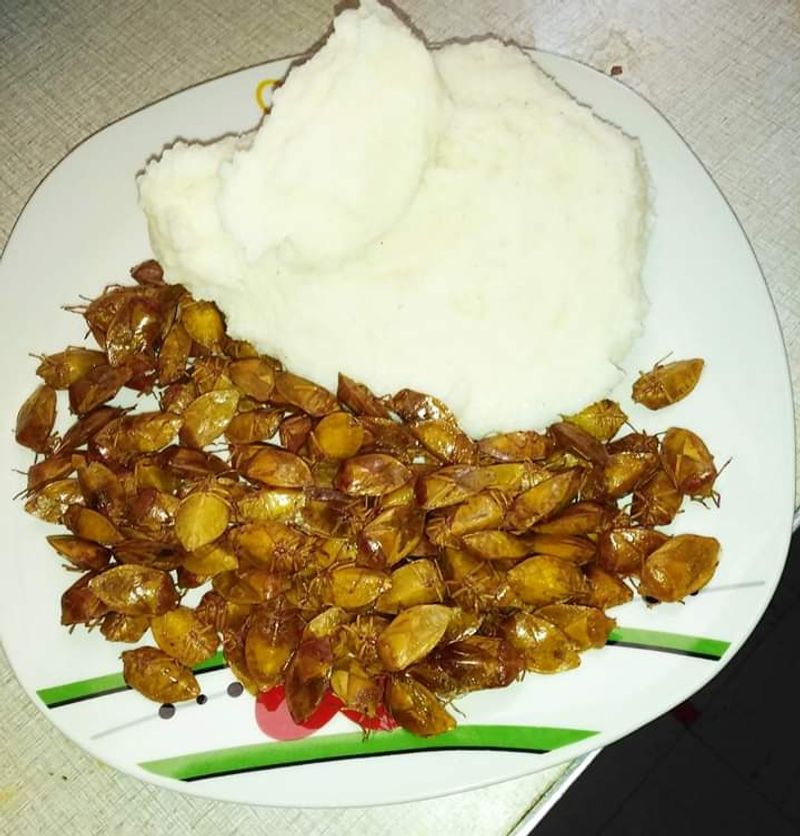
In countries like Zimbabwe and South Africa, stinkbugs are not pests to be squashed. They are a seasonal delicacy that many families look forward to harvesting each year.
Before cooking, the bugs are carefully squeezed to remove their pungent glands, which reduces the strong odor.
Once cleaned, they are typically dried, roasted, or fried and eaten as crunchy snacks. Rich in protein and minerals, stinkbugs are a nutritious food source that has been part of local diets for generations, long before protein bars were invented.
5. Fugu – Poisonous Puffer Fish (Japan)
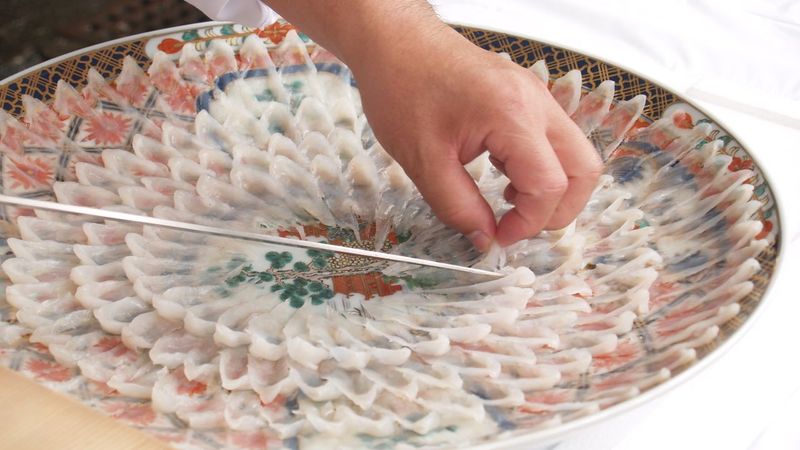
Fugu is one of the most dangerous foods in the world, and that is exactly part of its appeal. This Japanese puffer fish contains a deadly toxin called tetrodotoxin, which has no antidote.
Only licensed chefs who have trained for years are legally allowed to prepare it.
The dish is usually served as paper-thin sashimi slices or in hot pot soups. Diners say it has a clean, delicate flavor.
The slight tingling sensation some feel on their lips adds a thrilling edge to every single bite.
6. Surströmming – Fermented Herring (Sweden)
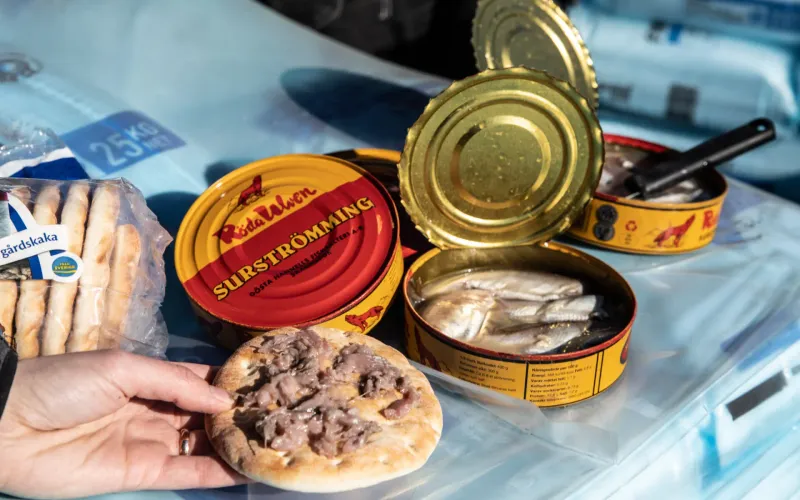
Opening a can of surströmming in public has actually been banned in some apartment buildings across Europe because the smell is that overwhelming. Swedish fermented herring is cured in barrels for months, producing a famously powerful aroma that many compare to rotting garbage.
Despite the reputation, Swedes have eaten surströmming for centuries, traditionally wrapping it in flatbread with boiled potatoes and onions. The taste is reportedly much milder than the smell suggests.
It is best enjoyed outdoors, preferably with a strong breeze blowing in the opposite direction.
7. Tuna Eyeballs – Sea Creature Snack (Japan)
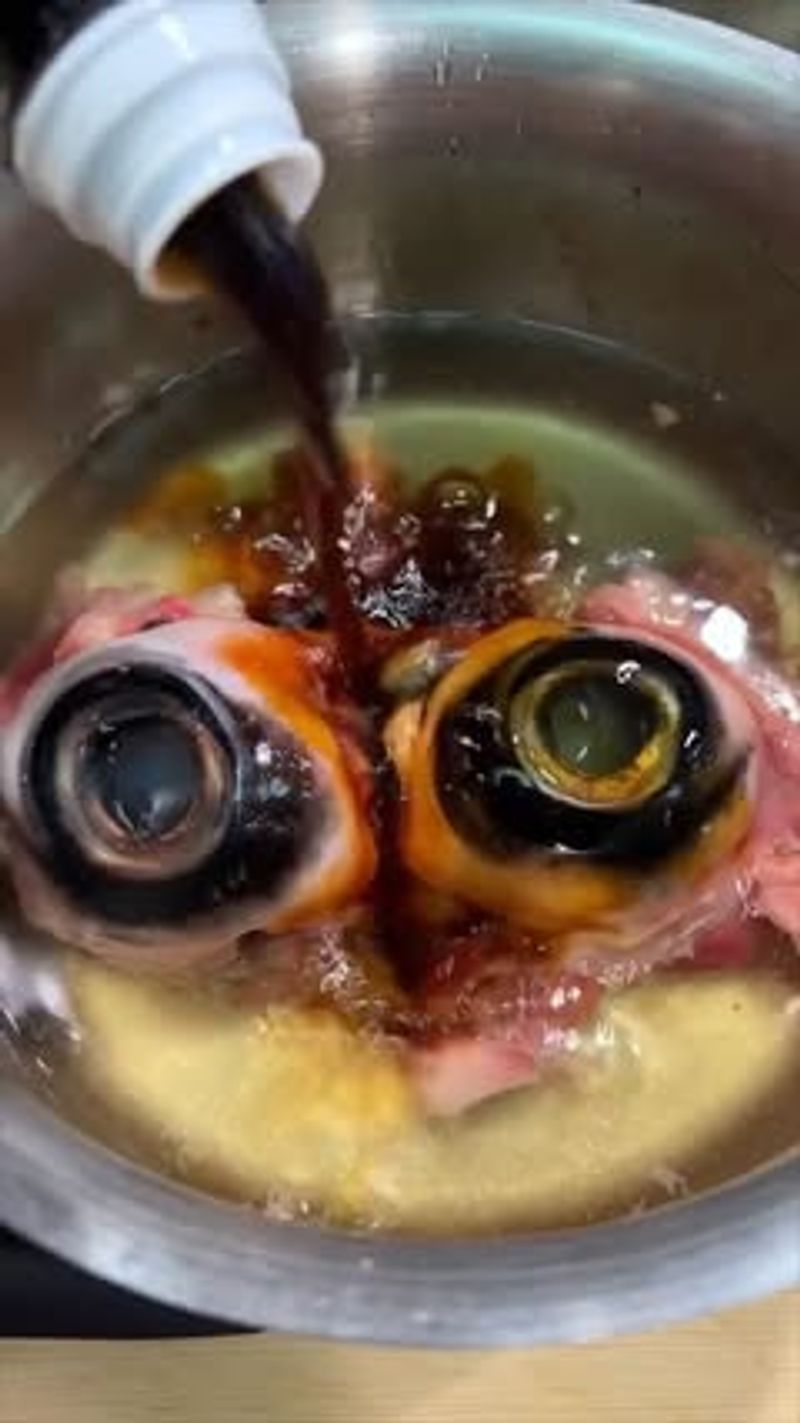
Walk into a grocery store in Japan and you might spot tuna eyeballs sitting in the seafood section like they are the most normal thing in the world. Each eyeball is roughly the size of a golf ball and is typically boiled or steamed before eating.
Seasoned with soy sauce or garlic, they have a taste often described as similar to squid or octopus. The fatty tissue around the eye is considered the best part.
They are also surprisingly affordable, making them a popular budget snack for adventurous eaters.
8. Fried Tarantulas – Crispy Spider Snack (Cambodia)
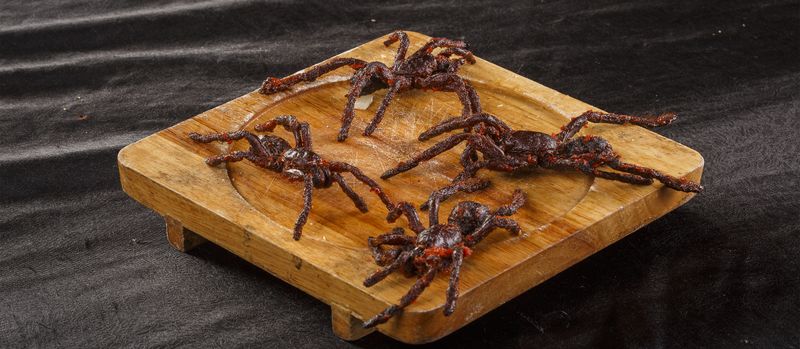
The town of Skuon in Cambodia is famous for one thing: fried tarantulas. These palm-sized spiders are seasoned with salt, sugar, and garlic, then deep-fried until the legs go crispy and the body becomes tender inside.
Street vendors sell them by the bagful to both locals and curious tourists.
The practice reportedly started during food shortages under the Khmer Rouge regime, when people had to eat whatever they could find. Today it has become a cultural tradition and a booming tourist attraction that puts Skuon on the food map.
9. Rocky Mountain Oysters – Bull Testicles (USA)
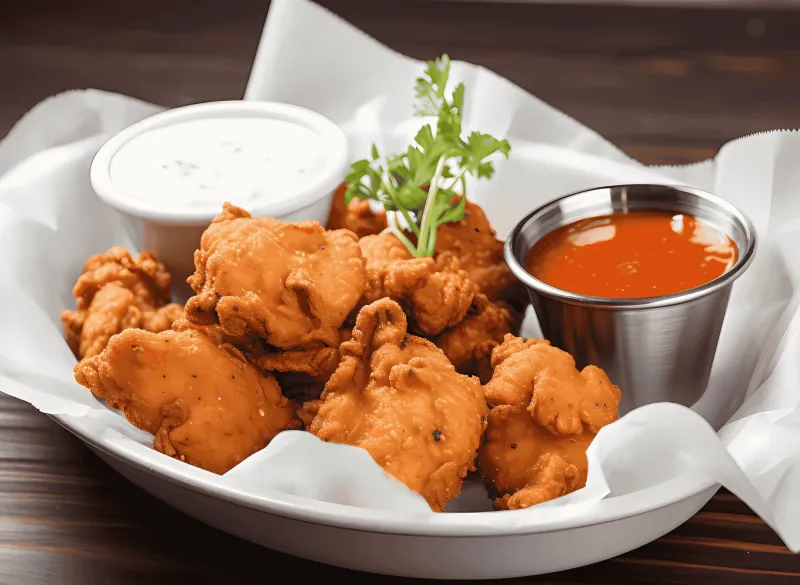
Despite the fancy name, Rocky Mountain oysters have nothing to do with the ocean. They are deep-fried bull, bison, or pig testicles, and they have been a staple of American cowboy cuisine for well over a century.
Ranchers historically ate them during cattle castration season to avoid wasting food.
Breaded and fried, they are surprisingly mild in flavor, often compared to calamari or chicken. Festivals celebrating this quirky dish pop up every year across Montana, Colorado, and other western states, drawing crowds of brave food adventurers ready for a unique taste of Americana.
10. Hákarl's Cousin – Kiviak (Greenland)
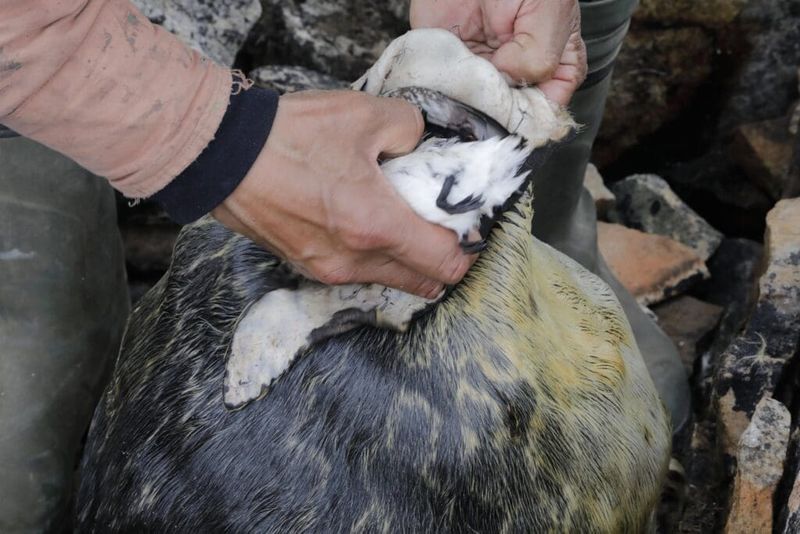
If fermented shark sounds extreme, meet kiviak. This traditional Greenlandic dish involves stuffing up to 500 small seabirds called little auks inside a hollowed-out seal carcass, sewing it shut, and burying it under rocks for up to 18 months to ferment.
The result is a deeply pungent, soft meat that Greenlandic communities eat during celebrations like weddings and birthdays. It is a food born out of necessity in one of the world's harshest environments, where preserving food through fermentation was a matter of survival for thousands of years.
11. Century Egg – Preserved Duck Egg (China)
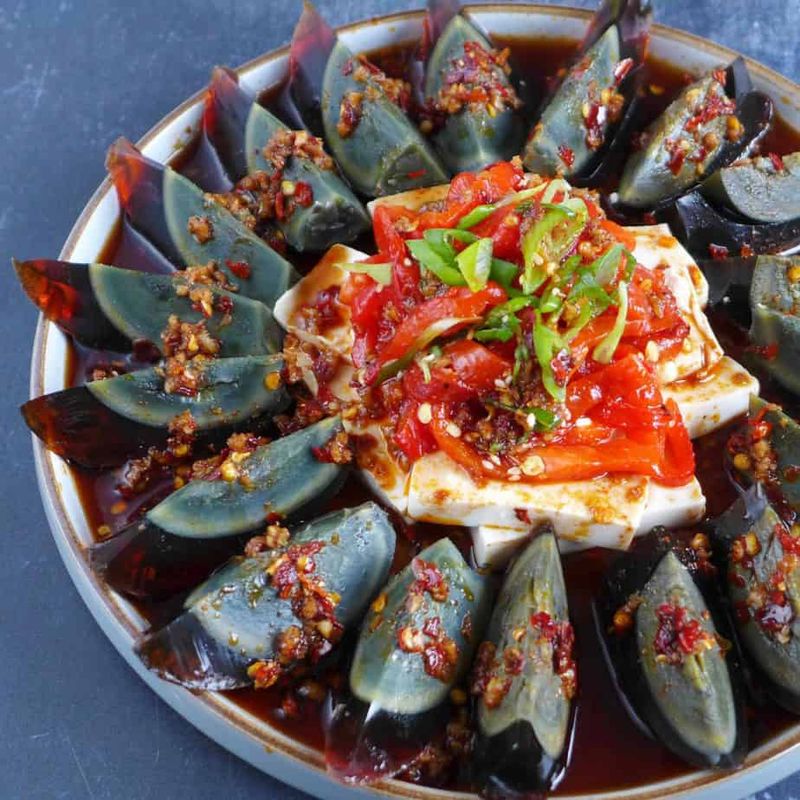
Century eggs look like something out of a science fiction movie. The egg white turns into a dark, translucent jelly, while the yolk becomes a creamy, greenish-grey paste.
Despite the dramatic appearance, no century of waiting is required. The eggs are preserved in clay, ash, and salt for weeks to months.
Popular in China, they are often served sliced with pickled ginger to balance the strong, ammonia-like flavor. The texture is smooth and rich, and many people who try them are surprised to find the taste far more enjoyable than the look suggests.
12. Witchetty Grubs – Bush Tucker (Australia)
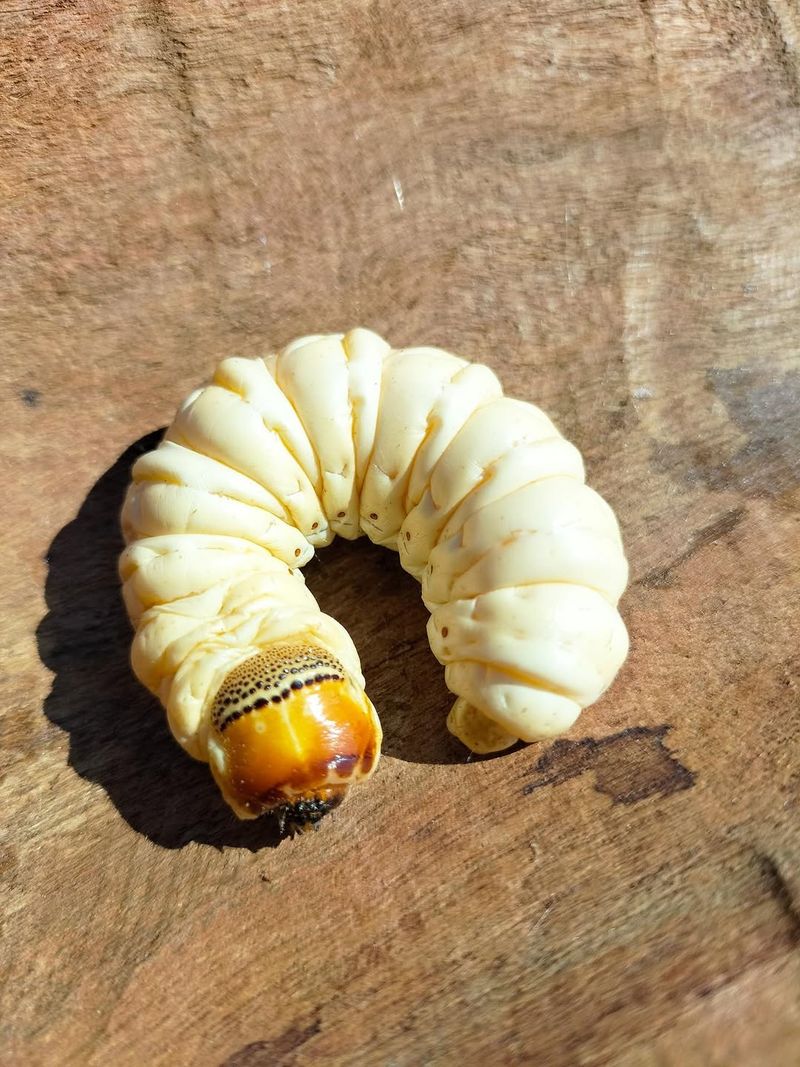
For Aboriginal Australians, witchetty grubs are not gross. They are a prized source of nutrition that has sustained desert communities for tens of thousands of years.
These large, creamy-white larvae are the caterpillars of ghost moths and are found in the roots of witchetty bushes across the Australian outback.
Eaten raw, they have a nutty, slightly sweet flavor similar to almonds. When lightly cooked over coals, the skin turns crispy while the inside stays soft.
They are packed with protein and healthy fats, making them one of nature's most efficient survival foods.
13. Escamoles – Ant Larvae (Mexico)
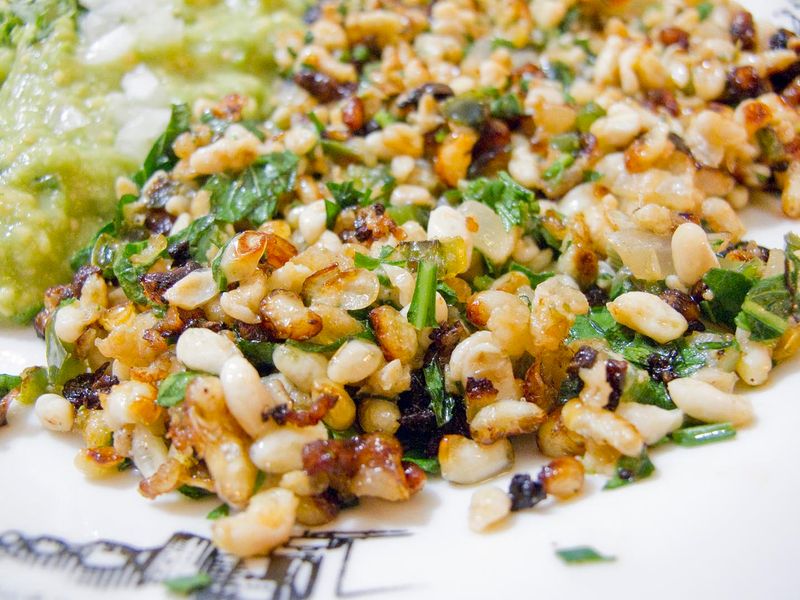
Known as Mexican caviar, escamoles are the eggs and larvae of giant black ants harvested from the roots of agave plants. Collecting them is no easy task since the ants bite aggressively to defend their nests.
The effort makes escamoles one of the most expensive ingredients in traditional Mexican cuisine.
Sauteed in butter with herbs and spices, they have a surprisingly buttery, nutty flavor with a soft, creamy texture. Served in tacos or omelets, escamoles have been eaten since the time of the Aztecs, proving that this is no passing food trend.
14. Sannakji – Live Octopus (South Korea)
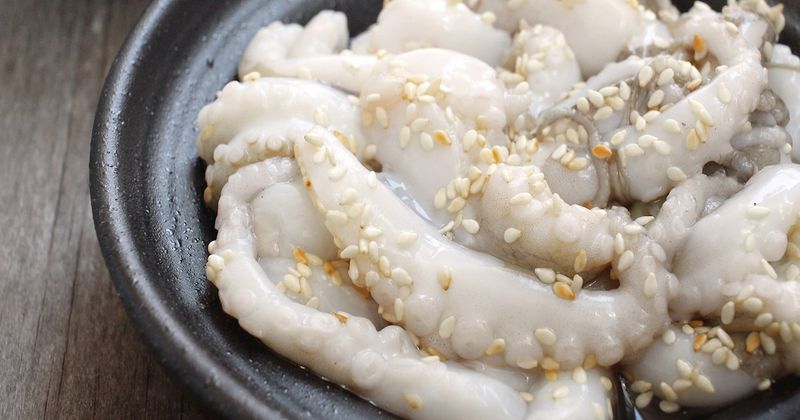
Sannakji takes fresh seafood to a whole new level. In South Korea, this dish features baby octopus or octopus tentacles that are cut up and served immediately, still wriggling on the plate.
The suction cups remain active even after cutting, which means the pieces can actually stick to your throat if you are not careful.
Diners are advised to chew thoroughly before swallowing. Seasoned with sesame oil and seeds, the flavor is clean and oceanic.
It is a popular dish in Korean seafood restaurants, and the moving presentation is a big part of the thrill.
15. Durian – The World's Smelliest Fruit (Southeast Asia)
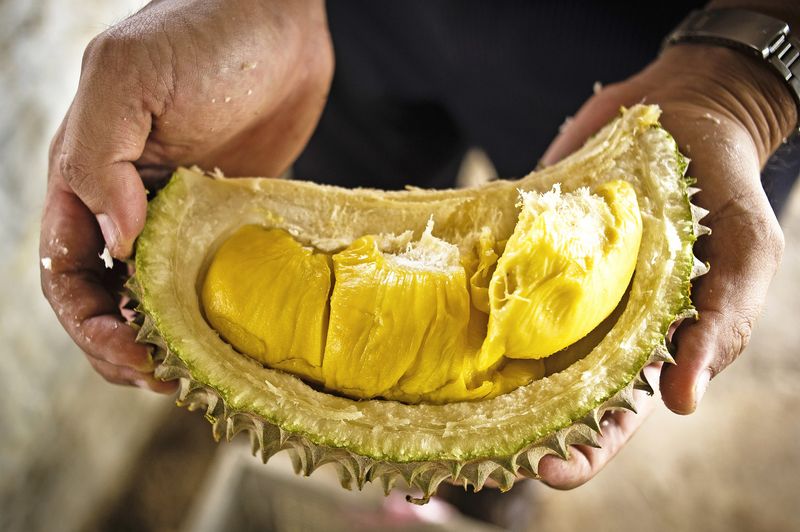
Banned on public transportation and in many hotels across Southeast Asia, durian has earned the title of world's smelliest fruit without much competition. The spiky exterior hides a creamy, custard-like flesh that smells to many foreigners like a combination of raw sewage and overripe onions.
But millions of people in Thailand, Malaysia, and Indonesia absolutely love it. Locals describe the flavor as rich, sweet, and complex, like a tropical custard.
Anthony Bourdain once said it makes your breath smell as if you had been French-kissing your dead grandmother. High praise indeed.
16. Shirako – Fish Sperm Sacs (Japan)
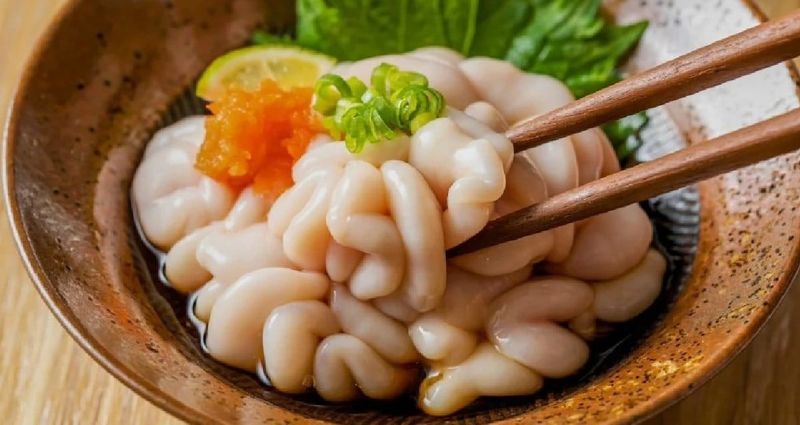
Shirako translates to white children in Japanese, which is a very polite way of saying fish sperm sacs. Typically sourced from cod, puffer fish, or anglerfish, shirako has a soft, creamy texture that many compare to warm custard or silken tofu.
It is considered a high-end delicacy in Japan.
Served raw, steamed, or lightly fried, it is often paired with ponzu sauce or placed in hot pot dishes during winter months when it is in season. First-timers are usually surprised by how mild and pleasant the flavor actually turns out to be.




Comments
No Comments