













Most people reach for apples, bananas, or oranges without thinking twice. But some of the most nutritious fruits in the world are hiding in plain sight, rarely making it into grocery carts.
These overlooked gems are loaded with vitamins, minerals, and antioxidants that can seriously boost your health. Get ready to discover 16 underrated fruits that deserve a spot on your plate.
1. Cherimoya
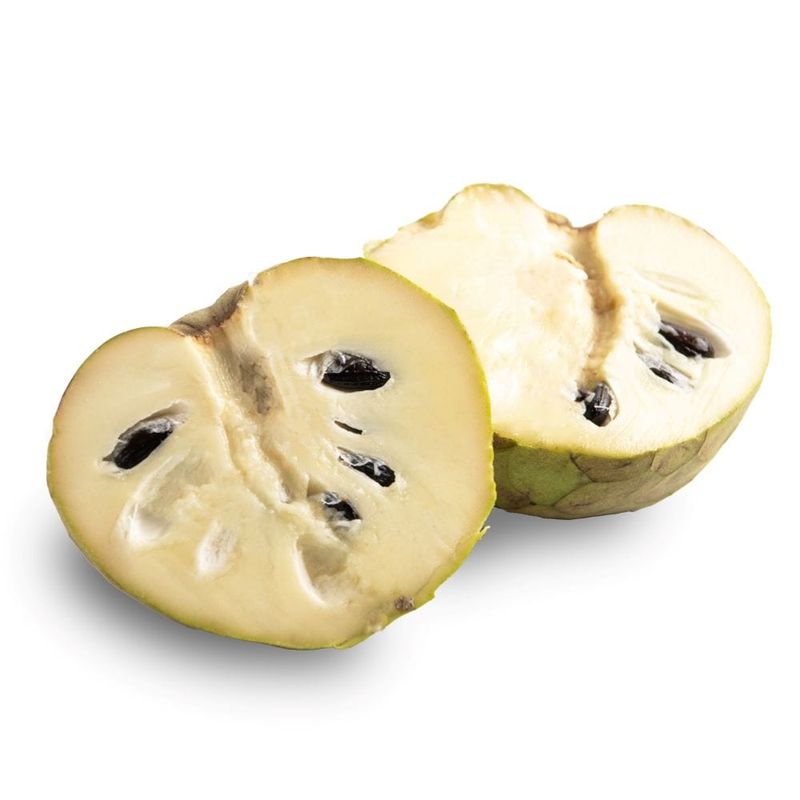
Mark Twain once called the cherimoya "the most delicious fruit known to men." That is quite a claim, but one bite of its creamy, custard-like flesh might make you agree. Native to South America, this heart-shaped fruit is rich in vitamin C, B vitamins, and fiber.
It also contains antioxidants that help protect your cells from damage. Try scooping it straight from the skin with a spoon for a simple, satisfying snack.
2. Feijoa
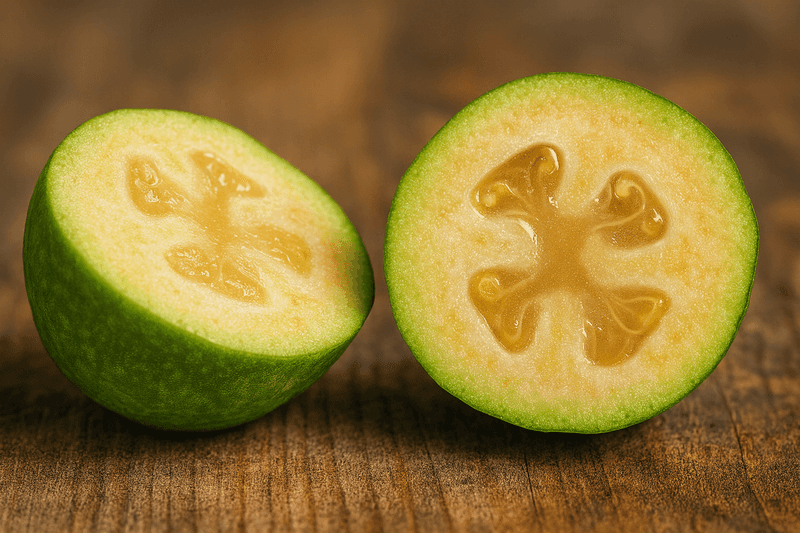
Feijoa smells like a tropical paradise wrapped in a tiny green package. Also called pineapple guava, this small egg-shaped fruit packs a surprising punch of vitamin C, folate, and dietary fiber.
It grows widely in New Zealand and parts of South America but rarely shows up in U.S. stores.
The flavor is a wild mix of pineapple, mint, and strawberry. Scoop the flesh out with a spoon and enjoy it raw for the best experience.
3. Pawpaw
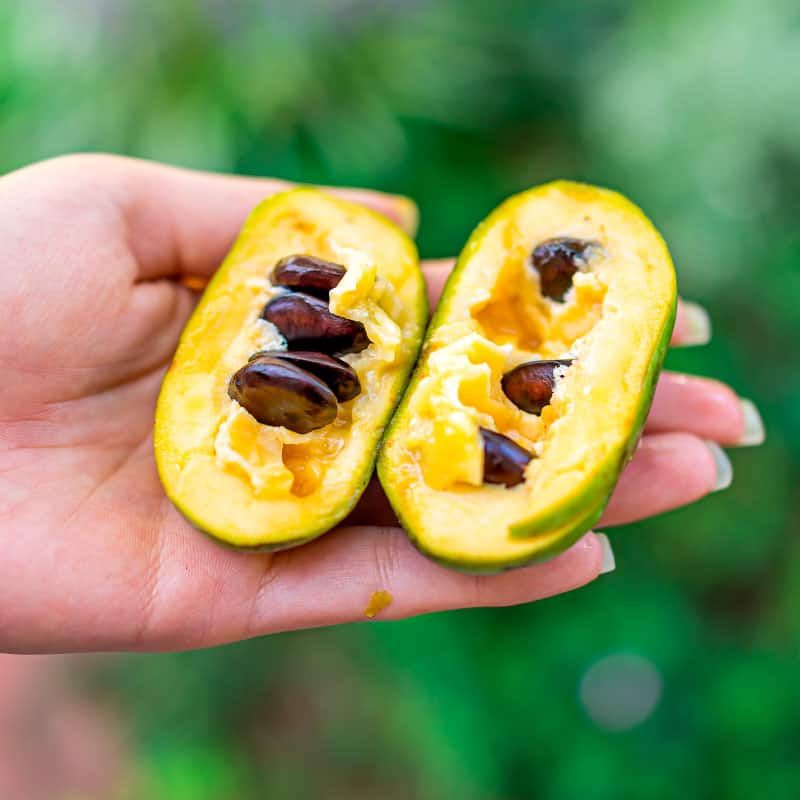
North America has its own tropical fruit, and most people have never tasted it. The pawpaw is the largest edible fruit native to the United States, with a flavor somewhere between a banana and a mango.
It is loaded with vitamin C, magnesium, iron, and essential amino acids.
Because pawpaws spoil quickly, they rarely reach grocery shelves. Your best bet is finding them at farmers markets in late summer or growing your own tree.
4. Jabuticaba
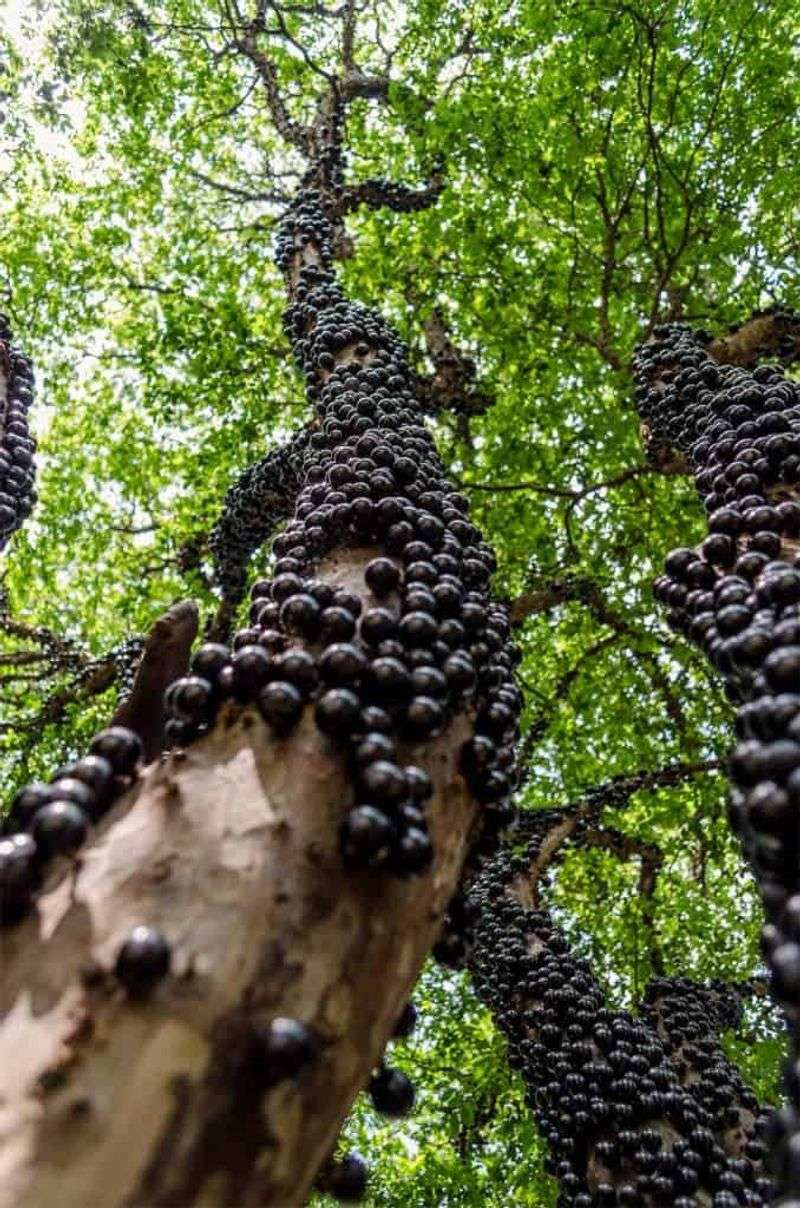
Imagine a fruit that grows straight out of a tree trunk like little dark purple bubbles. That is exactly what jabuticaba looks like, and it is just as fascinating to eat as it is to see.
Native to Brazil, this grape-like fruit is packed with antioxidants, vitamin C, and anti-inflammatory compounds.
Studies suggest it may support gut health and boost immunity. It ferments quickly after picking, so it is best eaten fresh right off the tree.
5. Sapodilla
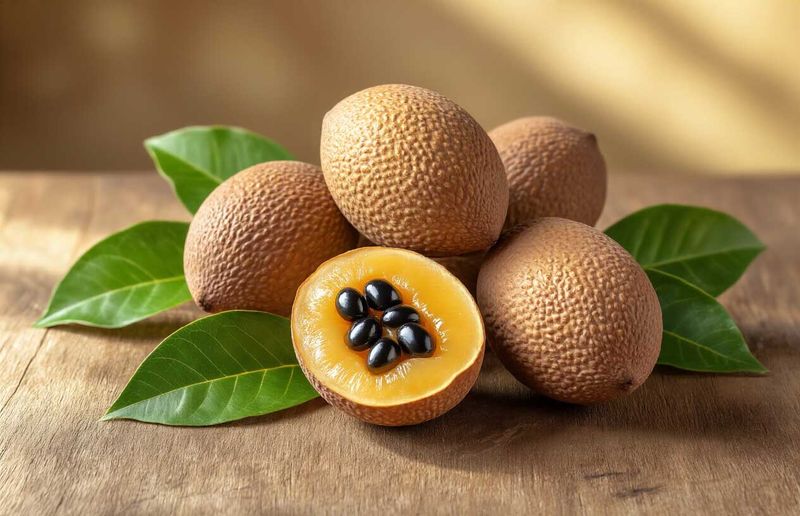
Sapodilla tastes like someone mixed brown sugar into a pear, which makes it one of the sweetest natural fruits you will ever try. Grown across tropical regions of Central America and South Asia, it is rich in dietary fiber, vitamin C, and iron.
Despite its sweetness, it has a low glycemic index compared to many processed sweets.
The fruit also contains tannins that may help reduce inflammation. It is a smart, satisfying choice for anyone with a sweet tooth who wants real nutrition.
6. Longan
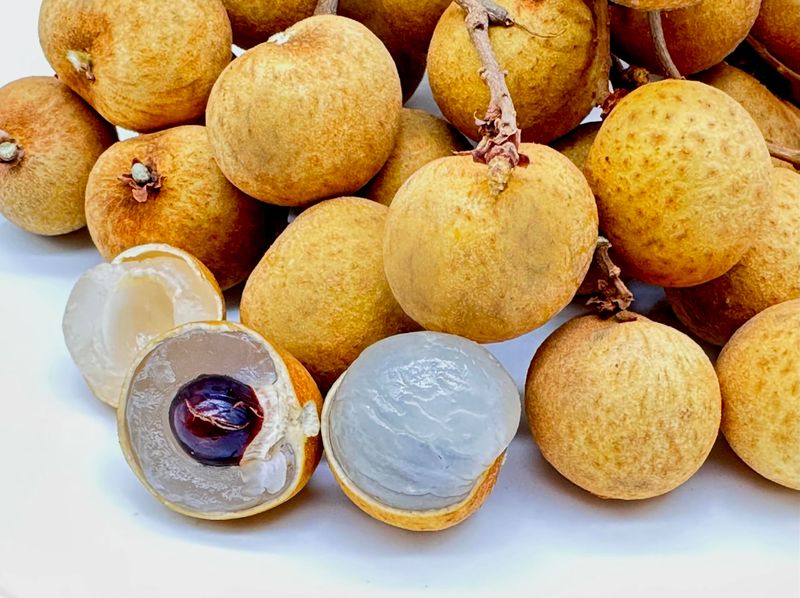
Tiny but mighty, the longan is a Southeast Asian fruit that deserves far more attention than it gets. Nicknamed "dragon eye" because of its dark seed visible through translucent flesh, longan is a solid source of vitamin C, riboflavin, and potassium.
It supports immune function and may even help reduce stress, according to traditional Chinese medicine.
Fresh longans taste sweet and floral, a little like lychee but slightly earthier. They are easy to peel and perfect for snacking on the go.
7. Black Sapote
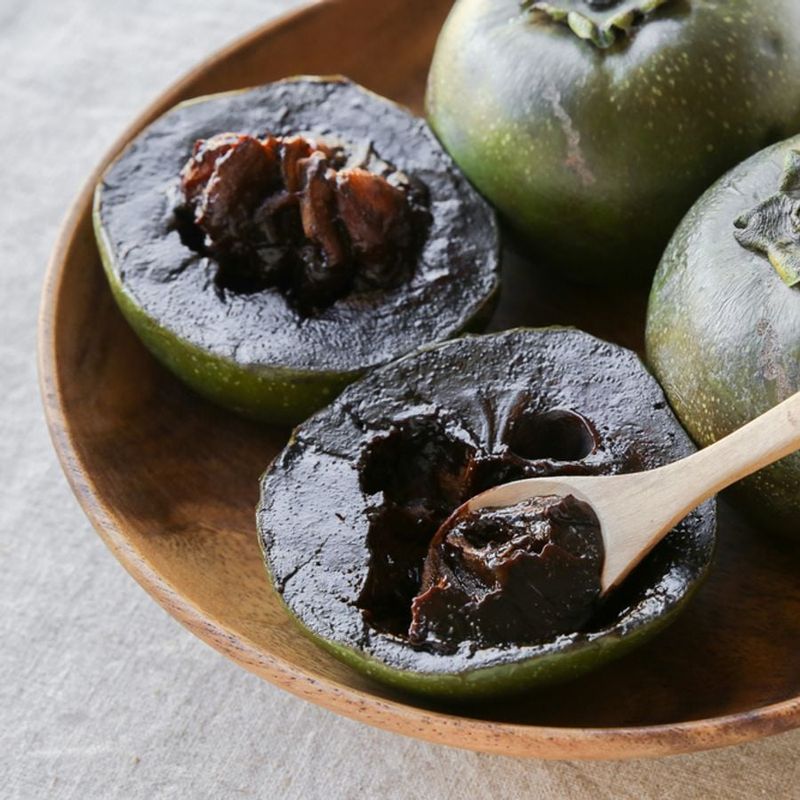
What if dessert could actually be good for you? Black sapote, sometimes called the chocolate pudding fruit, has a dark, rich flesh that genuinely looks and tastes like chocolate pudding.
It is loaded with vitamin C, containing roughly four times more than an orange by weight.
Originally from Mexico and Central America, this fruit is also high in fiber and potassium. Blend the flesh into smoothies or use it as a healthier base for desserts without any guilt.
8. Breadfruit
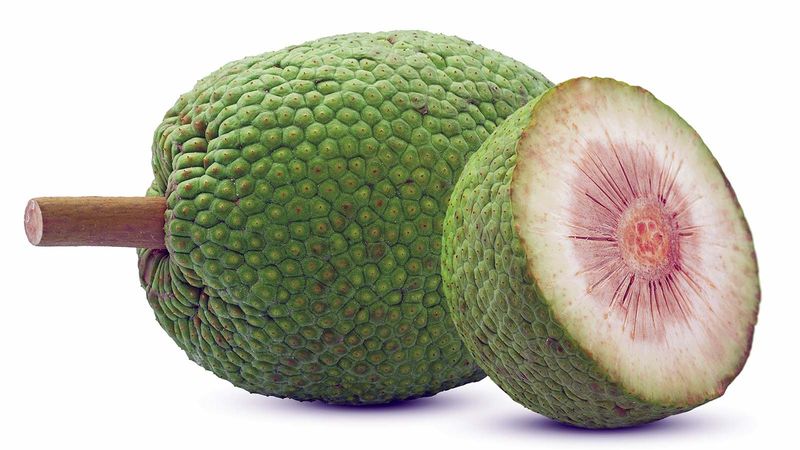
Breadfruit has been feeding Pacific Island communities for thousands of years, yet most of the Western world has barely heard of it. When cooked, its starchy flesh has a texture similar to fresh bread or potato, making it incredibly filling.
It is a powerhouse of complex carbohydrates, fiber, potassium, and vitamin C.
Research from the University of British Columbia found that breadfruit flour contains more protein than wheat flour. Roast it, boil it, or fry it for a hearty and nutritious meal.
9. Cupuacu
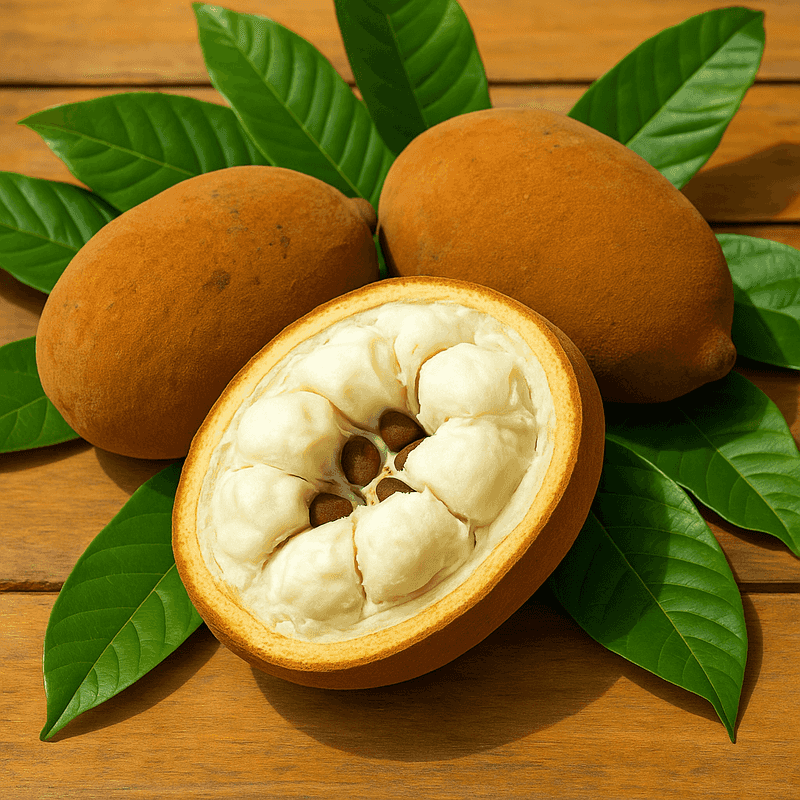
Deep in the Amazon rainforest grows a fruit so rich in nutrients that scientists have been studying it for decades. Cupuacu is related to cacao and shares some of its mood-boosting compounds, including theobromine.
Its creamy white pulp is packed with vitamins B1, B2, B3, fatty acids, and antioxidants.
The flavor is tart and tropical, blending notes of chocolate and pear. It is widely used in Brazilian juices and ice creams, and it absolutely deserves a global spotlight.
10. Mamey Sapote
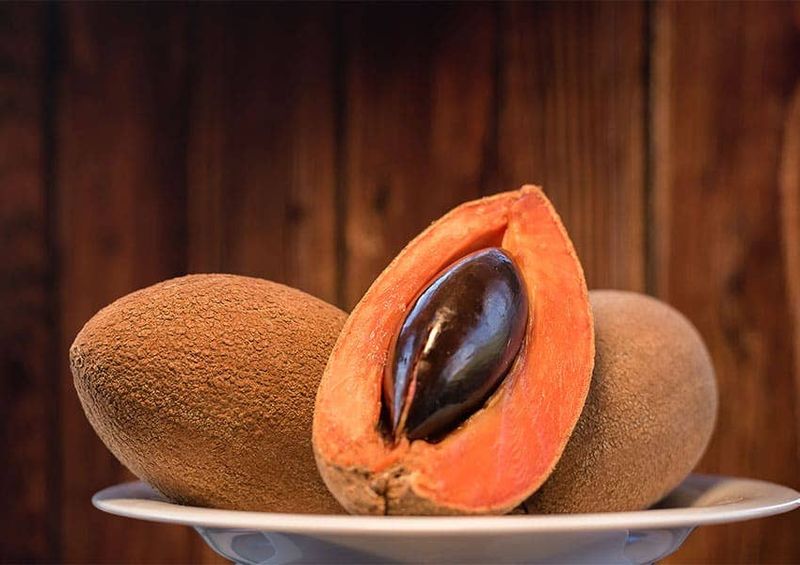
One look at mamey sapote and you might mistake it for a football. This large brown-skinned fruit, common in Cuba and Mexico, hides a stunning salmon-colored flesh inside.
It is incredibly rich in vitamin B6, which supports brain health and helps your body make serotonin, the feel-good chemical.
Mamey also provides vitamin C, fiber, and copper. Blended into a smoothie with milk and a little honey, it tastes almost like a milkshake.
Nutrition has never felt this indulgent.
11. Ackee

Jamaica's national fruit is one of the most unique foods on the planet, but it comes with a catch. Ackee must be fully ripe before eating, as unripe fruit contains toxins.
Once properly prepared, the yellow arils are perfectly safe and absolutely delicious, with a buttery texture similar to scrambled eggs.
Nutritionally, ackee offers healthy fatty acids, vitamin C, zinc, and protein. Paired with saltfish in the classic Jamaican dish, it is a cultural treasure and a nutritional standout.
12. Tamarillo
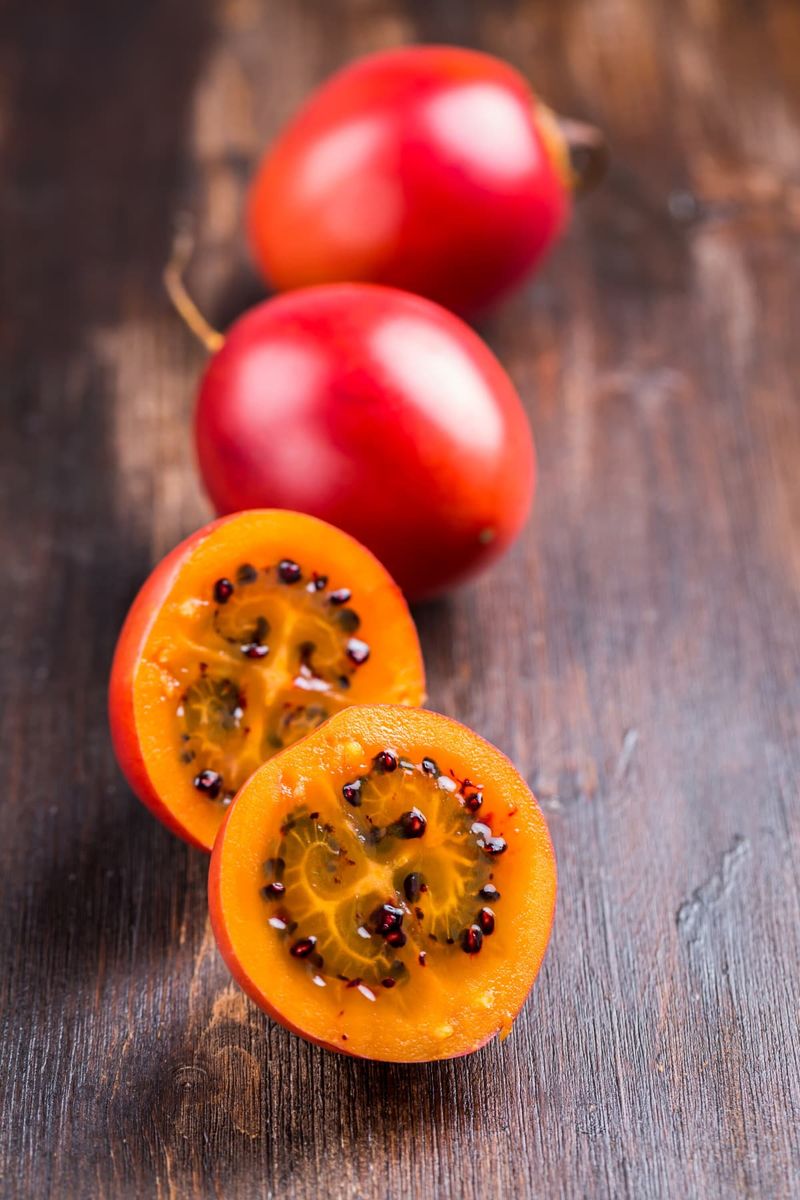
Bright red on the outside and packed with flavor on the inside, the tamarillo is basically the tomato's more exciting cousin. Also called the tree tomato, it originated in the Andes mountains and is now popular in New Zealand and parts of Asia.
It delivers impressive amounts of vitamin A, vitamin C, vitamin E, and iron.
The taste is tangy and slightly sweet, working beautifully in both savory dishes and fruit salads. Scoop out the flesh and mix it into yogurt for a quick nutritional boost.
13. Salak (Snake Fruit)
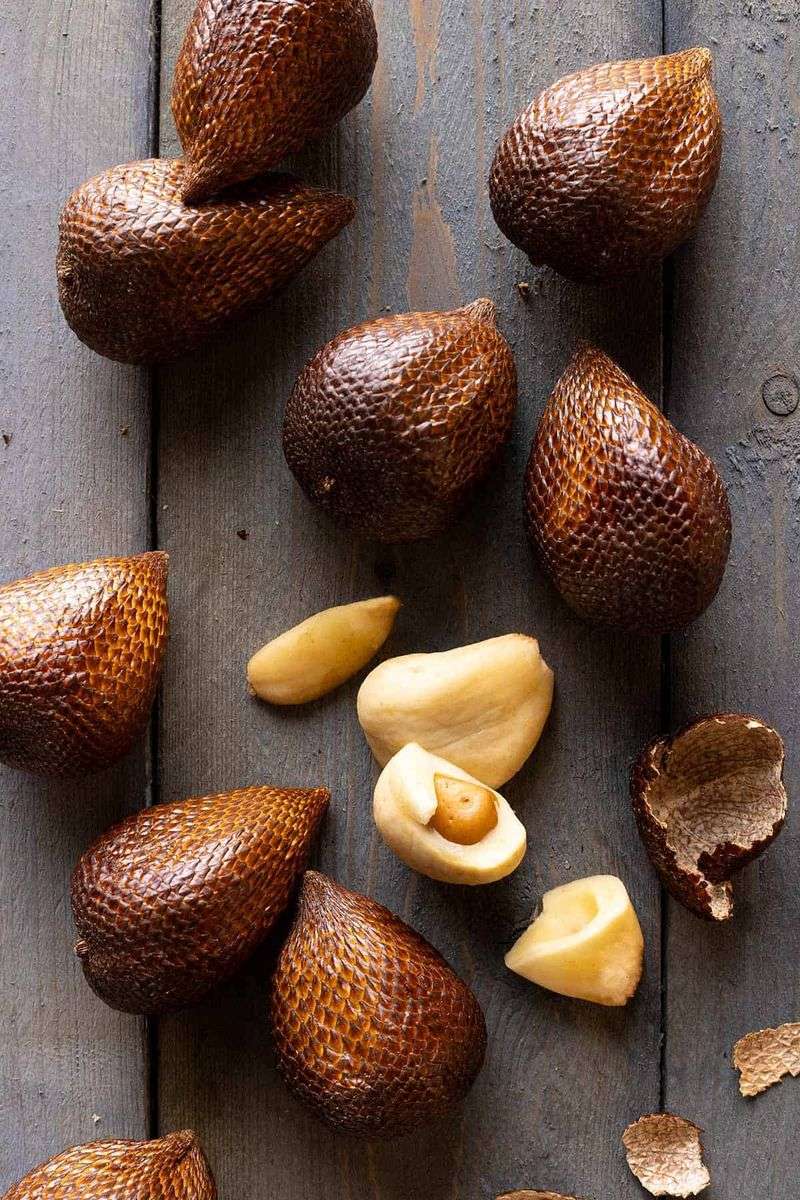
With scaly reddish-brown skin that looks like a snake, salak is one fruit that actually earns its nickname. Peel back the reptilian exterior and you will find crisp, sweet, slightly tangy flesh divided into segments.
Grown mainly in Indonesia, salak is a good source of beta-carotene, vitamin C, potassium, and calcium.
Some research suggests it may support memory and cognitive function, thanks to its high antioxidant content. Grab a few at an Asian grocery store and give your snack routine a wild upgrade.
14. Miracle Fruit
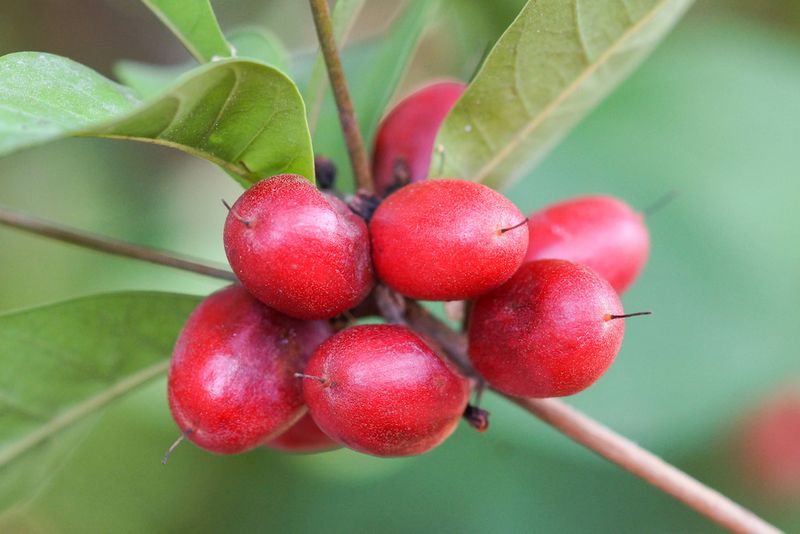
Here is a fruit that literally changes the way you taste food. Miracle fruit contains a glycoprotein called miraculin that binds to taste buds and makes sour foods taste incredibly sweet.
Bite into a lemon after eating one, and it tastes like lemonade. Originally from West Africa, it is low in calories but rich in vitamin C and antioxidants.
Beyond the party trick, it is genuinely nutritious. People with diabetes sometimes use it to enjoy sweet flavors without eating sugar.
15. Cloudberry
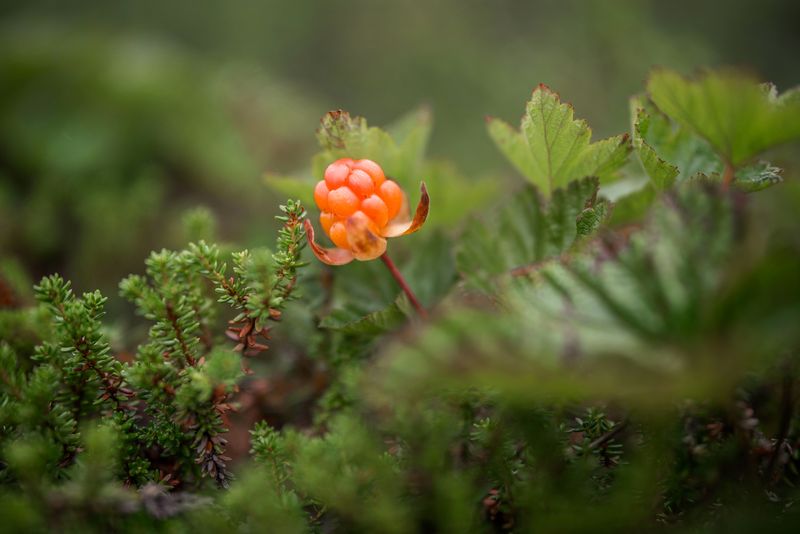
Growing wild across the Arctic tundra and Scandinavian bogs, cloudberries are sometimes called Nordic gold. These amber-colored berries are exceptionally rare and notoriously difficult to cultivate commercially, which is why most people have never seen them.
Despite their scarcity, they are nutritional rockstars, containing four times more vitamin C than oranges.
They are also rich in vitamin A, vitamin E, and omega-3 fatty acids. In Norway and Finland, cloudberry jam is a beloved delicacy that has been treasured for centuries.
16. Soursop
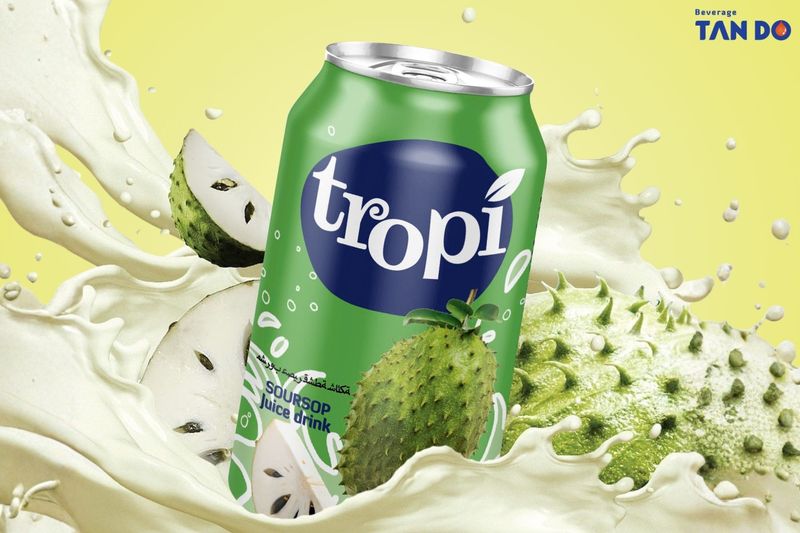
Soursop has been used in traditional medicine across the Caribbean and Latin America for generations, and modern science is starting to take notice. The fruit's white, fibrous flesh has a flavor that crosses pineapple with strawberry, making it a refreshing treat in juices and ice creams.
It is rich in vitamin C, B vitamins, and magnesium.
Research has explored its leaves and fruit for potential anticancer properties, though more studies are still needed. Even without the extra research, soursop stands out as a genuinely impressive tropical fruit.




Comments
No Comments