













British food has a reputation for being hearty and comforting, but it also has some seriously weird names. From puddings that contain no pudding to cakes that aren't really cakes, the UK food scene is full of surprises.
Many of these oddly named dishes have histories stretching back hundreds of years, which explains a lot. Get ready to discover some of the most wonderfully bizarre food names the British Isles has to offer.
1. Spotted Dick
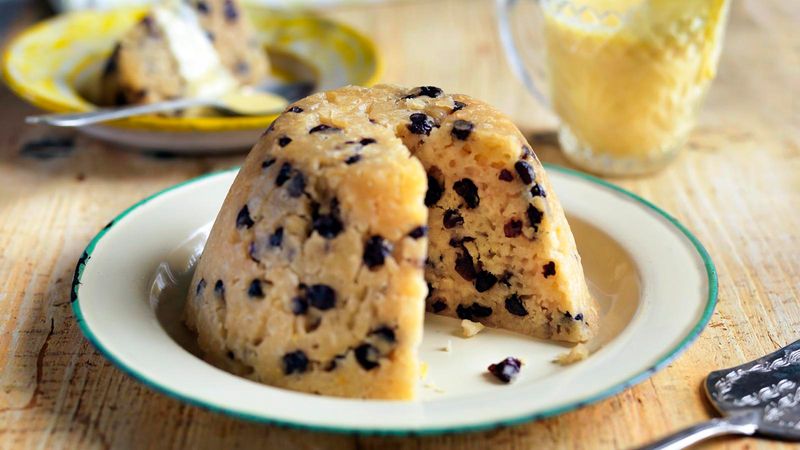
Few dishes cause more giggles at a restaurant table than this classic British pudding. Spotted Dick is a steamed suet sponge loaded with dried currants or raisins, which are the "spots." The word "dick" likely comes from an old term for dough or pudding.
It has been a staple of British school canteens and pub menus for over 150 years. Served warm with a generous pour of custard, it tastes far better than it sounds.
2. Toad in the Hole
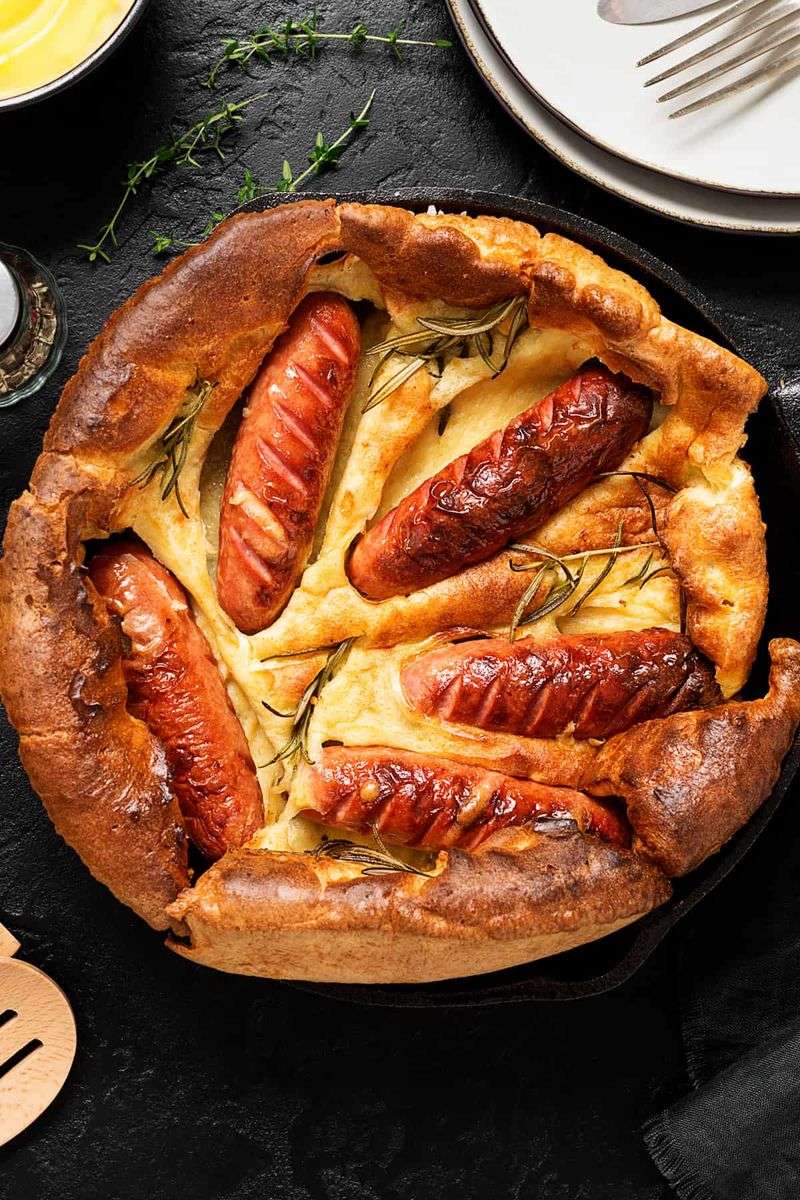
No actual toads are harmed in the making of this dish, thankfully! Toad in the Hole is sausages baked inside a crispy, golden Yorkshire pudding batter, and it is pure British comfort food at its finest.
The quirky name is thought to come from the way the sausages peek out of the batter, looking a bit like toads poking their heads from a hole. Serve it with onion gravy for the full experience.
3. Bubble and Squeak
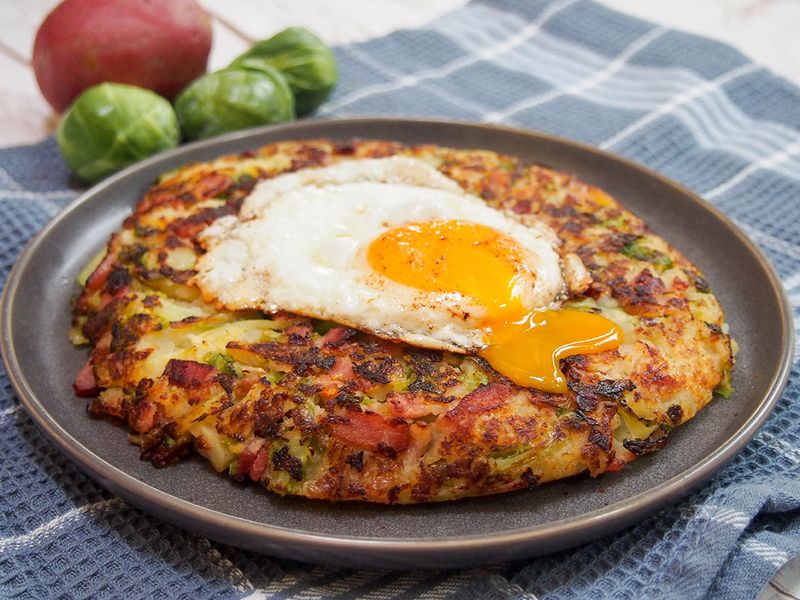
Leftover vegetables have never had a more entertaining name. Bubble and Squeak is a fried cake made from mashed potato and cooked cabbage or Brussels sprouts, often prepared the day after a roast dinner.
The name reportedly comes from the sounds the mixture makes while frying in the pan. It is crispy on the outside, soft on the inside, and absolutely delicious with a fried egg on top.
Waste not, want not, as the British say.
4. Cullen Skink
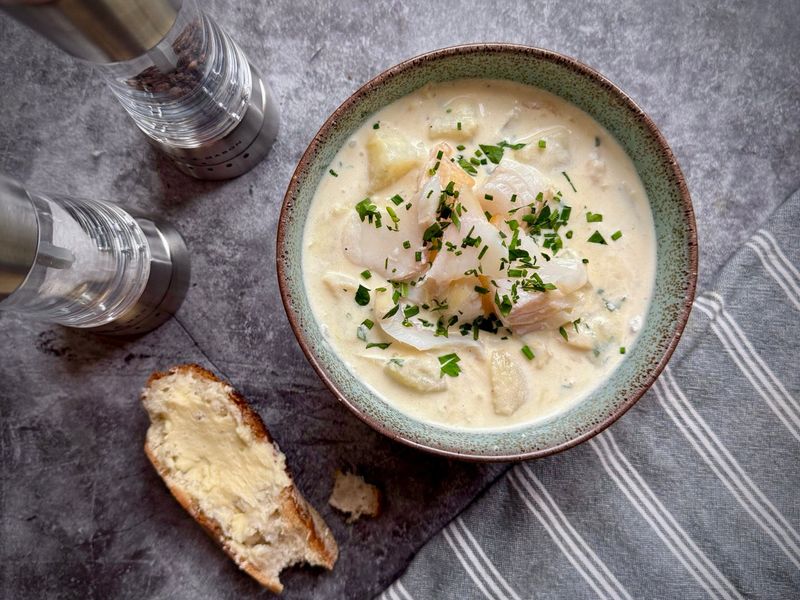
This Scottish soup sounds more like a sneaky cartoon villain than a meal. Cullen Skink is a thick, creamy chowder made from smoked haddock, potatoes, and onions, originating from the small fishing town of Cullen in northeast Scotland.
"Skink" is an old Scots word for a shin or knuckle of beef, which was traditionally used in soups. Over time, the coastal town swapped beef for their plentiful local smoked fish.
It is wonderfully warming on a cold day.
5. Rumbledethumps
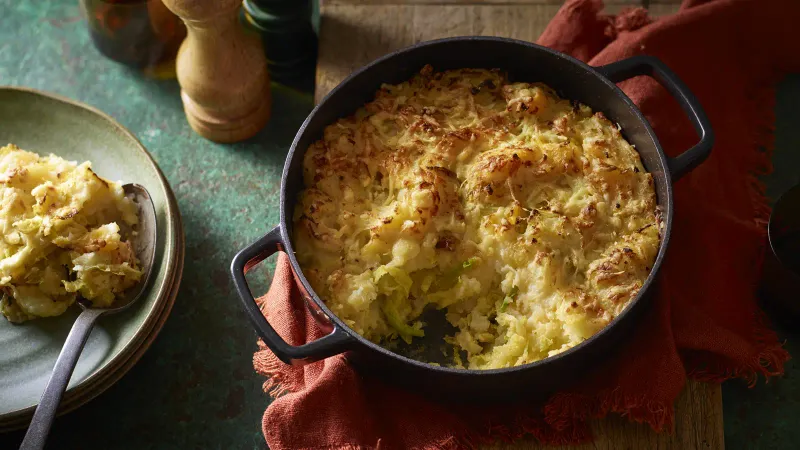
Say that name three times fast! Rumbledethumps is a traditional Scottish dish from the Borders region, made from mashed potato, cabbage or turnip, and onion, then topped with cheese and baked until golden.
Think of it as Scotland's answer to Bubble and Squeak, but richer and cheesier. The unusual name is thought to come from old dialect words meaning "to mix and mash." It makes a brilliant side dish alongside roasted meats and is seriously underrated.
6. Singing Hinnies
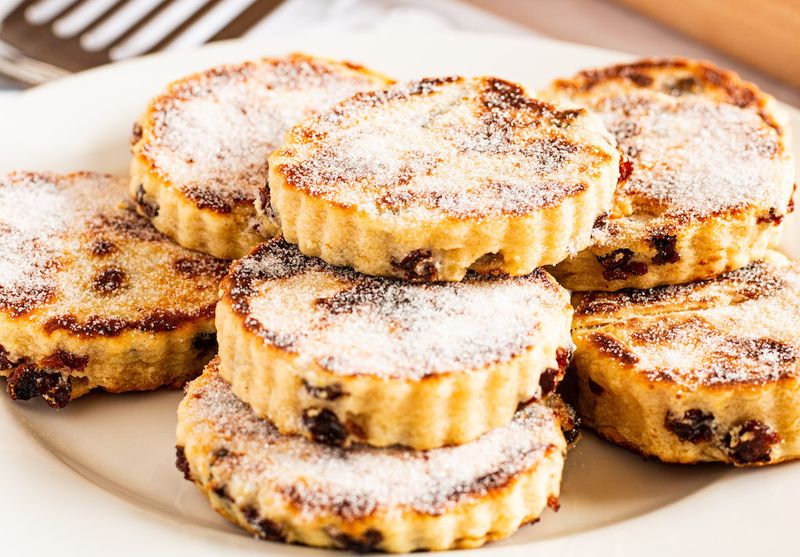
These delightful griddle scones from northeast England have a name that is almost as warm as they taste. Singing Hinnies are fat, round scones cooked on a griddle, and they "sing" by sizzling when they hit the hot surface.
"Hinny" is a term of endearment in the Northumbrian dialect, similar to "honey" or "darling." They are rich with lard and currants, best eaten warm with lashings of butter. A true taste of old-school northern England that deserves far more attention.
7. Stargazey Pie
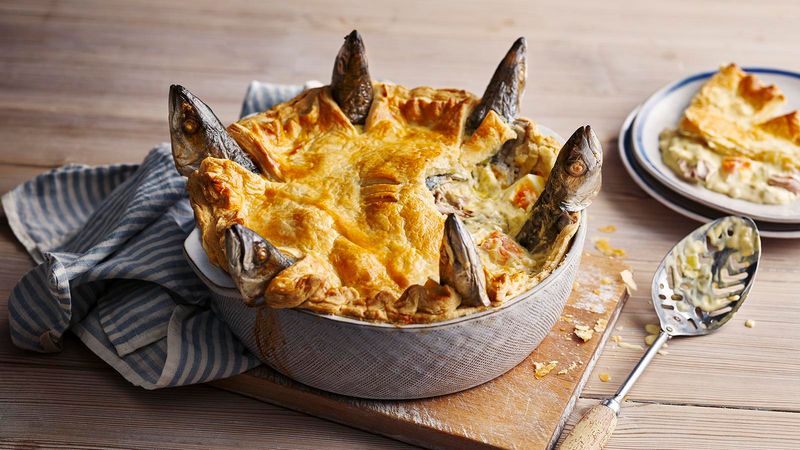
Imagine cutting into a pie and finding fish heads staring right back at you. Stargazey Pie is a Cornish dish where whole pilchards or sardines are baked inside a pastry crust with their heads poking through, as if gazing at the stars.
It originated in the village of Mousehole and is traditionally eaten on Tom Bawcock's Eve, December 23rd, to celebrate a legendary local fisherman. The design keeps the fishy juices inside the pastry, which actually makes culinary sense.
8. Wet Nelly
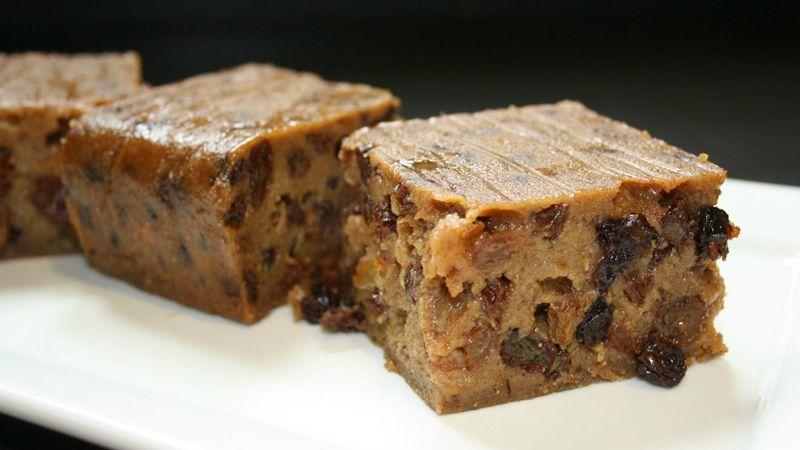
Liverpool has given the world many great things, and Wet Nelly is one of the quirkier ones. This old-fashioned bread pudding is made from stale bread soaked in water, mixed with dried fruit, spices, and fat, then baked until set.
The name is thought to come from Nellie, a slang word for bread in old Liverpudlian dialect. It was historically a thrifty way to use up leftover bread and was popular among working-class families.
Sticky, dense, and surprisingly satisfying.
9. Whim Wham
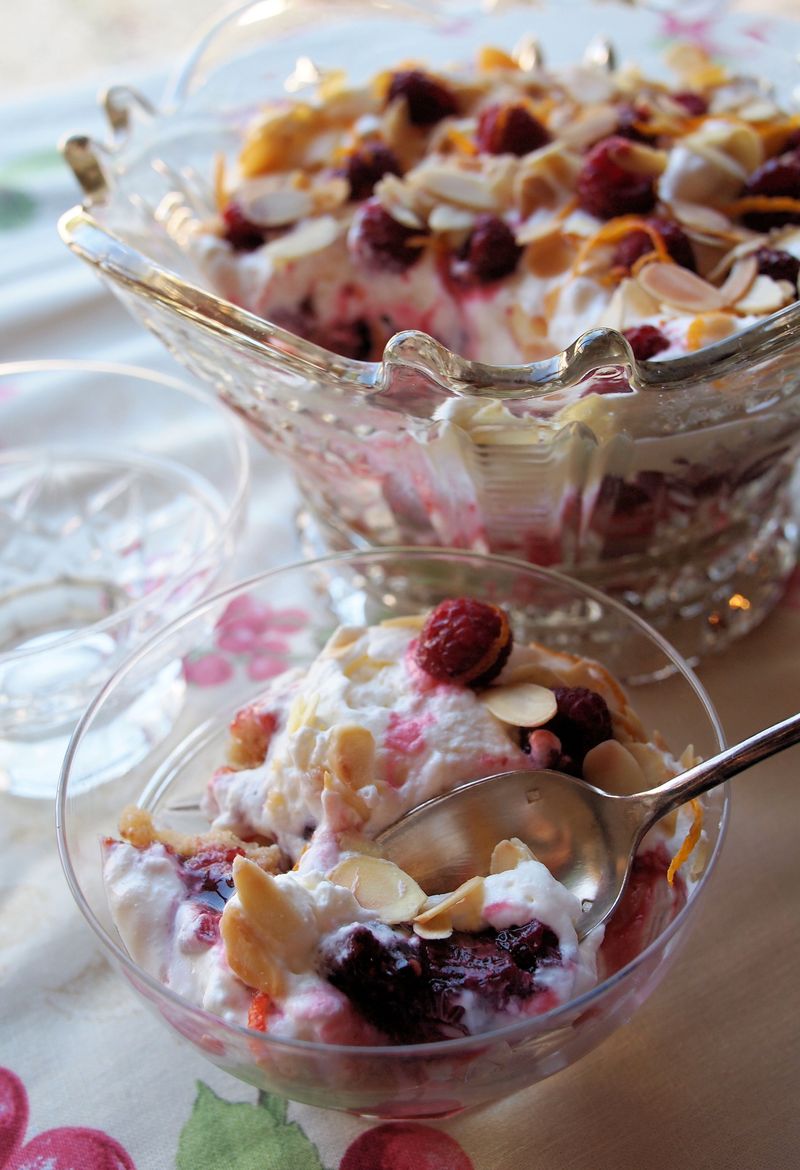
This dessert sounds like something a cheerful grandmother invented on a whim, which is honestly not far from the truth. Whim Wham is an old Scottish trifle made with layers of cream, sponge biscuits, currants, and orange zest, often spiked with sherry or brandy.
Dating back to the 18th century, it was considered a playful, light-hearted treat, and its silly name reflected that carefree spirit. It is essentially a simpler, more delicate version of a classic trifle with a lot more charm.
10. Eton Mess
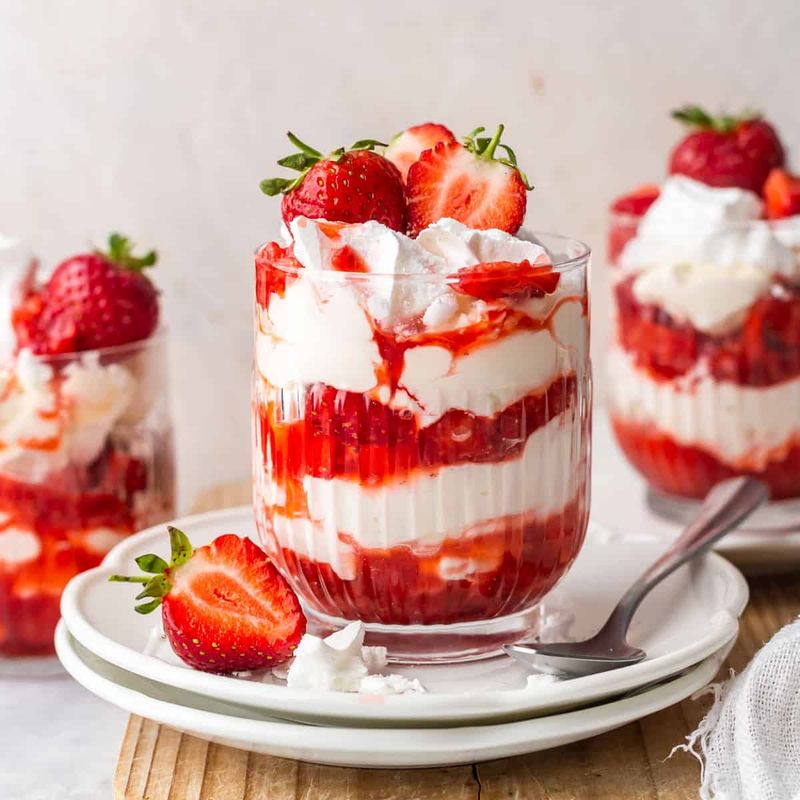
Despite the name, this is one of the most beloved British desserts around. Eton Mess is a glorious combination of crushed meringue, whipped cream, and fresh strawberries all mixed together in a happy, chaotic heap.
It gets its name from Eton College in Berkshire, where it has been served at the school's annual cricket match against Harrow since at least the 1930s. The story goes that a meringue was accidentally crushed, and rather than waste it, someone mixed it all together.
Pure genius.
11. Fartleberry Pudding
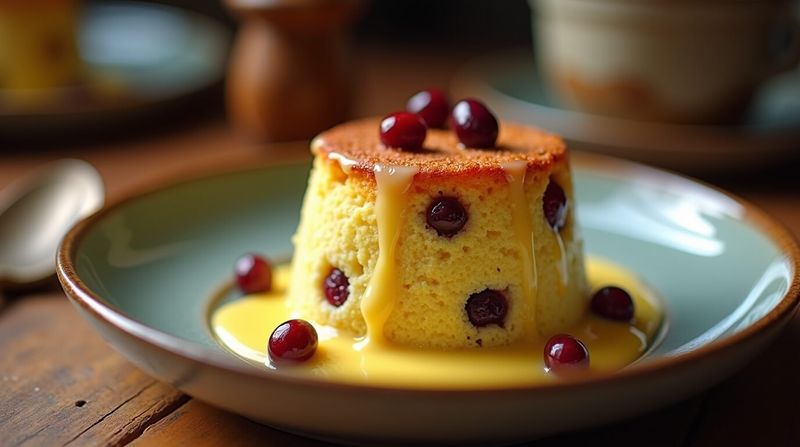
Believe it or not, fartleberries are a real thing, and yes, British people have made a pudding from them. The fartleberry is another name for the whortleberry, a wild berry related to the bilberry, found across British moorlands.
The name comes from old English dialect, with "fartle" simply meaning a small, round fruit. Puddings made with these tart little berries were common in rural communities centuries ago.
The name raises eyebrows today, but back then, nobody batted an eyelid.
12. Piggy Pudding
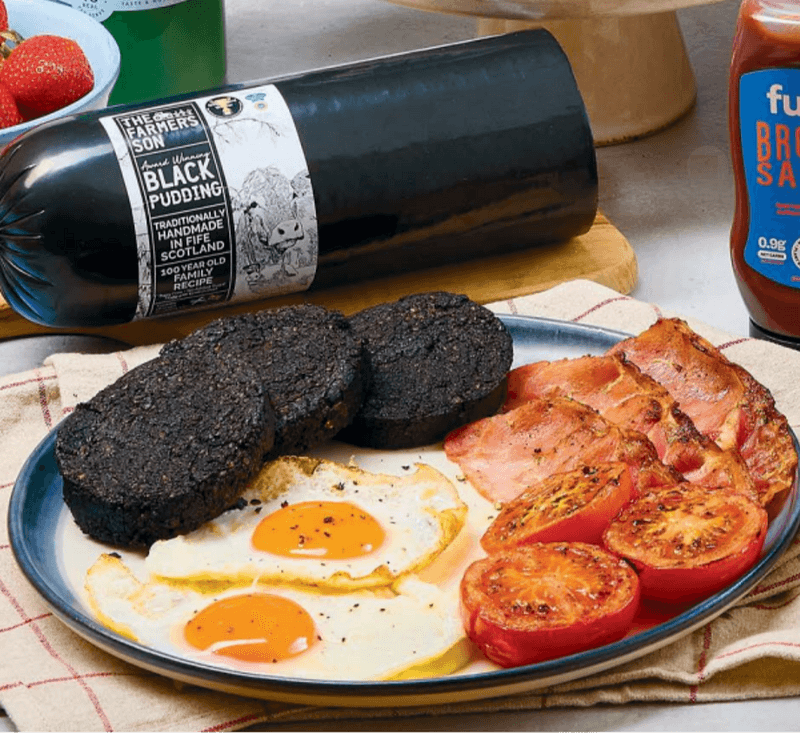
Before you picture a cute little pig sitting in a bowl, know that Piggy Pudding is a regional name for black pudding, the famous British sausage made from pork blood and oatmeal or barley. It has been eaten in Britain since medieval times.
The name is used in parts of northern England and Scotland, where black pudding is a beloved breakfast staple. Fried until crispy and served alongside eggs and bacon, it is a divisive dish that its fans absolutely swear by.
13. Huffkins
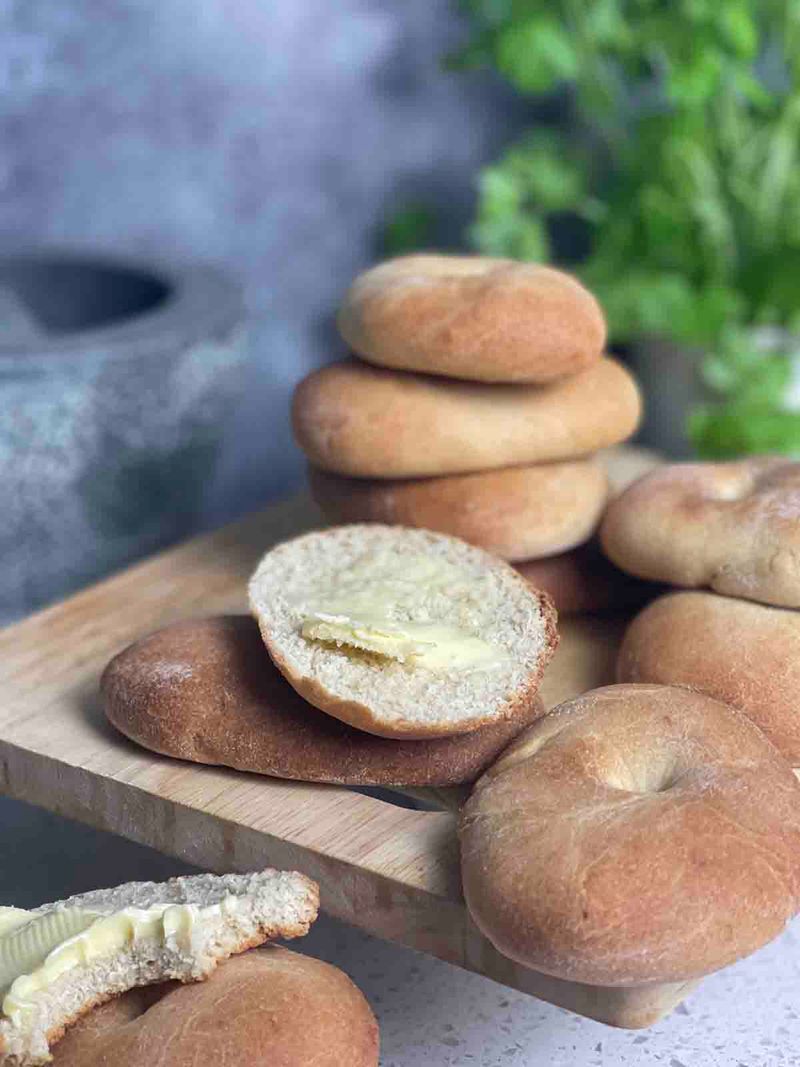
Kent has its own unique contribution to the world of oddly named baked goods, and Huffkins are a local treasure. These are soft, flat, oval bread rolls with a distinctive dimple pressed into the centre, traditionally baked in the county of Kent.
They were historically filled with cherries when the local orchards were in season, making them a popular summer treat at fairs and markets. The origin of the name remains a bit of a mystery, which somehow makes them even more charming.
14. Flummery
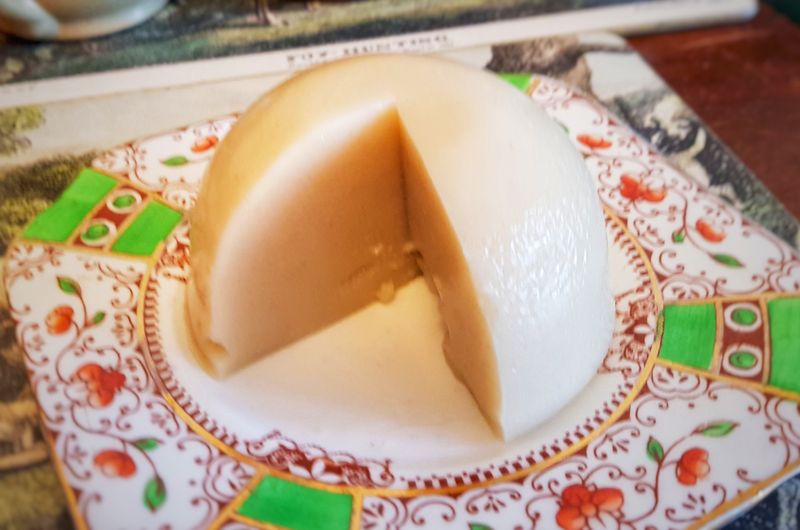
The word "flummery" now means nonsense or empty flattery, but in Britain it once meant a very real and very wobbly pudding. Traditional Welsh flummery is made from soaked oats boiled until thick, then set into a jelly-like shape and served cold with honey or cream.
Later versions used cream, almonds, and wine to create something more like a blancmange. It was a popular dish from the 17th to 19th centuries across Wales and England.
The name is thought to come from the Welsh word "llymru."
15. Clootie Dumpling
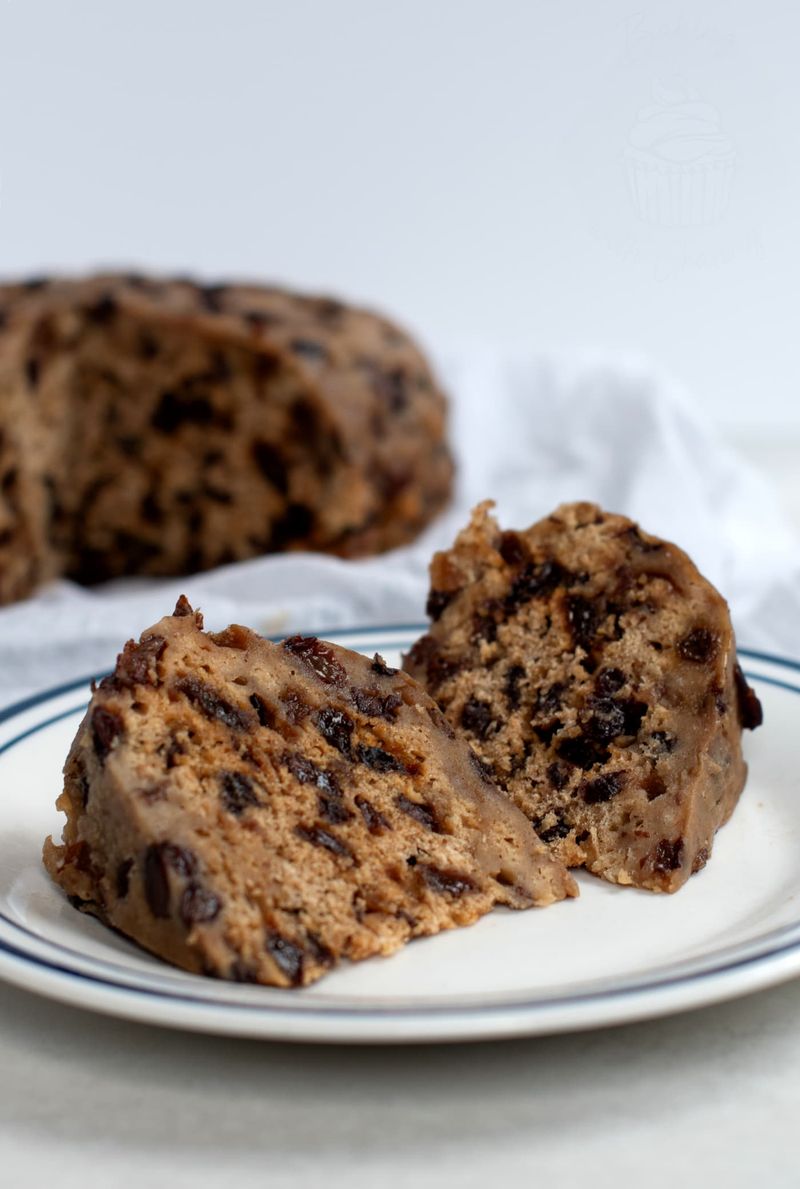
Wrapped in a cloth and boiled for hours, the Clootie Dumpling is one of Scotland's most iconic and strangely named dishes. "Clootie" is the Scots word for cloth, and the dumpling is cooked by being wrapped tightly in a floured cloth and simmered in water.
Packed with dried fruit, spices, and treacle, it is dense, dark, and deeply satisfying. Traditionally made at Christmas and Hogmanay, silver coins were sometimes hidden inside for luck.
Finding one meant good fortune for the coming year.
16. Bedfordshire Clanger
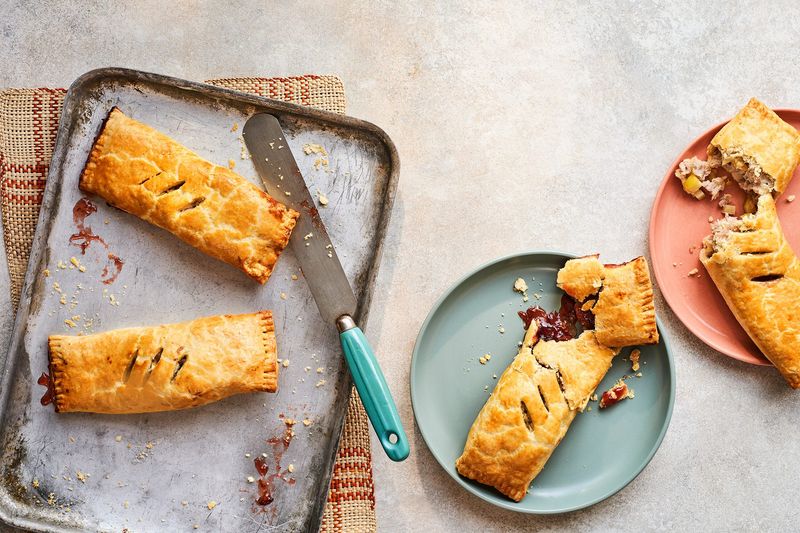
Half savoury, half sweet, and entirely unique, the Bedfordshire Clanger is one of Britain's most practical and peculiar foods. This long, cylindrical suet pastry is divided inside, with a meat and vegetable filling at one end and a sweet fruit jam filling at the other.
Farm workers in Bedfordshire historically carried these as an all-in-one meal, eating the savoury end first as their main course and the sweet end as dessert. One pastry, two courses, zero washing up.
Absolute brilliance.




Comments
No Comments