













Some foods have been around for centuries, quietly feeding families and carrying stories from one generation to the next. But somewhere along the way, a lot of these dishes got pushed aside for trendier options.
That does not mean they stopped being delicious or worth eating. These 16 traditional foods are ready for a comeback, and you might be surprised by how much you have been missing.
1. Bone Broth
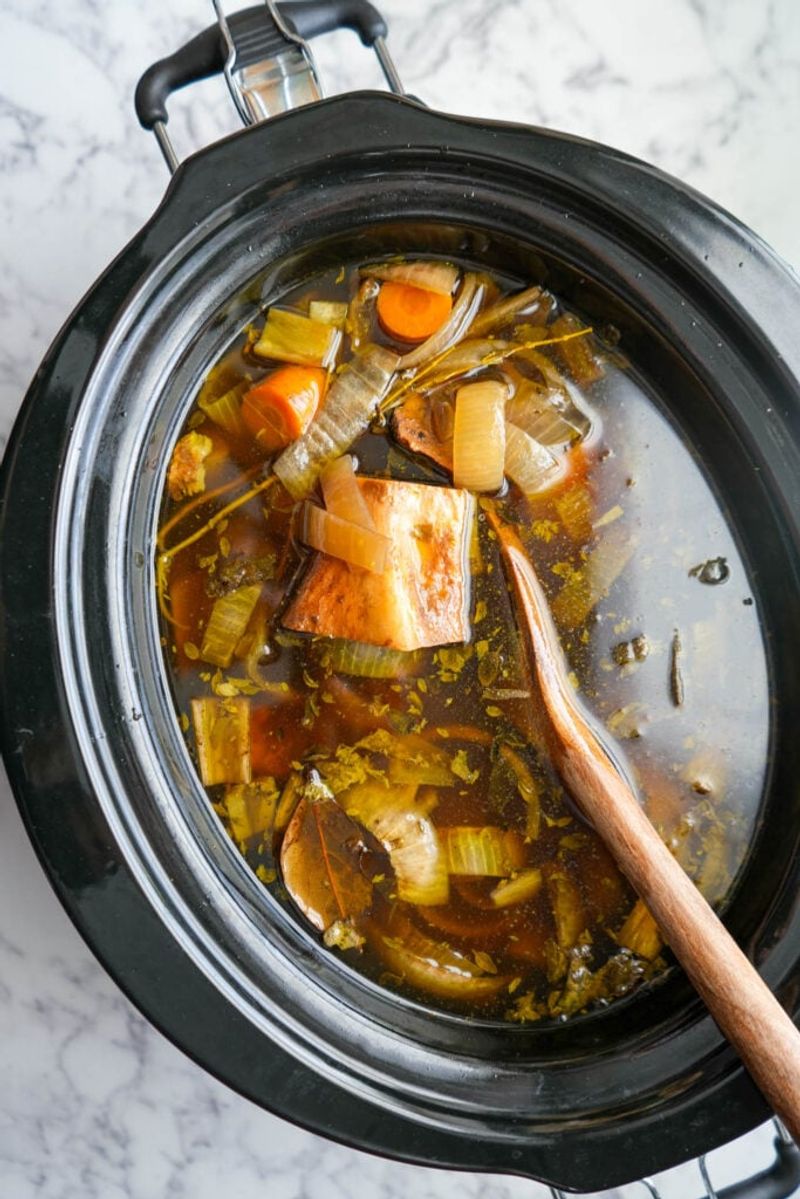
Long before protein shakes and wellness drinks took over store shelves, grandmothers were simmering bones for hours to make this liquid gold. Bone broth is packed with collagen, minerals, and amino acids that support gut health and joint comfort.
You can sip it warm like tea or use it as a base for soups and stews. Making it at home is surprisingly simple and costs almost nothing if you save leftover bones from roasted chicken or beef.
2. Fermented Cabbage (Sauerkraut)
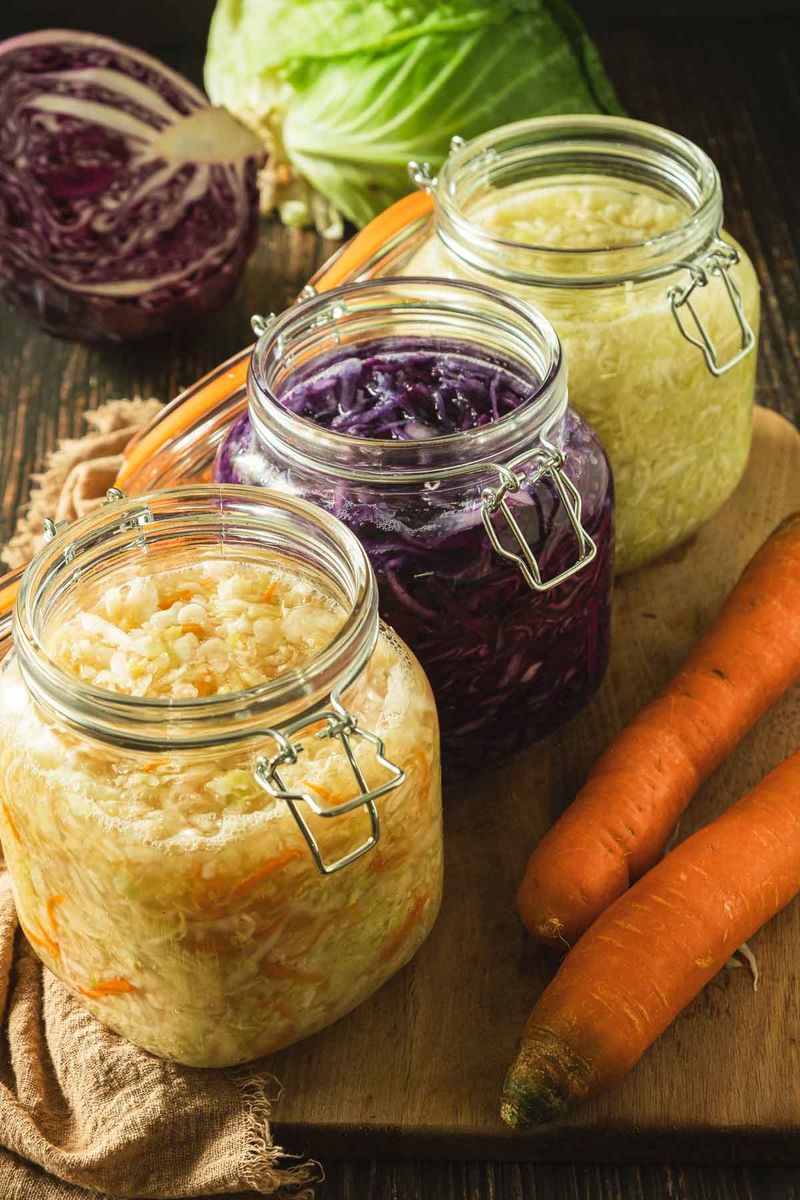
Sauerkraut has been eaten across Europe for over 2,000 years, and there is a very good reason it stuck around that long. The fermentation process fills it with beneficial bacteria that support a healthy digestive system.
It tastes tangy, crunchy, and slightly sour, which makes it a great topping for sandwiches, sausages, or grain bowls. Store-bought versions work fine, but homemade sauerkraut only requires two ingredients: cabbage and salt.
3. Liver and Onions
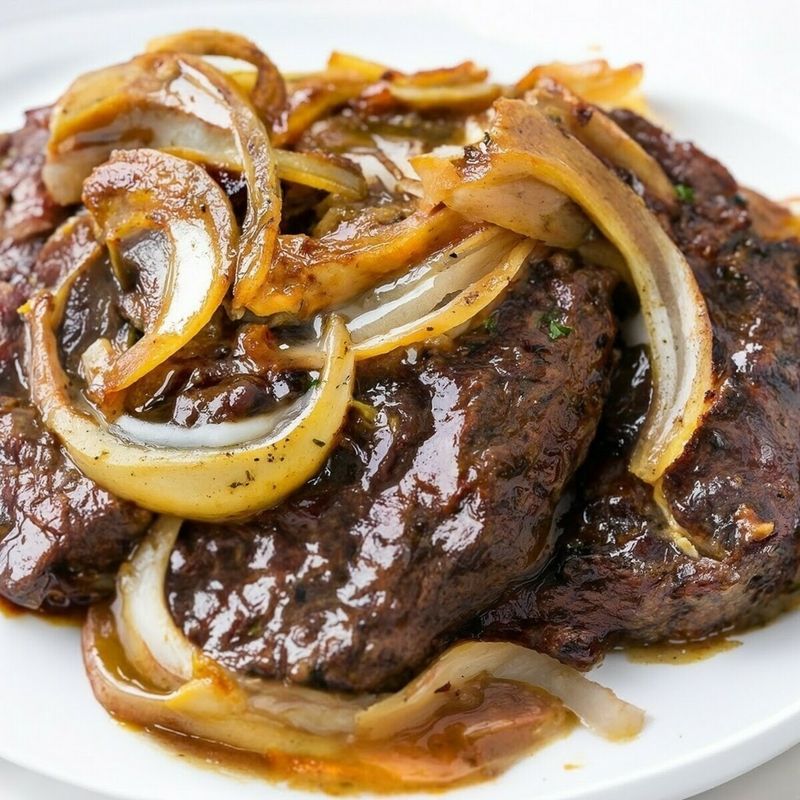
Liver gets a bad reputation, but nutritionally it might be one of the most powerful foods you can eat. A single serving of beef liver delivers more iron, vitamin B12, and folate than almost any other food on the planet.
Cooking it with caramelized onions softens the strong flavor and makes it genuinely enjoyable. If you had a bad experience with overcooked liver as a kid, try it again with a quick sear at high heat.
You may change your mind.
4. Porridge
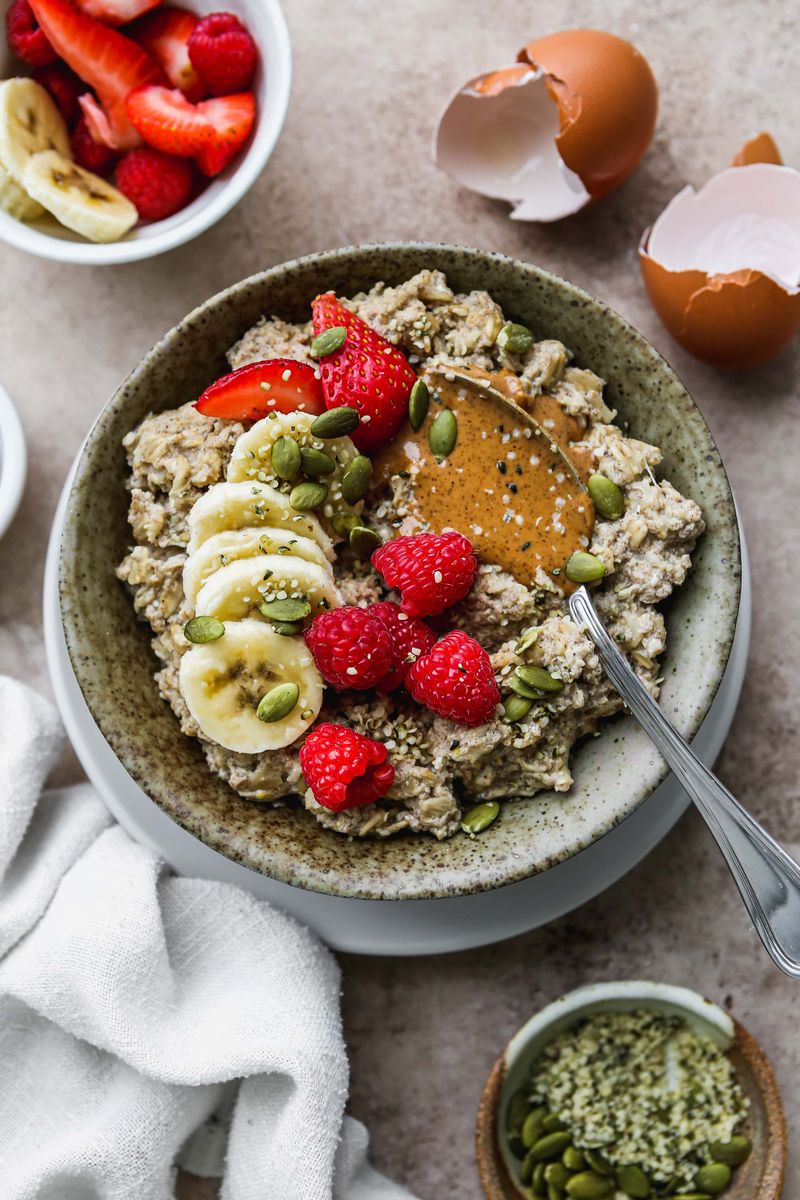
For thousands of years, porridge was the breakfast of farmers, warriors, and everyday families who needed fuel that lasted all morning. Made from oats, barley, or cornmeal, it is one of the most affordable and filling meals you can prepare.
Modern toppings like fresh fruit, nut butter, and seeds have completely transformed its image. What once felt like plain peasant food now shows up on trendy cafe menus.
The base recipe has barely changed, and that is the whole point.
5. Lentil Soup
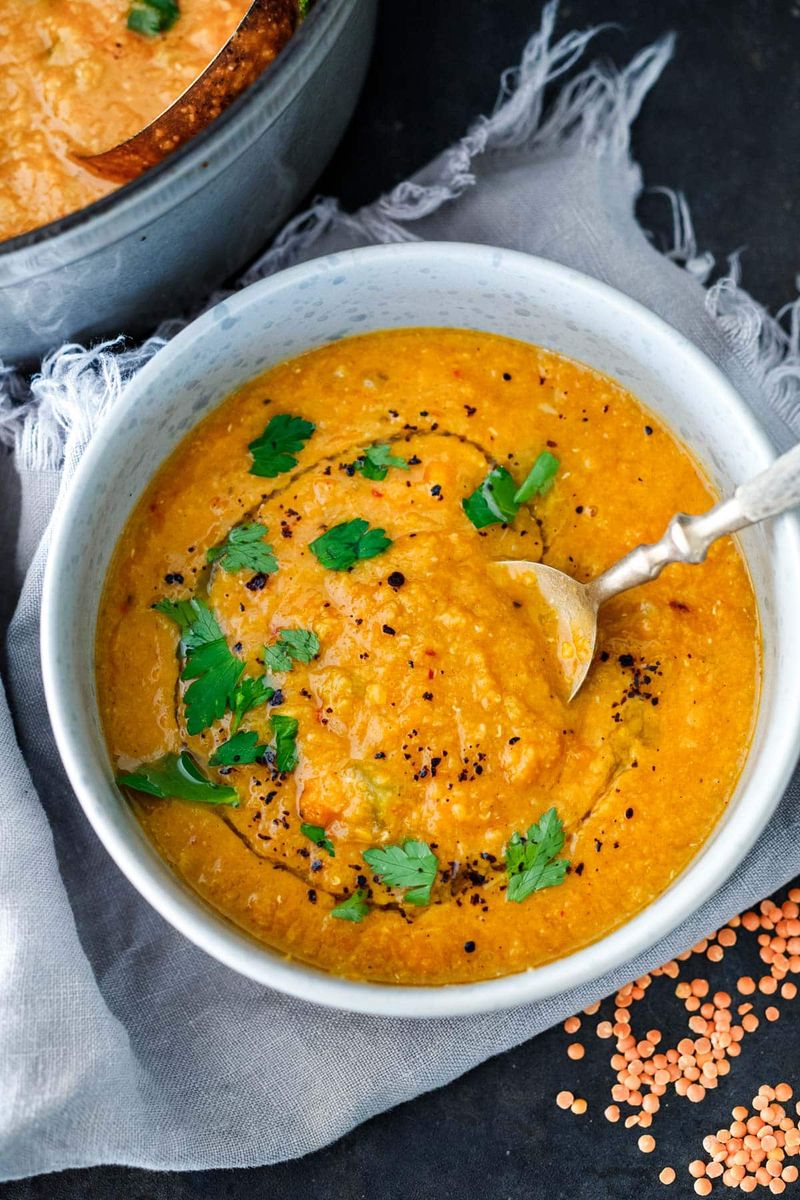
Lentil soup has fed civilizations across the Middle East, South Asia, and Europe for thousands of years. It is high in plant-based protein, fiber, and iron, making it one of the most nutritionally complete meals you can make on a tight budget.
A pot of lentil soup costs very little and feeds a whole family. Spices like cumin, turmeric, and smoked paprika give it a depth of flavor that surprises first-timers.
Leftovers taste even better the next day.
6. Sourdough Bread
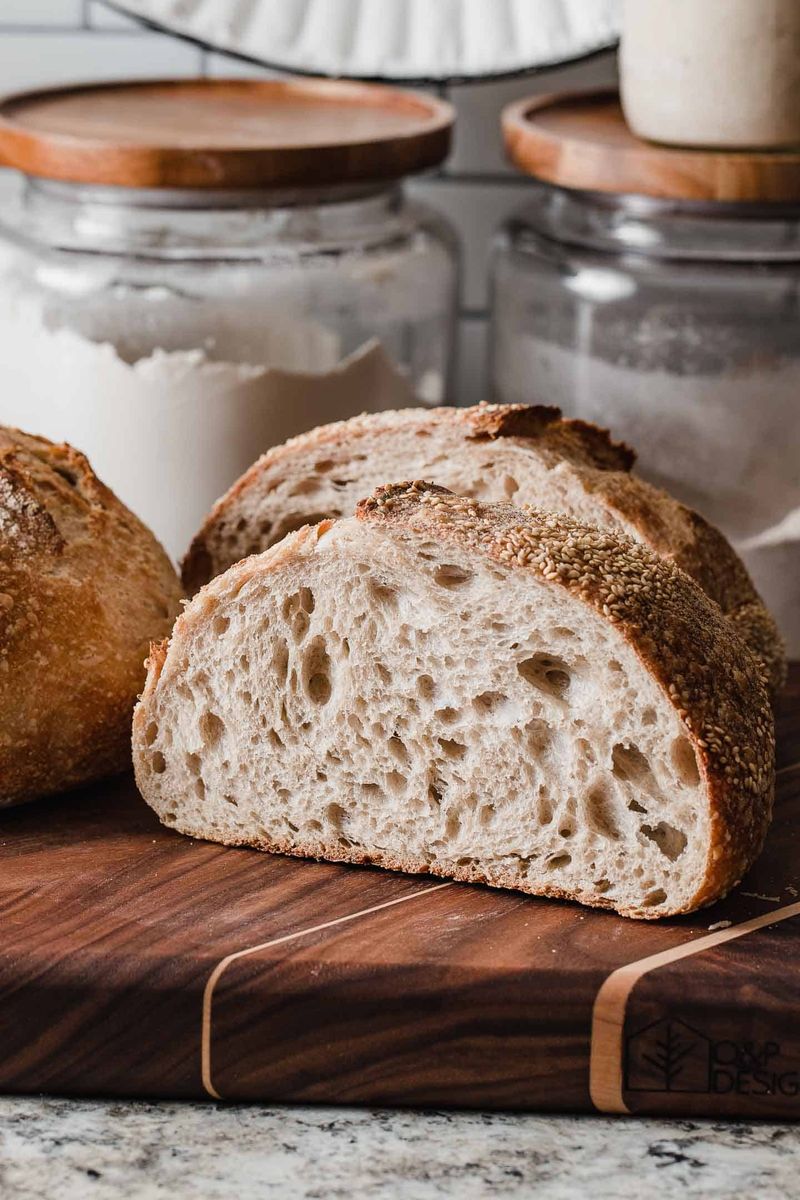
Before commercial yeast existed, every loaf of bread was made using a live fermented starter. Sourdough is that original bread, and its slow fermentation process actually makes the nutrients inside the grain easier for your body to absorb.
The tangy flavor and chewy texture are hard to match with any store-bought alternative. Sourdough baking became a huge trend in recent years, but it has been a staple in homes around the world for centuries.
Starting your own starter is easier than it sounds.
7. Pickled Vegetables
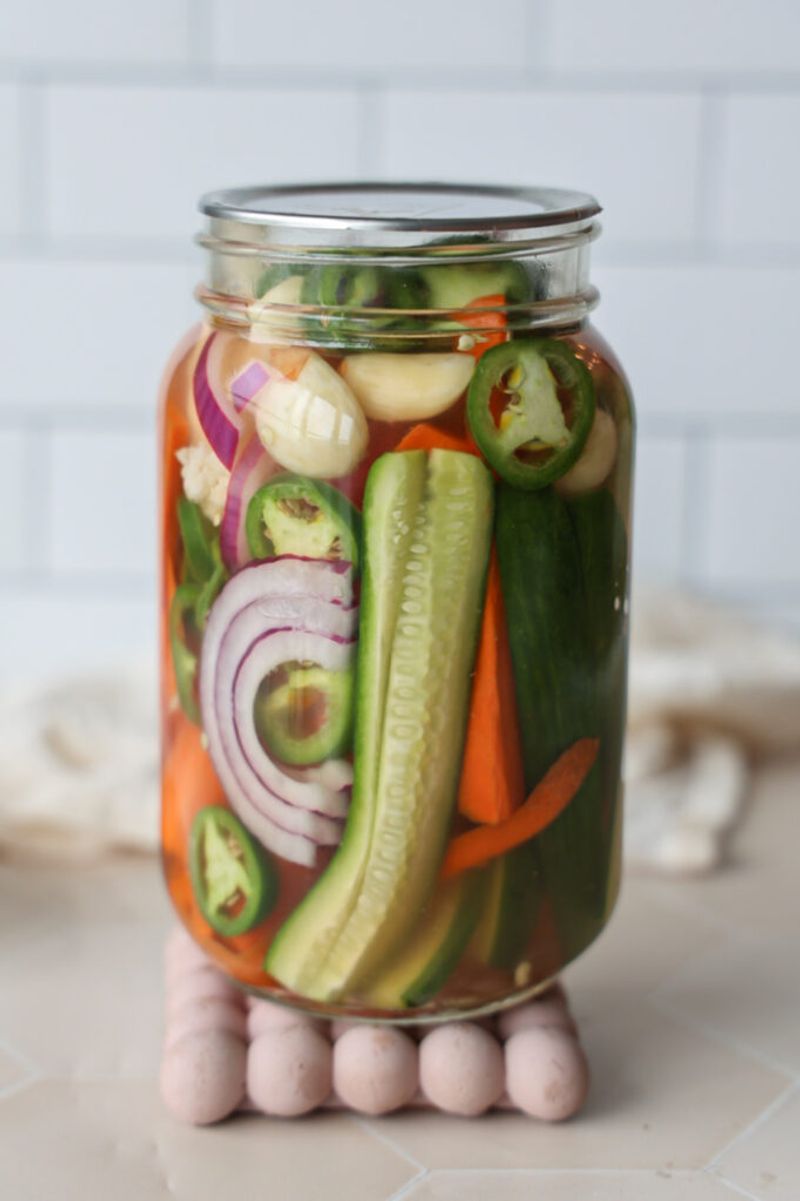
Pickling was originally a preservation method, not a food trend, and it kept vegetables edible through long winters before refrigerators existed. Today, pickled vegetables offer more than just a long shelf life.
They bring bold, briny flavor to almost any meal.
Pickled carrots, radishes, beets, and onions are easy to make at home with vinegar, salt, and a few spices. They work well as toppings, side dishes, or snacks.
Fermented pickles also carry the same gut-friendly bacteria found in sauerkraut and yogurt.
8. Polenta
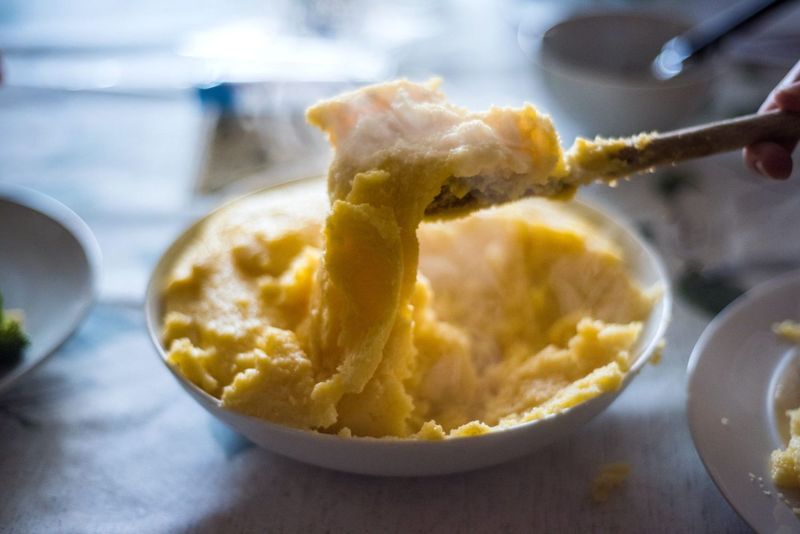
Polenta is simply ground cornmeal cooked slowly into a creamy, comforting porridge, and it has been a staple in northern Italy and parts of Africa for centuries. It is naturally gluten-free, inexpensive, and incredibly versatile.
Serve it soft and creamy under braised meats or let it firm up, slice it, and pan-fry it until golden. Either way, it absorbs the flavors around it beautifully.
Once you understand how simple polenta is to make, it becomes one of those reliable go-to dishes you return to often.
9. Miso Soup
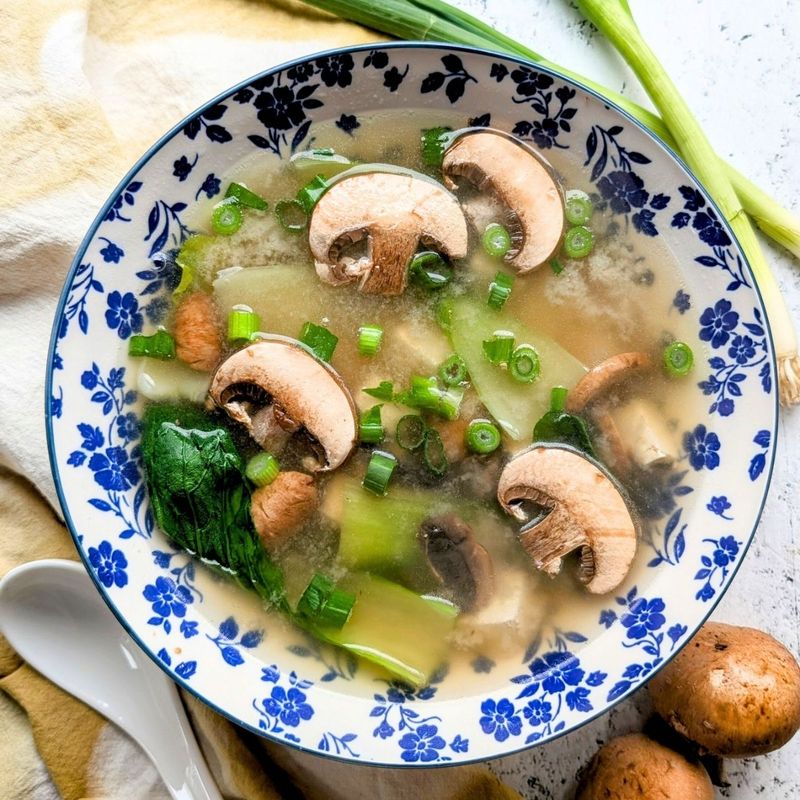
Miso soup has been part of Japanese culture for over a thousand years, and it is still eaten at breakfast, lunch, and dinner across the country. The fermented soybean paste at its heart is loaded with probiotics, protein, and essential minerals.
Making it takes less than five minutes. You stir miso paste into warm water, add tofu and seaweed, and that is basically it.
It is one of the simplest, most nourishing meals you can prepare on a busy morning when time is short.
10. Dried Beans and Legumes
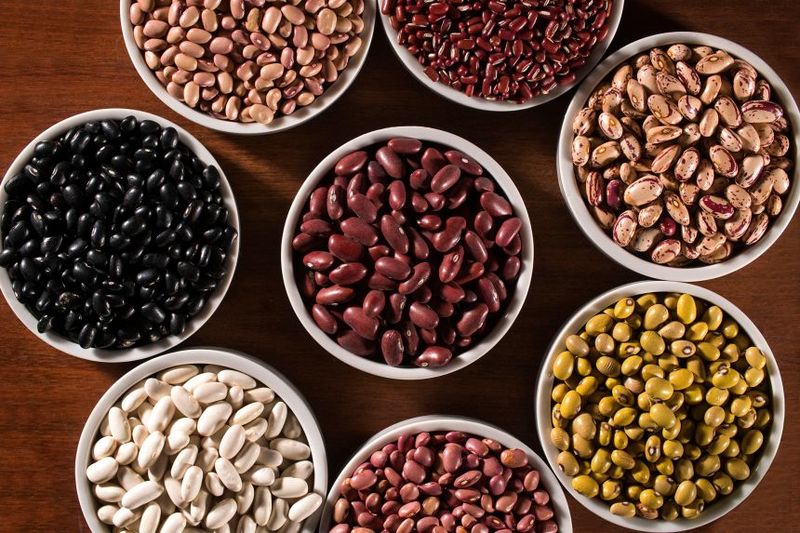
Dried beans might be the least glamorous food in your pantry, but they are also one of the most powerful. Chickpeas, black beans, kidney beans, and lentils are all packed with protein, fiber, and complex carbohydrates that keep energy levels steady for hours.
They cost very little, last for years in storage, and form the backbone of traditional cuisines from Mexico to India to West Africa. Soaking them overnight and cooking from scratch gives a flavor and texture that canned versions rarely match.
11. Borscht
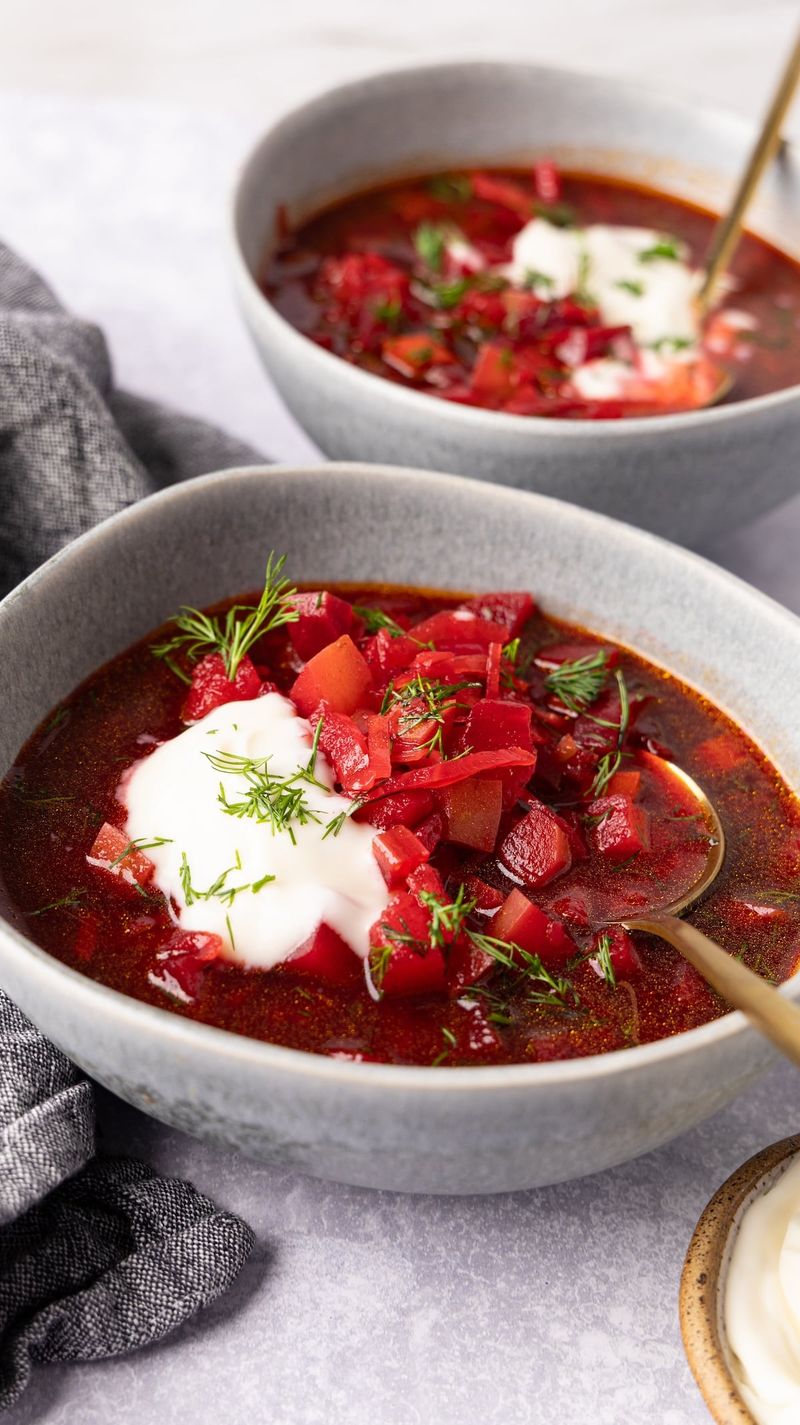
Borscht is a bold, earthy beet soup that originated in Ukraine and spread across Eastern Europe and Russia over centuries. Its striking crimson color alone is enough to make it memorable, but the flavor is what keeps people coming back.
Beets, cabbage, carrots, and potatoes form the base, with a spoonful of sour cream swirled on top before serving. It is warming, filling, and deeply satisfying.
Many families guard their specific borscht recipe like a treasure passed down through generations.
12. Congee
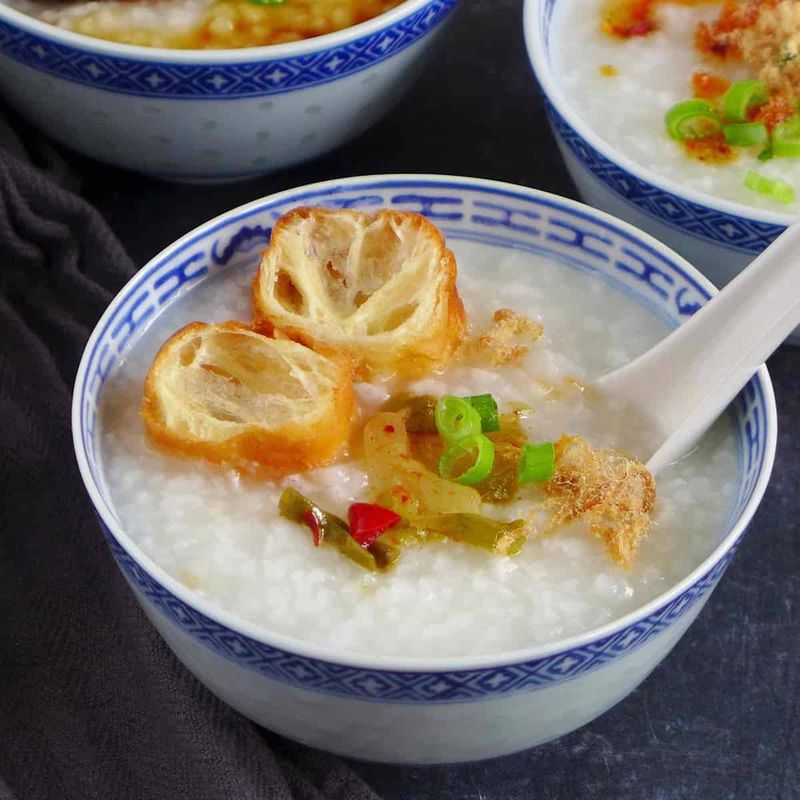
Congee is a slow-cooked rice porridge eaten across China, Japan, Korea, Vietnam, and much of Southeast Asia. Rice is simmered in a large amount of water until it breaks down into a smooth, creamy consistency that is incredibly gentle on the stomach.
It is the go-to comfort food when someone is sick, tired, or just needs something warm and easy. Toppings vary wildly by region, from pickled vegetables to soft eggs to crispy shallots.
Every bowl tells a slightly different story depending on where it was made.
13. Haggis
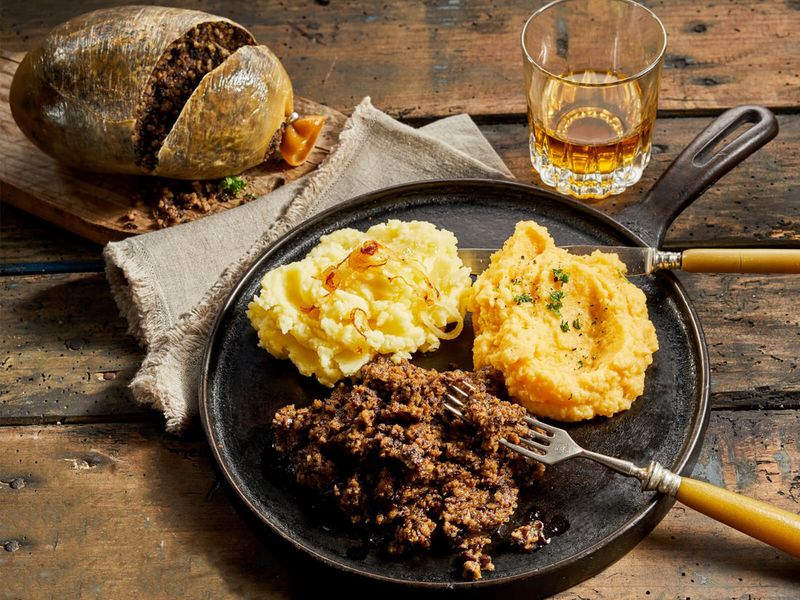
Haggis sounds intimidating, but it has been Scotland's national dish for hundreds of years, celebrated every January 25th on Burns Night with poetry and ceremony. Made from minced sheep offal mixed with oatmeal, onion, and spices, it has a savory, peppery, nutty flavor that surprises most first-time tasters.
Served alongside mashed turnip and potatoes, it is a deeply satisfying meal. The ingredients may seem unusual, but offal-based dishes like haggis represent smart, resourceful cooking that wastes nothing and nourishes fully.
14. Injera
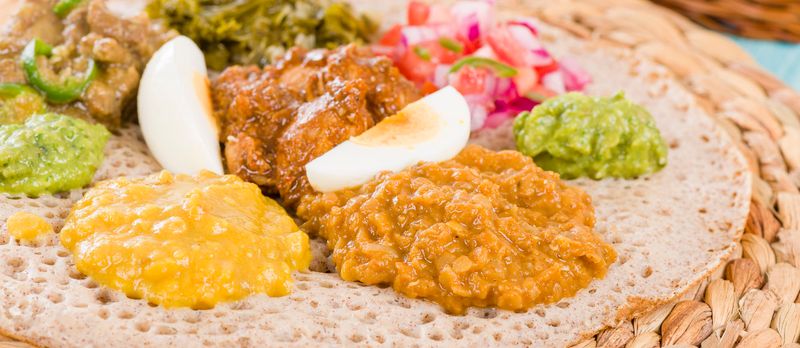
Injera is a spongy, slightly sour flatbread made from teff, an ancient Ethiopian grain that has been cultivated in the Horn of Africa for thousands of years. Teff is gluten-free and rich in iron, calcium, and fiber, making it one of the most nutritious grains available.
The bread acts as both plate and utensil in Ethiopian dining, with stews and lentils piled directly on top. Diners tear pieces and scoop food in a communal, hands-on style that turns every meal into a shared experience.
15. Colcannon
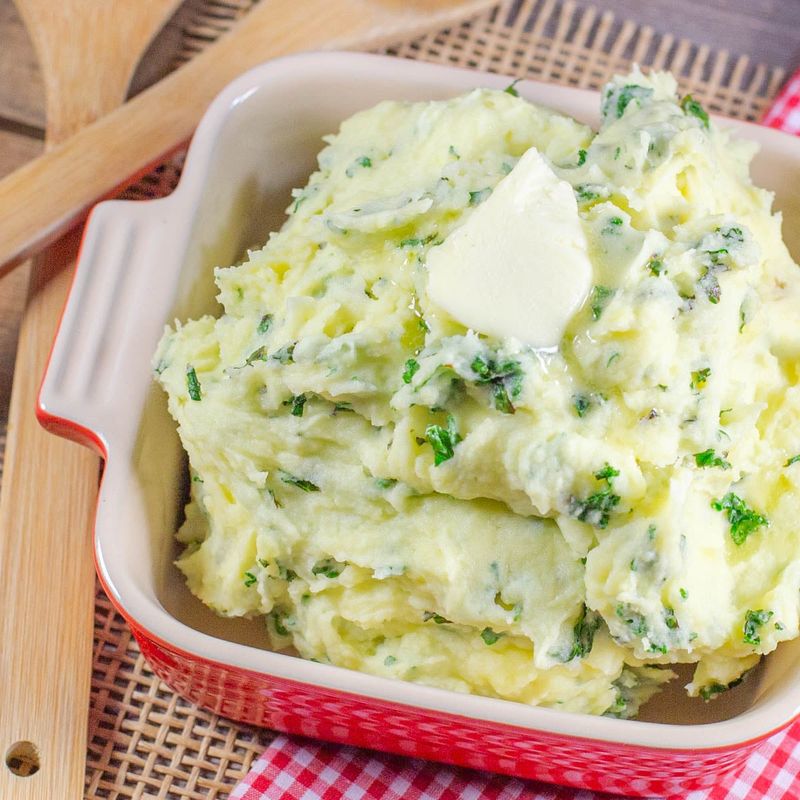
Colcannon is an Irish classic that has been served on farmhouse tables for centuries, especially around Halloween and harvest time. It is simply mashed potatoes combined with kale or cabbage and plenty of butter, but the combination is far greater than the sum of its parts.
The earthy greens balance the richness of the potatoes in a way that feels both rustic and satisfying. It pairs beautifully with sausages, lamb, or just a fried egg on top.
Simple food done with care always wins.
16. Kvass

Kvass is a lightly fermented drink made from rye bread that has been popular in Russia, Ukraine, and the Baltic states for over a thousand years. It tastes mildly tangy, slightly sweet, and faintly yeasty, a bit like a very gentle dark beer but with almost no alcohol.
Street vendors in Russia still sell it from barrels during summer, and homemade versions are easy to prepare with stale bread, water, and a touch of sugar. It is a refreshing, probiotic-rich alternative to sugary sodas.




Comments
No Comments