













Ever wondered why some people make cooking look effortless while others end up with a smoky kitchen and missing ingredients? The secret usually has nothing to do with talent.
Skilled home cooks set themselves up for success before they even touch a pan. These simple habits make a huge difference between a stressful cooking experience and one that actually feels enjoyable.
1. Read the Entire Recipe From Start to Finish
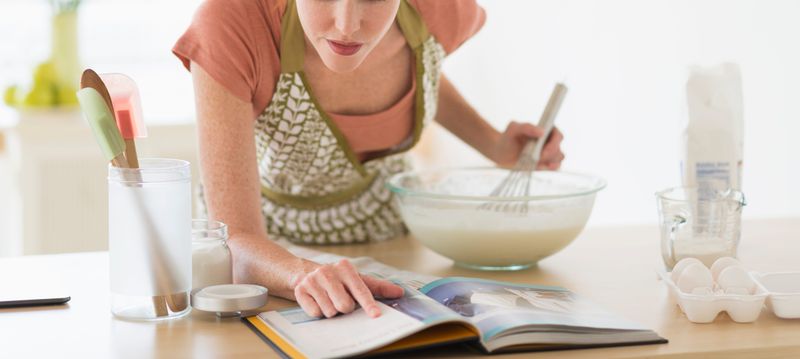
Skipping straight to step one is one of the most common cooking mistakes beginners make. Reading the whole recipe first gives you a mental map of what is coming, so nothing catches you off guard.
You might discover the dough needs two hours to rise, or the sauce must simmer for 45 minutes. Knowing this ahead of time helps you plan your day and cook with confidence instead of scrambling in a panic halfway through.
2. Check the Pantry and Fridge Before Anything Else
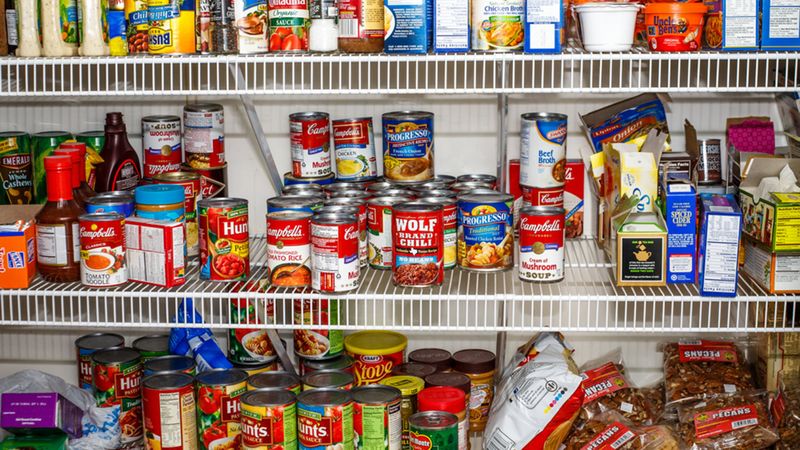
Nothing is more frustrating than getting halfway through a recipe and realizing you are out of a key ingredient. Checking your pantry and fridge before you start is a habit that saves time, money, and stress.
Go through every ingredient on the list and physically confirm you have it. Sometimes what you think is a full bottle of olive oil turns out to be nearly empty.
A quick check prevents those annoying mid-cook surprises.
3. Gather All Ingredients on the Counter
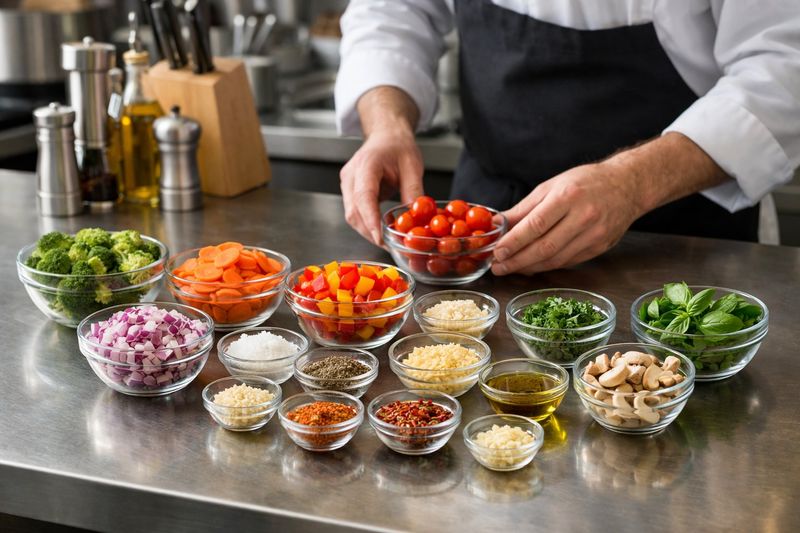
Professional chefs call this mise en place, which is a French phrase meaning everything in its place. Before heating a single pan, they measure and arrange every ingredient they will need within easy reach.
Doing this at home is a game-changer. You stop fumbling through cabinets while something burns on the stove.
Everything is ready to go, so cooking becomes smooth and almost rhythmic. Try it once and you will never want to skip it again.
4. Measure Out Ingredients in Advance
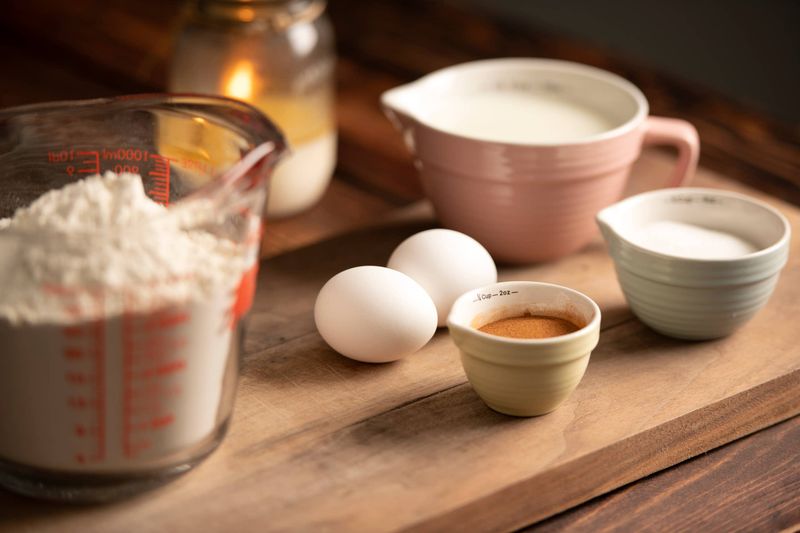
Measuring as you cook might seem like a time-saver, but it often leads to mistakes. When a recipe moves quickly, you do not always have time to stop and measure accurately without losing track of what you are doing.
Pre-measuring everything into small bowls before you start means you can focus entirely on the cooking process. Accuracy improves, and so does your confidence.
Plus, cleanup feels way less chaotic when everything was organized from the beginning.
5. Understand Unfamiliar Cooking Terms First

Words like blanch, fold, or deglaze can stop a new cook cold if they show up mid-recipe without any context. Taking a moment to look up unfamiliar terms before starting prevents confusion when timing really matters.
You do not want to be Googling what julienne means while your onions are starting to burn. A quick review of the technique descriptions in the recipe means you can execute each step with clarity and purpose, not guesswork.
6. Preheat the Oven or Prep the Pan Early
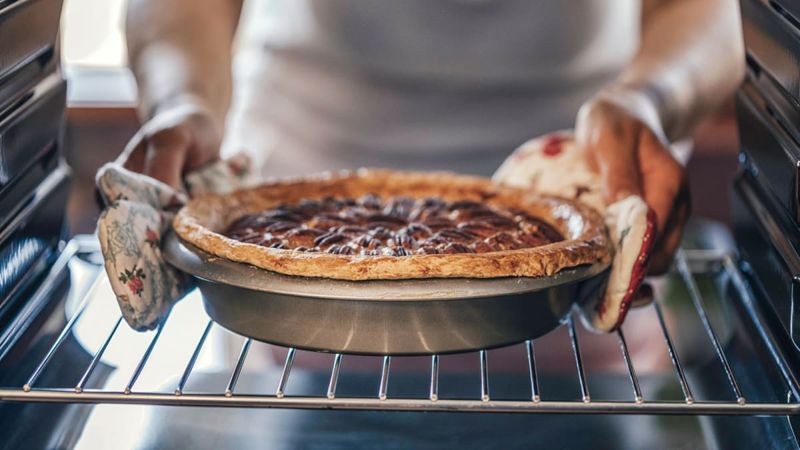
An oven that is not fully preheated can throw off your entire cooking time. Most recipes assume the oven is already at the correct temperature when food goes in, and starting cold can lead to uneven or undercooked results.
Turning on the oven as one of your very first steps gives it time to fully reach the right temperature. The same goes for cast iron pans or griddles, which need time to heat evenly before anything hits the surface.
7. Thaw Proteins or Ingredients That Need It
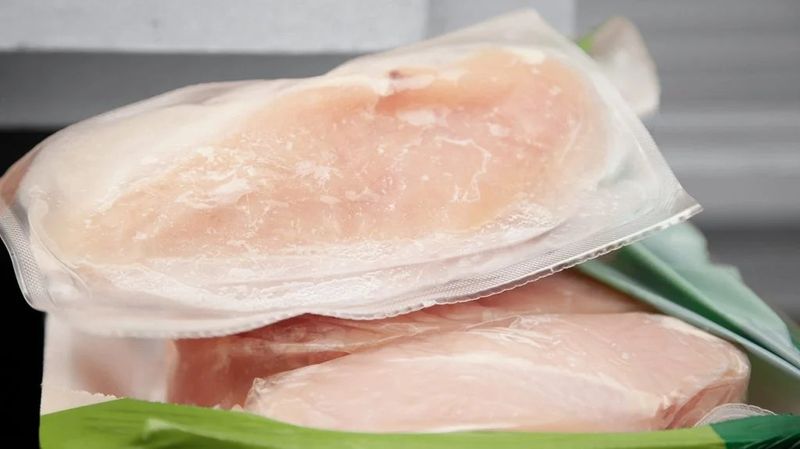
Cooking frozen meat straight from the freezer is a recipe for disaster. The outside cooks too fast while the inside stays dangerously cold, which is a food safety problem as much as a quality one.
Smart cooks plan ahead by moving proteins from the freezer to the fridge the night before, or using a cold-water thaw if time is short. Thawed ingredients cook more evenly, taste better, and keep everyone at the dinner table safe.
8. Bring Cold Ingredients to Room Temperature
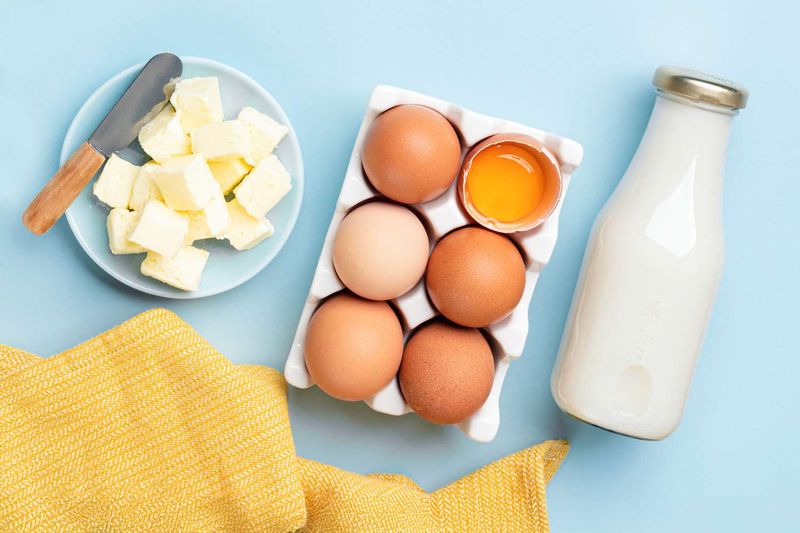
Baking is science, and cold ingredients can seriously mess with the chemistry. Cold butter does not cream properly with sugar, and cold eggs can cause batters to curdle or bake unevenly in ways that are hard to fix later.
Pulling dairy, eggs, and butter from the fridge 30 to 60 minutes before baking is a small habit with a big payoff. Your cakes will rise better, your cookies will spread more consistently, and your results will be noticeably more professional.
9. Sharpen or Select the Right Knife
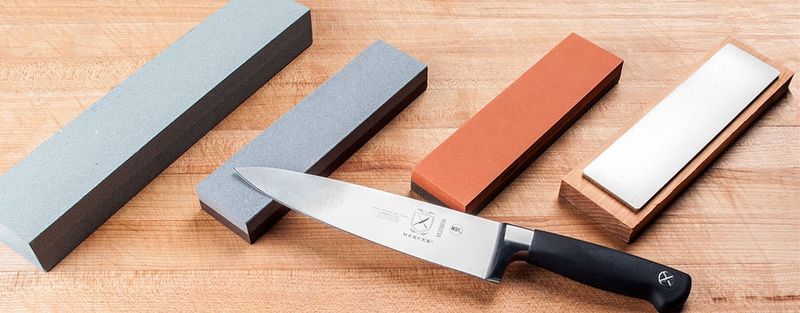
A dull knife is actually more dangerous than a sharp one because it requires more pressure, which makes it more likely to slip. Skilled cooks always make sure their blade is sharp and appropriate for the task ahead.
Chopping vegetables calls for a chef's knife, while a paring knife handles smaller, more delicate work. Spending 30 seconds selecting and checking your knife before cooking saves time during prep and keeps your fingers a lot safer throughout the process.
10. Clear and Clean Your Workspace

Cooking in a cluttered space is like trying to do homework with a messy desk. Stuff gets knocked over, things get lost, and the whole experience becomes more stressful than it needs to be.
Clearing off your counter and giving it a quick wipe before you start creates a calm, controlled environment. You have room to chop, mix, and plate without bumping into yesterday's mail or a forgotten coffee mug.
A clean workspace puts your brain in cooking mode instantly.
11. Set Up Your Garbage Bowl Within Reach
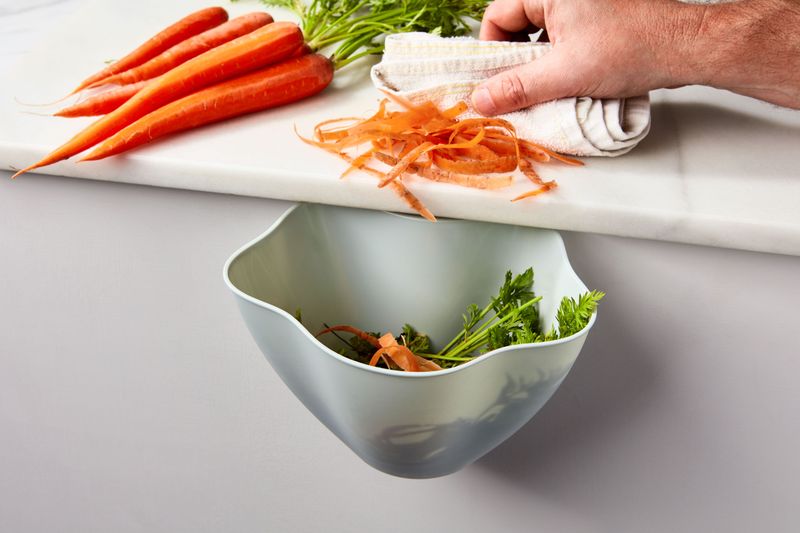
Here is a trick that professional cooks swear by: keep a large bowl on the counter specifically for scraps, peels, and packaging. Instead of walking to the trash can every 30 seconds, you toss everything into the bowl and empty it once when you are done.
This keeps your workspace clear and your rhythm uninterrupted. You stay in the flow of cooking rather than breaking your focus repeatedly.
It sounds simple because it is, and it makes a surprisingly big difference.
12. Note the Recipe's Timing and Plan Accordingly
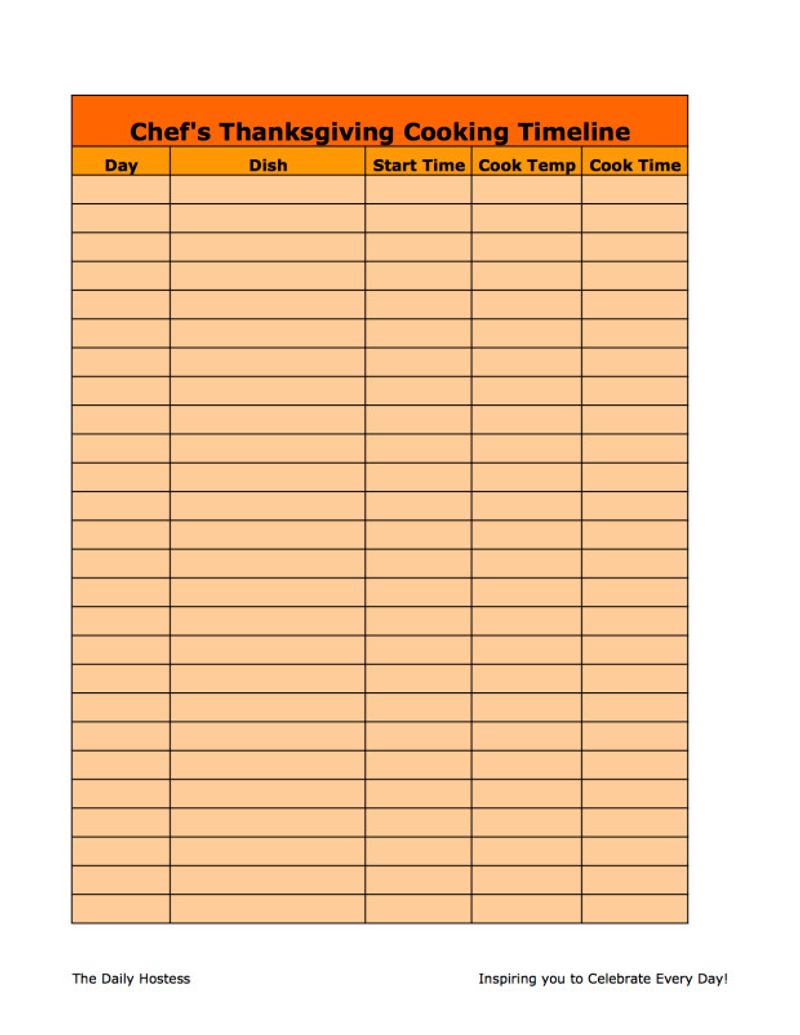
Some dishes take 20 minutes while others need the whole afternoon. Experienced cooks always check the total time commitment before starting so they can plan meals that actually make sense for their schedule.
If a roast needs three hours and dinner is in two, that is a problem you want to discover before turning on the oven. Mapping out start times for each component also helps you get everything to the table hot and at the same time, which is the real challenge of home cooking.
13. Check That You Have the Right Equipment
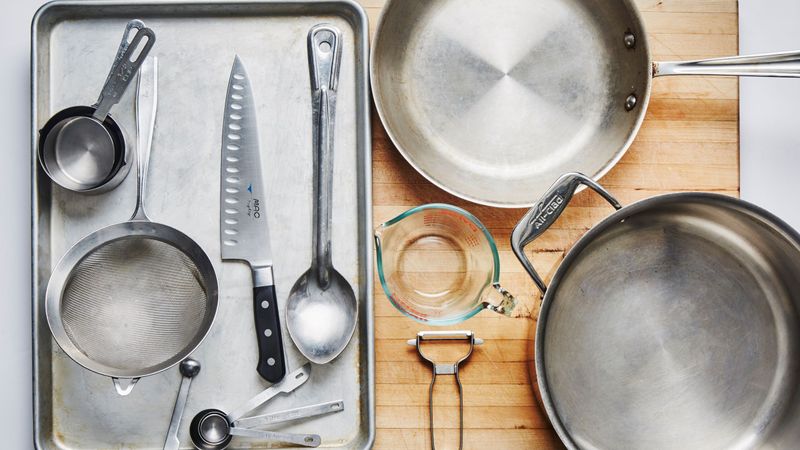
Imagine getting halfway through a recipe only to realize you do not own a Dutch oven or a springform pan. Equipment surprises mid-recipe are annoying at best and recipe-ruining at worst.
Before starting, scan the recipe for any special tools it requires. Pull out the right pans, bowls, whisks, and thermometers so everything is accessible.
Cooking is much smoother when you are not digging through a cabinet with wet hands trying to find a lid that fits.
14. Wash and Dry Produce Thoroughly
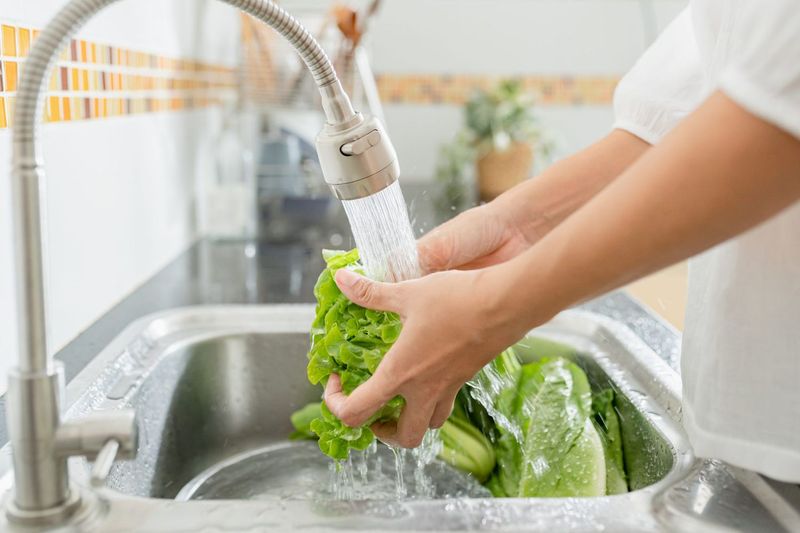
Fruits and vegetables travel a long way before reaching your kitchen, picking up dirt, bacteria, and pesticide residue along the way. Rinsing produce right before use is a basic food safety step that even experienced cooks never skip.
Drying produce matters just as much as washing it. Wet greens make soggy salads, and excess moisture on vegetables causes them to steam instead of roast in the oven.
A salad spinner or clean kitchen towel makes quick work of drying.
15. Read Any Notes or Tips the Recipe Includes
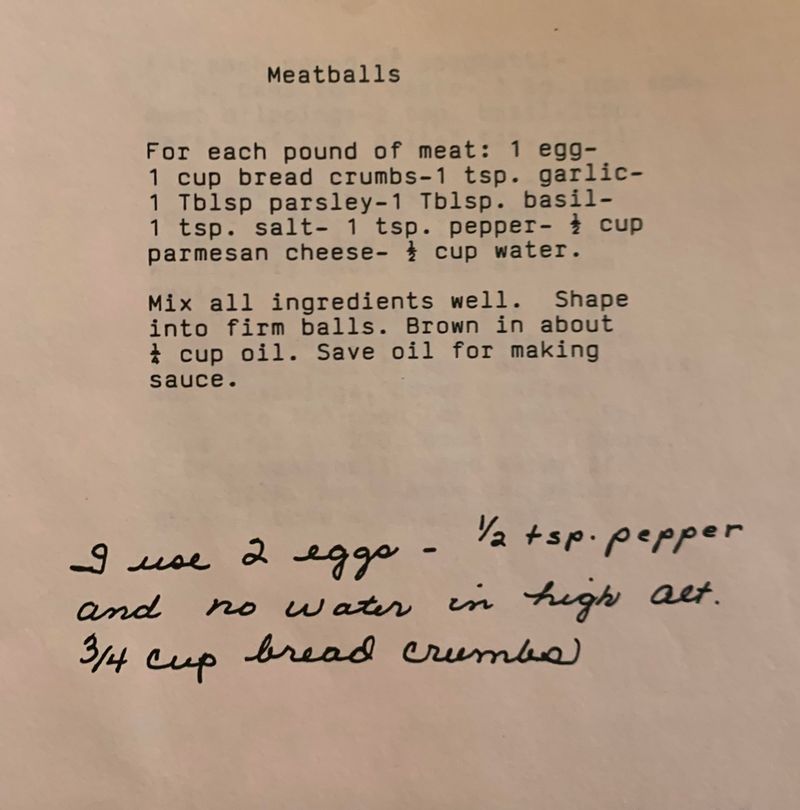
Recipe developers often include notes at the bottom that contain substitutions, storage tips, or warnings about common mistakes. Many cooks completely ignore this section, and then wonder why their results do not match the photo.
Those little tips are packed with helpful shortcuts and workarounds that save you from avoidable errors. A note saying the batter should look lumpy, or that the sauce will seem thin at first, can completely change how you interpret what you are seeing in the pan.
16. Mentally Walk Through Each Cooking Step

Athletes visualize their performance before competition, and the same mental rehearsal works surprisingly well in the kitchen. Taking 60 seconds to mentally walk through each step helps you spot potential problems before they happen in real time.
You might realize you need to start the sauce before the pasta, or that two steps happen at the same time and require attention. This mental preview turns a complicated recipe into something that feels familiar and manageable before you even pick up a spoon.




Comments
No Comments