













Food trends come and go, but some dishes from the past are truly hard to imagine on a modern dinner table. Our grandparents and great-grandparents ate meals that were perfectly normal back then but would raise a lot of eyebrows today.
From savory gelatin molds to brain sandwiches, these old-fashioned favorites tell a fascinating story about how much our tastes have changed over the decades.
1. Tomato Aspic
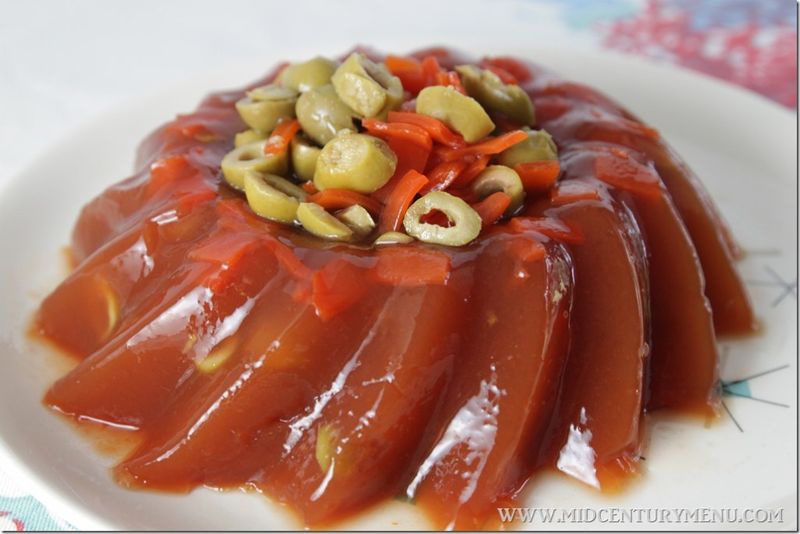
Picture a jiggly, tomato-flavored gelatin mold sitting proudly at the center of a dinner table — that was tomato aspic, and people absolutely loved it. Back in the mid-1900s, this savory dish was considered elegant and impressive.
Cooks would suspend olives, celery, or shrimp right inside the wobbly mold.
Today, most folks can't imagine eating a savory Jell-O dish at a fancy dinner. It was a true sign of the times.
2. Brain Sandwiches
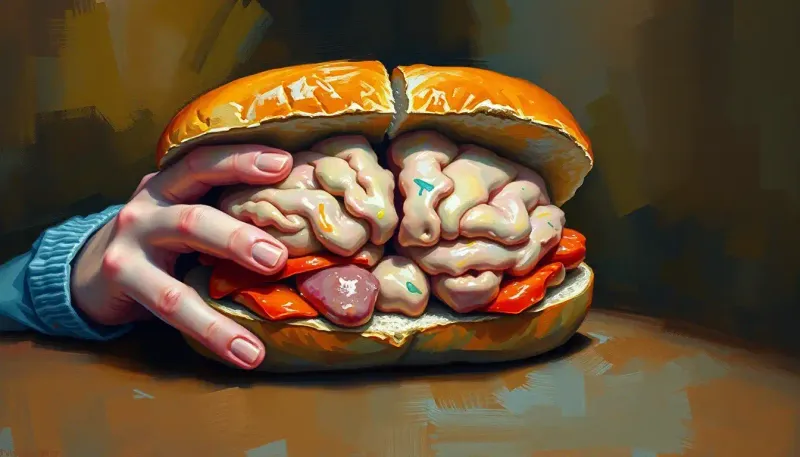
Believe it or not, brain sandwiches were once a lunchtime staple in parts of the American Midwest. Sliced calf or pork brain was breaded, fried, and served on a soft bun with onions and mustard.
Workers at meatpacking plants helped make this dish popular because nothing went to waste.
Food safety concerns and changing tastes eventually pushed this sandwich off most menus for good. It sounds wild now, but locals swore by it.
3. Chilled Lime Gelatin Salad
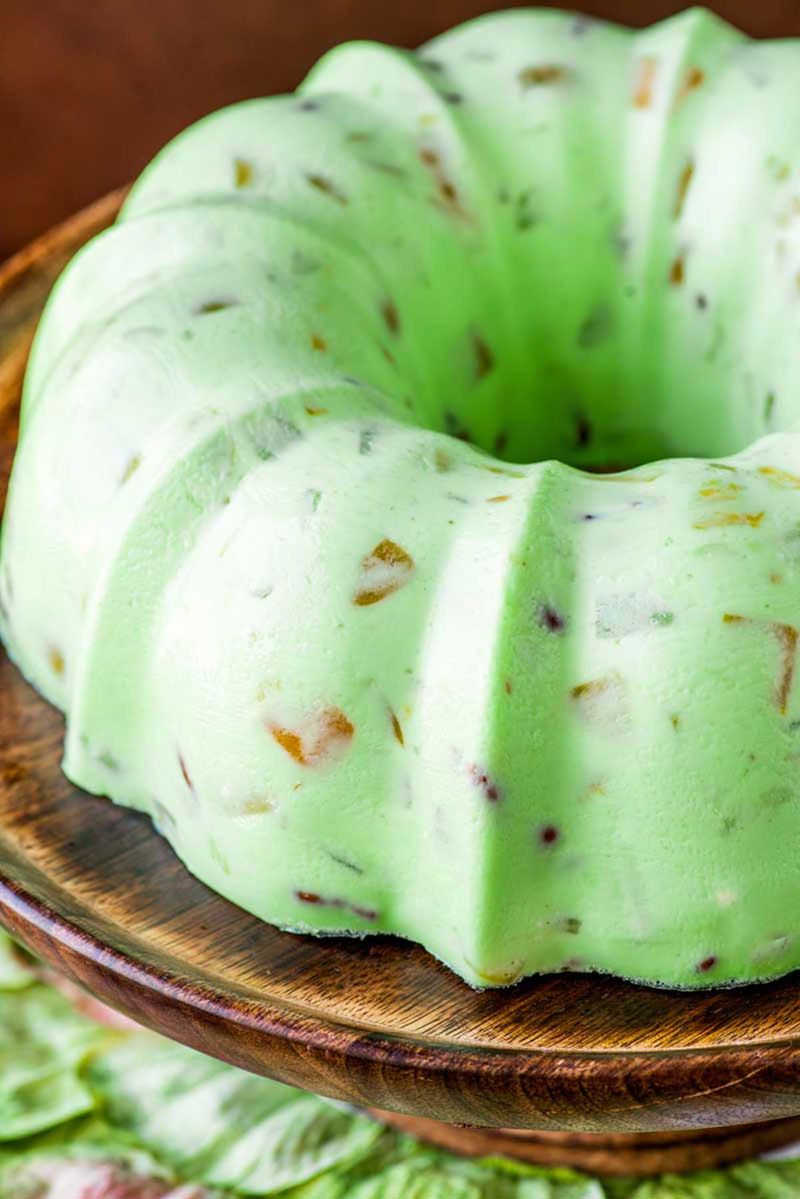
Lime gelatin salad was the dish that showed up at every potluck, holiday dinner, and church gathering in the 1950s and 60s. Cream cheese, crushed pineapple, and sometimes miniature marshmallows were mixed right into the bright green wobbling mold.
It was served cold as a side dish — not a dessert.
Calling something made of Jell-O a "salad" might seem confusing today, but back then, it made perfect sense to home cooks everywhere.
4. Creamed Chipped Beef on Toast
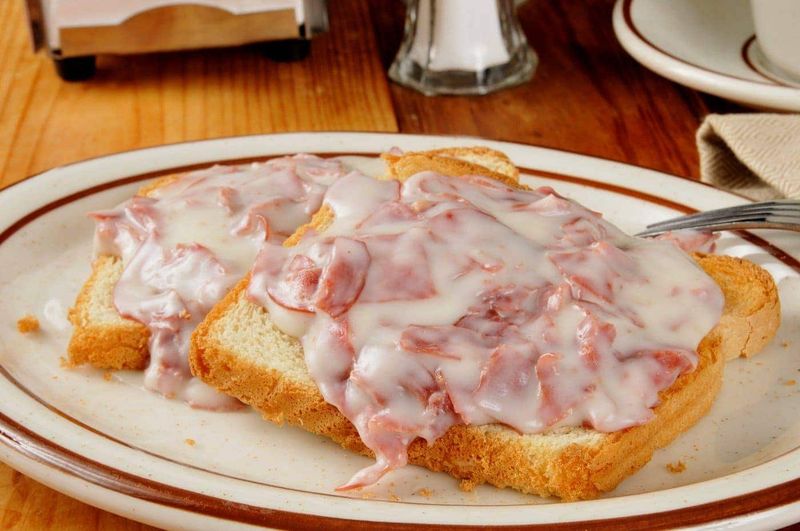
Nicknamed "SOS" by soldiers who ate it regularly, creamed chipped beef on toast was a budget-friendly staple that fed families and military men for decades. Thin, salty dried beef was stirred into a thick white cream sauce and ladled over plain white toast.
It was filling, cheap, and surprisingly satisfying.
You can still find it at a few old-school diners, though most younger eaters wrinkle their noses at the idea. Its military nickname tells you what some people really thought of it.
5. Prune Whip
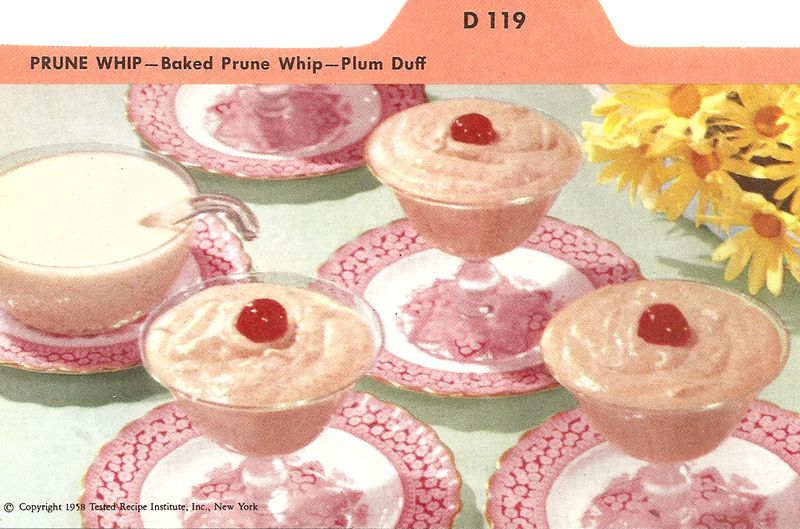
Long before smoothies and energy bars, prune whip was considered a light, healthy, and even glamorous dessert. Stewed prunes were blended smooth and then folded into whipped egg whites to create an airy, mousse-like treat.
Fancy restaurants once featured it proudly on their menus.
Today, prunes carry an unfortunate reputation that makes them a tough sell to younger generations. But for mid-century home cooks, this fluffy dessert felt like pure luxury on a spoon.
6. Tongue Sandwiches
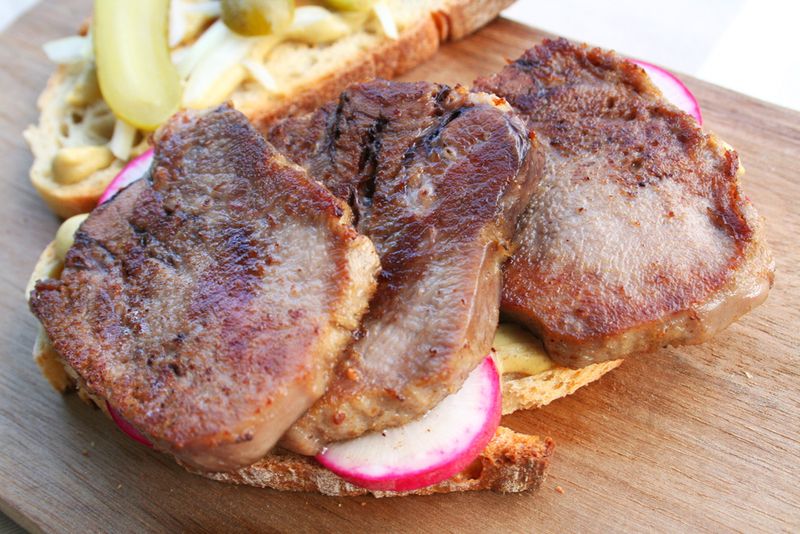
Beef tongue sandwiches were once a beloved deli classic, sliced thin and piled high on rye bread with mustard and pickles. The tongue was slow-cooked until incredibly tender, giving it a rich, beefy flavor that many old-timers still rave about.
Delis across America kept it on the menu for generations.
These days, even adventurous eaters hesitate when they hear the word "tongue." Texture and the sheer idea of it tend to stop most modern diners in their tracks.
7. Liver and Onions
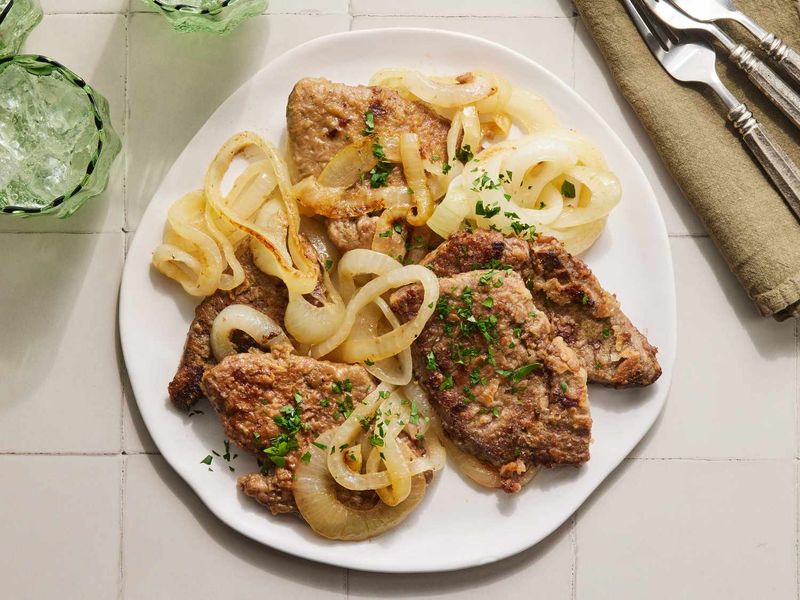
Liver and onions was once the ultimate weeknight dinner — affordable, packed with iron, and deeply satisfying to a generation that valued practicality over picky eating. The liver was sliced thin, dredged in flour, and pan-fried alongside sweet caramelized onions until golden brown.
Mothers everywhere served it without apology.
Ask most kids today and you will get a firm "no thanks." The strong, metallic flavor of liver is just too much for modern palates raised on milder foods.
8. Oyster Stew
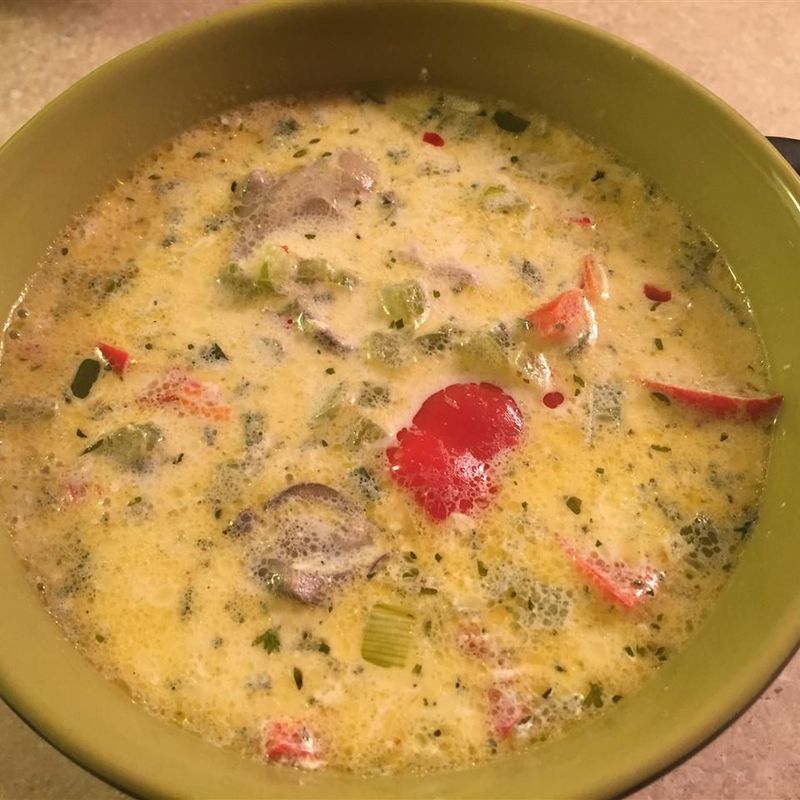
On Christmas Eve, millions of American families once sat down to a steaming bowl of oyster stew as a cherished holiday tradition. The recipe was beautifully simple — whole oysters simmered gently in warm milk or cream with butter, salt, and a dusting of paprika.
Nothing fancy, but incredibly comforting.
Oyster stew has mostly faded from holiday tables, replaced by heartier fare. For those who grew up with it, though, that milky broth still carries the warmth of cherished family memories.
9. Head Cheese
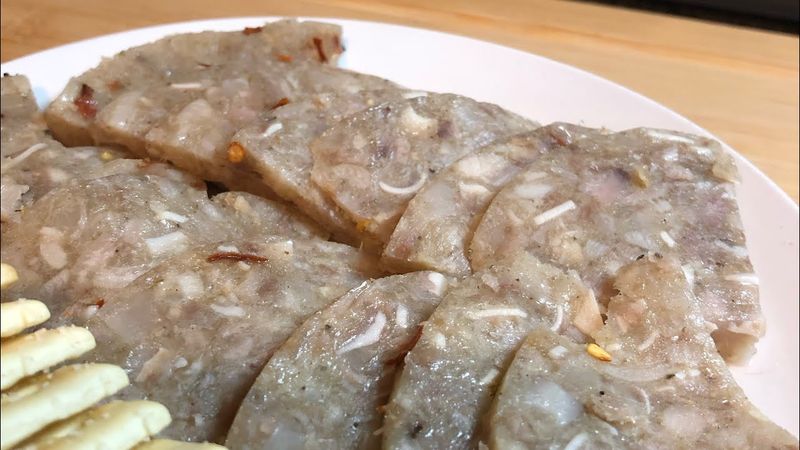
Despite the name, head cheese contains no dairy whatsoever — it is actually a cold cut made by simmering a pig's head until the meat falls off the bone, then pressing everything together in its own natural gelatin. Sliced thin and served with crackers or on bread, it was a thrifty and tasty treat.
Waste-not-want-not cooking was a way of life for earlier generations. Today, even curious food lovers tend to back away slowly once they learn exactly what is inside.
10. Ambrosia Salad
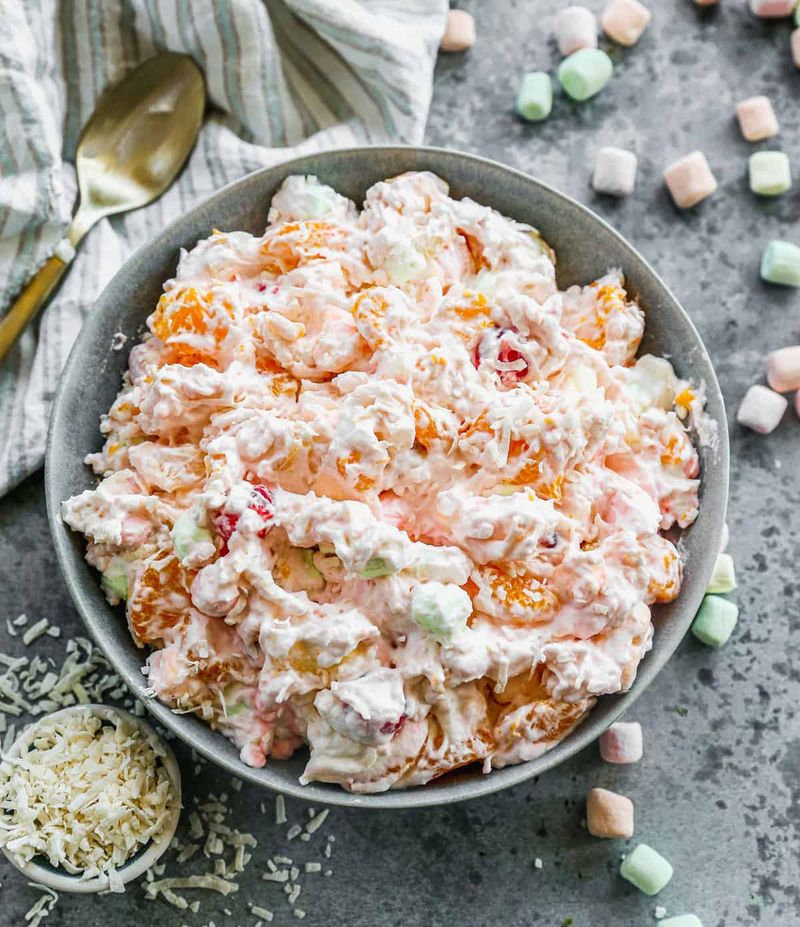
Fluffy, sweet, and loaded with miniature marshmallows, ambrosia salad was once the crown jewel of any potluck or holiday spread. Mandarin oranges, shredded coconut, pineapple chunks, and maraschino cherries were folded into whipped cream or sour cream and chilled overnight.
People called it a salad with zero irony.
Modern food culture has shifted away from sugar-heavy side dishes masquerading as salads. Still, a surprising number of people feel a rush of pure nostalgia just hearing the name ambrosia.
11. Stuffed Celery with Pimento Cheese
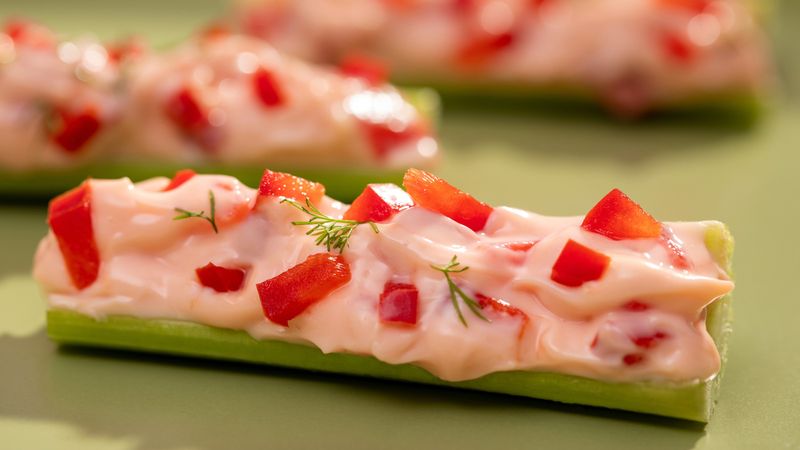
Before fancy charcuterie boards took over party tables, stuffed celery was the go-to appetizer at every gathering from the 1940s through the 1970s. Crisp celery stalks were filled with homemade pimento cheese — a tangy blend of shredded cheddar, mayonnaise, and diced pimentos.
It was colorful, crunchy, and crowd-pleasing.
Pimento cheese has actually made a small comeback in recent years, especially in the South. But the classic stuffed celery presentation feels charmingly old-fashioned compared to today's elaborate appetizer spreads.
12. Sardine Toast
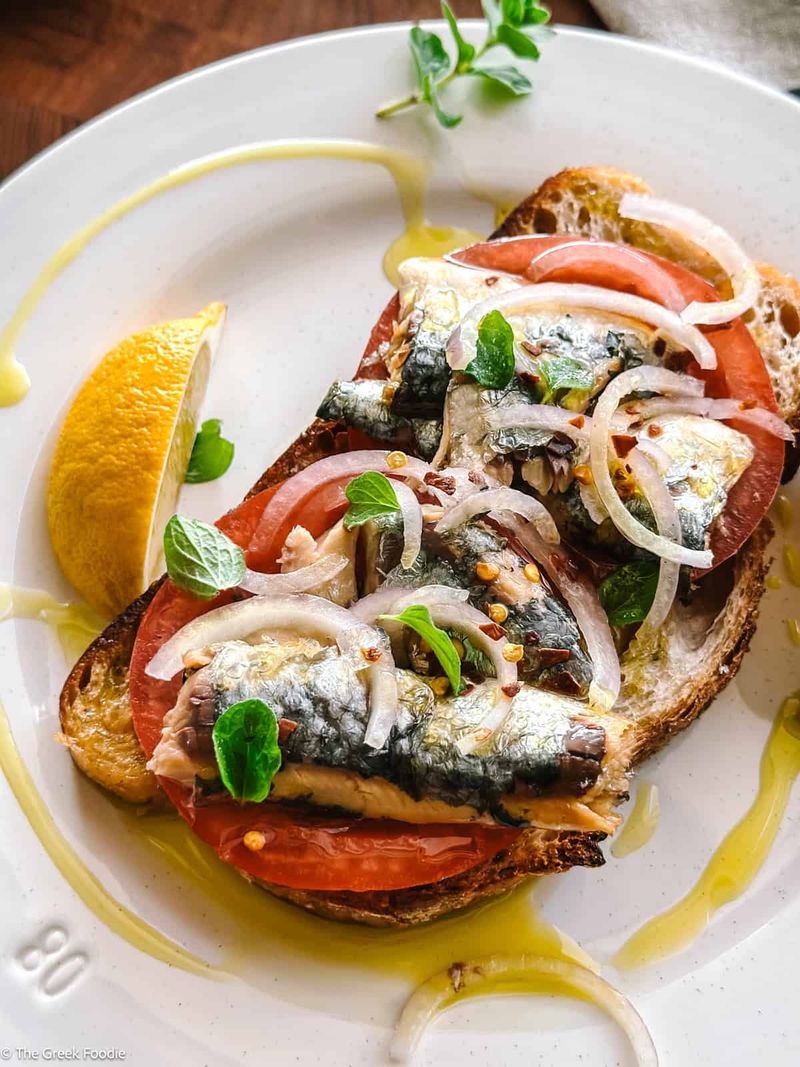
During the Great Depression and well into the mid-20th century, sardine toast was a perfectly respectable quick lunch. Canned sardines were mashed with butter or layered whole onto toasted bread, sometimes topped with a slice of tomato and a squeeze of lemon.
Inexpensive, filling, and surprisingly nutritious.
Canned sardines are still available today, but the idea of spreading them on toast for lunch makes most people hesitate. It is one of those meals that made total sense in harder economic times.
13. Succotash
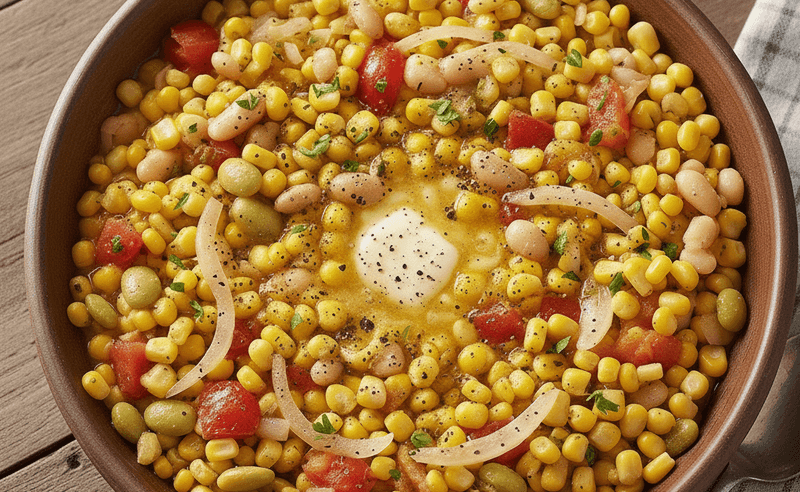
Long before it became a cartoon punchline, succotash was a genuine Native American dish that sustained communities for centuries. The combination of lima beans and corn cooked together was simple, hearty, and deeply nutritious.
Early American settlers adopted it quickly and it became a staple of home cooking for generations.
Today, most people only know the word from old Looney Tunes cartoons. The dish itself has largely disappeared from American dinner tables, though food historians still celebrate its humble origins.
14. Perfection Salad
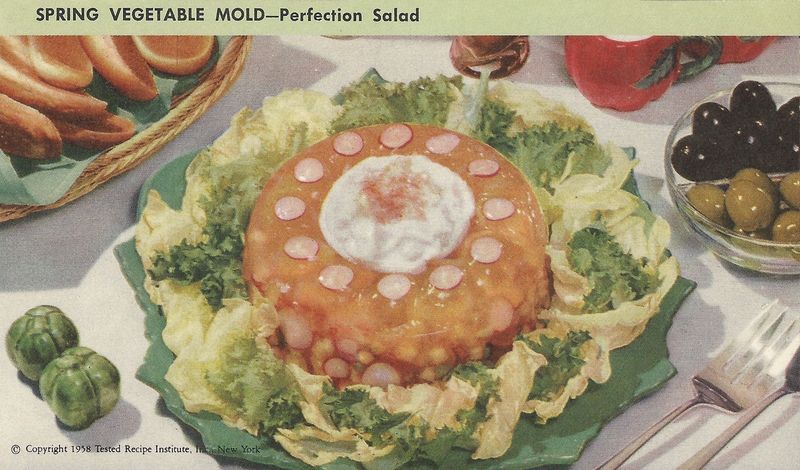
Perfection Salad won a cooking contest in 1905 and went on to become one of the most popular recipes in early 20th-century American cookbooks. Shredded cabbage, celery, and carrots were suspended in a tangy lemon-flavored gelatin mold and served on a bed of lettuce.
It was considered both elegant and modern.
Looking at it now, the idea of vegetables trapped in a quivering gelatin block seems more like a science experiment than dinner. Tastes have definitely moved on since 1905.
15. Deviled Kidneys
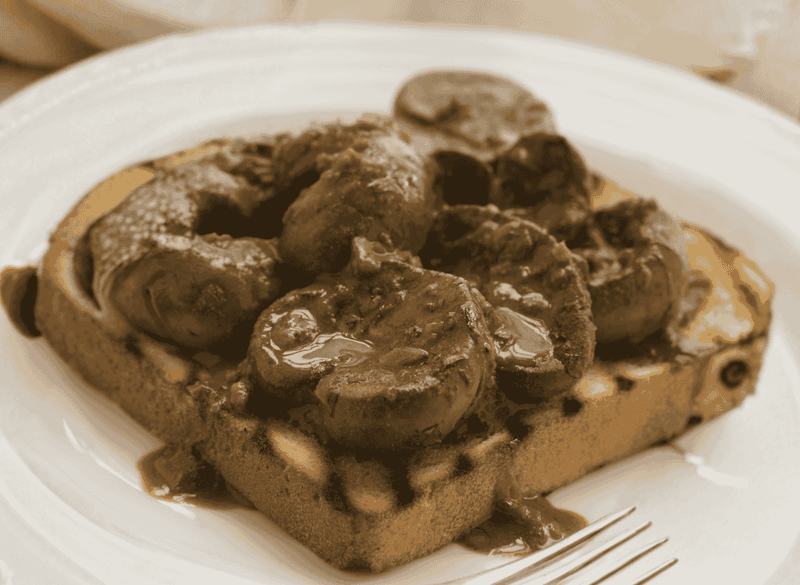
Deviled kidneys were once a staple of the grand Victorian breakfast table, considered a bold and energizing way to start the day. Lamb kidneys were halved, trimmed, and cooked quickly in a fiery mustard and Worcestershire sauce before being spooned over buttered toast.
The "deviled" name referred to the spicy heat.
This dish traveled from British aristocracy to American dining rooms during the early 1900s. Today, the thought of kidneys at breakfast is enough to make most people reach for plain cereal instead.
16. Mock Apple Pie
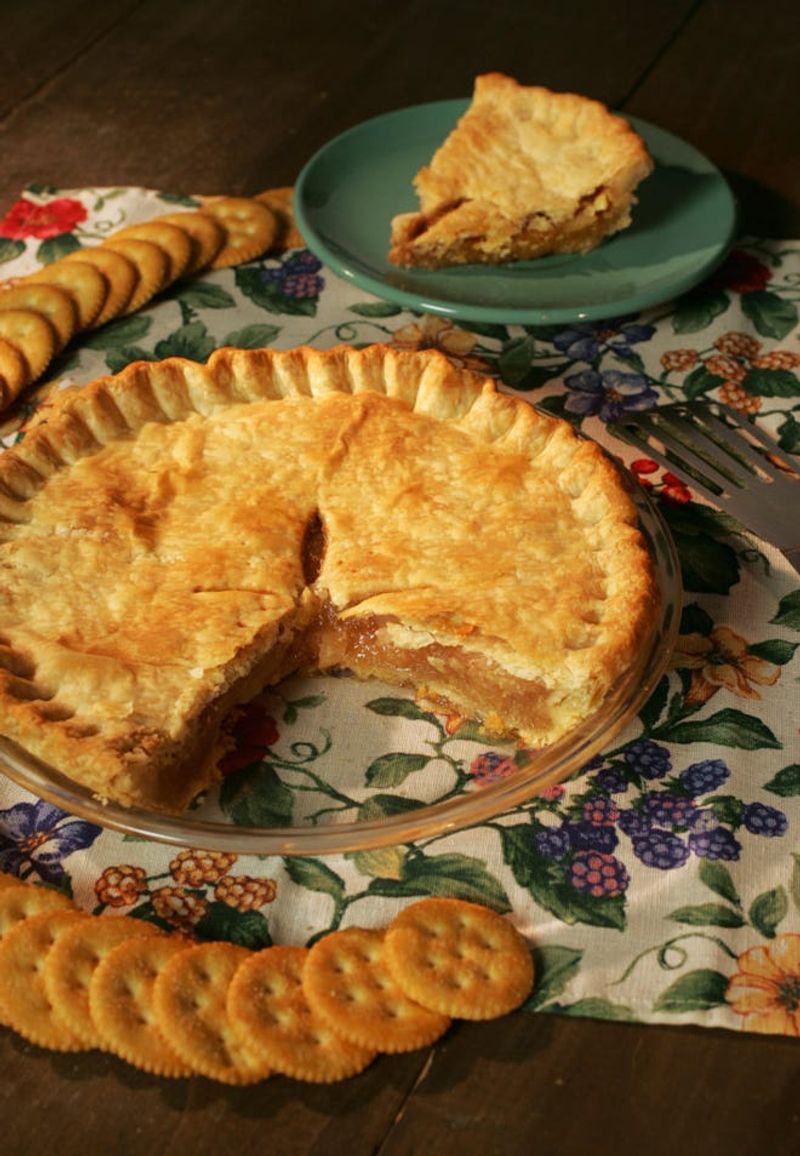
Here is a recipe that sounds like a magic trick: apple pie made with absolutely zero apples. During World War II and the Great Depression, home cooks discovered that crushed Ritz crackers soaked in a cinnamon-sugar syrup could mimic the taste and texture of cooked apples surprisingly well.
The recipe was even printed on Ritz cracker boxes for decades.
Most people today find it hard to believe this pie fooled anyone. But for families with limited resources, it was a genuinely clever and delicious solution.




Comments
No Comments