













Britain has a long, proud history with seafood that goes far beyond fish and chips. From rugged Scottish coastlines to the harbours of Cornwall, every corner of the UK has its own unique way of cooking fish.
Many of these dishes have been passed down through generations but rarely make it onto restaurant menus or food blogs. Get ready to discover some truly special, underrated fish dishes that deserve a lot more attention.
1. Cullen Skink (Scotland)
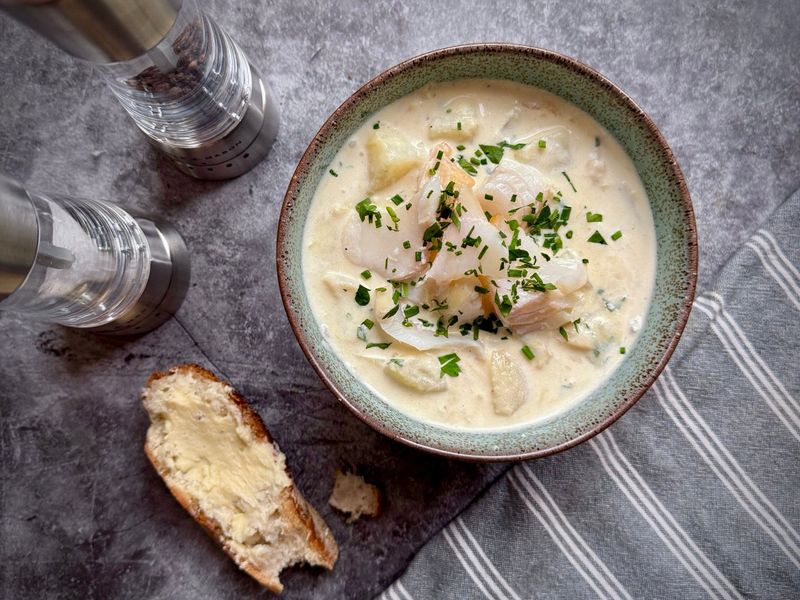
Few soups carry as much soul as Cullen Skink, a thick, creamy chowder from the small fishing village of Cullen on Scotland's northeast coast. Made with smoked haddock, potatoes, and onions, it has a rich, smoky depth that warms you from the inside out.
Locals have been making this dish for centuries, and it remains a staple at Scottish gatherings. If you ever visit Scotland in winter, ordering a bowl of Cullen Skink is practically a must.
2. Stargazy Pie (Cornwall)
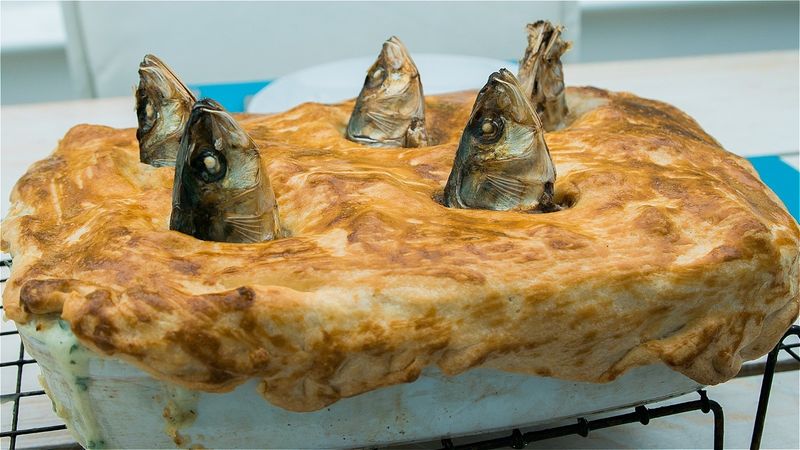
Nothing quite prepares you for the sight of Stargazy Pie. Fish heads poke dramatically through a golden pastry crust, appearing to gaze up at the sky, which is exactly how the dish got its name.
Originally from the Cornish village of Mousehole, this pie is traditionally made with pilchards and celebrated every year on Tom Bawcock's Eve in December. It sounds strange, but the flavour is deeply satisfying and surprisingly hearty for such a theatrical-looking meal.
3. Arbroath Smokie (Scotland)
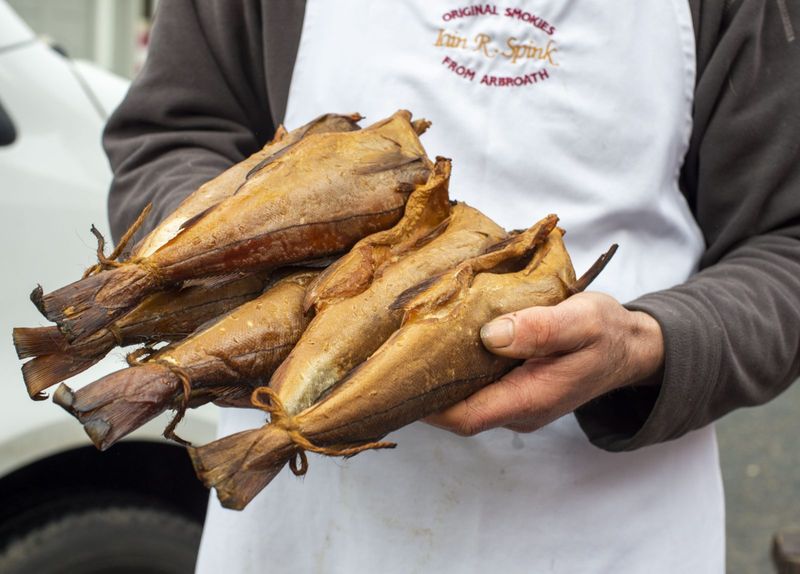
Smoky, tender, and absolutely packed with flavour, the Arbroath Smokie is a whole haddock that has been hot-smoked over hardwood in the traditional way. This method has been used by fishermen in Arbroath, Scotland, for hundreds of years.
What makes it truly special is its protected status, meaning only fish smoked in Arbroath can carry the name. Eat it warm with butter melting into the flaky flesh, and you will understand why locals are so fiercely proud of it.
4. Poached Skate Wing with Brown Butter (East Anglia)
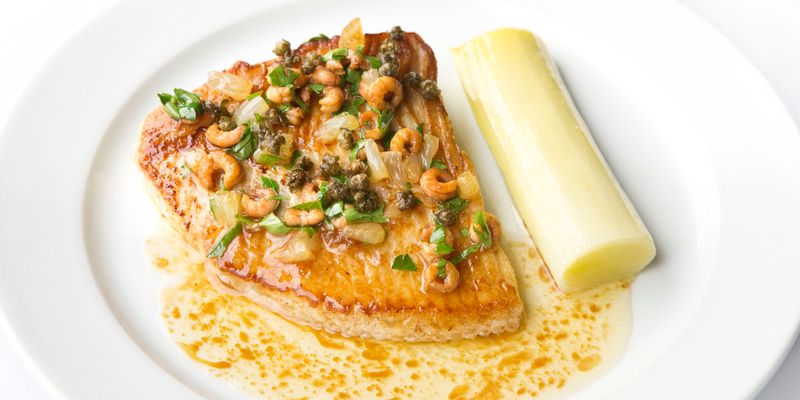
Skate wing might not be the most glamorous fish on the menu, but poached gently and finished with nutty brown butter and capers, it becomes something truly elegant. East Anglian fishermen have long valued skate for its firm, sweet flesh.
The texture is almost unique, the meat pulls away in long, satisfying strands. It is a dish that rewards patience and simple technique over complicated recipes.
Once you try it prepared this way, plain grilled fish will feel a little boring by comparison.
5. Potted Shrimps (Lancashire)
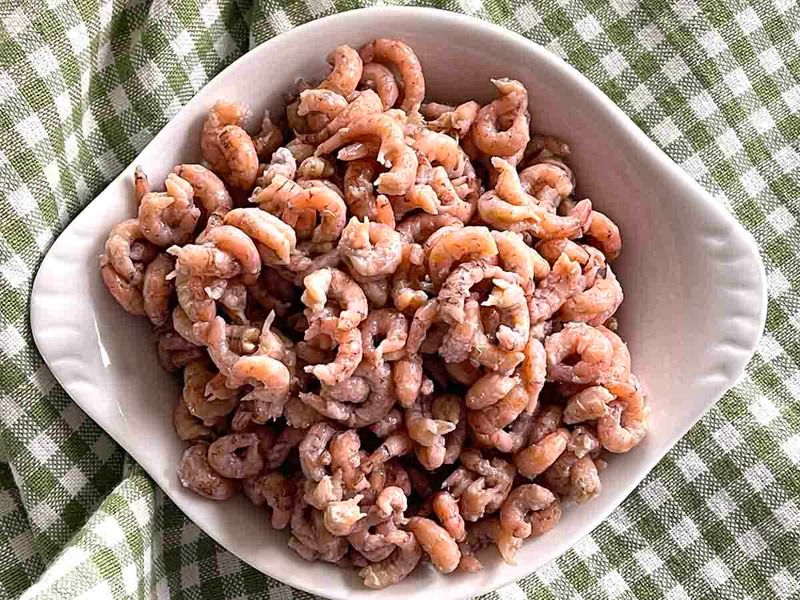
Morecambe Bay in Lancashire is famous for its tiny brown shrimps, and potted shrimps are the most beloved way to eat them. The shrimps are cooked and then sealed in spiced, clarified butter, creating a rich and deeply aromatic starter.
Spread generously onto hot toast, they deliver a burst of seaside flavour unlike anything else. This dish has been a Lancashire favourite since the 1800s, and it deserves far more recognition beyond the northwest of England.
Simple ingredients, extraordinary results.
6. Dressed Crab (Dorset)
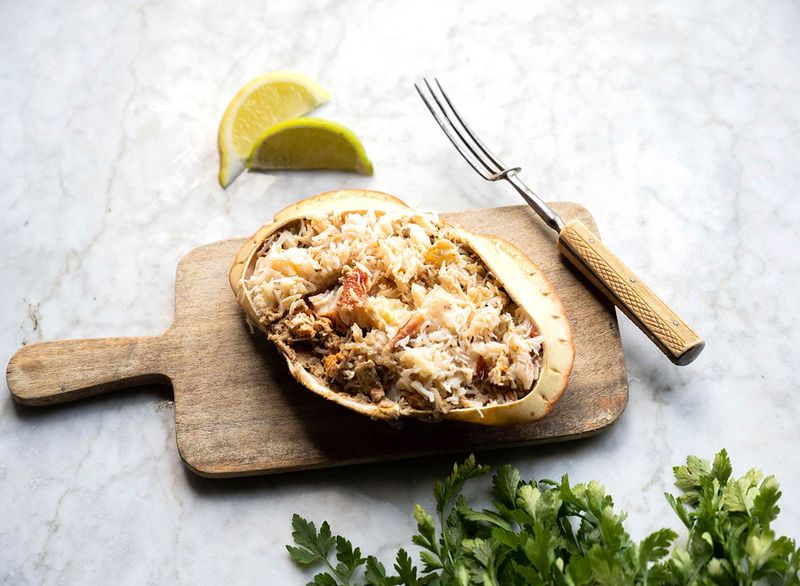
Along the Jurassic Coast of Dorset, dressed crab is a summer ritual. The brown and white crab meat is carefully separated, seasoned, and packed back into the clean shell for a dish that looks as good as it tastes.
Brown meat is rich and intensely savoury, while white meat is delicate and sweet. Eaten with crusty bread and a squeeze of lemon, it is the kind of meal that reminds you why fresh, local seafood needs very little fuss.
Truly one of Britain's finest simple pleasures.
7. Yarmouth Bloater (Norfolk)
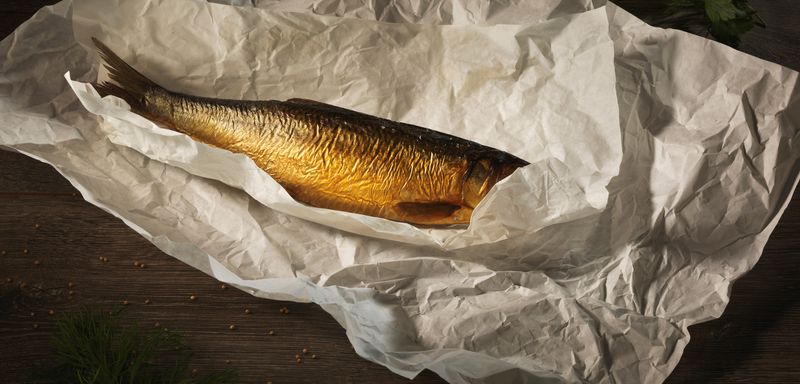
The Yarmouth Bloater is a lightly cold-smoked whole herring, cured with its guts still inside, which gives it an unusually rich, gamey flavour compared to standard kippers. Great Yarmouth in Norfolk was once the bloater capital of the world.
At its peak in the Victorian era, millions were produced here every year. Today they are much harder to find, making them something of a hidden treasure.
Grilled and served on toast with a strong cup of tea, they offer a genuinely old-fashioned British breakfast experience.
8. Smoked Sprats (Suffolk)
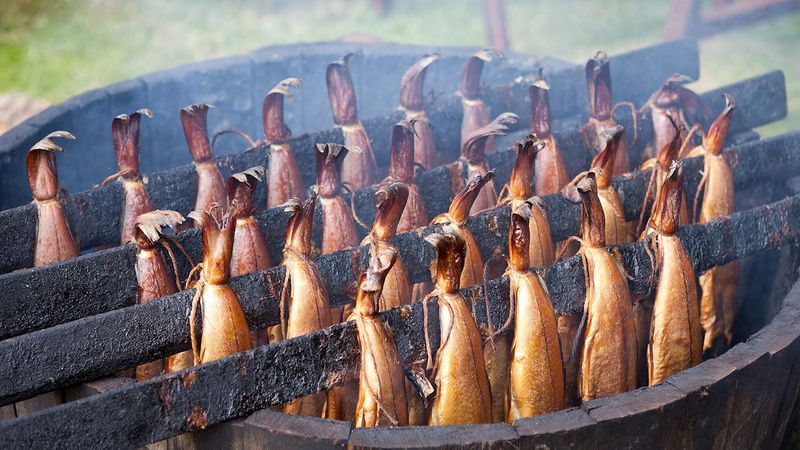
Sprats are tiny, oily fish that were once a staple food for working-class families along the Suffolk coast. When smoked over oak, they develop a bold, punchy flavour that is completely addictive once you get past their modest appearance.
Aldeburgh in Suffolk is still known for producing excellent smoked sprats. They are best enjoyed whole on buttered brown bread, bones and all, just as generations of coastal families have eaten them.
Affordable, sustainable, and bursting with character, smoked sprats are well overdue for a comeback.
9. Tweed Kettle (Scotland)
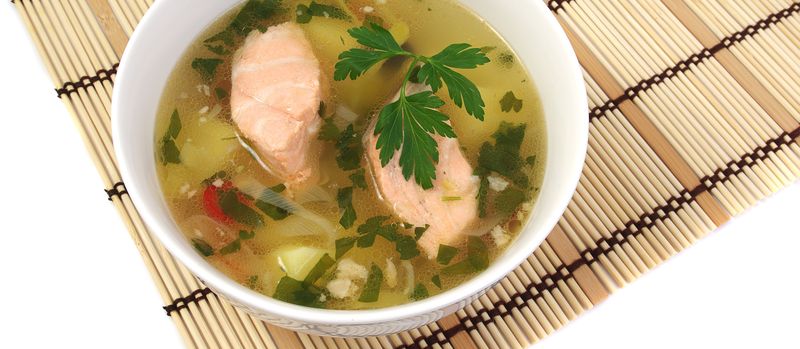
Tweed Kettle is an old Scottish dish made by simmering fresh salmon in a light broth with shallots, white wine, and fresh herbs. It was once a popular meal in Edinburgh during the 18th and 19th centuries when Atlantic salmon was plentiful in the River Tweed.
Unlike richer salmon preparations, this dish is surprisingly delicate and clean-tasting. It celebrates the natural sweetness of good salmon without overpowering it.
Rediscovering Tweed Kettle feels like flipping through a forgotten page of Scottish culinary history.
10. Soused Herring (Yorkshire)
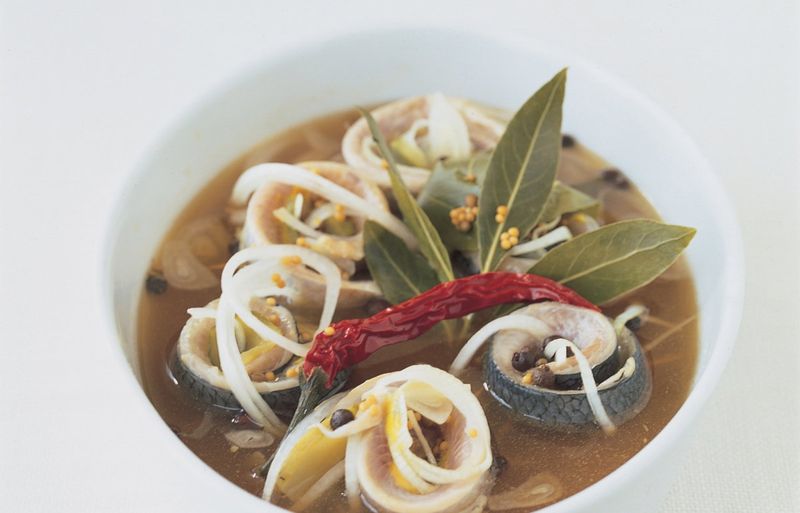
Sousing is one of Britain's oldest preservation methods, and Yorkshire has its own proud tradition of preparing herring this way. Raw herring fillets are rolled up and marinated in spiced vinegar with bay leaves, peppercorns, and onions before being left to cure slowly.
The result is sharp, tangy, and surprisingly refreshing. Served cold with rye bread and a cold pint, soused herring was once a fixture on Yorkshire pub menus.
It is a no-fuss dish with a bold personality that absolutely deserves revisiting.
11. Cockle Bread (South Wales)
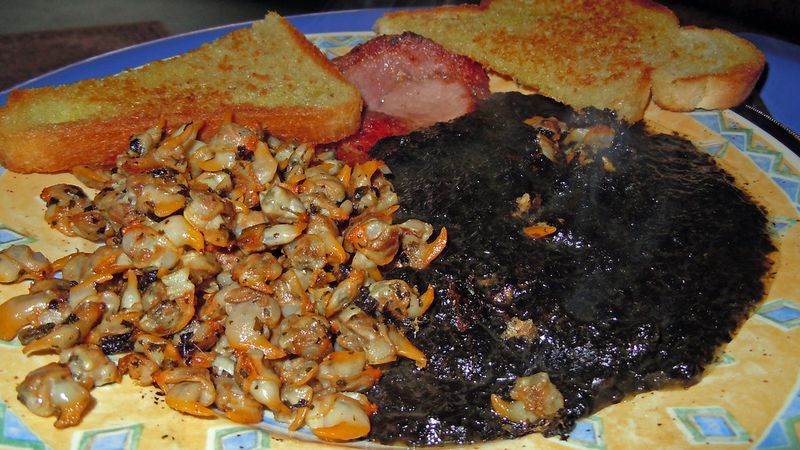
Cockles and laverbread are two of Wales's most iconic ingredients, and cockle bread brings them together in a wonderfully old-fashioned way. Cockles are baked directly into the bread dough, creating a savoury loaf with a subtle brininess in every bite.
Traditionally eaten for breakfast in South Wales alongside laverbread and bacon, this combination might sound unusual but it works beautifully. The Gower Peninsula has long been famous for its cockle harvests, and this dish is a true expression of Welsh coastal identity.
12. Eel Pie (London)
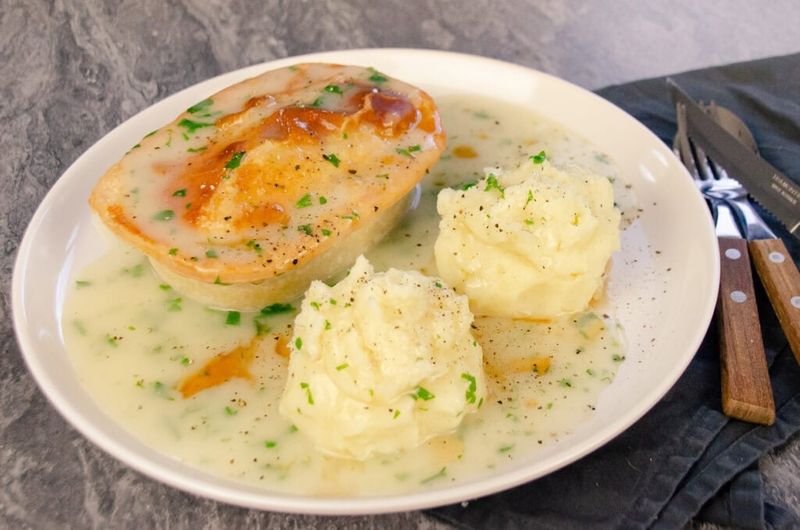
Before jellied eels became the symbol of East End food culture, eel pie was the real star. Chunks of fresh Thames eel were packed into a deep pastry case with a white parsley sauce and baked until golden and bubbling.
Eel Pie Island on the River Thames in Twickenham was once famous for this very dish, drawing visitors from across London. Eel numbers have declined sharply since, making this dish increasingly rare.
Finding a proper eel pie today feels like unearthing a piece of living London history.
13. Finnan Haddie Cream (Northeast Scotland)
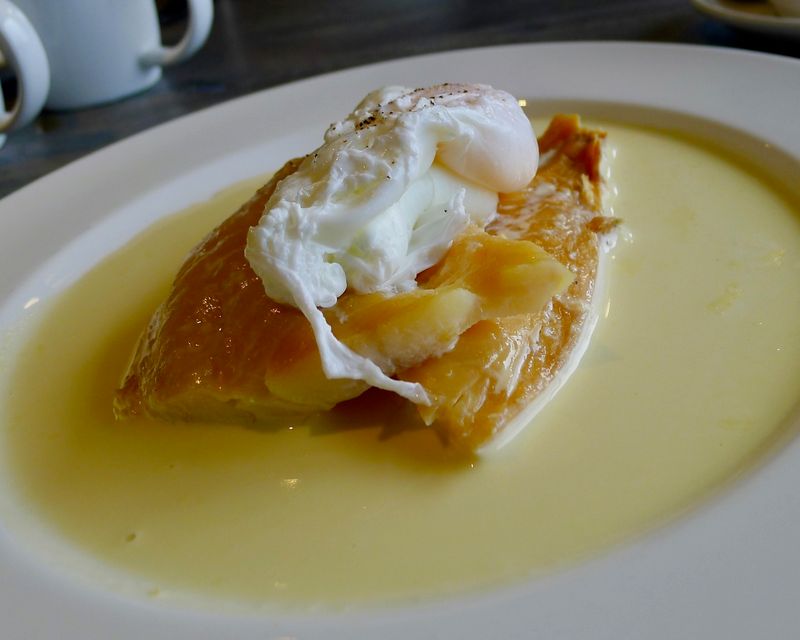
Finnan Haddie refers to cold-smoked haddock from Findon village near Aberdeen, and when gently poached in cream with a little onion and butter, it becomes one of Scotland's most comforting dishes. The smoke is gentle rather than overpowering, allowing the fish's natural sweetness to shine through.
This preparation was once a common breakfast dish across northeast Scotland and even appeared on grand Victorian hotel menus. Warm, creamy, and quietly sophisticated, Finnan Haddie in cream is the kind of dish that makes you slow down and savour every spoonful.
14. Mussel Brose (Orkney Islands)
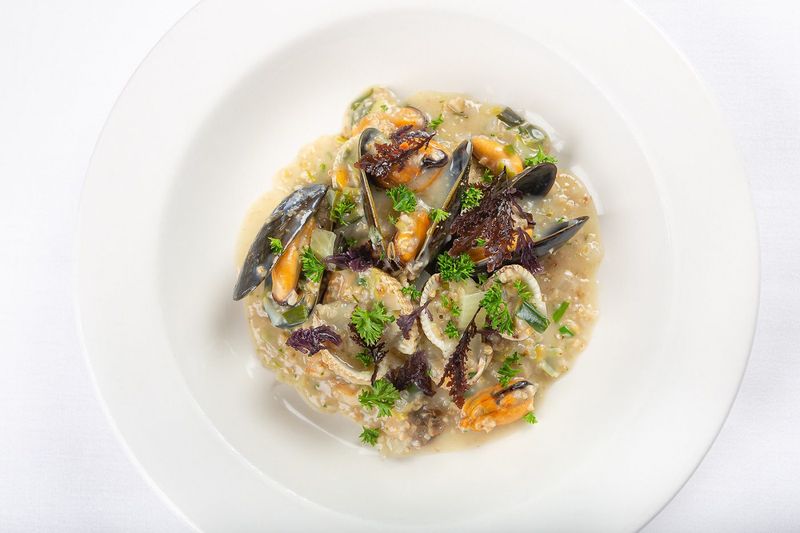
Orkney has always made good use of what the sea provides, and Mussel Brose is one of the most distinctively Scottish dishes you will ever encounter. Fresh mussels are cooked in a broth thickened with toasted oatmeal, giving it a nutty, hearty quality unlike any standard mussel dish.
It is warming, filling, and deeply rooted in Orcadian tradition. The combination of shellfish and oats might sound odd at first glance, but it reflects a clever and resourceful approach to cooking with local ingredients that the islands have perfected over centuries.
15. Mackerel Pate on Oatcakes (Scotland and Northern England)
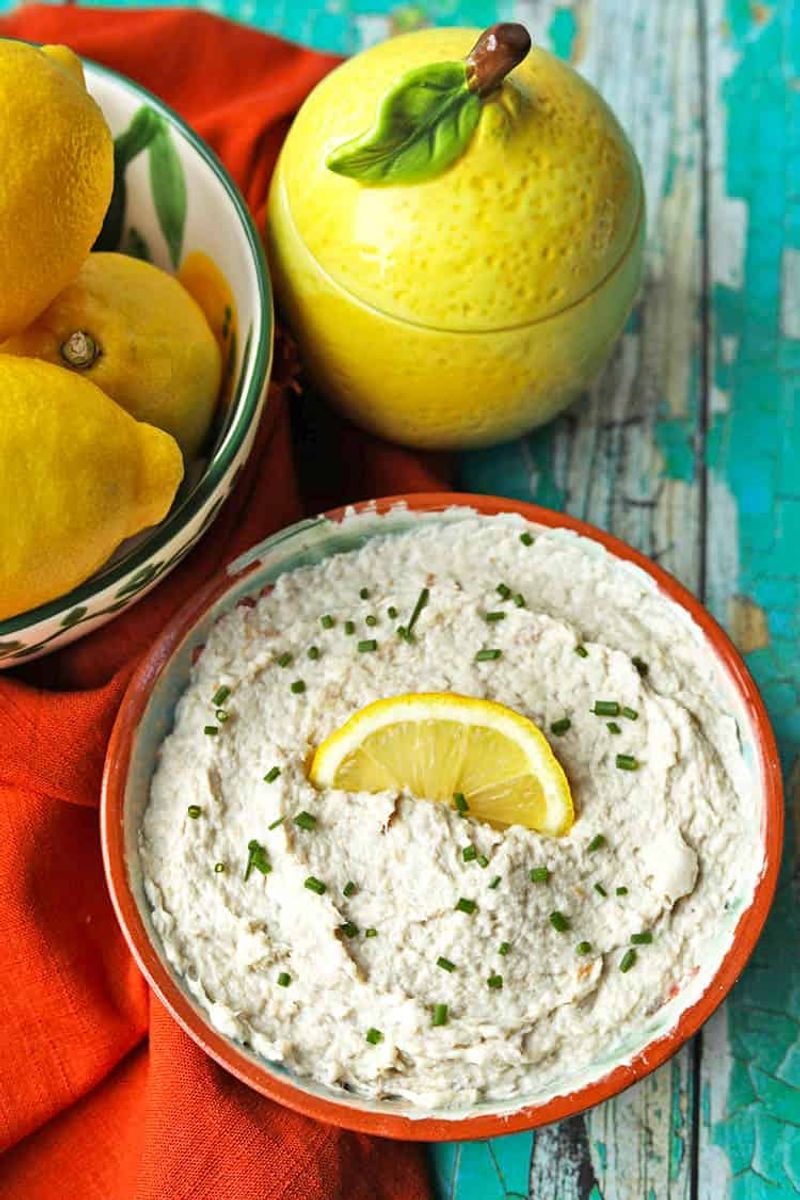
Smoked mackerel pate is one of those brilliantly simple dishes that punches well above its weight. Flaked smoked mackerel is blended with cream cheese, horseradish, and lemon juice into a smooth, zingy spread that works beautifully on rough-textured oatcakes.
Popular across Scotland and Northern England, this is pub food and picnic food and dinner party food all rolled into one. Mackerel is one of the most sustainable fish in British waters, making this dish as responsible as it is delicious.
It takes ten minutes to make and tastes like you tried much harder.
16. Tatties and Herring (Scotland)
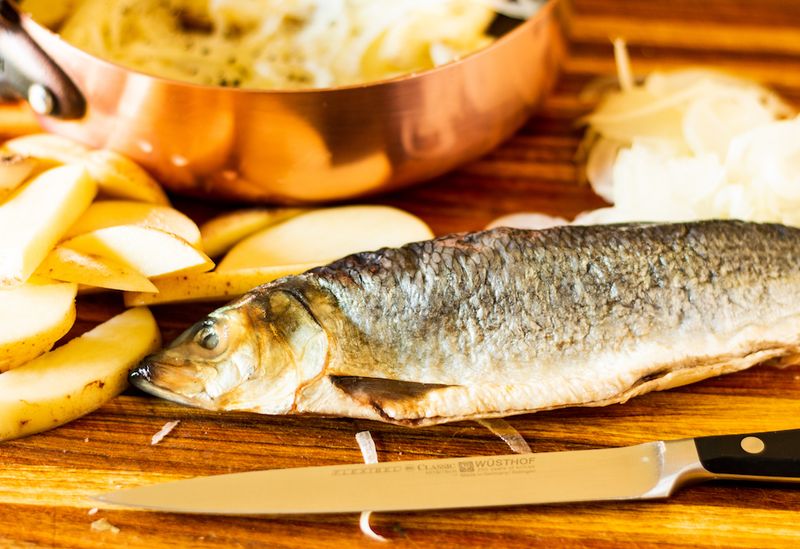
Sometimes the most honest food tells the most powerful story. Tatties and herring, simply boiled potatoes served alongside salt-cured herring, was the everyday meal of Scottish fishing and farming communities for generations.
It required almost nothing in terms of cost or preparation.
Salt herring was preserved in barrels and could last through hard winters, while tatties were grown in almost every garden. This combination kept families fed and strong through tough times.
Eating it today feels like a quiet act of respect for the resilience of ordinary Scottish people throughout history.




Comments
No Comments