













Some foods look perfectly harmless sitting on your counter or tucked in your pantry, but the way you store them can make a huge difference. Bad storage can lead to spoilage, harmful bacteria, or even dangerous toxins that you cannot see, smell, or taste.
Knowing which everyday foods need extra care could save you from a nasty stomachache or worse. Here are 16 common foods that deserve a lot more attention when it comes to storage.
1. Rice
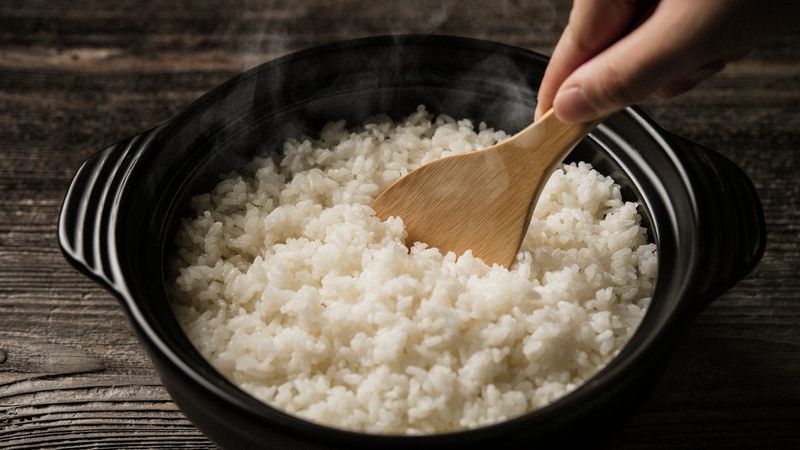
Cooked rice might be the sneakiest troublemaker in your kitchen. Once it cools down, it can grow a bacteria called Bacillus cereus, which survives even after reheating.
Leaving rice out for more than two hours is asking for trouble. Always refrigerate it in a sealed container within that window.
Reheat it thoroughly and never leave it sitting out overnight, no matter how tempting it is to snack on leftovers straight from the pot.
2. Potatoes
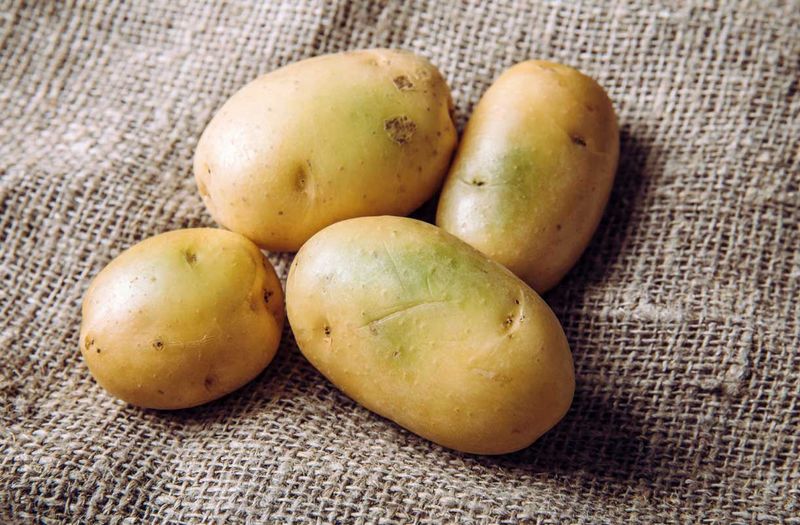
Potatoes seem sturdy and long-lasting, but store them wrong and they can turn downright dangerous. When exposed to light or warmth, potatoes produce solanine, a natural toxin that can cause nausea and headaches.
Never store them near your stove or in a sunny spot. A cool, dark, and dry place like a pantry or cellar works best.
Also, keep them away from onions since they release gases that speed up spoiling on both sides.
3. Honey
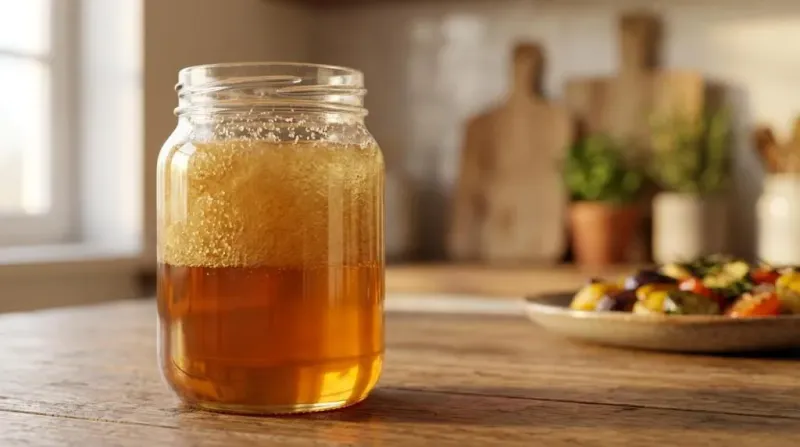
Honey is one of the oldest natural preservatives known to humans, yet even it has its weak spots. Moisture is honey's biggest enemy.
When water gets in, it can ferment and grow yeast.
Always store honey in a tightly sealed container and keep it at room temperature, away from steam or humidity. Never refrigerate it because cold temperatures cause crystallization.
And never give honey to babies under one year old due to the risk of botulism spores.
4. Eggs
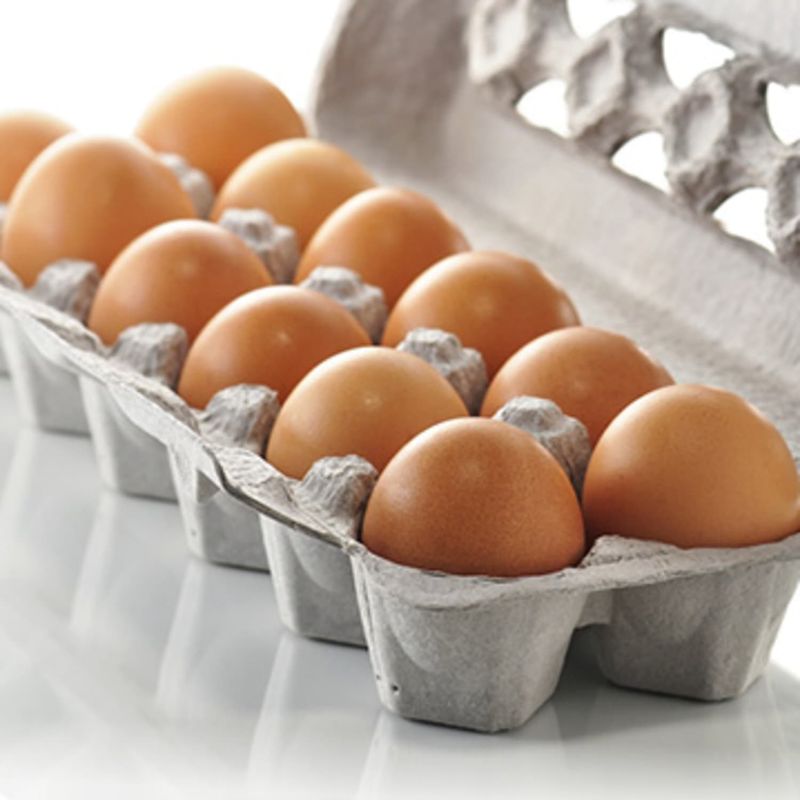
Eggs have a reputation for being simple and reliable, but their storage needs are surprisingly specific. In the United States, eggs are washed before sale, which removes a protective coating called the bloom.
Without that coating, bacteria like Salmonella can sneak in through the shell. Always refrigerate washed eggs and keep them in their original carton.
Storing them in the fridge door is actually a bad idea since temperature fluctuations there are the highest.
5. Leafy Greens
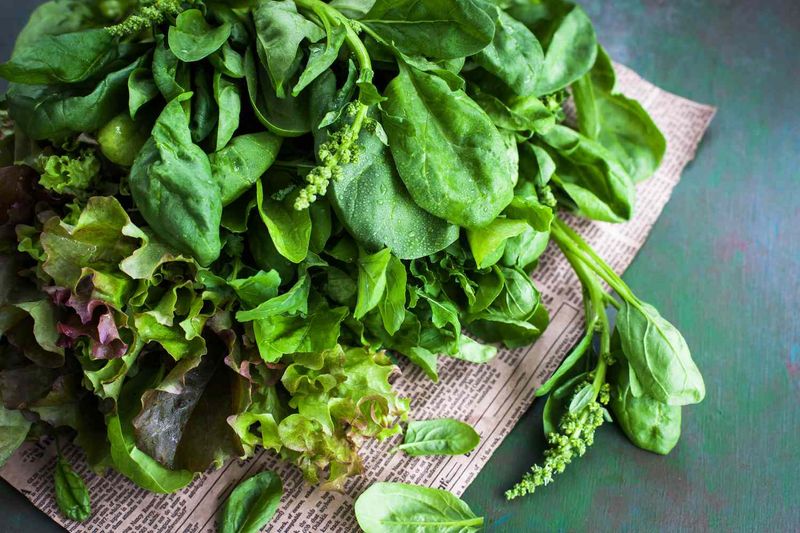
Spinach, lettuce, and kale look fresh and clean, but they can harbor E. coli and Listeria if stored carelessly. Moisture trapped inside a bag or container is the main culprit behind rapid bacterial growth.
After washing greens, dry them thoroughly before storing. Wrap them in paper towels to absorb extra moisture and keep them in a breathable container in the fridge.
Greens stored with excess water can go slimy and dangerous within just a couple of days.
6. Cooking Oils
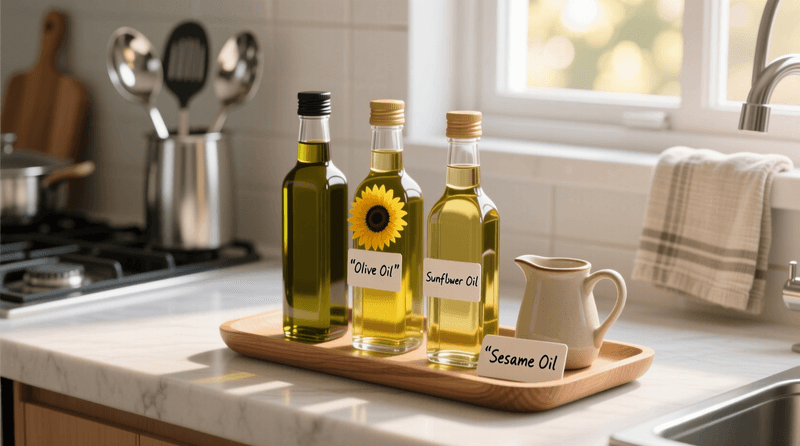
Cooking oils look perfectly fine long after they have gone rancid. Rancid oil does not always smell obviously bad, yet it contains harmful compounds linked to inflammation and cell damage.
Heat, light, and air are the three things that destroy oil the fastest. Store oils in dark glass bottles or opaque containers, away from the stove and out of direct sunlight.
Olive oil in particular should be kept in a cool cupboard, not on a sunny countertop where it degrades quickly.
7. Berries
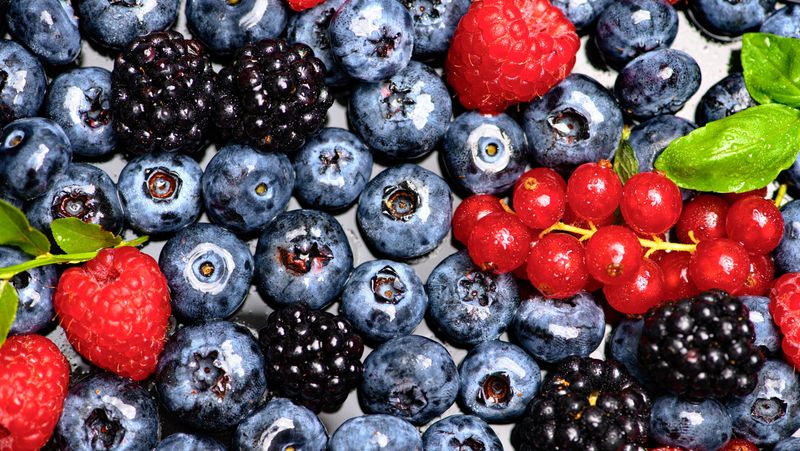
Fresh berries are delicate little things that go from perfect to moldy shockingly fast. One bad berry really does spoil the whole bunch since mold spreads quickly through the container.
Do not wash berries until right before eating them because moisture speeds up spoilage dramatically. Store them in a single layer on a paper towel inside the fridge and check daily for any soft or fuzzy ones.
Toss any moldy berries immediately to protect the rest of the batch.
8. Garlic

Garlic-in-oil is a classic kitchen staple, but homemade versions are hiding a serious secret. When garlic is submerged in oil without proper acidification, it creates the perfect airless environment for Clostridium botulinum, the bacteria behind botulism.
Store-bought garlic-in-oil is treated to be safe, but homemade versions should always be refrigerated and used within a week. Plain garlic bulbs should be stored in a dry, well-ventilated spot, never in sealed plastic bags where moisture causes mold and sprouting.
9. Flour
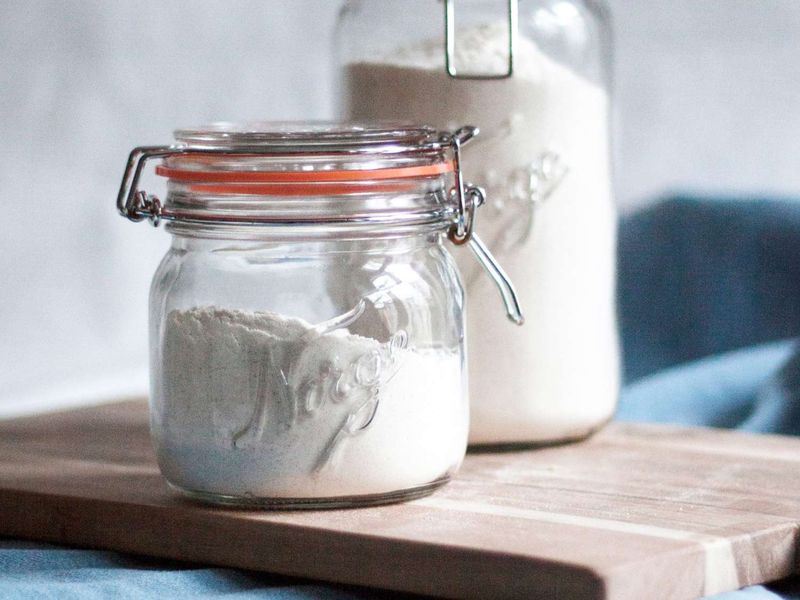
Flour sitting quietly in your pantry might be harboring bugs or even Salmonella without showing any obvious signs. Raw flour is not treated to kill pathogens, which surprises many home bakers.
Store flour in an airtight container to keep out moisture and pests. Keep it in a cool, dark place and use it within the recommended timeframe on the package.
Whole wheat flour goes rancid faster than white flour because of its natural oils, so refrigerating it is a smart move.
10. Tomatoes
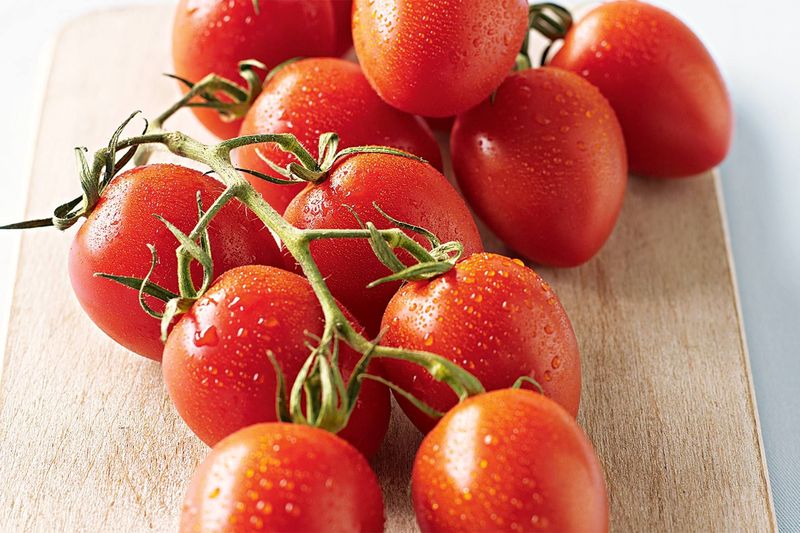
Refrigerating tomatoes feels logical, but it is actually one of the worst things you can do to them. Cold temperatures break down enzymes that give tomatoes their flavor and cause their texture to turn mealy and unpleasant.
Keep tomatoes at room temperature on the counter, stem side down, away from direct sunlight. Once cut, refrigerate them in a sealed container and use within two days.
Storing unripe tomatoes in the fridge stops the ripening process entirely, leaving you with bland, watery results every time.
11. Bread
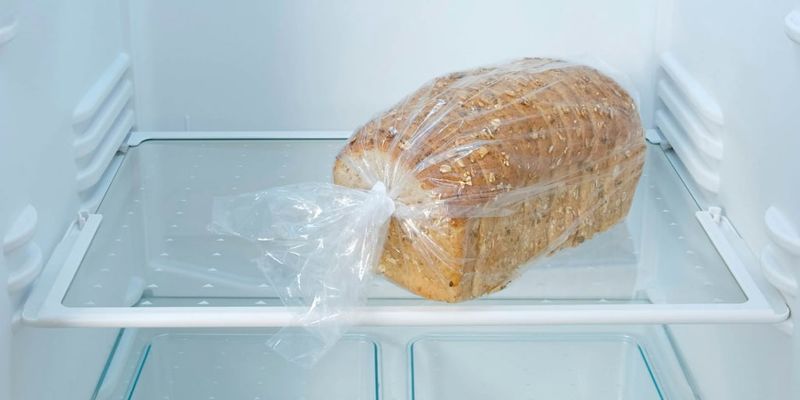
Most people toss bread in the fridge thinking it will last longer, but refrigeration actually makes bread go stale faster. The cold temperature causes starch molecules to crystallize, which is the exact process that makes bread dry and chewy.
Keep bread at room temperature in a bread box or sealed bag for up to four or five days. For longer storage, freeze it instead.
Freezing pauses the staling process and keeps bread tasting fresh when thawed properly at room temperature.
12. Nuts
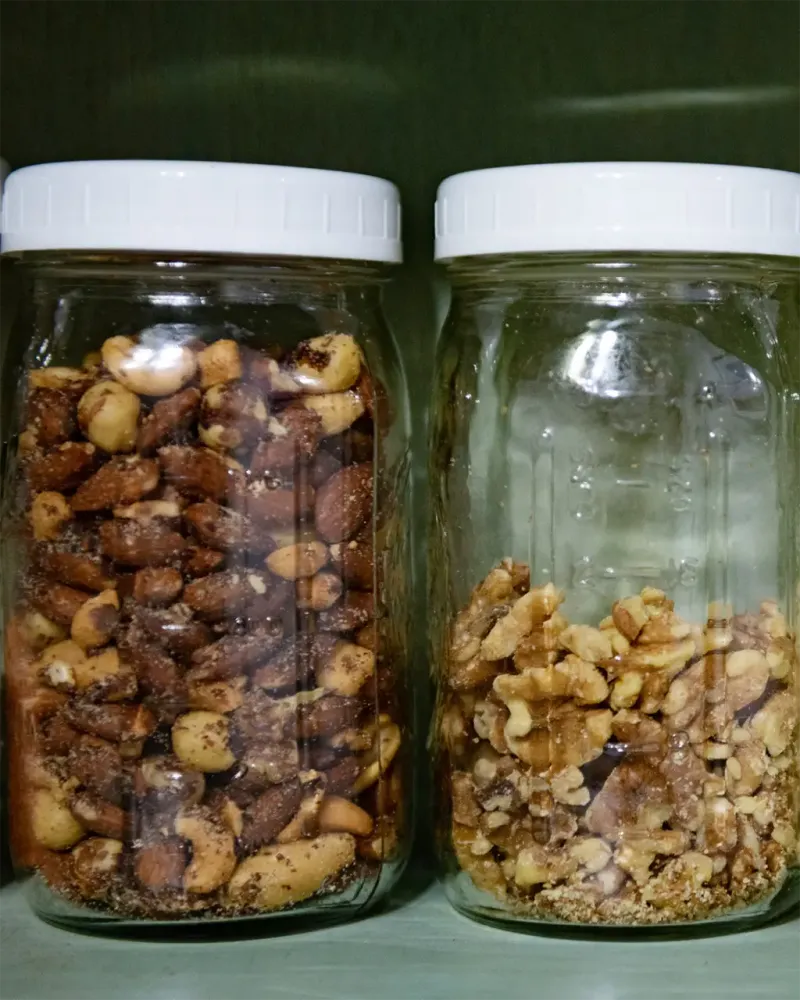
Nuts are loaded with healthy fats, and that is exactly what makes them go bad. Those natural oils oxidize when exposed to heat, light, and air, turning nuts rancid faster than most people realize.
Rancid nuts taste bitter and contain compounds that are not great for your health. Store nuts in airtight containers in the fridge or freezer for maximum freshness.
Buying in bulk sounds economical, but if you cannot use them within a month or two, freezing is the smartest option available.
13. Canned Goods
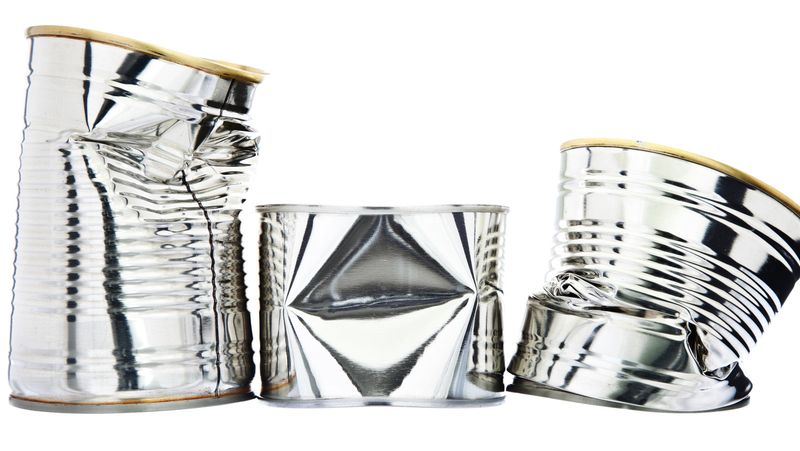
Canned goods have a reputation for lasting forever, but that is only true under the right conditions. Storing cans in a hot garage or damp basement can cause them to rust, bulge, or even grow botulism bacteria inside.
Always store cans in a cool, dry place and check for dents along the seams before opening. A bulging or leaking can should be thrown away immediately without tasting the contents.
Temperature swings shorten shelf life dramatically, even for commercially sealed products you trust.
14. Avocados
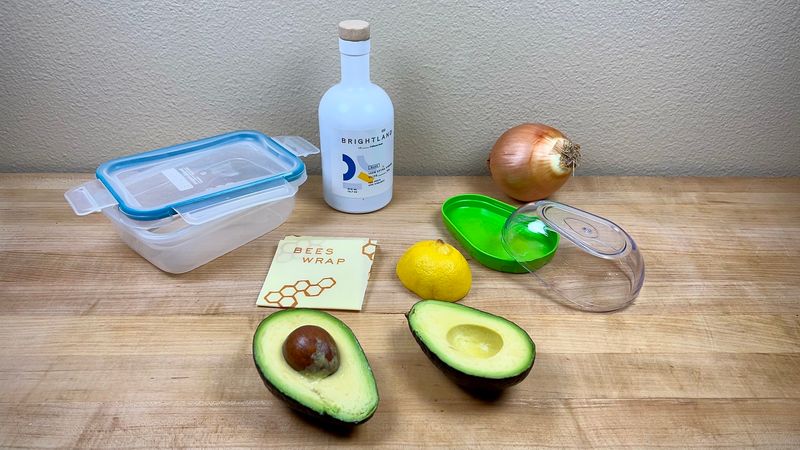
Avocados brown almost instantly once cut, and while browning itself is not harmful, improper storage of cut avocados can allow bacteria to grow on the exposed flesh. Leaving a cut avocado uncovered in the fridge is a mistake many people make daily.
Keep the pit in and press plastic wrap directly onto the flesh to limit air exposure. Lemon or lime juice slows browning too.
Store cut avocados in an airtight container and eat them within one to two days for best safety and flavor.
15. Leftover Pasta
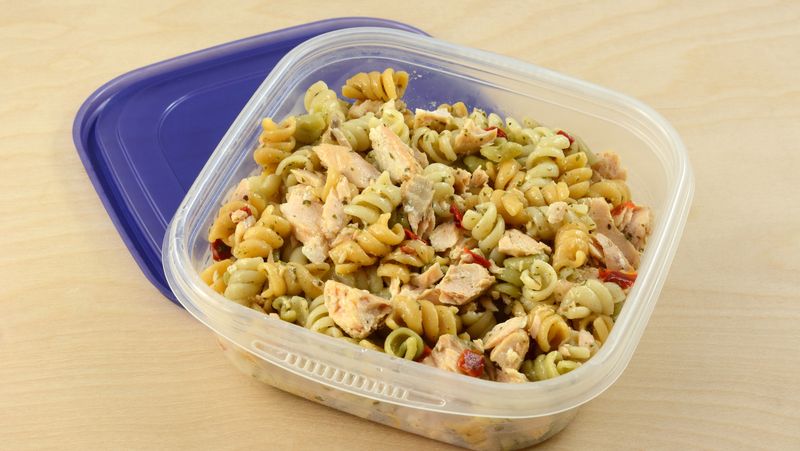
Pasta seems like a harmless leftover, but it can become a breeding ground for bacteria when left out too long. The combination of starch and moisture creates the ideal environment for rapid microbial growth at room temperature.
Cooked pasta should be refrigerated within two hours of cooking and stored in an airtight container for no more than five days. When reheating, make sure it reaches a steaming hot temperature throughout.
Pasta left on the counter overnight should be discarded, not saved, regardless of how it looks or smells.
16. Sprouts
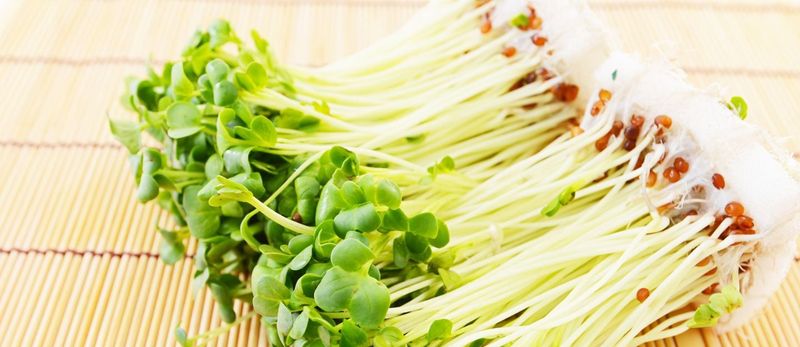
Sprouts look like the picture of health, but they are actually one of the riskiest foods to store carelessly. The warm, moist conditions they need to grow are also perfect for Salmonella and E. coli.
Always buy sprouts fresh and refrigerate them immediately in a breathable container. Use them within two days of purchase and rinse well before eating.
People with weakened immune systems, young children, pregnant women, and older adults are especially advised to avoid raw sprouts due to their consistently high contamination risk.




Comments
No Comments