













You don't need a grill or a fire pit to get that deep, rich smoky flavor in your food. Certain ingredients can bring that same bold taste right into your kitchen.
Whether you're cooking indoors or just want an easy shortcut, these smoky flavor boosters are game changers. From pantry staples to surprising spices, here are 16 ingredients that do the job beautifully.
1. Smoked Paprika
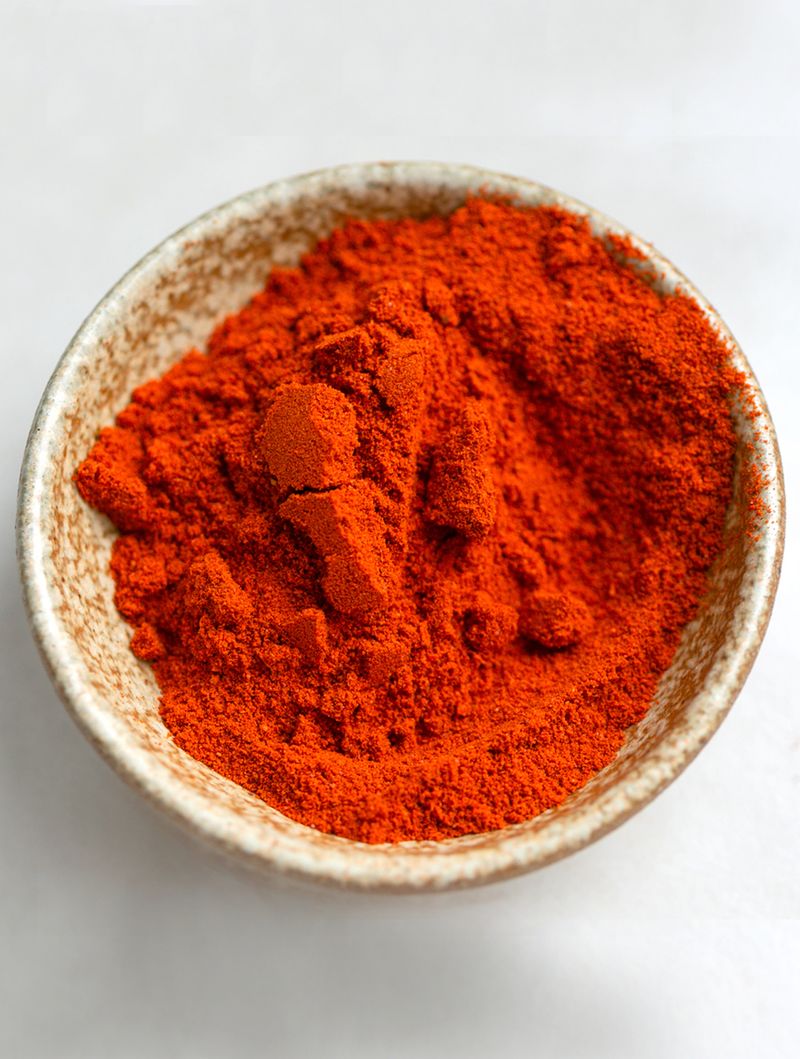
Few spices pack as much punch as smoked paprika. Made from peppers that are slowly dried over oak wood fires, this deep-red powder carries authentic smokiness in every pinch.
It's a staple in Spanish cooking and works wonders on roasted vegetables, grilled meats, and even popcorn.
Sprinkle it into soups, rubs, or sauces for an instant flavor upgrade. A little goes a long way, so start small and taste as you go.
2. Chipotle Peppers in Adobo Sauce
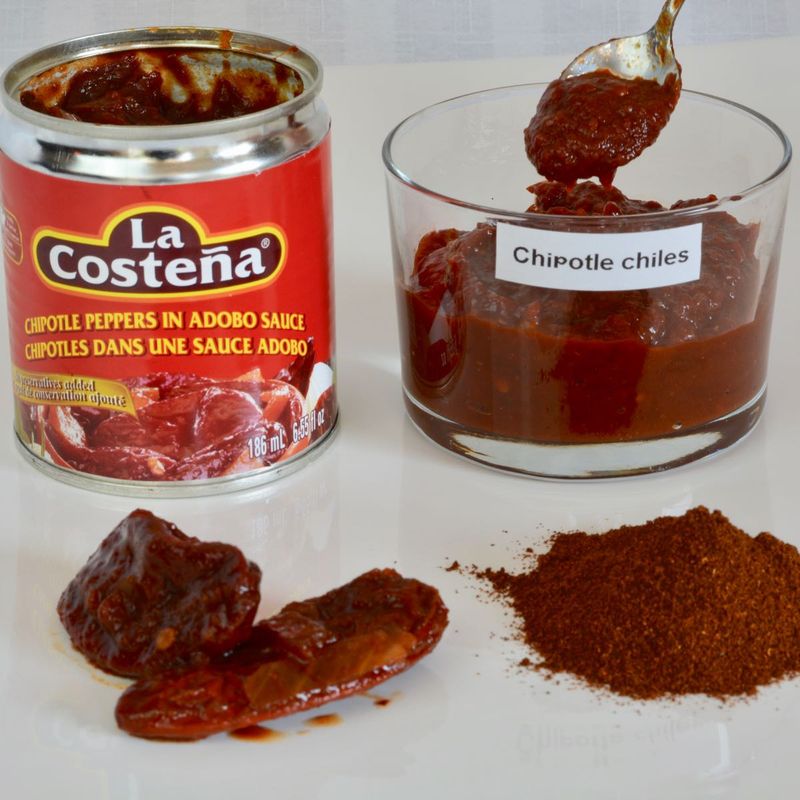
Chipotle peppers are basically jalapeños that went through a smoky transformation. They're dried and smoked until they develop a rich, earthy heat that's hard to replicate with anything else.
The adobo sauce they're packed in adds even more depth with vinegar and spices.
Blend a pepper or two into marinades, chili, or mayo for a bold, smoky kick. Even just a spoonful of the sauce can elevate a whole pot of beans.
3. Liquid Smoke
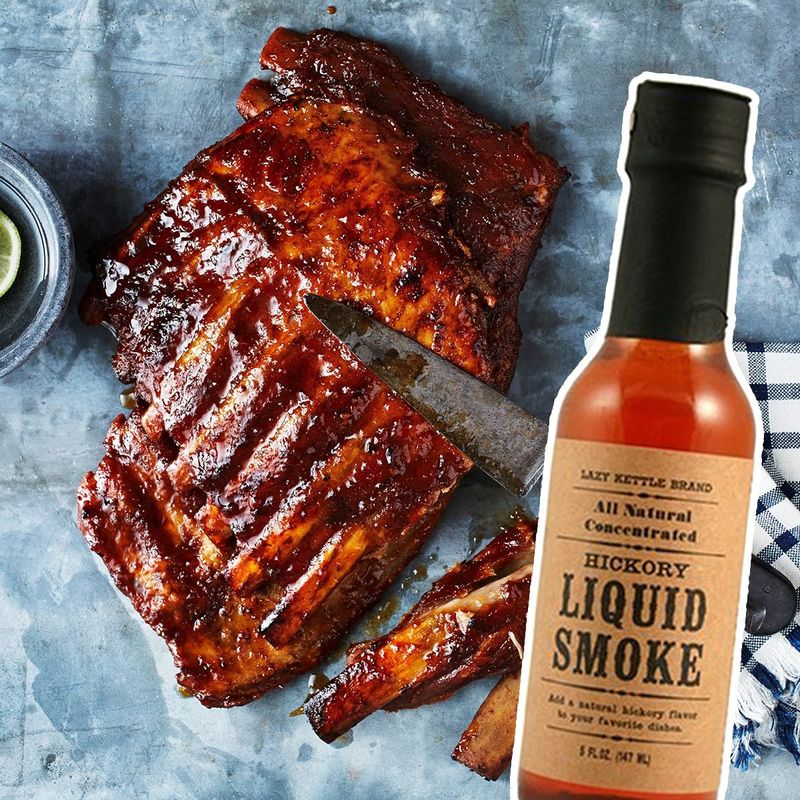
Liquid smoke sounds like a science experiment, but it's actually made from real wood smoke that gets captured and condensed into liquid form. Just a few drops can transform a boring dish into something that tastes like it came off a backyard smoker.
Use it in barbecue sauces, marinades, baked beans, or even cocktails for a surprisingly authentic smokiness. Start with just a drop or two since it's incredibly concentrated and easy to overdo.
4. Lapsang Souchong Tea
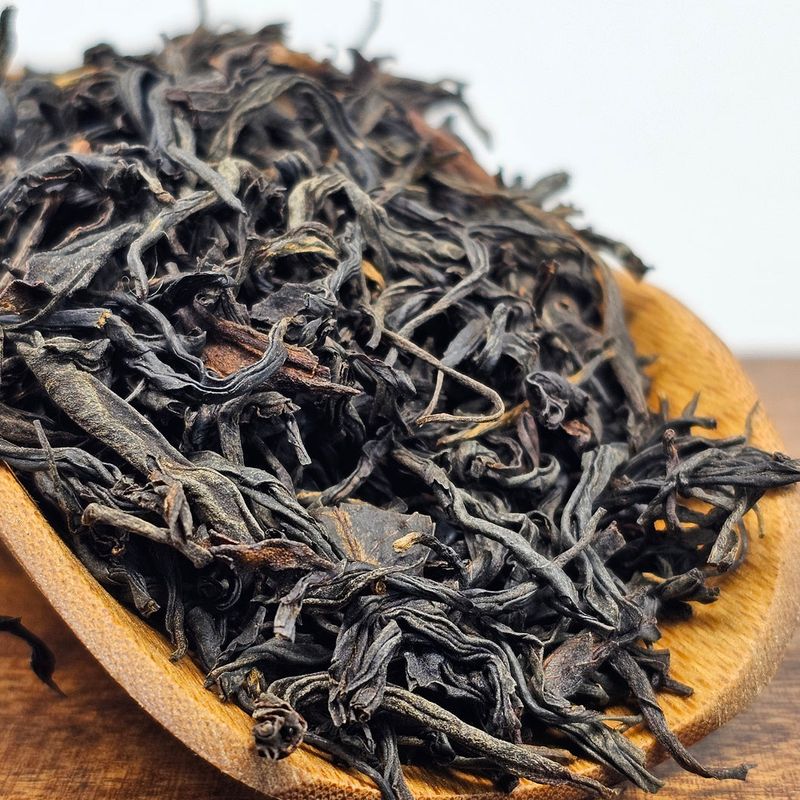
Here's a quirky one: Lapsang Souchong is a Chinese tea made by drying leaves over pinewood fires, giving it a bold, campfire-like aroma. Brewed strong, it can be used as a braising liquid for meats or a base for smoky sauces.
Some chefs even grind the dry tea leaves to use as a spice rub. It sounds unusual, but the results are genuinely impressive and surprisingly versatile in savory cooking.
5. Smoked Salt
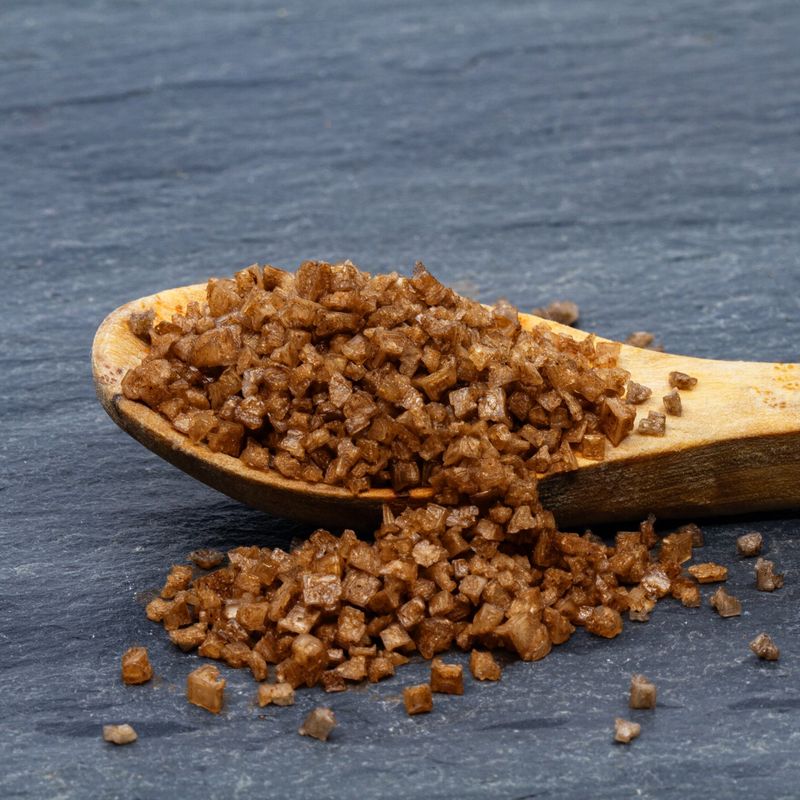
Salt already makes everything taste better, but smoked salt takes that idea to a whole new level. Crystals are cold-smoked over woods like hickory, cherry, or applewood, absorbing that woodsy flavor deeply into each grain.
Finishing a dish with a pinch of smoked salt right before serving is one of the easiest tricks in the book. It works especially well on eggs, avocado toast, grilled corn, and even chocolate desserts for a surprising twist.
6. Black Cardamom
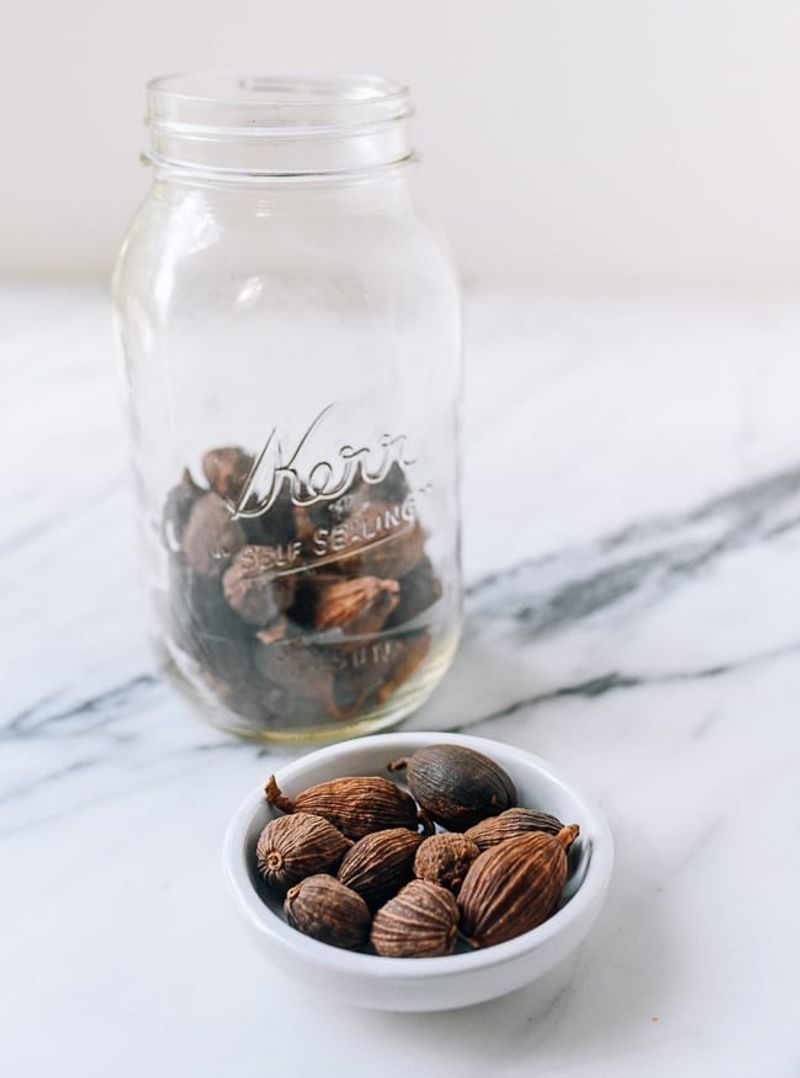
Black cardamom has a bold, campfire-like quality that its green cousin simply doesn't have. The pods are dried over open flames, which gives them a slightly menthol, smoky, and almost leathery aroma that's deeply complex.
Drop a whole pod into rice, lentils, or slow-cooked stews and let it work its magic. It's a common ingredient in Indian and South Asian cooking, and once you try it, you'll wonder why it took so long to discover it.
7. Miso Paste
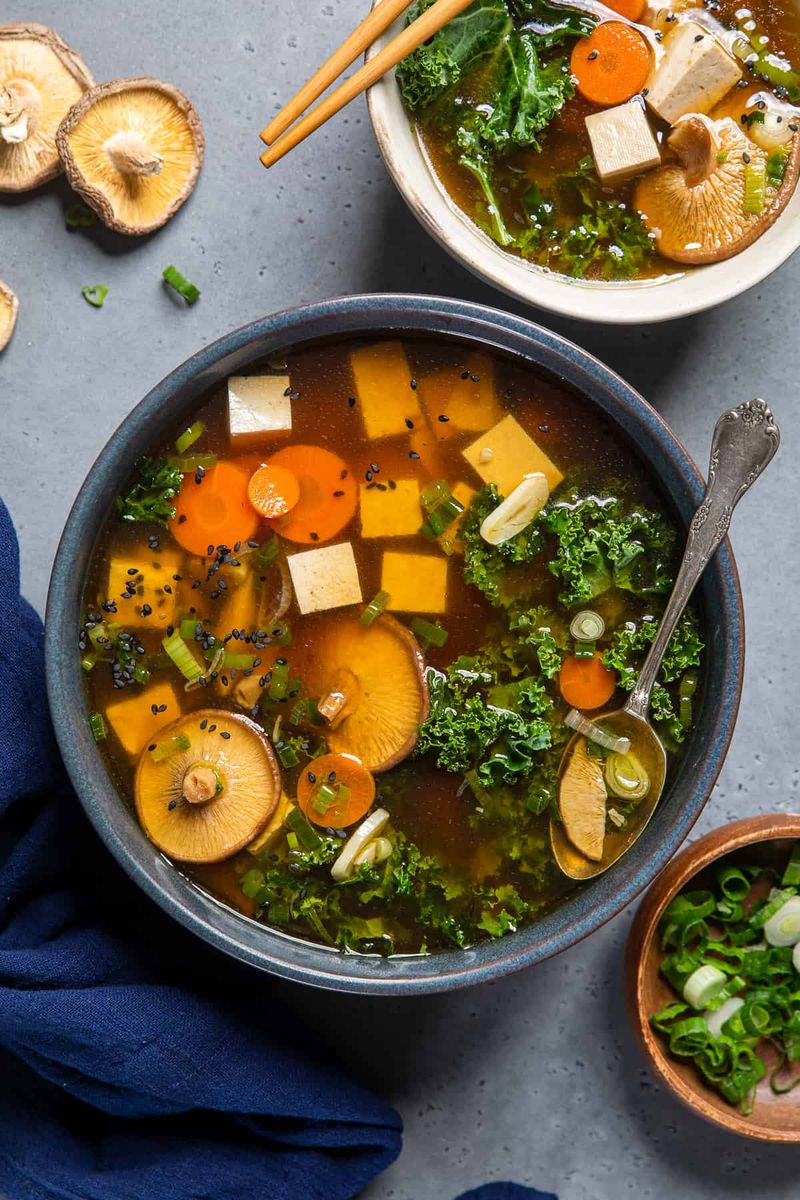
Miso paste might not scream smoky at first, but darker varieties like red or barley miso carry deep, fermented, almost charred undertones that mimic smokiness surprisingly well. It's been a cornerstone of Japanese cooking for centuries.
Whisk it into dressings, glazes, or soups to add umami richness with a subtle smoky edge. Miso-glazed eggplant or carrots roasted in the oven develop a caramelized, almost grilled quality that feels much more complex than the effort involved.
8. Worcestershire Sauce
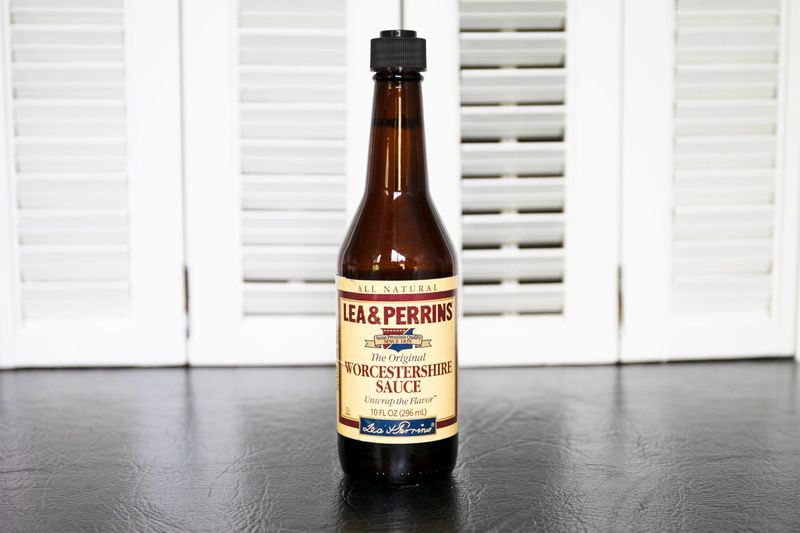
Worcestershire sauce has been adding mysterious depth to dishes since the 1830s. Made from fermented anchovies, tamarind, vinegar, and molasses, it carries a savory, slightly smoky undertone that enhances everything from burgers to bloody marys.
A splash in ground beef, marinades, or even mac and cheese creates layers of flavor that are hard to pinpoint but impossible to ignore. It's one of those secret ingredients that makes people ask, "What did you put in this?"
9. Smoked Cheese
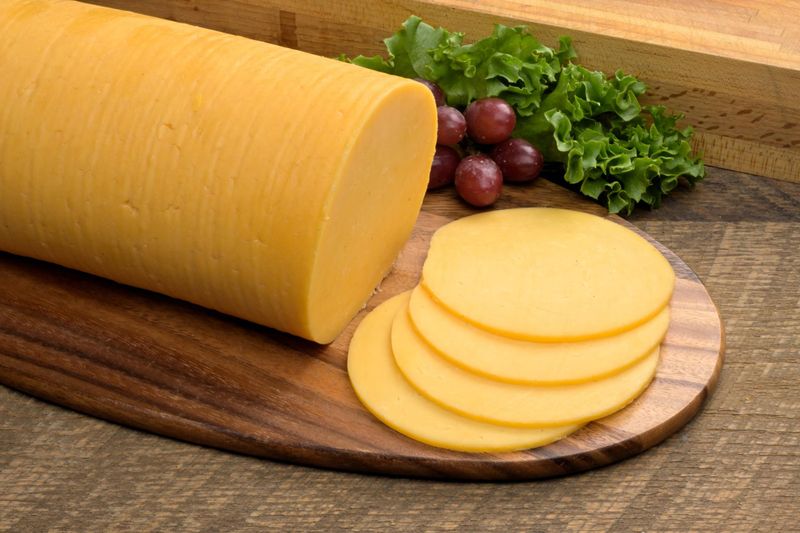
Melting smoked cheese into a dish is one of the most delicious ways to add smoky flavor without any actual fire. Smoked gouda, cheddar, and provolone are all excellent choices that melt beautifully and release their woodsy aroma when heated.
Try stirring smoked gouda into mashed potatoes or layering smoked provolone onto a sandwich before toasting it. The flavor deepens as it melts, turning a simple dish into something that feels like serious comfort food.
10. Dried Mushrooms
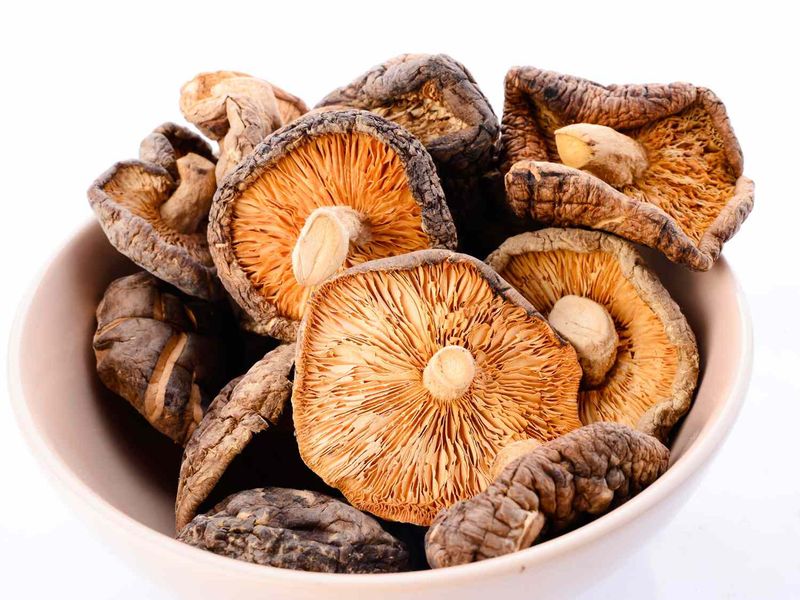
Dried mushrooms carry an earthy, almost smoky depth that fresh mushrooms simply can't match. Varieties like shiitake, porcini, and morel develop intense, concentrated flavors during the drying process that taste remarkably similar to wood-smoked ingredients.
Rehydrate them in warm water and use both the mushrooms and the soaking liquid in your dish for maximum flavor. Ground dried mushrooms can also work as a secret addition to spice rubs, adding complexity without anyone knowing your trick.
11. Ancho Chile Powder
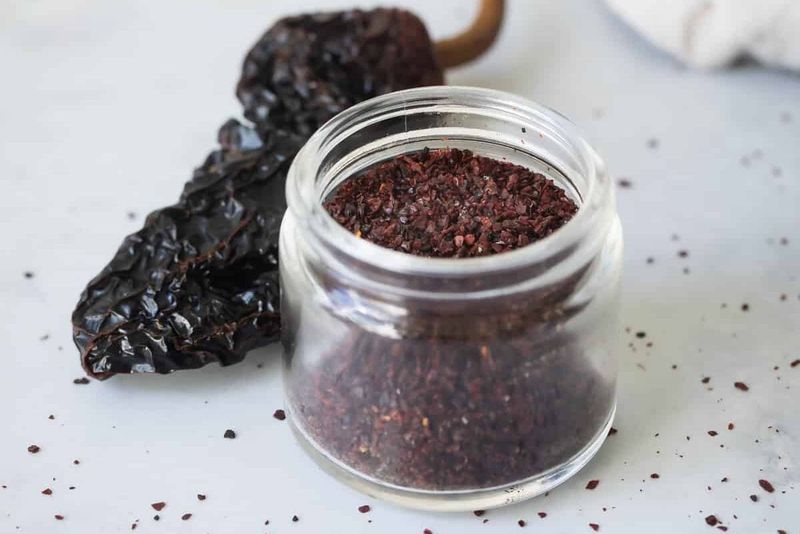
Ancho chile powder comes from dried poblano peppers and has a sweet, fruity heat with a natural smokiness baked right in. Unlike regular chili powder, ancho has a distinct richness that makes sauces, stews, and rubs taste like they simmered all day over a fire.
Mix it into taco seasoning, enchilada sauce, or chocolate chili for an unexpected depth. It pairs beautifully with dark chocolate in mole-style sauces, creating a flavor combo that's equal parts bold and mysterious.
12. Cumin
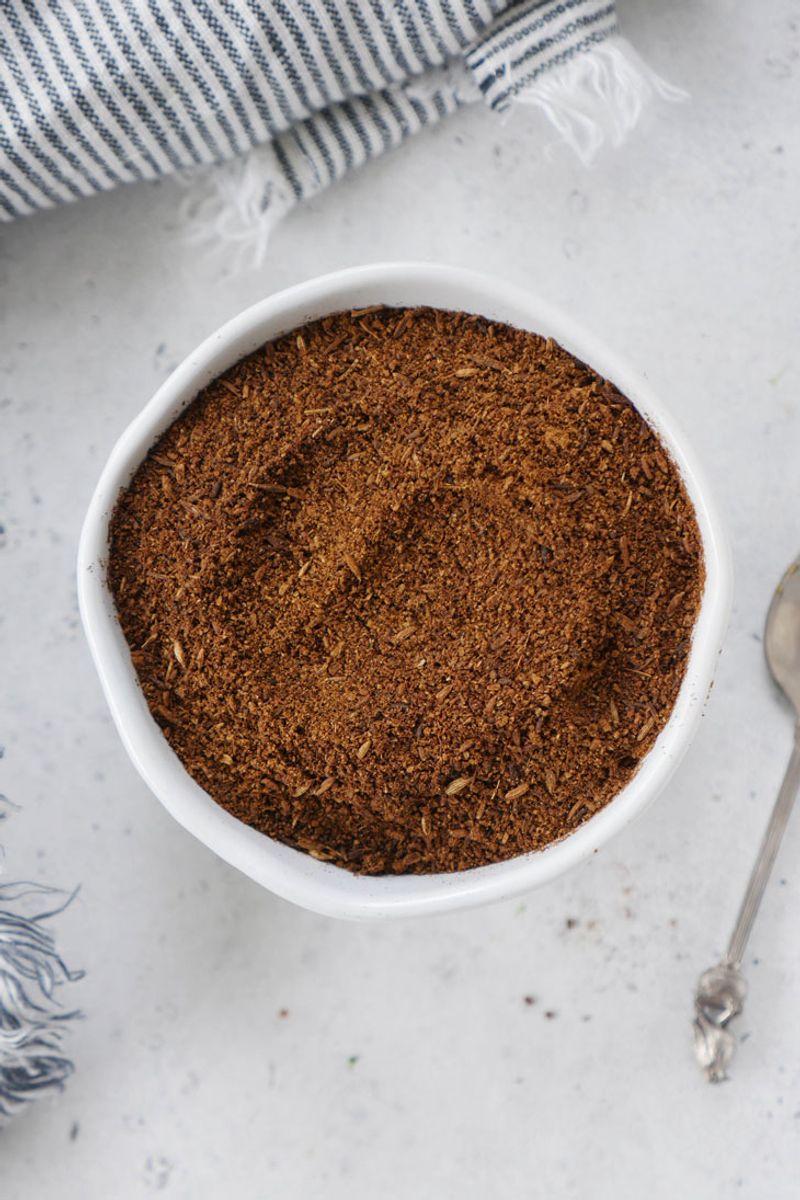
Cumin has been used in cooking for over 5,000 years, and its warm, earthy flavor comes with a subtle smokiness that most people don't consciously notice but definitely taste. Toasting whole cumin seeds in a dry pan before grinding them intensifies that smoky quality dramatically.
Add it to chili, roasted cauliflower, or grain bowls for instant warmth and depth. Ground cumin works well in rubs for chicken or lamb, mimicking the flavor of open-flame cooking without any actual fire involved.
13. Espresso or Coffee
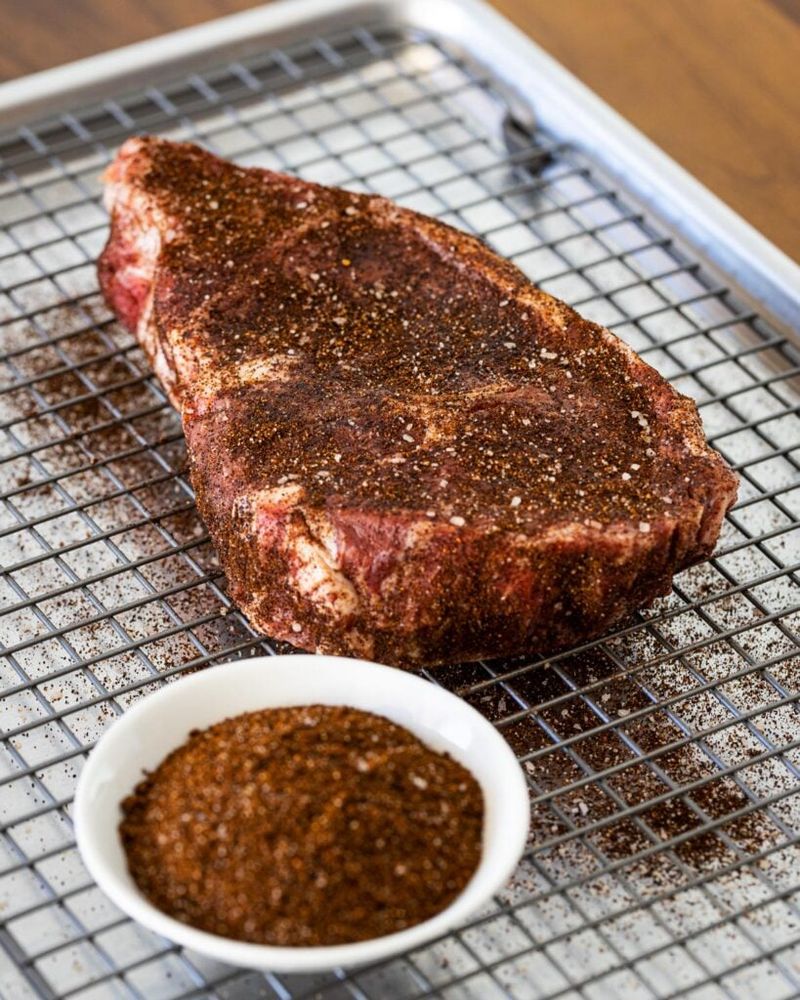
Coffee and smoke share a surprisingly similar flavor profile, both roasted and bitter with deep, complex undertones. Using finely ground espresso in a spice rub for steak or ribs creates a crust that mimics the char and smokiness of a real grill beautifully.
Stir a teaspoon into chili or barbecue sauce to enhance the savory depth without making the dish taste like coffee at all. The coffee flavor blends in and disappears, leaving only that rich, roasted quality behind.
14. Smoked Olive Oil
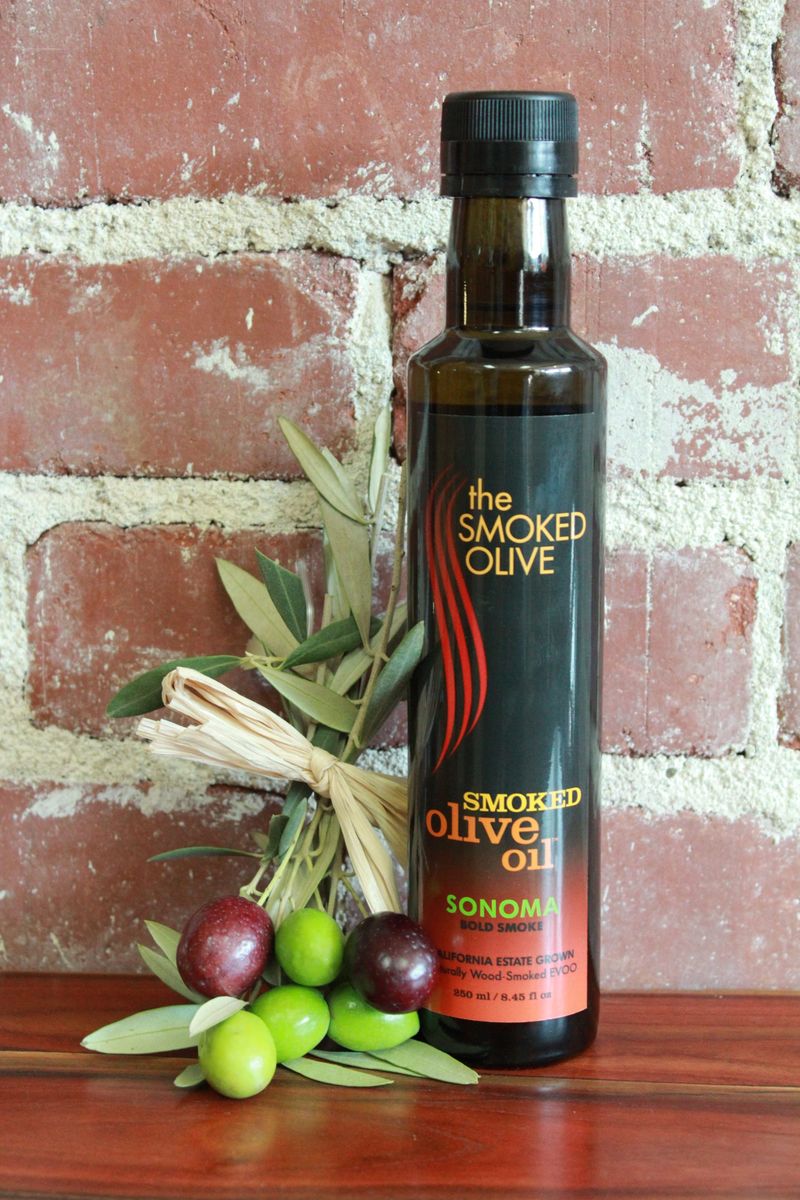
Smoked olive oil is exactly what it sounds like: olive oil infused with real wood smoke for a rich, aromatic finish. Just a drizzle over finished dishes adds a layer of flavor that regular olive oil simply can't provide.
Use it on grilled bread, roasted vegetables, or as a finishing touch on hummus and salads. Since the smoke is already in the oil, you don't need to cook with it; adding it cold at the end preserves the most flavor.
15. Tamari or Soy Sauce
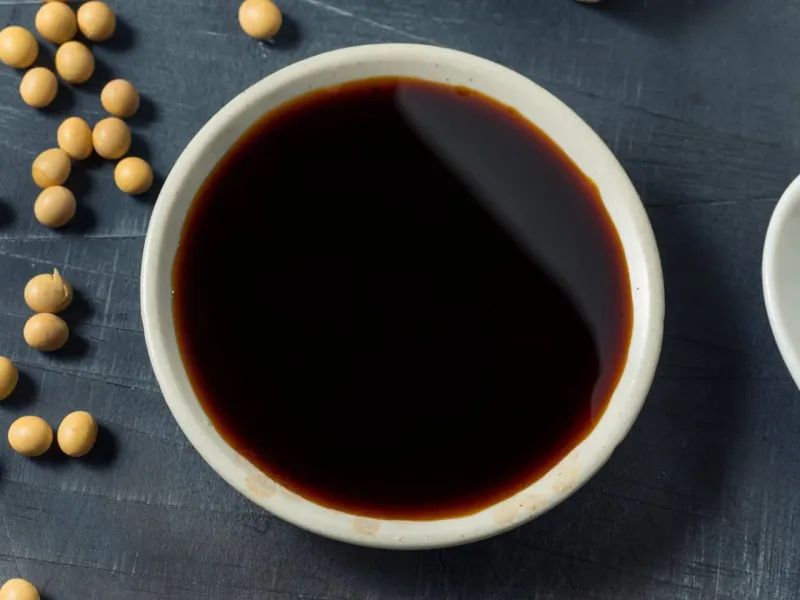
Tamari and soy sauce both carry a deep, savory quality that comes from months or even years of fermentation. That aged, darkened flavor has a subtle smokiness that works especially well in marinades, stir-fries, and braised dishes.
Tamari, which is the gluten-free version, tends to be richer and slightly less salty than regular soy sauce. Reducing either one in a pan until it thickens concentrates the smoky-sweet notes even further, making it a fantastic glaze for proteins and vegetables alike.
16. Harissa Paste
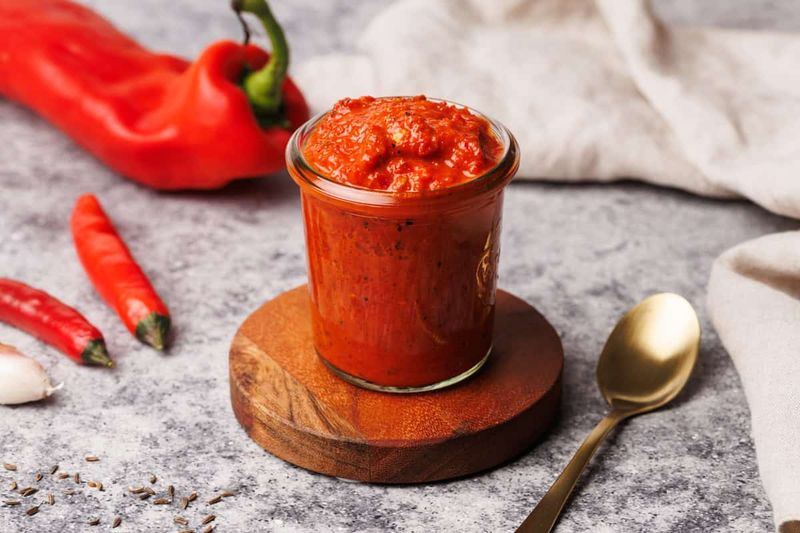
Harissa is a North African chili paste that blends roasted red peppers, dried chilies, garlic, and spices into a fiery, aromatic condiment with serious smoky character. The roasting process gives the peppers a charred depth that carries through into every dish it touches.
Swirl it into yogurt for a dipping sauce, mix it into scrambled eggs, or use it as a marinade for chicken thighs. A spoonful stirred into tomato soup transforms a simple weeknight meal into something that feels much more exciting.




Comments
No Comments