













Food trends come and go, but some ingredients get left behind for decades before making a surprising comeback. Chefs and home cooks are now rediscovering old-fashioned staples that were once everyday kitchen essentials.
From ancient grains to funky fermented foods, these forgotten ingredients are showing up on restaurant menus and grocery store shelves again. Get ready to meet 16 ingredients that are making a bold, delicious return.
1. Lard
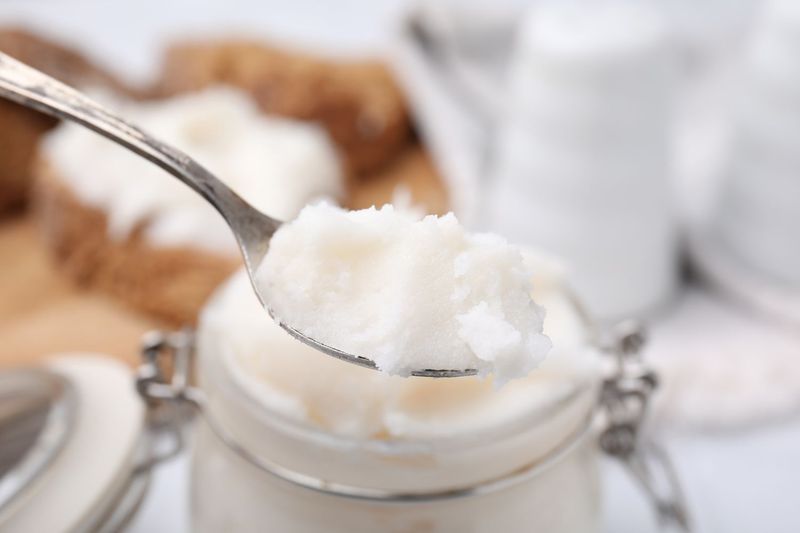
For most of the 20th century, lard got a bad reputation and was replaced by vegetable shortening. But cooks are now realizing that lard makes incredibly flaky pie crusts and crispy fried foods.
It has actually been used in kitchens for thousands of years.
Today, high-quality lard from pasture-raised pigs is finding its way back into bakeries and home kitchens. Many chefs say nothing else comes close to its rich, savory flavor.
2. Bone Broth
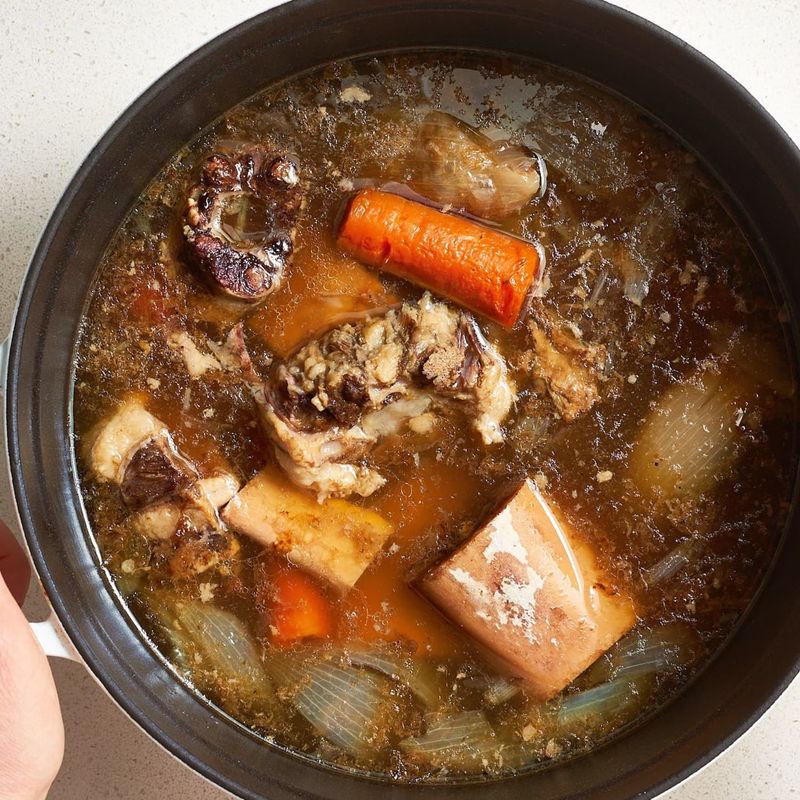
Long before protein powder existed, people simmered animal bones for hours to create a deeply nourishing broth. Bone broth fell out of fashion when canned soups took over grocery store shelves.
Now it is everywhere again, sold in coffee shops and health food stores as a warm, savory drink.
Packed with collagen and minerals, bone broth is praised for supporting gut health and joint comfort. Grandmothers everywhere are nodding along, knowing they were right all along.
3. Tallow
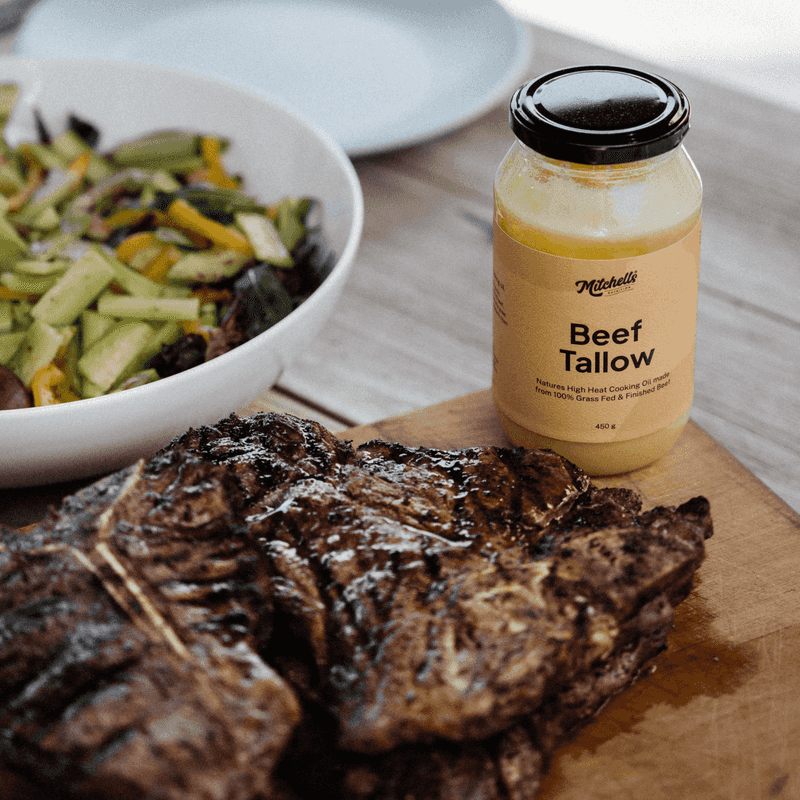
Beef tallow was once the go-to fat for frying and cooking before industrial seed oils pushed it aside. Fast food restaurants famously used it to fry french fries until the 1990s, and many people insist those old fries tasted far better.
Now tallow is making a quiet comeback in serious kitchens.
Cooks love it for high-heat roasting and frying because it stays stable at very hot temperatures. Its beefy, buttery flavor adds serious depth to vegetables and meats alike.
4. Sorrel
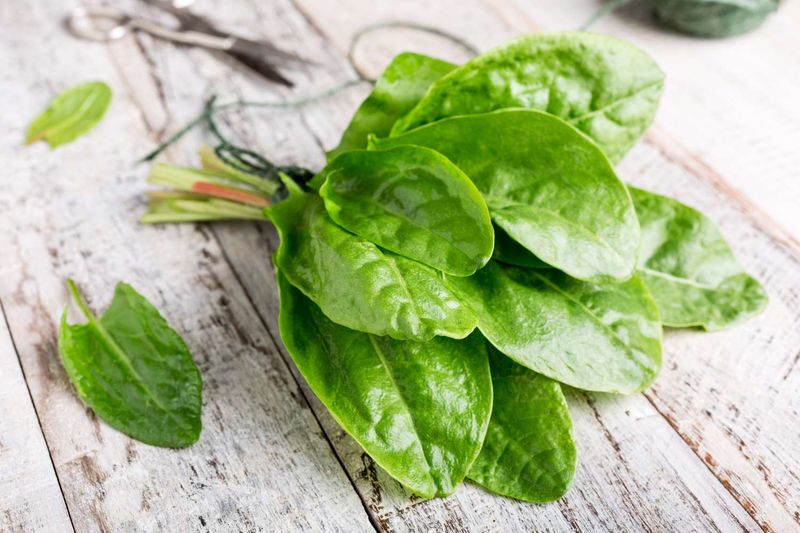
Sorrel is a leafy green with a sharp, lemony tang that was wildly popular in European cooking centuries ago. Somewhere along the way it got overshadowed by spinach and kale, nearly disappearing from home gardens.
Chefs are now bringing it back for its bright, acidic punch that works beautifully in soups and sauces.
You can use sorrel raw in salads or wilt it into cream sauces for fish. Its natural tartness means you need very little lemon juice when cooking with it.
5. Millet
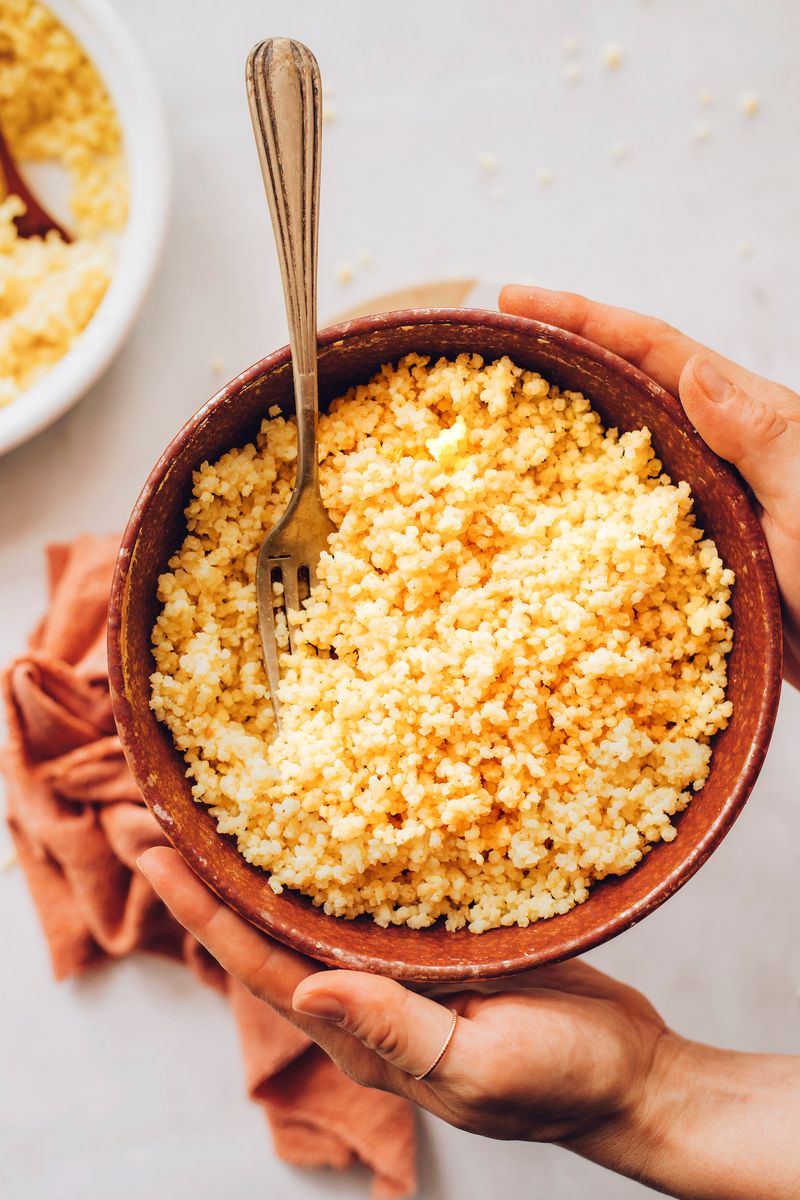
Millet is one of the oldest grains on earth, feeding people across Africa and Asia for thousands of years. In the United States, it became mostly known as birdseed before chefs started paying attention again.
Now it is appearing on menus as a fluffy, nutty alternative to rice or quinoa.
Millet is naturally gluten-free and cooks up quickly, making it great for busy weeknight meals. Its mild flavor lets bold spices and sauces shine without competing for attention.
6. Sumac
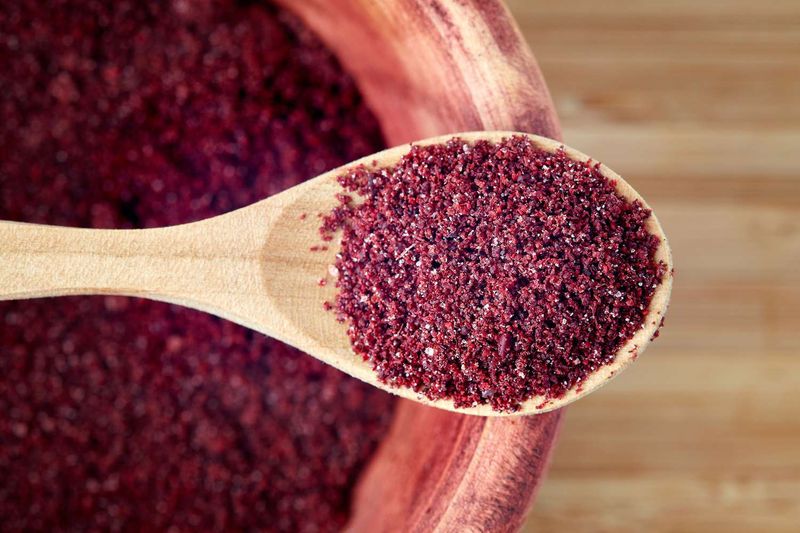
Sumac is a tart, fruity spice made from dried berries that has been central to Middle Eastern cooking for centuries. It never quite broke through into mainstream Western kitchens, but that is changing fast.
Chefs are sprinkling it over hummus, grilled meats, salads, and even scrambled eggs for a pop of tangy color.
Think of sumac as a milder, more complex cousin to lemon juice. A pinch transforms a simple dish into something that feels restaurant-quality without any extra effort.
7. Farro
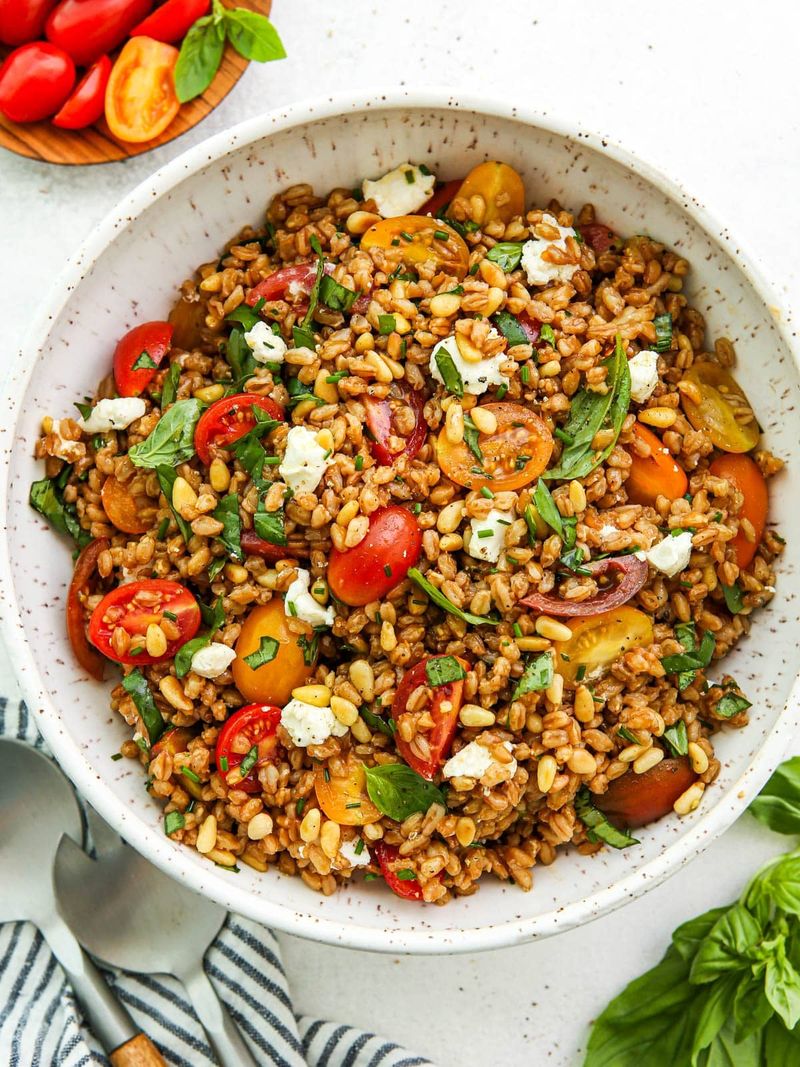
Ancient Romans ate farro regularly, and it was a staple grain across the Mediterranean for millennia before wheat varieties replaced it. Farro has a chewy texture and a warm, nutty flavor that feels hearty and satisfying in ways that modern refined grains often do not.
Restaurants are now serving it in grain bowls, soups, and salads.
Farro holds up beautifully in brothy dishes because it stays chewy rather than turning mushy. Cooking a big batch at the start of the week makes meal prep much easier.
8. Preserved Lemons
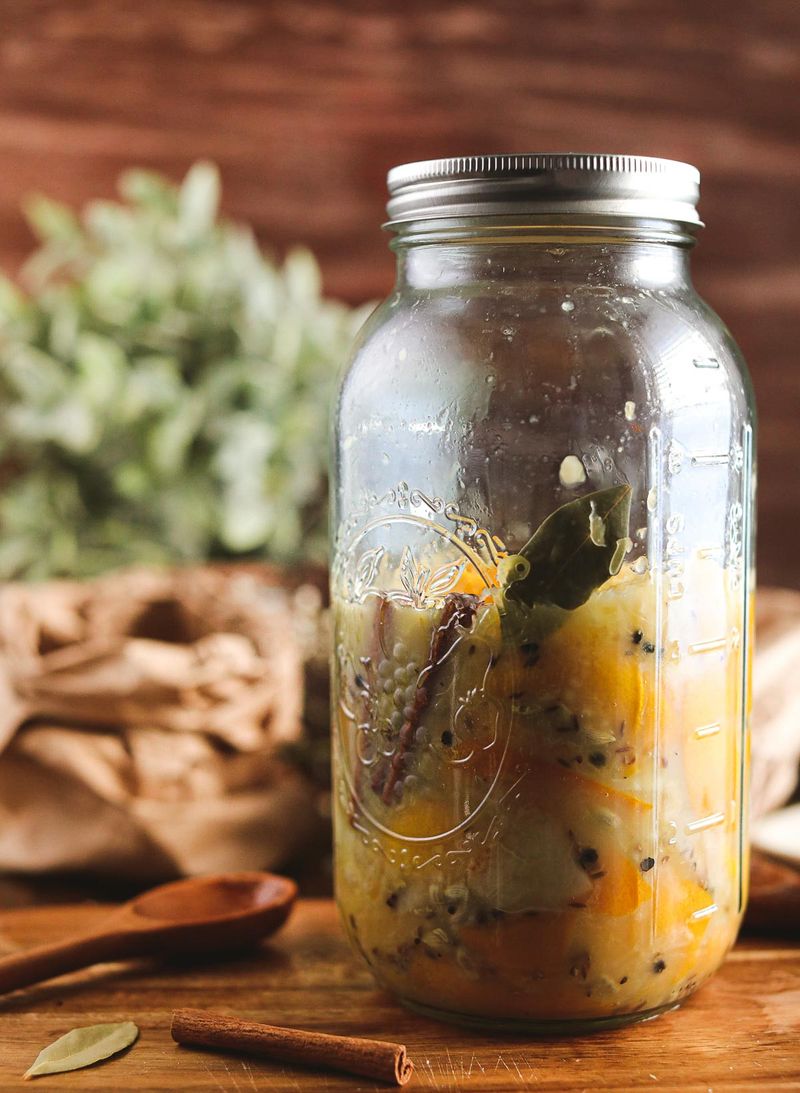
Preserved lemons are a staple of North African cooking, especially in Moroccan tagines and salads. They are simply lemons packed in salt and left to ferment for weeks until their rinds turn soft and intensely flavorful.
For a long time, most Western home cooks had never heard of them.
Now preserved lemons are popping up in pasta sauces, roasted chicken recipes, and grain salads. Even a small spoonful of the chopped rind adds a salty, tangy complexity that fresh lemon simply cannot match.
9. Lamb Liver
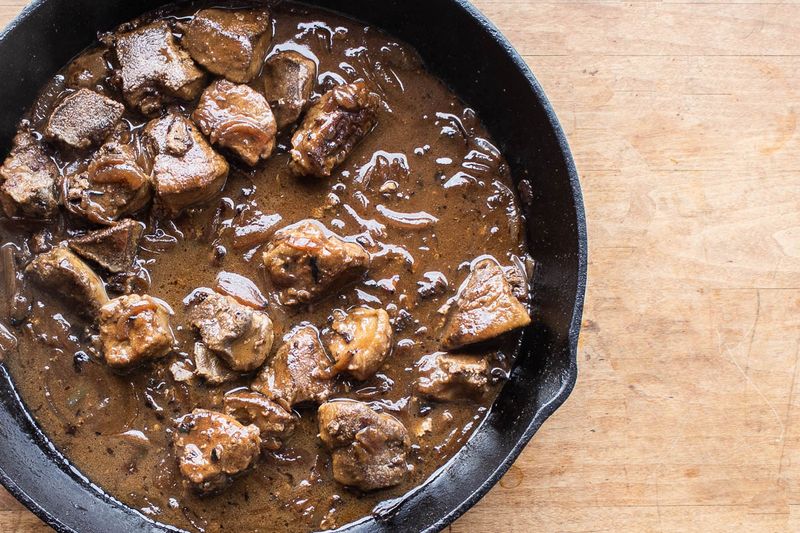
Organ meats like lamb liver were once everyday protein sources before boneless, skinless chicken breast became the default. Liver is loaded with iron, B vitamins, and protein, making it one of the most nutrient-dense foods available.
Younger chefs are now championing nose-to-tail cooking, which means using every part of the animal.
Lamb liver has a milder flavor than beef liver, making it a good starting point for curious eaters. Soak it in milk before cooking to mellow out any strong taste before seasoning generously.
10. Quince
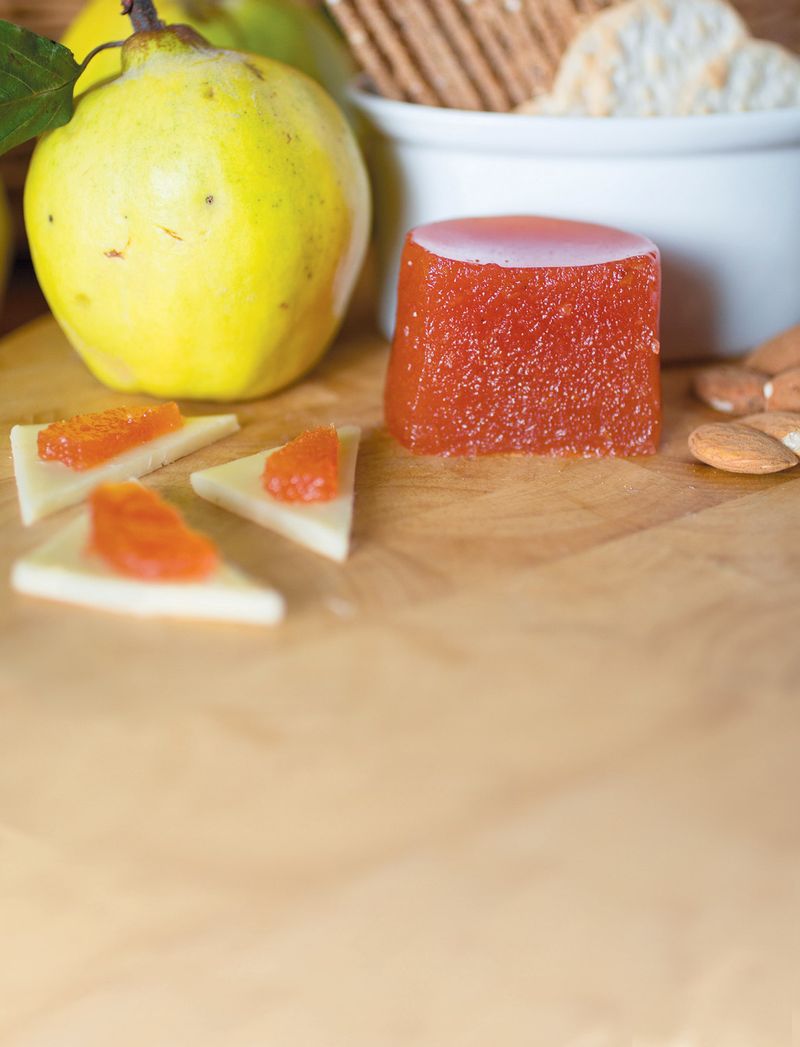
Quince looks like a lumpy, fuzzy apple but it cannot be eaten raw without puckering your whole face. Cooked down with sugar, though, it transforms into a gorgeous deep pink paste or jam that tastes floral, sweet, and slightly tropical.
It was a beloved fruit in European and Middle Eastern kitchens for centuries before apples stole the spotlight.
Membrillo, the Spanish quince paste, is making a strong comeback on charcuterie boards. Chefs are also poaching quince to serve alongside roasted meats and aged cheeses.
11. Caraway Seeds
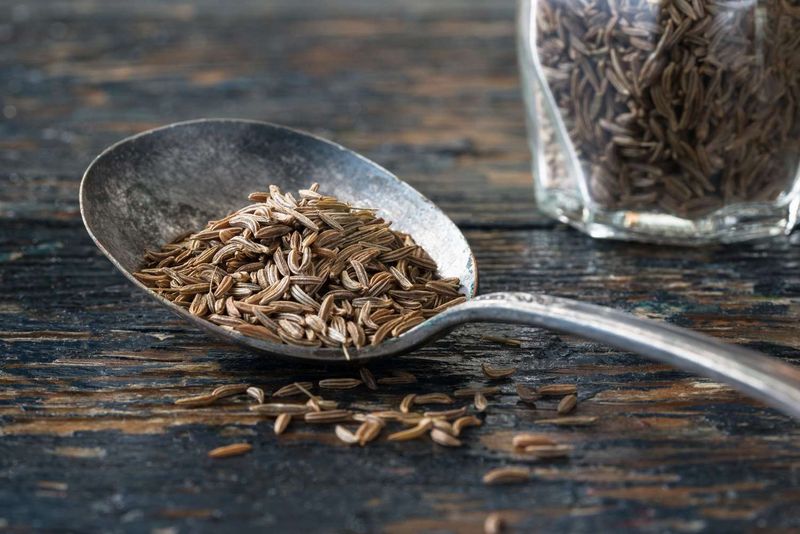
Caraway seeds have a warm, slightly anise-like flavor that once defined the taste of traditional European bread, sauerkraut, and liqueurs. Over time, they faded into the background as global flavors took center stage in Western cooking.
Now food lovers are rediscovering how well caraway pairs with roasted vegetables, pork, and cheese.
Toasting caraway seeds briefly in a dry pan before using them unlocks a deeper, nuttier aroma. Try scattering them over roasted carrots or stirring them into a creamy potato soup for old-world warmth.
12. Verjuice

Verjuice is the pressed juice of unripe grapes, and it has been used as a cooking acid since medieval times. It is softer and less sharp than vinegar, with a gentle tartness that brightens sauces, dressings, and braises without overpowering them.
French and Italian cooks relied on it for centuries before lemons became widely available.
Australian chef Maggie Beer helped revive verjuice in the 1980s, and its popularity has been growing steadily since. Try it anywhere you would use a splash of white wine or lemon juice.
13. Lovage
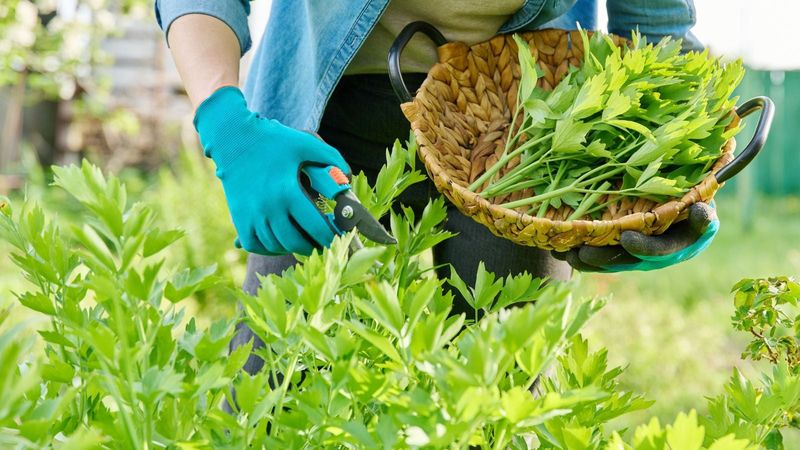
Lovage tastes like an intense, herbal version of celery, and medieval European cooks used it constantly in soups, stews, and salads. It practically disappeared from kitchen gardens for hundreds of years, surviving mainly as a folk remedy.
Now herb-forward restaurants and adventurous home gardeners are growing it again.
Just a few leaves go a long way because lovage is surprisingly powerful. Chop it into potato salad, stir it into stock, or use the hollow stems as edible straws for a Bloody Mary.
14. Dried Shrimp
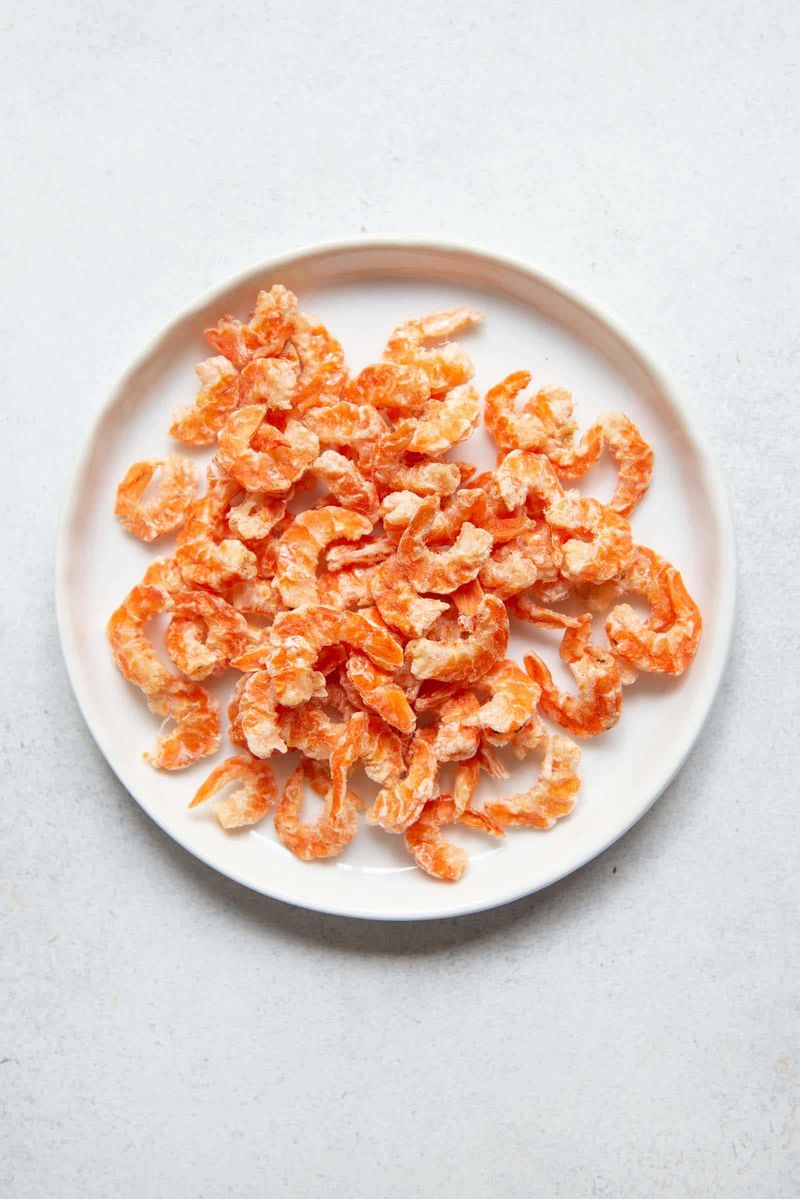
Dried shrimp have been a cornerstone of Southeast Asian, West African, and Latin American cooking for a very long time. In many cultures, a small handful tossed into a dish adds a salty, ocean-deep flavor that no fresh ingredient can replicate.
Western kitchens mostly ignored them until recently.
Chefs are now using dried shrimp to add umami to everything from corn salads to pasta sauces. You can find them at most Asian grocery stores, and a little bag lasts for months in the pantry.
15. Black Cardamom
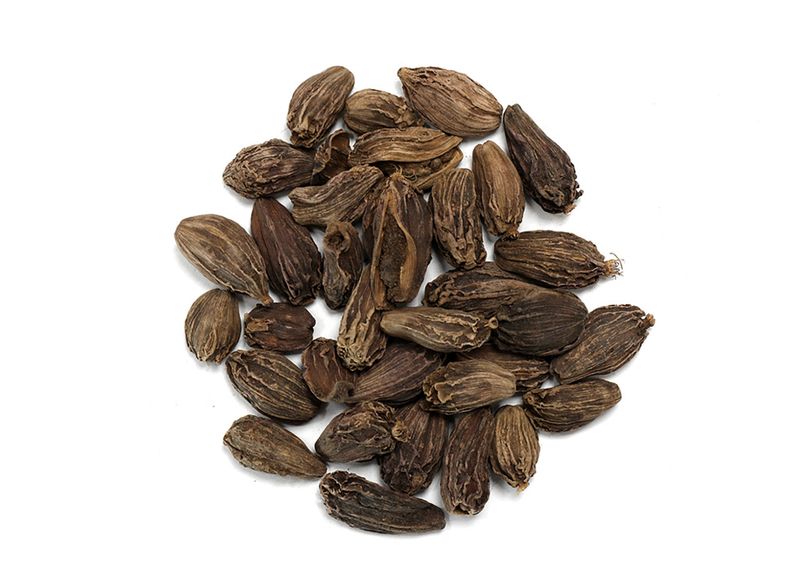
Black cardamom is the smokier, earthier cousin of the green cardamom most people know from chai tea. It has been used in Indian and Chinese cooking for centuries, adding a camphor-like, slightly smoky depth to braised meats, rice dishes, and spice blends.
Western chefs barely touched it until recently.
Cracking a pod open and adding it whole to a slow-cooked stew is one of the easiest ways to explore its bold flavor. Remove it before serving, just like you would a bay leaf.
16. Rye Berries
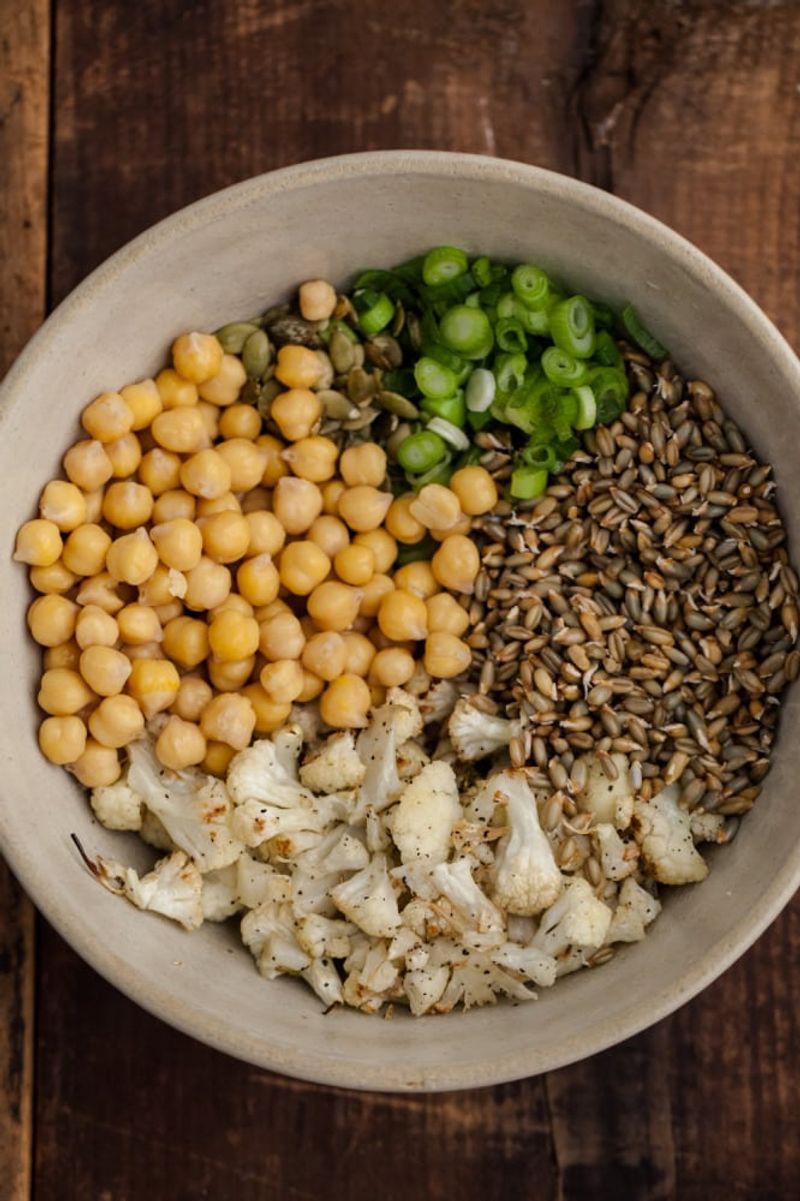
Rye berries are the whole grain form of rye, chewy and nutty in a way that feels deeply satisfying. Rye bread has always had fans, but the actual grain kernel got forgotten in favor of more refined options.
Scandinavian food culture never gave up on rye, and now the rest of the world is catching up.
Rye berries work wonderfully in grain salads, porridge, and soups. Their sturdy texture holds up to bold dressings and roasted vegetables without falling apart or turning soggy.




Comments
No Comments