













Did you know the fork or spoon you use can actually change how your food tastes? Scientists have found that the weight, shape, color, and material of cutlery can trick your brain into experiencing flavors differently.
From yogurt to steak, everyday foods can taste sweeter, saltier, or even more bitter just because of what you eat them with. Get ready to look at your kitchen drawer in a whole new way.
1. Yogurt
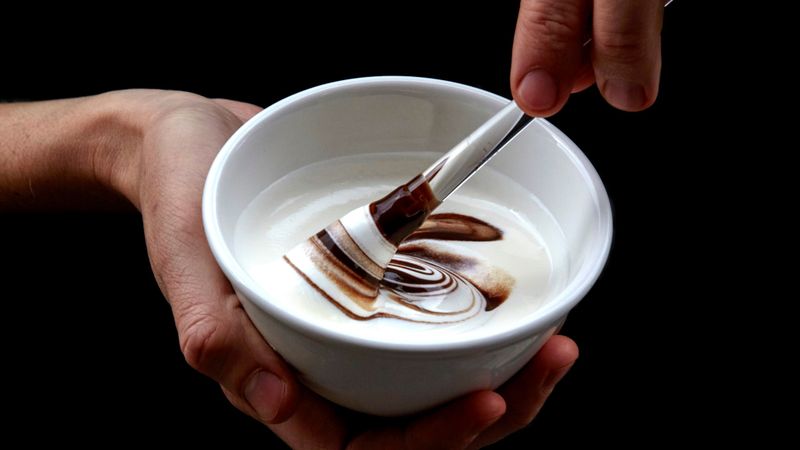
Scientists at Oxford University actually ran experiments proving that yogurt tastes creamier and more expensive when eaten with a heavier, metallic spoon. A lightweight plastic spoon makes the same yogurt seem thinner and less satisfying.
The weight in your hand sends signals to your brain before the food even hits your tongue. Try it yourself - same yogurt, two different spoons, two totally different experiences.
Your brain is doing more tasting than you think.
2. Strawberry Dessert
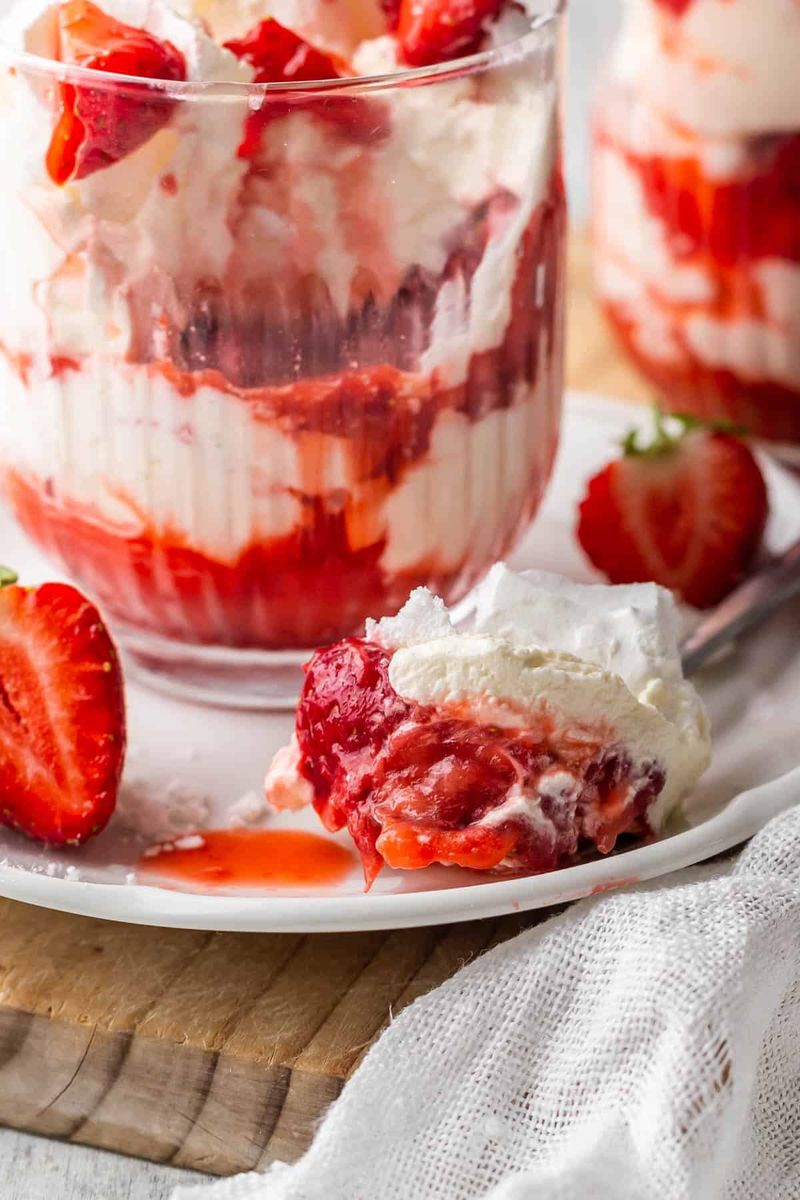
Color matters more than you might expect. Research shows that eating a strawberry dessert with a black spoon makes it taste noticeably less sweet compared to eating it with a white or pink spoon.
The brain links color cues with flavor expectations - white suggests cream and sweetness, while black signals bitterness. So the spoon color is quietly influencing every bite you take.
Swapping spoons at dessert time could genuinely change how much you enjoy your treat.
3. Cheese
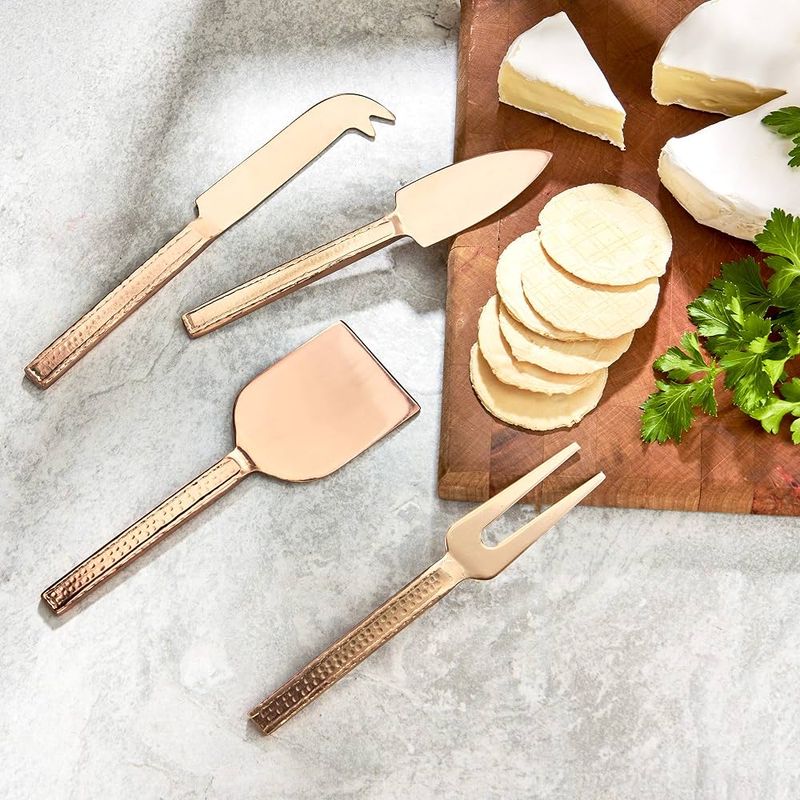
Copper cutlery gives cheese a noticeably sharper, more intense flavor. When researchers handed people cheese on copper knives versus stainless steel or plastic, tasters consistently rated the copper-served cheese as stronger and more complex.
The metal ions from copper may interact subtly with the food, adding a faint metallic edge that enhances bold flavors. Hard cheeses especially seem to benefit from this effect.
Next time you serve a cheese board, the knife material might be worth considering.
4. Potato Chips
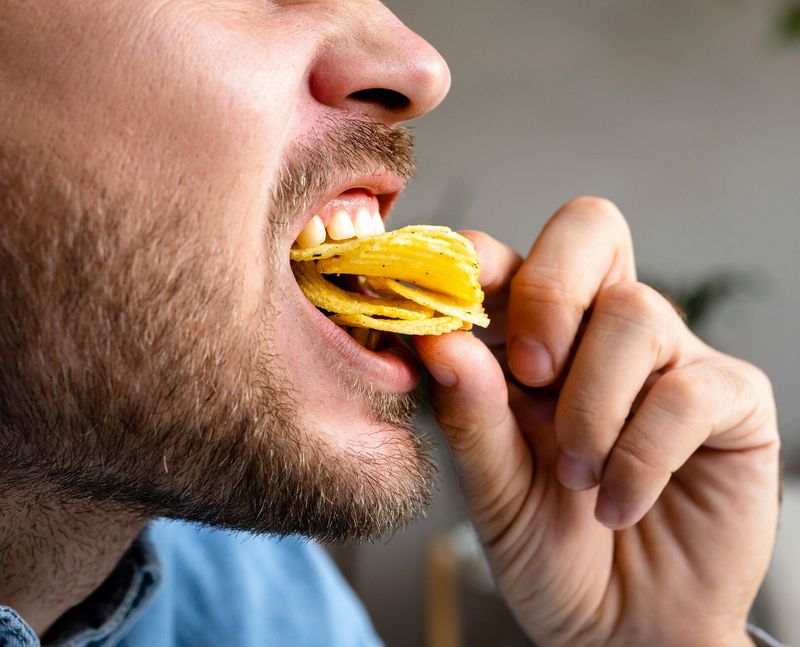
Loudness is part of the flavor. Studies have shown that when people eat potato chips while hearing louder, crunchier sounds, they rate the chips as fresher and tastier.
Cutlery plays into this because metal utensils can amplify the clinking and crunching sounds around the eating experience.
Even the act of picking up chips with tongs versus fingers changes the sensory package your brain receives. The crunch you hear is just as important as the crunch you feel.
5. Soup
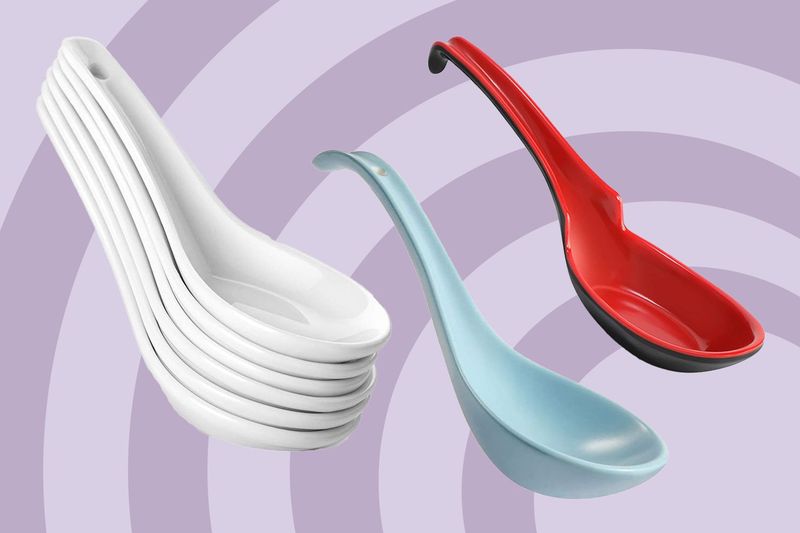
Spoon shape dramatically changes how soup tastes. A wide, round spoon lets you take in more liquid at once, spreading flavor across your whole tongue and making the soup taste richer and fuller.
A narrow spoon concentrates the liquid toward the front of your mouth, which emphasizes saltiness over depth. Fancy restaurants often choose spoon shapes deliberately to guide your flavor experience.
Something as simple as spoon width can turn an ordinary bowl into something memorable.
6. Ice Cream
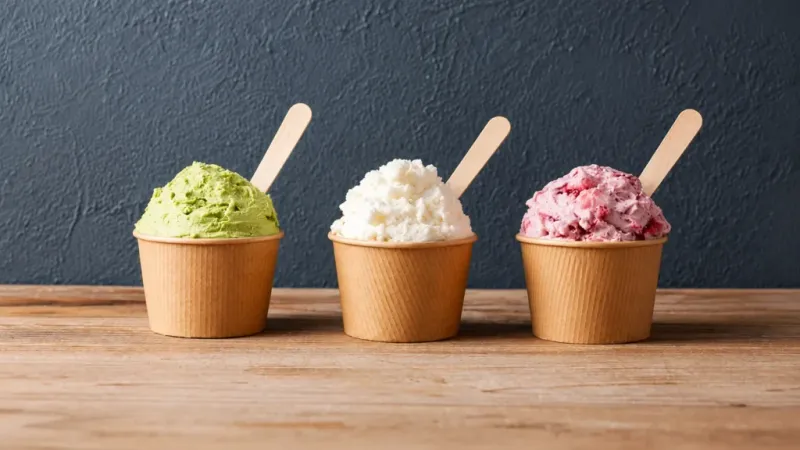
Wooden spoons make ice cream taste better - and science backs this up. Participants in taste tests consistently rated vanilla ice cream as creamier and sweeter when eaten with a small flat wooden spoon compared to a metal one.
Metal spoons conduct cold temperature quickly, which can slightly numb taste buds before the flavor fully registers. Wood stays closer to room temperature, letting the ice cream melt more gently on the tongue.
That little wooden cup spoon is not just nostalgic - it is actually smarter.
7. Steak
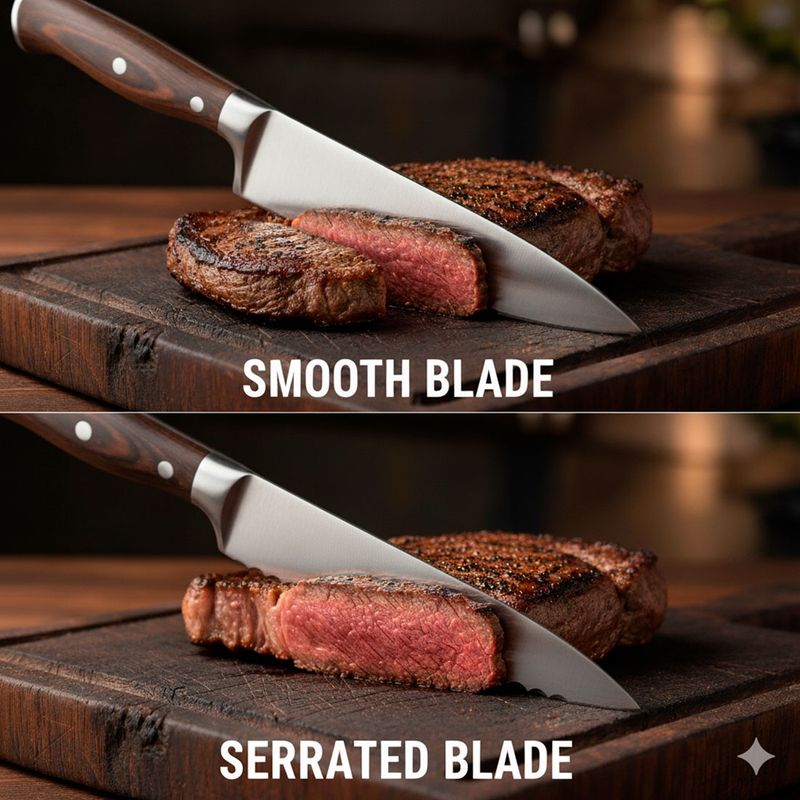
A sharp knife does not just make cutting easier - it makes the steak taste better. When you slice cleanly through meat, you preserve the juices inside each piece instead of tearing the fibers apart.
Torn meat releases juice onto the plate, leaving each bite drier and less flavorful.
A serrated or dull knife can make even a perfectly cooked steak seem chewy and bland. The right blade is part of the recipe, not just a tool.
8. Lemon Tart
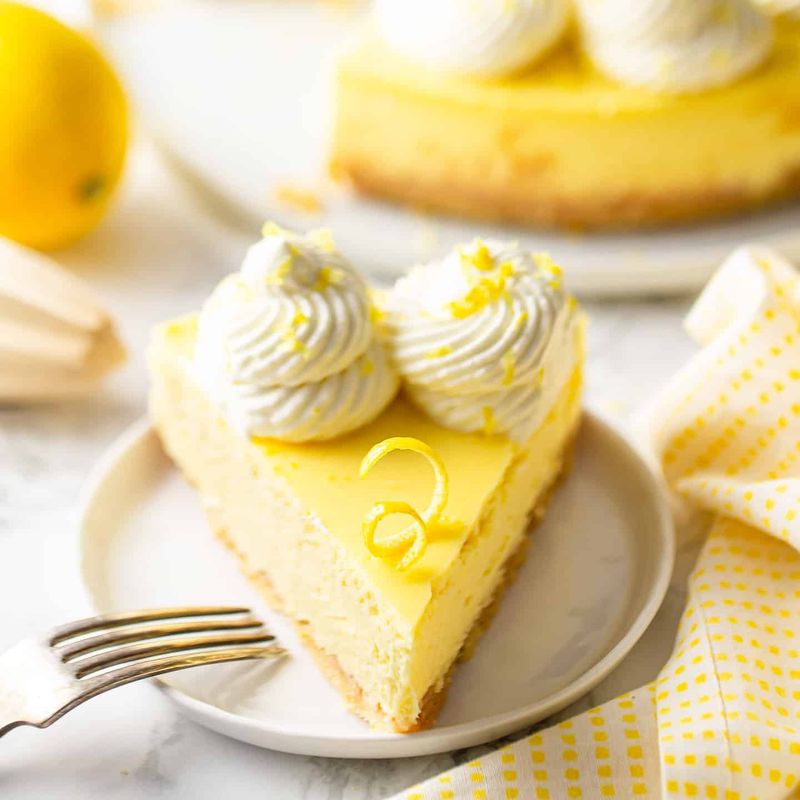
Gold-colored cutlery makes salty foods taste saltier and acidic foods taste sharper, according to sensory research. A lemon tart eaten with a gold fork tends to register as more intensely tart than the same dessert eaten with a silver fork.
The visual association between gold and richness primes the brain to expect bold, concentrated flavors. It sounds wild, but your eyes are already eating before your mouth gets a chance.
Presentation really does change the entire flavor profile.
9. Salad
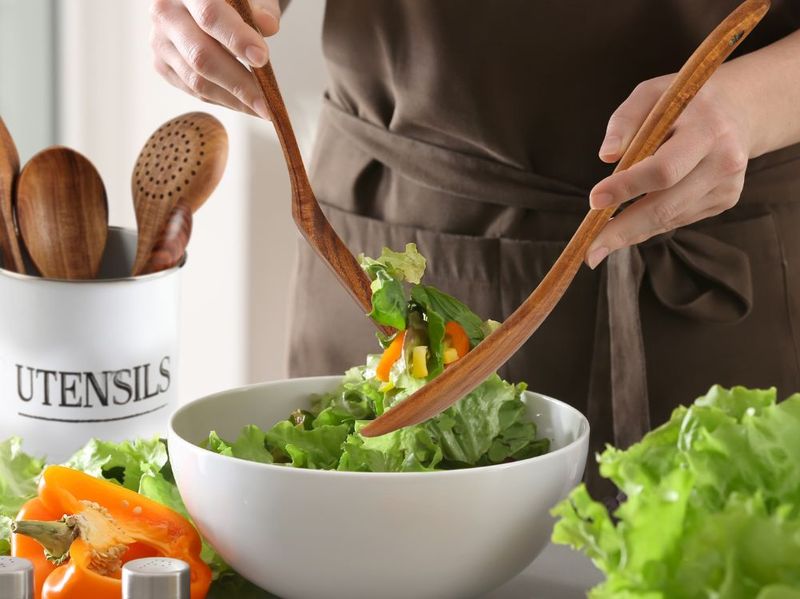
Wooden salad servers have been a kitchen staple for centuries, and there might be a flavor reason behind that tradition. Wood absorbs and holds onto dressing oils over time, subtly enhancing the seasoning with each use and creating a more rounded, mellow taste compared to cold metal servers.
Metal tongs can also bruise delicate lettuce leaves more easily, releasing bitter compounds from the broken cells. Treating greens gently with the right tool keeps every bite crisp and fresh-tasting.
10. Chocolate
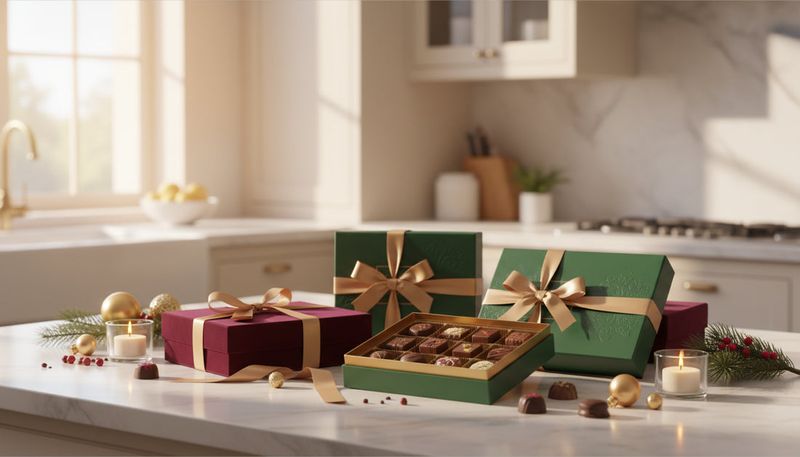
Heavy cutlery makes chocolate taste more premium. In one study, participants who were handed chocolate using heavier, more substantial utensils rated the flavor as richer and more luxurious than those using lightweight plastic forks.
The weight creates an expectation of quality even before the first bite. Dark chocolate especially benefits from this effect, as the brain is already primed to expect depth and complexity.
Sometimes the experience of eating is just as important as what you are eating.
11. Sushi
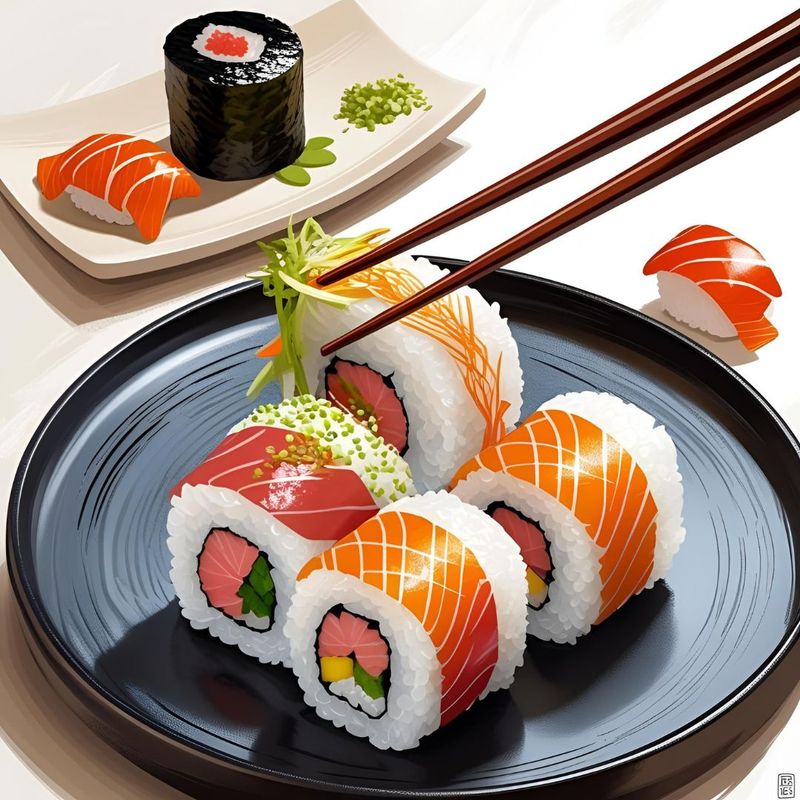
Traditional wooden chopsticks grip sushi more gently than metal ones, which helps the delicate rice and fish hold together without being crushed. When sushi falls apart, flavors that were meant to combine in a single bite separate - and the intended taste experience is lost.
Metal chopsticks, popular in Korean dining culture, are slicker and require more skill. Many sushi chefs recommend wooden or bamboo chopsticks specifically because they honor the texture and structural balance the chef worked to create.
12. Oatmeal
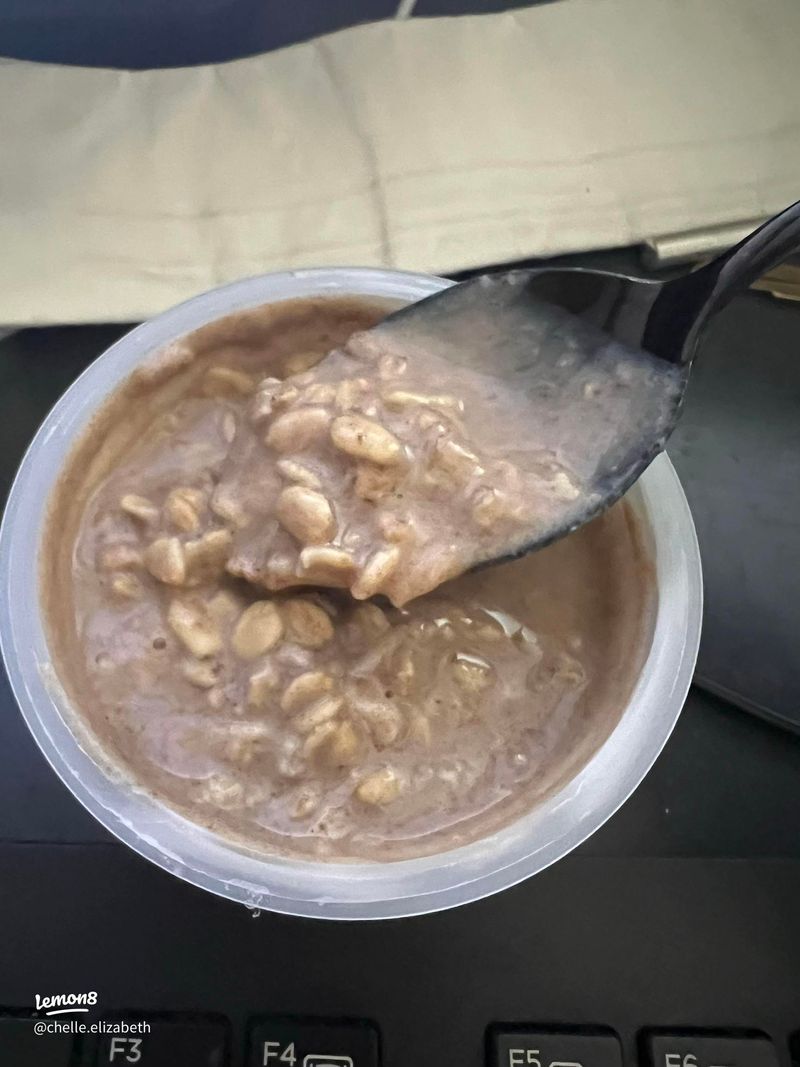
Warm, thick foods like oatmeal behave differently depending on spoon depth. A shallow, wide spoon lets oatmeal spread across the tongue, releasing sweetness first.
A deep, narrow spoon deposits the food toward the back of the mouth, where bitter and savory receptors are more active.
This means the same bowl of oatmeal can taste either comforting and sweet or oddly bland depending purely on spoon shape. Breakfast just got a lot more interesting to think about.
13. Coffee
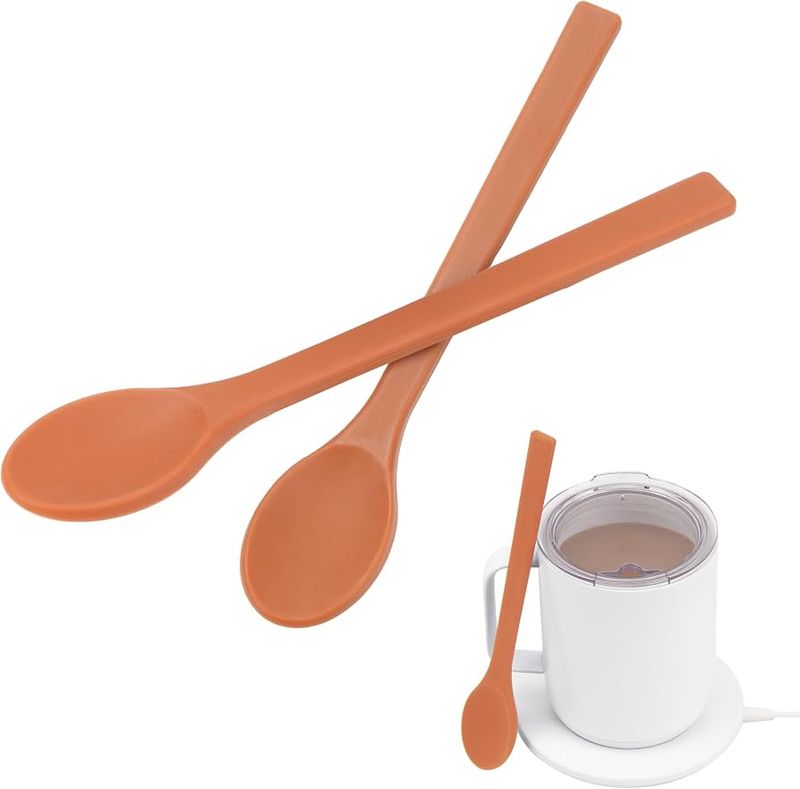
Stirring coffee with a metal spoon versus a plastic stick can subtly change its flavor. Metal spoons can leave trace mineral residues that interact with the acids in coffee, slightly softening the bitterness and adding a faint metallic undertone that some people find more pleasant.
The temperature of the spoon matters too - a cold metal spoon dropped into hot coffee briefly lowers the surface temperature, affecting how volatile aromatic compounds release. Aroma is a huge part of how coffee tastes.
14. Watermelon
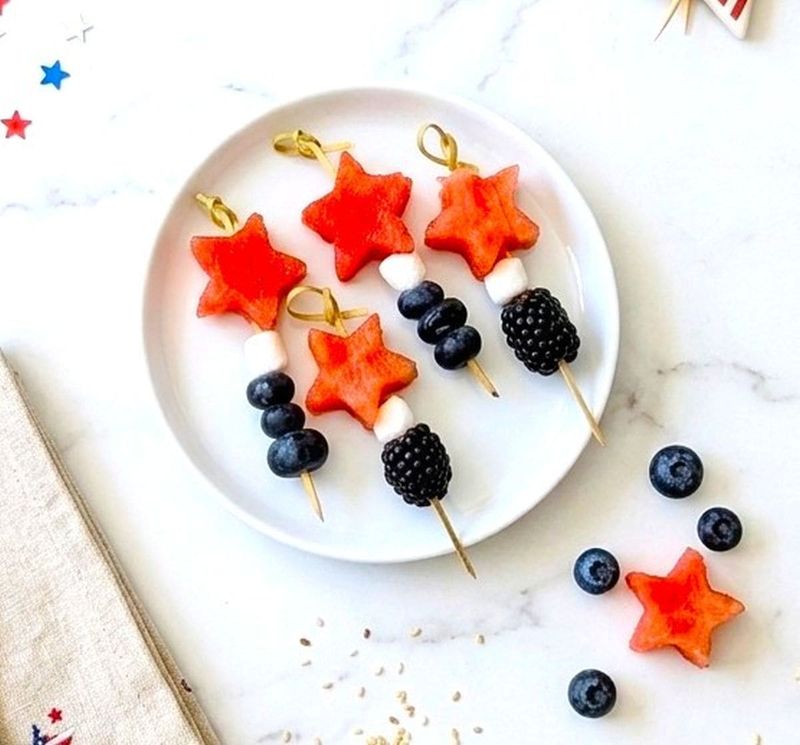
Eating watermelon off a wooden skewer or popsicle stick at a summer fair genuinely makes it taste sweeter - and there is a psychological reason for that. The casual, nostalgic setting combined with the natural material of wood primes the brain for a fun, sweet experience.
Metal forks, by contrast, can introduce a faint metallic taste that competes with watermelon's delicate sweetness. The memory and emotion attached to how you eat something is a real part of how flavor registers.
15. Pasta
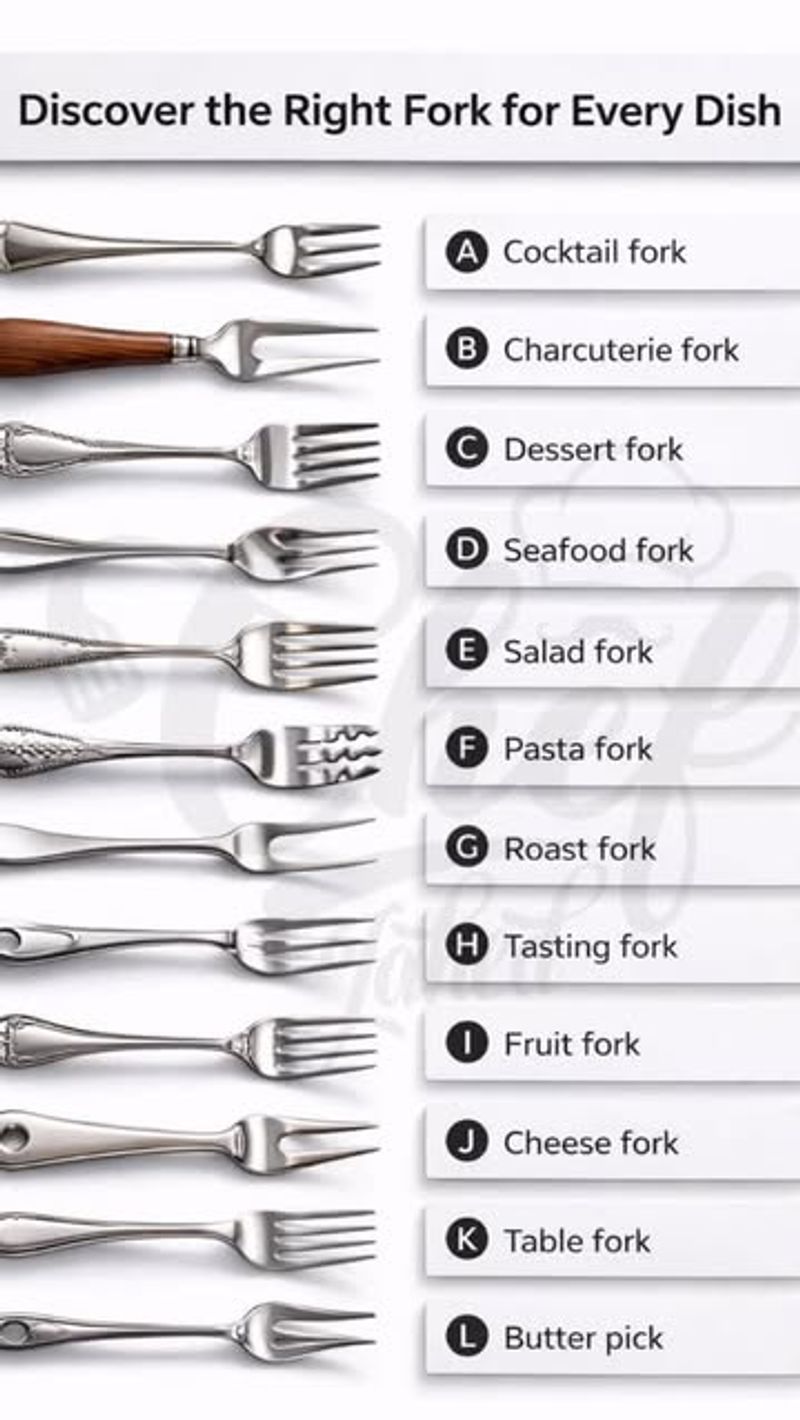
Twirling pasta on a fork is not just a technique - it affects the flavor ratio in each bite. A proper fork with well-spaced tines catches the right amount of pasta and sauce together, creating the intended balance the dish was designed for.
Forks with tines that are too close together or too flat tend to scrape off sauce, leaving dry pasta strands. Cheap plastic forks often have this problem, which is why restaurant pasta almost always seems to taste better than the same dish eaten at home with basic utensils.
16. Cake
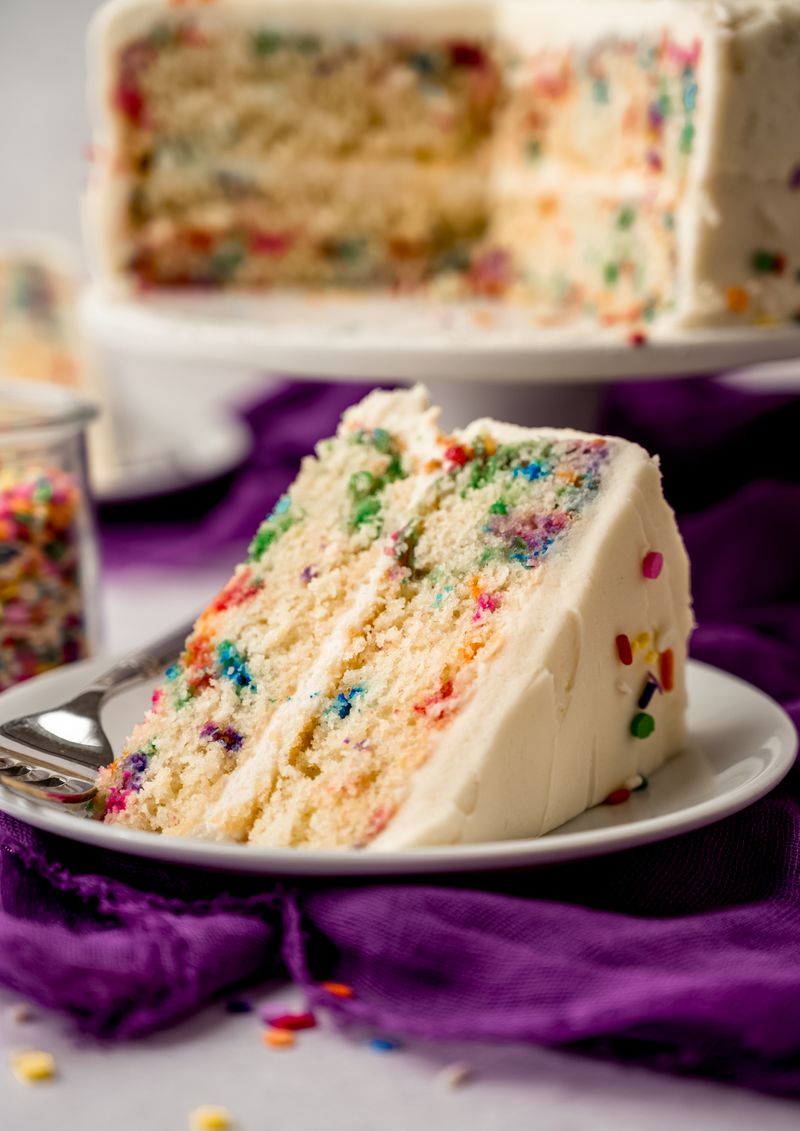
Fork width changes how much cake and frosting you get in each bite, which completely alters the flavor balance. A wide dessert fork scoops cake and frosting together, delivering the sweet, layered combination the baker intended.
A narrow cocktail fork mostly picks up cake crumbs with very little frosting, making each bite taste drier and plainer. Birthday cake eaten with the wrong fork can genuinely feel disappointing without anyone knowing exactly why.
The right tool truly completes the treat.




Comments
No Comments