













Some foods look so strange that you might wonder how anyone ever decided to eat them in the first place. From slimy textures to funky smells, these dishes seem like culinary accidents waiting to happen.
Yet somehow, they have earned passionate fan bases around the world. Get ready to discover the foods that break every rule of what looks appetizing but still win hearts at every meal.
1. Natto (Fermented Soybeans)
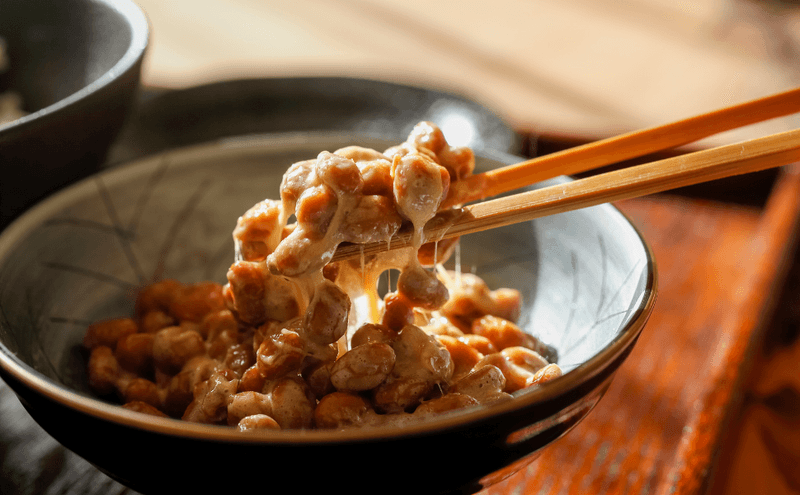
Pull a spoonful of natto apart and you will see long, gooey strings stretching like a science experiment gone wild. The smell is sharp and the texture is slimy, which sends plenty of first-timers running.
But in Japan, millions eat it every single morning without hesitation.
Natto is packed with protein, vitamin K2, and healthy gut bacteria. Once your taste buds adjust to its bold, earthy flavor, many people find it oddly addictive.
It has been a Japanese staple for over a thousand years.
2. Hákarl (Fermented Shark)
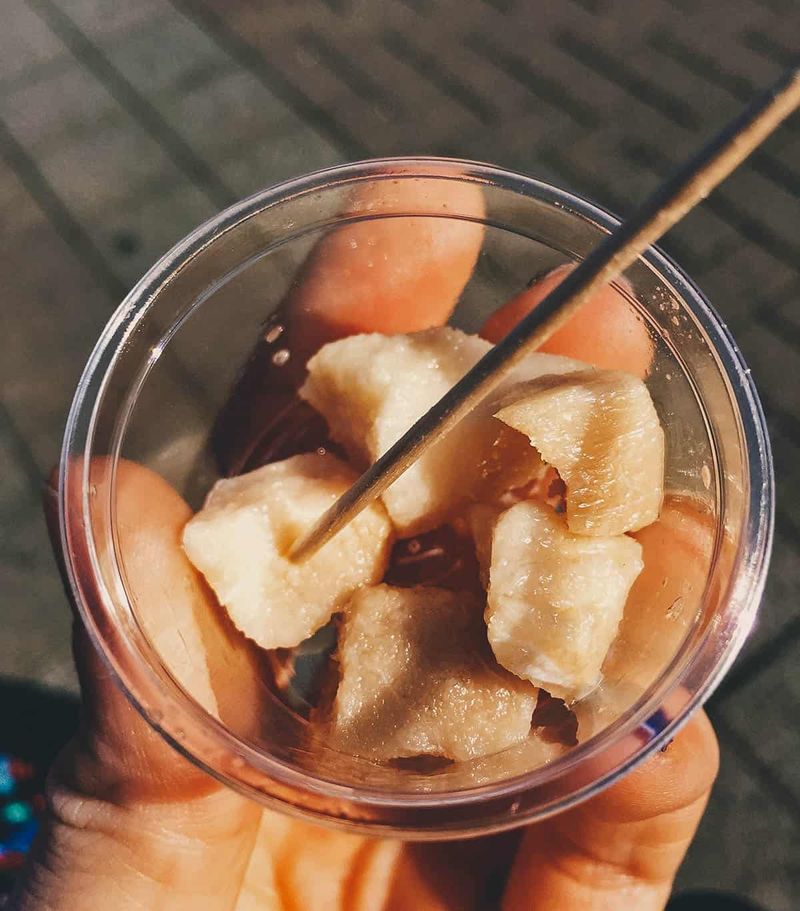
Imagine cheese that smells like a bathroom floor soaked in ammonia, and you are getting close to hákarl. This Icelandic delicacy is made from Greenlandic shark that has been buried, fermented, and dried for months.
The finished product carries a pungent odor that hits you before you even see it.
Despite the shocking aroma, Icelanders have been eating it for centuries as a midwinter tradition. The taste is sharp and cheesy, and locals say it builds serious character.
Celebrity chef Anthony Bourdain called it the single worst thing he ever ate, yet Icelanders proudly keep the tradition alive.
3. Surströmming (Fermented Herring)
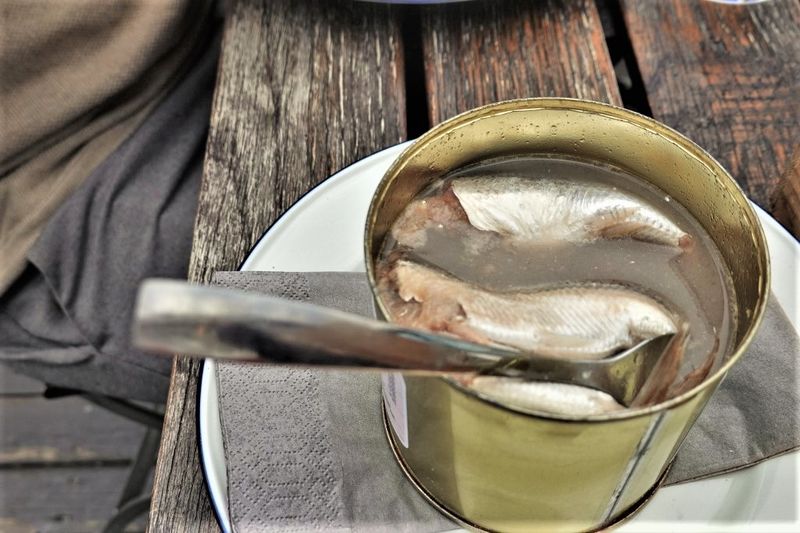
Opening a can of surströmming outdoors is basically mandatory because the smell is so intense it has triggered complaints from neighbors. This Swedish fermented herring is so notoriously odorous that some apartment buildings and airlines have outright banned it.
The liquid inside the bulging can makes people gag before the first bite.
Yet Swedes celebrate it every August at traditional surströmming parties with flatbread, potatoes, and sour cream. Fans describe the flavor as salty, tangy, and deeply savory once you push past the smell.
It is an acquired taste that loyal fans defend fiercely.
4. Durian (The King of Fruits)
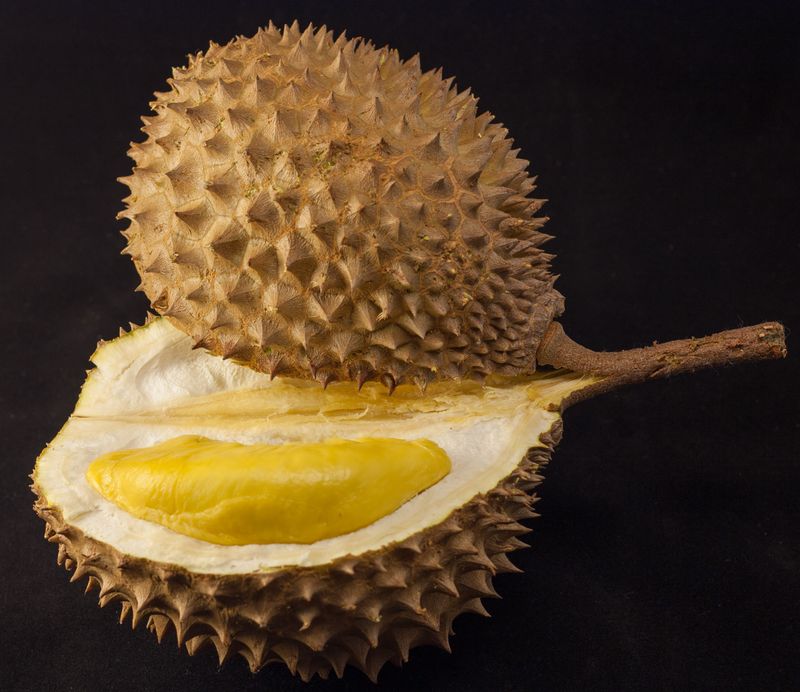
Banned from hotels, subways, and airplanes across Southeast Asia, durian is the fruit that smells like a gym locker left in the sun. The spiky exterior looks dangerous, and the creamy yellow flesh inside has an aroma that many describe as a mix of onions, gym socks, and custard.
First impressions are rarely positive.
Fans call it the richest, most complex fruit flavor on earth, combining sweet, creamy, and savory all at once. Across Thailand, Malaysia, and Indonesia, durian is considered royalty among fruits.
Devotees will travel hours just to find the best variety of the season.
5. Lutefisk (Lye-Soaked Fish)
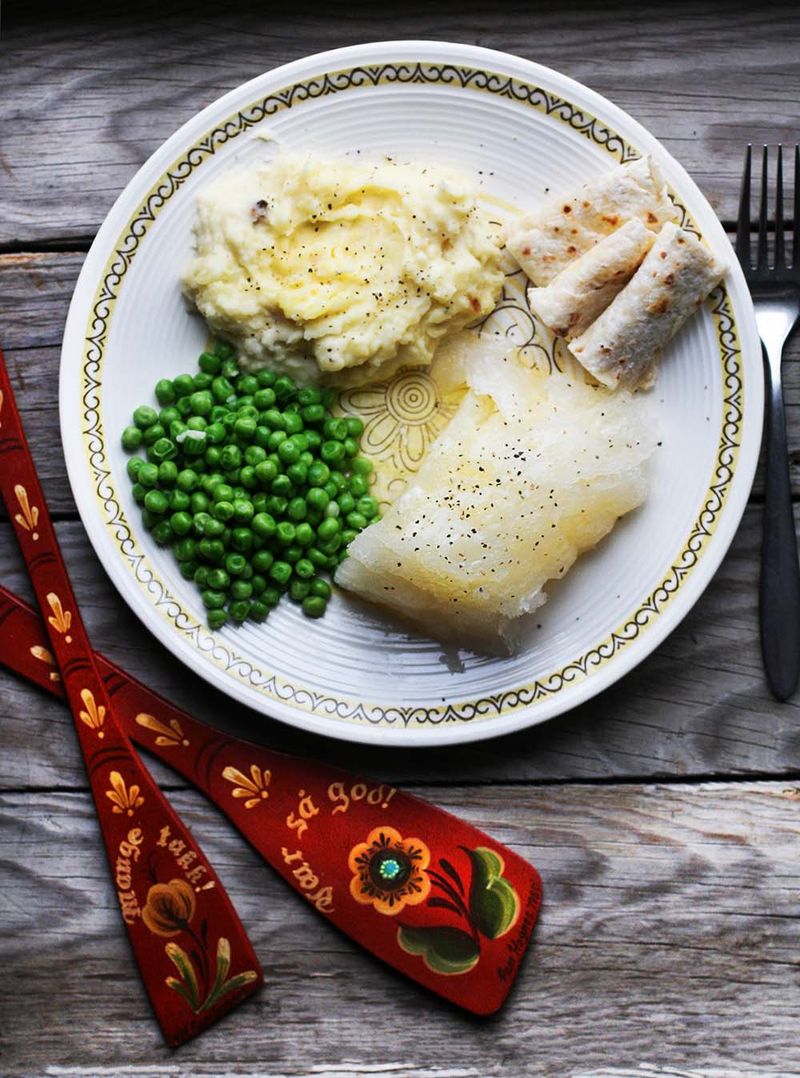
Soaking dried fish in lye until it turns into a quivering, jelly-like mass does not exactly sound like a holiday treat, but Scandinavians and many Norwegian-Americans would disagree. Lutefisk has a wobbly, almost translucent texture that makes it look more like a science experiment than dinner.
The smell during cooking is famously unpleasant.
Served at Christmas tables across Norway, Sweden, and Minnesota for generations, lutefisk carries deep cultural meaning. Fans say that with plenty of butter, salt, and pepper, the mild flavor becomes genuinely comforting.
It is one of those foods where the tradition matters as much as the taste.
6. Century Egg
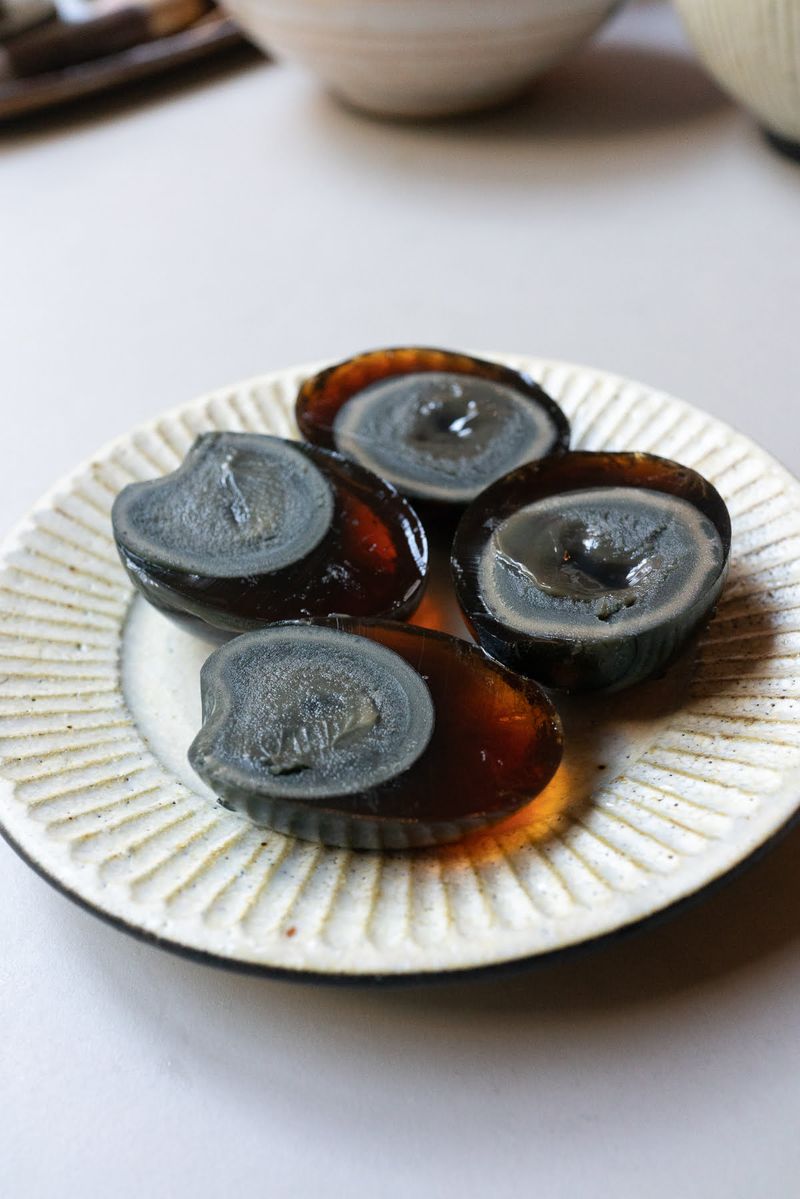
At first glance, a century egg looks like something unearthed from an archaeological dig rather than a kitchen. The egg white turns a dark, translucent green-black, and the yolk becomes a creamy, moss-grey color during the preservation process.
Nothing about its appearance says eat me.
Made by preserving duck, chicken, or quail eggs in clay and ash for weeks or months, century eggs are a beloved Chinese delicacy with a rich, creamy flavor and a slight sulfur punch. Fans eat them sliced with pickled ginger and tofu.
The texture is smooth and surprisingly pleasant once you commit to trying it.
7. Marmite
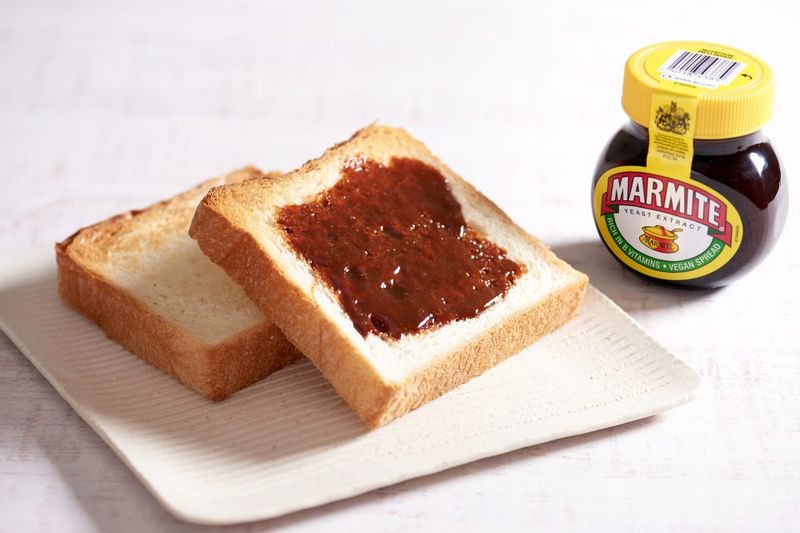
Marmite looks like used motor oil and smells powerfully of yeast, which is exactly what it is. This thick, sticky, dark brown spread is made from leftover brewer's yeast extract, and it carries a saltiness so intense that a little goes a very long way.
Its own brand slogan admits that people either love it or hate it.
British households have kept jars of Marmite in their cupboards since 1902, and fans swear by it on buttered toast. It is loaded with B vitamins and has a deep umami richness.
For those who grow up eating it, Marmite feels like home in a jar.
8. Balut (Fertilized Duck Egg)
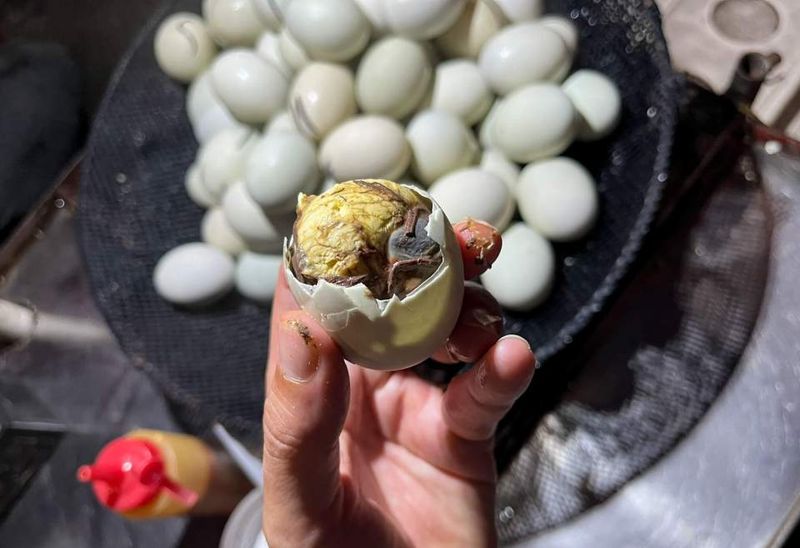
Cracking open a balut reveals a partially developed duck embryo inside the shell, complete with tiny bones, feathers, and a visible beak. It is arguably one of the most visually challenging foods on this entire list, and it stops most adventurous eaters cold.
Street vendors across the Philippines sell it as a common late-night snack.
Fans say the broth inside the shell is rich and savory, and the egg is packed with protein. Balut is eaten with a pinch of salt, vinegar, and chili.
For Filipinos, it is pure comfort food with deep cultural roots going back generations.
9. Casu Martzu (Maggot Cheese)
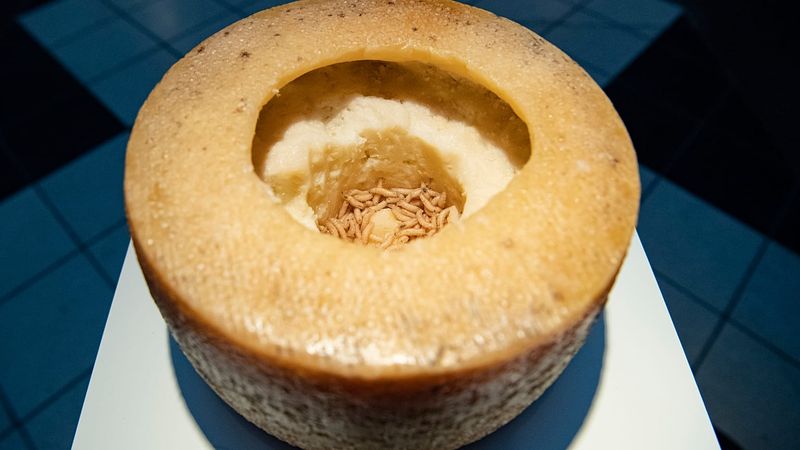
Casu martzu is a Sardinian cheese that contains thousands of live, wriggling maggots inside it, and yes, people eat it that way on purpose. The larvae are added intentionally to speed up fermentation and create an ultra-soft, runny texture that goes far beyond any normal aged cheese.
The maggots can actually jump when disturbed, which is both alarming and memorable.
Technically illegal under EU food safety laws, casu martzu is still made and eaten in Sardinia as a treasured cultural tradition. The flavor is intensely sharp, creamy, and complex.
Fans consider it the most extreme cheese experience on earth.
10. Stargazy Pie
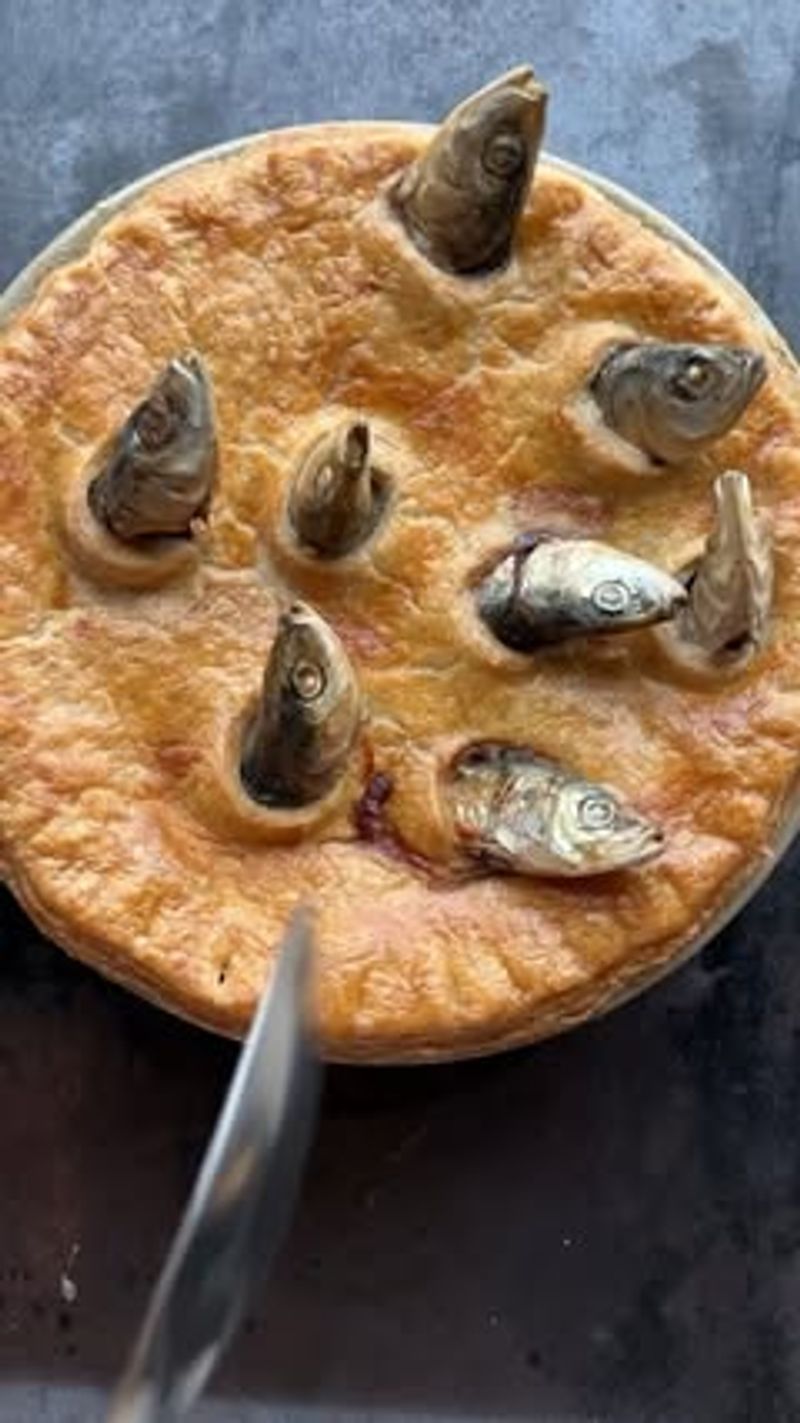
Picture a golden pastry pie with the heads of whole sardines poking through the crust, staring blankly upward at the sky. That is exactly what stargazy pie looks like, and it has been startling dinner guests in Cornwall, England for centuries.
The fish heads are left visible on purpose, which makes every serving look like a small aquatic protest.
The pie is filled with sardines, eggs, and potatoes baked under a buttery pastry shell. It is traditionally made on Tom Bawcock's Eve each December to honor a legendary fisherman.
Locals love it, and the unusual presentation has made it one of Britain's most iconic regional dishes.
11. Vegemite
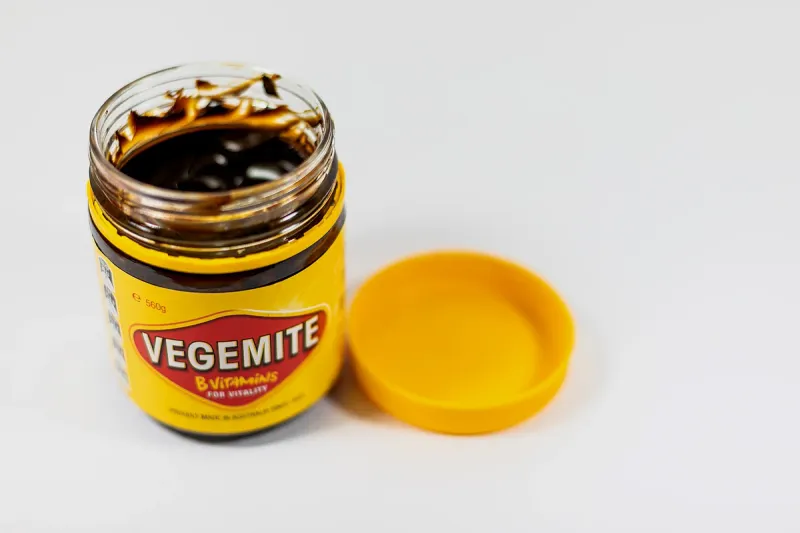
Australia's most famous spread is a thick, jet-black paste that smells intensely of salt and brewer's yeast. Vegemite looks like tar and hits the tongue with a wallop of savory bitterness that most non-Australians find completely overwhelming on the first try.
Spreading it too thick is a rookie mistake that has turned many tourists against it forever.
Australians, however, grow up eating Vegemite on toast and sandwiches from the time they can hold a spoon. It is rich in B vitamins and has been an Australian icon since 1922.
The trick, fans insist, is using a thin scrape on well-buttered toast.
12. Limburger Cheese
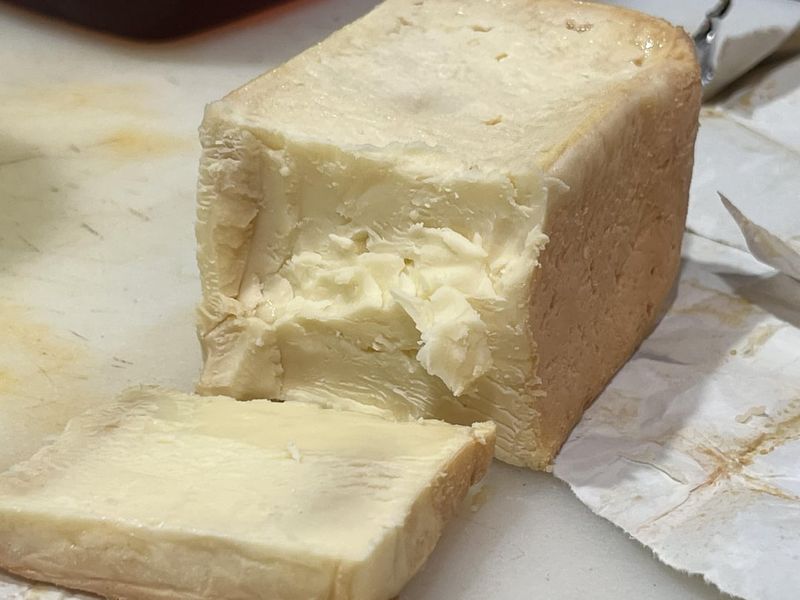
Limburger cheese smells so strongly that a 1930s American newspaper headline once reported a man was arrested because neighbors thought a gas leak was coming from his home, and it was just his cheese. The orange-brown rind is washed with bacteria that produce the same compound responsible for foot odor, which explains a lot.
Despite its legendary stench, Limburger has a surprisingly mild, creamy flavor that fans absolutely love. It is traditionally eaten on dark rye bread with thick slices of raw onion.
Once you get past the smell, it is genuinely delicious, and its devoted following proves the point.
13. Kiviak (Fermented Arctic Birds)

Making kiviak involves stuffing up to 500 small Arctic seabirds called little auks inside a hollowed-out seal carcass, sewing it shut, and leaving it under a rock to ferment for up to 18 months. The result is a deeply pungent, fermented delicacy that Greenlandic Inuit communities have prepared for centuries as a celebration food for birthdays and weddings.
The fermented birds are eaten by squeezing the liquefied innards directly from the skin. The taste is described as intensely sharp, gamey, and cheesy.
To outsiders it sounds extreme, but for those who grew up with it, kiviak is the flavor of home and celebration.
14. Poi (Fermented Taro Paste)
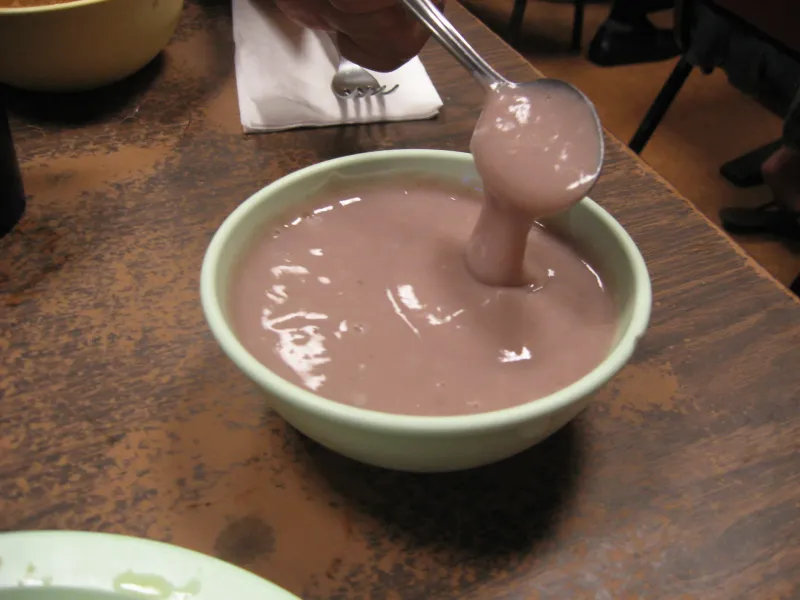
Poi is a smooth, sticky paste made from pounded taro root that ranges in color from pale lavender to deep purple-grey, which is not exactly a mealtime color palette that most people find inviting. Fresh poi tastes mildly sweet and starchy, but as it ferments over a few days, it develops a sour, tangy flavor that surprises newcomers.
For Native Hawaiians, poi is far more than just food. It holds deep spiritual and cultural significance, considered the elder sibling of the Hawaiian people in traditional belief.
Fans appreciate its nutritional value and its connection to a living culinary tradition that stretches back over a thousand years.
15. Pidan Tofu (Century Egg Tofu)
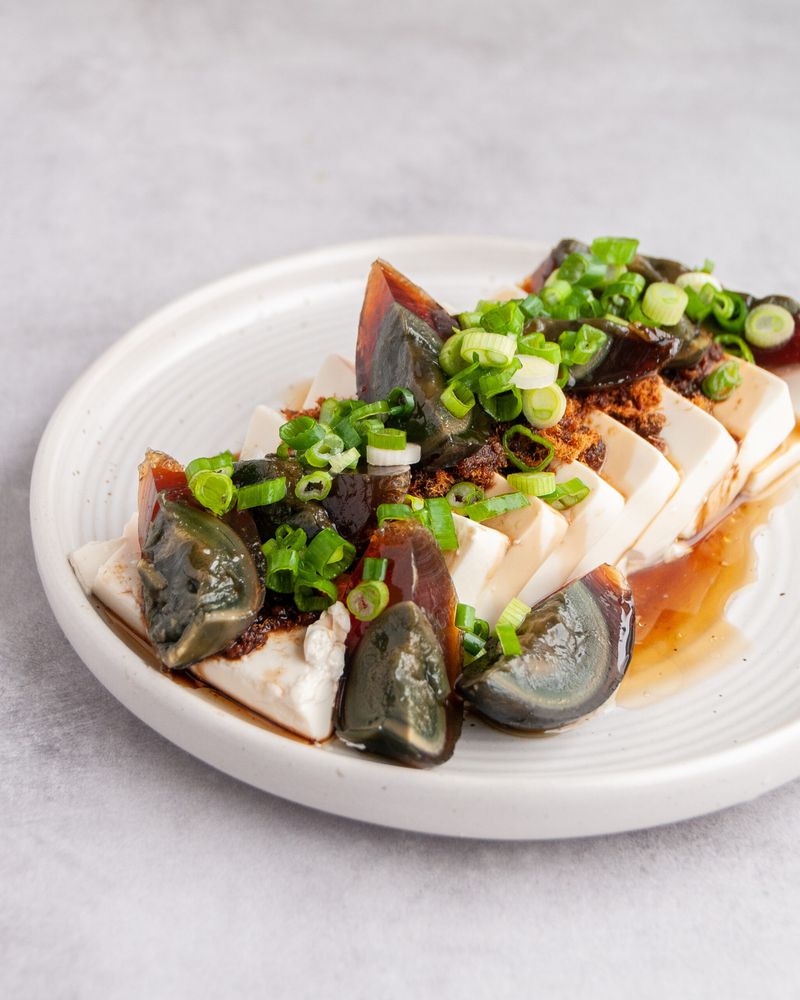
Cold, silken tofu wobbles on the plate like a delicate cloud, but the moment you add sliced century eggs on top, the whole dish takes on a dramatic, almost gothic appearance. The jet-black egg pieces against the white tofu create a visual that makes many first-timers hesitate before picking up their chopsticks.
A drizzle of sesame oil, soy sauce, and a handful of green onions transform this dish into something genuinely spectacular. The creamy tofu balances the sharp, savory punch of the preserved egg perfectly.
Chinese restaurants around the world serve it as a cold appetizer, and regulars always order it first.
16. Ackee (Jamaica's National Fruit)
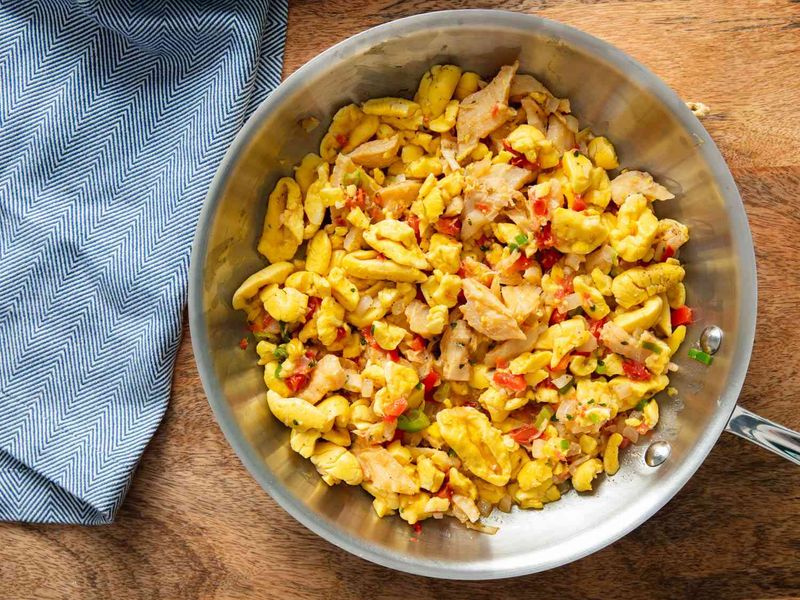
Ackee looks cheerful enough when it blooms open on the tree, revealing bright yellow flesh inside a red pod. The catch is that unripe ackee is genuinely toxic and can cause something ominously called Jamaican Vomiting Sickness.
That reputation alone makes first-time visitors approach it with extreme caution at the breakfast table.
Properly ripened and prepared, ackee is completely safe and absolutely delicious. Cooked with saltfish, onions, and scotch bonnet peppers, it becomes Jamaica's beloved national dish.
The texture resembles scrambled eggs and the flavor is buttery and mild, making ackee and saltfish one of the Caribbean's most satisfying morning meals.




Comments
No Comments