













Food has always been more than just fuel — it reflects how we live, work, and move through the world. Over time, some of our favorite foods quietly changed their form to better fit busy schedules, smaller kitchens, and on-the-go lifestyles.
From bite-sized snacks to reshaped classics, these transformations are more fascinating than you might expect. Here are 16 foods that literally changed shape to keep up with modern life.
1. Bananas
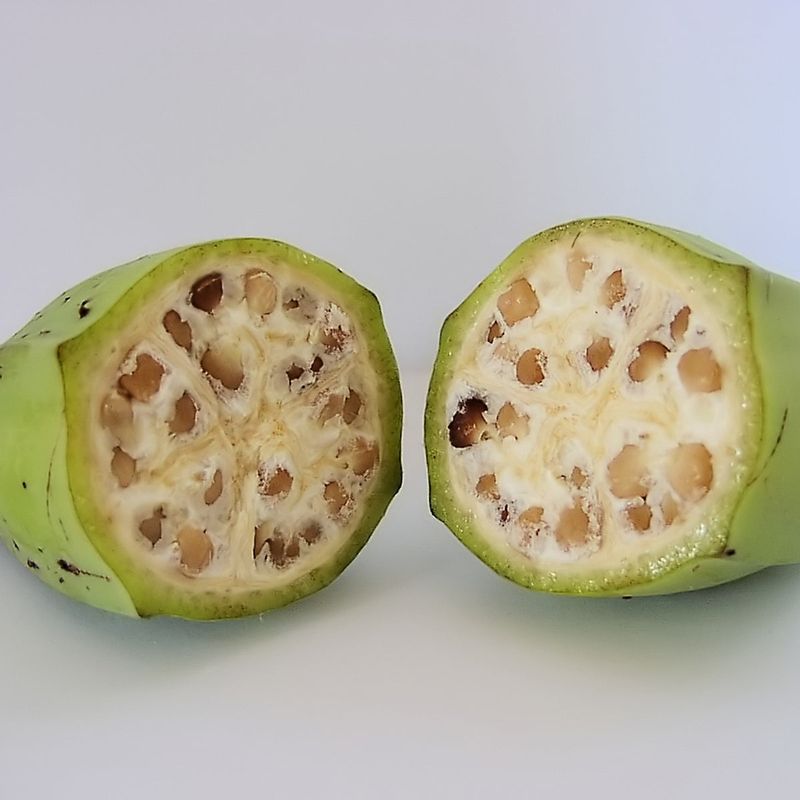
Wild bananas were once straight, starchy, and packed with seeds — not exactly the grab-and-go snack we know today. Centuries of selective farming transformed them into the curved, seedless, sweet fruit found in every grocery store.
That familiar curve actually makes them easier to peel and hold while rushing through a busy morning. Farmers chose plants that were convenient to harvest and ship, reshaping the banana almost entirely for human comfort and commercial ease.
2. Chicken Nuggets
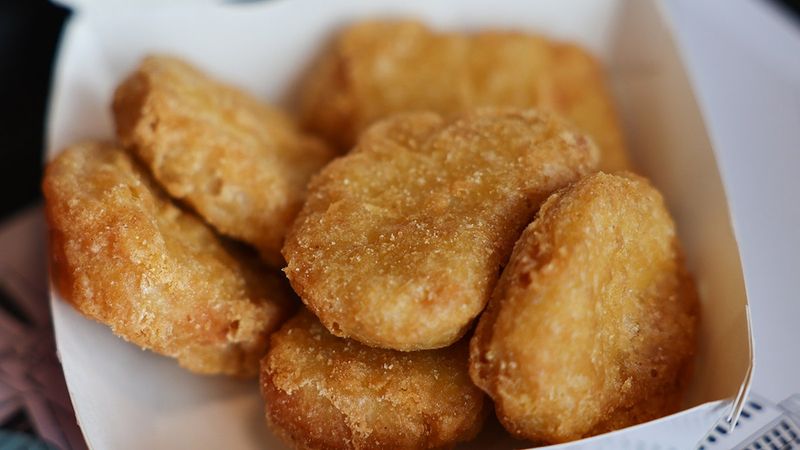
Back in 1983, a food scientist at Cornell University invented the chicken nugget to make poultry easier for kids to eat. Whole cuts of chicken were ground, shaped into small uniform pieces, breaded, and fried to golden perfection.
That simple redesign turned chicken into one of the most popular fast foods on the planet. The nugget shape is no accident — it fits perfectly in a small hand, a dipping sauce cup, or a cardboard box built for eating in a moving car.
3. Sliced Bread
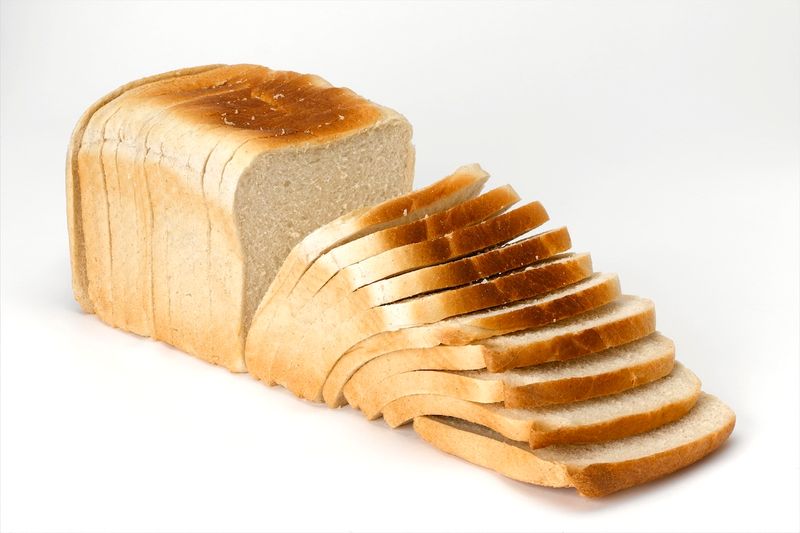
Before 1928, buying bread meant cutting it yourself — messy, uneven, and time-consuming. Otto Rohwedder invented the bread-slicing machine, and suddenly every slice came out perfectly uniform and ready to use straight from the bag.
Uniform slices changed how people made sandwiches, toast, and even school lunches. The phrase "the greatest thing since sliced bread" was born from genuine amazement.
A simple shape change turned an everyday staple into a symbol of modern convenience that we still rely on every single day.
4. String Cheese
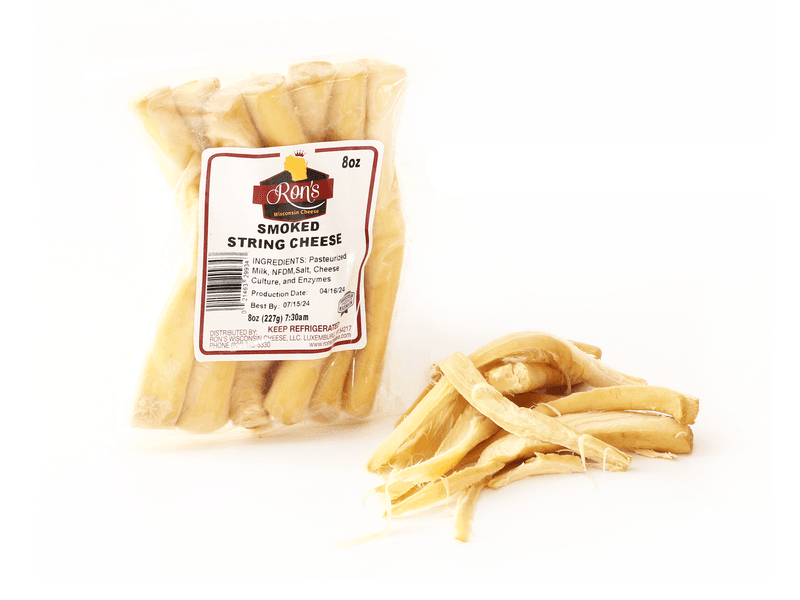
Mozzarella cheese used to come in big blocks or rounds — delicious, but not exactly portable. In the 1970s, string cheese was developed by pulling and stretching mozzarella into long, thin sticks that snap apart in satisfying strips.
That playful, peelable shape made it a lunchbox favorite almost immediately. Kids love the interactive texture, and parents love that it comes pre-portioned and easy to pack.
A clever shape change turned a classic cheese into a snack built perfectly for modern life on the move.
5. Baby Carrots
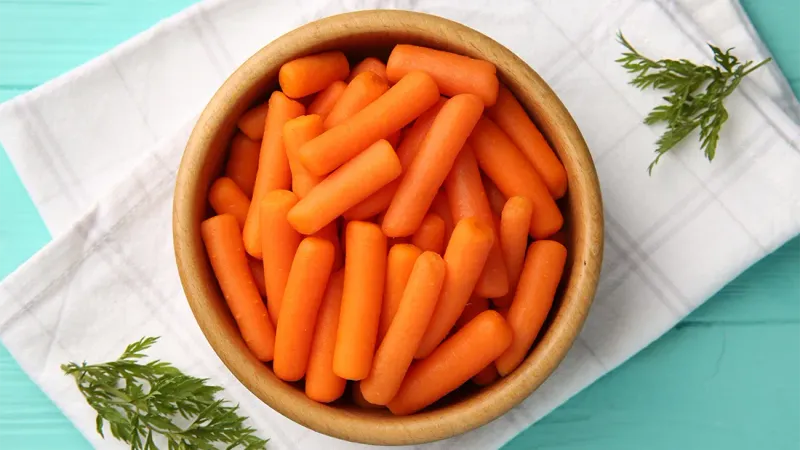
Here is a fun secret: baby carrots are not actually young carrots. In 1986, California farmer Mike Yurosek started cutting and shaping misshapen, rejected full-sized carrots into small, uniform bite-sized pieces to reduce waste.
Supermarkets loved them, and so did snackers. Sales of carrots skyrocketed almost overnight.
The rounded, smooth shape made them feel cleaner, cuter, and easier to eat straight from the bag. One farmer's clever reshaping idea saved millions of pounds of produce from going to waste each year.
6. Cheese Slices
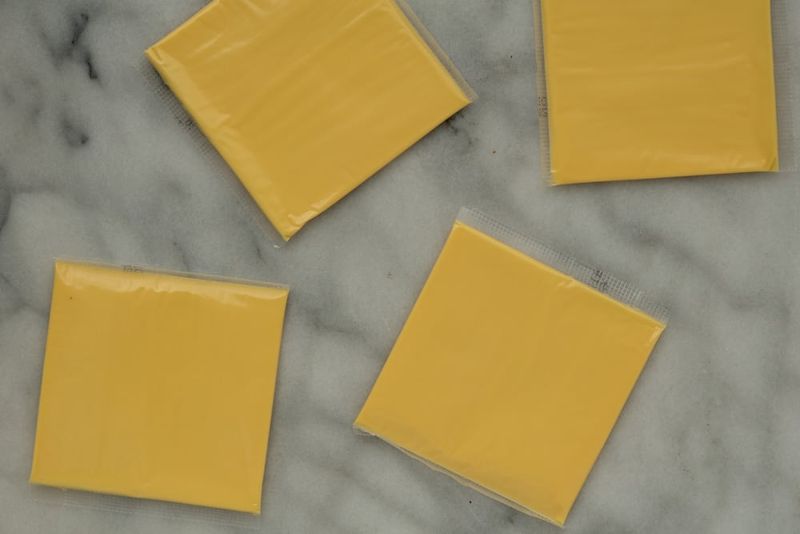
Processed cheese slices were engineered in the 1950s to melt perfectly, stack evenly, and fit exactly on a standard slice of bread. Natural cheese blocks were melted, emulsified, and poured into flat, square molds to create the iconic single-serve slice.
That square shape was not random — it matched the geometry of sandwich bread and burger buns. Fast food chains quickly adopted it, and the cheese slice became a symbol of efficient, no-fuss eating.
Sometimes even cheese gets a modern makeover.
7. Fish Sticks
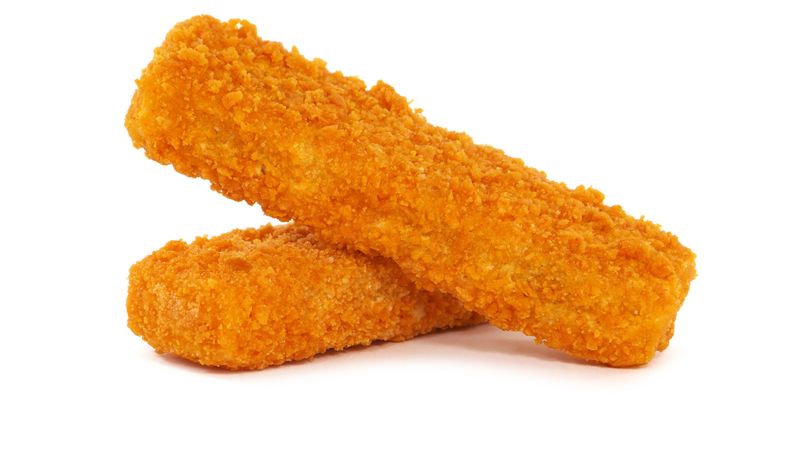
Fish used to be sold whole or in large fillets — intimidating for many home cooks and totally impractical for school cafeterias. In the 1950s, food companies began mincing white fish, pressing it into long rectangular sticks, breading them, and freezing them for easy cooking.
The simple rectangular shape made fish sticks uniform, stackable, and fast to cook in a standard oven. A whole generation grew up eating seafood without ever dealing with a bone, thanks entirely to a well-designed shape change.
8. Instant Ramen Noodles
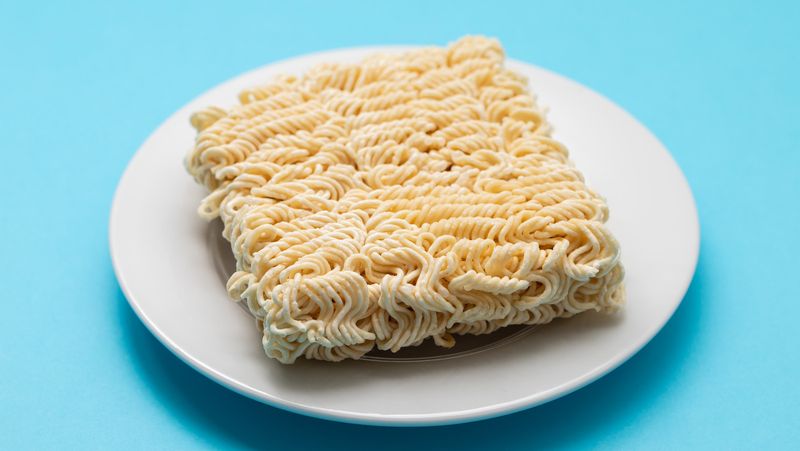
Traditional ramen noodles are long, wavy, and cooked fresh in broth — a beautiful but time-intensive process. Momofuku Ando changed everything in 1958 when he flash-fried noodles and pressed them into compact square blocks that could be dried, packaged, and stored for months.
That square brick shape was a genius design move. It fits neatly into rectangular packaging, cooks evenly in boiling water, and breaks apart perfectly in a bowl.
One shape change turned a restaurant dish into a global pantry staple loved by students everywhere.
9. Watermelon
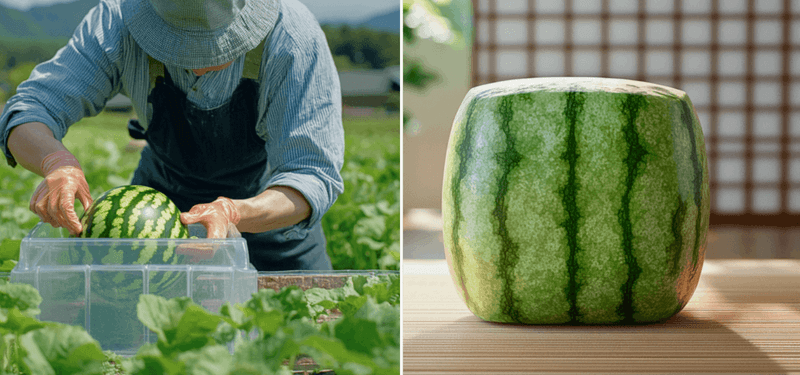
Round watermelons are notoriously difficult to store in a refrigerator — they roll, take up awkward space, and are hard to cut. Japanese farmers in the 1980s solved this by growing watermelons inside square glass boxes, training the fruit to take a cubic shape as it grew.
Square watermelons stack perfectly, fit on refrigerator shelves, and are much easier to slice. They became a luxury item in Japan and sparked worldwide curiosity.
A simple geometric tweak completely changed how people store and display this beloved summer fruit.
10. Pringles
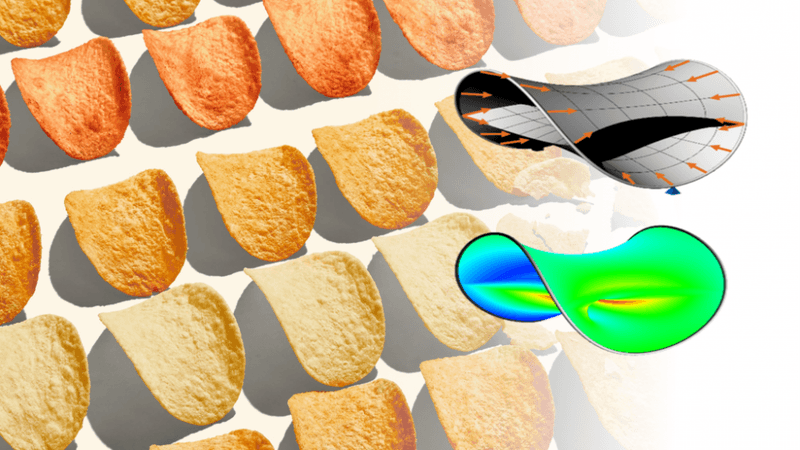
Regular potato chips are flat, irregular, and nearly impossible to stack — meaning bags are half-filled with air just to prevent breakage during shipping. Pringles engineers solved this in the 1960s by designing a perfectly curved saddle shape called a hyperbolic paraboloid.
Every chip is identical, so they nest together tightly in a sturdy tube. Less air, less breakage, and way more chips per container.
That iconic curved shape was not about taste — it was pure engineering, making Pringles one of the most efficiently packaged snack foods ever created.
11. Bagel Thins
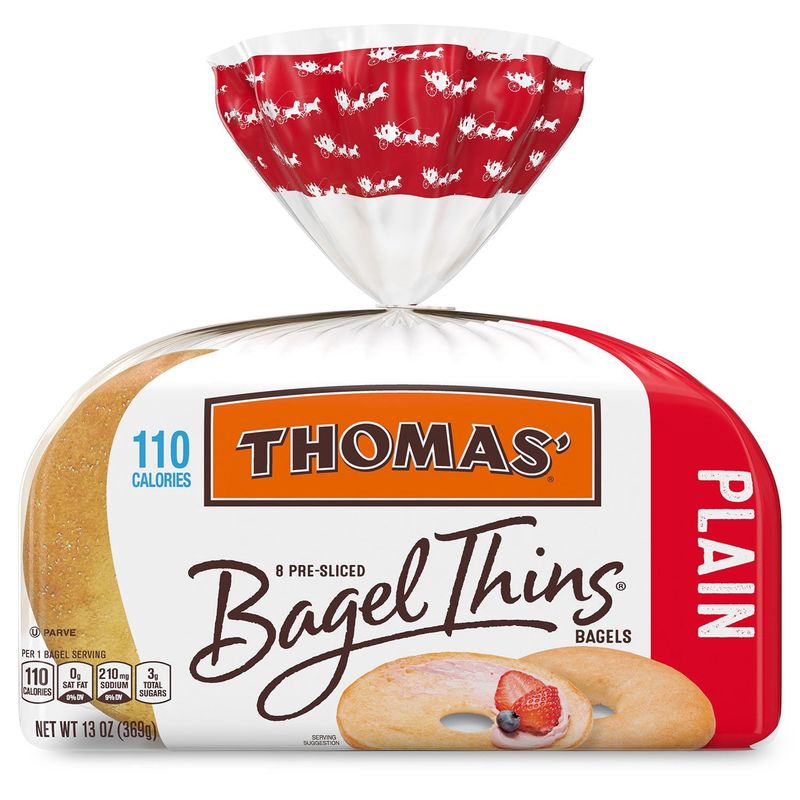
Classic bagels are thick, dense, and filling — perfect for a slow weekend morning but not always practical during a rushed weekday. Bagel thins emerged in the 2000s as a slimmed-down version, sliced horizontally to create two much flatter halves that toast faster and hold toppings more easily.
Lower in calories and quicker to prepare, they fit the pace of modern mornings without sacrificing the familiar bagel experience. Sometimes shrinking a food down is all it takes to make it work for a faster, more health-conscious generation.
12. Tortilla Wraps
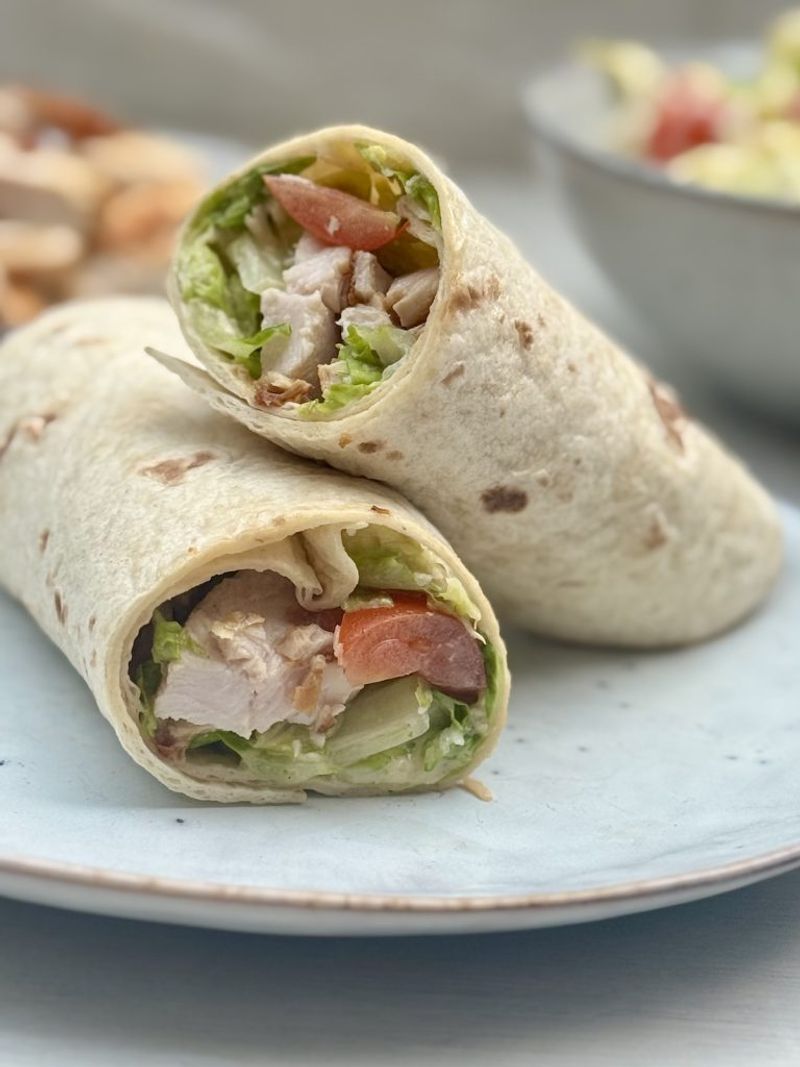
Traditional tortillas were small, thick, and designed to scoop up food in short bites. As wraps became a lunch staple in the 1990s, tortillas were made larger, thinner, and more flexible so they could fold around entire meals like sandwiches.
Today, a burrito-sized tortilla can hold grilled chicken, rice, beans, and salsa without tearing. The shape evolution turned a simple side bread into a self-contained meal carrier.
Cafes and fast-food chains worldwide now depend on this flexible round design to keep lunchtime quick and tidy.
13. Sushi Burritos
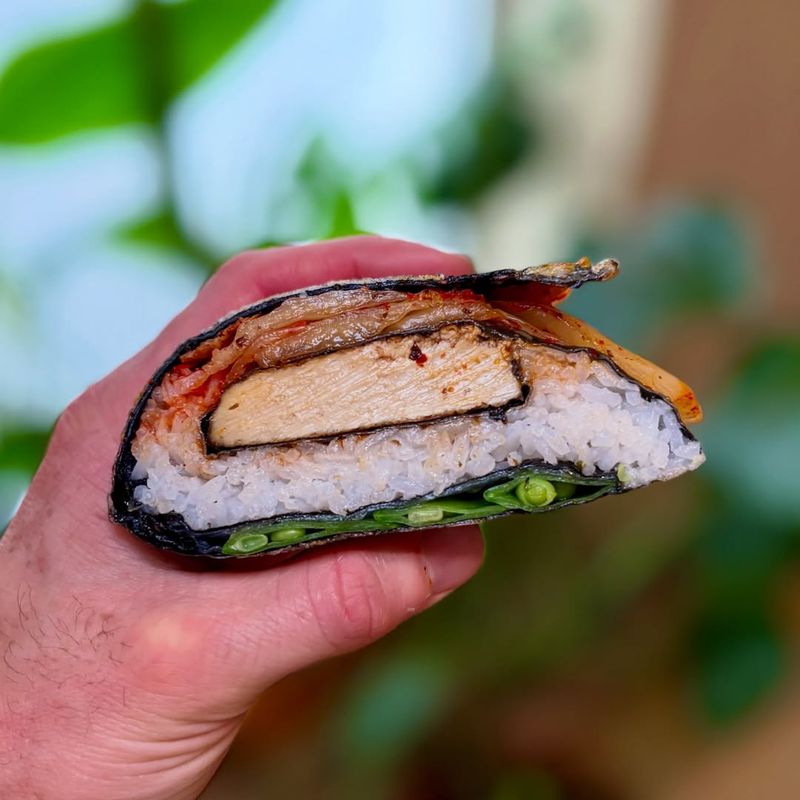
Traditional sushi rolls are delicate, bite-sized cylinders meant to be eaten in one or two bites at a table. Sushi burritos — born in San Francisco around 2011 — took all those same ingredients and wrapped them into a massive handheld roll about the size of a burrito.
The oversized shape made sushi portable, filling, and fast enough for a lunch break. It blended two food cultures into one entirely new eating experience.
A bold shape change opened sushi up to people who had never sat at a traditional sushi bar.
14. Mini Pancakes (Pancake Cereal)
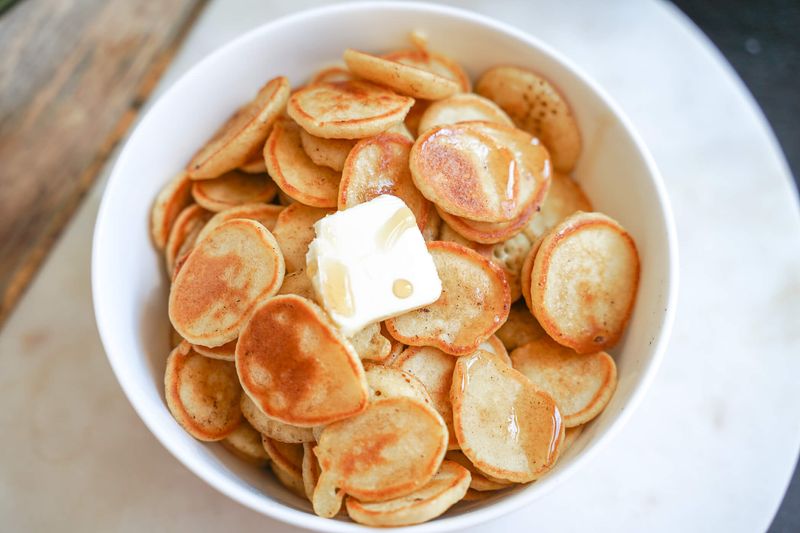
Standard pancakes are wide, flat circles that require a plate, fork, and a proper sit-down meal. During the 2020 lockdowns, a viral TikTok trend transformed pancakes into tiny, coin-sized versions that could be eaten from a bowl like cereal.
The miniaturized shape made breakfast feel playful and creative, sparking millions of videos worldwide. Restaurants and cafes quickly added them to menus after the trend exploded online.
Shrinking a classic breakfast food into something spoonable proved that shape changes can be driven by social media just as much as by practicality.
15. Flat-Bottom Ice Cream Cones
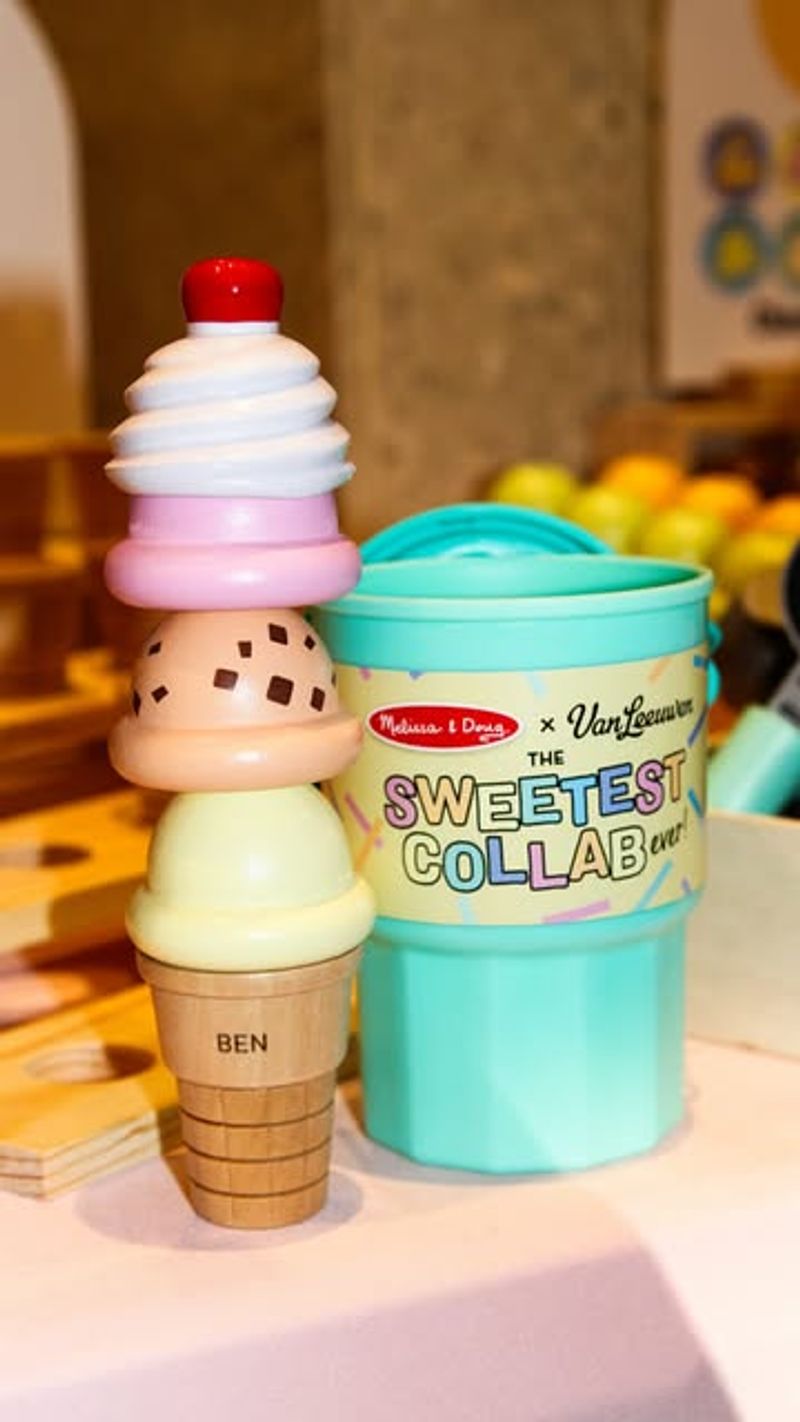
The classic pointed ice cream cone is iconic but completely unable to stand on its own — the moment you set it down, it tips over and disaster follows. Flat-bottom cones were designed specifically to solve this problem, giving the cone a stable base so it can stand freely on any surface.
That small structural change made a huge difference in busy theme parks, food trucks, and outdoor events. You can now set your cone down, take a photo, or grab a napkin without losing your scoop.
Practical design at its most delicious.
16. Protein Bars
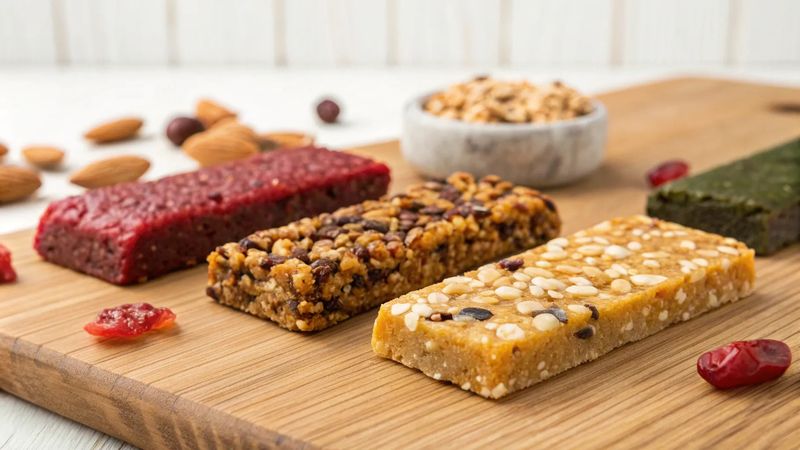
Before protein bars existed, getting a high-protein snack meant sitting down to a full meal of eggs, meat, or legumes. Food scientists in the 1980s and 1990s compressed protein-rich ingredients into dense, rectangular bars that could fit in a gym bag or jacket pocket.
That compact bar shape made nutrition portable and measurable in a way no whole food could match. Each bar lists exact calories and macros right on the wrapper.
A rectangle of engineered nutrition changed how athletes, commuters, and busy students think about fueling their bodies throughout the day.




Comments
No Comments