













Have you ever wondered why certain foods look the way they do? The shape of a food is not always just about looks — it often has a real purpose, like helping it cook evenly, stay fresh longer, or taste better with every bite.
From bread rolls to pasta, skilled hands around the world have been crafting foods into specific forms for centuries. Get ready to discover 16 fascinating foods where shape truly matters.
1. Bagel
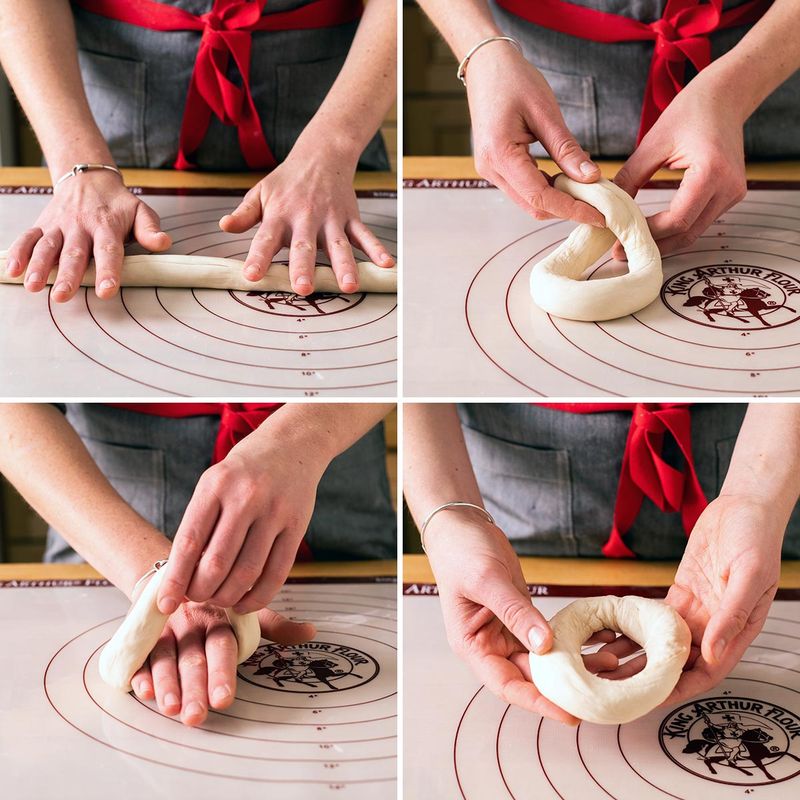
That hole in the middle of a bagel is not just for looks — it actually serves a real purpose. When bagels are hand-rolled into rings and boiled before baking, the hole allows heat to pass through the center, cooking the dough evenly all the way through.
Without it, the thick dough would stay raw inside. This clever ring shape also made it easy for street vendors in old New York to stack bagels on wooden dowels for selling.
2. Croissant
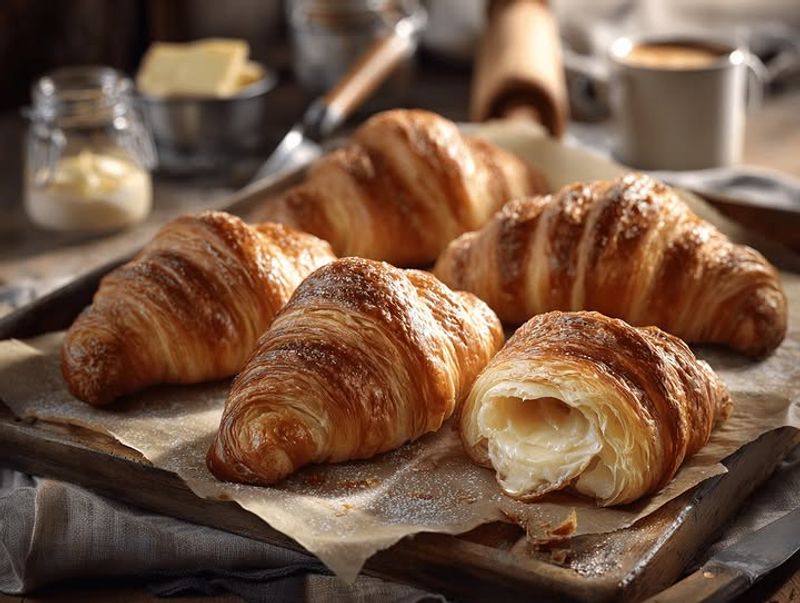
Every croissant starts as a flat piece of buttery dough that a baker carefully rolls and curves into its iconic crescent shape by hand. That curve is not just beautiful — it controls how the layers puff up during baking.
The curved ends trap heat differently than the thick center, creating that irresistible combination of crispy outside and soft, airy inside. Bakers in France have been perfecting this hand-shaping technique since the 1800s.
3. Sushi Nigiri
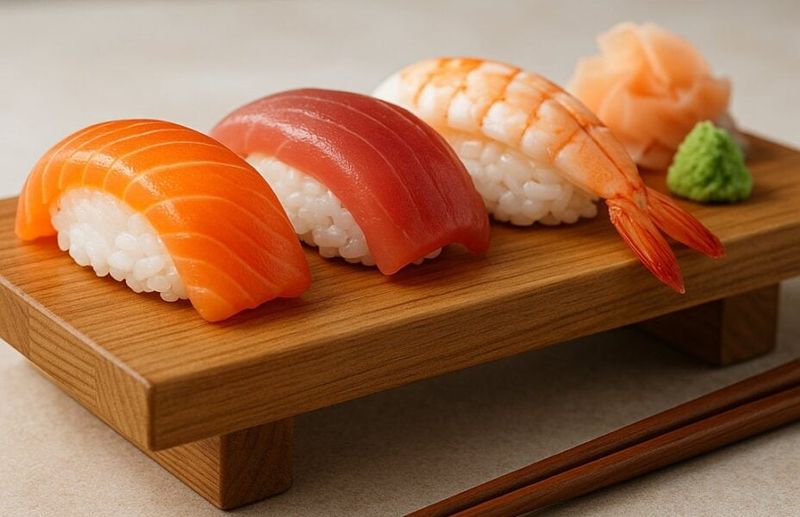
Nigiri sushi is one of the most skill-dependent foods in the world — the rice must be pressed by hand with exactly the right pressure. Too firm, and the rice becomes dense and chewy.
Too loose, and it falls apart the moment you pick it up.
A trained sushi chef shapes each piece so the rice stays airy but holds together perfectly. The oval mound also creates the ideal base for the fish slice to sit flat and flush.
4. Pretzel
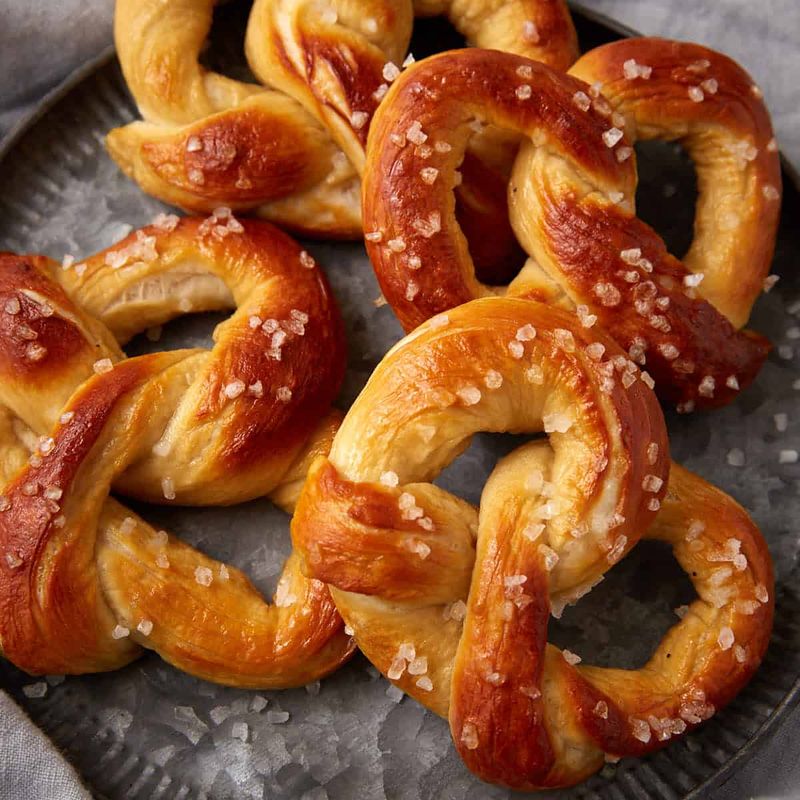
The twisted knot shape of a pretzel has been around for over 1,400 years, and it was not designed by accident. When bakers twist and loop the dough by hand before baking, the overlapping sections cook at different rates, creating that signature chewy center and crisp outer crust.
Some historians believe the shape was used by monks to represent arms crossed in prayer. Whether or not that is true, the twist absolutely changes how it bakes and tastes.
5. Meatball
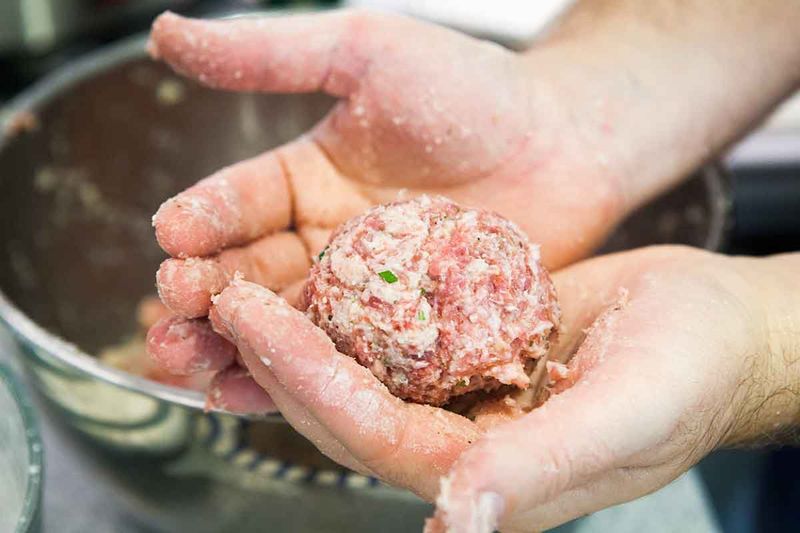
Rolling meatballs by hand into a sphere is not just tradition — it actually affects how they cook. A round shape means every side of the meatball is equally exposed to heat, allowing it to brown evenly in the pan without any flat spots.
Hand-rolling also helps control density. When you press meat too hard, it becomes tough.
Gentle rolling keeps the inside tender. That is why grandmothers everywhere insist on doing it the old-fashioned way, without any molds or machines.
6. Orecchiette Pasta
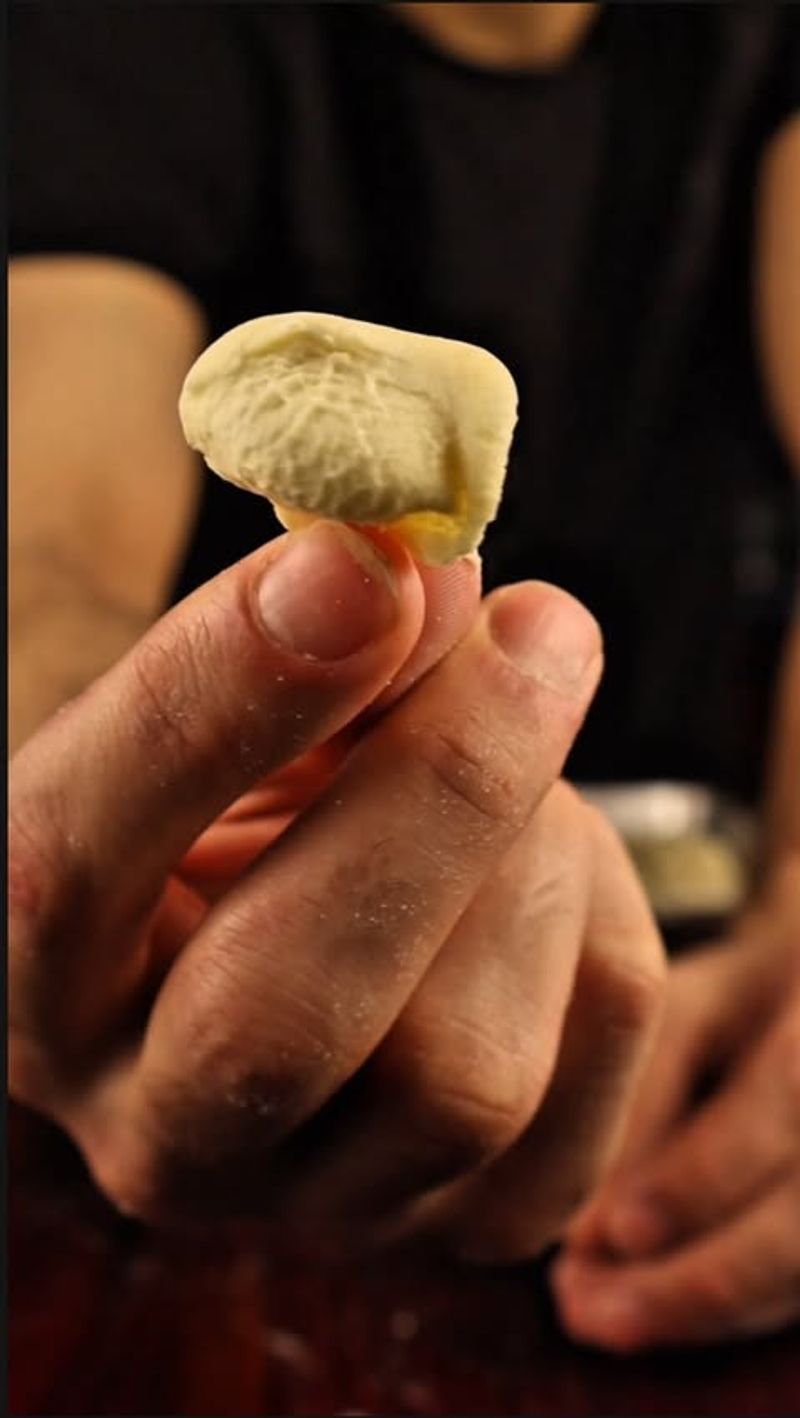
Orecchiette means "little ears" in Italian, and these tiny pasta cups are shaped entirely by thumb pressure. A small piece of dough is dragged across a rough wooden board with one thumb, curling it into a concave ear shape.
That curved hollow is not decorative — it is a sauce trap. Chunky sauces, especially the traditional broccoli rabe version from Puglia, settle right into the cup.
Every bite delivers pasta and sauce together, which is exactly the point.
7. Tamale
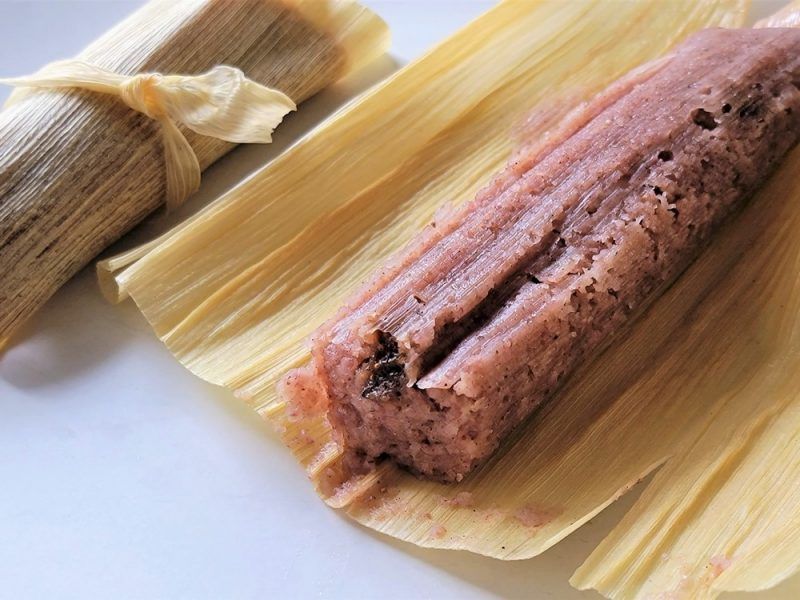
Making tamales is an art form passed down through generations in Mexican and Central American families. The masa dough is spread onto a corn husk by hand, then filled and folded into a tight rectangular bundle before steaming.
The hand-folded shape is critical because it creates a sealed pocket that traps steam inside during cooking. That steam is what makes tamales so moist and fluffy.
If the fold is loose, steam escapes and the texture suffers — every grandmother knows this.
8. Bao Bun
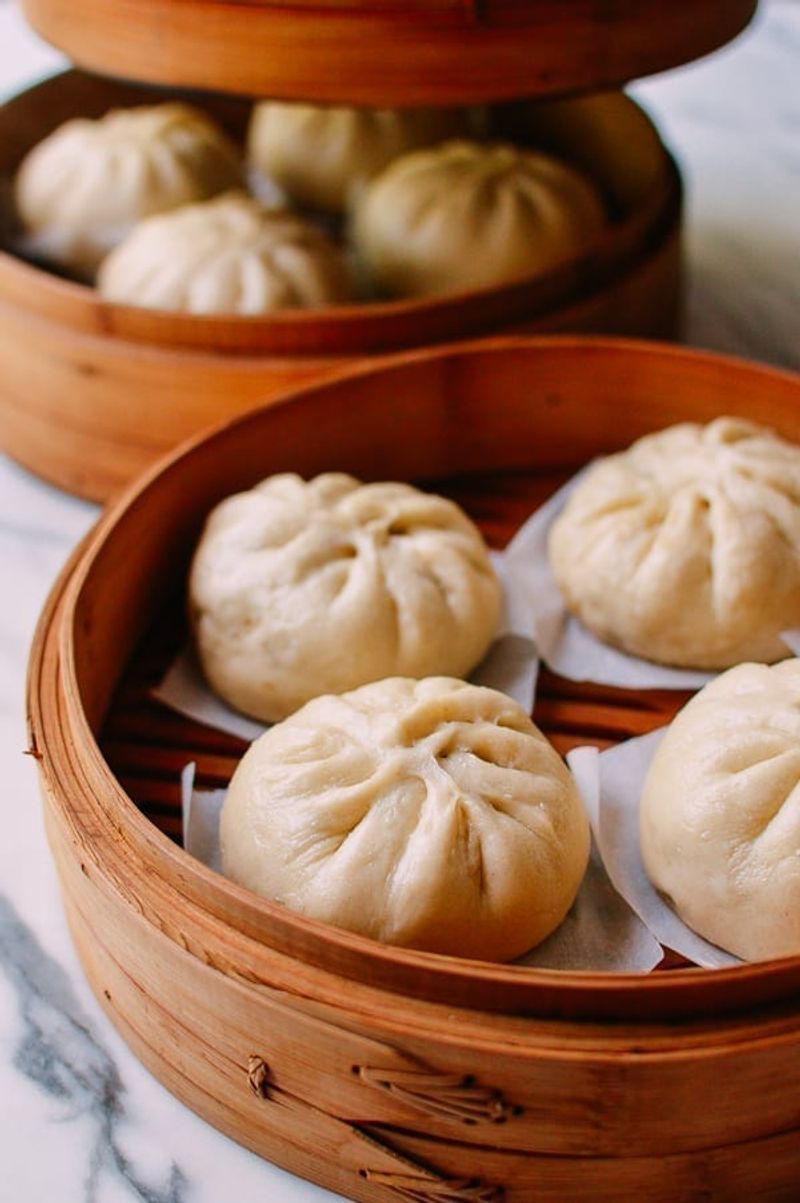
Bao buns are steamed Chinese dumplings that require careful hand-pleating to seal in the filling. A skilled baker can fold up to 18 tiny pleats around the top of each bun, pinching the dough closed in a spiral pattern.
Those pleats are not just pretty — they reinforce the seal so the bun does not burst open during steaming. The folds also create a slightly thicker top, which balances out the thinner dough at the base where the filling sits.
9. Focaccia
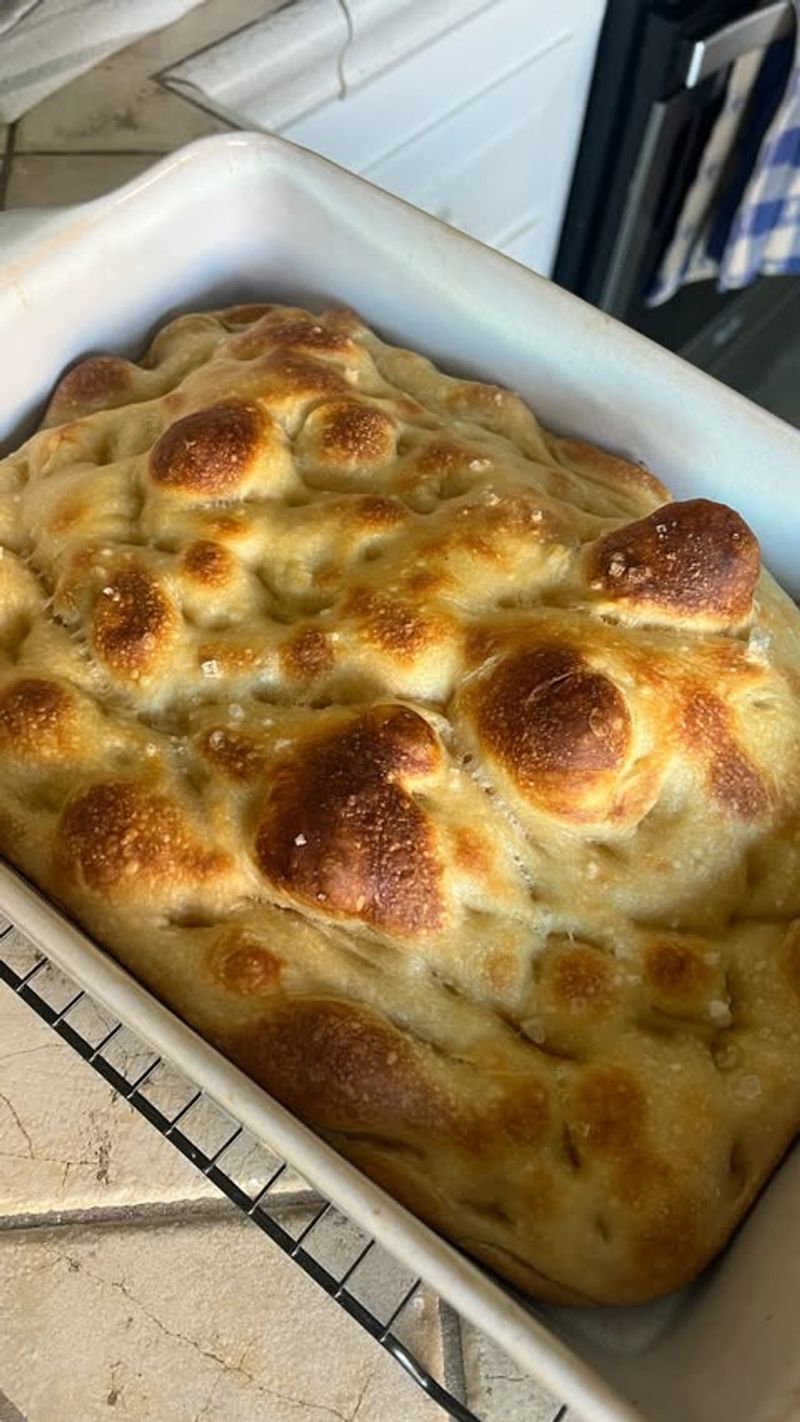
Those little dimples pressed into focaccia by hand are one of the most functional moves in bread baking. When a baker presses their fingers across the dough before it goes into the oven, those wells hold pools of olive oil right on the surface.
The oil crisps up the top while keeping the inside soft and airy. Without the dimples, the oil would just run off and the bread would bake unevenly.
It is a small step with a huge impact on flavor and texture.
10. Gyoza
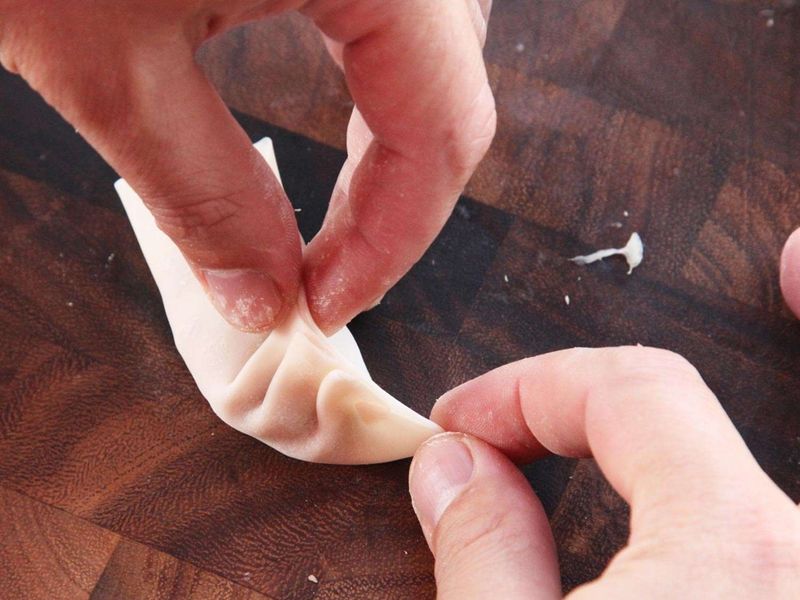
Gyoza dumplings are pleated by hand in a very specific way that determines how they cook. Each dumpling is folded and pinched into a half-moon with a series of overlapping folds along the edge, which creates a thick seal that holds the juicy filling inside.
That flat bottom side is intentional — it sits in the pan and gets a crispy, golden sear while the rounded top steams. The shape gives gyoza their famous dual texture: crispy on one side, tender on the other.
11. Ciabatta
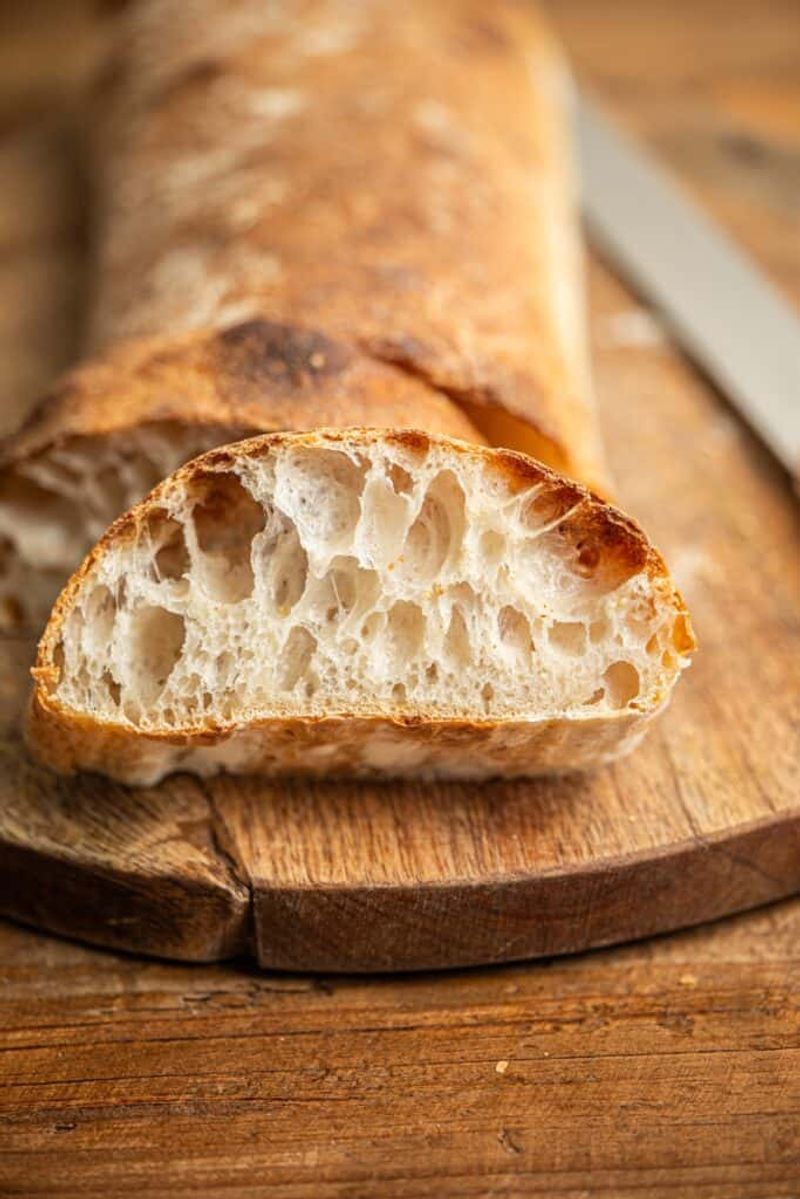
Ciabatta means "slipper" in Italian, named after its flat, elongated shape that resembles an old shoe. Bakers handle this extremely wet, sticky dough very gently and stretch it by hand rather than kneading it hard.
That gentle hand-stretching preserves the large air bubbles inside the dough, which is what gives ciabatta its famously open, holey crumb. Over-working it would pop all those bubbles and you would end up with a dense, flat loaf — nothing like the light, chewy result it is known for.
12. Chapati
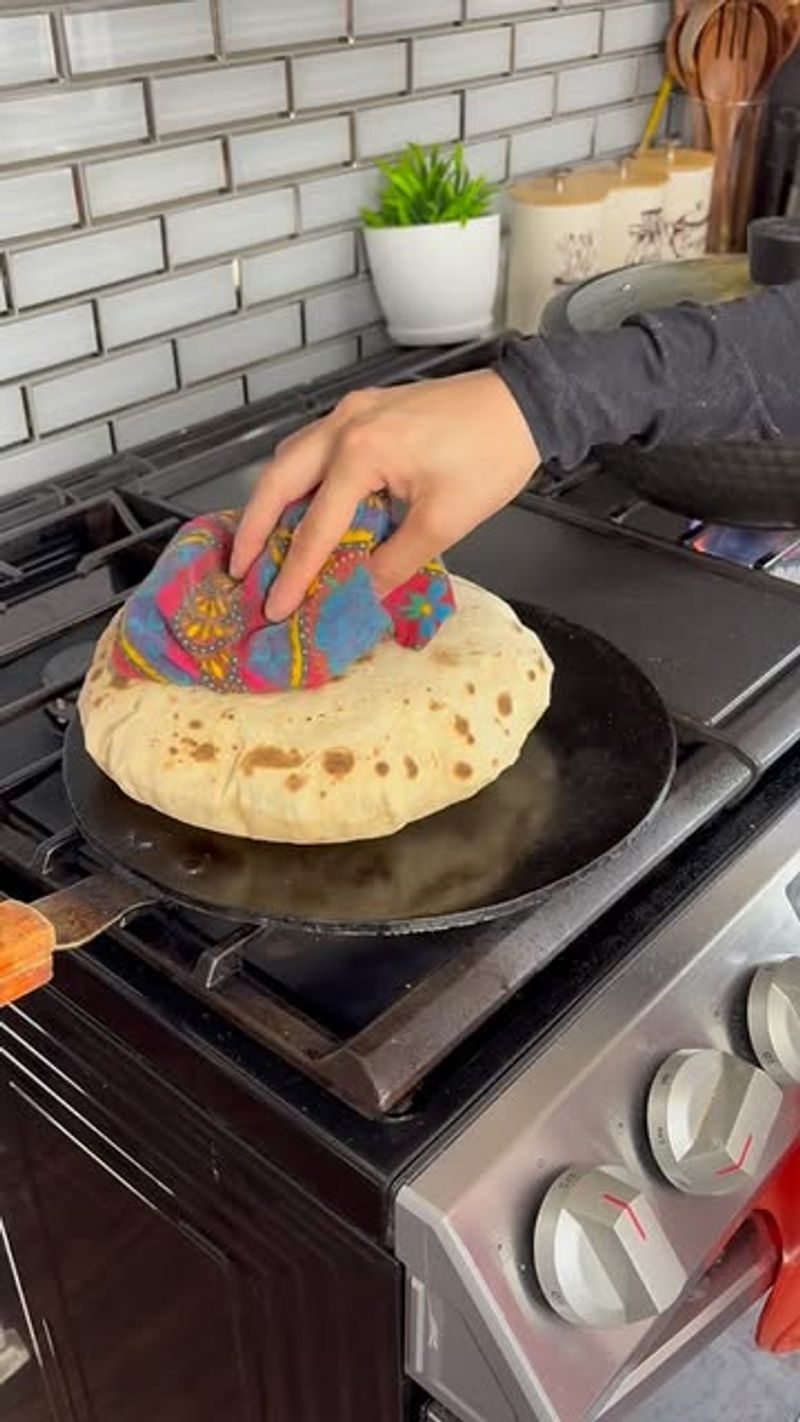
Chapati is a flatbread from South Asia that is both rolled and then patted by hand before hitting the griddle. After rolling it thin, many cooks clap the dough between their palms to stretch it slightly and even out the thickness.
When placed on a hot tawa, the thin, even surface puffs up beautifully as steam builds inside. That puff is the sign of a well-made chapati.
The round shape also ensures every part of the bread touches the heat at the same time for even cooking.
13. Cavatelli
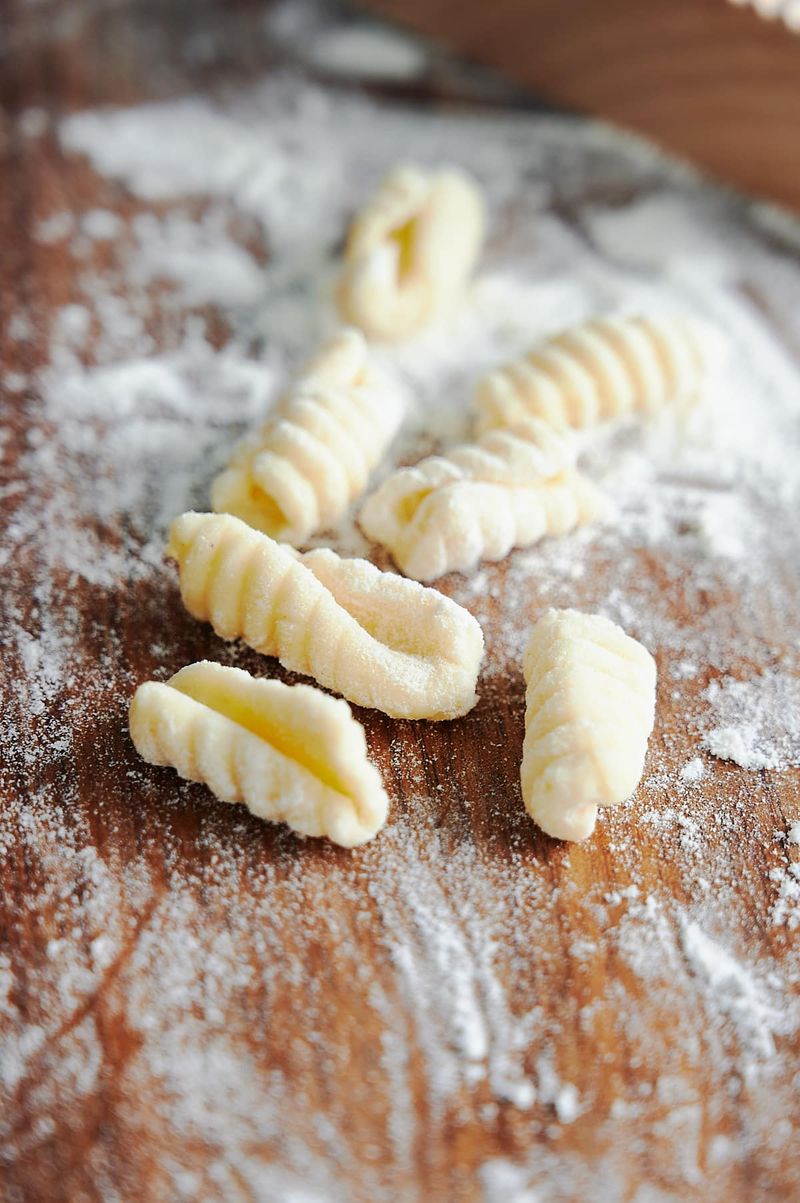
Cavatelli pasta is made by pressing a small piece of dough with two or three fingers and dragging it across a rough surface, curling it into a small shell. That ridged, curled shape is designed with one goal: grabbing onto sauce.
The grooves on the outside catch chunky meat sauces, while the hollow curl holds creamy ones. Unlike smooth pasta that lets sauce slide right off, cavatelli grips it.
Hand-shaping each piece also gives slightly irregular edges that hold even more sauce than machine-made versions.
14. Arancini
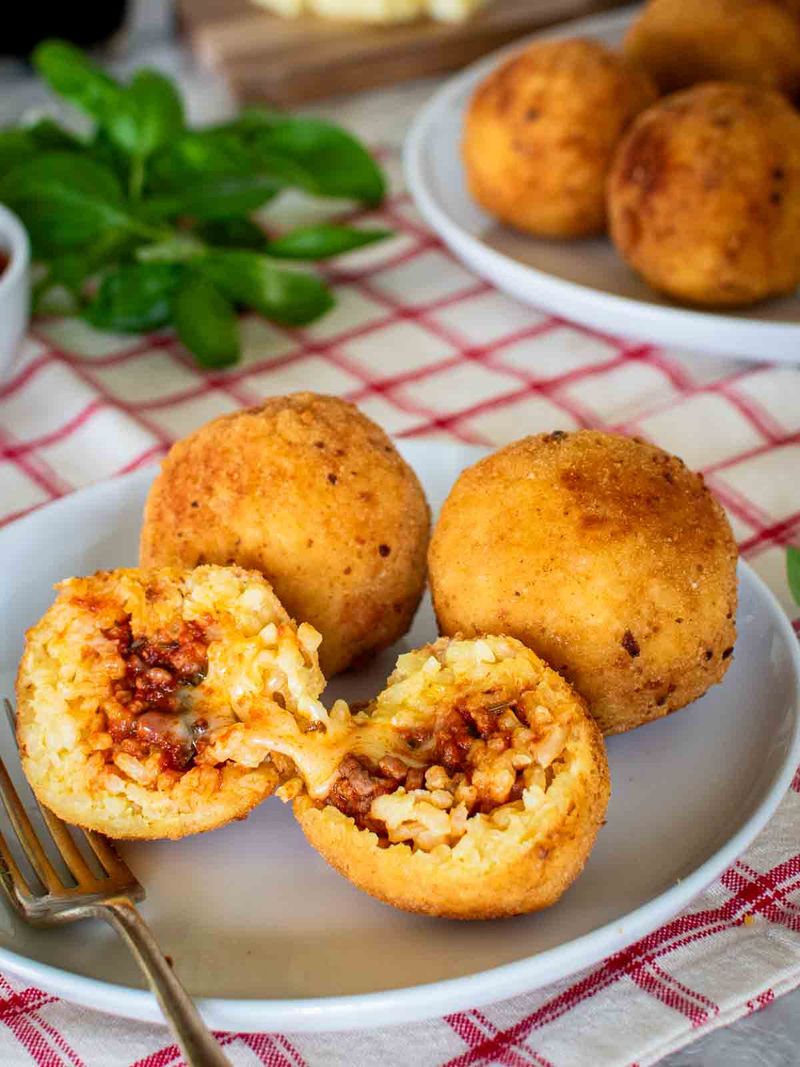
Arancini are Sicilian fried rice balls that must be shaped by hand to seal the filling completely inside. A scoop of cooked risotto is cupped in the palm, a spoonful of filling goes in the center, and then more rice is packed around it to form a tight, smooth ball.
If the seal is not tight, the filling leaks out during frying and the whole thing falls apart. The sphere shape also allows the arancino to fry evenly in hot oil, browning on all sides without burning any one spot.
15. Injera
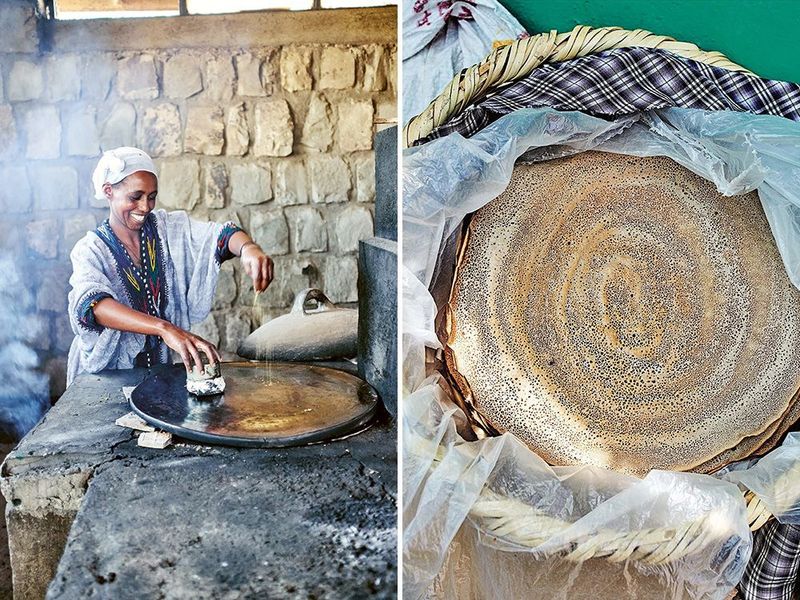
Injera is a spongy Ethiopian flatbread made from fermented teff batter that is poured in a spiral by hand onto a hot clay griddle called a mitad. The spiral pour is not random — it ensures the batter spreads evenly across the large round surface.
As it cooks, tiny bubbles rise and pop, leaving behind the signature porous texture full of small holes. Those holes are functional: they soak up the stews and sauces placed on top, turning the bread into both a plate and an edible utensil.
16. Knish
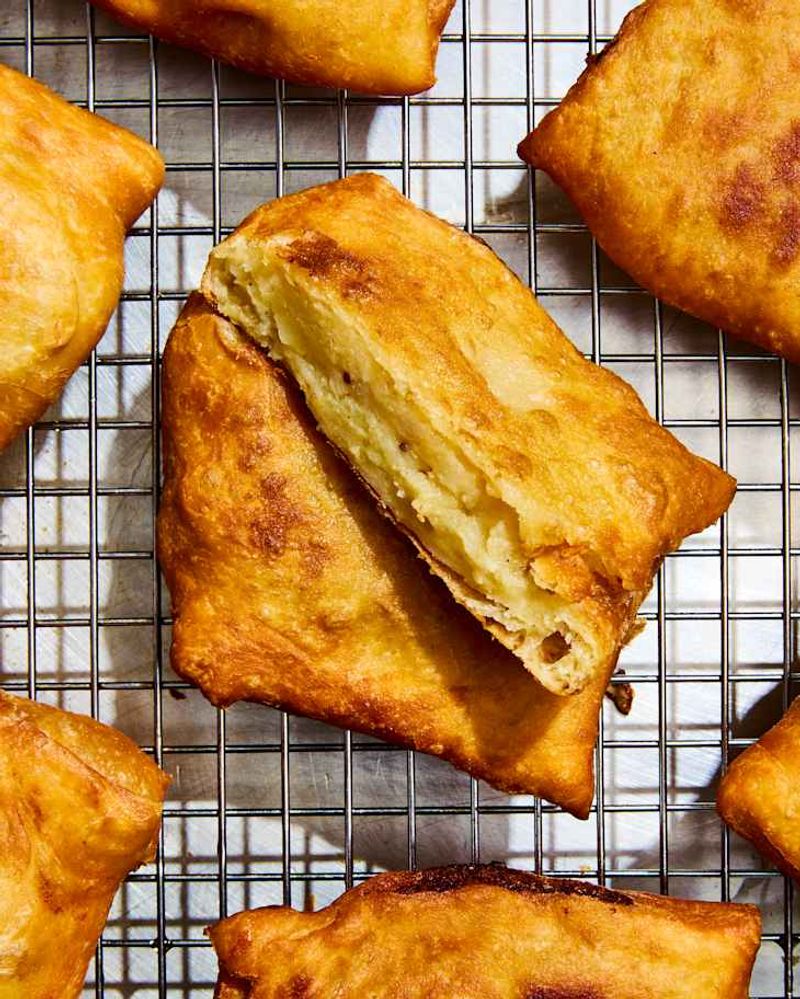
A knish is a stuffed pastry from Eastern European Jewish cuisine that is sealed entirely by hand. Dough is wrapped around a savory filling — usually mashed potato — and then pinched or folded shut before baking or frying.
The hand-sealed edges are important because they keep the filling from drying out in the oven. Knishes became a street food staple in early 1900s New York, where vendors sold them from pushcarts.
The compact, sealed shape made them easy to hold and eat on the go without a fork.




Comments
No Comments