













Some foods taste completely different after spending weeks, months, or even years sitting in a cave, barrel, or special room. The aging process changes everything from smell to texture to flavour, turning simple ingredients into something extraordinary.
Humans have been doing this for thousands of years, and the results can range from funky and sharp to rich and complex. Get ready to discover 16 fascinating foods that become something totally new through the magic of aging.
1. Parmesan Cheese (Parmigiano-Reggiano)
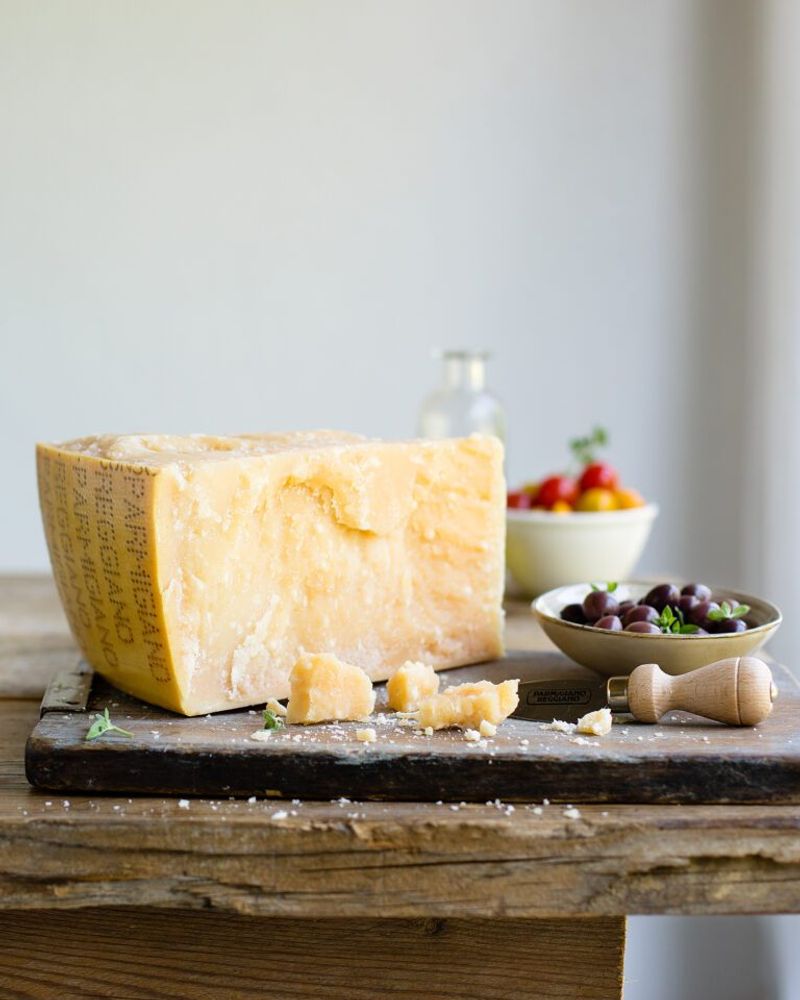
Fresh milk transforms into something almost unrecognizable after 24 months inside a temperature-controlled aging room. Parmesan starts mild and rubbery, but aging creates those satisfying crunchy crystals and a bold, nutty, salty punch that makes it one of the world's most beloved cheeses.
Those white crystals are actually amino acids called tyrosine, formed as proteins break down during aging. The longer it ages, the more intense the flavour becomes.
Some wheels are aged up to 36 months for an even deeper, more complex taste.
2. Prosciutto di Parma
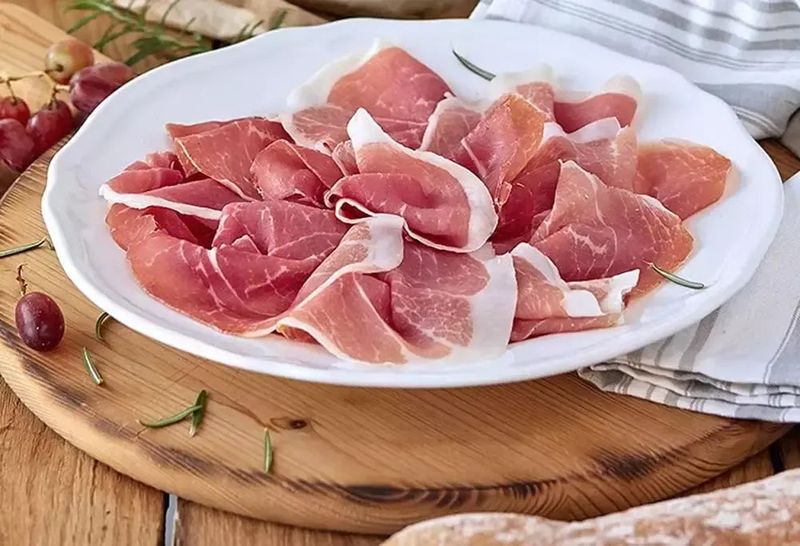
A fresh pork leg rubbed with sea salt and hung in a breezy mountain curing room for up to two years sounds unusual, but the result is silky, melt-in-your-mouth magic. Prosciutto di Parma starts as ordinary ham and slowly becomes something sweet, delicate, and deeply savory.
The mountain air in Parma, Italy plays a huge role in developing its unique flavour. As moisture evaporates, the meat concentrates and enzymes break down proteins into rich, complex compounds.
No smoke, no additives, just salt, air, and time.
3. Balsamic Vinegar of Modena
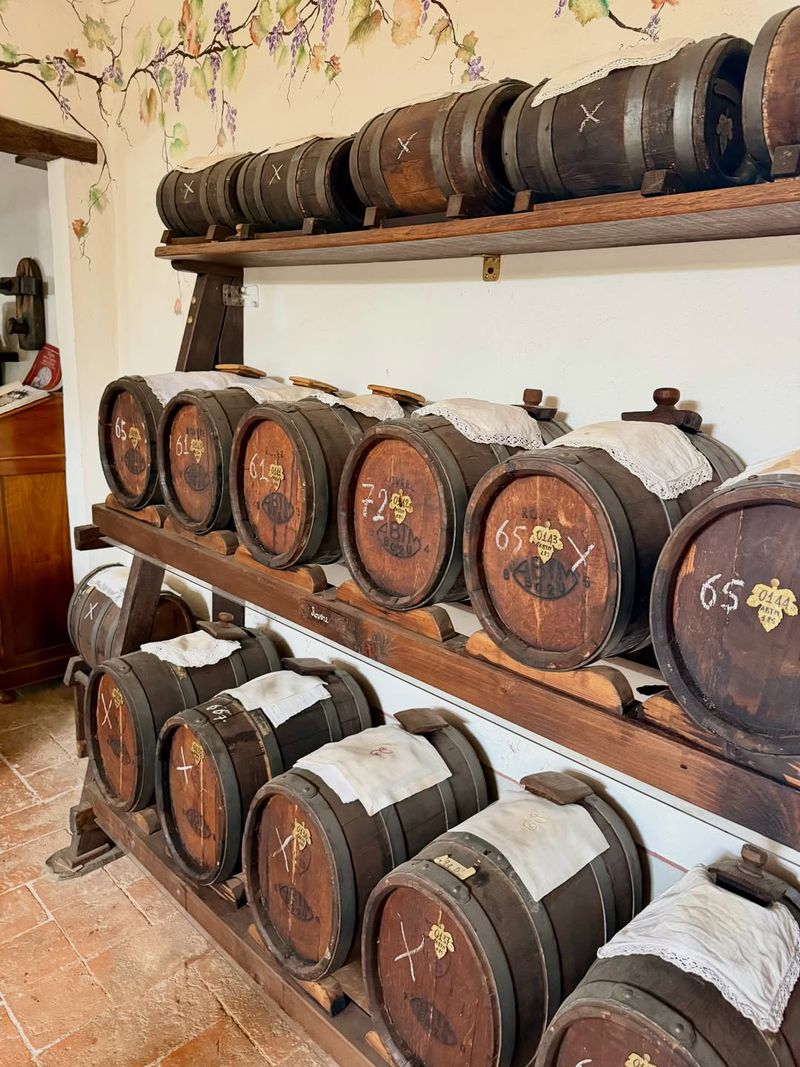
Real traditional balsamic vinegar from Modena, Italy spends a minimum of 12 years moving through a series of progressively smaller wooden barrels. What starts as fresh grape juice slowly becomes a thick, glossy, sweet-tart syrup with astonishing depth of flavour.
Each barrel is made from a different wood, like oak, cherry, or juniper, adding its own layer of complexity. The 25-year aged version is so prized it can cost over $200 for a tiny bottle.
A few drops on strawberries or cheese is all you need.
4. Blue Cheese (Roquefort)
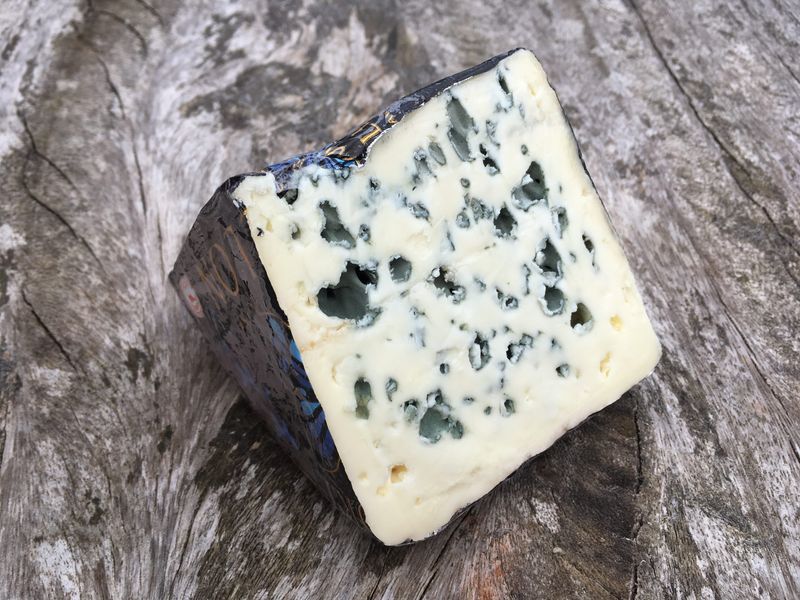
Roquefort cheese is famously made in the caves of Combalou in southern France, where a specific mold called Penicillium roqueforti turns ordinary sheep's milk cheese into something sharp, crumbly, and intensely pungent. Without those caves and that mold, it simply would not exist.
Cheesemakers pierce the wheels with needles to let air in, encouraging the mold to grow in dramatic blue veins. Aged for at least three months, the flavour shifts from mild dairy to bold, tangy, and almost spicy.
It is not for the faint-hearted, but fans are fiercely loyal.
5. Dry-Aged Beef
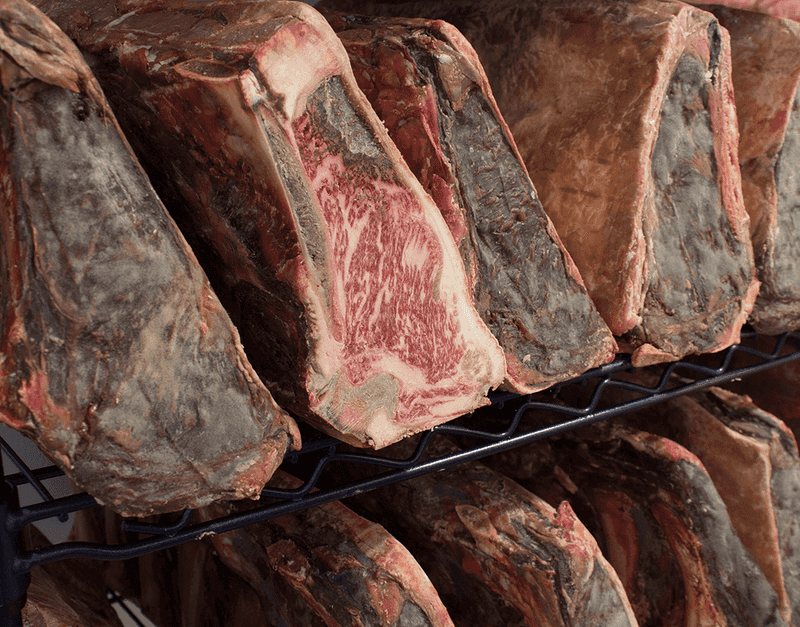
Hanging a whole beef carcass in a cold, humidity-controlled room for 30 to 90 days might sound wasteful, but dry aging does something remarkable to the meat. Moisture evaporates, concentrating the beefy flavour, while natural enzymes break down tough muscle fibers until the texture becomes incredibly tender.
The outer crust, called the pellicle, gets trimmed away before cooking, revealing deep red, intensely flavored meat underneath. A 45-day dry-aged steak tastes almost nutty and buttery compared to fresh beef.
Many steak lovers say there is simply no comparison.
6. Aged Gouda
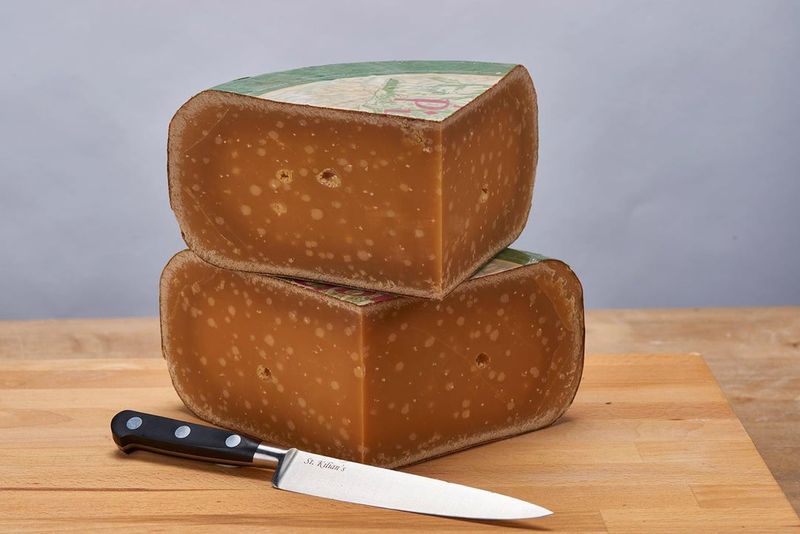
Young Gouda is soft, mild, and a little rubbery, but give it 18 months to two years and the transformation is jaw-dropping. The cheese turns a deep amber color, develops a rock-hard texture, and fills up with those satisfying crunchy crystals that crunch between your teeth.
The flavour goes from gentle and milky to caramel-like, butterscotch-sweet, and deeply savory all at once. Aged Gouda pairs beautifully with dark beer or a drizzle of honey.
It is one of the most dramatic flavour transformations in the entire cheese world.
7. Miso Paste
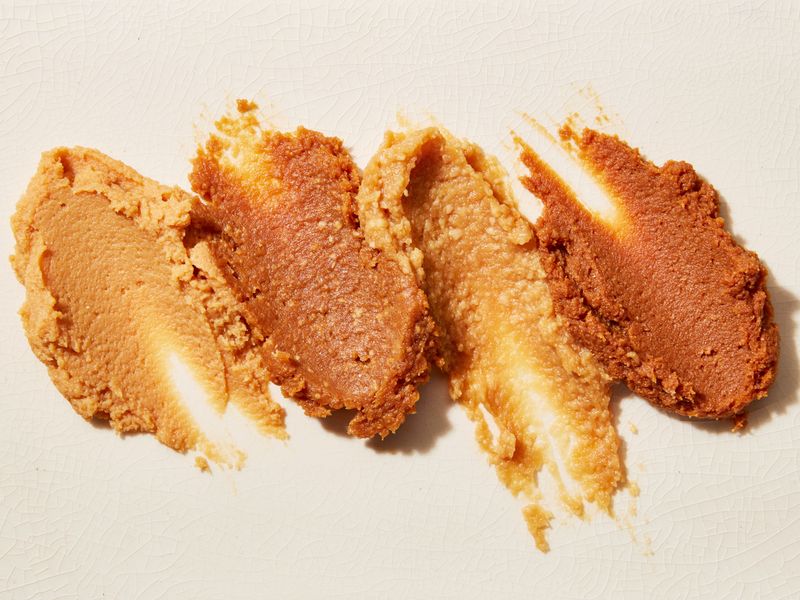
Miso is made by fermenting soybeans with salt and a mold called koji, but the aging time completely determines what kind of flavour you get. White miso ages for just a few weeks and stays sweet and mild, while red and dark miso can age for one to three years.
The longer it ferments, the deeper, saltier, and more complex the umami flavour becomes. Dark aged miso has an almost chocolatey, earthy richness that is completely unlike its younger counterparts.
Japanese cooks have been perfecting this transformation for over a thousand years.
8. Aged Soy Sauce
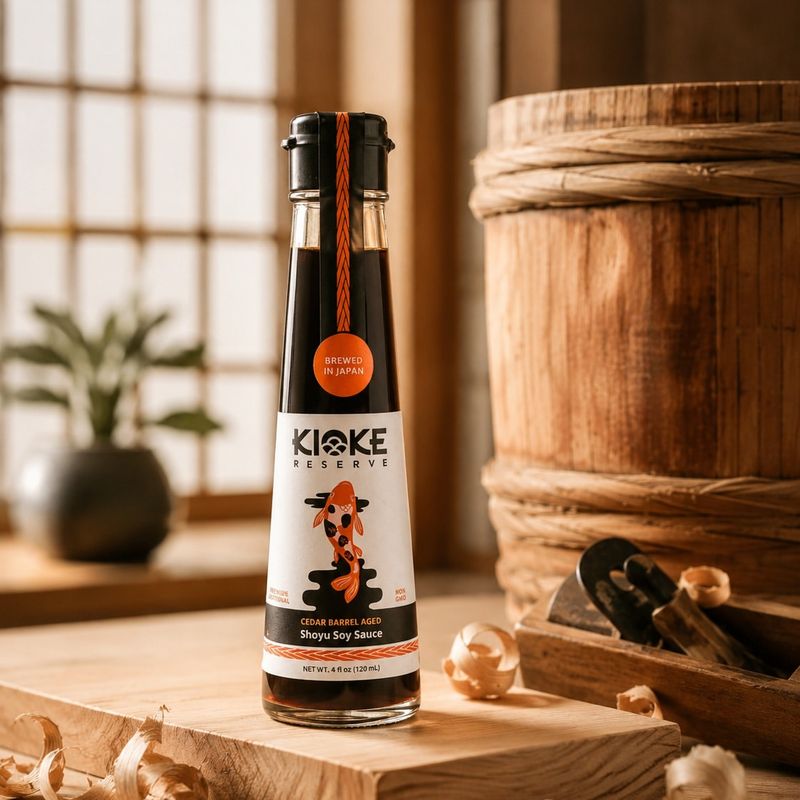
Most supermarket soy sauces are made in a matter of days using chemical shortcuts, but traditional soy sauce is aged in cedar barrels for one to three years. That extra time creates a flavour that is richer, rounder, and far more complex than its fast-made counterparts.
Tamari and shoyu aged the traditional way develop deep caramel notes alongside their salty, savory base. Some premium Japanese soy sauces are aged up to five years, resulting in a thick, almost syrupy condiment.
One small bottle can completely change a dish.
9. Aged Rum
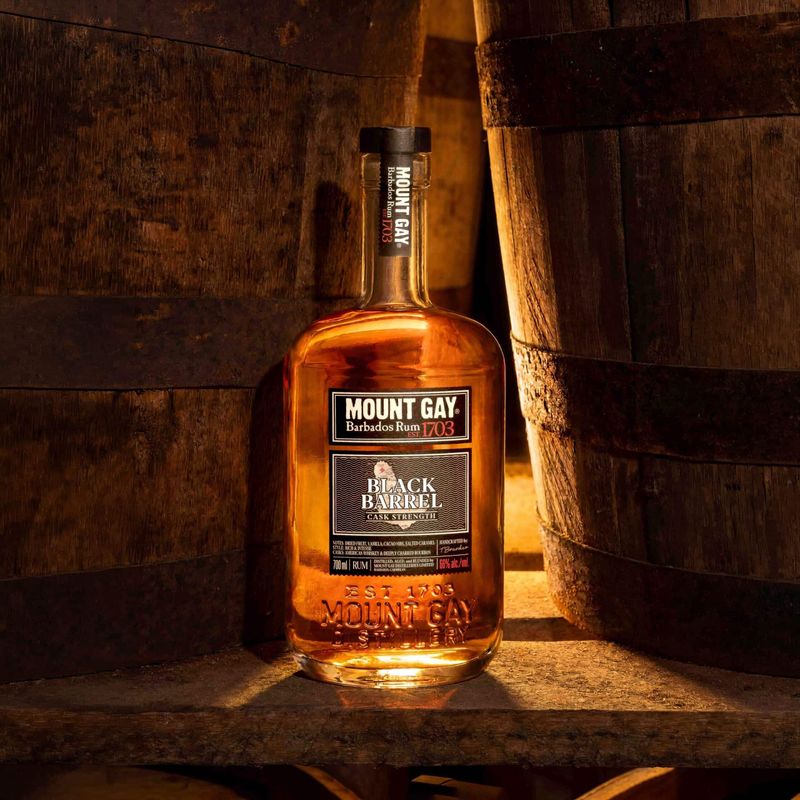
Fresh rum straight from the still is clear, harsh, and pretty unpleasant to drink. Aging it inside charred oak barrels for years transforms it into a smooth, golden or dark spirit full of vanilla, caramel, and spice notes borrowed from the wood itself.
The Caribbean climate speeds up the aging process because heat causes the rum to expand into the wood during the day and contract at night, pulling out more flavour compounds. A 12-year aged rum tastes worlds apart from unaged white rum.
The barrel does most of the flavour work.
10. Aged Cheddar
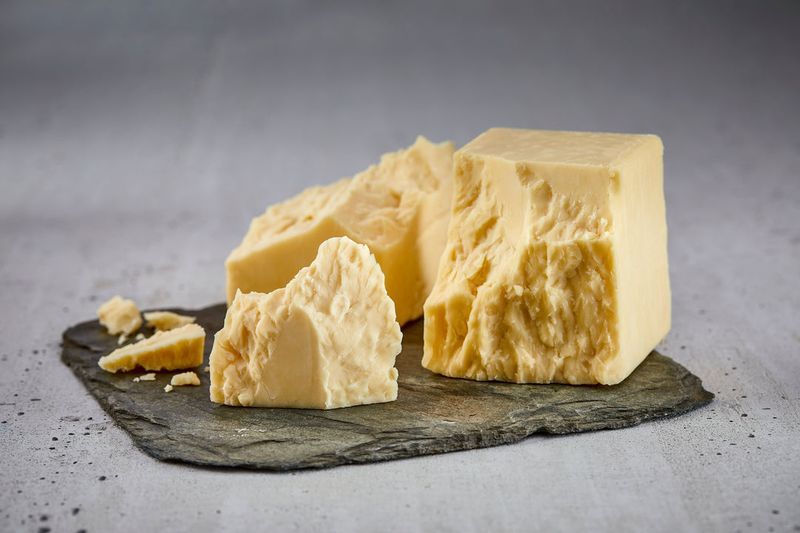
Mild cheddar is smooth and gentle, but age it for two, five, or even ten years and it becomes a completely different beast. Sharp aged cheddar develops a crumbly texture, a bold tangy bite, and those addictive calcium lactate crystals that signal serious aging time.
Extra-mature cheddars from England can be aged up to 15 years, developing flavours described as earthy, mushroomy, and intensely savory. The cheese loses moisture and sharpens dramatically over time.
Serious cheese lovers often say that patience is the most important ingredient in great cheddar.
11. Aged Whisky
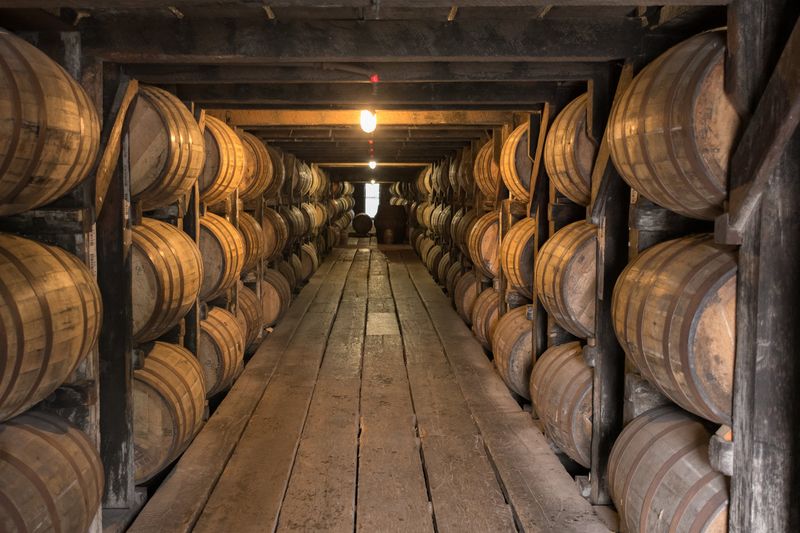
New-make spirit from a whisky still is clear and fiery, tasting mostly of grain and alcohol. Tucking it away in charred oak casks for a decade or more is what turns it into the smooth, complex, amber-colored drink that whisky fans obsess over.
During aging, the spirit absorbs compounds from the wood, including tannins, vanilla, and caramel flavors. It also loses some of its harsh alcohol edge each year, a process called the angel's share.
A 12-year-old Scotch and a 21-year-old from the same distillery can taste astonishingly different.
12. Worcestershire Sauce
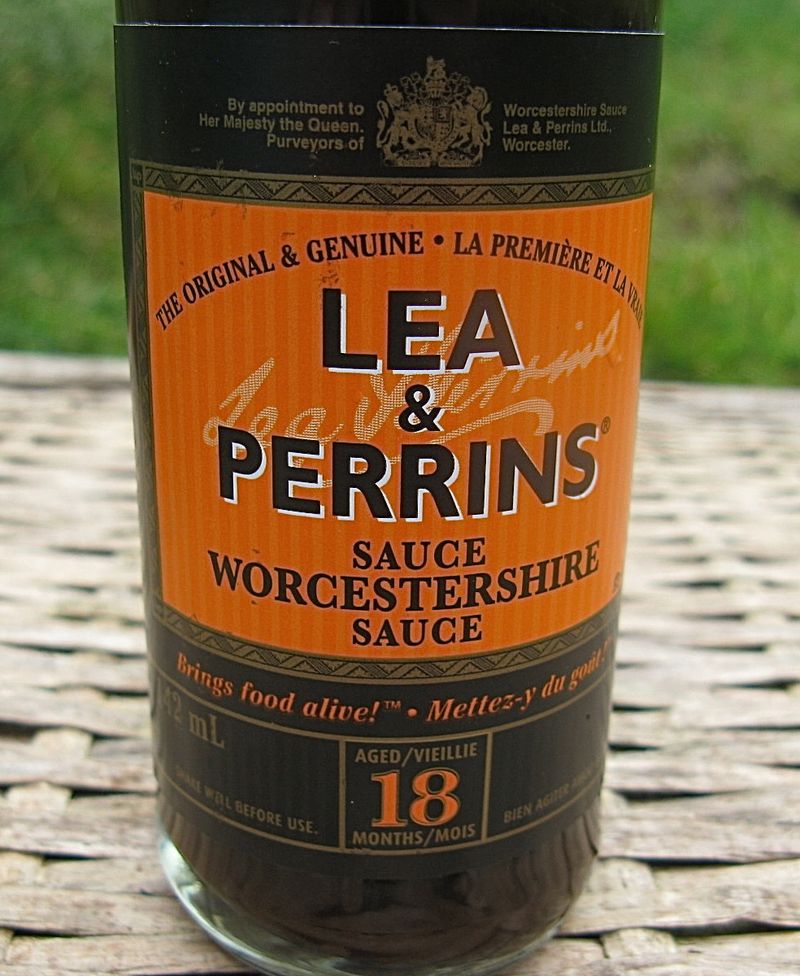
When chemists John Lea and William Perrins first made their fermented sauce in 1837, the initial batch smelled so awful they buried it in a cellar and forgot about it. When they rediscovered it 18 months later, it had transformed into the complex, deeply savory condiment the world now loves.
The secret is anchovies fermenting in malt vinegar for up to 18 months, alongside tamarind, molasses, and spices. Fresh anchovies would just make it fishy, but aged ones dissolve into a rich umami base.
It is one of the best accidental discoveries in food history.
13. Surströmming (Fermented Herring)
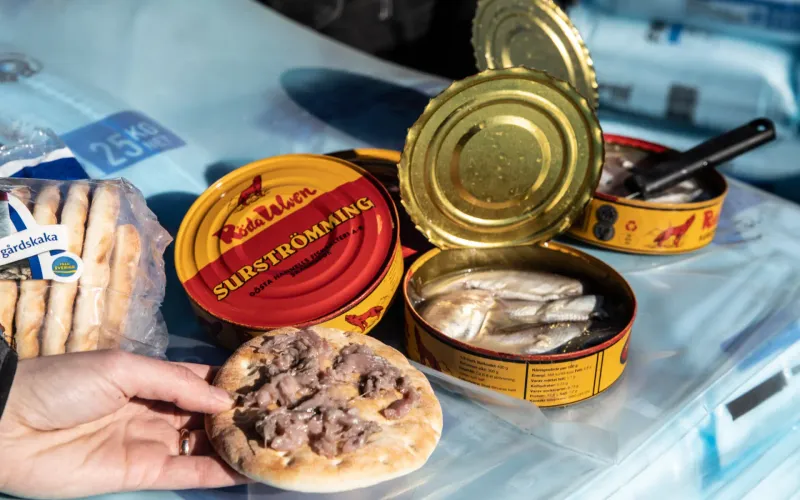
Few foods on Earth push the boundaries of aging quite like surströmming, the Swedish fermented herring that is so pungent it is legally banned in many apartment buildings across Europe. Baltic herring is lightly salted and then left to ferment for up to six months, developing an eye-watering smell.
Despite the notorious odor, Swedes eat it with flatbread, sour cream, and red onion as a beloved summer tradition. The taste is actually less shocking than the smell, described as salty, sour, and intensely savory.
Cultural context changes everything when it comes to aged foods.
14. Aged Pecorino Romano
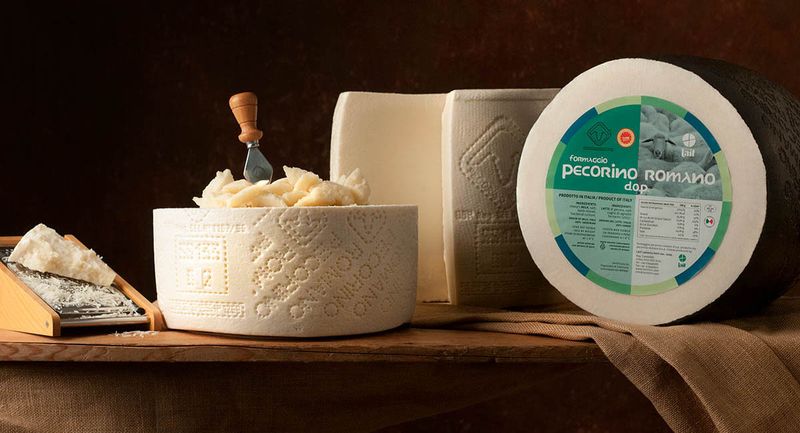
Made from sheep's milk in Sardinia and the Lazio region of Italy, Pecorino Romano is one of the oldest recorded cheeses in history, dating back over 2,000 years. Fresh Pecorino is mild and slightly tangy, but aged versions develop a sharp, salty, almost spicy intensity.
The aging process, typically eight to twelve months for table cheese and longer for grating, creates a firm, granular texture perfect for shaving over pasta. Roman soldiers apparently carried it as a food ration.
Its bold flavour means a little goes a very long way in cooking.
15. Fish Sauce
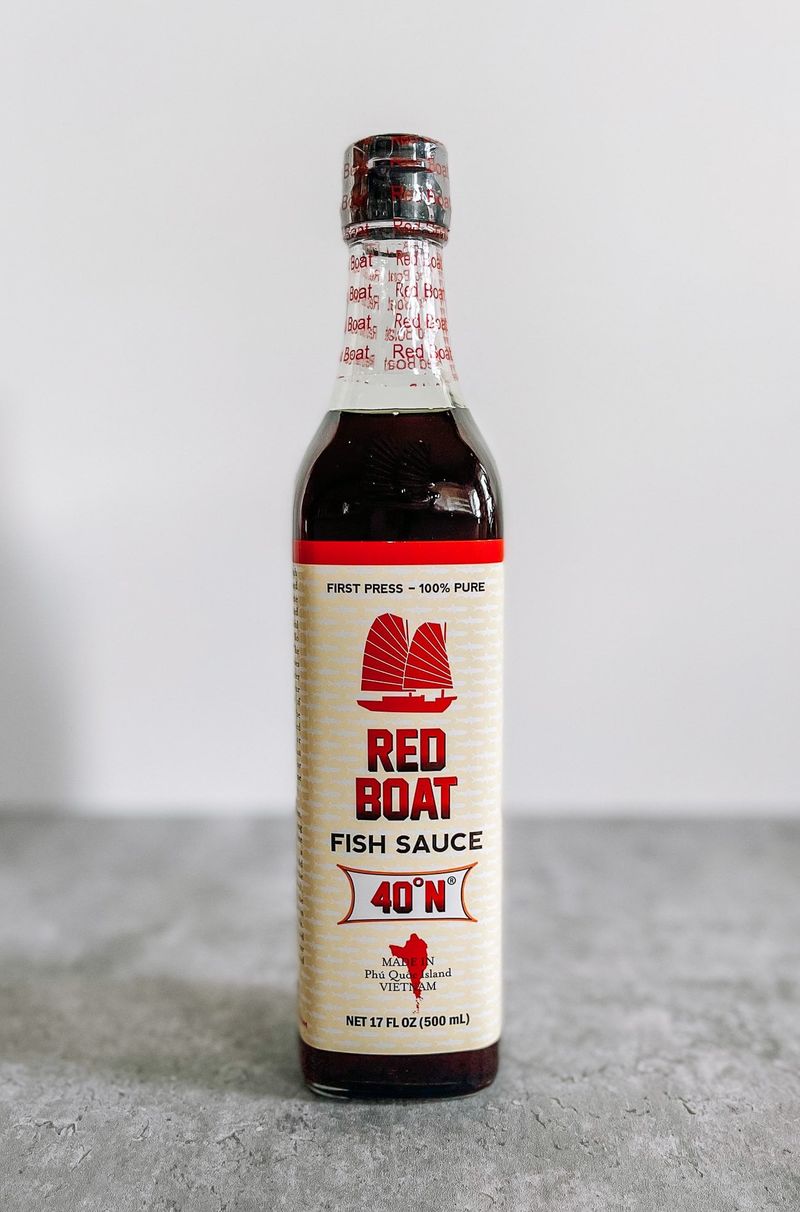
Fish sauce starts as a mixture of raw fish and salt packed tightly into barrels or clay pots, and then left alone for one to three years. What comes out the other end is a pungent, amber liquid that smells intense on its own but completely transforms Southeast Asian cooking.
During fermentation, proteins in the fish break down into amino acids that create powerful umami flavor. Thai, Vietnamese, and Filipino cuisines depend on it as a foundational ingredient.
Interestingly, ancient Romans made a nearly identical product called garum, proving humans have loved this transformation for millennia.
16. Aged Cognac
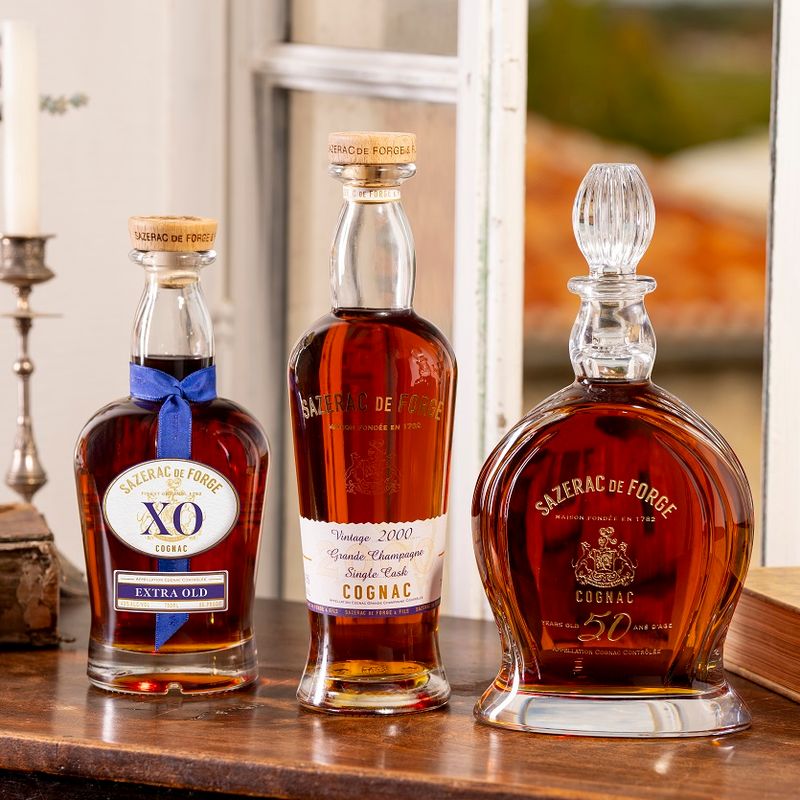
Cognac begins life as thin, acidic white wine that nobody would enjoy drinking on its own. Distilling it and then aging it in French Limousin oak barrels for years, sometimes decades, is what creates the smooth, aromatic brandy associated with luxury and celebration.
XO cognac must be aged at least ten years by law, developing layers of dried fruit, spice, floral, and toasty oak flavours. The color deepens from pale gold to rich amber as the spirit absorbs tannins from the wood.
Time in the barrel is literally what you are paying for.




Comments
No Comments