













Many foods get a bad reputation when it comes to weight gain, but the truth is often more complicated than people think. Blaming one specific food for extra pounds ignores how diet, lifestyle, and portion size all work together.
Some foods labeled as "fattening" are actually packed with nutrients your body needs. Before cutting out your favorite snacks, it helps to understand the full picture.
1. Bananas
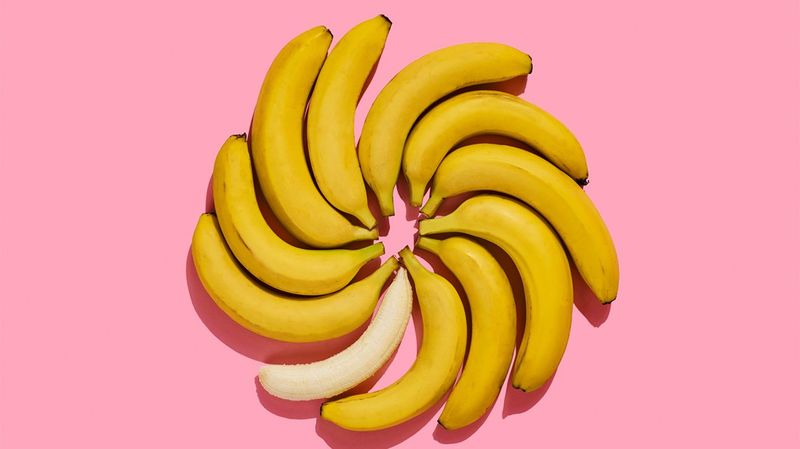
Bananas have been called sugary and fattening for years, but a medium banana has only about 105 calories and is loaded with potassium and fiber. The natural sugars in bananas digest differently than added sugars found in candy or soda.
They also help you feel full, which can actually reduce overall snacking. Athletes worldwide eat bananas for quick energy.
Eaten in normal amounts, bananas fit comfortably into a balanced, healthy diet without causing weight problems.
2. Peanut Butter
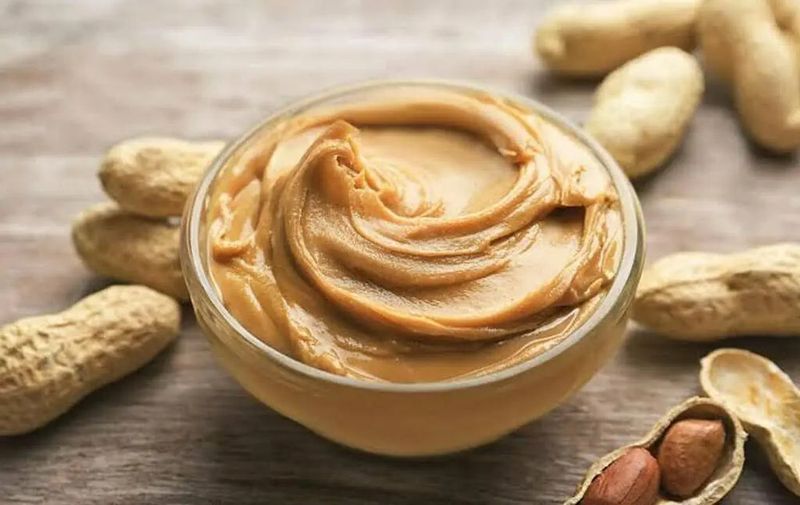
Sure, peanut butter is high in fat and calories, but not all calories work the same way in your body. The healthy fats in peanut butter actually support heart health and keep hunger at bay longer than low-fat snacks do.
Two tablespoons is a satisfying serving that pairs well with fruit or whole grain bread. The problem usually isn't the peanut butter itself but eating it straight from the jar without measuring.
Portion awareness makes all the difference here.
3. Potatoes

Potatoes got a terrible reputation during the low-carb diet craze, but a plain baked potato is actually quite nutritious. It delivers vitamin C, potassium, and fiber, all while being relatively low in calories on its own.
The real issue comes from what gets added on top, like butter, sour cream, bacon, and cheese. Frying potatoes in oil also dramatically changes their calorie count.
The humble potato itself isn't the villain; preparation and toppings usually are.
4. Eggs

For decades, eggs were blamed for raising cholesterol and causing weight gain, but modern nutrition science tells a very different story. One large egg contains only about 70 calories and is packed with high-quality protein that keeps you satisfied for hours.
Research now shows that eggs for breakfast can actually reduce calorie intake throughout the rest of the day. The cholesterol in eggs affects people differently, and most healthy individuals can enjoy them daily.
Eggs are genuinely one of nature's most complete foods.
5. Avocados
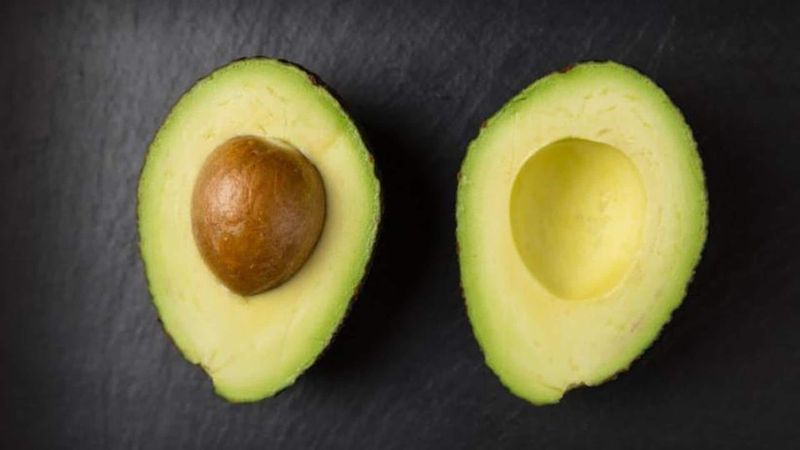
Avocados are famously high in fat, which made diet culture nervous for a long time. But the monounsaturated fats they contain are the same heart-healthy kind found in olive oil, linked to reduced inflammation and better cholesterol levels.
A half avocado also contains nearly 5 grams of fiber, which slows digestion and supports a feeling of fullness. Yes, calories add up if you eat three in one sitting, but a reasonable portion is genuinely beneficial.
Avocados deserve their healthy reputation.
6. Pasta
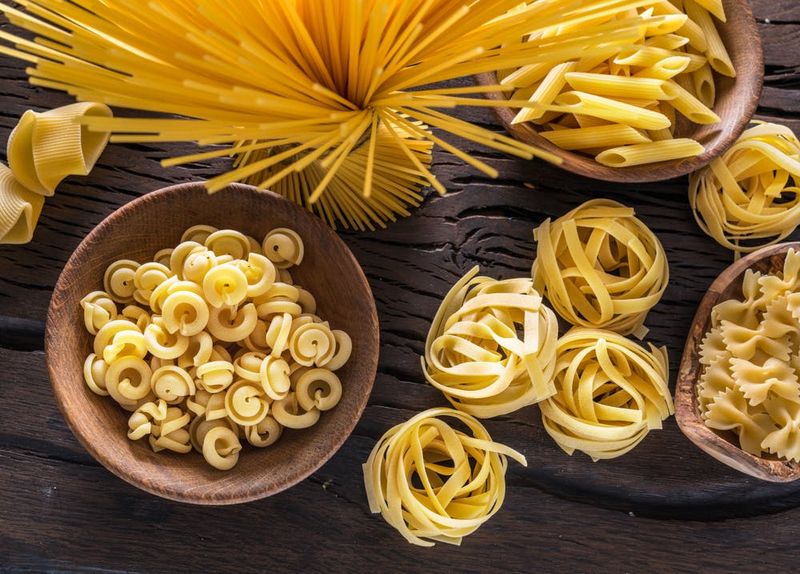
Pasta became a diet enemy during the low-carb movement, but it has a surprisingly low glycemic index, meaning it raises blood sugar more slowly than white bread. The body processes pasta differently than many people assume.
Portion size is where things often go sideways. A restaurant bowl of pasta can hold three or four servings worth of noodles before any sauce is added.
Choosing whole grain versions and watching serving size transforms pasta into a perfectly reasonable meal option.
7. Cheese
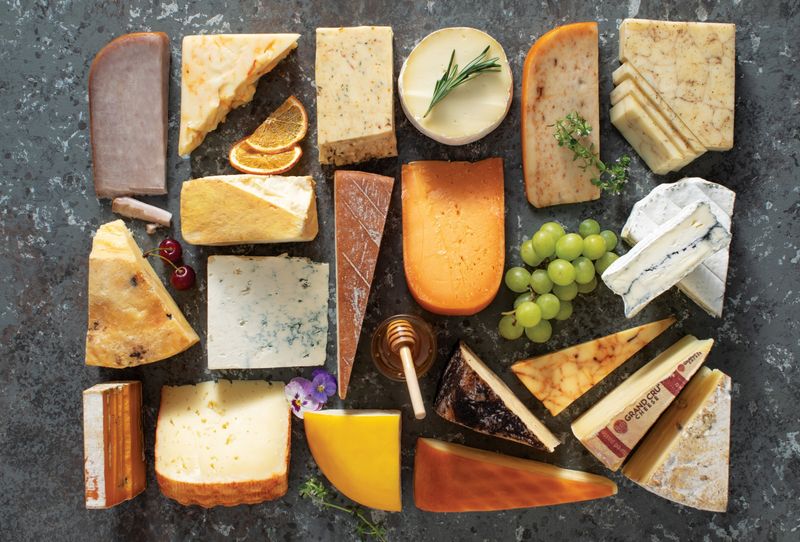
Cheese gets blamed constantly for adding unwanted pounds, yet it is one of the most satisfying and nutrient-dense foods available. A single ounce of cheddar provides calcium, protein, and vitamin B12 in a small, flavorful package.
Interestingly, some studies suggest dairy fat may not cause weight gain the way once believed. Eating cheese mindfully alongside vegetables or whole grain crackers creates a balanced, filling snack.
Smothering everything in melted cheese is a different story, but enjoying cheese in reasonable amounts is absolutely fine.
8. Dark Chocolate
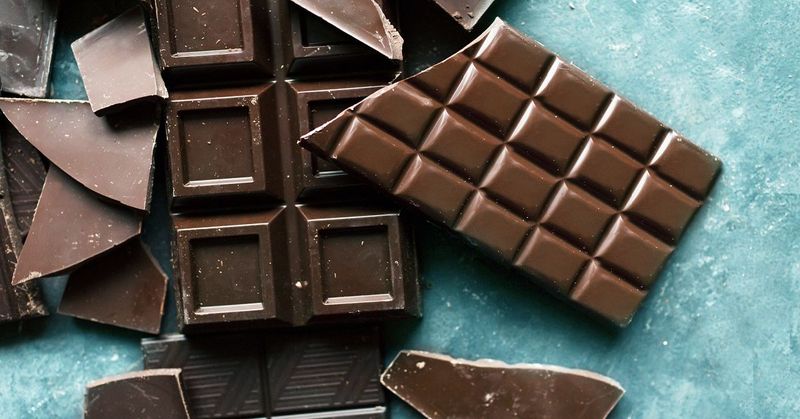
Dark chocolate has been unfairly grouped with candy bars and sugar-laden desserts for too long. Quality dark chocolate with 70 percent cocoa or higher is rich in antioxidants called flavonoids, which support cardiovascular health and reduce inflammation.
A square or two after dinner can satisfy a sweet craving without triggering a sugar binge. Studies even suggest dark chocolate may help regulate appetite hormones.
The key word is moderation, and with dark chocolate, a little genuinely goes a long way toward satisfaction.
9. Nuts
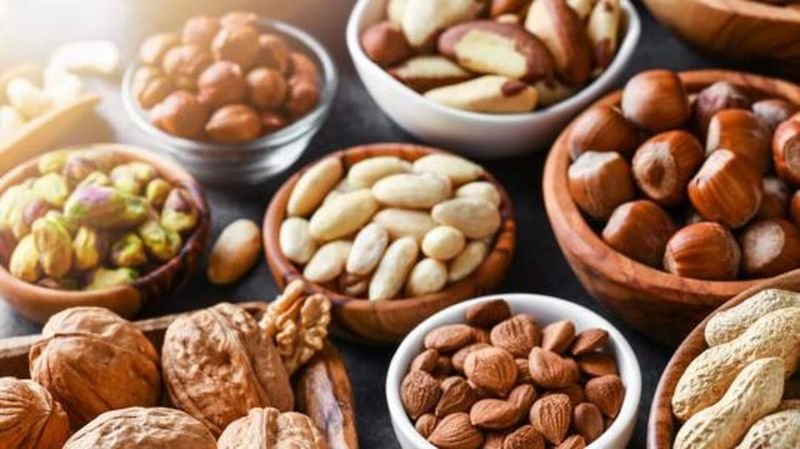
Nuts are calorie-dense, no question about it, but studies consistently show that people who eat nuts regularly tend to weigh less than those who avoid them entirely. That seems backward until you understand how nuts affect hunger.
The combination of protein, fiber, and healthy fat in nuts creates a powerful satiety effect that reduces overall eating throughout the day. Not all the fat in nuts even gets absorbed during digestion.
A small handful as a snack is genuinely smart, not risky.
10. Whole Milk
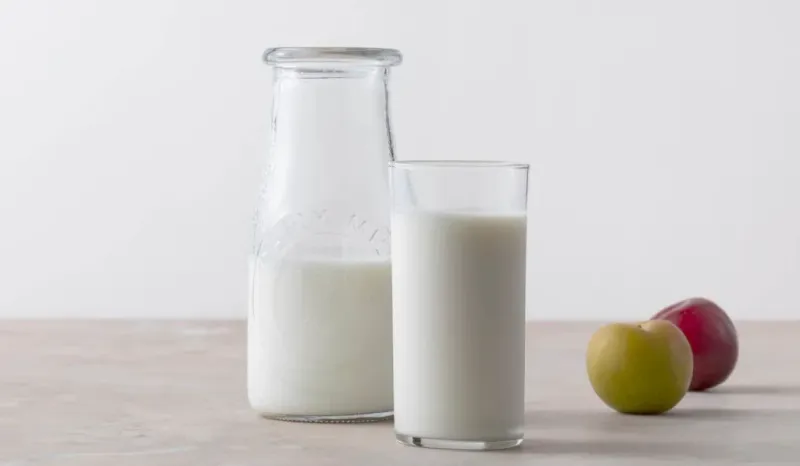
Whole milk fell out of fashion when low-fat diets became popular, but recent research has started to challenge that shift. Full-fat dairy contains conjugated linoleic acid and other compounds that may actually support healthy body composition over time.
Skim milk, while lower in calories, is less filling and can leave people reaching for snacks sooner. Whole milk also provides fat-soluble vitamins like A, D, E, and K that need dietary fat to be absorbed properly.
Moderate whole milk consumption fits well into a balanced diet.
11. Brown Rice
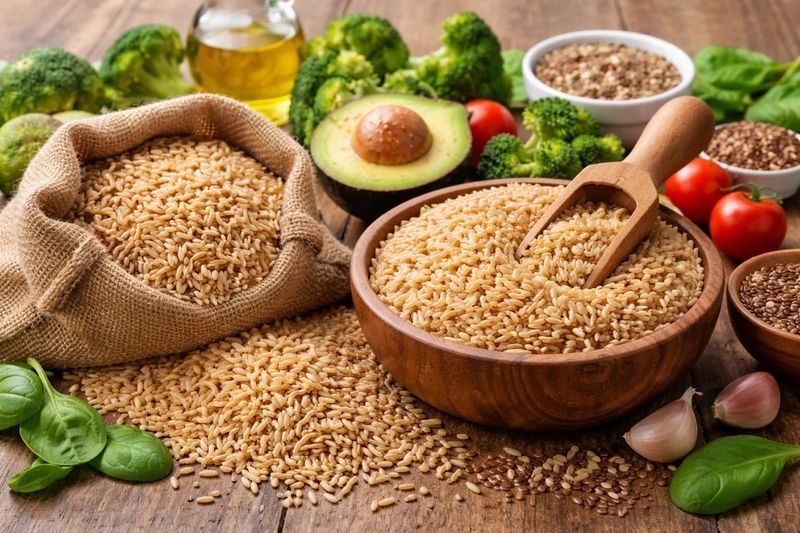
Brown rice often gets lumped in with white rice as a carb to avoid, but they are nutritionally quite different. Brown rice retains its bran and germ layers, giving it more fiber, magnesium, and B vitamins than its processed counterpart.
The fiber slows digestion and helps stabilize blood sugar, reducing energy crashes that often lead to overeating. A cup of cooked brown rice contains roughly 215 calories, which is reasonable for a filling base.
Pairing it with protein and vegetables creates a well-rounded, satisfying meal.
12. Smoothies
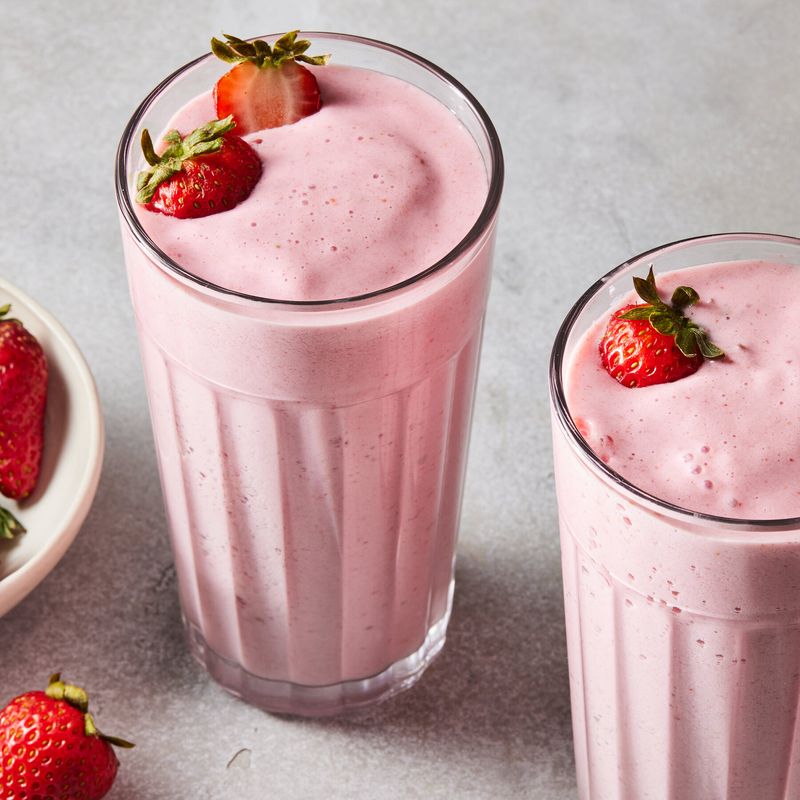
Smoothies have a health halo that can sometimes work against people, but the drink itself isn't the problem. The issue usually comes from loading a blender with multiple cups of fruit, juice, honey, nut butter, and protein powder all at once.
A well-constructed smoothie made with leafy greens, one serving of fruit, protein, and water or unsweetened milk is genuinely nutritious and filling. Thinking of a smoothie as a liquid meal rather than a beverage helps with mindful portioning.
Balance the ingredients and smoothies absolutely earn their healthy status.
13. Bread
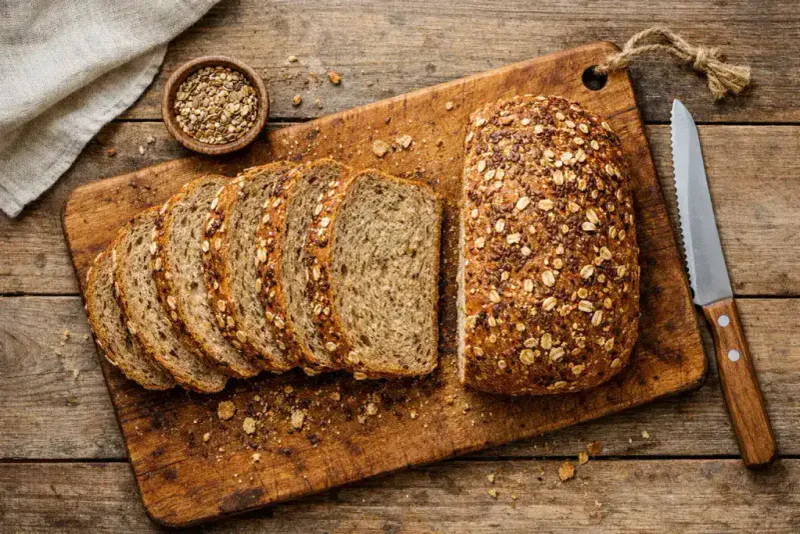
Bread became the face of everything wrong with carbohydrates during the low-carb diet era, but whole grain bread tells a completely different story than white sandwich bread. Whole grain varieties contain fiber, B vitamins, and minerals that support energy and digestion.
Two slices of whole grain bread average around 160 calories, which is modest for how filling they can be. Bread only becomes a problem when consumed in large amounts or stacked with high-calorie toppings.
Choosing quality bread and reasonable portions keeps it firmly in the "fine" category.
14. Coffee

Plain black coffee has virtually zero calories and has actually been linked to improved metabolism and fat burning in multiple studies. The problem starts when coffee becomes a vehicle for cream, flavored syrups, whipped cream, and sugar in large quantities.
A basic latte made with whole milk is still only around 150 calories, which is manageable. But a large blended coffee drink from a cafe can easily exceed 500 calories.
Coffee itself is not the issue; what gets added to it usually is the real concern.
15. Red Meat
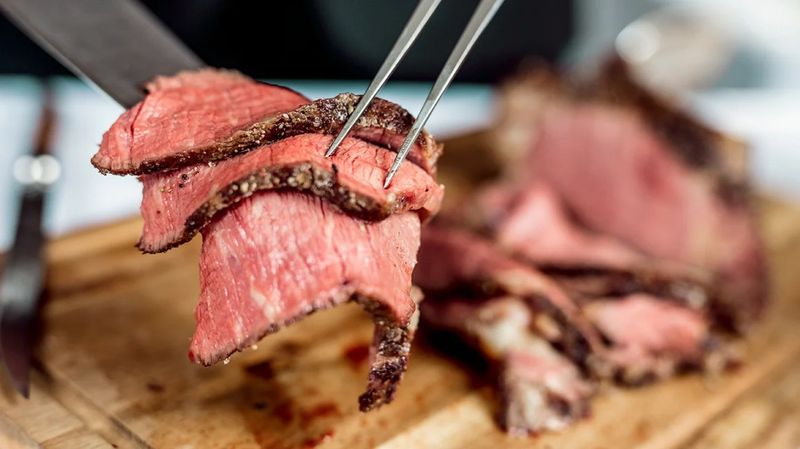
Red meat has been connected to weight gain and health risks for years, but the type and preparation method matter enormously. A lean cut of sirloin or tenderloin is high in protein and iron without being excessively high in saturated fat.
Protein is the most filling macronutrient, and red meat provides it in abundance, which can reduce overall calorie intake during a meal. The concern grows with processed meats like sausage or with large portions of fatty cuts eaten daily.
Lean red meat, eaten occasionally, is far from a dietary disaster.
16. Fruit Juice
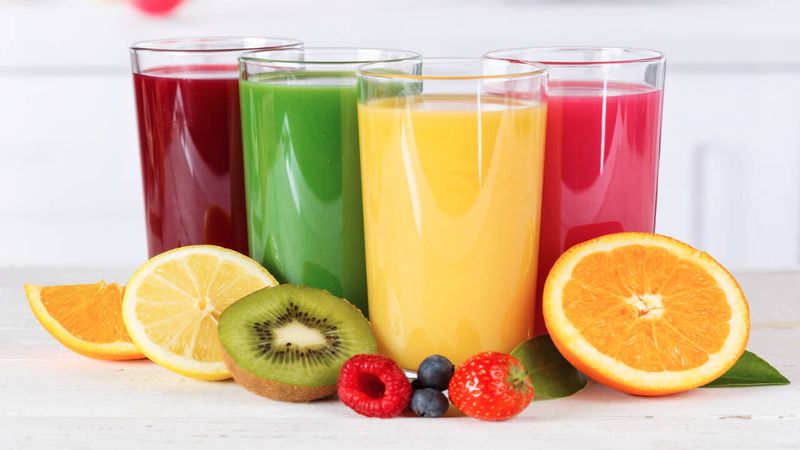
Fruit juice gets a bad reputation because it lacks the fiber of whole fruit and can be high in natural sugar. Drinking a large glass of orange juice is genuinely different from eating an orange, since juice goes down fast without triggering the same fullness signals.
However, a small 4-ounce serving of 100 percent fruit juice alongside a fiber-rich breakfast is a reasonable choice for most people. The concern is quantity and frequency, not an occasional small glass.
Context always matters more than blanket food rules.




Comments
No Comments