













Growing up in Britain meant sitting down to meals that felt like a warm hug on a cold day. From steaming puddings to savoury pies, these classic dishes were a staple in kitchens across the country for generations.
Somewhere along the way, many of these beloved recipes quietly disappeared from modern menus. Here is a look at the foods that older Britons remember fondly but younger cooks rarely bother to make anymore.
1. Spotted Dick
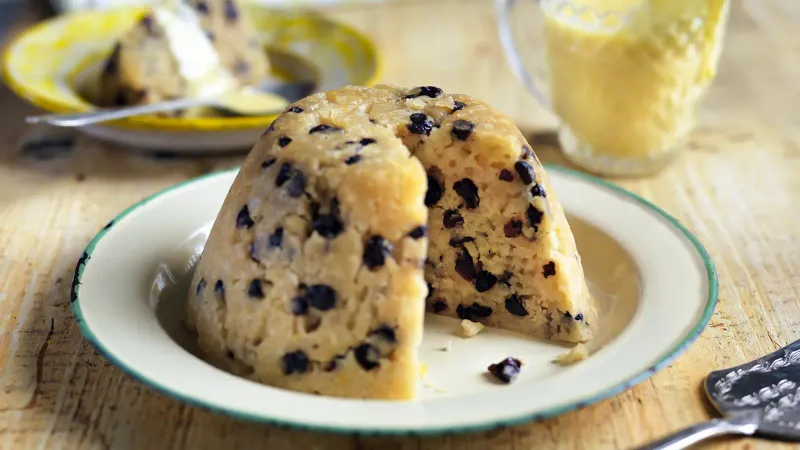
Few British puddings carry as much charm as spotted dick, a steamed suet pudding dotted with dried currants that dates back to Victorian times. The name alone tends to raise eyebrows and earn a giggle, but the flavour is genuinely comforting.
Most younger cooks skip it entirely, not realising how simple it is to make. Served with a flood of warm custard, this old-fashioned pudding is pure, unpretentious British baking at its finest.
2. Faggots and Mushy Peas
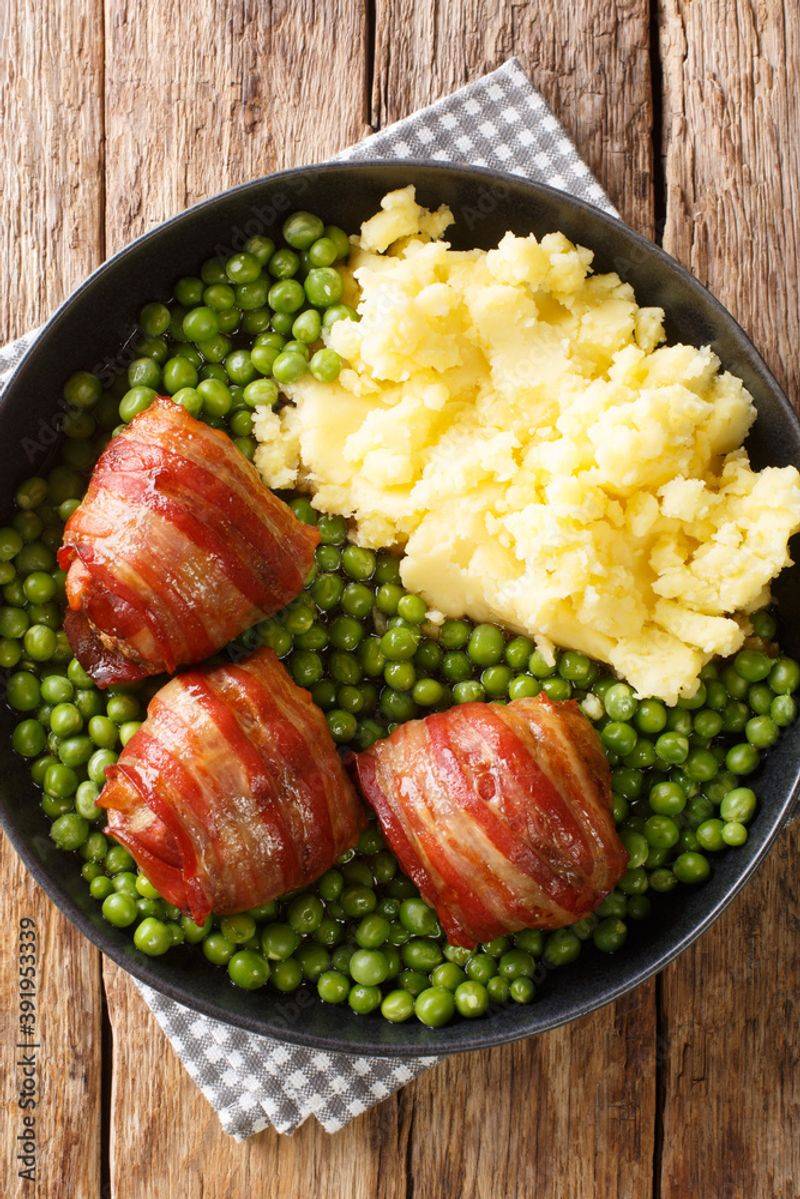
Faggots were the original nose-to-tail cooking long before it became trendy. Made from minced pork offal, herbs, and breadcrumbs, these little meatballs were wrapped in caul fat and baked until golden.
Paired with mushy peas and thick onion gravy, they were a hearty weeknight dinner for working-class families across the Midlands and Wales. Today, most supermarkets sell a frozen version, but the homemade kind is something truly worth reviving.
3. Bread and Butter Pudding
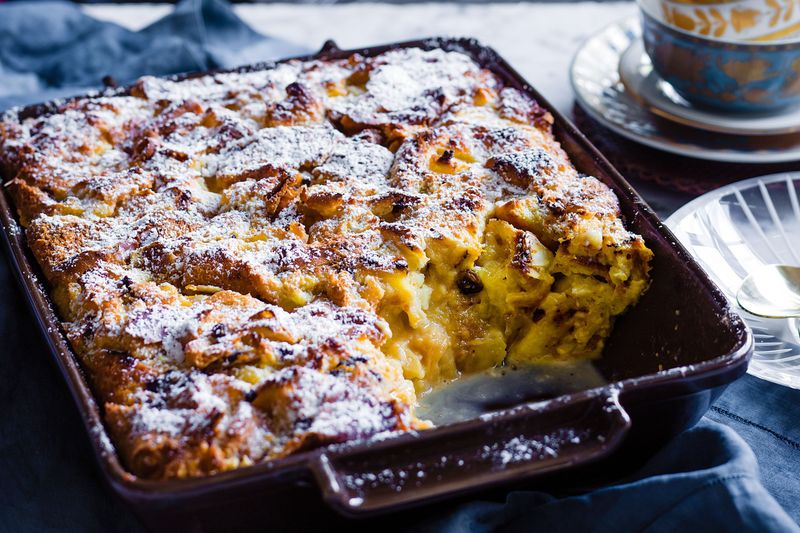
Before food waste became a talking point, British cooks were already solving it with bread and butter pudding. Stale bread, butter, eggs, milk, sugar, and a handful of raisins were all it took to create something magical.
Baked until the top turned golden and the custard set just right, this pudding was nursery food at its most satisfying. Younger generations tend to reach for fancier desserts, but this humble classic deserves a proper comeback.
4. Tripe and Onions
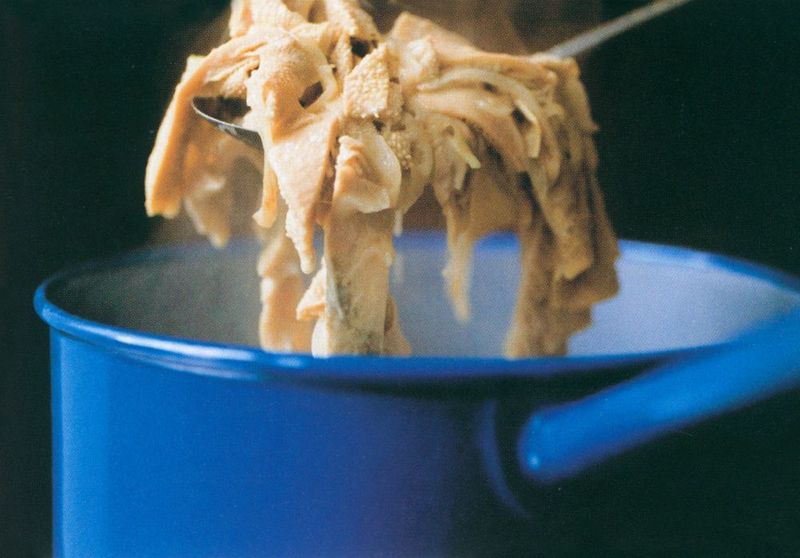
Tripe and onions was once a Friday night staple in many northern English households, sold hot from tripe shops that no longer exist. Made from the lining of a cow's stomach, tripe has a soft, chewy texture that takes on the flavour of whatever it is cooked with.
Simmered slowly with onions in a creamy white sauce, it was filling and affordable. Understandably, this is one dish most younger Britons have never tasted and likely never will.
5. Jam Roly-Poly
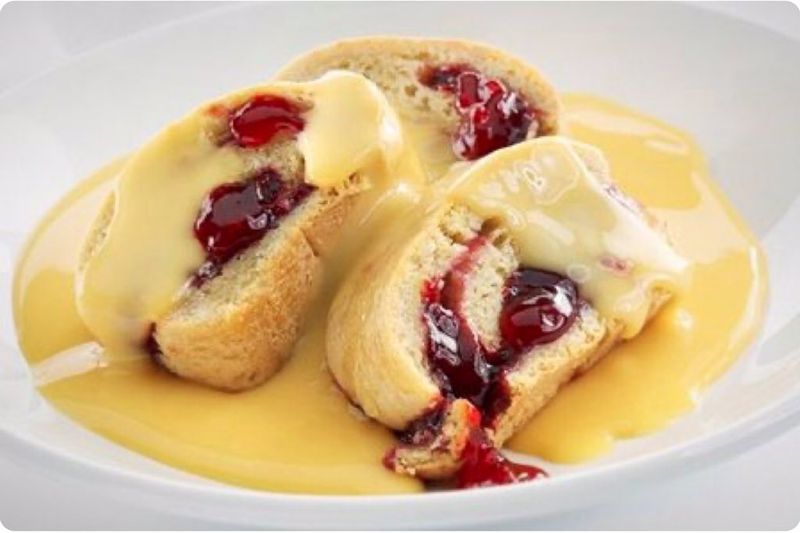
Jam roly-poly, also known as "dead man's arm" in some school canteens, is a suet pastry rolled flat, spread generously with jam, and then rolled up and baked or steamed until soft.
It was a school dinner legend for older generations, served in thick slices with a lake of custard pooled around it. The combination of sticky jam and pillowy pastry is undeniably good.
Sadly, it has all but vanished from home kitchens in recent years.
6. Devilled Kidneys
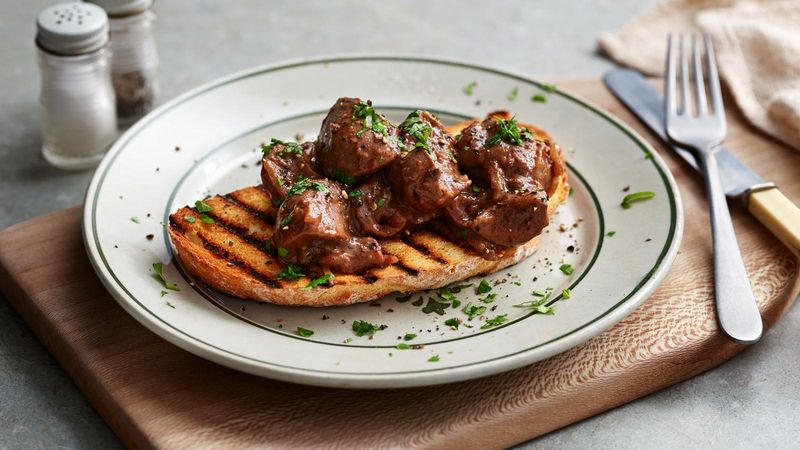
Once a proud fixture on the Victorian breakfast table, devilled kidneys were considered a sophisticated morning treat for the well-to-do. Lamb kidneys were halved, trimmed, and cooked quickly in a fiery sauce of butter, mustard, Worcestershire sauce, and cayenne pepper.
The whole dish came together in under ten minutes and was served on toast. Modern brunch culture has replaced them with avocado, but devilled kidneys have a bold, punchy flavour that is genuinely hard to forget.
7. Toad in the Hole
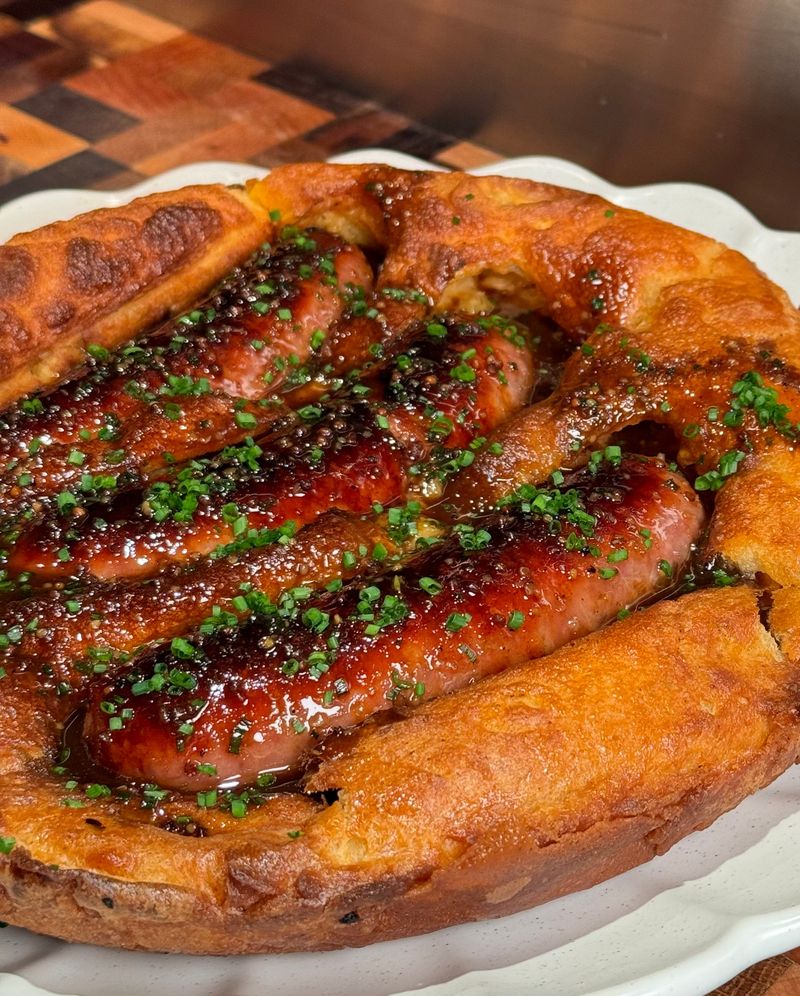
Toad in the hole sounds bizarre to anyone unfamiliar with British food, but one bite and the name stops mattering entirely. Pork sausages are nestled into a hot dish of Yorkshire pudding batter and baked until the batter puffs up dramatically around them.
It is one of those meals that fills the kitchen with an incredible smell. Older cooks made it weekly, but many younger people now see it as old-fashioned rather than the genius comfort food it truly is.
8. Stewed Prunes
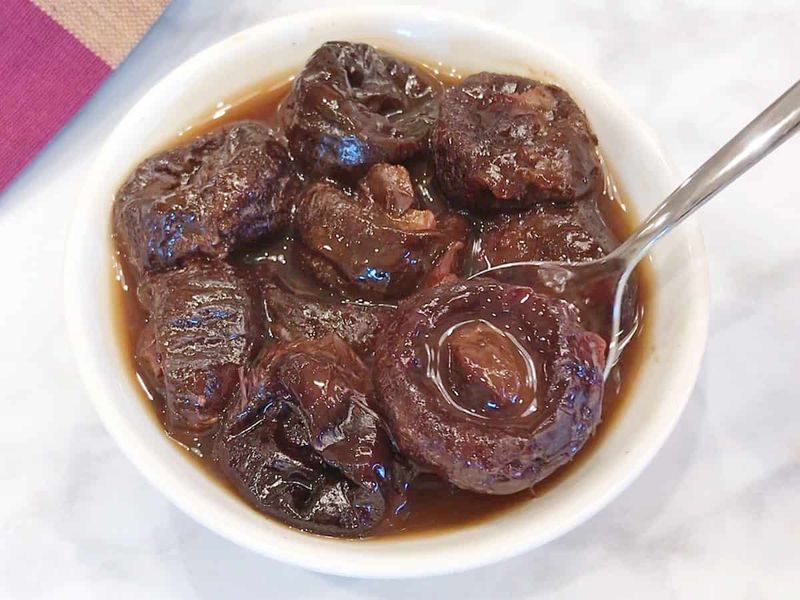
Before smoothies and overnight oats took over breakfast tables, stewed prunes were a morning ritual in many British homes. Dried prunes were simmered gently with water, a strip of lemon peel, and a little sugar until they plumped up into glossy, syrupy morsels.
They were served with cream or yoghurt and eaten without complaint. Known for their digestive benefits long before the word "probiotic" existed, stewed prunes are one of those quietly brilliant foods that deserve far more respect than they get.
9. Potted Meat
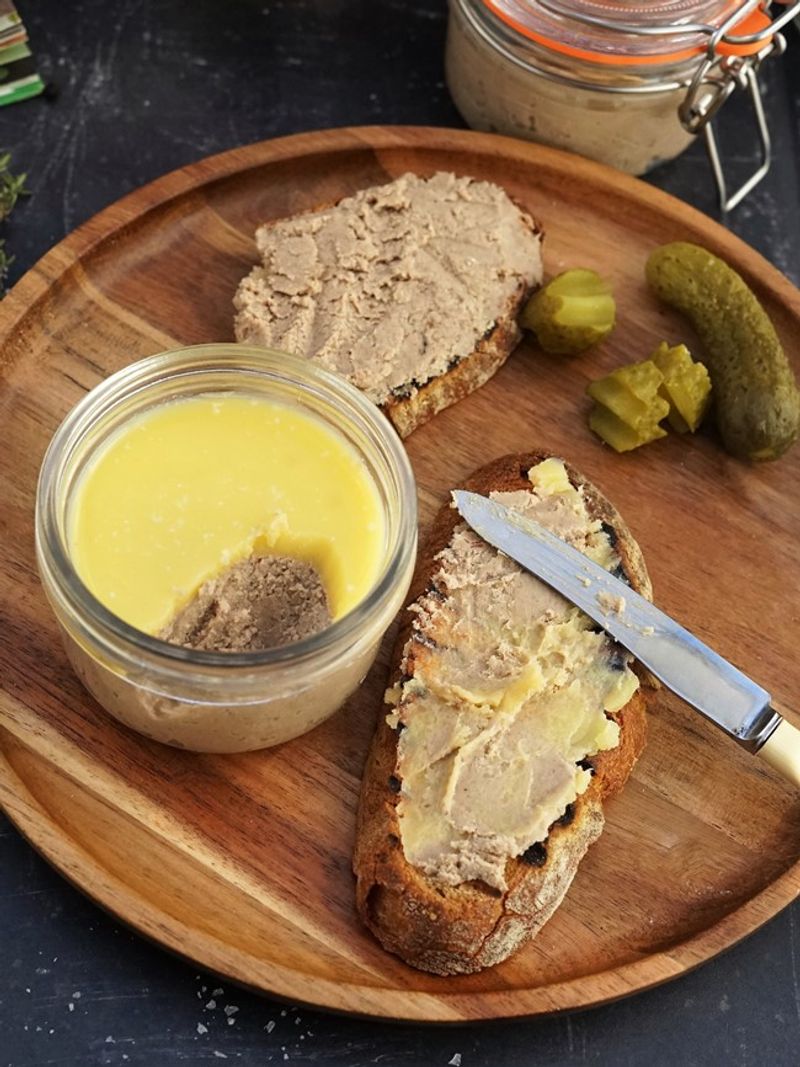
Potted meat was the original meal prep. Leftover cooked meat, often beef or pork, was finely minced or shredded, seasoned with spices like mace and nutmeg, packed tightly into small pots, and sealed with clarified butter to preserve it.
Spread thickly onto crusty bread, it made a satisfying lunch that could last several days in the larder. Shop-bought versions still exist in a watered-down form, but the real homemade article is something younger cooks have almost entirely abandoned.
10. Bubble and Squeak
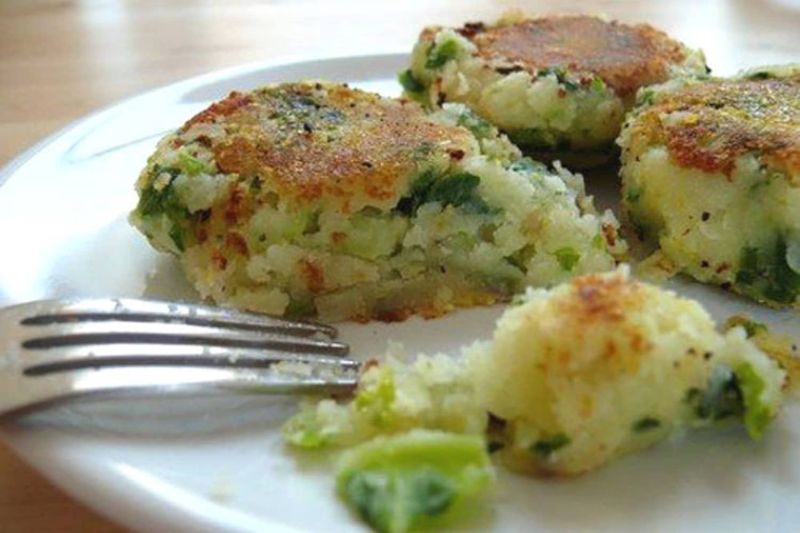
Bubble and squeak is the Monday morning hero of British cooking, born entirely from Sunday roast leftovers. Mashed potato and cooked cabbage or Brussels sprouts are mixed together, shaped into patties, and fried in a pan until deeply golden and crispy on both sides.
The name comes from the sounds the mixture makes as it cooks. Older generations made it without thinking twice.
Today, many younger cooks simply throw the leftovers away, which feels like a genuine culinary crime.
11. Semolina Pudding
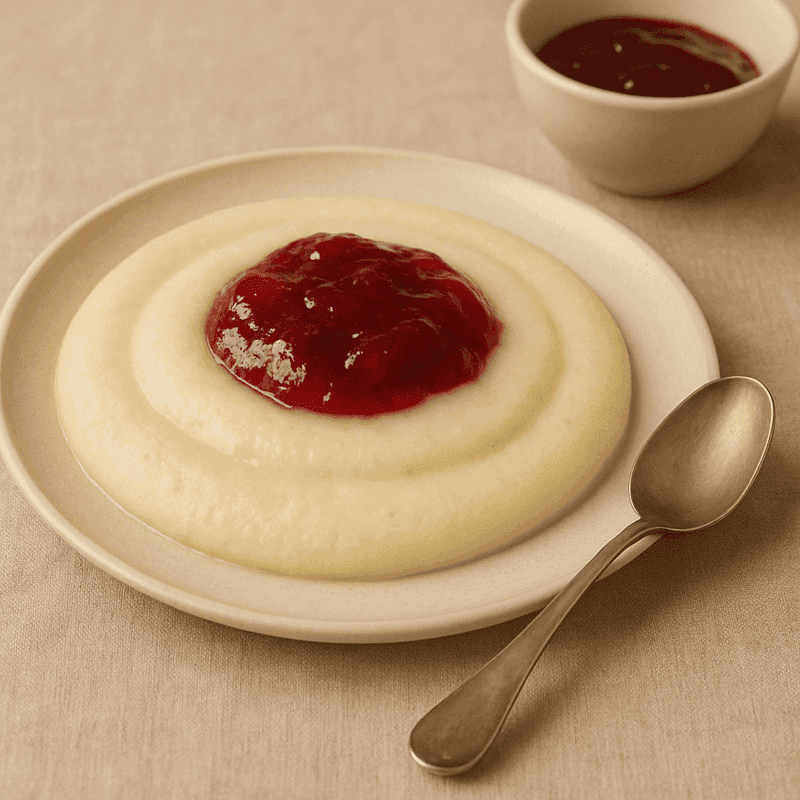
Semolina pudding was a school dinner staple that divided opinion sharply. Cooked slowly on the hob with milk and sugar until thick and creamy, it was often served with a blob of jam stirred through the top.
Done well, it has a silky, comforting texture that is genuinely lovely. Done badly, it turns lumpy and gluey, which is probably why so many people carry bad memories of it.
Either way, homemade semolina pudding made with care is far better than its reputation suggests.
12. Kedgeree
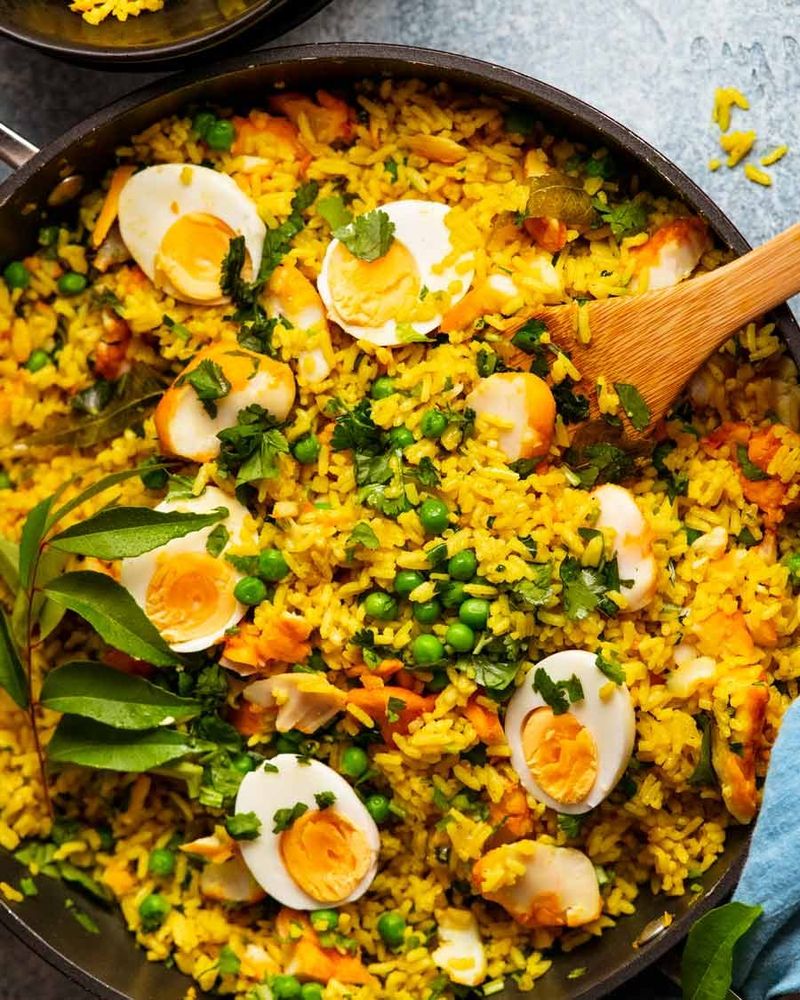
Kedgeree is one of Britain's most fascinating dishes, born from the colonial connection with India. Flaked smoked haddock, boiled eggs, and spiced rice cooked together with butter and curry powder made a fragrant, filling breakfast that wealthy Victorian households adored.
It is one of those rare dishes that works just as well for brunch as it does for dinner. Younger cooks tend to overlook it, perhaps put off by the smoked fish, but those who try it almost always become instant converts.
13. Dripping on Toast
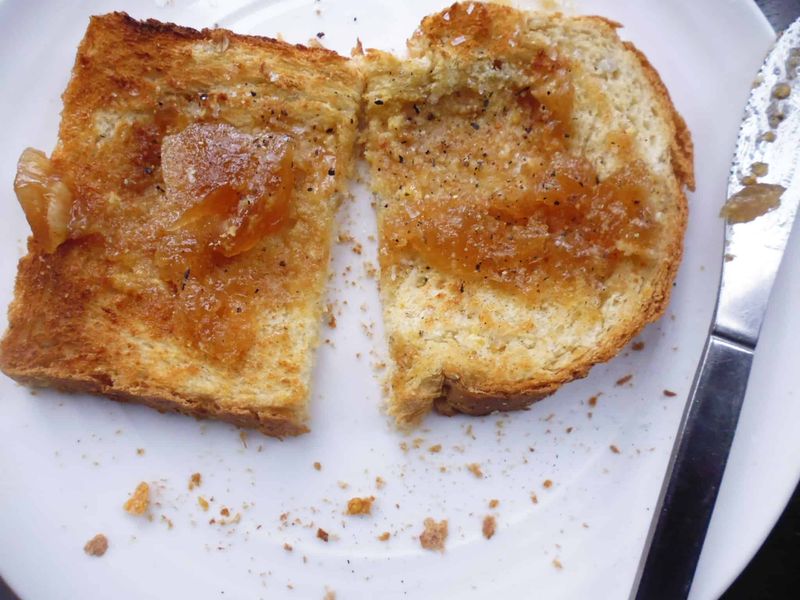
Dripping on toast was not a recipe so much as a way of life for older generations of Britons. The fat that collected at the bottom of a roasting tin after cooking beef was saved, cooled, and spread onto thick slices of toast like butter.
Seasoned with a pinch of salt, it was rich, savoury, and deeply satisfying. Modern health consciousness has largely pushed it off the table, but many older Britons still talk about it with unmistakable warmth and longing.
14. Lardy Cake
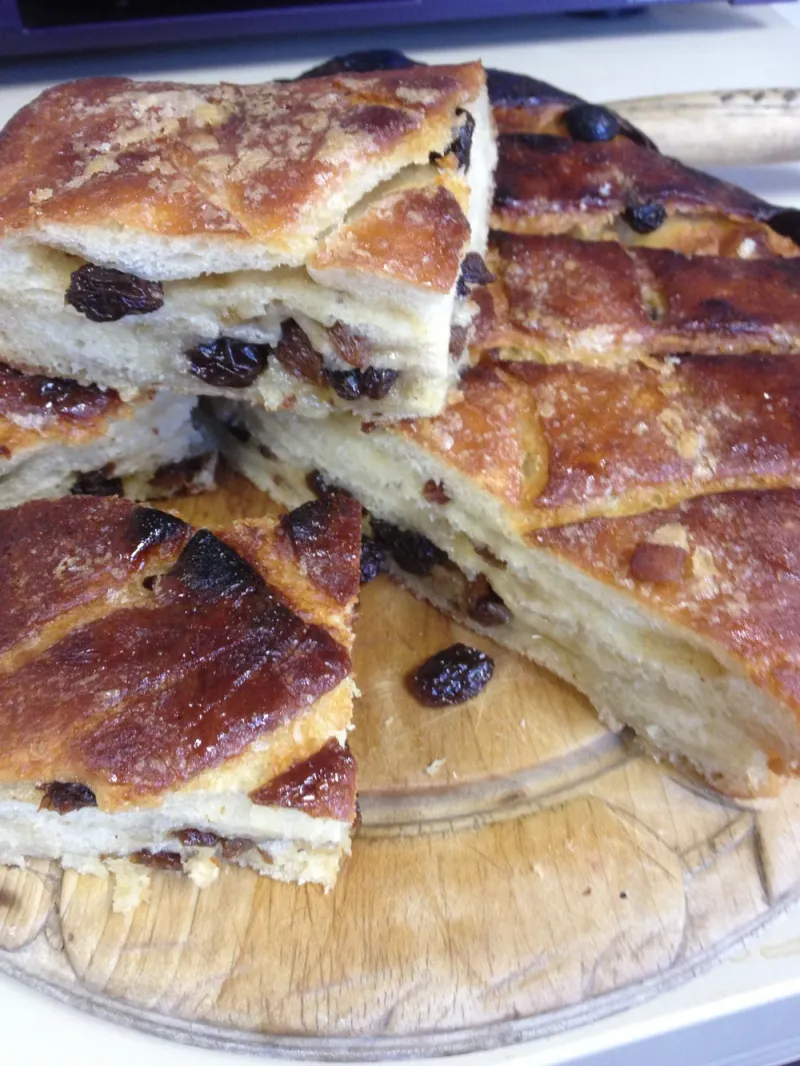
Lardy cake is a gloriously indulgent bread from southern England, particularly associated with Wiltshire. Enriched bread dough is layered with lard, sugar, and dried fruit, then folded and rolled repeatedly before being baked until the sugar caramelises into a sticky, shiny crust.
The result is rich, chewy, and completely irresistible when eaten warm. It was once sold in every local bakery, but lardy cake has become increasingly rare, with most younger Britons never having tasted it at all.
15. Cock-a-Leekie Soup
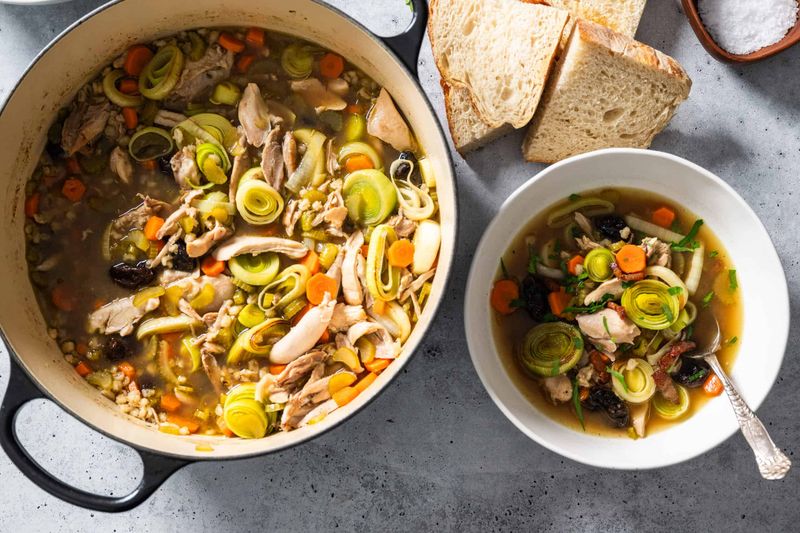
Scotland's national soup has been warming people up since the sixteenth century, and it is remarkably simple to make. A whole chicken is simmered slowly with leeks and sometimes prunes until the broth turns rich and golden.
The chicken is then shredded back into the pot, creating a hearty, deeply flavoured soup that needs nothing more than bread on the side. Despite its long history and incredible flavour, cock-a-leekie has largely faded from everyday home cooking south of the border.
16. Blancmange
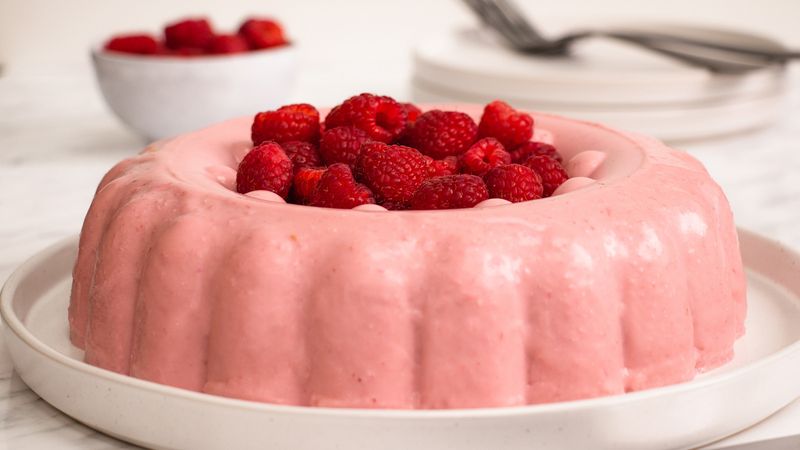
Blancmange was once the centrepiece of British children's parties, wobbling magnificently on the table in novelty animal shapes. Made from cornflour or gelatine, milk, sugar, and flavouring, it set into a smooth, creamy mould that children absolutely loved.
Strawberry and vanilla were the most popular flavours. Somewhere between the rise of tiramisu and chocolate lava cakes, blancmange was quietly forgotten.
Making one today feels like an act of cheerful rebellion, and it is every bit as fun as it sounds.




Comments
No Comments