













Food texture is one of those things that can make or break a meal, even if the flavor is perfect. Some people love the satisfying crunch of a chip or the silky smoothness of pudding, while others gag at the thought of slimy okra or mushy bananas.
Texture is deeply personal, often tied to childhood memories and how our brains process what we eat. Get ready to see where you fall on these 16 textures that spark strong feelings in just about everyone.
1. The Satisfying Crunch of Potato Chips
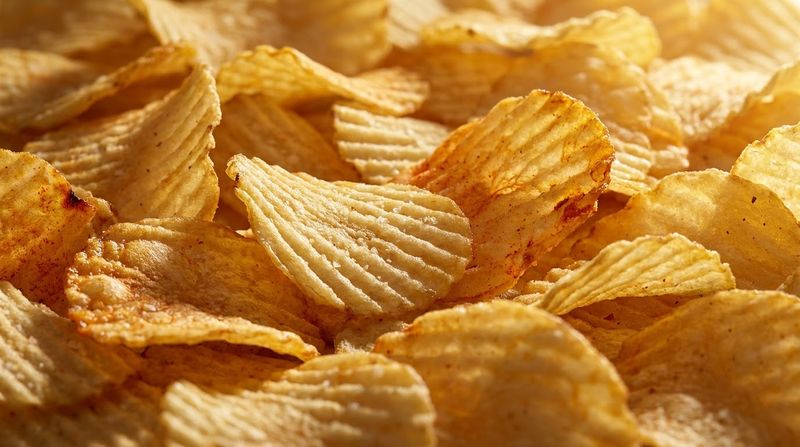
Few things in life feel as instantly rewarding as biting into a perfectly crisp potato chip. That sharp, snapping crunch triggers a pleasure response in the brain that scientists have actually studied.
The louder the crunch, the more satisfying the snack feels.
Chip lovers say the texture alone is half the experience. But for those sensitive to loud eating sounds or sharp textures against their teeth, a bag of chips sounds more like a personal nightmare than a treat.
2. The Slippery Sliminess of Okra
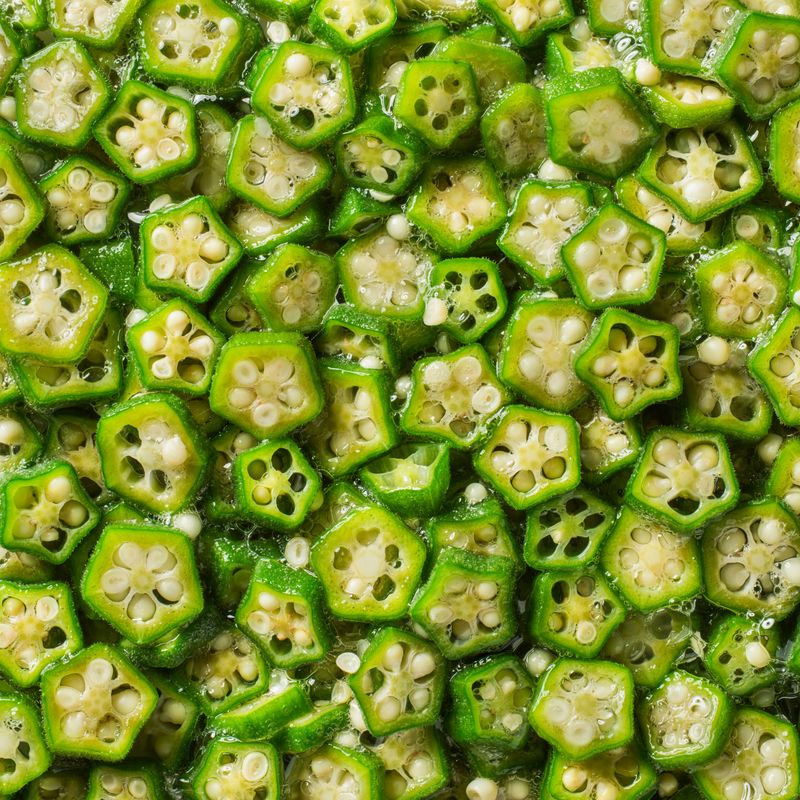
Okra has earned a very dramatic reputation, and most of it comes down to one thing: slime. When cooked, okra releases a thick, mucilaginous gel that coats everything it touches.
Fans of the vegetable say that gooey quality is exactly what makes gumbo and stewed dishes so rich and hearty.
Critics, however, cannot get past the sensation of something slippery sliding around in their mouths. It triggers a gag reflex for many people, making okra one of the most divisive vegetables on the planet.
3. The Pillowy Softness of Fresh Bread
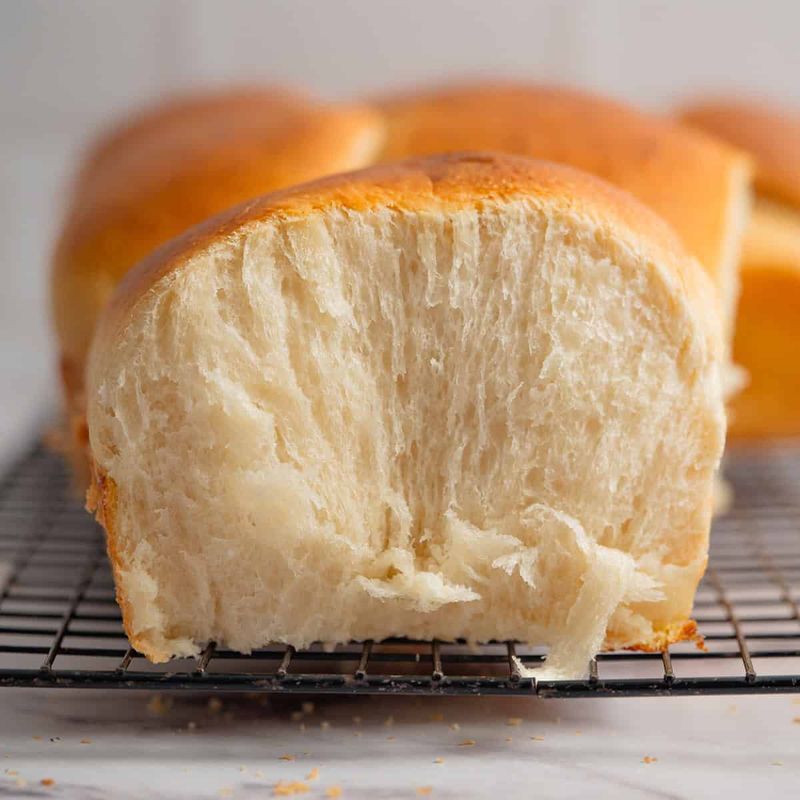
Warm, freshly baked bread has a soft, cloud-like interior that many people find deeply comforting. That pillowy pull when you tear a slice apart is the kind of texture that makes people close their eyes and sigh happily.
It feels gentle, warm, and almost nostalgic.
Not everyone is charmed, though. Some people find overly soft bread too doughy, almost gummy against their palate.
They want structure and resistance in every bite, not something that collapses before they even chew.
4. The Gritty Graininess of Undercooked Rice
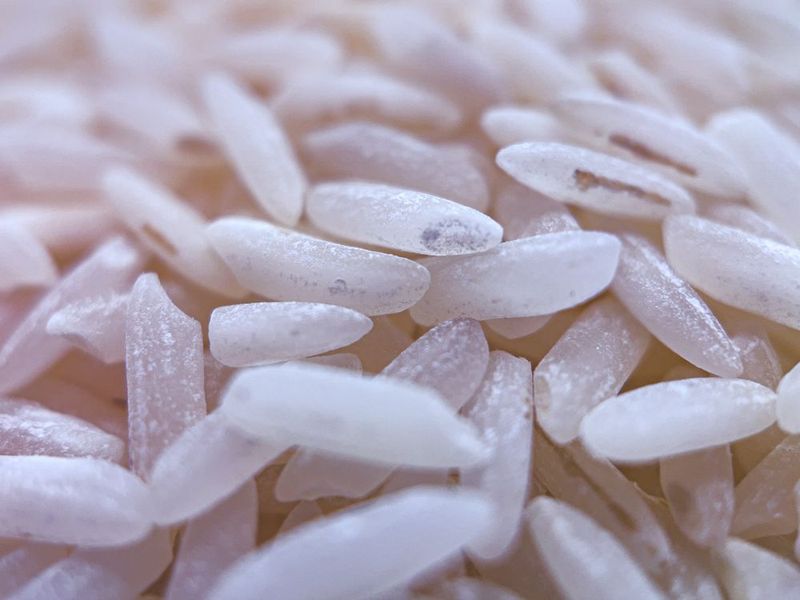
Biting into undercooked rice is an experience that makes most people immediately stop eating. Each grain feels hard in the center and gritty between the teeth, like tiny pebbles hiding in your meal.
It is one of those textures that signals something went wrong.
Interestingly, some cuisines intentionally use al dente rice-like grains in certain dishes. Still, for the majority of people, that chalky, grainy resistance is an unwelcome surprise that ruins an otherwise promising plate of food.
5. The Velvety Smoothness of Chocolate Mousse
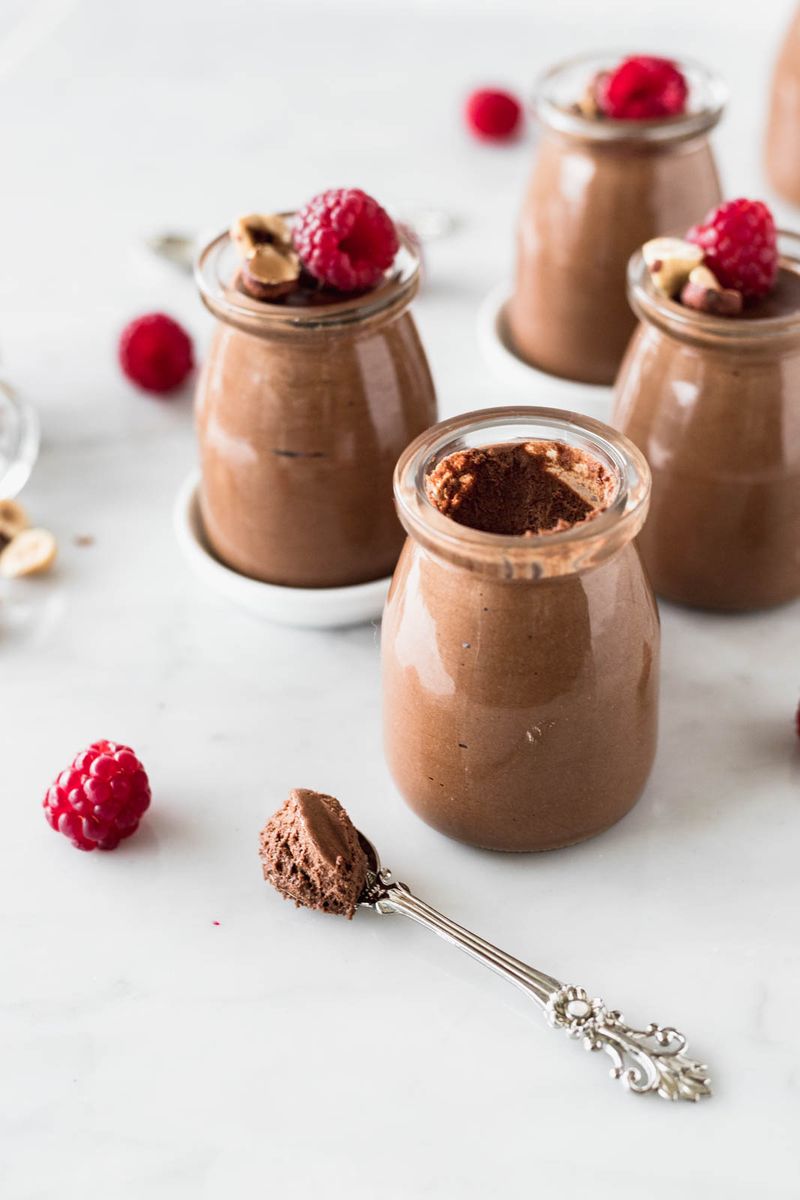
Chocolate mousse is basically a cloud that someone convinced to taste like dessert. Its texture is impossibly light yet rich at the same time, melting across the tongue in slow, velvety waves.
Pastry chefs spend years perfecting that airy yet dense balance.
For most people, this is pure bliss. But those who prefer their desserts with a bit of chew or structure sometimes feel let down by something so ephemeral.
They want to actually eat their food, not have it disappear instantly.
6. The Chewy Rubbery Bite of Calamari
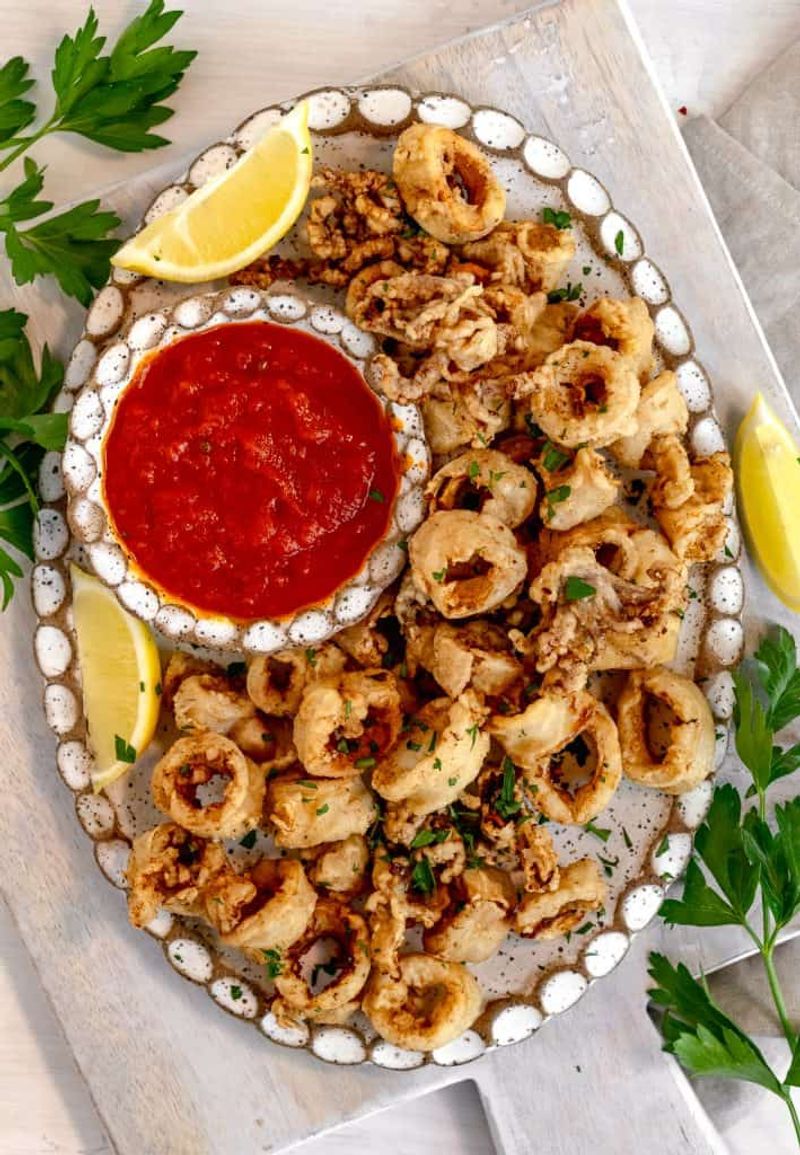
Calamari walks a very fine line between pleasantly chewy and aggressively rubbery, and that line is everything. When cooked correctly, the slight resistance of squid rings gives way satisfyingly.
Fans love that springy, oceanic chew that feels unlike anything else on a menu.
Overcook it by even a minute and you have something closer to a rubber band soaked in oil. That tough, unyielding texture is enough to make texture-sensitive diners swear off seafood entirely for months at a time.
7. The Mushy Softness of Overripe Bananas
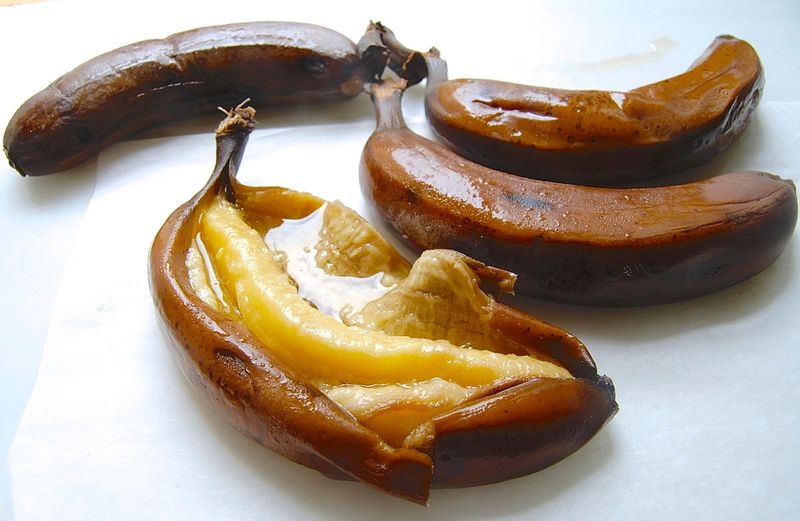
For bakers, a blackened, mushy banana is basically gold. That soft, almost liquid sweetness is exactly what transforms a banana bread loaf into something magical.
The mushier, the better, say devoted home bakers who hoard spotted bananas in their freezers.
Outside of baking, though, that same texture sends plenty of people running. The way an overripe banana collapses under the slightest pressure, offering zero resistance, genuinely disturbs those who need their fruit to have some structural integrity and a clean, firm bite.
8. The Airy Crispness of Meringue
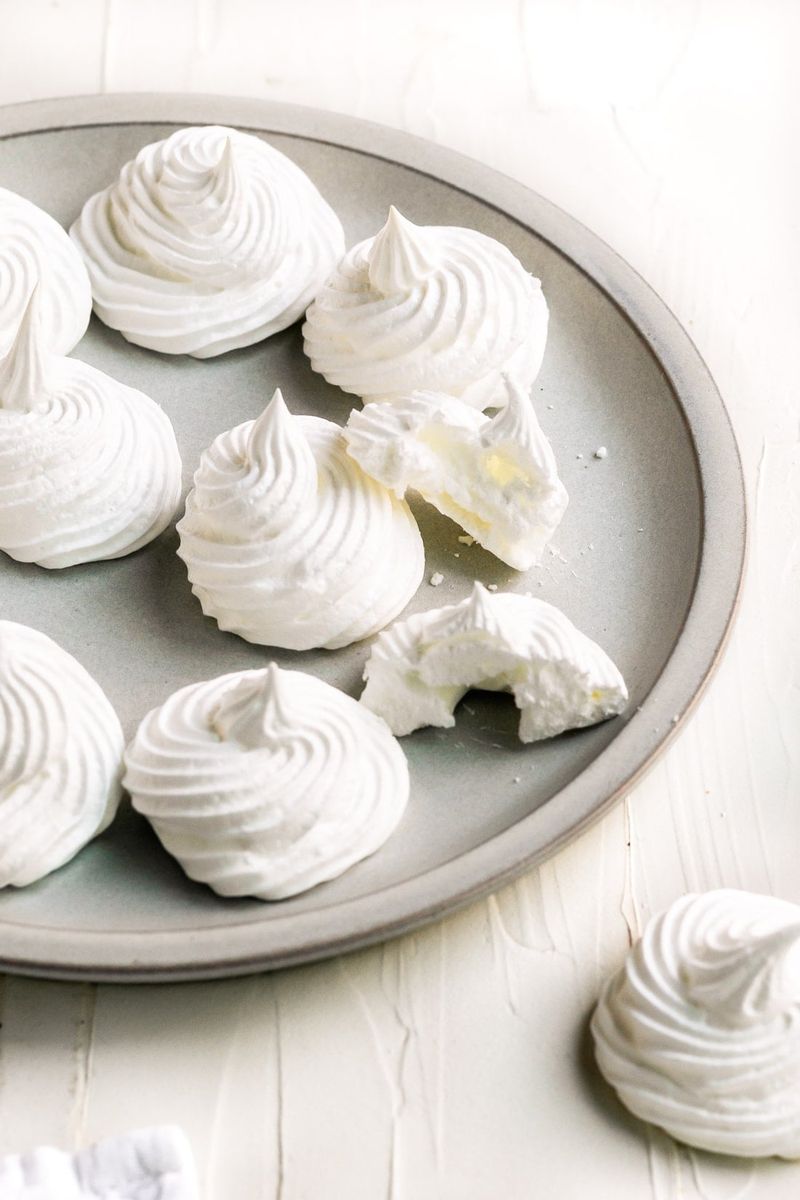
Meringue is one of the most architecturally fascinating textures in all of baking. One bite and it shatters into a thousand papery, sugary fragments that dissolve almost immediately.
It is simultaneously crispy, airy, and melt-in-your-mouth all at once.
Devotees find this combination totally magical and will happily eat an entire pavlova without regret. However, people who dislike sticky or powdery residues left on their teeth find meringue more annoying than enjoyable.
That quick dissolve into a sugary paste is not everyone's idea of a good time.
9. The Thick Glueyness of Peanut Butter
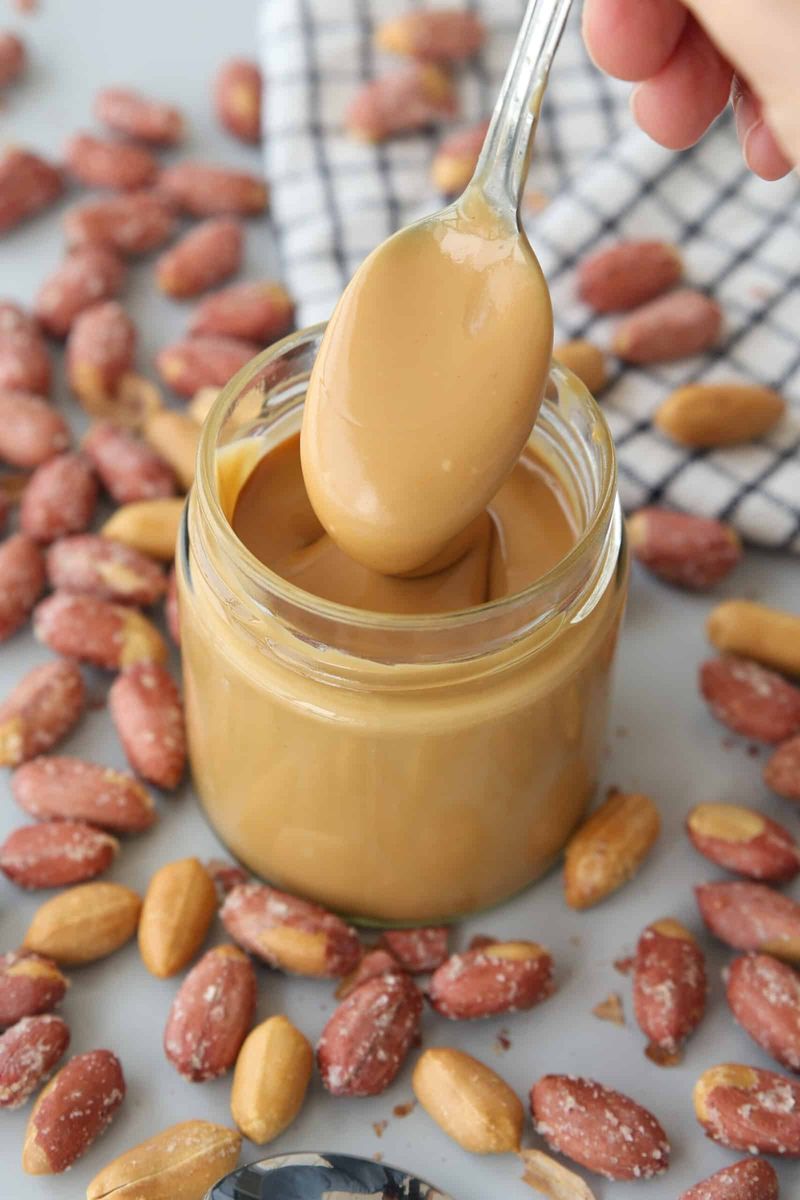
Peanut butter is beloved by millions, but its texture is genuinely polarizing. That dense, sticky paste clings to the roof of your mouth in a way that feels either comforting or absolutely maddening, depending on who you ask.
It requires real effort to eat and does not let go easily.
Fans say that thick, rich coating is part of the charm. Critics, especially those with sensory sensitivities, find the clinging, gluey sensation overwhelming and borderline suffocating with every spoonful they attempt.
10. The Spongy Bounciness of Tofu
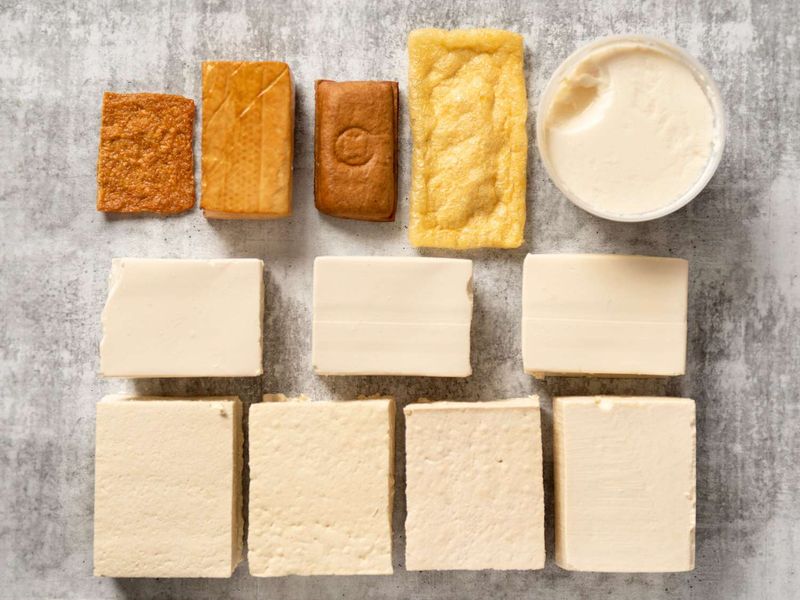
Tofu has converted many skeptics over the years, but its soft, spongy texture remains the biggest barrier for newcomers. Silken tofu in particular has an almost custardy jiggle that surprises people who were expecting something more solid.
It absorbs flavors brilliantly but offers very little resistance when bitten.
Tofu enthusiasts say that springy, neutral quality is exactly what makes it so versatile in cooking. Others simply cannot shake the sensation of something that feels undercooked and wobbly no matter how it is prepared or seasoned.
11. The Grainy Chalkiness of Overcooked Liver
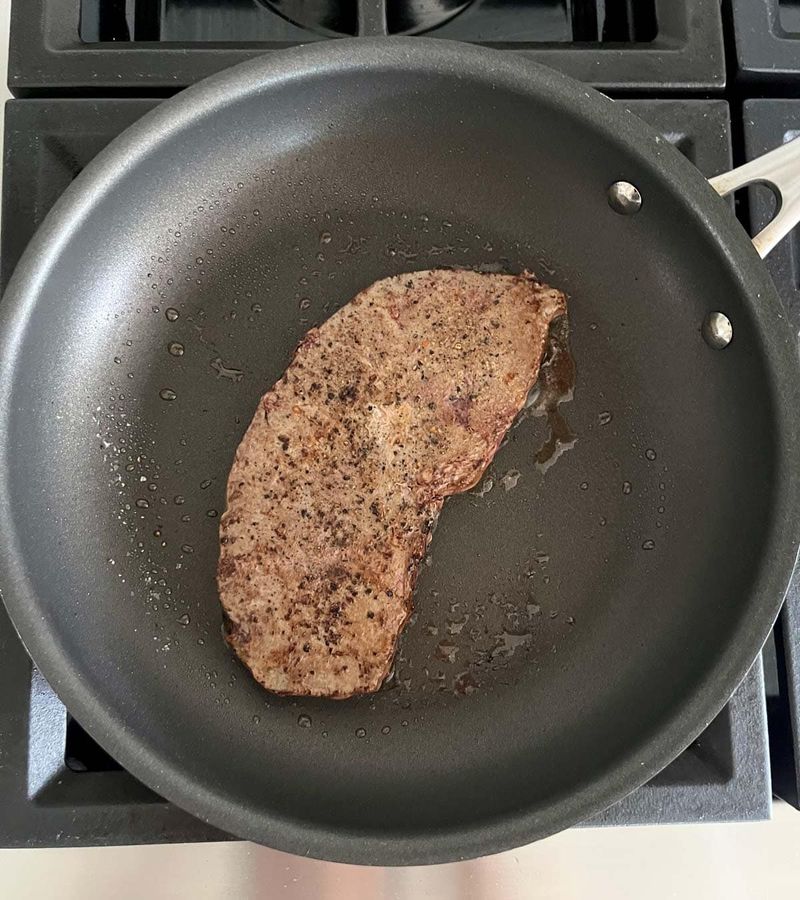
Liver already divides people on flavor alone, but the texture of overcooked liver takes the controversy to a whole new level. When cooked too long, it turns dry, grainy, and almost chalky, crumbling apart in a deeply unpleasant way.
Even liver fans will admit that overcooked liver is a culinary crime.
Properly cooked liver has a smooth, slightly dense bite that its fans genuinely enjoy. But one bad experience with a dry, gritty slice is often enough to turn someone off liver permanently and without negotiation.
12. The Creamy Lusciousness of Avocado
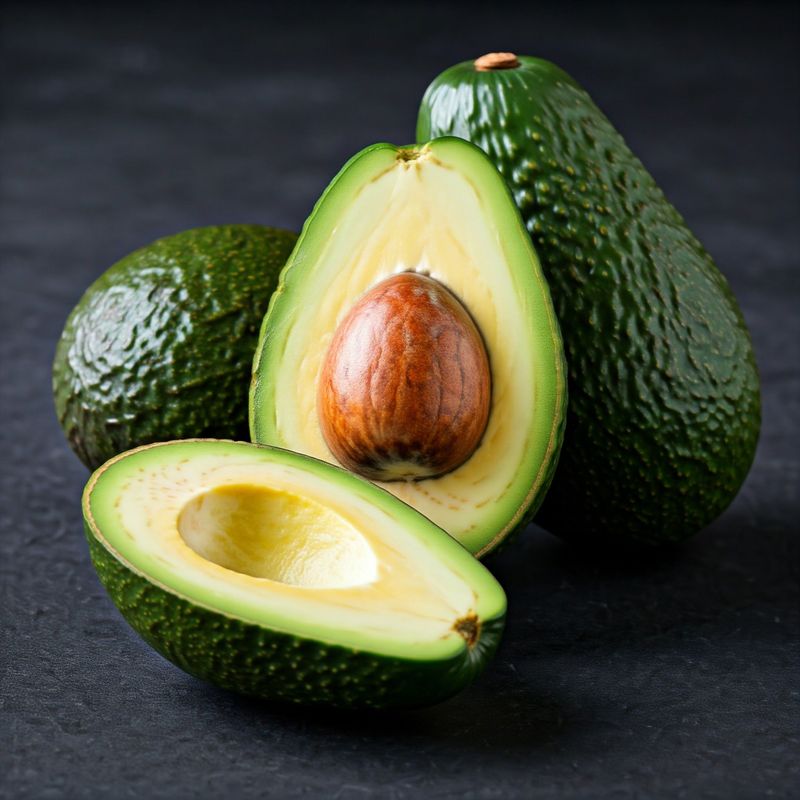
Ripe avocado has a buttery, almost spreadable texture that has made it one of the most popular foods of the past decade. It glides across toast, blends into silky guacamole, and melts into salads with a richness that feels almost indulgent for a fruit.
Avocado lovers are passionate and loyal.
Yet that same rich, fatty creaminess is exactly what puts other people off. Some describe eating avocado as feeling like consuming flavored grease, and the soft, yielding texture makes them deeply uncomfortable with every single bite.
13. The Fibrous Stringiness of Celery
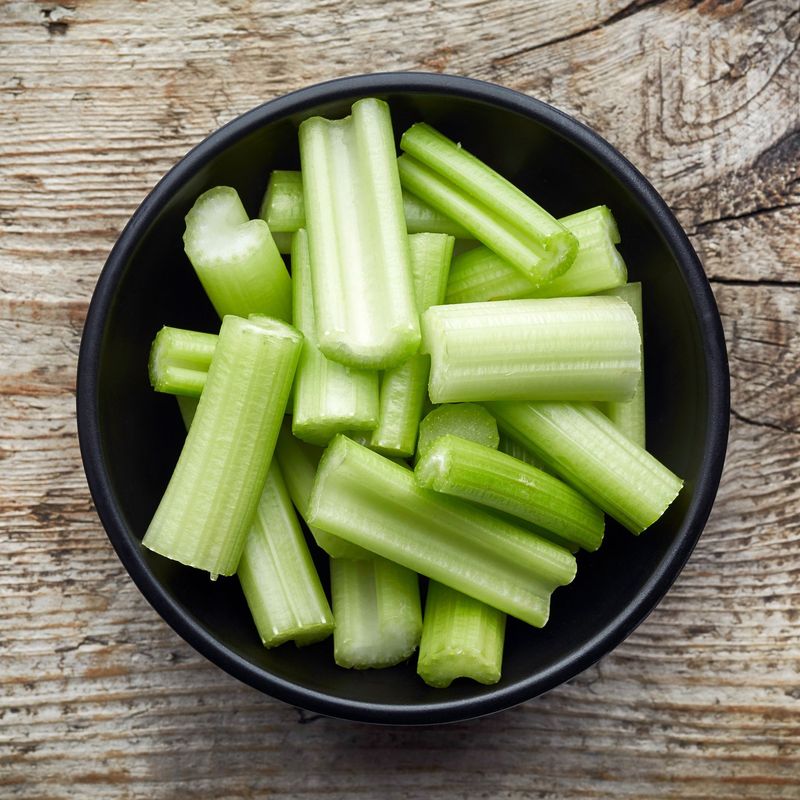
Celery is one of the crunchiest vegetables around, which sounds like a selling point until you encounter its infamous strings. Those long, tough fibers run through every stalk and have a habit of getting lodged between teeth in the most annoying way imaginable.
The crunch is great; the strings are not.
Celery enthusiasts say the whole package is worth it for that refreshing snap and mild flavor. Those with texture sensitivities, however, find the combination of fibrous strands and watery crunch genuinely unpleasant to chew through at any meal.
14. The Sticky Chewiness of Mochi
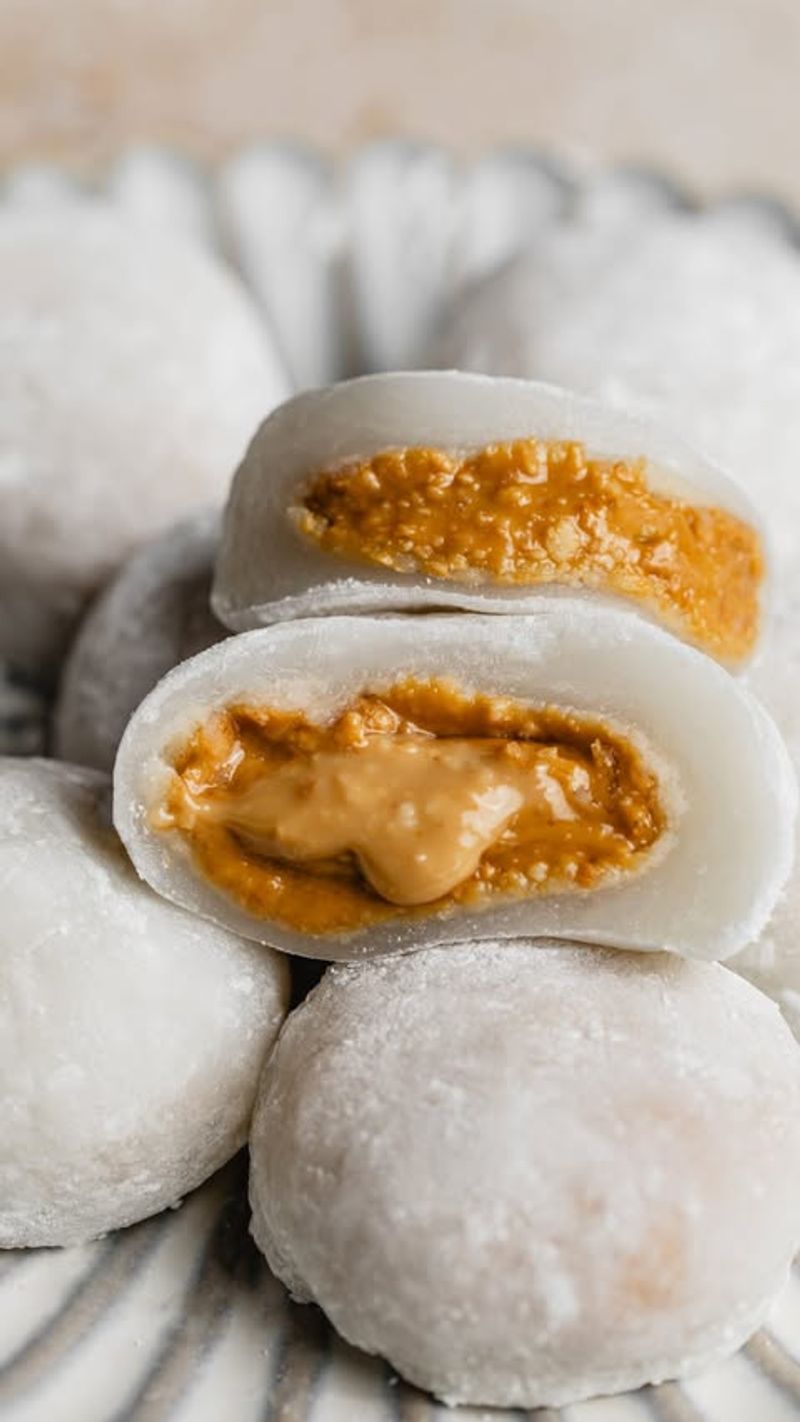
Mochi is made from pounded glutinous rice, and its texture is unlike anything else in the dessert world. Stretchy, bouncy, and intensely sticky, it clings to your teeth and requires deliberate, focused chewing.
In Japan, mochi-related accidents are actually reported every year because of how challenging the texture can be.
Fans of mochi adore that playful, elastic resistance and the way it wraps around sweet fillings. Those unfamiliar with it often describe their first bite as alarming, with the stickiness catching them completely off guard.
15. The Jiggly Wobbliness of Gelatin Desserts
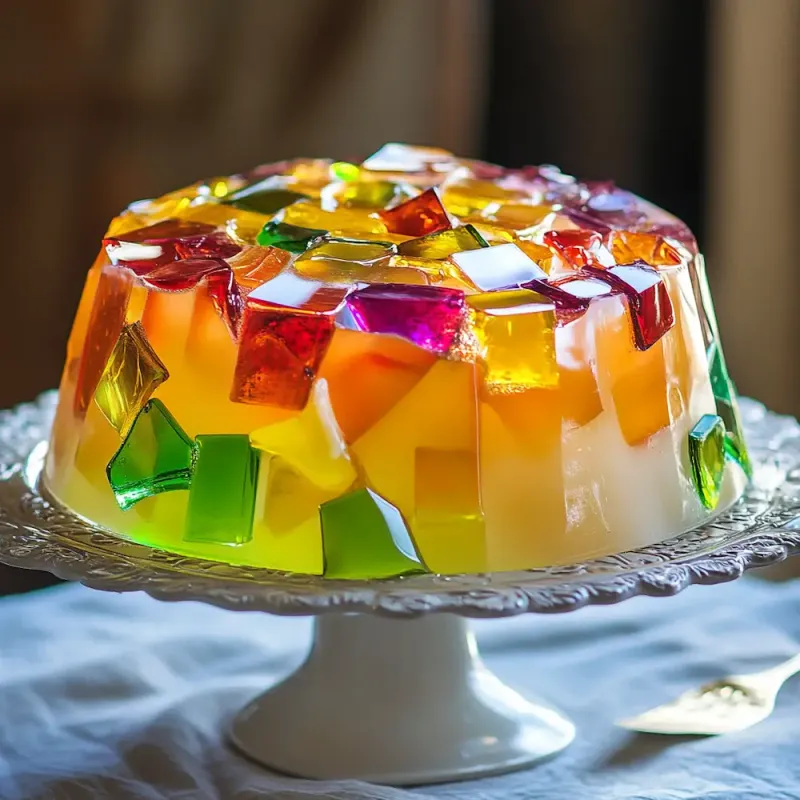
Gelatin desserts have a texture that is almost hypnotic to watch and deeply strange to eat. That wobble, that translucent jiggle, that slippery slide across the tongue, it is a full sensory experience.
Kids tend to love it because the playfulness of the texture makes eating feel like an event.
Adults with texture aversions often find the experience unsettling. Something that moves independently on a plate before you eat it can feel more like a science experiment than food, and the slippery, dissolving quality does not help their case.
16. The Dense Fudginess of an Underbaked Brownie
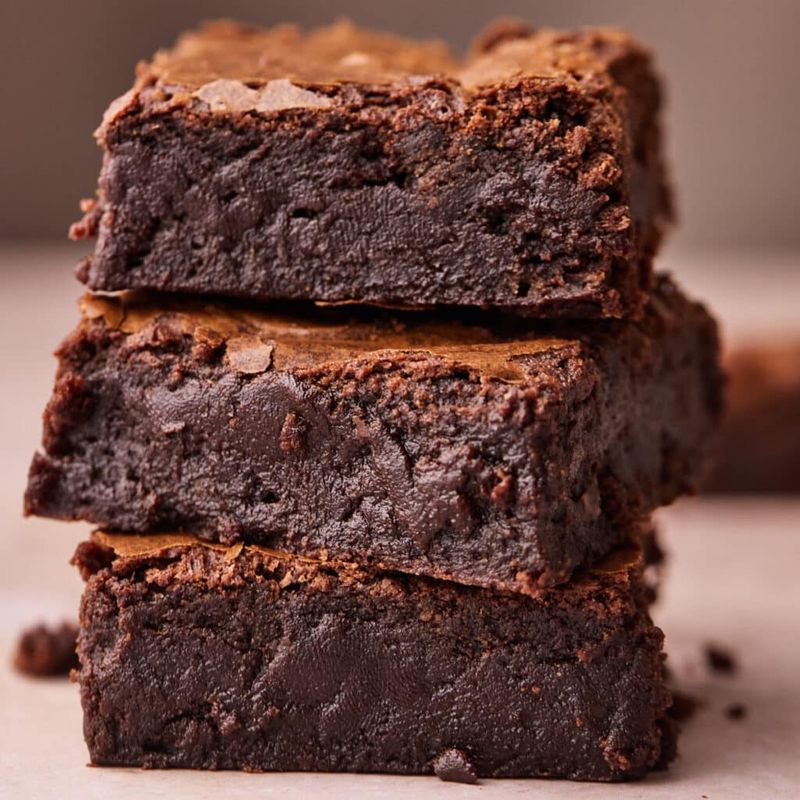
There is a fierce ongoing debate in the baking world between fudgy brownie fans and cakey brownie fans, and it all comes down to texture. A fudgy brownie has a dense, almost wet center that resists the fork and leaves chocolate on your fingers long after the last bite.
Many consider it the pinnacle of brownie perfection.
Cakey brownie devotees find that gooey density overwhelming and almost raw-feeling. They want lift, structure, and a clean crumb, not something that feels like it never quite made it out of the batter stage.




Comments
No Comments