













The way you eat every day has a bigger impact on your gut than most people realize. Small habits — like how fast you chew or how much water you drink — can quietly shape how well your digestive system works.
Over time, these patterns can either support healthy digestion or slowly cause problems like bloating, constipation, or stomach pain. Taking a closer look at your eating habits might be one of the smartest things you do for your health.
1. Eating Too Fast
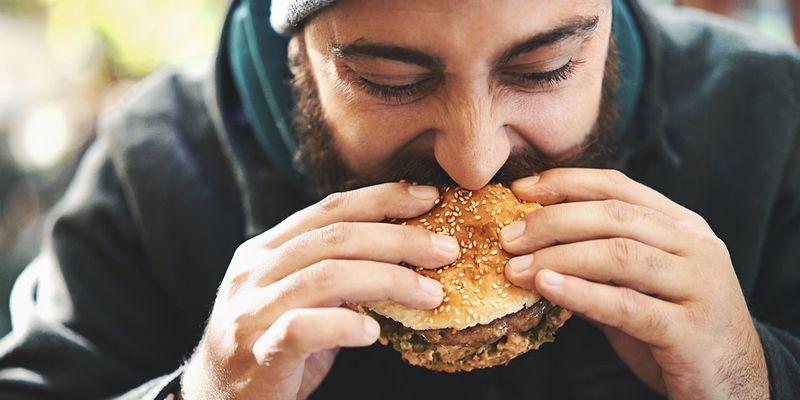
Speed-eating might save you time, but your stomach pays the price. When you rush through meals, your body does not have enough time to signal that you are full, which often leads to overeating.
Chewing slowly breaks food into smaller pieces, making it much easier for your digestive system to do its job. Studies suggest that eating slowly can reduce bloating and improve nutrient absorption.
Try putting your fork down between bites to slow your pace.
2. Skipping Meals Regularly
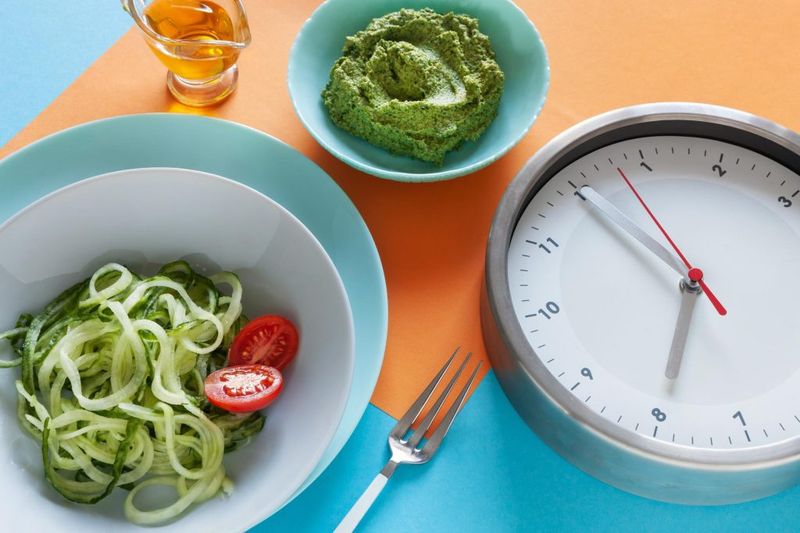
Going hours without eating might seem harmless, but it can throw your digestive system completely off balance. Your gut works on a rhythm, and skipping meals disrupts that natural schedule.
When you finally do eat after a long gap, your stomach may produce extra acid, leading to discomfort or heartburn. Regular meal timing helps keep digestive enzymes active and working efficiently.
Even a small snack between meals can help maintain that steady digestive rhythm.
3. Not Drinking Enough Water

Water is the unsung hero of digestion. Without enough of it, food moves through your intestines much more slowly, which can lead to constipation and a sluggish gut feeling.
Fiber, which is great for digestion, actually needs water to work properly. Without hydration, fiber can make constipation worse instead of better.
Aim to sip water throughout the day rather than gulping large amounts all at once. Staying hydrated keeps things moving smoothly through your digestive tract.
4. Eating Late at Night

Your digestive system slows down significantly when you sleep, so late-night meals can sit in your stomach longer than usual. This delay in digestion often leads to acid reflux, bloating, and disrupted sleep.
Eating close to bedtime also signals your body to store more of those calories as fat rather than burning them for energy. Finishing your last meal at least two to three hours before bed gives your gut the break it genuinely needs.
5. Overloading on Processed Foods

Processed foods are everywhere, and while they taste convenient, they can quietly wreak havoc on your gut over time. Most are loaded with artificial additives, low fiber content, and unhealthy fats that slow digestion.
Your gut bacteria thrive on whole, natural foods. When processed options crowd out fruits, vegetables, and whole grains, the balance of good gut bacteria shifts in the wrong direction.
Over months and years, this imbalance can lead to chronic digestive complaints that are tough to reverse.
6. Not Eating Enough Fiber
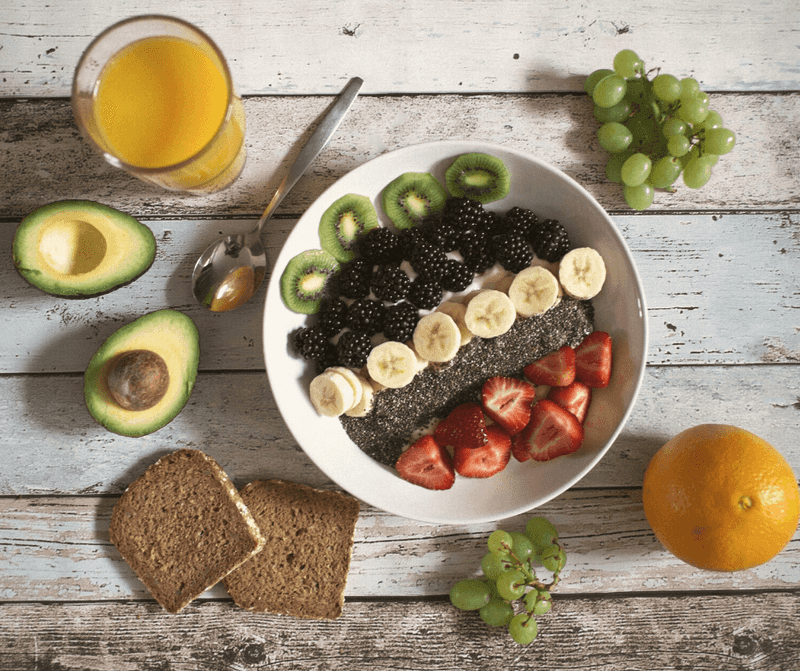
Fiber is basically your digestive system's best friend. It adds bulk to stool, feeds healthy gut bacteria, and keeps your bowel movements regular and comfortable.
Most people eat far less fiber than the recommended daily amount, which contributes to constipation, sluggish digestion, and even higher risk of colon problems over time. Adding more fruits, vegetables, legumes, and whole grains to your meals is an easy and delicious way to give your gut the support it craves every single day.
7. Eating While Distracted

Scrolling through your phone while eating feels totally normal these days, but your digestion actually suffers for it. Mindless eating means you chew less thoroughly and swallow more air, both of which cause bloating and indigestion.
Your brain also needs to register what you are eating to send proper signals to your stomach. When attention is elsewhere, those signals get mixed up, often leading to overeating without feeling satisfied.
Even one screen-free meal a day can make a noticeable difference.
8. Drinking Too Much Soda

Carbonated drinks like soda introduce large amounts of gas directly into your digestive tract. That fizzy feeling in your stomach might seem fun, but it often leads to bloating, burping, and general gut discomfort.
Beyond the bubbles, most sodas are packed with sugar or artificial sweeteners that disrupt the balance of bacteria in your gut. Regular soda drinkers often report more frequent digestive issues than those who stick to water or herbal teas.
Swapping even one soda a day makes a real difference.
9. Overeating in One Sitting
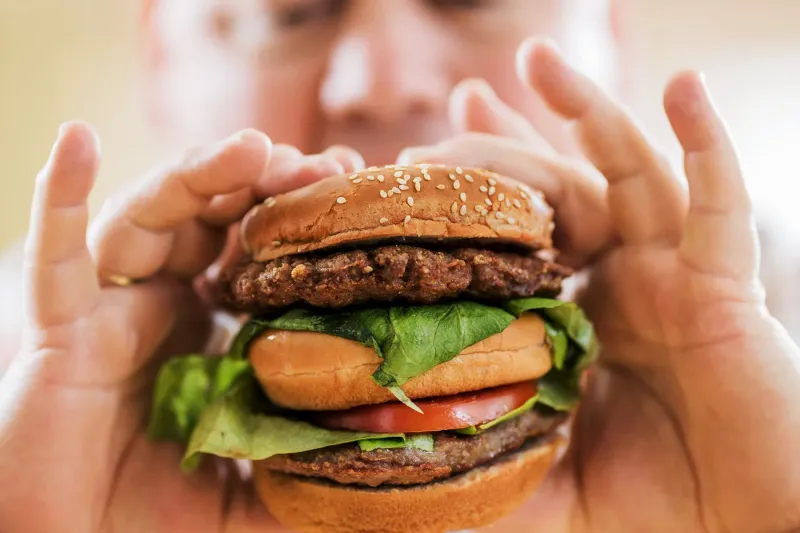
Piling your plate high might feel satisfying in the moment, but your stomach is only about the size of your fist. Overloading it stretches the stomach walls and puts enormous pressure on your entire digestive system.
Large meals take much longer to digest, which can cause acid reflux, nausea, and that heavy, uncomfortable feeling afterward. Eating smaller portions more frequently throughout the day helps your gut process food efficiently without the strain.
Your digestion will thank you for showing a little restraint.
10. Consuming Too Much Caffeine

Caffeine has a sneaky way of speeding up your digestive system, sometimes a little too much. For some people, too much coffee or energy drinks triggers diarrhea, stomach cramps, or acid reflux.
Caffeine stimulates the muscles in your colon, which can cause urgency and discomfort, especially on an empty stomach. Over time, heavy caffeine use can irritate the stomach lining and reduce your gut's ability to absorb certain nutrients properly.
Limiting intake to one or two cups a day is a reasonable goal for most people.
11. Eating Too Much Sugar
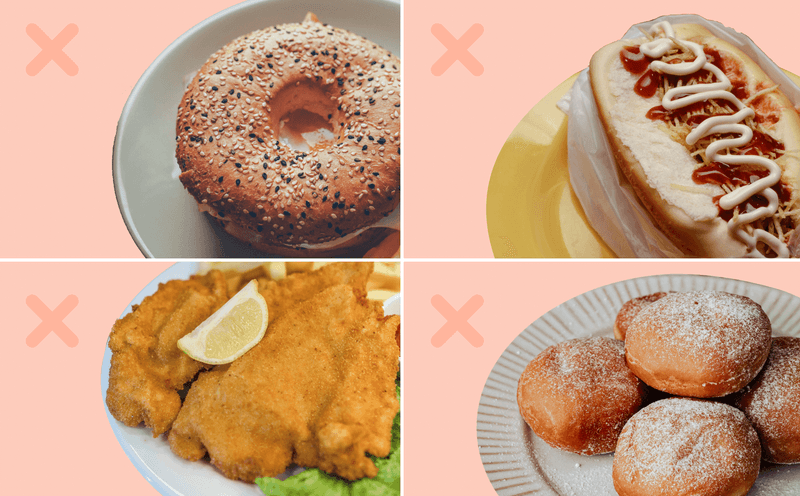
Sugar might be delicious, but your gut bacteria have very strong opinions about it. High sugar intake feeds harmful bacteria and yeast in your gut, disrupting the delicate balance that keeps digestion running smoothly.
This imbalance, sometimes called dysbiosis, can lead to bloating, gas, irregular bowel movements, and even inflammation over time. Cutting back on added sugars does not mean giving up all sweets, but being mindful of hidden sugars in sauces, cereals, and drinks can genuinely transform your digestive health.
12. Not Chewing Food Properly
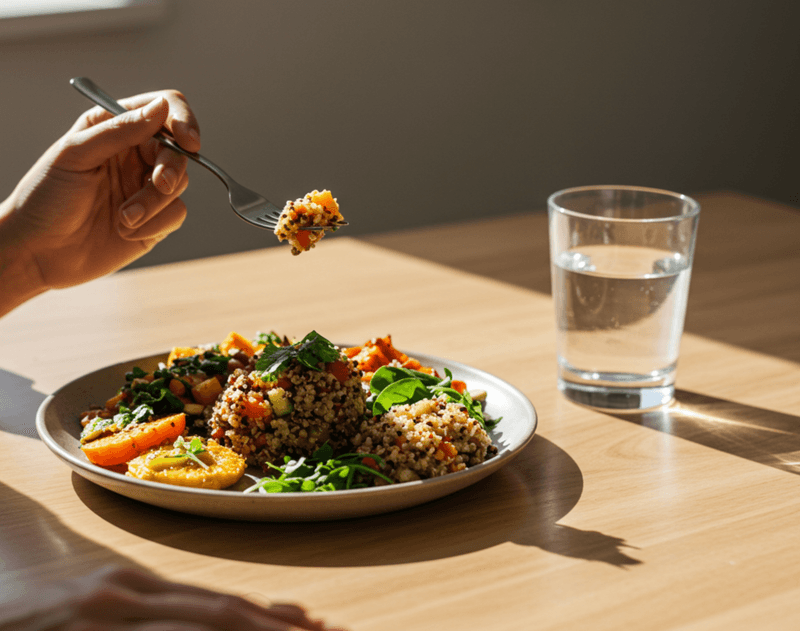
Digestion actually begins in your mouth, not your stomach. Chewing breaks food into tiny pieces and mixes it with saliva, which contains enzymes that start breaking down carbohydrates right away.
When you swallow large chunks of food without proper chewing, your stomach has to work much harder to process it. This extra effort can cause gas, bloating, and indigestion.
Aiming for about 20 to 30 chews per bite might sound like a lot, but it genuinely makes your entire digestive experience smoother.
13. Eating Under Stress

Ever notice your stomach tightens when you are anxious? That is because your brain and gut are directly connected through something called the gut-brain axis.
When stress is high, your digestive system shifts into a lower gear.
Eating while stressed reduces the production of digestive enzymes, slows gut motility, and can trigger symptoms like nausea or stomach cramps. Chronic stress eating can eventually lead to conditions like irritable bowel syndrome.
Taking even five slow, calming breaths before a meal can genuinely help your gut prepare.
14. Relying Too Much on Antacids

Reaching for an antacid after every meal might feel like a quick fix, but it could be masking a bigger issue. Stomach acid, despite its bad reputation, is essential for breaking down food and killing harmful bacteria.
Overusing antacids reduces stomach acid levels, which can actually make digestion less effective over time. It can also interfere with how your body absorbs important nutrients like calcium, magnesium, and B12.
Addressing the root cause of heartburn, rather than suppressing it repeatedly, is a smarter long-term strategy for gut health.
15. Ignoring Food Intolerances

Feeling bloated or gassy after certain meals is not just normal discomfort to push through. It could be a signal that your body struggles to digest specific foods, like dairy, gluten, or certain carbohydrates known as FODMAPs.
Repeatedly eating foods your body cannot tolerate keeps your digestive system in a constant state of irritation. Over time, this can damage the gut lining and lead to more serious conditions.
Keeping a simple food diary to track symptoms is a surprisingly effective way to identify your personal triggers.
16. Not Including Probiotic Foods

Your gut is home to trillions of bacteria, and the right balance of those bacteria makes an enormous difference in how well you digest food. Probiotic-rich foods help maintain and restore that healthy microbial balance.
Yogurt, kefir, kimchi, sauerkraut, and kombucha are all packed with live cultures that support gut health in real, measurable ways. Without these foods in your regular diet, beneficial bacteria populations can decline, leaving room for harmful microbes to take over.
Adding even one probiotic food daily is a simple, powerful habit worth starting.




Comments
No Comments