













British people are famously proud of their food, especially when someone abroad dares to question it. Whether it is a full English breakfast or a proper Sunday roast, Brits will defend these dishes with fierce loyalty.
But here is the funny truth: most of these beloved classics are rarely cooked at home. They are celebrated, argued over, and missed terribly on holiday, yet somehow never actually appear on a weeknight dinner table.
1. Full English Breakfast
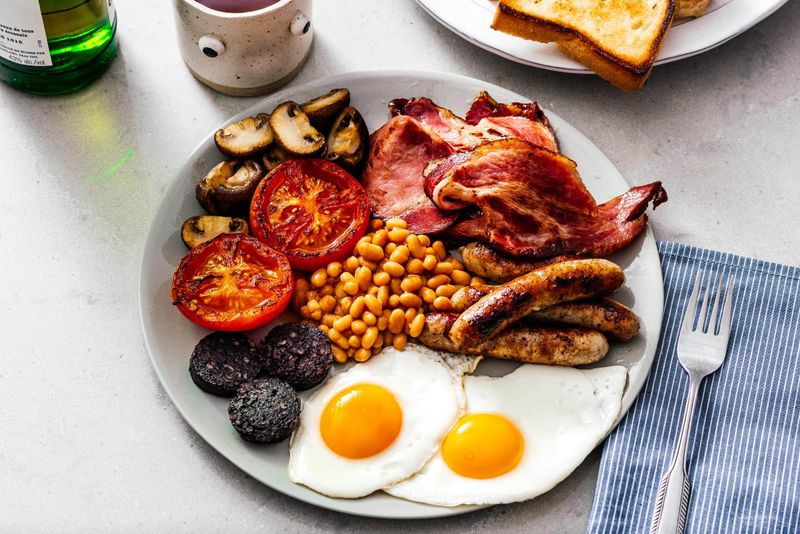
Ask any Brit abroad what they miss most, and the full English breakfast tops the list almost every single time. It gets defended with the kind of passion usually reserved for football rivalries.
Yet at home, most people grab cereal or toast on a weekday morning without a second thought. The full English is really a weekend treat or a greasy-spoon cafe order, rarely something anyone actually cooks from scratch at home.
2. Sunday Roast
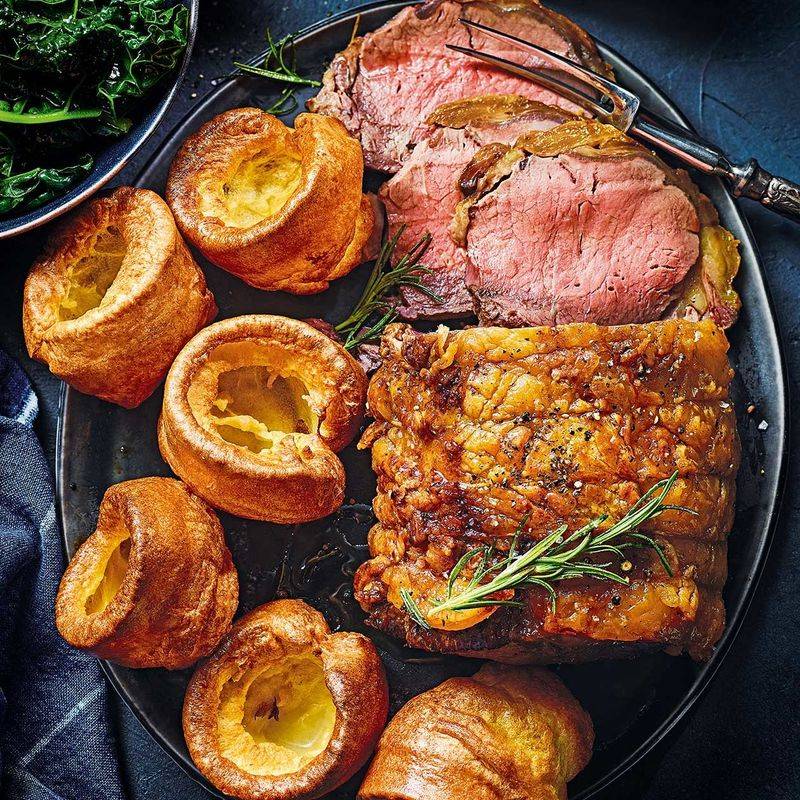
Nothing triggers British patriotism quite like someone suggesting a Sunday roast is overrated. Abroad, Brits will passionately explain every component, from the crispy potatoes to the Yorkshire puddings, as if describing a national treasure.
Back home, though, the reality is different. A full Sunday roast takes hours of prep and a mountain of washing up.
Most families now opt for a takeaway or a quick pasta dish instead, saving the roast for Christmas or a special occasion.
3. Toad in the Hole
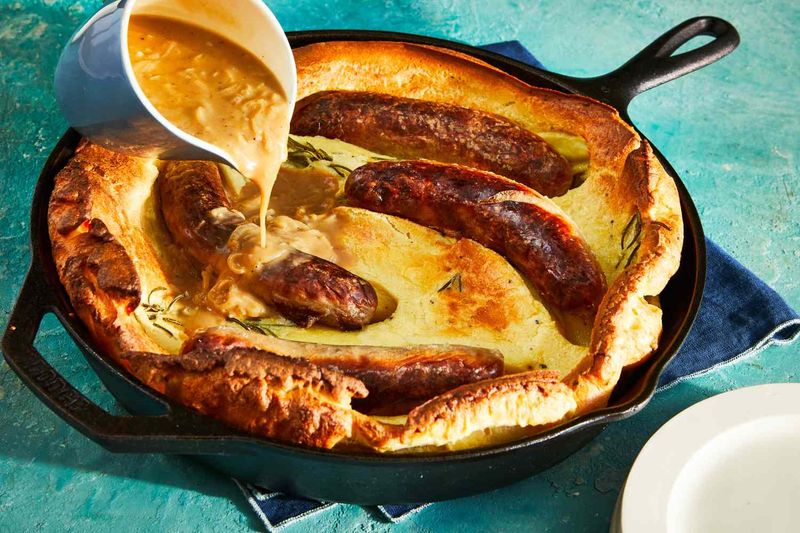
Toad in the hole sounds completely bizarre to anyone who has never heard of it, which makes Brits abroad rush to defend its honour immediately. It is pure comfort food, they insist, and absolutely delicious.
Making it at home requires getting the batter just right and trusting a very hot oven, which puts a lot of people off. Most Brits who love it actually order it at a pub rather than attempting it themselves on a Tuesday evening.
4. Spotted Dick
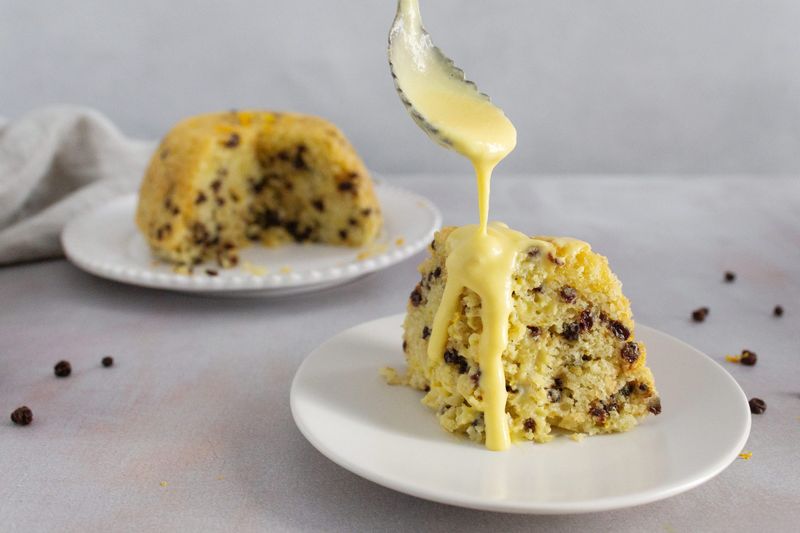
Spotted dick might cause giggles worldwide, but British people abroad will defend it with completely straight faces. It is a steamed suet pudding packed with currants, and it is genuinely wonderful with custard.
Homemade spotted dick is almost unheard of these days, though. The recipe involves suet, which most people never buy, and steaming a pudding for hours feels like an enormous commitment.
Most Brits enjoy it from a tin or at a traditional pub, never from their own kitchen.
5. Jellied Eels
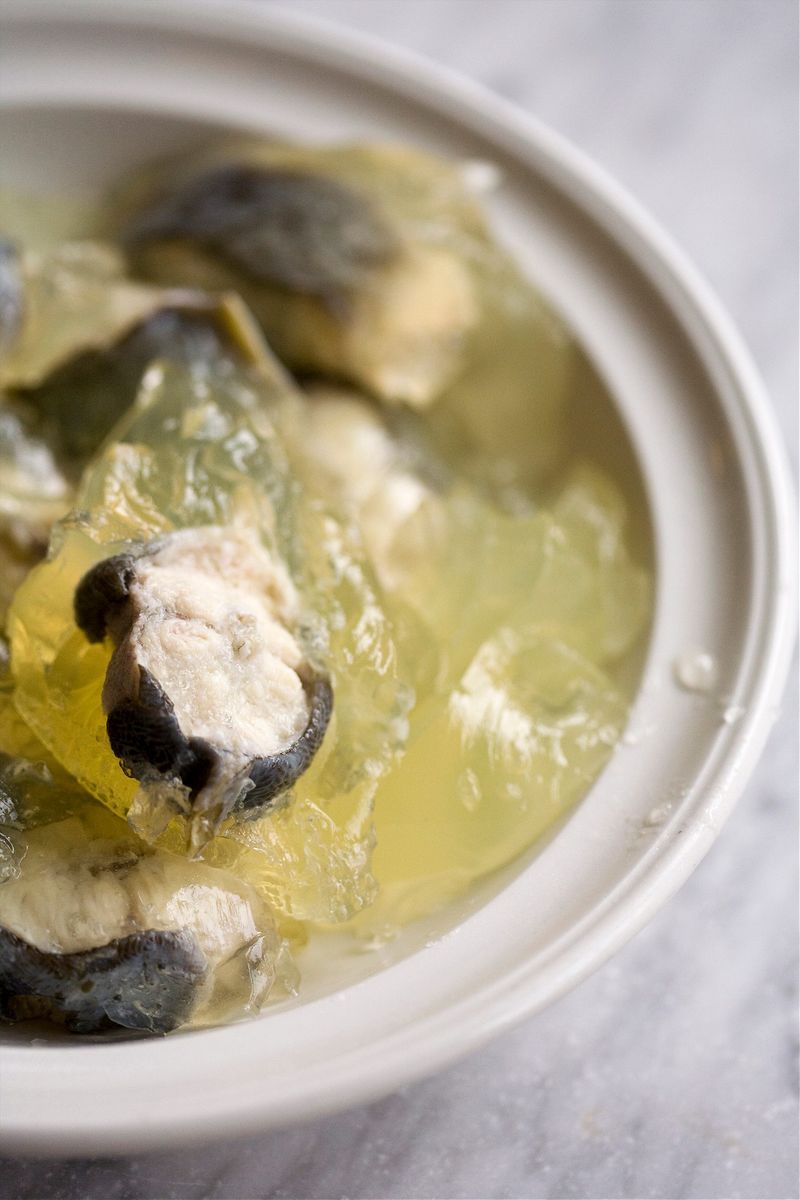
Jellied eels are one of those dishes that Londoners, especially those with East End roots, will defend with extraordinary passion if anyone dares mock them abroad. It is history in a bowl, they say.
Very few people actually make jellied eels at home anymore, even among the most devoted fans. Catching and preparing eels is hardly a casual weeknight activity.
Most admirers seek them out at traditional pie and mash shops rather than attempting the recipe themselves.
6. Black Pudding
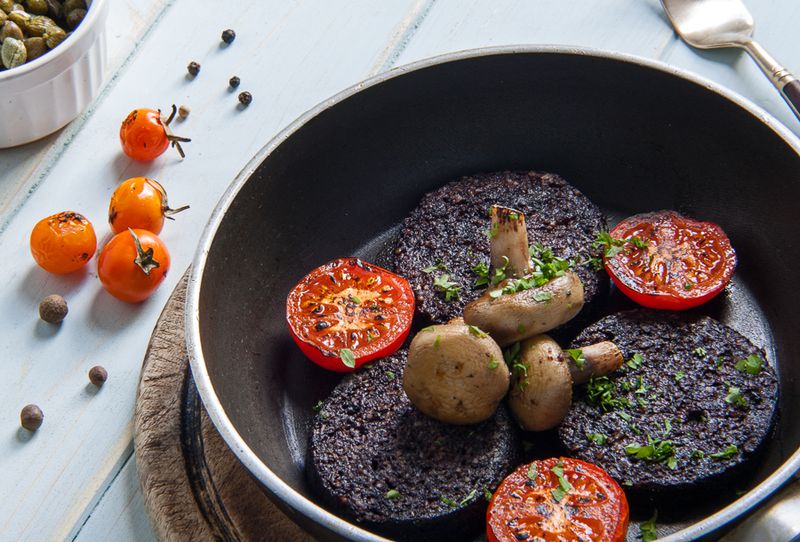
Foreigners react with horror when they learn black pudding is made from blood, and that reaction alone sends Brits into full defensive mode. It is rich, flavourful, and completely underrated, they argue passionately.
Despite all the defending, black pudding rarely appears in home cooking beyond a fry-up. Most people buy it pre-sliced and fry it occasionally as part of a weekend breakfast.
Nobody is actually making their own blood sausage from scratch on a regular basis at home.
7. Steak and Kidney Pudding
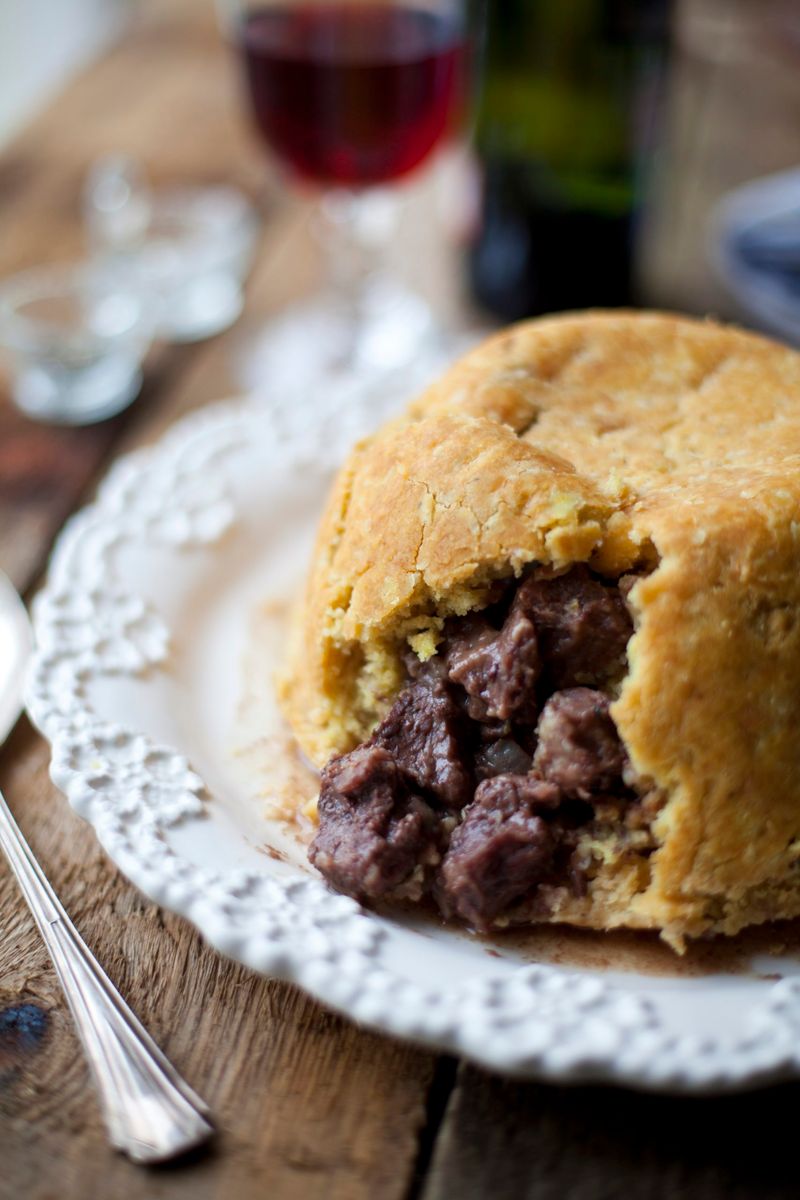
Steak and kidney pudding is one of those dishes Brits describe abroad with the dreamy expression of someone recalling a long-lost love. The suet pastry, the rich filling, the thick gravy, it sounds magnificent.
Actually making one at home is a serious undertaking that most people never attempt. Steaming a pudding for several hours while managing the rest of daily life is simply not realistic.
This is firmly a pub lunch or a restaurant order rather than a home cooking project.
8. Cornish Pasty
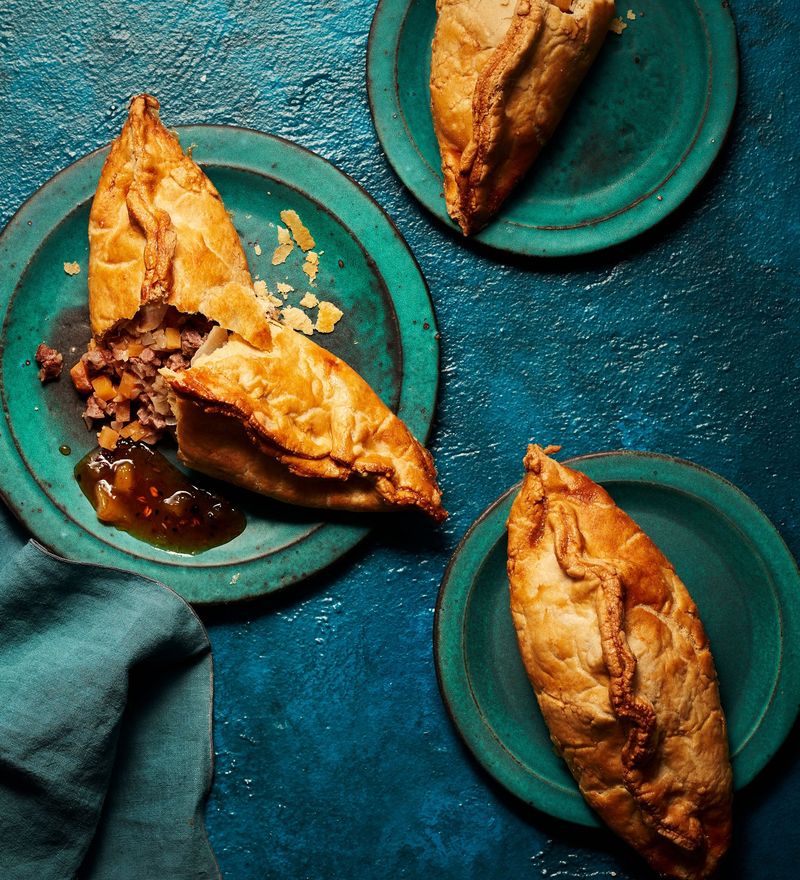
Mention the Cornish pasty abroad and a Brit from Cornwall will immediately correct any mispronunciation and explain that the crimping must be on the side, not the top. The regional pride is fierce and entirely real.
Homemade pasties are a rarity in most British households, though. Rolling shortcrust pastry and correctly crimping the edges is a skill that takes practice.
Most people buy them warm from bakeries or petrol stations, enjoying the taste without ever attempting the craft themselves.
9. Mushy Peas
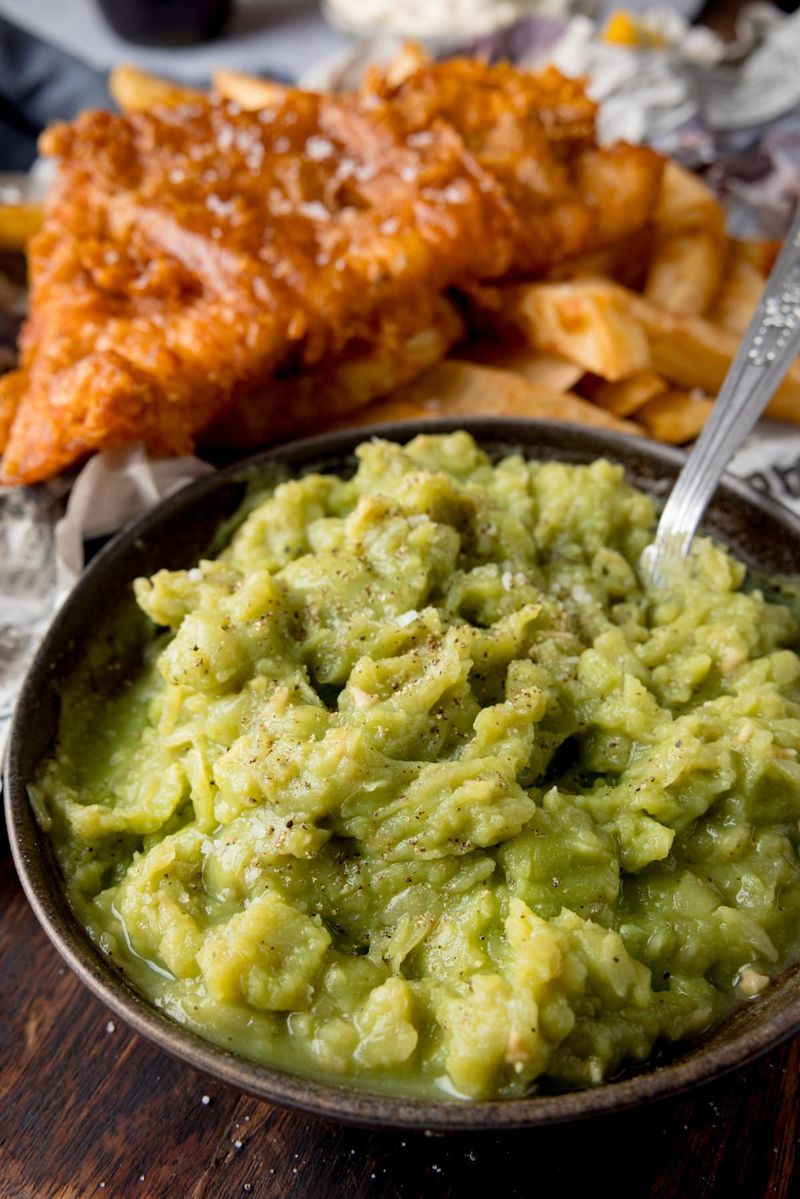
Mushy peas get laughed at abroad, and that laughter triggers immediate British outrage. They are a perfect side dish, Brits insist, especially alongside fish and chips or a proper pie.
Ironically, most people never make mushy peas at home from dried marrowfat peas, which is the traditional method requiring overnight soaking. A tin from the cupboard heated on the hob is about as far as home cooking goes.
The real thing is ordered at a chippy, not prepared from scratch on a Friday night.
10. Bread and Butter Pudding
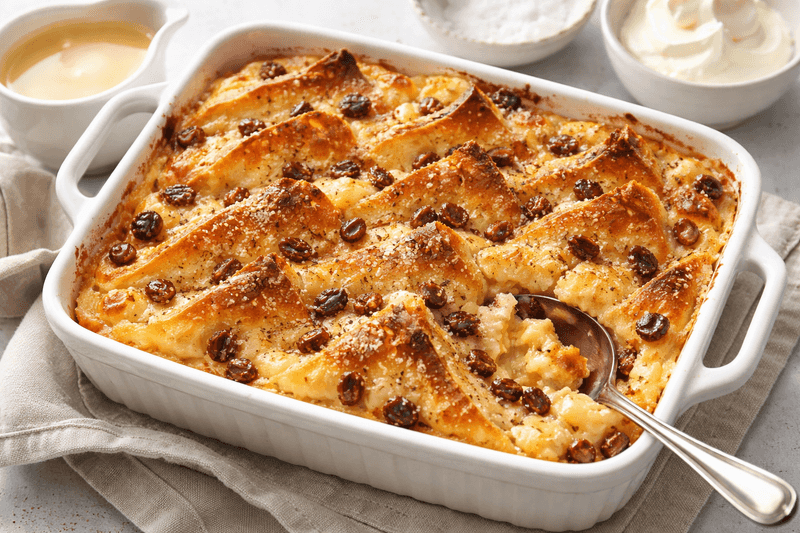
Bread and butter pudding is the kind of dessert British people wax lyrical about when abroad, describing the custardy layers and golden top with obvious nostalgia. It represents warmth and home, they explain.
Yet most people have not actually baked one themselves in years. It is one of those dishes strongly associated with school dinners and grandmothers, which means the memory is vivid but the cooking rarely happens.
Most Brits enjoy it at restaurants or cafes rather than making it themselves.
11. Scotch Eggs
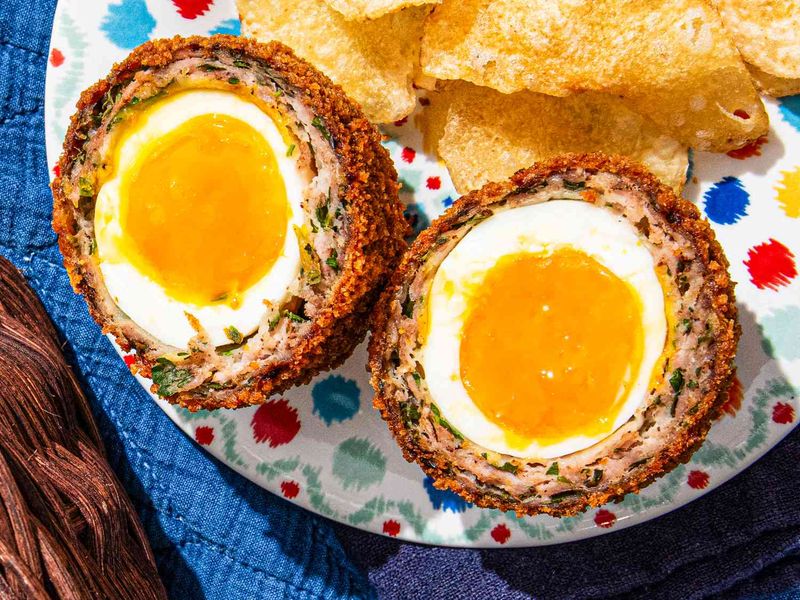
Scotch eggs get defended loudly whenever a foreigner dismisses them as strange. A perfectly made Scotch egg with a soft, runny yolk inside is genuinely one of life's great pleasures, and Brits will tell you so at length.
Making them at home is surprisingly tricky, though. Keeping the yolk runny while deep-frying the whole thing requires real confidence and skill.
Most people pick them up at a supermarket deli counter or order them at a pub, appreciating them without ever attempting the recipe.
12. Welsh Rarebit
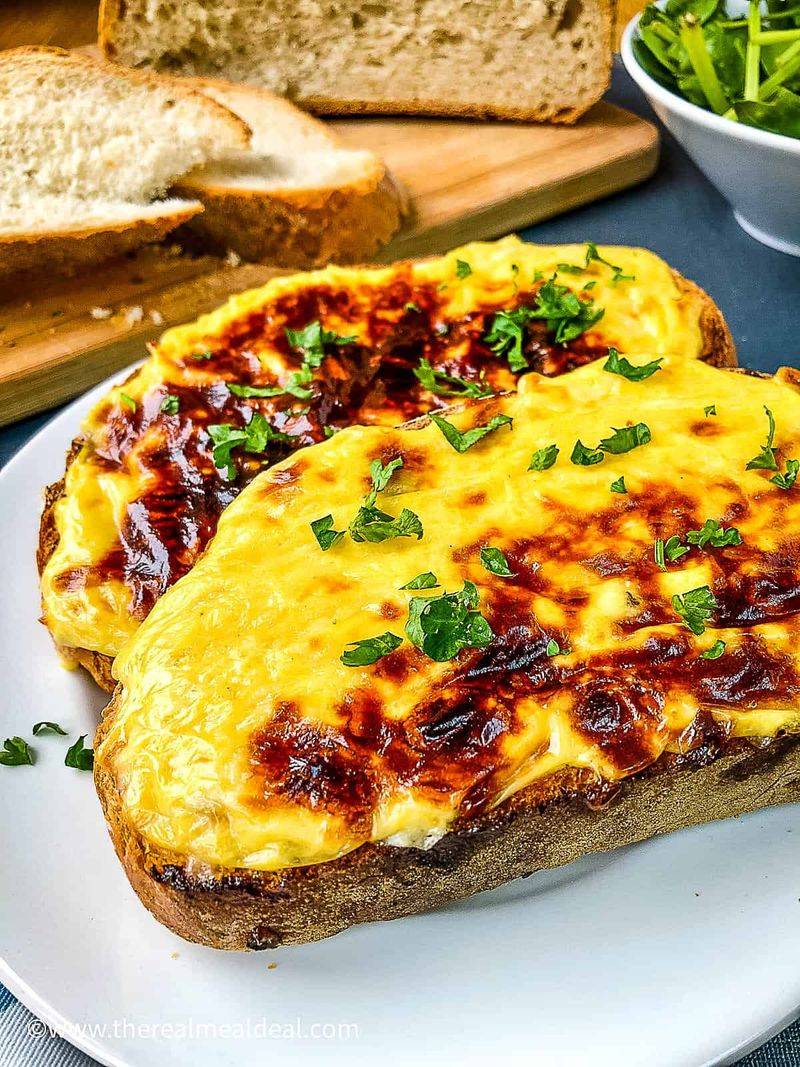
Welsh rarebit sounds like glorified cheese on toast, but Brits abroad bristle at that comparison. It is a proper sauce made with ale, mustard, and Worcestershire sauce, they explain with genuine indignation.
Despite the passionate defence, most people making a quick cheese toastie at home never bother with the full rarebit sauce. The difference in effort feels significant after a long day.
Welsh rarebit stays on the pub menu or the weekend brunch list, rarely appearing as a proper midweek home cooking effort.
13. Eton Mess
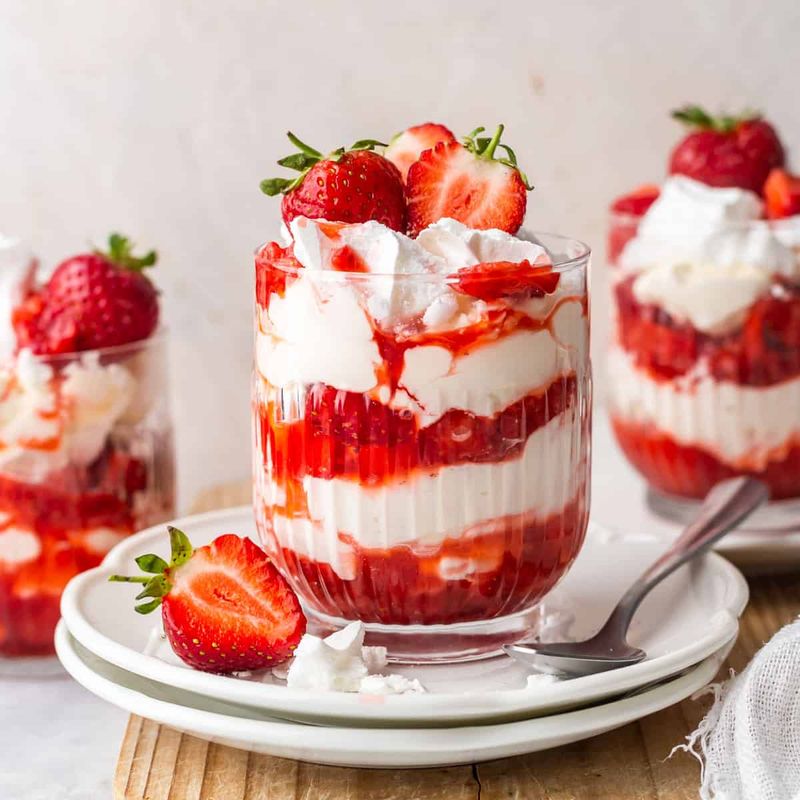
Eton mess is one of those quintessentially British desserts that gets brought up abroad with a sort of cheerful smugness, as if the British invented summer itself. Strawberries, cream, and broken meringue, what could be better?
Making meringue from scratch at home is where the enthusiasm tends to fade. Most people either buy ready-made meringue nests from the supermarket or skip it altogether.
The dish gets ordered at garden parties and restaurants while the homemade version remains a distant aspiration rather than a weekly reality.
14. Kedgeree
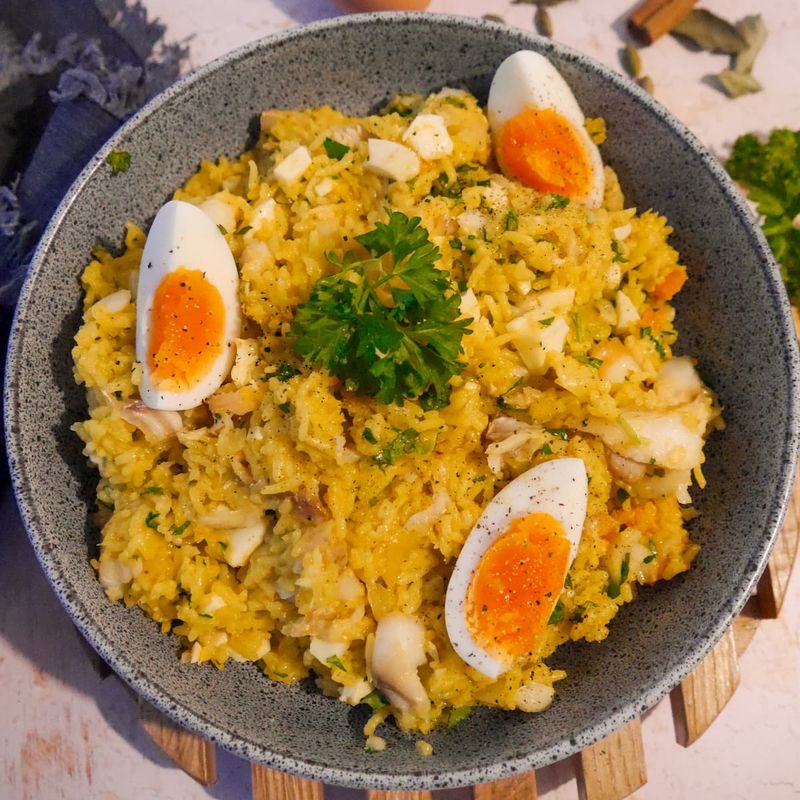
Kedgeree has a fascinating history rooted in the British colonial era, and food-loving Brits abroad enjoy explaining this with great enthusiasm. Smoked haddock, spiced rice, and soft-boiled eggs make for a genuinely brilliant breakfast dish.
For all its admirers, kedgeree rarely appears on actual home breakfast tables. Sourcing smoked haddock and timing the eggs perfectly while also cooking spiced rice feels ambitious before 9am.
It tends to live in the pages of cookbooks and on hotel buffet menus rather than in everyday British kitchens.
15. Treacle Tart
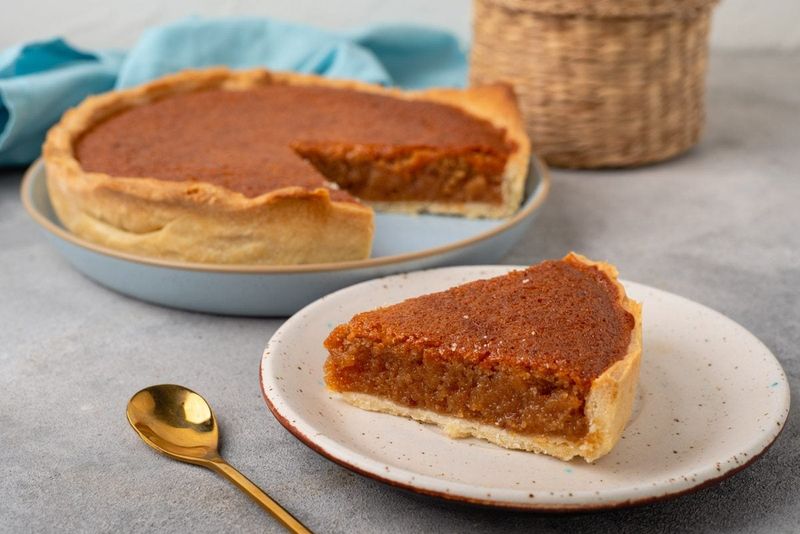
Treacle tart is pure British nostalgia in pastry form, and any suggestion that it is too sweet or too simple gets firmly shut down by Brits who grew up eating it at school dinners. Golden syrup in a pastry case is genuinely wonderful.
Making shortcrust pastry from scratch and getting the filling consistency just right is more effort than most people bother with on a regular basis. Treacle tart is something fondly remembered and occasionally ordered at a traditional British restaurant, but rarely baked at home.
16. Lancashire Hotpot
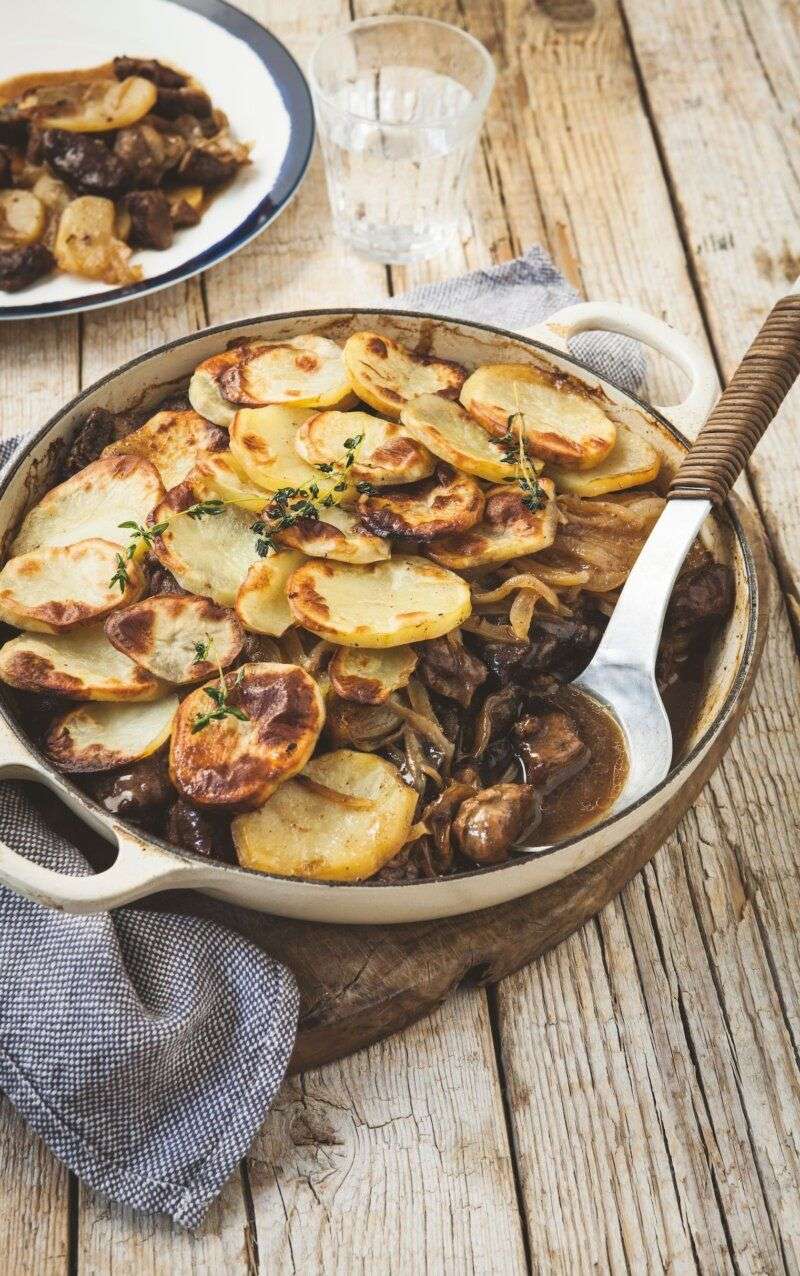
Lancashire hotpot is one of those dishes Northern English people will champion fiercely if anyone dares question British cooking. Slow-cooked lamb under a crispy potato topping, it is proper winter comfort food at its finest.
The reality of making it at home involves a long cooking time and the kind of patience that modern life does not always allow. Most people who love it dearly eat it at a pub or a family member's house, admiring the tradition without regularly firing up their own oven for it.




Comments
No Comments