













Food menus, cooking shows, and recipe blogs are full of fancy words that sound impressive but leave most people guessing. You might confidently order something "braised" or call a dish "umami" without really knowing what those words mean.
Many culinary terms have specific, interesting meanings rooted in cooking science or food history. Knowing the real definitions can make you a smarter cook and a more confident eater.
1. Al Dente
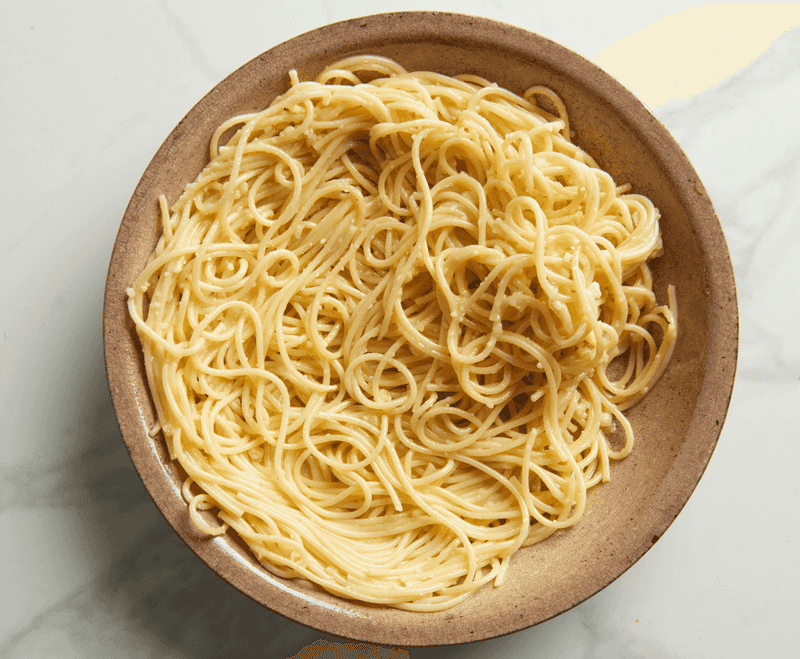
Ever ordered pasta "al dente" at a restaurant just because it sounded right? This Italian phrase literally means "to the tooth." It describes pasta or vegetables cooked just until firm when bitten, not soft or mushy.
Overcooking pasta makes it gummy and heavy. Cooking it al dente keeps a slight chew that holds sauce better and even has a lower glycemic impact on your body.
It is a small detail that makes a big difference.
2. Umami
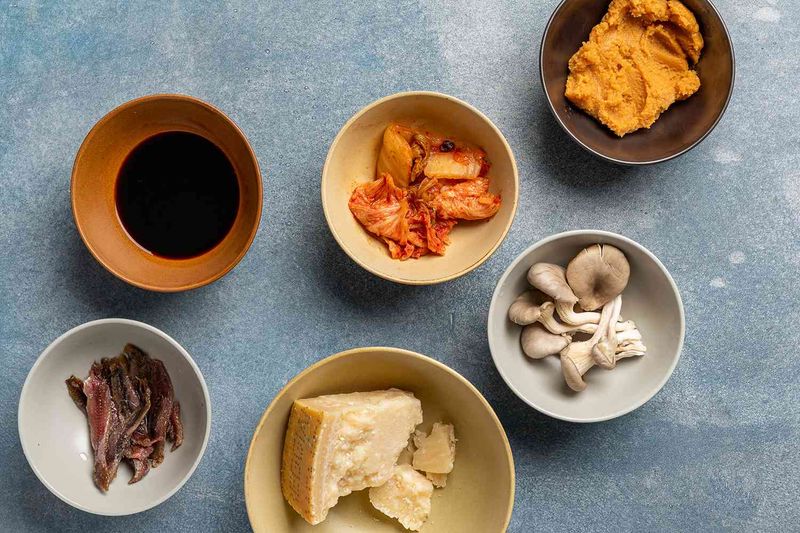
Umami is often called the "fifth taste," sitting alongside sweet, sour, salty, and bitter. The word comes from Japanese and roughly translates to "pleasant savory taste." It was identified by Japanese chemist Kikunae Ikeda in 1908.
Foods like mushrooms, aged cheese, soy sauce, and tomatoes are packed with umami flavor. When people say a dish tastes deeply satisfying or rich without knowing exactly why, umami is usually the reason behind that irresistible quality.
3. Blanching
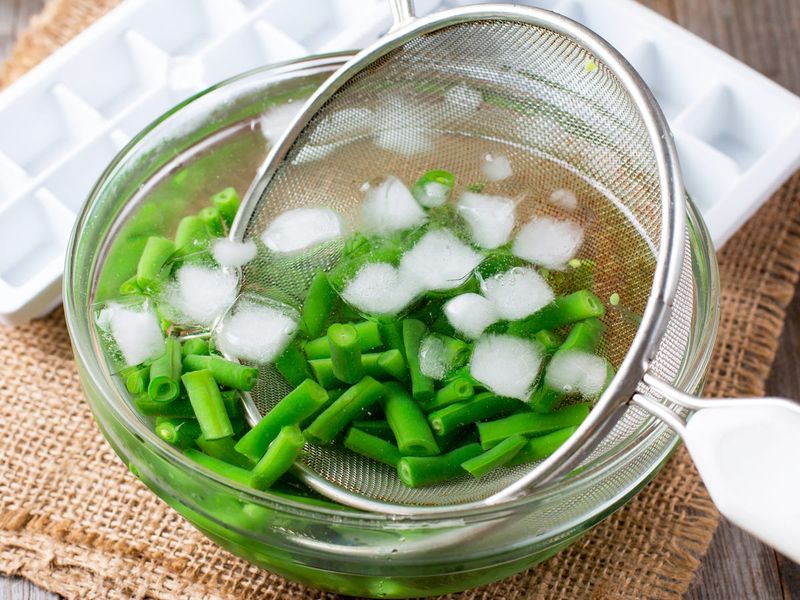
Blanching sounds like something you do to laundry, but in cooking it is a precise technique. It means briefly boiling a vegetable or fruit, then immediately plunging it into ice water to stop the cooking process.
This method locks in vibrant color, preserves nutrients, and softens texture just enough without turning things mushy. You have probably seen bright green beans at a restaurant and wondered how they stayed so vivid.
Blanching is the secret behind that gorgeous color.
4. Deglaze
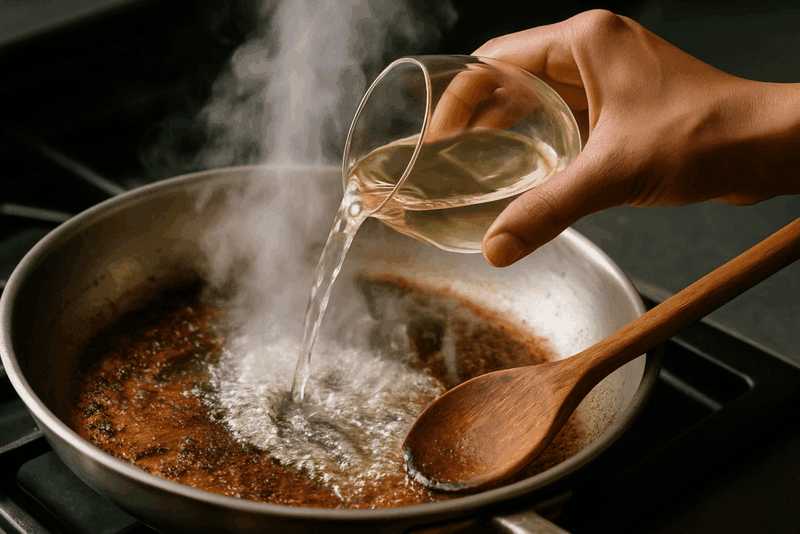
Those browned, stuck bits at the bottom of a pan after searing meat? They are not a cooking mistake.
Deglazing means adding liquid, usually wine, broth, or vinegar, to a hot pan to loosen those caramelized bits.
Those bits are called "fond" and are loaded with deep, concentrated flavor. When dissolved into liquid, they become the base of an incredible sauce.
Professional chefs consider deglazing one of the most powerful flavor-building steps in savory cooking. Do not ever wash those bits away.
5. Emulsify
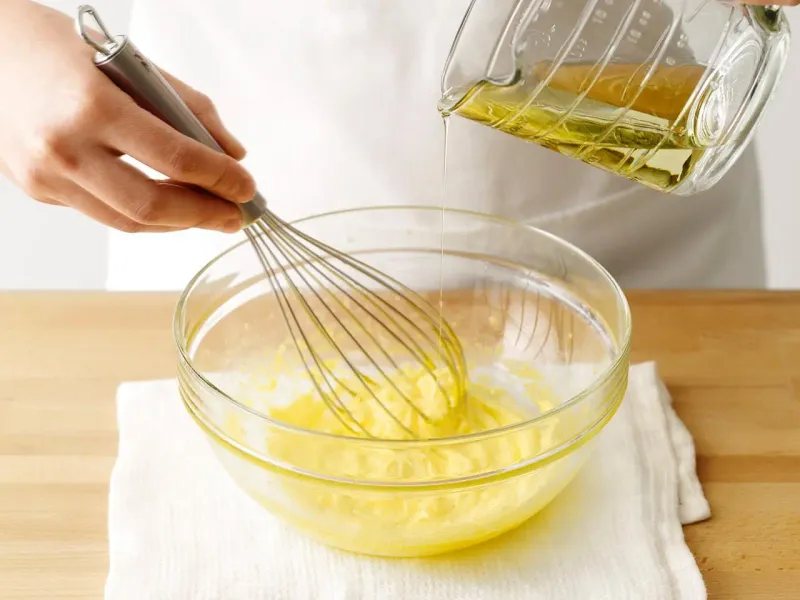
Oil and water do not naturally mix, which is where emulsification comes in. Emulsifying means combining two liquids that normally separate, like oil and vinegar, into a smooth, stable mixture using an emulsifier like egg yolk or mustard.
Mayonnaise, hollandaise sauce, and vinaigrette all rely on this process. Without proper emulsification, your dressing breaks into sad, separated layers.
Understanding this term helps explain why some sauces are silky smooth while others look curdled and unappetizing after a few minutes.
6. Braise
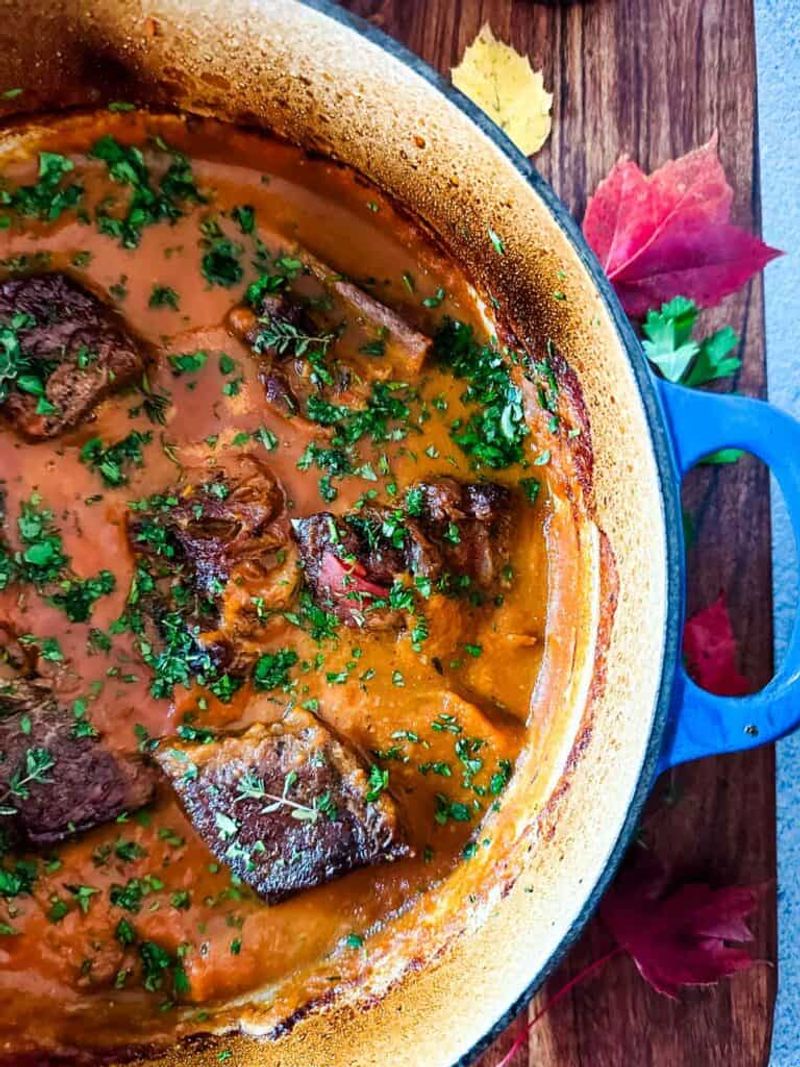
Braising is one of those words thrown around on cooking shows constantly, but it is actually a two-step cooking method. First, you sear the food at high heat to develop a browned crust.
Then, you cook it low and slow in a small amount of liquid in a covered pot.
This technique works magic on tough cuts of meat, breaking down collagen into rich gelatin over hours. The result is melt-in-your-mouth tenderness.
Short ribs, pot roast, and lamb shanks are classic braised dishes loved worldwide.
7. Mise en Place
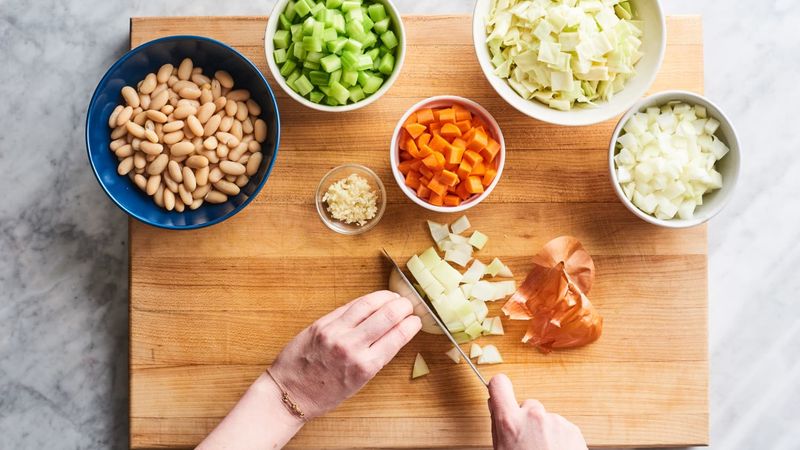
French for "everything in its place," mise en place is a foundational principle of professional cooking. It means prepping and organizing all your ingredients before you start cooking, measuring spices, chopping vegetables, and having everything ready to go.
Home cooks who skip this step often find themselves scrambling mid-recipe, burning garlic while searching for a lid. Chefs treat mise en place as almost a mindset, not just a prep step.
Adopting it at home transforms chaotic cooking sessions into calm, enjoyable experiences worth repeating.
8. Sauté
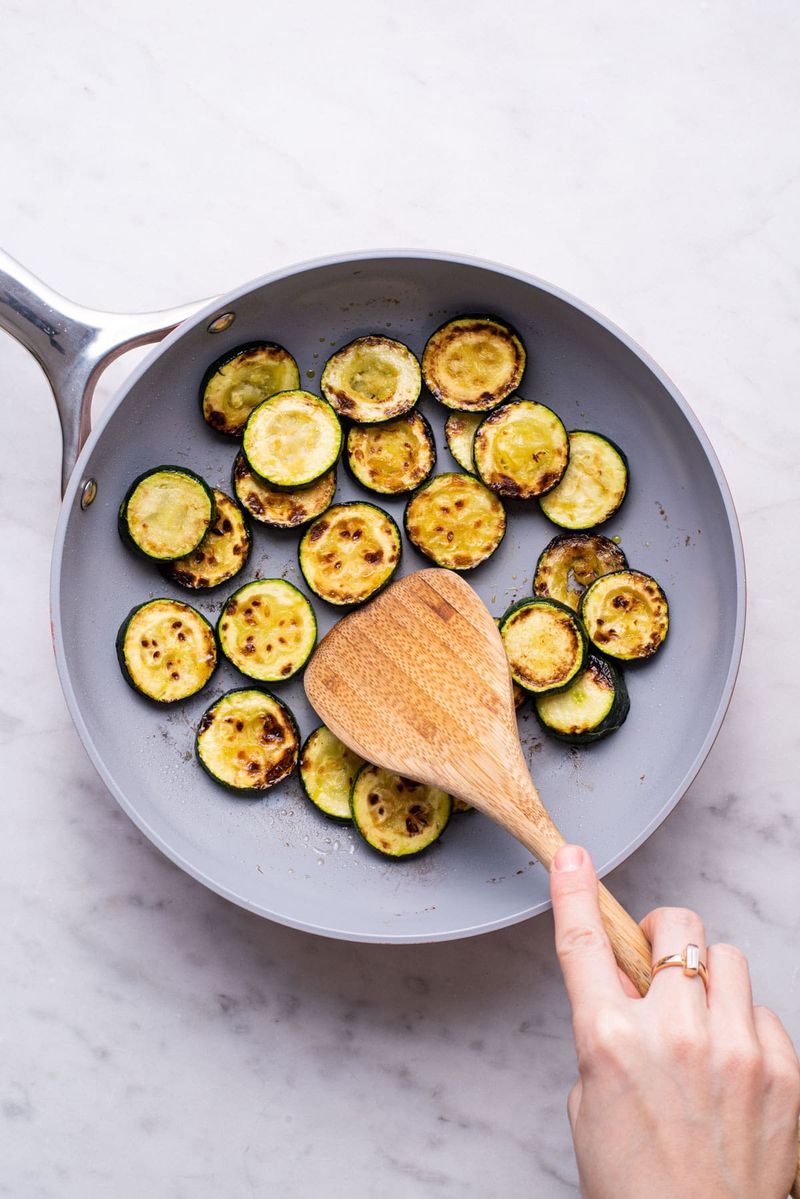
Sauté comes from the French word "sauter," meaning "to jump." That is exactly what happens in the pan when you cook food quickly in a small amount of fat over high heat, tossing or stirring it constantly.
Many people confuse sautéing with frying, but they are different. Frying uses more oil and lower heat.
Sautéing is fast and hot, creating a light browning on the outside while keeping the inside tender. It is perfect for mushrooms, garlic, and thinly sliced proteins.
9. Julienne
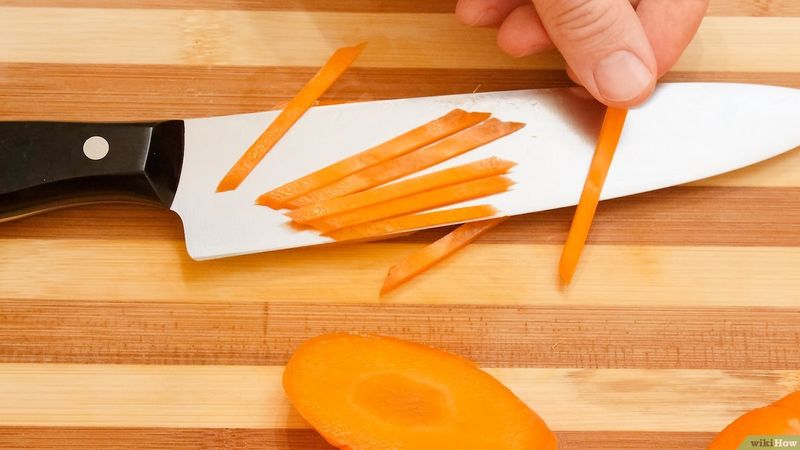
Julienne is a knife cut, not a person's name, though it may have originated from a French chef. It refers to slicing vegetables into long, thin, uniform matchstick-shaped strips, usually about two inches long and one-eighth of an inch thick.
This cut is used for stir-fries, salads, and garnishes because the thin strips cook quickly and look elegant on a plate. Getting the size consistent matters because uneven pieces cook at different rates, leaving some mushy while others stay raw and crunchy.
10. Render
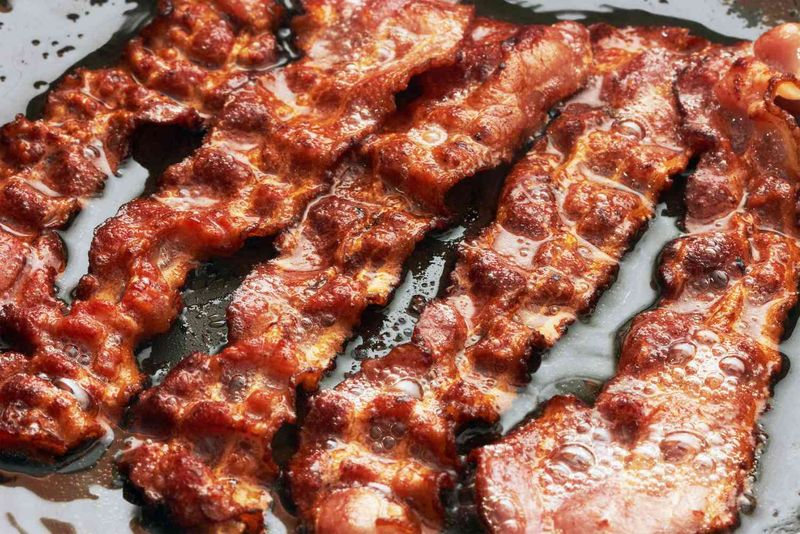
Rendering fat sounds intense, but it is something home cooks do all the time without using the proper term. To render means to slowly cook fatty meat, like bacon or duck skin, over low heat so the fat melts out and becomes liquid.
That liquid fat is actually incredibly flavorful cooking gold. Rendered bacon fat, for example, can be used to fry eggs or sauté vegetables with rich, smoky depth.
Rendering also crisps the remaining meat or skin beautifully, giving you two delicious results from one simple technique.
11. Macerate
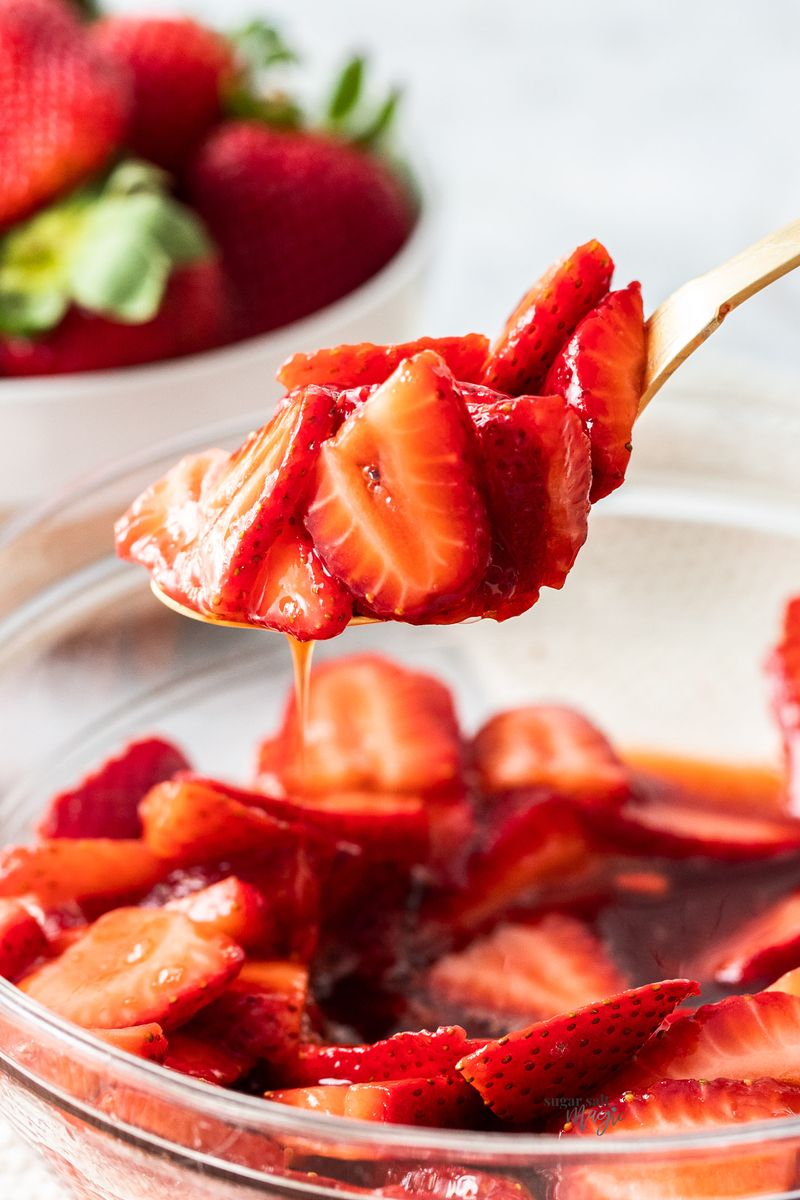
Macerate might sound like something from a science lab, but it is actually a gentle, delicious process. It means soaking fruits or vegetables in sugar, alcohol, or an acidic liquid to soften them and draw out their natural juices.
Strawberries tossed with sugar and left to sit for thirty minutes are being macerated. The sugar pulls moisture from the fruit, creating a sweet, syrupy liquid perfect for topping desserts.
It is one of the easiest ways to intensify fruit flavor without any cooking required.
12. Fold
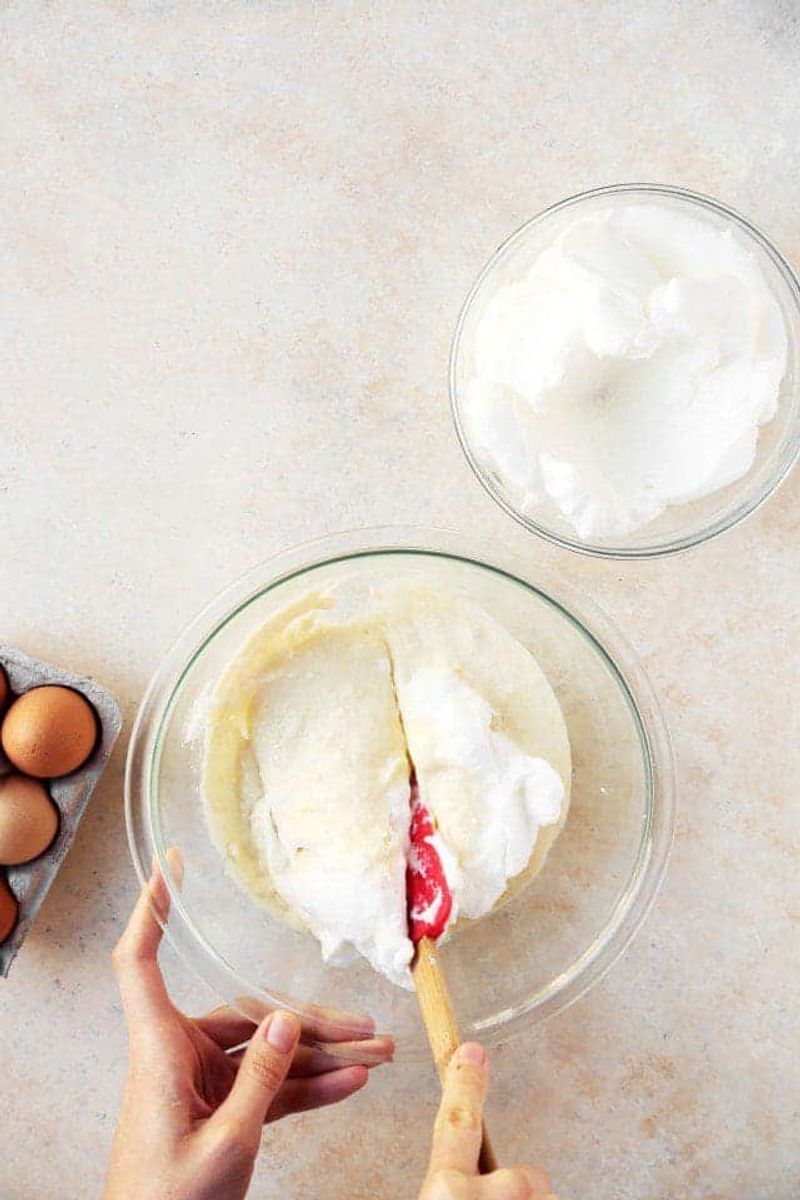
In baking, "fold" does not mean the same thing as stirring or mixing. Folding is a gentle technique used to combine a light, airy mixture, like whipped cream or beaten egg whites, into a heavier batter without deflating the trapped air bubbles.
Using a rubber spatula, you scoop from the bottom and bring it up over the top in a slow, sweeping motion. Stirring too aggressively collapses the air you worked hard to create, resulting in flat cakes or dense mousses.
Patience here is absolutely rewarded.
13. Temper
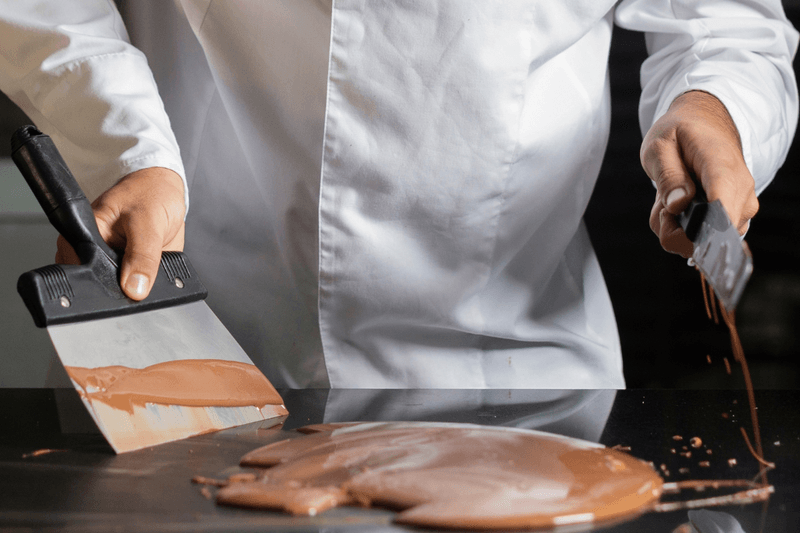
Chocolate tempering sounds like advanced pastry school material, but the concept applies to other ingredients too. To temper means to carefully control temperature changes to achieve a desired texture or structure in food.
With chocolate, tempering involves melting and cooling it to specific temperatures so it sets with a glossy finish and satisfying snap. Tempering also applies to eggs, where hot liquid is added slowly to prevent them from scrambling into lumps.
Both uses share the same core idea: gentle, controlled heat management.
14. Reduction
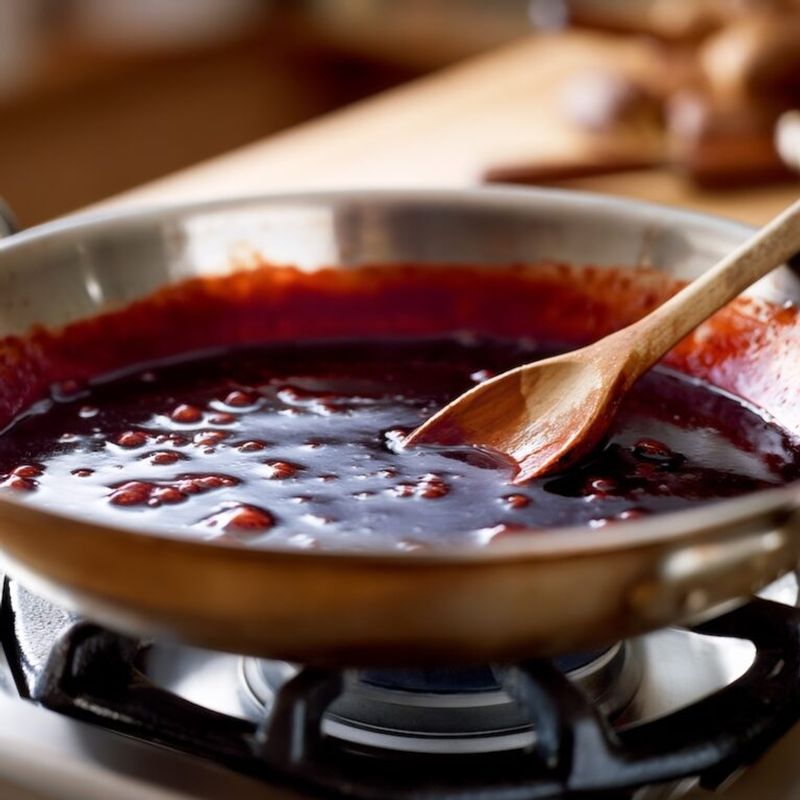
A reduction is what happens when you simmer a liquid long enough that water evaporates and the remaining liquid becomes thicker, richer, and more intensely flavored. It is one of the most powerful techniques in a cook's toolkit.
Balsamic glaze, demi-glace, and many wine sauces are all reductions. The process concentrates everything in the liquid, including sweetness, acidity, and depth.
Cooks often say a sauce needs to "reduce by half," meaning simmer it until the volume shrinks to fifty percent of where it started.
15. Chiffonade
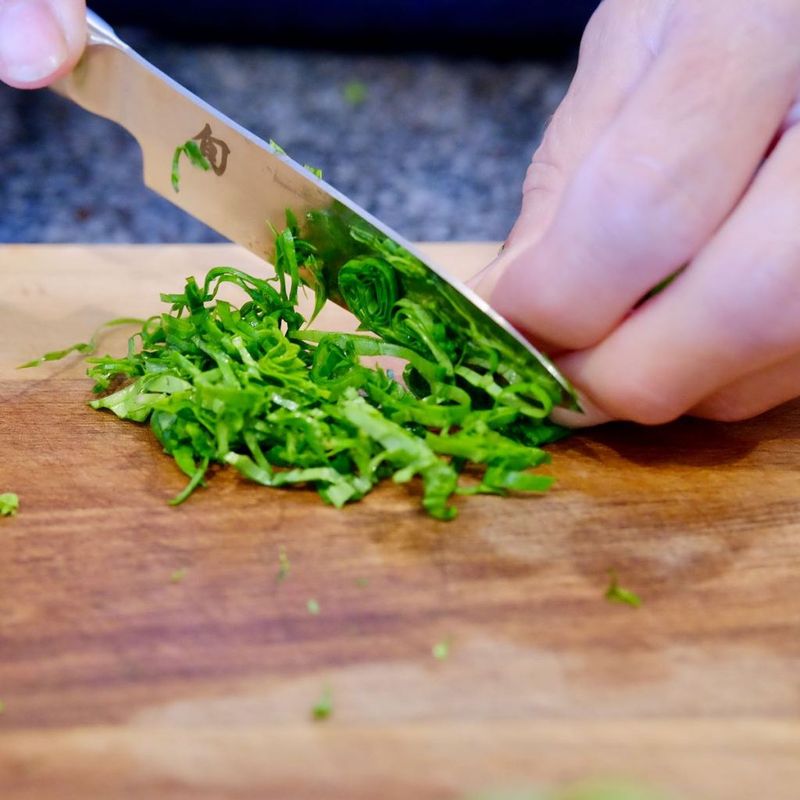
Chiffonade is a French cutting technique that sounds far fancier than it actually is. The word means "made of rags" in French, which perfectly describes what the cut looks like.
Stack leafy herbs or greens, roll them tightly, and slice into thin, delicate ribbons.
Basil chiffonade on top of a Caprese salad or pizza is a classic example. The thin cuts release more aroma and flavor than tearing or rough chopping.
Plus, those feathery green ribbons make any dish look like it came from a restaurant kitchen.
16. Baste
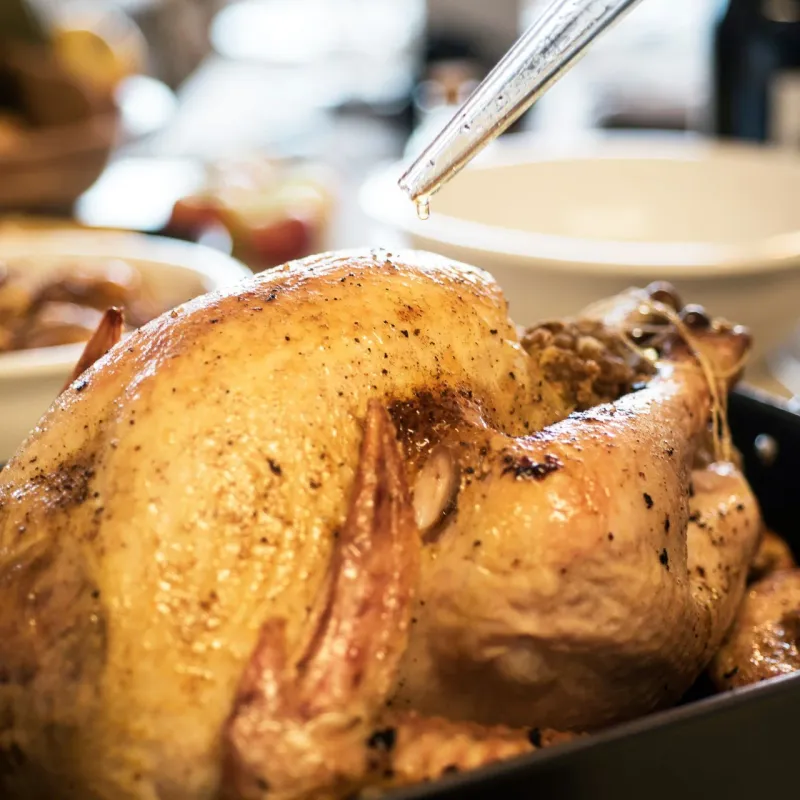
Basting is one of those techniques grandmothers do instinctively without calling it anything at all. It means spooning, brushing, or squirting pan juices, butter, or sauce over meat while it cooks to keep it moist and add layers of flavor to the surface.
Thanksgiving turkey is the most famous example of basting in action. Every time someone opens the oven door to spoon those golden drippings back over the bird, that is basting.
It builds a flavorful, glistening crust and helps prevent the outer layers from drying out during long cooking times.




Comments
No Comments