













No matter where you grow up, there is almost always a warm, filling dish that makes everything feel better. From rainy afternoons to tough school days, comfort food has a way of wrapping you up like a hug.
What is truly amazing is that people all around the world have created dishes that, despite different ingredients and names, feel strikingly alike. Get ready to discover how a bowl of soup in Japan and a pot of stew in Mexico can speak the very same language of comfort.
1. Japanese Ramen and American Chicken Noodle Soup
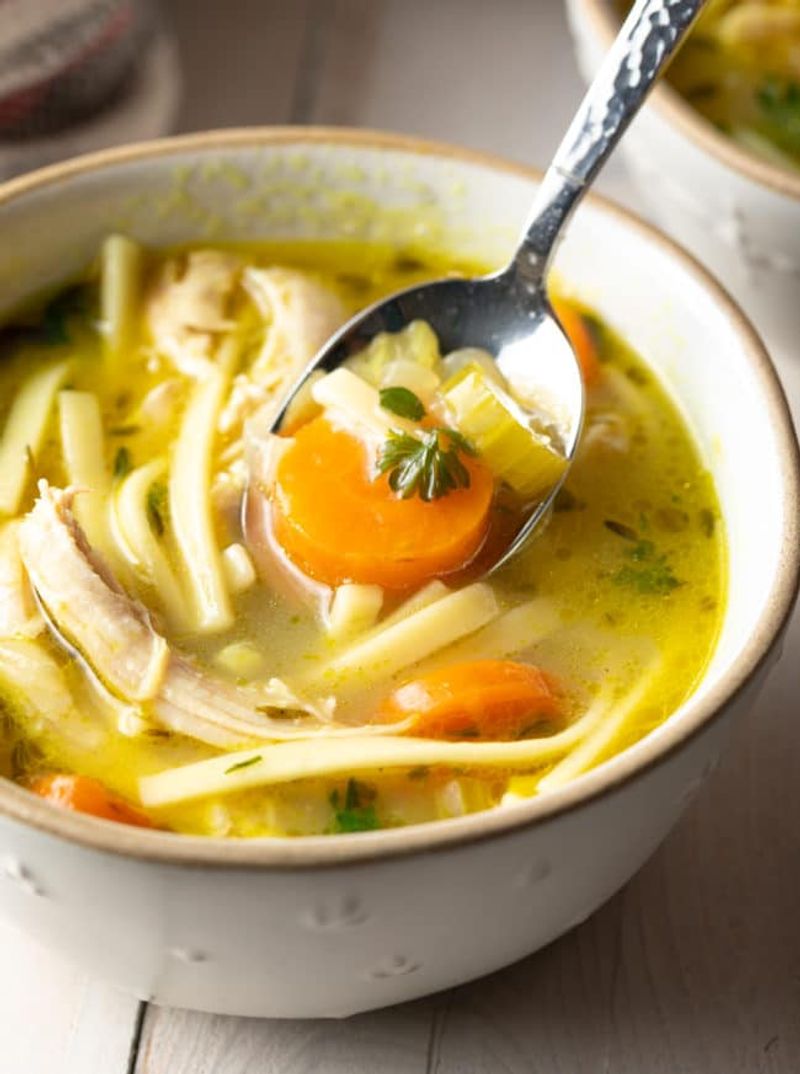
A warm bowl of noodles in broth is one of the most universal comfort foods on the planet. Japanese ramen features rich, slow-cooked broth loaded with toppings, while American chicken noodle soup keeps things simple with tender chicken and vegetables.
Both dishes are go-to remedies when someone feels sick or stressed. The slurping, the warmth, and the deep savory flavor create the same sense of ease and home, no matter which version fills your bowl.
2. Mexican Tamales and Chinese Zongzi
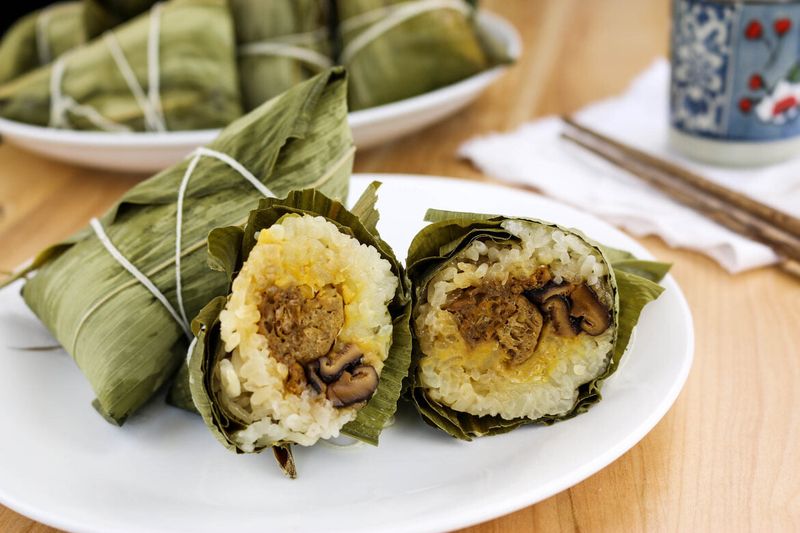
Wrapping food in leaves or husks before cooking it sounds like a strange technique until you realize two very different cultures landed on nearly the same idea. Mexican tamales use masa dough and corn husks, while Chinese zongzi wrap sticky rice in bamboo leaves.
Both are tied to festivals, family gatherings, and hours of communal preparation. Unwrapping one feels like opening a small gift, and that joyful ritual is something families on both sides of the world deeply cherish.
3. Italian Risotto and Indian Khichdi
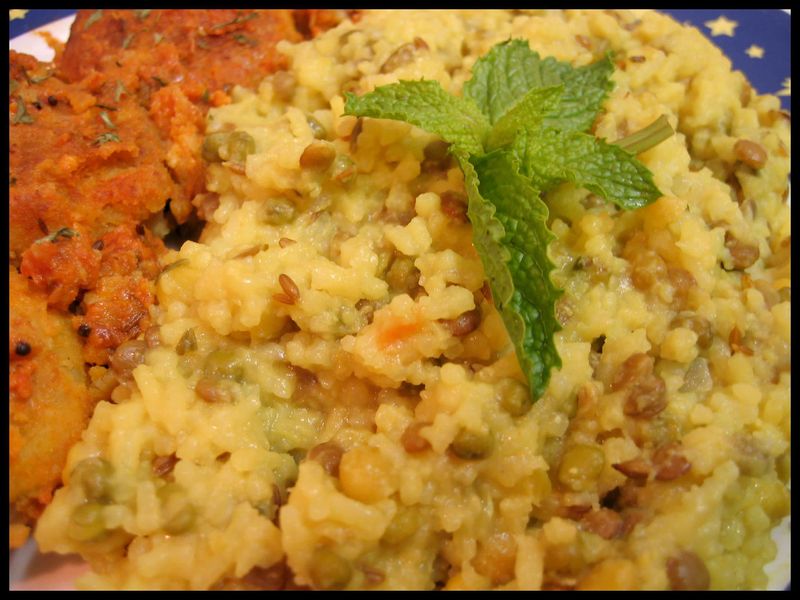
Khichdi has been called the original one-pot meal of India, a simple mix of rice and lentils cooked down into something deeply soothing. Italian risotto takes a similar approach, slowly stirring rice until it becomes creamy and rich.
Both dishes are recommended when someone is recovering from illness, and both are beloved by grandmothers everywhere. The slow, patient cooking process seems to transfer a kind of warmth directly into the food itself, making each bite feel like care.
4. French Onion Soup and Filipino Sinigang
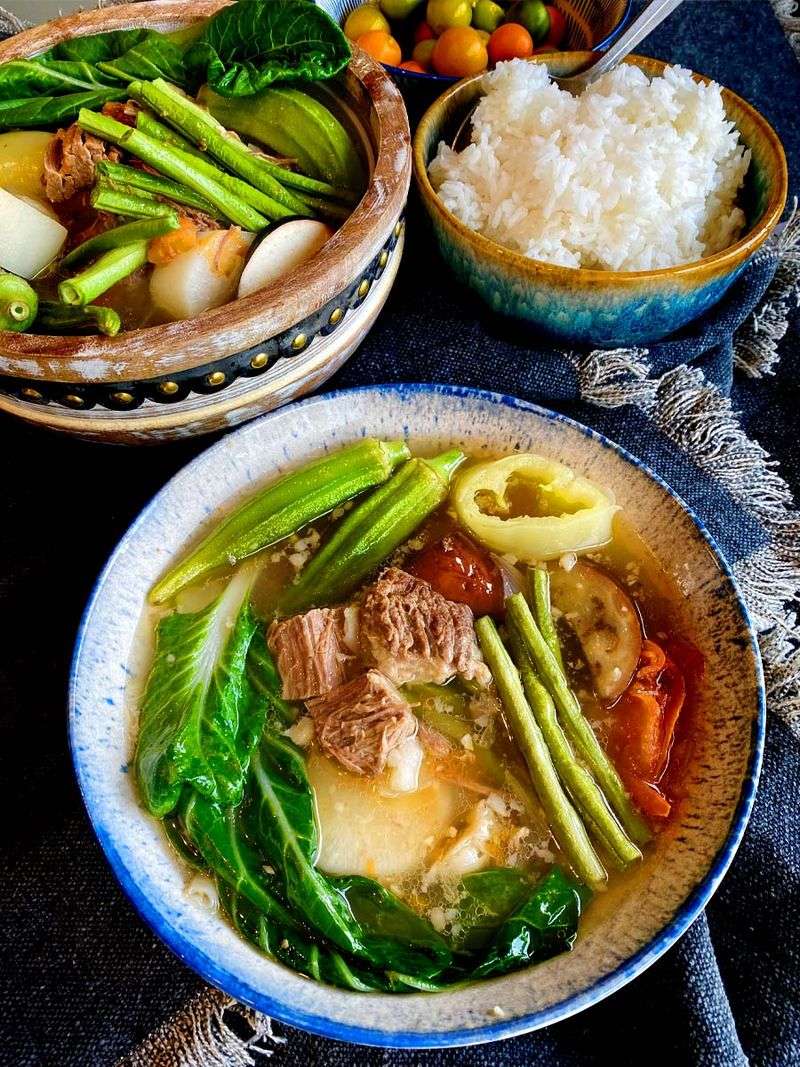
French onion soup is famous for its deeply caramelized flavor and the satisfying pull of melted cheese on top. Filipino sinigang, on the other hand, delivers a tangy tamarind-based broth loaded with vegetables and meat or seafood.
While the flavors differ, both soups hit the same emotional note. They are bold, warming, and unmistakably tied to home cooking.
Ask any Filipino or French person about their favorite soup and watch their face light up with pure nostalgia.
5. American Mac and Cheese and Italian Pasta al Burro
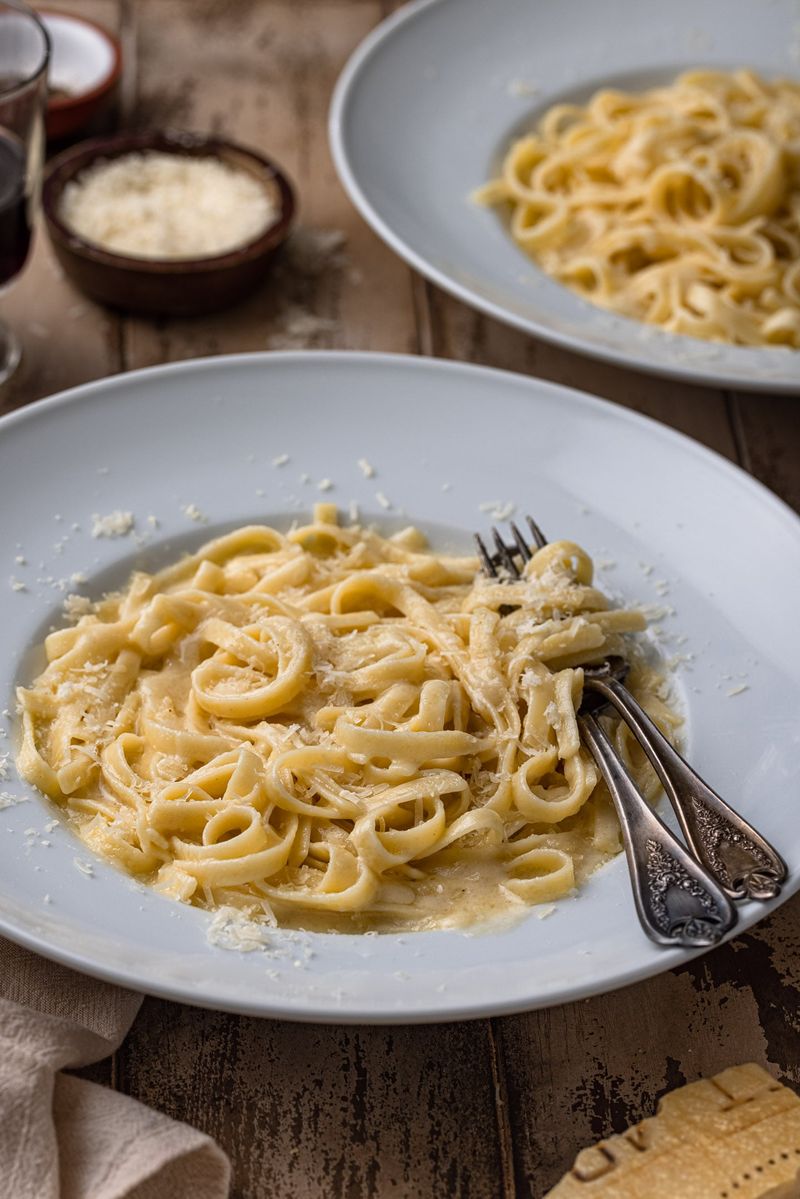
Pasta, butter, and cheese. That combination might just be the most comforting trio of ingredients ever assembled.
American mac and cheese bakes it all into a golden, bubbly dish, while Italian pasta al burro keeps things elegantly simple with just butter and parmesan.
Kids in both countries grow up eating some version of this, and the craving never really goes away. There is something almost magical about how a handful of humble ingredients can produce such deep, lasting satisfaction.
6. Brazilian Feijoada and British Baked Beans on Toast
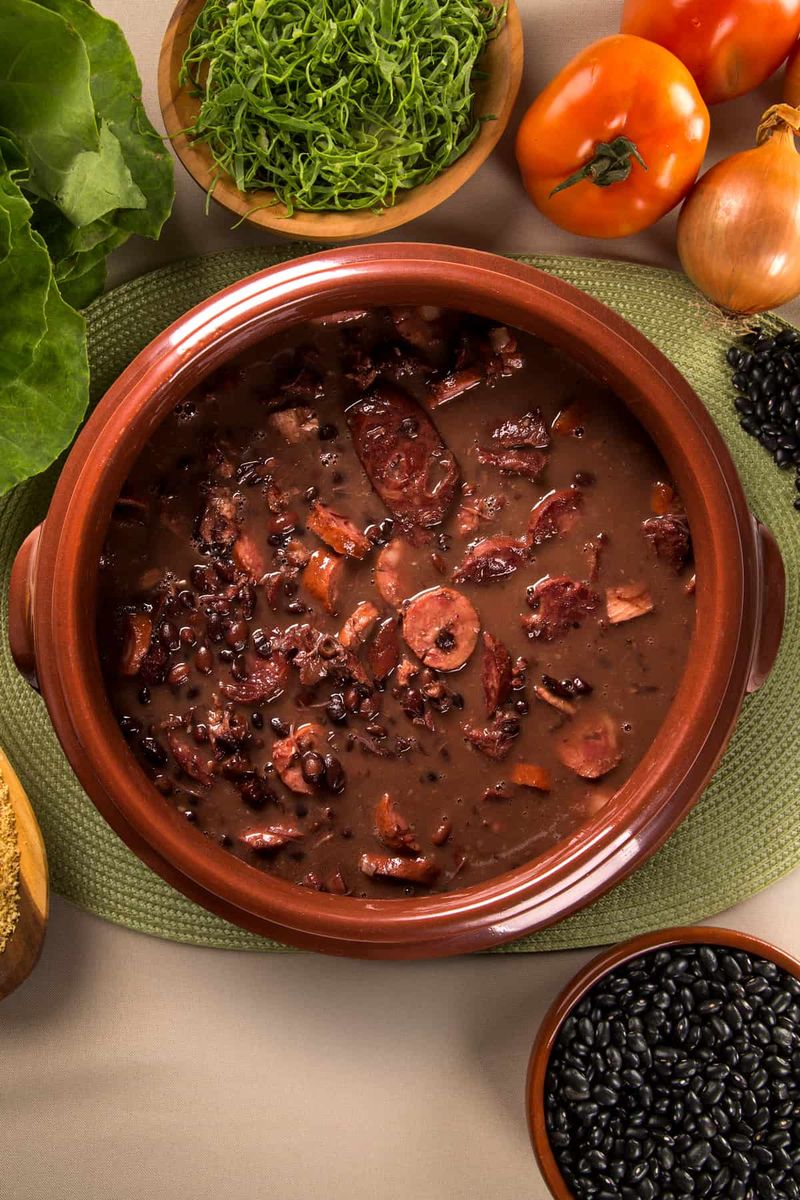
Beans as comfort food might sound humble, but these two dishes prove that simple ingredients can carry enormous cultural weight. Brazilian feijoada is a rich, slow-cooked stew of black beans and pork that anchors weekend family gatherings.
British baked beans on toast is the ultimate quick fix for a tired evening.
Both dishes are deeply affordable and endlessly satisfying. They remind us that comfort does not require fancy ingredients.
Sometimes a pot of beans is all you need.
7. Turkish Lentil Soup and Canadian Split Pea Soup
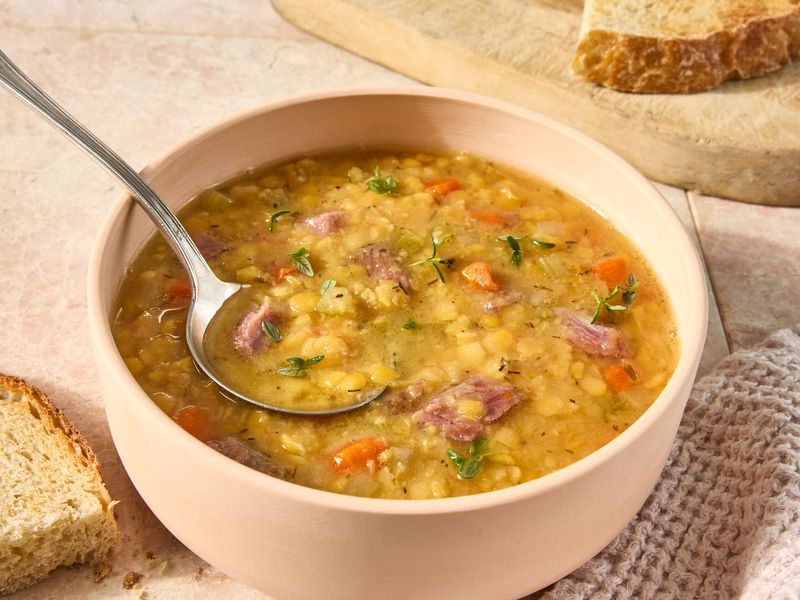
Red lentil soup has been warming Turkish homes for centuries, blended smooth and finished with a drizzle of spiced butter. Canadian split pea soup takes a similarly hearty approach, simmering dried peas with smoked ham until thick and deeply flavored.
Both soups are cold-weather staples that feel like a warm blanket from the inside out. They are inexpensive, filling, and made from pantry basics.
Across two very different countries, cooks discovered the same truth: a good legume soup heals everything.
8. Korean Japchae and Vietnamese Pho
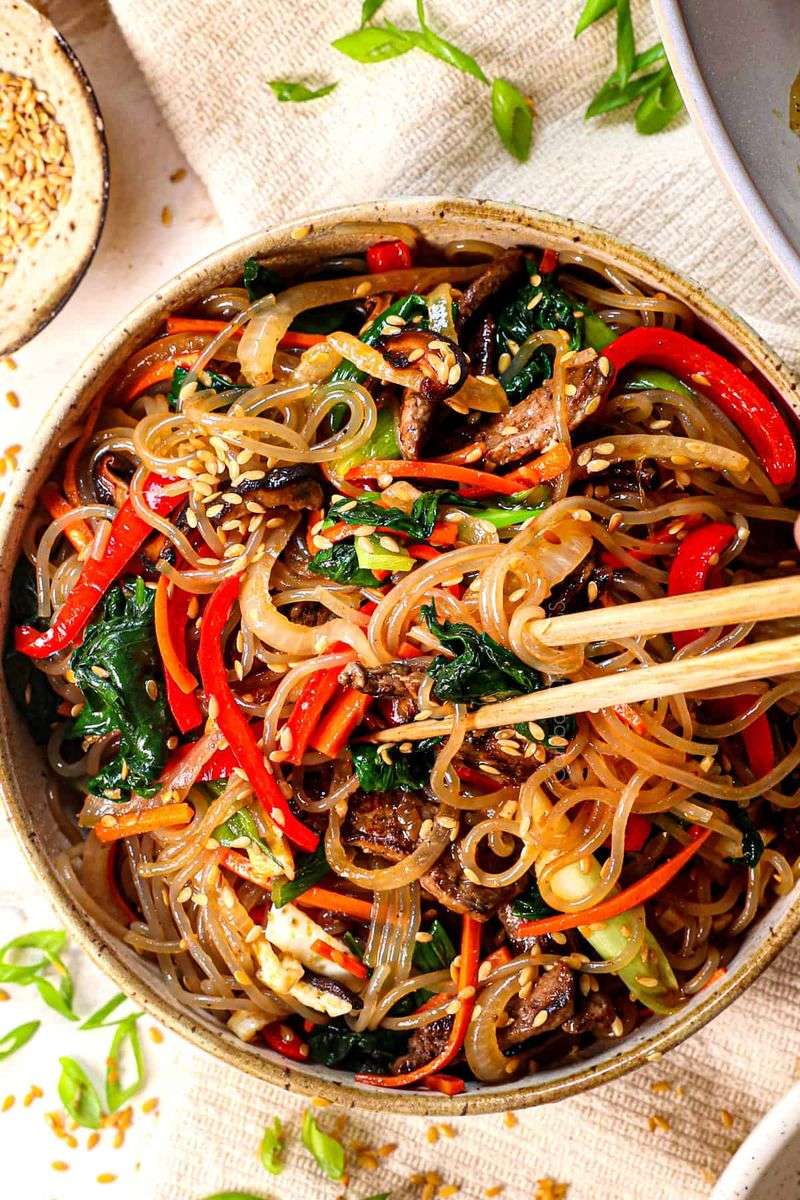
Noodles show up in comfort food across Asia in so many beautiful forms. Korean japchae uses chewy glass noodles stir-fried with vegetables and meat, creating a dish that feels festive yet grounding.
Vietnamese pho is a quiet, fragrant bowl of rice noodles in bone broth, often eaten for breakfast.
Both dishes are tied to celebration and healing. They prove that noodles carry culture in every strand, connecting people to memory, family, and the feeling of being truly fed.
9. Greek Moussaka and British Shepherd's Pie
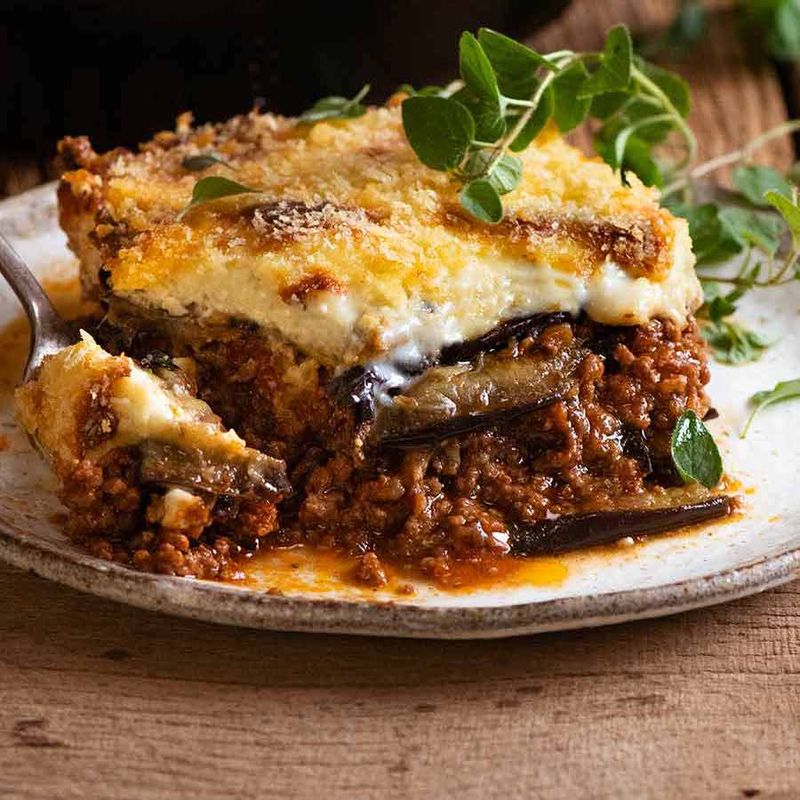
Layers of savory meat topped with something rich and golden, baked until bubbling. That description fits both Greek moussaka and British shepherd's pie almost perfectly.
Moussaka layers spiced lamb with eggplant and creamy bechamel, while shepherd's pie covers seasoned meat with a cloud of mashed potatoes.
Both are quintessential cold-evening meals. They take a bit of effort but reward you with something deeply satisfying.
Interestingly, both dishes were originally clever ways to use up leftover meat.
10. Egyptian Koshari and American Chili
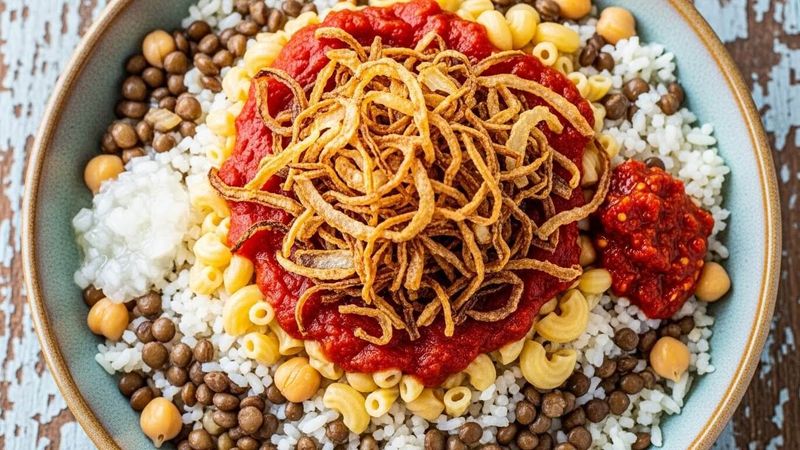
Egyptian koshari is a bold, layered bowl of rice, lentils, pasta, and crispy onions topped with spiced tomato sauce. American chili is a thick, hearty stew of beans, meat, and chili peppers that fills a kitchen with an irresistible smell.
Both are budget-friendly crowd-pleasers loaded with texture and flavor. They are stadium foods, street foods, and home kitchen staples all at once.
The combination of carbs, protein, and bold seasoning makes both dishes impossible to stop eating after the first spoonful.
11. Spanish Churros and American Funnel Cake

Fried dough coated in sugar is one of those ideas humanity clearly arrived at independently across multiple continents. Spanish churros are crispy, ridged sticks of fried dough dipped in thick hot chocolate.
American funnel cake is a swirly, powdery mess of deep-fried batter sold at every state fair.
Both are unapologetically indulgent. Neither pretends to be healthy, and that honesty is part of the charm.
Sometimes the best comfort food is the kind that makes you lick your fingers without a second thought.
12. Russian Borscht and American Tomato Soup
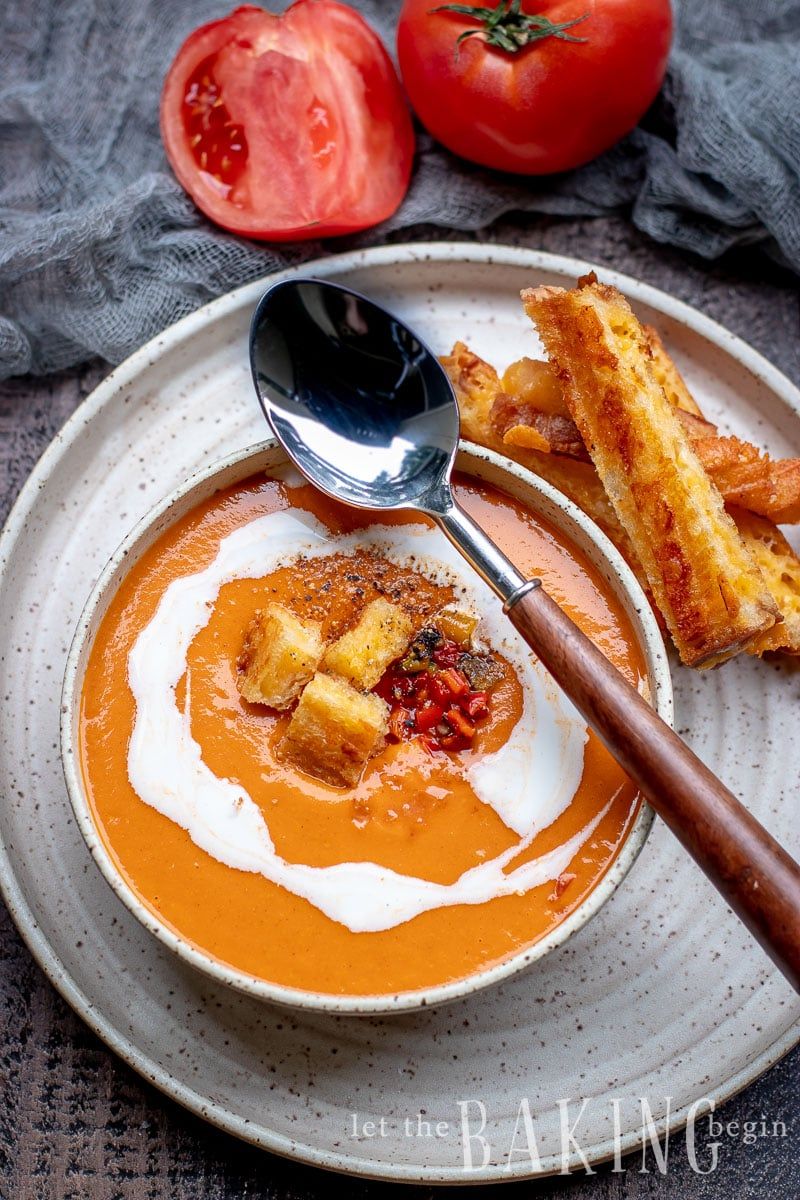
Both Russian borscht and American tomato soup are brilliantly red, deeply warming, and best enjoyed on a cold day. Borscht gets its vivid color from beets and is packed with vegetables and sometimes meat, finished with a generous spoonful of sour cream.
American tomato soup is smoother and simpler, almost always paired with a grilled cheese sandwich. The pairing ritual itself is a form of comfort.
Across cultures, a red bowl of hot soup signals the same thing: slow down, you are home.
13. Moroccan Harira and Mexican Pozole
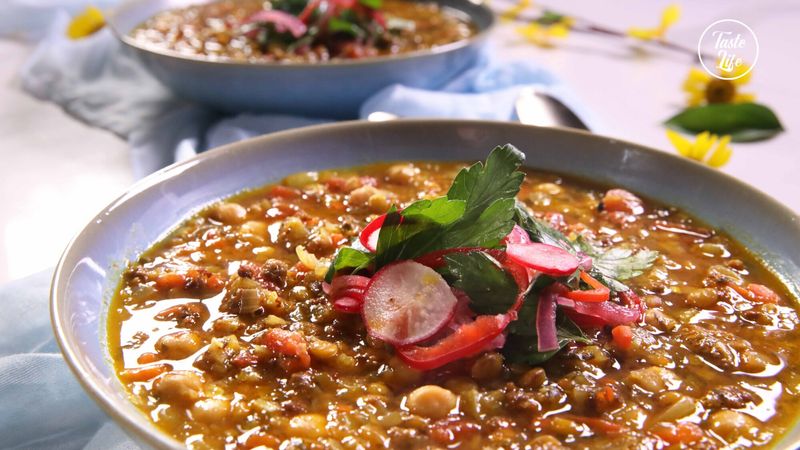
Harira is a Moroccan soup traditionally eaten to break the Ramadan fast, thick with tomatoes, lentils, chickpeas, and warm spices. Mexican pozole is a ceremonial stew made with hominy and slow-cooked pork, served with vibrant toppings like radish, lime, and cabbage.
Both soups carry deep spiritual and cultural significance. They are not just food.
They mark time, gather families, and honor tradition. Eating either one for the first time feels like being welcomed into something much larger than a meal.
14. Polish Pierogi and Chinese Dumplings
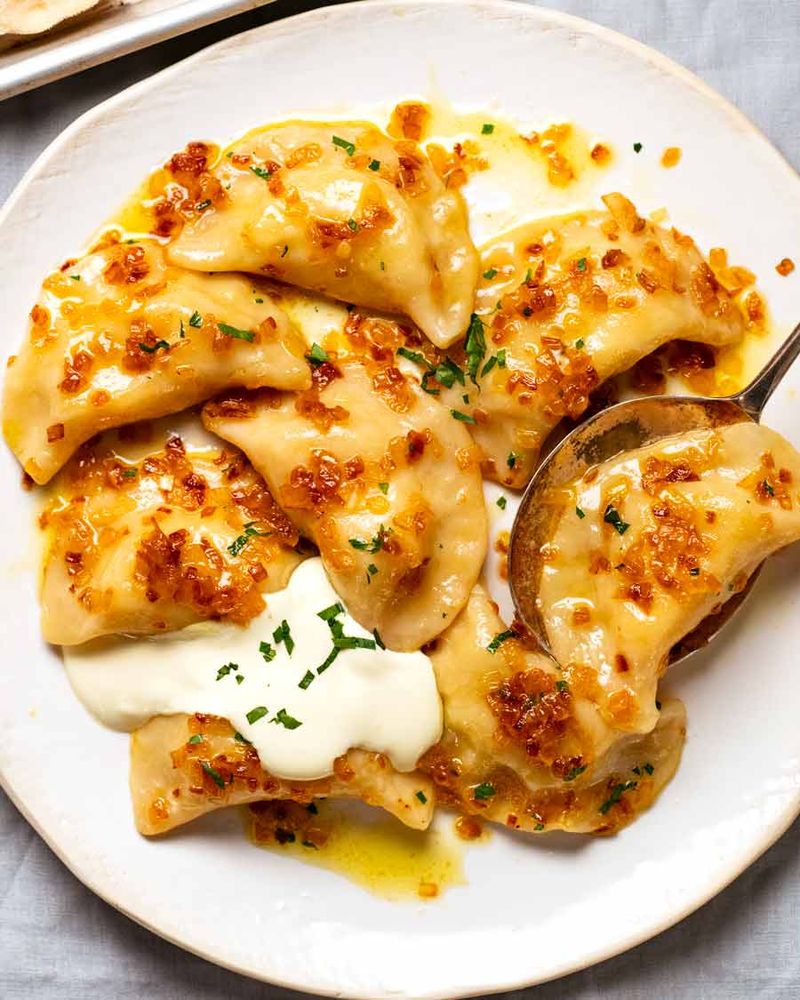
Stuffing dough with a savory filling and cooking it is one of the most universal cooking ideas in human history. Polish pierogi are half-moon pockets of dough filled with potato, cheese, or meat, often fried in butter.
Chinese dumplings come steamed, boiled, or pan-fried with juicy fillings of pork or vegetables.
Making either dish is a group activity, often involving the whole family around a table. The folding, the filling, and the sharing are as meaningful as the eating itself.
15. Nigerian Jollof Rice and Spanish Paella
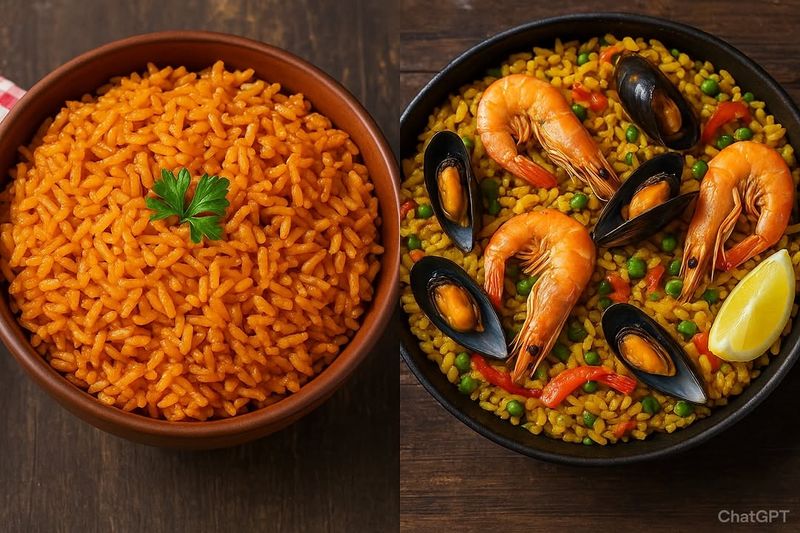
Few dishes spark as much pride and passion as jollof rice does in West Africa. This one-pot tomato-based rice dish is bold, smoky, and unmistakably festive.
Spanish paella, cooked in a wide flat pan with saffron-stained rice and an array of toppings, carries the same celebratory energy.
Both are made for crowds and cooked outdoors at parties as often as indoors. The competitive loyalty each dish inspires in its home country shows just how deeply food can shape cultural identity.
16. American Apple Pie and Dutch Appeltaart

Apple pie is so deeply American that the phrase "as American as apple pie" became a cultural saying. But the Dutch have been baking appeltaart for centuries, filling a thick, crumbly pastry shell with cinnamon-spiced apples long before the United States existed.
Both desserts smell incredible while baking and taste even better with a scoop of vanilla ice cream or a dollop of whipped cream. They are proof that some flavor combinations are simply human, not national.




Comments
No Comments