













Sunday lunch in Britain was once a sacred weekly ritual, bringing families together around a table loaded with roast meat, steaming vegetables, and golden Yorkshire puddings. For older generations, it was more than just a meal — it was a tradition passed down through decades.
But as lifestyles have changed, many of those cherished customs have quietly faded away. Here are 16 British Sunday lunch habits that younger generations rarely follow anymore.
1. Setting the Table with a Full Formal Layout

Back in the day, Sunday lunch meant getting out the good china. Tablecloths were ironed, cutlery was polished, and napkins were folded just so.
It was a weekly event that felt almost as formal as a dinner party.
Today, most young people eat off everyday plates — or even straight from the pan. The ritual of setting a proper table has largely been replaced by casual dining or eating in front of the TV.
2. Sitting Down at a Fixed Lunchtime

Ask any grandparent and they will tell you — Sunday lunch was served at 1pm sharp, no exceptions. The whole household organised their morning around that meal, from church attendance to the timing of the roast going in the oven.
Younger generations tend to eat whenever hunger strikes. Fixed mealtimes feel rigid to many people now, and the idea of planning your whole Sunday around a single meal seems almost old-fashioned.
3. Carving the Meat at the Table
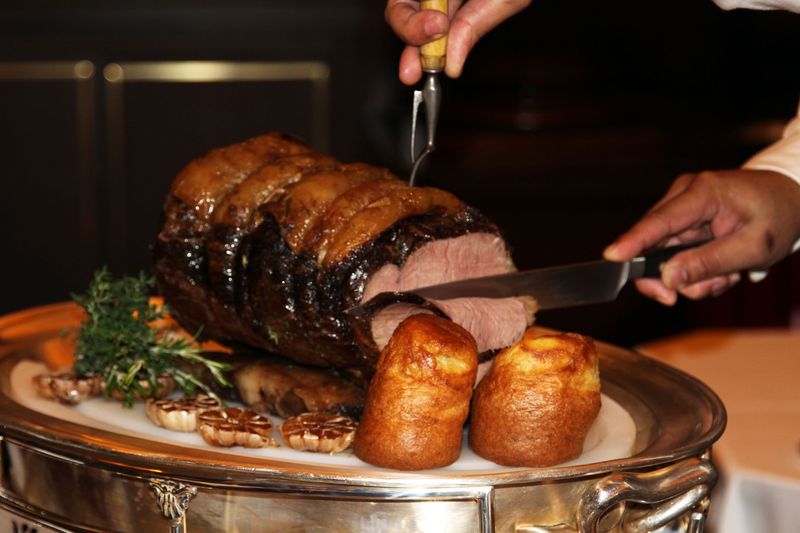
There was a time when carving the meat at the table was the father's job, and it was taken seriously. A proper carving knife and fork were essential kitchen tools, and doing it well was a point of pride.
These days, meat often arrives pre-sliced from a supermarket or gets carved quietly in the kitchen before serving. The theatrical table-side carving ritual has almost completely disappeared from younger households.
4. Making Gravy Completely from Scratch
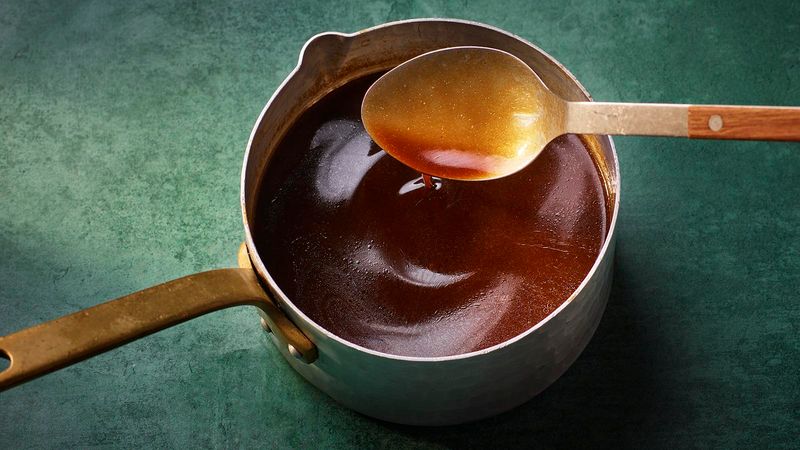
Real Sunday lunch gravy was made from the meat juices left in the roasting tin — never from a packet or a cube. It took skill, patience, and a good splash of red wine or stock to get it just right.
Younger cooks tend to reach for Bisto granules or a ready-made sauce, and honestly, nobody blames them. Scratch-made gravy is delicious, but it requires time and confidence that busy modern schedules rarely allow.
5. Attending Church Before the Meal
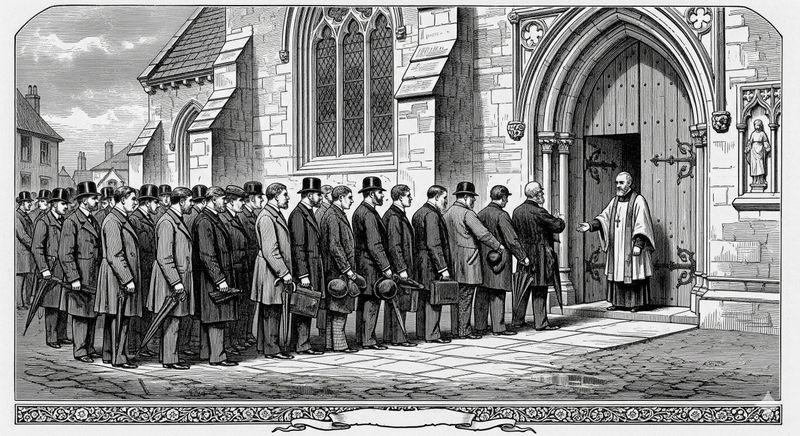
For many older British families, Sunday lunch only happened after Sunday morning church. The two were inseparable — you went to worship, then you came home to a roast already slow-cooking in the oven.
Regular church attendance has dropped significantly across the UK over the decades. Most younger people spend Sunday mornings sleeping in, scrolling their phones, or heading out for brunch rather than attending a religious service before lunch.
6. Cooking a Full Roast Every Single Week
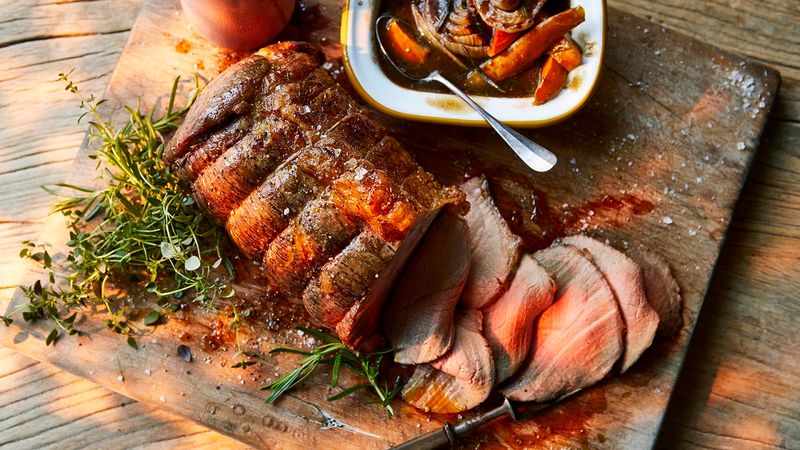
Without fail, every Sunday meant a full roast dinner. Roast beef, lamb, pork, or chicken — whatever the family budget allowed — was on the table every single week without question.
It was simply what Sunday meant.
Younger generations are far more flexible with their weekly meals. Takeaways, meal kits, and brunch outings have all become popular alternatives.
Cooking a full roast every Sunday now feels like a special occasion rather than a routine habit.
7. Using the Best Room Only for Sunday Lunch
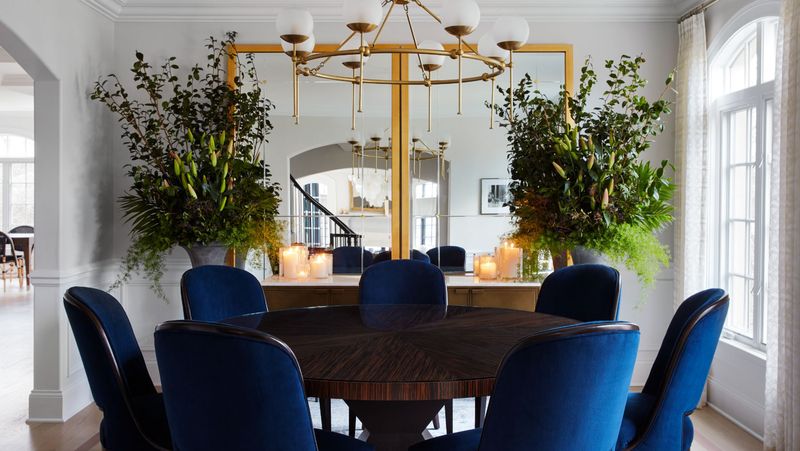
Many British homes had a "best room" — a formal dining room kept spotless and used almost exclusively for Sunday lunch and special occasions. It was not a space for everyday lounging or homework.
Open-plan living has made that concept nearly obsolete. Younger people tend to eat wherever is most convenient, whether that is the kitchen counter, the sofa, or even their bedroom desk.
Reserved rooms feel unnecessarily wasteful to modern sensibilities.
8. Serving a Proper Pudding After the Main

Sunday lunch was a two-course event at minimum. After the roast came pudding — a proper British one, like jam roly-poly, bread and butter pudding, or apple crumble with thick custard poured on top.
Younger generations are more likely to skip dessert entirely or grab a yoghurt from the fridge. The idea of preparing a hot pudding from scratch on top of cooking a full roast feels like a lot of effort for a regular weekend.
9. Banning Television During the Meal
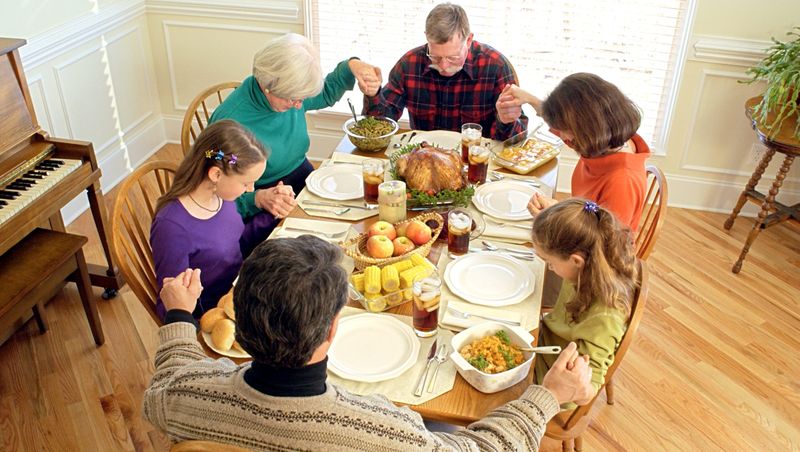
Sunday lunch was conversation time. The television stayed off, phones did not exist, and the table was a space for talking, laughing, and actually connecting with the people around you.
Today, screens are almost always present at mealtimes. Whether it is a phone propped against a glass or a TV playing in the background, younger generations rarely experience a fully screen-free meal.
The idea of banning technology at the table feels almost revolutionary now.
10. Inviting Extended Family Every Week
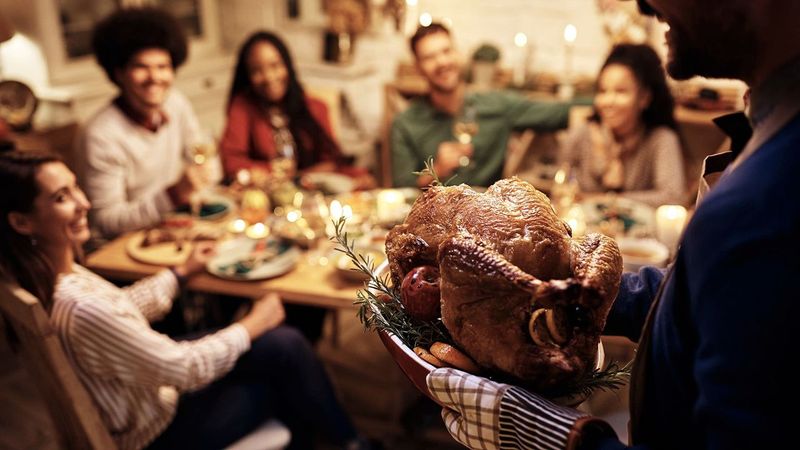
Grandparents, aunts, uncles, and cousins all turning up for Sunday lunch was completely normal not too long ago. The table expanded, extra chairs appeared, and the kitchen worked overtime to feed everyone.
Younger generations are more geographically spread out, and family gatherings tend to happen on birthdays or holidays rather than every week. Regular weekly extended family meals require a level of proximity and coordination that modern life rarely makes easy.
11. Making Yorkshire Puddings Completely from Scratch

A proper Sunday roast without homemade Yorkshire puddings was unthinkable to older generations. The batter was made fresh, the tin was heated with dripping until smoking hot, and the results were gloriously puffed and golden.
Frozen Yorkshire puddings from the supermarket are genuinely very good now, and younger cooks see no shame in using them. Convenience wins over tradition in most modern kitchens, especially when there are already a dozen other things bubbling on the hob.
12. Keeping Sunday Morning Free for Meal Prep
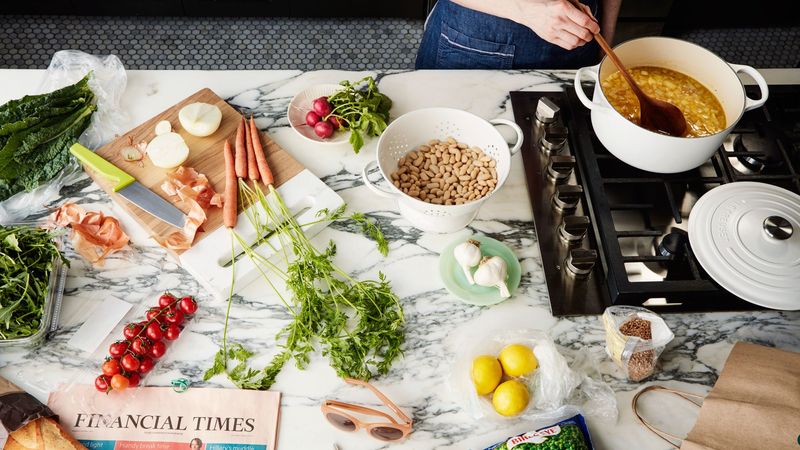
Getting Sunday lunch on the table by 1pm required starting early. Potatoes had to be peeled and parboiled, vegetables prepped, meat seasoned and put in the oven — all before mid-morning.
Sunday was structured around the meal.
Younger adults fill Sunday mornings with gym sessions, brunches, lie-ins, or errands. The idea of spending three or four hours cooking a single meal feels like a major time commitment in a generation that values flexibility above almost everything else.
13. Pouring a Proper Glass of Wine for Adults
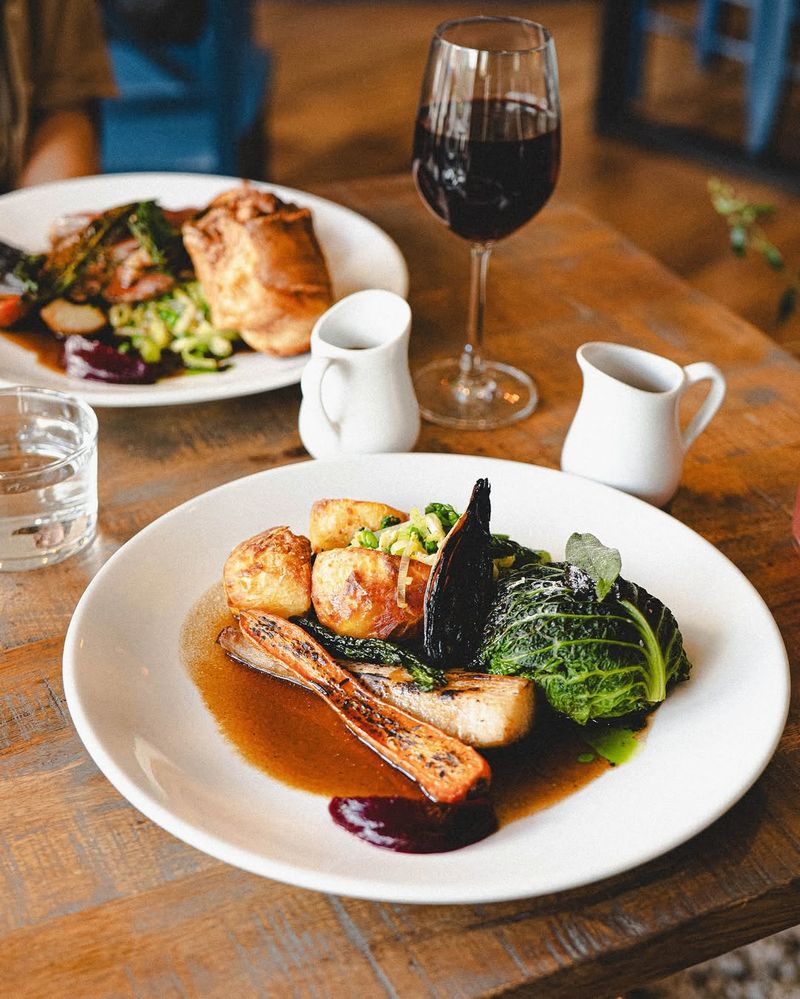
Sunday lunch for grown-ups always included a glass of wine — usually red with beef or lamb, white with chicken. It was a small but meaningful marker that this meal was something more than an ordinary weekday dinner.
Younger adults are drinking less alcohol overall, with many choosing to go sober or opt for sparkling water and soft drinks instead. The automatic pour of wine with Sunday lunch is no longer the default it once was for previous generations.
14. Clearing and Washing Up Together as a Family
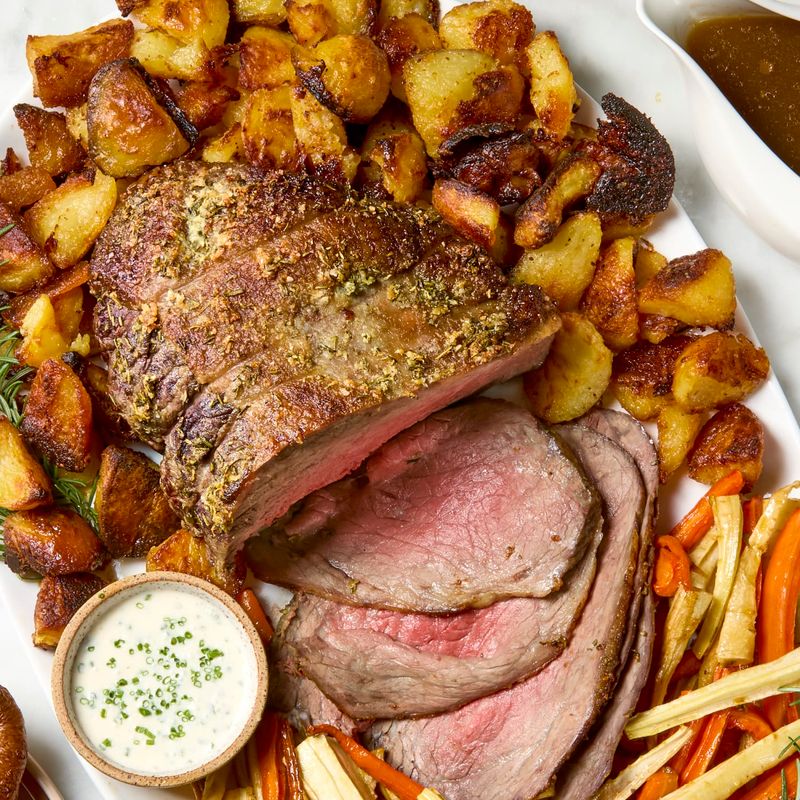
After the meal came the washing up, and everyone was expected to pitch in. Plates were scraped, pots were soaked, and the kitchen became a communal activity where conversations continued over the sink and drying rack.
Dishwashers have changed this ritual significantly. But beyond appliances, younger households are more likely to leave dishes until later or rotate chores individually.
The idea of the whole family cleaning up together right after eating has quietly faded away.
15. Taking a Sunday Afternoon Walk After Lunch

A walk after Sunday lunch was practically compulsory in many British households. It was the natural conclusion to a big meal — fresh air, a stroll through the village or countryside, and a chance to let the food settle before the afternoon set in.
Younger generations are more likely to collapse on the sofa or scroll through social media after eating. The post-lunch walk feels charmingly old-fashioned to many, though it is genuinely one of the healthiest traditions on this entire list.
16. Sitting at the Table Until Everyone Had Finished
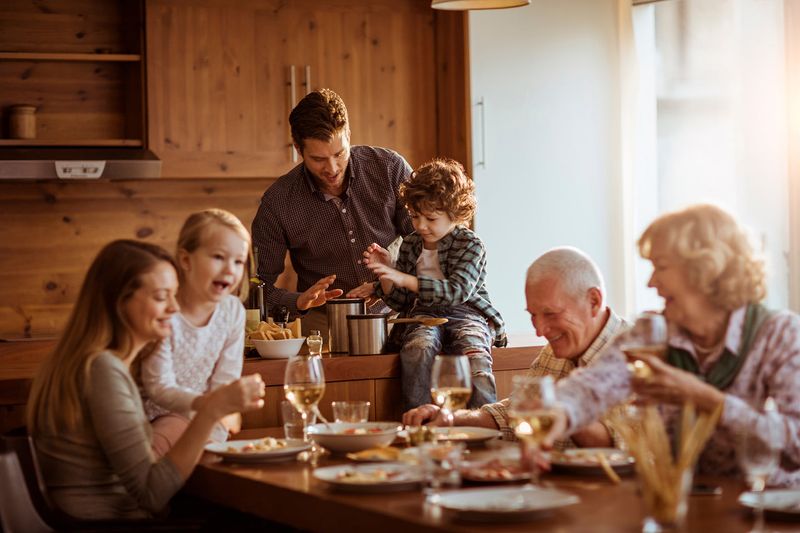
Nobody left the table until everyone had finished eating. That was simply the rule.
You sat, you talked, and you waited politely — even if you had cleared your plate ten minutes ago and desperately wanted to escape to the garden.
Younger people tend to eat at their own pace and wander off when they are done. Patience at the table is a skill that gets less practice now, and the communal sit-together-until-the-end tradition has largely disappeared from family mealtimes.




Comments
No Comments