













Knowing how to cook is one of the most useful life skills you can have. Whether you are heading off to college, moving into your first apartment, or just trying to be more independent, being able to feed yourself well makes a huge difference.
You do not need to be a chef to survive on your own. Mastering a handful of simple cooking basics will save you money, keep you healthy, and honestly make you feel pretty proud of yourself.
1. How to Safely Use a Kitchen Knife
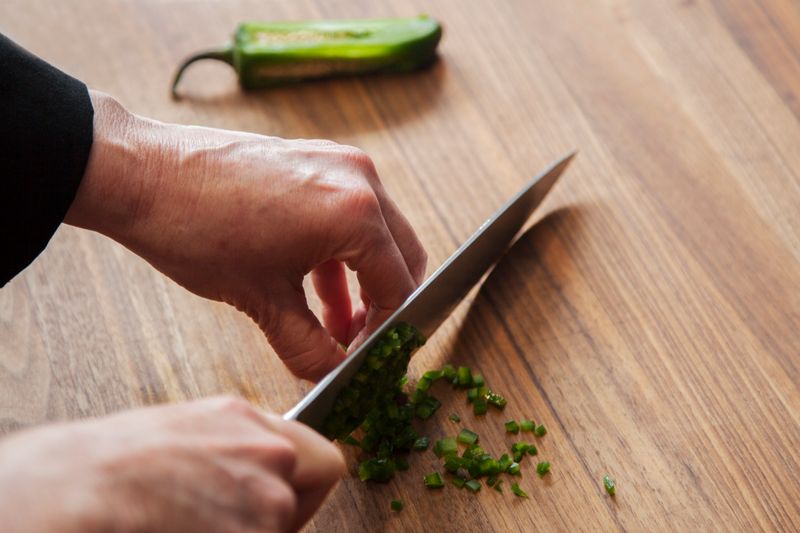
A sharp knife in steady hands is one of the most powerful tools in any kitchen. Learning the correct grip, called the pinch grip, keeps your fingers safe and gives you better control.
Always curl your fingertips under when holding food to protect them from the blade.
Practice on soft vegetables like bananas or mushrooms before moving to harder ones. Never rush when cutting.
A slow, confident chop beats a fast, sloppy one every time.
2. Boiling Water and Cooking Pasta
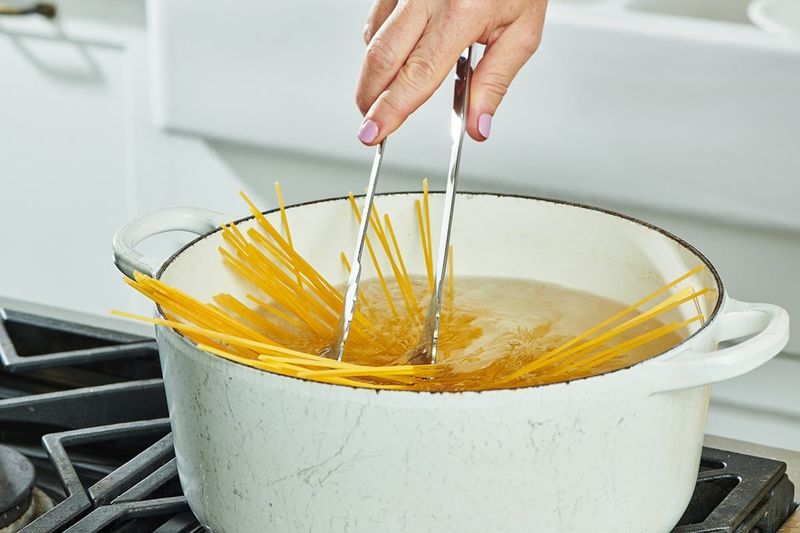
Pasta might seem too simple to count as a skill, but there is more to it than tossing noodles in hot water. Salting the water generously before adding pasta makes a huge flavor difference that most beginners skip.
A good rule of thumb is one tablespoon of salt per large pot.
Cook pasta until it is al dente, meaning slightly firm to the bite. Taste a piece before draining to check.
Overcooked, mushy pasta is a rookie mistake worth avoiding.
3. Scrambling and Frying Eggs

Eggs are the ultimate beginner food because they are cheap, fast, and packed with protein. Scrambled eggs come together in under five minutes when you keep the heat low and stir slowly.
Many people rush eggs on high heat, which makes them rubbery and dry.
Fried eggs are even simpler. A little butter or oil, a cracked egg, and a lid to trap steam gives you a perfectly cooked egg every time.
Mastering eggs means you always have a solid meal option.
4. Reading and Following a Recipe
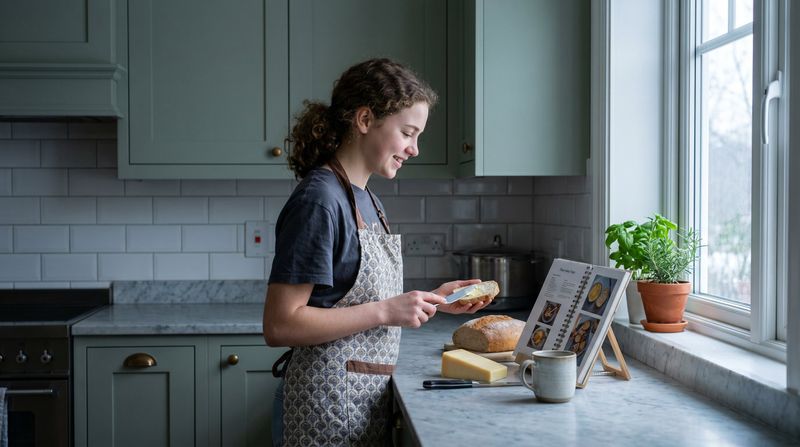
Recipes are basically instruction manuals for food, and knowing how to follow one properly is a skill in itself. Before you start cooking, read the entire recipe from start to finish.
Surprises mid-cook, like realizing you need an ingredient you do not have, can ruin a dish.
Pay attention to terms like "fold," "simmer," and "julienne" since they mean specific things. Measuring ingredients accurately, especially when baking, makes a real difference in how the final dish turns out.
5. Making a Simple Salad with Dressing
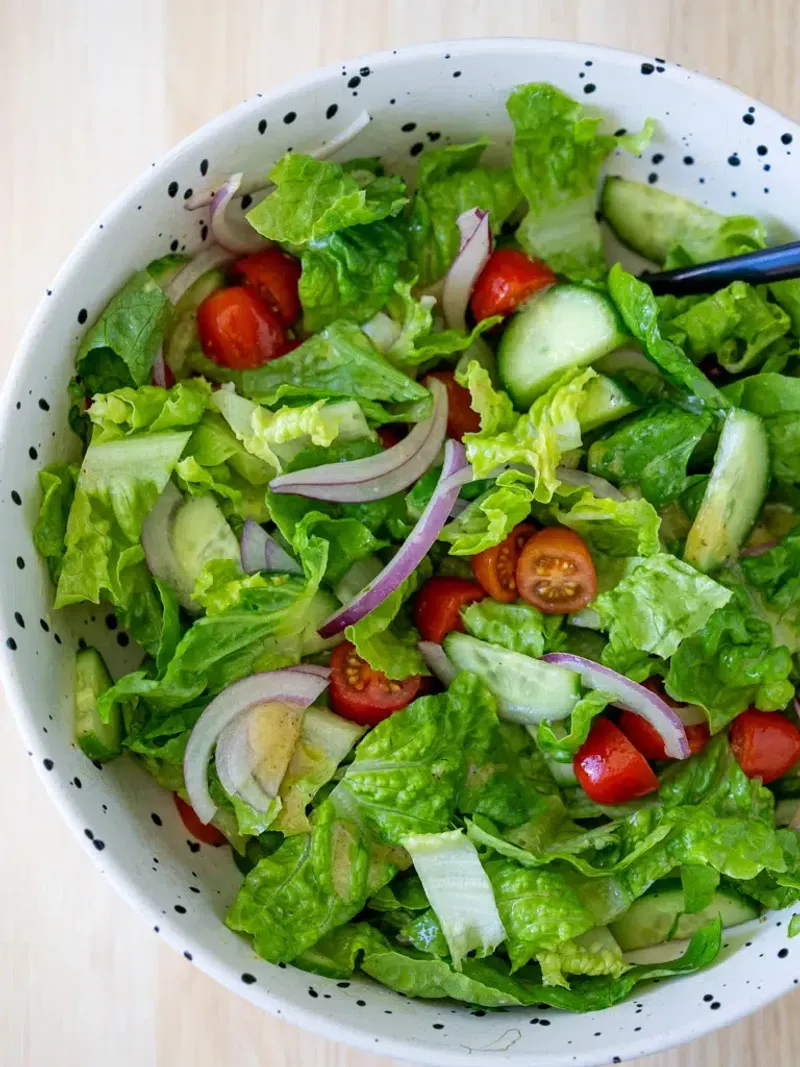
Salads are not just rabbit food. A well-made salad with a good dressing can be genuinely satisfying and incredibly nutritious.
The secret is in the balance of textures and flavors, crunchy croutons, creamy cheese, crisp greens, and a tangy dressing that ties it all together.
Making your own dressing is surprisingly easy. Whisk together olive oil, lemon juice, a pinch of salt, and a little honey for a simple vinaigrette.
Homemade dressing always tastes better than bottled versions.
6. Cooking Rice Without Burning It
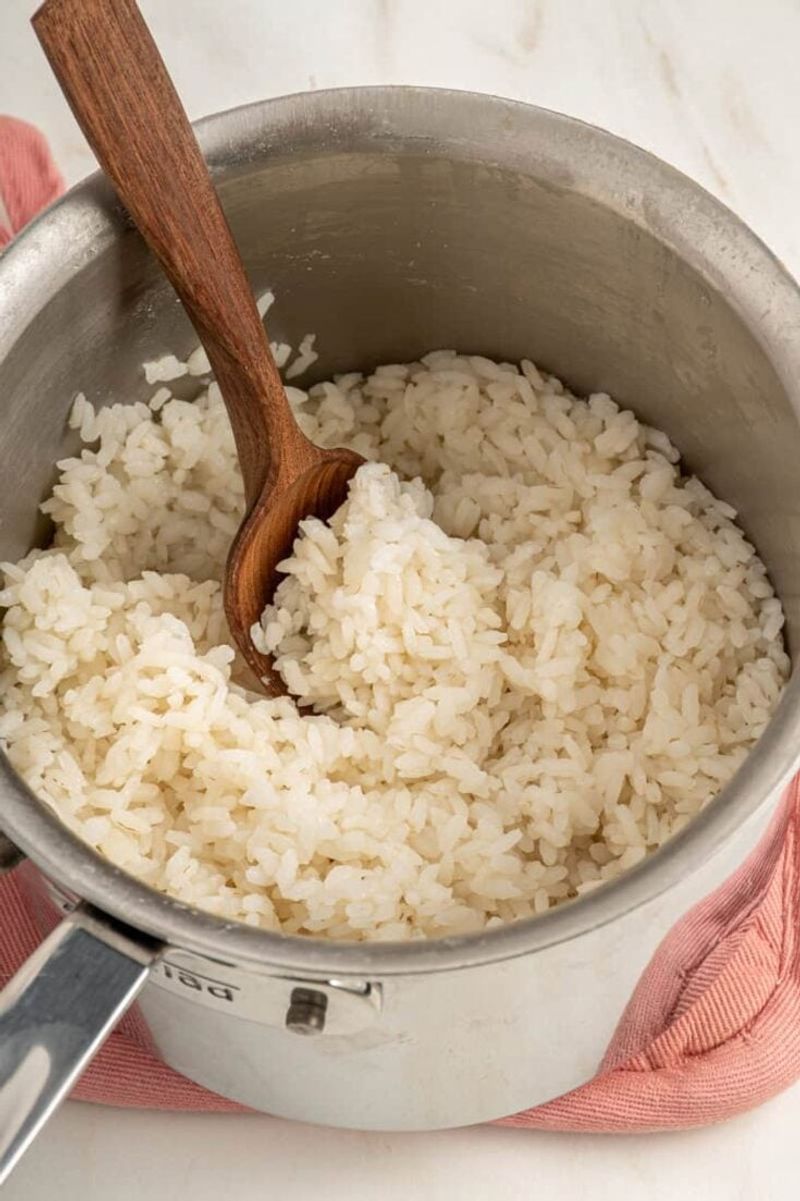
Burned or mushy rice is one of the most common kitchen frustrations for beginners. The standard ratio is two cups of water for every one cup of rice.
Bring it to a boil, then lower the heat to a gentle simmer and cover the pot tightly.
Resist the urge to lift the lid while it cooks. Steam trapped inside is what makes rice fluffy.
After about 18 minutes, turn off the heat and let it sit for five minutes before fluffing with a fork.
7. Sauteing Vegetables in a Pan
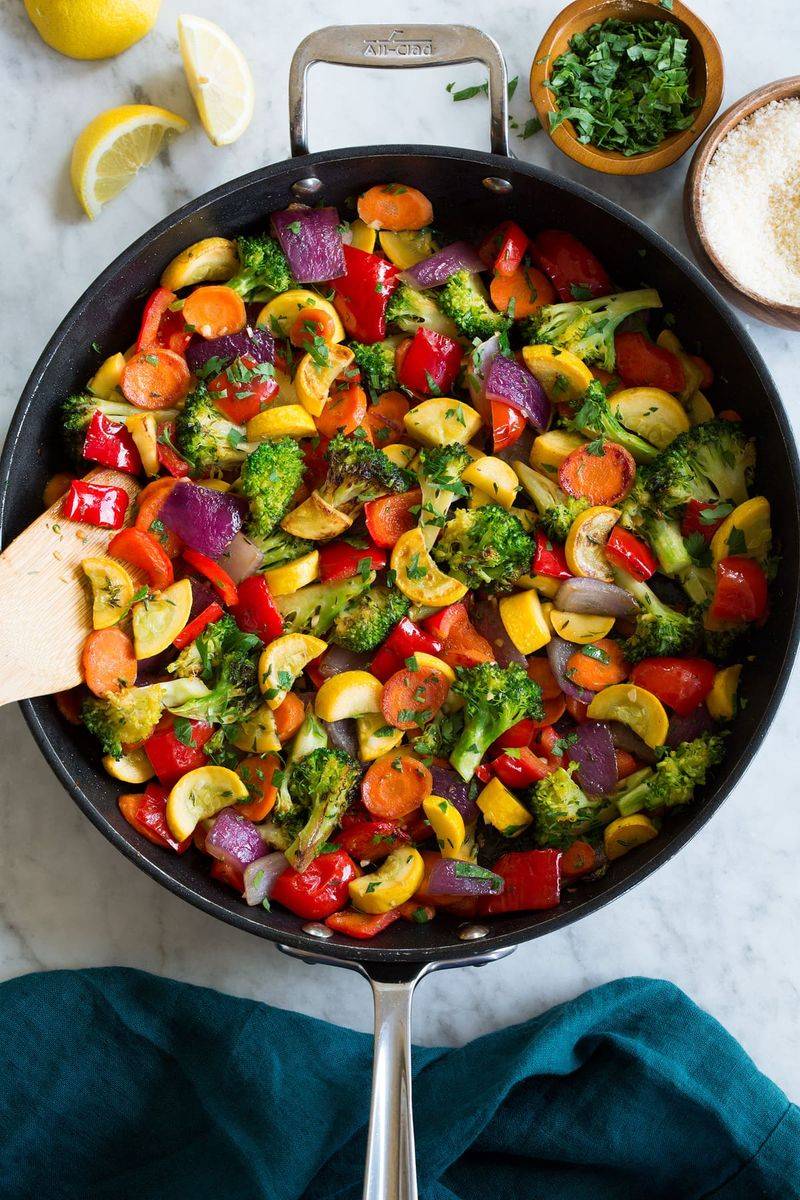
Sauteing is a fancy word for cooking food quickly in a hot pan with a little oil. It is one of those techniques that sounds complicated but takes only minutes to learn.
The key is not overcrowding the pan, because too many vegetables at once causes them to steam instead of brown.
Cut vegetables into similar sizes so they cook evenly. Season with salt and pepper early to draw out moisture and build flavor.
A squeeze of lemon at the end brightens everything up beautifully.
8. Roasting Food in the Oven
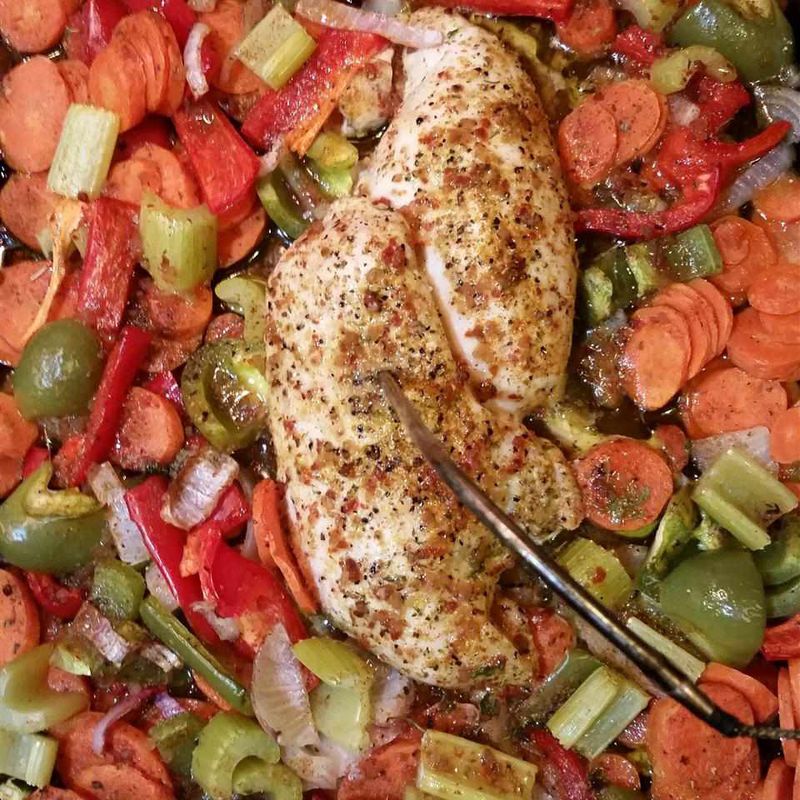
The oven is your best friend when it comes to hands-off cooking. Roasting transforms ordinary vegetables and proteins into something caramelized, crispy, and deeply flavorful with very little effort.
Toss your ingredients in oil, season them well, and let the oven do the heavy lifting.
Most roasting happens between 375 and 425 degrees Fahrenheit. Higher heat means crispier edges.
Always spread food in a single layer on the baking sheet so everything roasts evenly rather than steaming in its own moisture.
9. Making a Basic Sandwich or Wrap
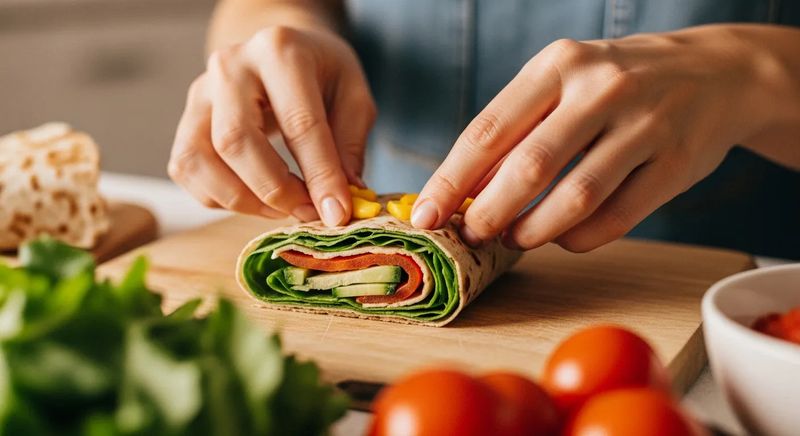
Sandwiches and wraps might be the most underrated skill on this list. Building a truly great sandwich is about layering flavors and textures thoughtfully.
Toasting the bread adds crunch. Spreading condiments all the way to the edges prevents dry bites.
Wraps are even more versatile since you can stuff them with almost anything in your fridge. The trick to keeping a wrap together is not overfilling it and tucking the sides in tightly before rolling.
Practice makes perfect here.
10. Understanding Kitchen Safety and Hygiene
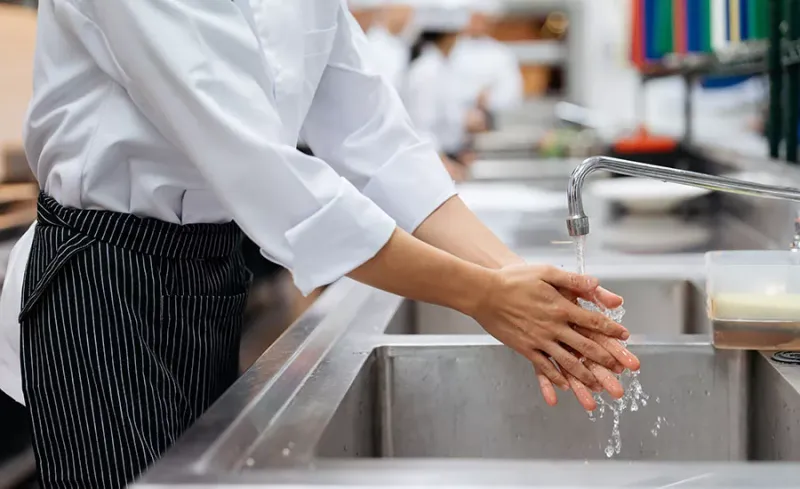
Raw chicken, unwashed produce, and cross-contamination are real risks in any kitchen. Washing your hands before and after handling raw meat is non-negotiable and prevents the spread of harmful bacteria.
Keep a clean cutting board for produce and a separate one for raw proteins.
Always check that the stove is turned off when you are done cooking. Keep dish towels away from open flames and handles turned inward on the stove.
These small habits protect you and everyone you cook for.
11. Measuring Ingredients Accurately
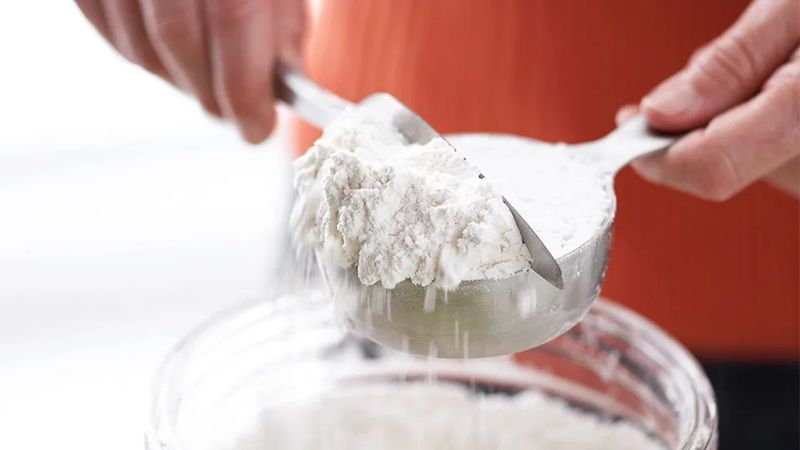
Baking especially punishes guesswork. Unlike savory cooking where you can adjust as you go, baking chemistry depends on precise measurements.
Too much flour makes cookies dense and dry. Too little baking soda means your cake will not rise properly.
Use dry measuring cups for solids and liquid measuring cups for liquids. Level off dry ingredients with a straight edge for accuracy.
Investing five extra minutes in proper measuring is the difference between a dessert that wows and one that disappoints.
12. Making a Pot of Soup or Stew
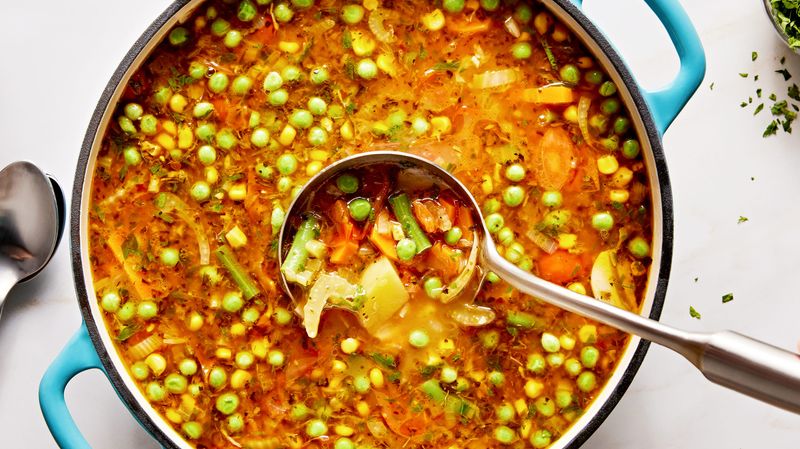
Soup is the ultimate budget-friendly, feel-good meal. You can throw almost any leftover vegetables, grains, or proteins into a pot of broth and end up with something warming and delicious.
Start with aromatics like onion and garlic sauteed in oil to build a flavorful base.
Season your soup gradually throughout cooking rather than all at once at the end. Taste as you go and adjust.
A splash of vinegar or lemon juice added at the finish brightens the whole pot remarkably.
13. Cooking Chicken Safely to the Right Temperature
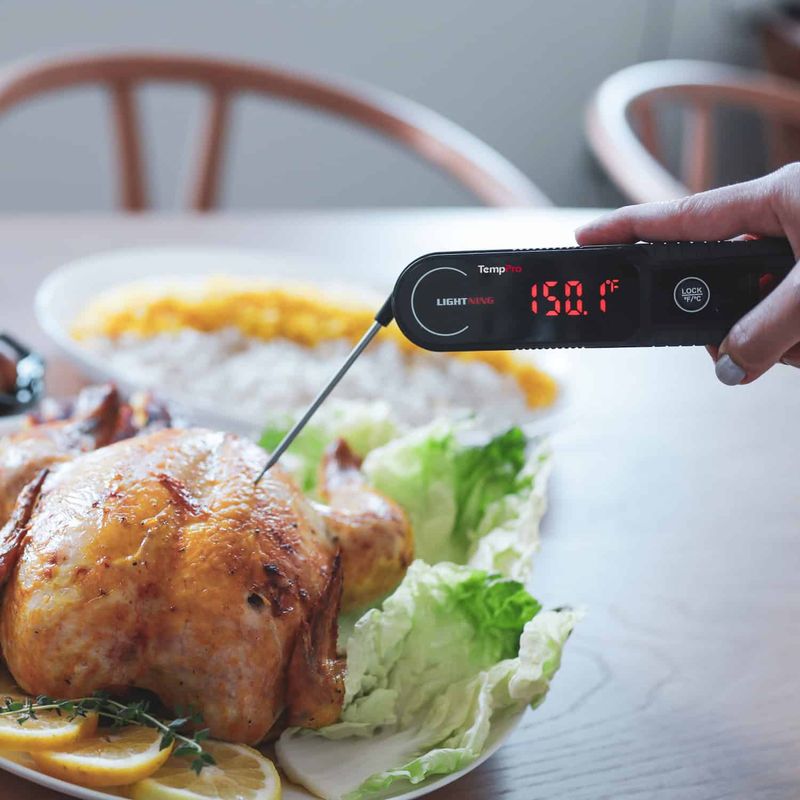
Undercooked chicken is genuinely dangerous and can cause serious food poisoning. The only reliable way to know if chicken is safe to eat is using a meat thermometer.
Chicken must reach an internal temperature of 165 degrees Fahrenheit to be safe.
Do not rely on color alone since chicken can look done on the outside while still being raw inside. Let cooked chicken rest for a few minutes before cutting so the juices redistribute.
This simple step keeps the meat moist and flavorful.
14. Making Pancakes from Scratch
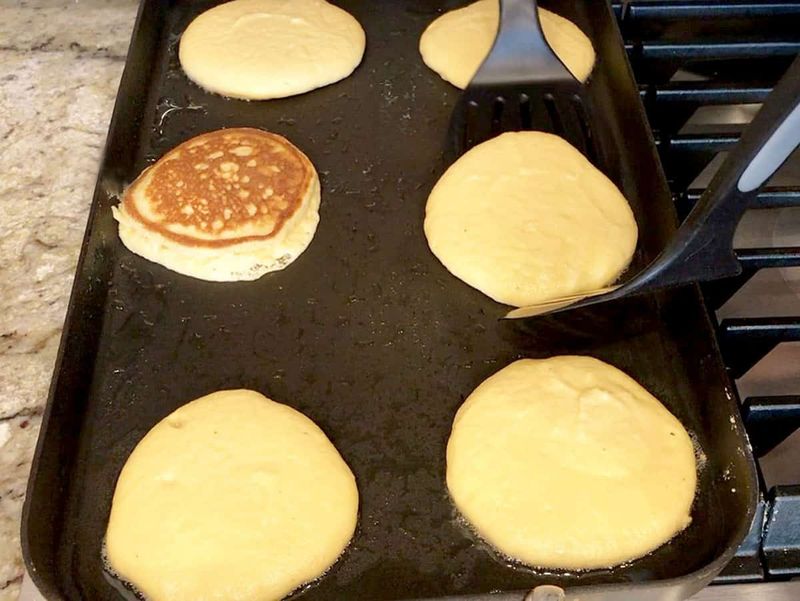
There is something genuinely satisfying about making pancakes from scratch instead of a box mix. The basic batter needs only flour, eggs, milk, baking powder, salt, and a little sugar.
Mix the dry and wet ingredients separately before combining them gently to avoid tough, rubbery pancakes.
Lumps in the batter are totally fine and actually encouraged. Wait until bubbles form on the surface and the edges look set before flipping.
A confident, single flip makes for a perfectly golden pancake every time.
15. Storing Leftovers and Understanding Expiration Dates
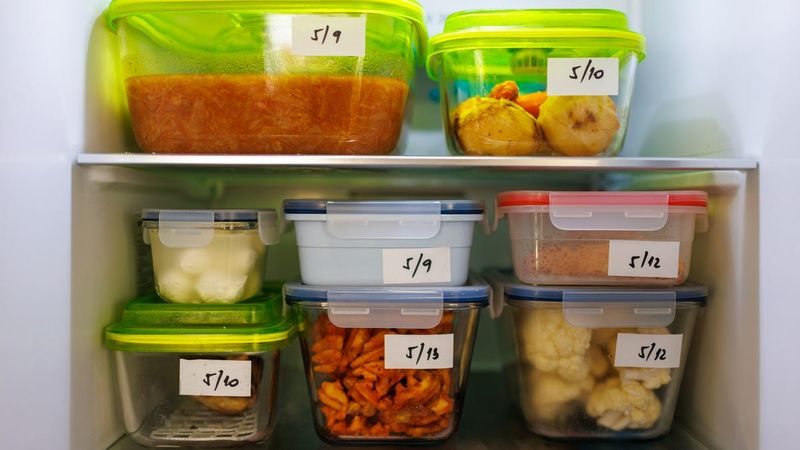
Food waste costs money and improperly stored food can make you seriously sick. Cooked food should be refrigerated within two hours of cooking to prevent bacteria from multiplying to unsafe levels.
Use airtight containers to keep leftovers fresh longer and prevent fridge odors from mixing.
Expiration dates can be confusing. "Best by" means peak quality, not necessarily safety. "Use by" is stricter and should be followed closely. When in doubt, trust your nose and eyes.
Spoiled food usually smells off or looks visibly wrong.
16. Planning a Simple Weekly Meal Plan
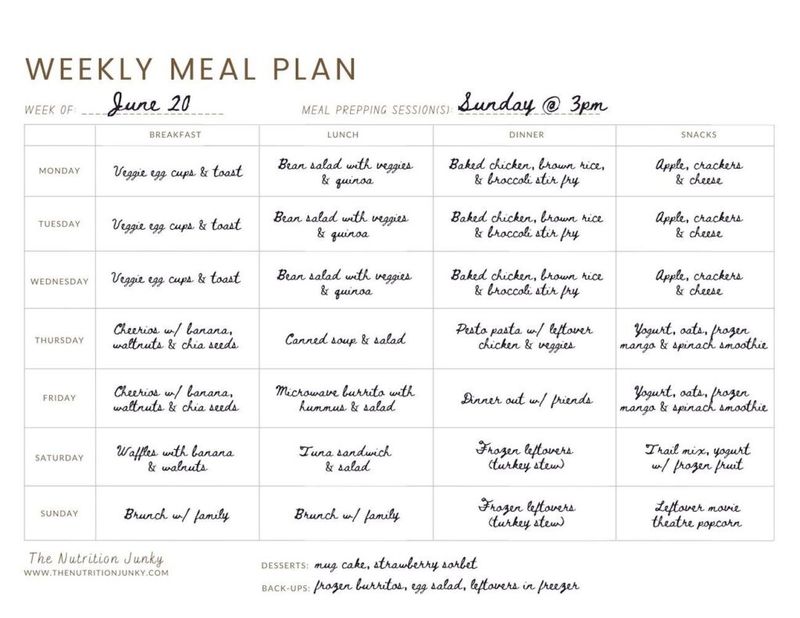
Knowing how to cook is only half the battle. Planning what you will cook each week saves time, reduces stress, and keeps grocery bills manageable.
Even a loose plan of five dinners prevents the dreaded evening question of what to eat when you are already hungry.
Pick recipes that share ingredients to cut down on waste. For example, buying one bunch of spinach works for both a salad and a pasta dish.
Meal planning is a skill that pays off every single week once you make it a habit.




Comments
No Comments